Did you know the average U.S. household produces 7.5 tons of CO2 annually? Small changes in daily habits can shrink your carbon footprint while boosting indoor air quality. This guide reveals practical upgrades that benefit both the planet and your family’s health.
From quick fixes like LED bulbs to long-term investments in solar panels, every step counts. The EPA estimates homeowners waste 30% of energy through inefficiencies—money that could stay in your pocket. Non-toxic materials and proper ventilation also reduce allergy triggers by up to 60%.
Key Takeaways
- Household upgrades lower utility bills and environmental impact
- Energy efficiency improvements pay for themselves over time
- Indoor air quality directly affects respiratory health
- Immediate changes require minimal investment
- Strategic planning maximizes long-term benefits
How to Make Your Home More Eco-Friendly & Healthy: A Comprehensive Guide
Every household decision affects both your wallet and the environment. A holistic approach combines energy efficiency, water conservation, and non-toxic materials. The Intergovernmental Panel on Climate Change reports that residential emissions contribute 17% of global CO₂ output.

| Phase | Actions | Impact |
|---|---|---|
| Immediate | Unplug idle electronics, fix leaks | Reduces phantom power (10% of energy consumption) |
| Mid-Term | Upgrade insulation, install low-flow fixtures | Cuts heat loss by 50% (attic) and 40% (windows) |
| Long-Term | Solar panels, rainwater harvesting | Eliminates 25M tonnes of GHG (UK food waste equivalent) |
Sealed’s research shows attics leak half of heated air. Pair insulation upgrades with smart habits like composting—diverting food scraps from landfills slashes methane emissions.
Electronics draw phantom power even when off. Smart power strips stop this waste. Similarly, drafty windows drain heating efficiency. Thermal curtains offer a quick fix while planning larger upgrades.
1. Boost Energy Efficiency with Smart Insulation
Unseen gaps in walls and attics act like open windows for warmth. According to Sealed, 50% of heated air escapes through attic spaces. Proper insulation creates a thermal barrier that slashes energy bills while maintaining comfort.

Seal Air Leaks in Walls and Attics
Simple Energy Advice reports 25% of heating loss occurs through roofs. Start with weatherstripping around doors and windows—a DIY project costing under $50. For attics, spray foam seals irregular gaps better than fiberglass batts.
One Minnesota household reduced energy use by 30% after professional attic sealing. Their winter heating bill dropped from $287 to $201 monthly. Fire-resistant mineral wool adds safety while blocking heat transfer.
Upgrade to Cotton or Cork Insulation
Natural materials offer sustainable alternatives to fiberglass. Cork comes from regenerating tree bark and resists mold naturally. Recycled cotton denim batts provide comparable R-value to traditional options.
| Material | R-Value per Inch | Cost per Sq Ft | Eco-Benefits |
|---|---|---|---|
| Cellulose | 3.7 | $0.60 | 85% recycled content |
| Cork | 3.6 | $1.10 | Carbon-negative production |
| Cotton Batts | 3.4 | $0.90 | No VOC emissions |
Install Radiator Foil for Heat Retention
Reflective panels behind radiators bounce 95% of warmth into rooms. This $20 upgrade improves heat distribution without replacing systems. Combine with smart thermostats for maximum energy efficiency.
“Properly installed insulation should meet ENERGY STAR’s R-38 standard for attics in most U.S. climate zones.”
Focus first on areas where you feel drafts or see ice dams. Professional energy audits use thermal imaging to pinpoint exact leakage points. Every sealed gap contributes to long-term savings.
2. Upgrade to High-Performance Windows
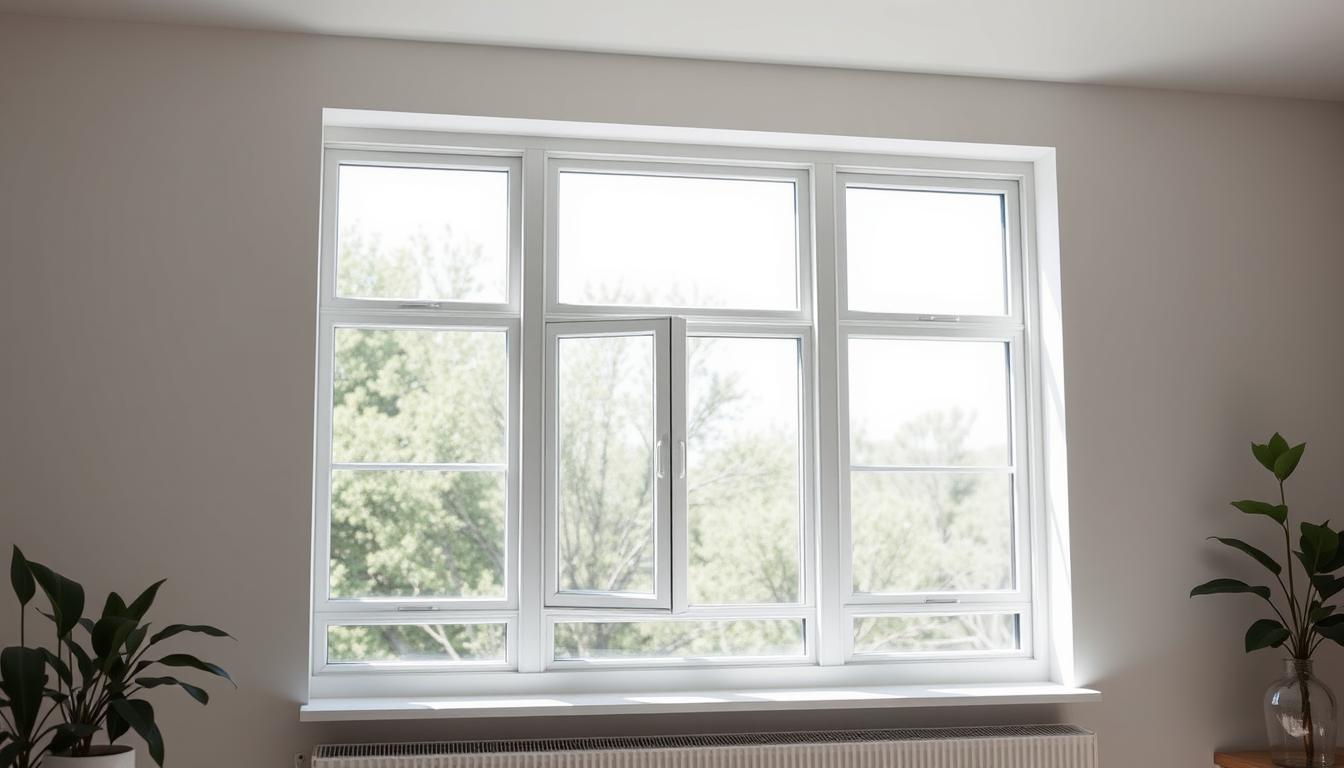
Windows account for 25-30% of residential heat loss, making them prime targets for efficiency upgrades. Advanced glazing technologies can reduce this transfer by half while maintaining natural light. The Department of Energy reports proper window selection lowers annual energy costs by 12% nationwide.
Select Advanced Glazing Options
Triple-pane windows with Low-E coatings reflect infrared light, keeping interiors warmer in winter and cooler in summer. The argon gas between panes acts as an additional insulator, outperforming air-filled units. Compare U-values when shopping—lower numbers indicate better thermal resistance.
| Glazing Type | U-Value | Noise Reduction |
|---|---|---|
| Single-pane | 1.1 | 28dB |
| Double-pane | 0.35 | 35dB |
| Triple-pane | 0.15 | 40dB |
Implement Sustainable Window Coverings
Hemp or organic cotton curtains provide insulation without synthetic materials. Cellular shades create air pockets that reduce heat exchange by 60% when closed. Many states offer rebates through historic preservation programs for period-appropriate upgrades.
“Replacing single-pane windows with ENERGY STAR certified models saves $101-$583 annually.” – DOE Efficient Windows Collaborative
The payback period for quality windows ranges from 7-15 years depending on climate. Combined with proper installation, they eliminate drafts that trigger HVAC overuse. Noise reduction becomes an added benefit in urban areas.
3. Switch to LED Lighting
Lighting accounts for 15% of household electricity use, but smarter choices can slash this number dramatically. LEDs outperform traditional options by lasting 10x longer while using 90% less power. This simple swap reduces energy use and maintenance hassles simultaneously.

Replace Incandescent and Fluorescent Bulbs
Not all light bulbs deliver equal value. LEDs convert 95% of energy into light, while incandescents waste 90% as heat. Compare performance before upgrading:
| Type | Lumens/Watt | Lifespan | 10-Year Cost* |
|---|---|---|---|
| Incandescent | 15 | 1,000 hours | $180 |
| CFL | 60 | 8,000 hours | $50 |
| LED | 90 | 25,000 hours | $30 |
*Based on 3 hours daily use at $0.13/kWh. Color temperature matters too—2700K creates warm ambiance, while 5000K mimics daylight for task areas.
Use Smart Lighting Systems
Philips Hue and similar systems let you control lights by room or schedule. Tunable white LEDs support circadian rhythms by adjusting blue light exposure. Many utilities offer rebates—check the DSIRE database for local programs.
“By 2035, LEDs could save Americans $20 billion annually in electricity costs.” – U.S. Department of Energy
Zoned lighting prevents unnecessary energy use in unoccupied spaces. Pair smart bulbs with motion sensors for automatic operation. These upgrades typically pay for themselves within 18 months.
4. Optimize Heating and Cooling Systems
Heating and cooling account for nearly half of household energy costs—smart upgrades can transform this expense. Google reports Nest thermostat users save 16.5% annually by learning schedules and adjusting temps automatically. Start with these high-impact improvements.

Smart Thermostats: Precision Control
Programmable models like Ecobee and Honeywell adapt to your routine. Features matter:
- Remote access: Adjust settings via phone
- Geofencing: Changes temps when you leave
- Energy reports: Tracks usage patterns
“Properly sealed ducts improve HVAC efficiency by 20%.” – ASHRAE
Hydronic Radiant Heating: Silent Efficiency
Water-based systems circulate warmth through floors or walls. They’re 200-600% more efficient than forced air. Benefits include:
| Type | Installation Cost | Longevity |
|---|---|---|
| Radiant Floor | $6-$15/sq ft | 30+ years |
| Baseboard | $4-$8/sq ft | 25 years |
HVAC Maintenance: Annual Tune-Ups
Neglected systems lose 5% efficiency yearly. Follow this checklist:
- Replace filters every 90 days
- Clean condenser coils each spring
- Check refrigerant levels
Geothermal heat pumps qualify for 26% federal tax credits. Compare SEER ratings—higher numbers mean better cooling efficiency.
5. Invest in Solar Energy
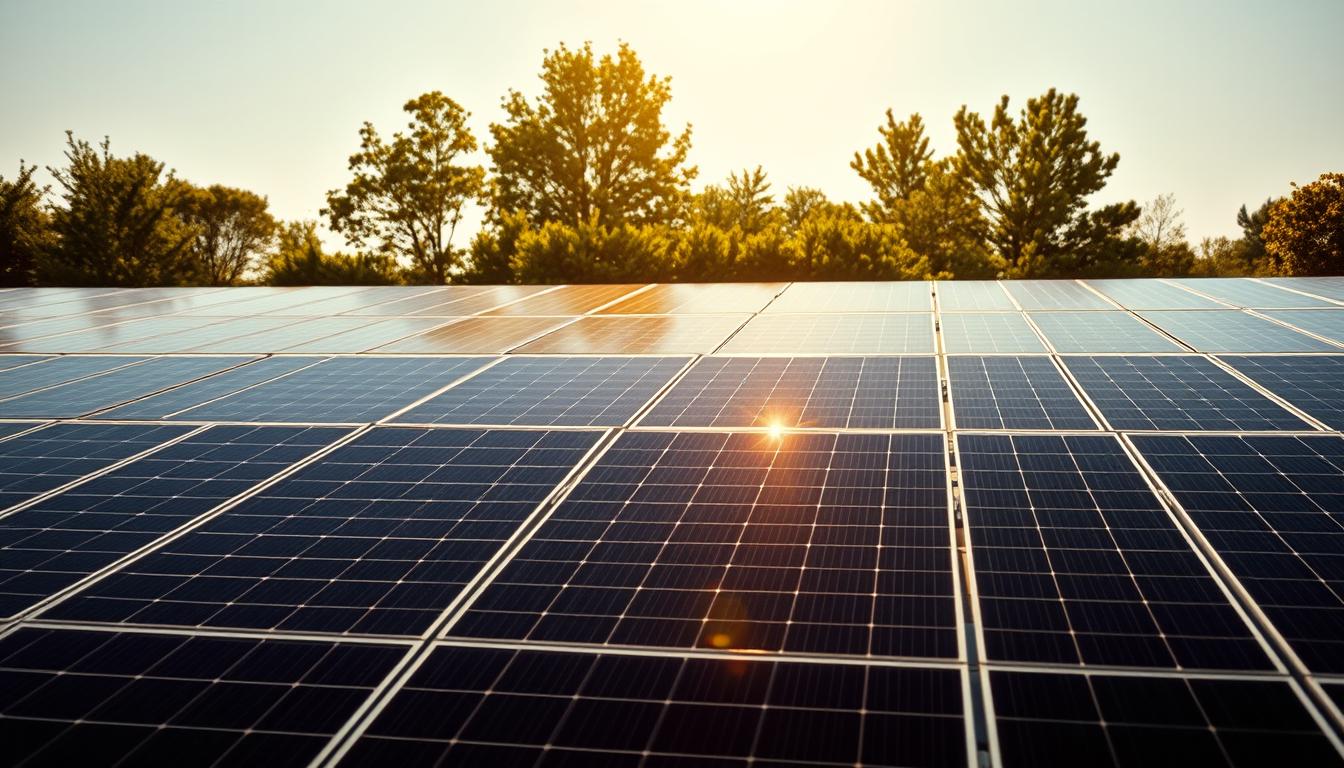
The sun delivers enough energy in one hour to power global needs for a year—harnessing it starts at home. Residential systems now pay for themselves in 8 years on average while shrinking your environmental footprint. EcoWatch data shows solar adopters save 1 tonne of carbon annually, equivalent to planting 50 trees.
Evaluate Solar Panel Feasibility
Net metering policies vary by state—California credits excess power at retail rates, while Texas offers wholesale compensation. Compare panel types for your roof:
| Type | Efficiency | Cost/Watt | Best For |
|---|---|---|---|
| Monocrystalline | 20-22% | $1.00 | Small roofs |
| Polycrystalline | 15-17% | $0.90 | Budget projects |
| Thin-Film | 10-13% | $0.70 | Large commercial |
NREL’s solar maps show Arizona and New Mexico achieve 6+ peak sun hours daily. Even cloudy regions like Washington can generate 70% of southern states’ output.
Combine with Battery Storage
Tesla Powerwall stores excess electricity for nighttime use or outages. During peak rate periods, batteries can power your home instead of drawing costly grid electricity. Key benefits:
- Time-of-use bill optimization
- Backup during blackouts
- Increased energy independence
The 26% federal tax credit applies to both panels and storage through 2032. Solar shingles offer discreet alternatives—Luma and CertainTeed products blend with traditional roofing while generating power.
“Community solar programs allow renters and condo owners to buy shares in offsite arrays, receiving bill credits for their portion of generation.” – Solar Energy Industries Association
6. Reduce Water Waste
American households waste nearly 1 trillion gallons of water annually through inefficiencies. Upgrading fixtures and changing habits can slash this number while cutting utility costs. The EPA reports fixing leaks alone could save enough water to supply 11 million homes.

Modernize Bathroom Fixtures
WaterSense-certified toilets use just 1.28 gallons per flush versus older models’ 3.5-7 gallons. This upgrade saves 5,000 gallons yearly for a family of four. Look for dual-flush options that offer liquid/solid waste differentiation.
Low-flow showerheads maintain pressure while cutting consumption by 40%. Aerating models mix air with water for satisfying showers at 2.0 GPM or less. Many utilities offer rebates through the EPA’s WaterSense program.
Eliminate Hidden Leaks
A dripping faucet wastes 3,000 gallons annually—enough for 180 showers. Check for silent toilet leaks with food coloring in the tank. If color appears in the bowl without flushing, replace the flapper valve.
| Fixture | Standard Flow | Efficient Alternative |
|---|---|---|
| Showerhead | 2.5 GPM | 1.5 GPM (WaterSense) |
| Faucet | 2.2 GPM | 1.5 GPM (aerator) |
| Toilet | 3.5 GPF | 1.28 GPF (dual-flush) |
Harvest Rainwater Responsibly
RainXchange systems collect runoff for irrigation, reducing municipal water use by 50% in summer. Pair with drip irrigation that delivers 90% efficiency versus sprinklers’ 65-75%. In arid regions, xeriscaping with native plants eliminates watering needs.
“Greywater systems can recycle 25-40% of household water for landscaping when properly installed according to local codes.” – EPA WaterSense
Check state regulations before installing greywater systems. Simple rain barrels require no permits in most areas and provide chemical-free water for gardens.
7. Choose Eco-Friendly Flooring
Bamboo grows faster than any other flooring material—up to 1.5 inches per hour. This rapid regeneration makes it a top sustainable choice. Unlike hardwood that takes decades to mature, bamboo reaches harvest readiness in just 5-7 years.

Opt for Reclaimed Wood or Bamboo
Forest Stewardship Council (FSC) certification ensures wood comes from responsibly managed forests. Reclaimed lumber gives old beams new life while preserving historical character. Both options avoid contributing to deforestation.
Cork flooring offers natural mold resistance and sound insulation. Harvested from tree bark without harming the plant, it’s 100% biodegradable. Mohawk’s StrataMax carpets made from recycled nylon demonstrate how materials can get second lives.
Explore Recycled Material Options
Recycled glass tiles contain 30% post-consumer content, diverting waste from landfills. Compare popular eco-flooring types:
| Type | Lifespan | Eco-Benefits |
|---|---|---|
| Linoleum | 25+ years | Natural ingredients, biodegradable |
| Vinyl | 10-20 years | Contains plastic, harder to recycle |
| Bamboo | 20-25 years | Rapidly renewable, carbon-negative |
FloorScore certification guarantees low VOC emissions for better indoor air quality. Cradle to Cradle standards evaluate products across five sustainability categories. Always check these labels when selecting home flooring.
“Bamboo sequesters 35% more carbon than equivalent hardwood forests while producing 30% more oxygen.” – International Network for Bamboo and Rattan
Installation matters too—water-based adhesives and floating floor systems minimize environmental impact. Proper underlayment extends product life, reducing replacement frequency.
8. Select Non-Toxic Paints and Wallpapers
The walls around you could be releasing harmful chemicals without your knowledge. Conventional paints emit volatile organic compounds (VOCs) that degrade air quality for years. The EPA estimates indoor pollution levels are 2-5 times higher than outdoors, partly due to wall finishes.
Look for Low-VOC Paints
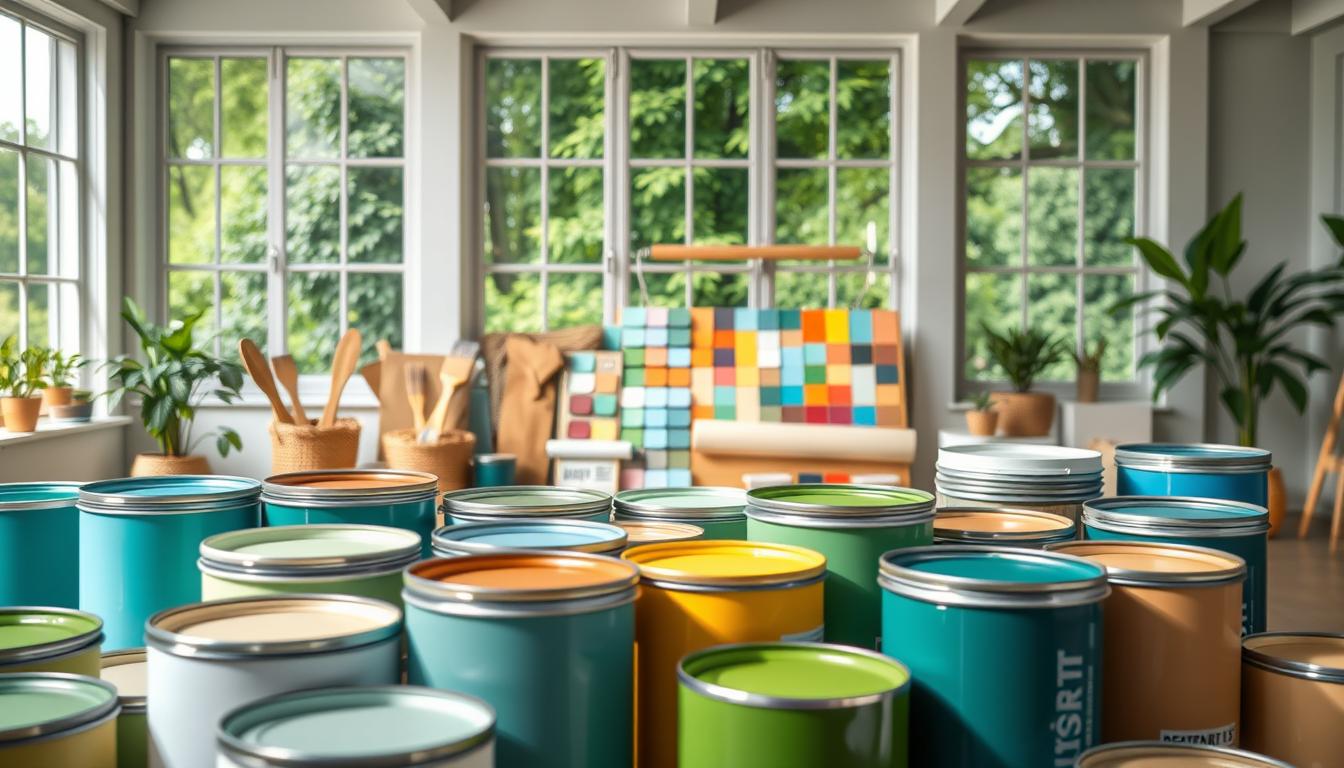
Green Seal 11 certification guarantees paints with 90% fewer toxins than conventional materials. Three top-performing types:
| Type | VOC Content | Best For |
|---|---|---|
| Clay Paint | 0g/L | Humidity control |
| Milk Paint | Historic homes | |
| Benjamin Moore Natura | 0g/L | Color variety |
California’s CDPH Standard Method v1.2 tests emission levels after application. Asthma-friendly products must pass this 14-day off-gassing assessment. Always check certification labels rather than relying on “low-VOC” marketing claims.
Use Sustainable Wallpaper Brands
Spoonflower leads with water-based inks on recycled paper backings. Key selection criteria:
- Adhesives: Phthalate-free formulas (ask for MSDS sheets)
- Removal: Peelable options reduce drywall damage
- Content: FSC-certified paper or natural fibers
“Wallpaper accounts for 30% of a room’s surface area—choosing non-toxic versions significantly reduces chemical exposure.” – Healthy Building Network
Textile wallcoverings like hemp or organic cotton offer breathable alternatives. For rentals, temporary options like Wallshoppe’s removable designs provide style without permanent impact.
9. Upgrade to Energy-Star Appliances
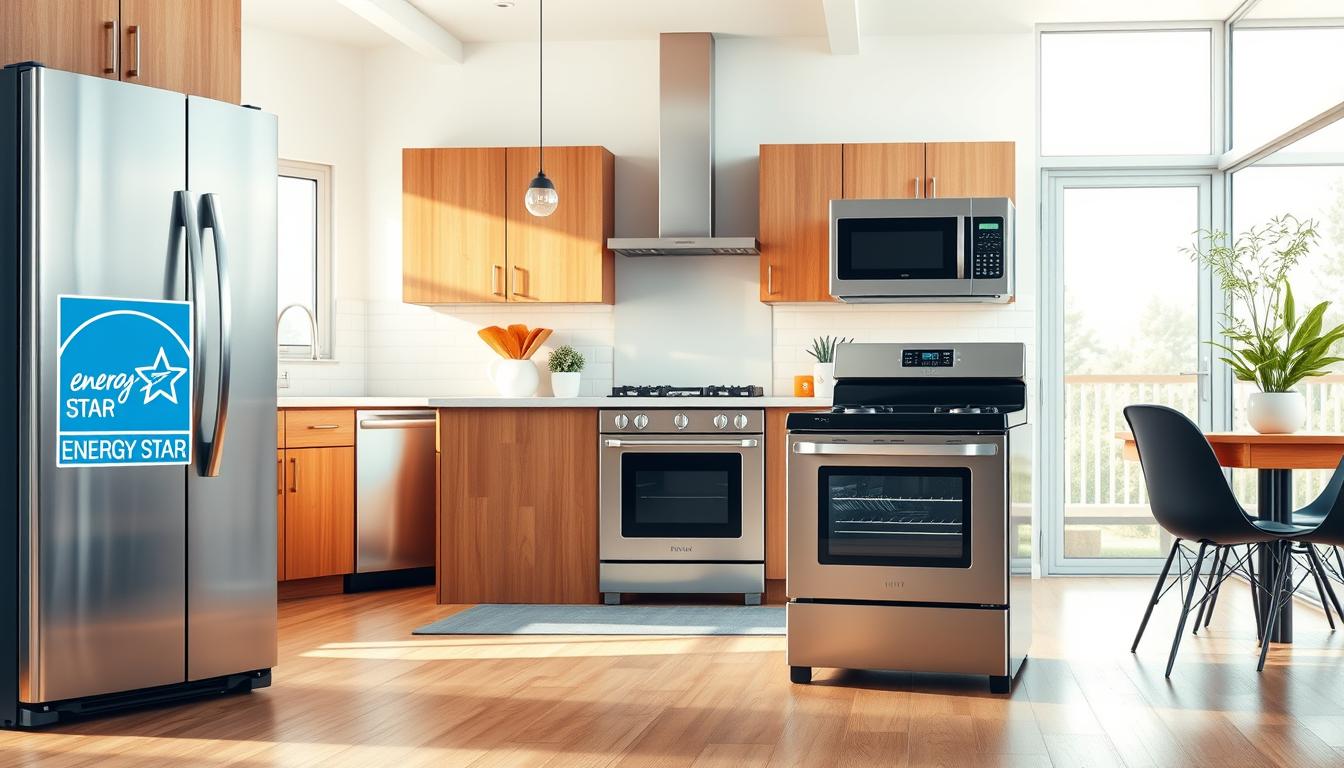
Modern appliances account for 30% of household energy bills, but smarter choices can transform this expense into savings. ENERGY STAR-certified models use advanced technologies to reduce consumption without sacrificing performance, often paying for themselves within 3-5 years.
Prioritize Kitchen and Laundry Upgrades
Focus first on refrigerators and clothes dryers—they consume the most power. LG’s SmartThinQ refrigerators adjust cooling based on usage patterns, cutting energy use by 15%. Heat pump dryers outperform conventional electric models with 50% better efficiency.
| Appliance | Standard Model | ENERGY STAR Model |
|---|---|---|
| Dishwasher | 6.5 gallons/cycle | 3.2 gallons/cycle |
| Refrigerator | 600 kWh/year | 400 kWh/year |
| Clothes Washer | 30 gallons/load | 13 gallons/load |
Calculate Long-Term Savings
Use the EnerGuide label’s lifecycle cost calculator to compare models. Induction cooktops offer 85% energy transfer versus gas stoves’ 40%, reducing emissions and kitchen heat. Many manufacturers like Best Buy and Lowe’s offer buy-back programs for old units.
“Replacing a 10-year-old refrigerator with an ENERGY STAR model saves enough electricity to power a TV for 1,100 hours annually.” – ENERGY STAR
AHAM verification ensures performance claims are accurate. Look for the yellow EnergyGuide label when shopping—it shows estimated yearly operating costs compared to similar models. This transparency helps make informed purchasing decisions.
10. Minimize Electronic Waste
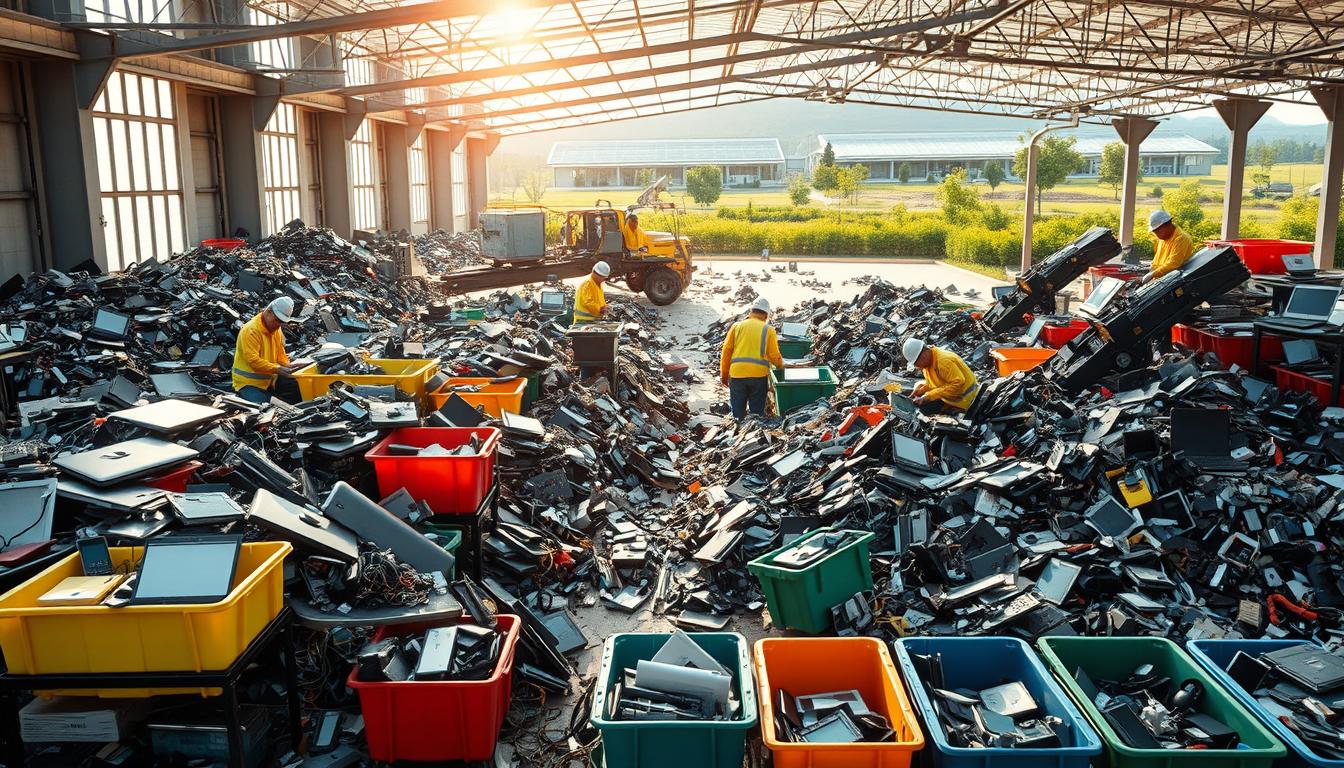
Discarded electronics create the fastest-growing waste stream globally, with toxic components leaching into soil and water. The UK alone generates 1.5 million tonnes of e-waste annually—enough to fill 150,000 double-decker buses. Smart strategies can extend product life while ensuring responsible end-of-cycle processing.
Extend Device Lifespans
Right to Repair laws now exist in 25 U.S. states, requiring manufacturers to provide repair manuals and parts. Services like iFixit offer free guides for 50,000+ devices, while uBreakiFix provides professional repairs for half the cost of replacements.
Consider modular phones like Fairphone, where components snap out for easy upgrades. Their latest model scores 10/10 on repairability versus Apple’s iPhone at 4/10. Proper maintenance also matters:
- Clean laptop vents monthly to prevent overheating
- Use battery saver modes to reduce energy strain
- Install lightweight OS versions on aging devices
Recycle Electronics Responsibly
Only 17% of e-waste gets formally recycled. R2-certified processors like Best Buy’s program guarantee safe handling of hazardous materials like mercury and lead. Compare options:
| Service | Accepted Items | Data Security |
|---|---|---|
| Best Buy | 3 items/day (fee for TVs) | On-site wiping |
| Staples | Small electronics only | Certified destruction |
| Call2Recycle | Batteries, cell phones | EPA-compliant |
“Blockchain pilots now track e-waste from collection to final processing, increasing transparency in an industry plagued by illegal dumping.” – Basel Action Network
The Basel Convention restricts toxic waste exports to developing nations. Always verify recyclers’ certifications—fake “green” programs often ship waste overseas. Proper handling reduces environmental impact while recovering valuable materials like gold and cobalt.
11. Reduce Plastic and Paper Consumption
The average American throws away 185 pounds of plastic annually—equivalent to 1,200 grocery bags. This disposable culture contributes to the Great Pacific Garbage Patch, now three times the size of France. Simple swaps in daily routines can dramatically cut your contribution to this environmental crisis.

Switch to Reusable Containers
Glass jars outperform plastic in food preservation and safety. Unlike plastic that leaches chemicals, glass remains inert indefinitely. For flexible options, Stasher silicone bags withstand temperatures from -40°F to 400°F.
Compare popular storage materials:
| Type | Lifespan | Recyclability |
|---|---|---|
| Glass | Lifetime | 100% endlessly |
| Silicone | 5+ years | Specialized facilities |
| PLA “compostable” | Single-use | Industrial compost only |
“Loop’s reusable packaging system eliminates single-use waste by delivering products in durable containers collected, cleaned, and refilled.” – Ellen MacArthur Foundation
Use Beeswax Wraps Instead of Plastic
One beeswax wrap replaces 180 feet of plastic cling film during its 1+ year lifespan. These organic cotton sheets infused with beeswax, tree resin, and jojoba oil create a breathable seal for food storage.
For paper towel alternatives:
- Unpaper towels: Washable cotton rolls fit standard dispensers
- Swedish dishcloths: Each replaces 17 rolls of paper towels
- Bokashi bins: Compost meat/dairy scraps odor-free
The EPA estimates 17% of landfill space holds disposable food packaging. Small changes like these collectively divert millions of tons from waste streams annually.
12. Adopt Sustainable Laundry Habits
Microplastic pollution from synthetic fabrics now contaminates 83% of global tap water samples. Your laundry routine directly impacts this crisis—but simple changes create measurable differences. The Alliance for Water Efficiency reports households can save 6,000 gallons annually through smarter washing habits.
Cold Washes Preserve Fabrics and Energy
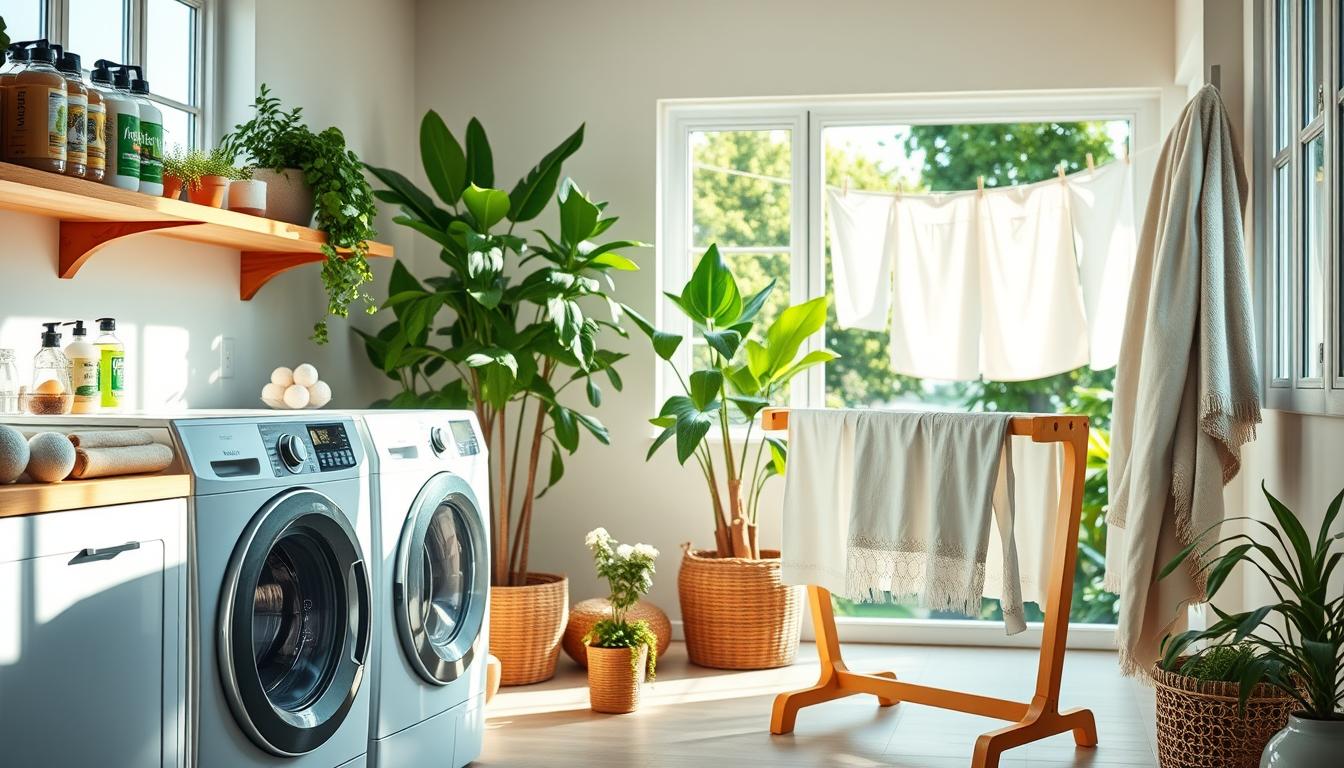
Switching to cold water slashes 75% of washing machine energy use. Modern detergents like ECOS work effectively at 60°F with pH-balanced formulas that protect colors. Follow these garment-specific guidelines:
- Denim: Wash every 10 wears (Free People study extends lifespan 2x)
- Wool/Silk: Hand wash in cold with mild soap
- Athletic wear: Use Guppyfriend bags to capture microfibers
“Front-loading machines consume 50% less H2O than top-loaders—Miele’s WaterSense models use just 11 gallons per cycle.” – ENERGY STAR
Air-Drying Methods Compared
Skip the dryer for 90% of loads to prevent shrinkage and microfiber shedding. Consider these alternatives:
| Method | Dry Time | Space Needed |
|---|---|---|
| Clothesline | 4-6 hours | Outdoor area |
| Collapsible rack | 8-10 hours | 3 sq ft |
| Wool dryer balls | 25% faster | Standard dryer |
During Fashion Revolution Week (April), challenge yourself to air-dry exclusively. This reduces the average household’s carbon footprint by 2,400 pounds annually—equivalent to planting 40 trees.
For unavoidable dryer use, wool balls soften fabrics naturally while cutting static. They last 1,000+ loads, replacing single-use dryer sheets. Pair with moisture sensors to avoid over-drying that wastes energy.
13. Cultivate a Green Kitchen
Your kitchen habits impact both the planet and your grocery bill more than you might realize. Simple changes in how you store, grow, and source ingredients create ripple effects. The USDA estimates 70% of household food waste could be prevented with better planning.
Compost Food Scraps
Turn peels and coffee grounds into nutrient-rich soil instead of landfill methane. Compare these popular systems:
| Method | Setup Cost | Maintenance | Best For |
|---|---|---|---|
| Tumbling Composter | $120-$300 | Weekly turning | Fast results (2-4 weeks) |
| Worm Bin | $80-$150 | Moisture control | Apartments (odor-free) |
| Bokashi | $40-$90 | Daily draining | Meat/dairy scraps |
Apps like Olio connect neighbors to share excess food before it spoils. Follow FDA storage guidelines—berries last 2x longer in vented containers. Freeze herbs in olive oil cubes for future use.
Grow Herbs at Home
AeroGarden hydroponic systems use 90% less water than soil gardening. Windowsill basil saves $50 yearly versus store-bought packets. These varieties thrive indoors:
- Mint: Repels pests naturally
- Thyme: Needs minimal sunlight
- Parsley: Grows year-round
LED grow lights consume 40% less energy than fluorescent options. Community gardens offer plots if you lack space—some libraries even loan tools.
Buy Local and Seasonal Produce
The average grocery item travels 1,500 miles. CSA programs deliver farm-fresh boxes weekly while supporting regional growers. Seasonal eating cuts transportation emissions by 60%.
“Imperfect Produce subscriptions reduce farm waste by 30% while saving shoppers 40% on organic items.” – USDA Food Access Research Atlas
Use the USDA’s Food Environment Atlas to find nearby markets. Frozen local veggies preserve nutrients when out of season. Every choice reshapes the food system toward sustainability.
14. Rethink Your Cleaning Routine
The cleaning aisle hides surprising environmental impact behind bright labels. Conventional sprays and wipes often contain ammonia, phthalates, and chlorine that pollute waterways long after they leave your sink. Simple swaps protect both your family’s health and local ecosystems.

Make DIY Natural Cleaners
Vinegar and baking soda create a fizzy reaction that lifts grime without toxic residues. This classic combo works on:
- Drains (1/2 cup baking soda + 1 cup vinegar)
- Glass surfaces (1:1 vinegar/water + orange peel)
- Ovens (paste of soda + 3% hydrogen peroxide)
Essential oils add antimicrobial power—tea tree fights mold, while lemon cuts grease. The CDC confirms vinegar solutions reduce surface bacteria by 90% when left for 30 seconds. For tougher jobs, Branch Basics concentrate offers plant-based strength without synthetic materials.
Choose Biodegradable Products
EWG Verified certification ensures cleaners meet strict toxicity standards. Compare these eco-options:
| Brand | pH Level | Certifications |
|---|---|---|
| ECOS | 7.2 (neutral) | Cradle to Cradle Gold |
| Blueland | 8.1 (alkaline) | Plastic-free refills |
| Seventh Gen | 6.8 | USDA BioPreferred |
“Microfiber cloths remove 99% of bacteria with just water, outperforming disposable wipes that generate 7 billion pounds of annual waste.” – EPA Safer Choice Program
Opt for OEKO-TEX certified cloths over conventional synthetics. When diy solutions won’t suffice, concentrated formulas like those from Grove Collaborative reduce packaging waste by 80%. Every switch creates ripple effects beyond your home.
15. Embrace Minimalism and Secondhand Shopping
The UK discards 1 million tonnes of textiles annually, much of which could find new homes through responsible decluttering. Adopting minimalist principles reduces environmental impact while creating calmer living spaces. When paired with secondhand shopping, this approach extends product life cycles and diverts items from landfills.
Smart Decluttering Strategies
Marie Kondo’s KonMari method teaches folding techniques that maximize storage space. Vertical folding allows visibility of all clothing items, reducing duplicate purchases. For unwanted items:
- Buy Nothing groups facilitate hyperlocal gifting (no transactions)
- Freecycle connects donors directly with recipients
- Eileen Fisher Renew accepts worn garments for repair/resale
The Story of Stuff Project reveals 99% of purchased items become trash within 6 months. Mindful curation prevents this waste cycle.
Vintage Finds With Character
Quality vintage pieces often outlast modern fast furniture. Explore these resources for unique home items:
| Platform | Specialty | Sustainability Factor |
|---|---|---|
| Chairish | Mid-century furniture | Carbon-neutral shipping |
| Facebook Marketplace | Local bargains | Zero packaging waste |
| Habitat ReStore | Building materials | Diverts construction debris |
“Capsule wardrobes reduce decision fatigue while cutting textile waste by 80% compared to average closets.” – Fashion Revolution
Upcycling transforms discarded objects into functional decor—think ladder bookshelves or suitcase side tables. These creative solutions minimize manufacturing demand while adding personality to your space.
Conclusion
Small steps today create lasting change for tomorrow’s planet. From sealing air leaks to choosing LED bulbs, each action reduces your carbon footprint while saving energy and money.
Smart home tech like learning thermostats maximizes these benefits. Check for 2024 rebates on upgrades—many states offer incentives for efficiency improvements.
Share successes with neighbors to amplify impact. The EPA’s ENERGY STAR hotline (1-888-STAR-YES) provides free advice. Consider a professional audit to identify your next best way forward.