Did you know that by age 50, most people experience a 20-50% drop in key hormones? These chemical messengers control everything from energy levels to metabolism. As they decline, you may notice changes in weight, mood, and overall vitality.
Your endocrine system works like an orchestra. When one hormone falls out of sync, it affects your entire health. Cortisol, insulin, estrogen, and testosterone all play critical roles in the aging process.
Small imbalances can lead to big issues—fatigue, brain fog, or stubborn weight gain. The good news? Simple lifestyle adjustments help restore harmony. This article explores science-backed ways to support endocrine health at any stage of life.
Key Takeaways
- Hormonal shifts accelerate visible and internal signs of aging
- Metabolic changes often stem from endocrine disruptions
- Sleep quality directly impacts hormone production
- Targeted nutrition supports cellular receptors
- Stress management prevents cortisol dominance
Understanding the Endocrine System and Aging
Behind every heartbeat, calorie burned, and mood swing lies a complex network of hormone-producing glands. This endocrine system acts as your body’s control center, releasing chemicals that regulate everything from metabolism to sleep. Over time, these signals weaken, accelerating visible and internal changes.

How the Endocrine System Works
Think of your hypothalamus-pituitary axis as a conductor. It sends signals to glands like the thyroid and adrenals, which release hormones into your bloodstream. These molecules bind to cells, triggering actions like burning energy or storing fat.
Key Glands and Their Functions
- Thyroid: Controls metabolism and calcium balance via T3/T4 hormones.
- Adrenals: Manage stress (cortisol) and electrolytes (aldosterone).
- Pancreas: Regulates blood sugar with insulin and glucagon.
The Link Between Hormones and Aging
After your 20s, glands like the pituitary shrink, and receptors on cells become less responsive. This slows metabolic rates, reduces muscle mass, and disrupts sleep cycles—key markers of the aging process.
The Role of Hormones in Aging & How to Balance Them
Subtle shifts in your endocrine system can trigger noticeable health changes. Even minor fluctuations in hormone levels affect energy, muscle mass, and metabolism. Over time, these imbalances compound, accelerating age-related conditions.

The Domino Effect of Imbalance
When one hormone falters, others follow. For example, low estrogen in postmenopausal women raises fracture risk by 300%. Similarly, men lose 3–4% of muscle annually as testosterone declines.
Common Age-Related Imbalances
- Testosterone: 40–50% of men over 80 dip below healthy levels (
- Estrogen: Women produce 75% less after menopause (FSH >25 IU/L signals onset).
- Insulin: Resistance precedes 90% of type 2 diabetes cases in seniors.
These hormonal changes aren’t inevitable. Proactive testing and lifestyle adjustments can restore equilibrium.
Key Hormones Affected by Aging
Several vital hormones decline steadily with age, reshaping your health trajectory. These shifts influence metabolism, bone density, and even cognitive function. Understanding these changes helps you take proactive steps.
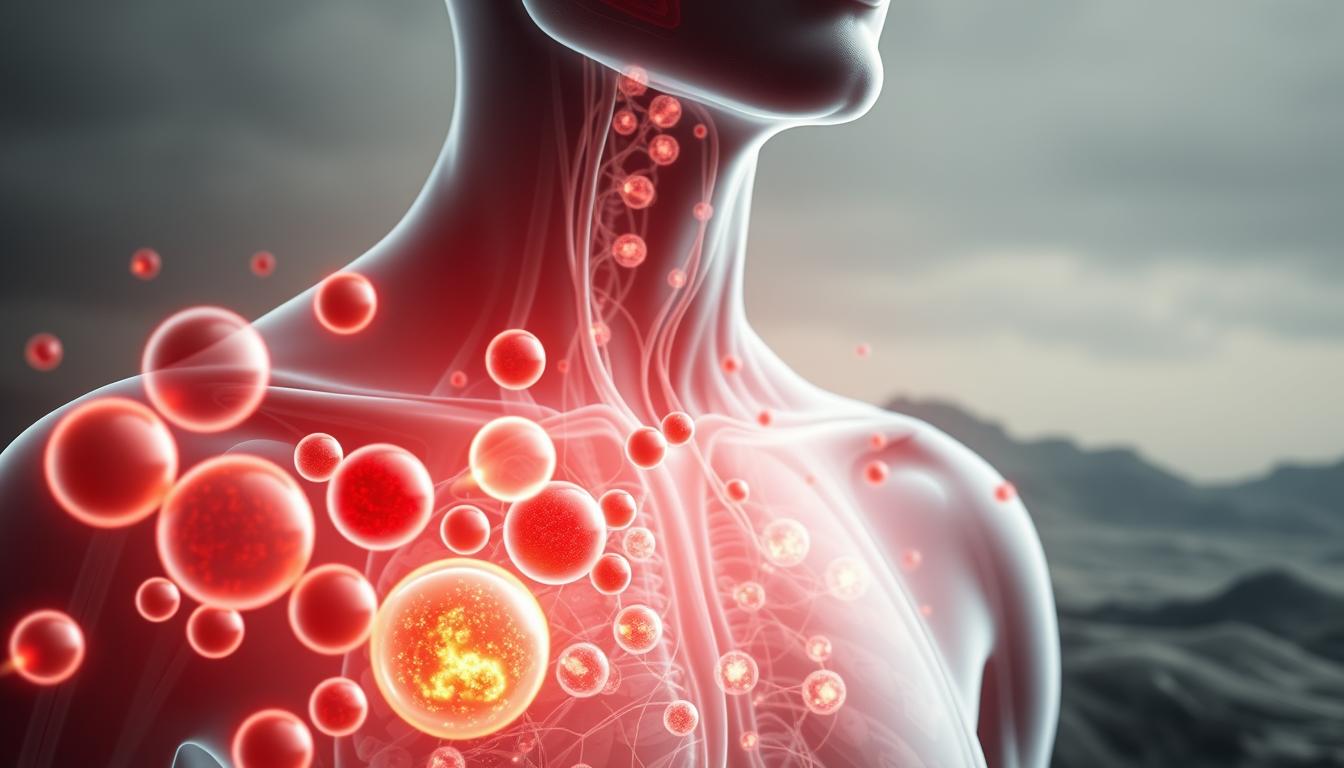
Growth Hormone Decline
After 30, GH production drops 14% per decade. This correlates with a 5% muscle loss in the same period. Research shows each 1 ng/mL decline increases cardiovascular risk by 14%.
Testosterone and Estrogen Changes
Men lose 1% of testosterone yearly after 30. Women face a 75% estrogen drop post-menopause. This hormone also protects brain health—HRT users have 30% lower Alzheimer’s risk.
Melatonin and Sleep Disruptions
By 70, melatonin levels are 40% lower than at 20. This explains why 75% of seniors experience advanced sleep phase syndrome—falling asleep unusually early.
Thyroid Hormone Fluctuations
TSH levels rise 1.4 mIU/L per decade in healthy adults. Even subtle shifts slow metabolism, contributing to weight gain and fatigue.
Insulin Resistance and Diabetes Risk
Seniors have 45% more visceral fat than middle-aged adults. This drives insulin resistance, a precursor to type 2 diabetes.
How Hormonal Changes Impact Your Health
Your body’s chemical messengers don’t just fade quietly—they reshape your health in measurable ways. Each 1% hormone decline triggers cascading effects, from slower metabolism to weakened bone density. Understanding these connections helps you intervene effectively.

Metabolic Slowdown and Weight Gain
After 20, your basal metabolic rate drops 1-2% per decade. This means burning 150 fewer daily calories at 60 than at 30. The math adds up: many adults gain 5-7 pounds yearly without changing habits.
Leptin resistance compounds this issue. Obese seniors often consume 300+ extra calories daily because their fullness signals misfire. This isn’t willpower failure—it’s biology.
Muscle Loss and Reduced Bone Density
Sarcopenia accelerates after 50, causing 8% muscle loss per decade. This doubles fall risk and weakens mobility. Simultaneously, menopausal women lose bone 3-5 times faster than pre-menopause.
These changes feed each other. Less muscle means weaker bones, creating a dangerous cycle. Weight-bearing exercise and protein intake can slow both processes.
Cognitive Decline and Mood Swings
Thyroid imbalances increase dementia risk 2.3-fold when TSH exceeds 10 mIU/L. Men with low testosterone face 56% higher depression rates. Chronic stress worsens both issues by shortening telomeres 50% faster.
Your mood and memory rely on precise hormone levels. Simple blood tests can reveal correctable imbalances before they progress to disease.
Signs You Might Have a Hormonal Imbalance
Your body sends signals when hormones fall out of balance—are you noticing them? Subtle shifts can manifest as physical changes, mood swings, or persistent fatigue. Recognizing these clues early helps you take action.

Physical Symptoms to Watch For
Hormonal disruptions often show up in visible ways. For men, low testosterone may cause muscle loss or erectile dysfunction—68% of cases occur below 250 ng/dL levels. Women in perimenopause frequently report hot flashes (92% experience them).
Other red flags include:
- Dry skin (76% of hypothyroidism cases)
- Unexplained weight gain or loss
- Thinning hair or eyebrow gaps
“Morning body temperatures below 97.8°F often indicate subclinical hypothyroidism.”
Emotional and Mental Health Clues
Your mind reflects hormonal shifts too. Cortisol imbalances slow cognitive speed by 40%, causing brain fog. Low serotonin or testosterone links to irritability or depression.
| Symptom | Common in Men | Common in Women |
|---|---|---|
| Mood swings | Low testosterone | Estrogen fluctuations |
| Energy crashes | Adrenal fatigue | Thyroid dysfunction |
| Sleep issues | Melatonin deficiency | Night sweats |
Salt cravings or dizziness upon standing? These subtle signs often point to adrenal strain. Tracking symptoms helps pinpoint imbalances before they escalate.
Lifestyle Changes to Balance Hormones Naturally
Your plate, workout routine, and bedtime habits directly influence hormone production. Unlike genetic factors, these elements are fully within your control. Research shows simple lifestyle adjustments can improve endocrine function by 35-50% in aging adults.

Nutrition: Foods That Support Hormonal Health
The Mediterranean diet boosts insulin sensitivity by 35% in seniors, according to NIH studies. Aim for a 40:30:30 ratio of complex carbs, quality proteins, and healthy fats. This combination provides raw materials for hormone synthesis.
Phytoestrogen-rich foods like flaxseeds (50mg isoflavones daily) reduce menopausal symptoms by 14%. Time-restricted eating with 14-hour fasting windows lowers insulin levels 19%, per Cell Metabolism journal findings.
Exercise: Tailored Workouts for Aging Bodies
Resistance training 3x weekly increases growth hormone pulsatility by 200% in older adults. Focus on compound movements like squats and rows to engage multiple muscle groups.
High-intensity interval training (HIIT) triggers dramatic HGH spikes. The 4×4 protocol—four minutes of intense effort followed by recovery—boosts growth hormone 450% post-workout.
Stress Management Techniques
Chronic stress shrinks hormone-producing glands over time. Eight weeks of mindfulness practice reduces cortisol by 23%, equivalent to some medications. Try these science-backed methods:
- Morning sunlight exposure resets cortisol rhythms
- Box breathing (4-4-4-4 pattern) lowers stress hormones within minutes
- Adaptogenic herbs like ashwagandha reduce perceived stress by 44%
Sleep Hygiene for Better Hormone Regulation
Cooler bedroom temperatures (65°F) increase melatonin production by 40%. Maintain pitch darkness—even small light leaks suppress this critical hormone.
“Sleep quality impacts every endocrine axis, from thyroid function to glucose metabolism.”
Avoid screens 90 minutes before bed. Blue light blocks melatonin for up to three hours, disrupting your natural circadian rhythm.
Medical Interventions for Hormonal Balance
Medical solutions exist when lifestyle changes aren’t enough to restore hormonal equilibrium. When deficiencies become severe—like testosterone under 250 ng/dL or TSH above 10 mIU/L—clinical treatments may be necessary. These approaches range from prescription hormones to specialized monitoring protocols.

When to See an Endocrinologist
Persistent symptoms like unexplained weight changes, extreme fatigue, or irregular heartbeats warrant specialist evaluation. Endocrinologists use advanced tests like 24-hour cortisol saliva panels or GnRH stimulation tests to pinpoint issues.
Red flags include:
- Bone density scans showing osteoporosis before age 60
- Fasting glucose consistently above 100 mg/dL despite diet changes
- Night sweats disrupting sleep more than three times weekly
Hormone Replacement Therapy (HRT): Pros and Cons
Hormone replacement therapy reduces hip fracture risk by 33% but increases breast cancer likelihood 1.3-fold. Transdermal estrogen patches lower thrombosis risks by 80% compared to oral versions in women over 60.
“The Women’s Health Initiative study found HRT benefits outweigh risks for women starting before 60 but reverse afterward.”
Delivery methods vary significantly:
- Gels offer 5% absorption but are easy to use daily
- Injections provide 95% bioavailability but require frequent dosing
Bioidentical Hormones: What You Need to Know
FDA-approved bioidentical hormone therapy includes Estradiol patches and Prometrium. However, 34% of compounded versions lack batch testing. These structurally identical hormones mimic natural molecules but still carry risks.
Monitoring is critical during any therapy:
- Quarterly complete blood counts (CBC) for testosterone users
- Annual mammograms for estrogen recipients
- Thyroid ultrasounds if TSH remains elevated post-treatment
Preventive Measures for Long-Term Hormonal Health
Proactive steps today can safeguard your hormonal health for years to come. Early detection and daily habits build resilience against age-related declines. Here’s how to stay ahead.
Regular Health Screenings
Annual DEXA scans spot bone loss 5–10 years before fractures occur. For metabolic health, aim for HbA1c below 5.7%—linked to 58% lower diabetes risk in Framingham studies.
Recommended testing cadence:
- Thyroid panels every 2 years (TSH, free T3/T4)
- Sex hormones annually after 40 (testosterone, estrogen, progesterone)
- Fasting insulin if waist circumference exceeds 35″ (women) or 40″ (men)
| Screening | Frequency | Critical Thresholds |
|---|---|---|
| DEXA scan | Biennially post-50 | T-score ≥ -1.0 |
| HbA1c | Yearly | |
| Cortisol (saliva) | Every 3 years | AM: 6–23 ng/mL |
Building Sustainable Healthy Habits
Consistency trumps intensity. Just 15 minutes of morning sunlight resets melatonin rhythms, improving sleep efficiency by 20%. Pair this with infrared sauna sessions 4x weekly—shown to spike growth hormone 140%.
“Hormone-friendly exercise blends 150 minutes of zone 2 cardio with 2 strength sessions weekly.”
Supplement smartly:
- Magnesium glycinate (200mg at bedtime) enhances deep sleep
- Omega-3s (2g EPA/DHA daily) reduce inflammatory markers
- Adaptogens like rhodiola support adrenal balance
Start small. A 10-minute walk after meals or swapping processed snacks for nuts creates compounding benefits. Your future self will thank you.
Conclusion
Age-related hormone shifts aren’t destiny—your daily choices shape outcomes. Early interventions before 60 improve health markers by 50%. Combining nutrition, exercise, and stress management creates balance across all endocrine axes.
New therapies like peptide hormones play a role in optimizing levels. Partner with endocrinologists and fitness experts for comprehensive care. This multidisciplinary approach enhances quality of life as you age.
Start today with two steps: schedule a hormone panel and track dietary patterns. Small, consistent actions yield compounding benefits for long-term vitality.