Did you know that nearly 70% of your immune cells reside in your gut? This surprising fact highlights how closely your health is tied to daily habits. Your body’s natural defense system works tirelessly to fend off infections, but it needs the right support to stay strong.
The CDC emphasizes that balanced nutrition, regular movement, and quality sleep form the foundation of a resilient immune system. Vaccines, like annual flu shots, add an extra layer of protection. But lasting strength comes from consistent lifestyle choices.
Small adjustments—like eating more leafy greens or reducing stress—can make a big difference. Your body responds positively when you prioritize wellness. Let’s explore practical ways to enhance your defenses naturally.
Key Takeaways
- Your gut health plays a major role in immune function.
- Nutrition, exercise, and sleep directly impact immunity.
- Vaccines provide additional protection against illnesses.
- Stress management supports overall immune performance.
- Consistent healthy habits yield long-term benefits.
Understanding Your Immune System
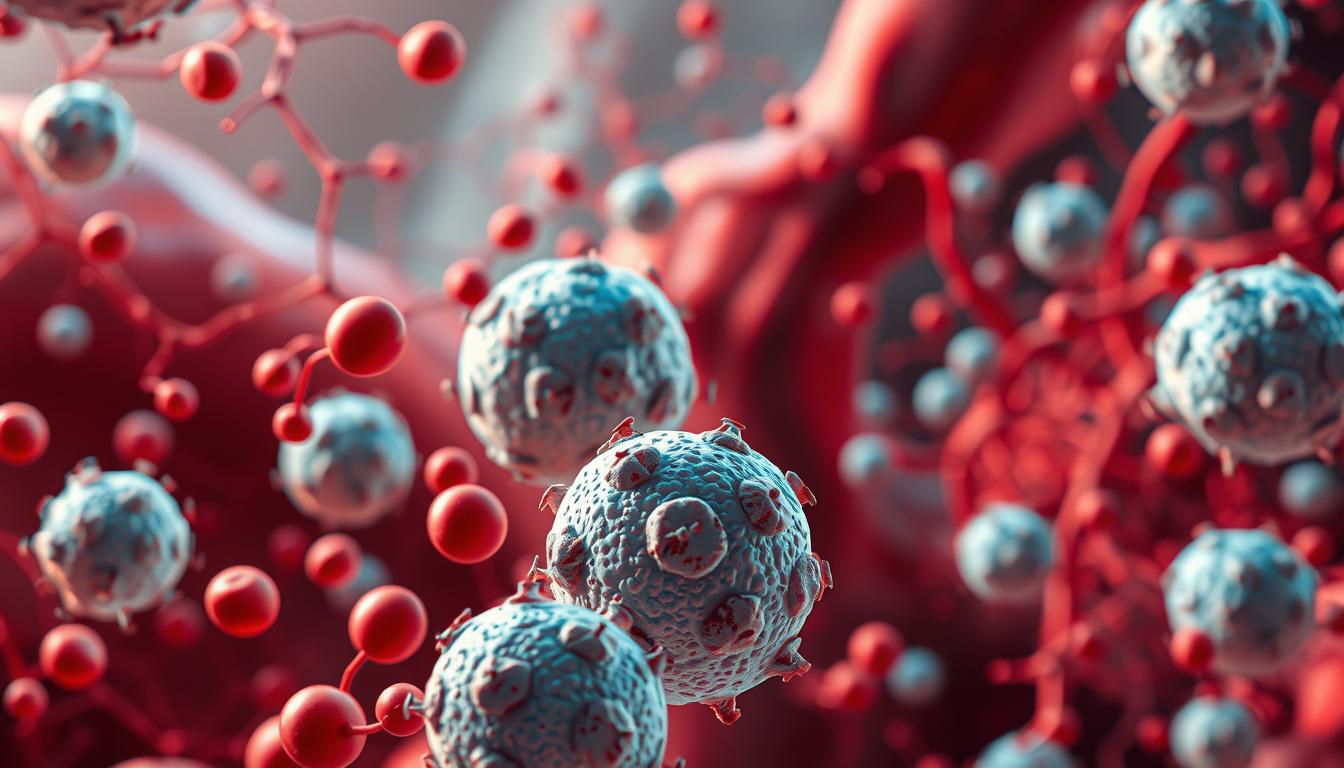
Every day, an intricate biological shield guards against harmful invaders. This network—your immune system—combines cells, tissues, and organs to identify and neutralize threats like viruses or bacteria. Think of it as a security team working nonstop to keep you safe.
What Is the Immune System?
Your body’s defense relies on specialized white blood cells that patrol the bloodstream. These include:
- Phagocytes: Engulf and destroy pathogens.
- Lymphocytes (B-cells and T-cells): Remember past invaders for faster responses.
Brown University research shows these cells communicate like a coordinated army, targeting specific threats efficiently.
How Does It Protect Your Body?
Vaccines “train” your immune system to recognize dangers. For example, flu shots introduce harmless virus fragments, prompting white blood cells to create antibodies. Later, if exposed to the real virus, your body reacts swiftly.
Strong immunity reduces infection risks and improves disease resistance. Simple habits—like handwashing and balanced nutrition—support this natural defense.
Eat a Nutrient-Rich Diet
What you eat directly fuels your body’s defense mechanisms. A balanced diet rich in vitamins and nutrients helps white blood cells function optimally. Focus on whole, unprocessed foods to build resilience.
Citrus Fruits and Vitamin C
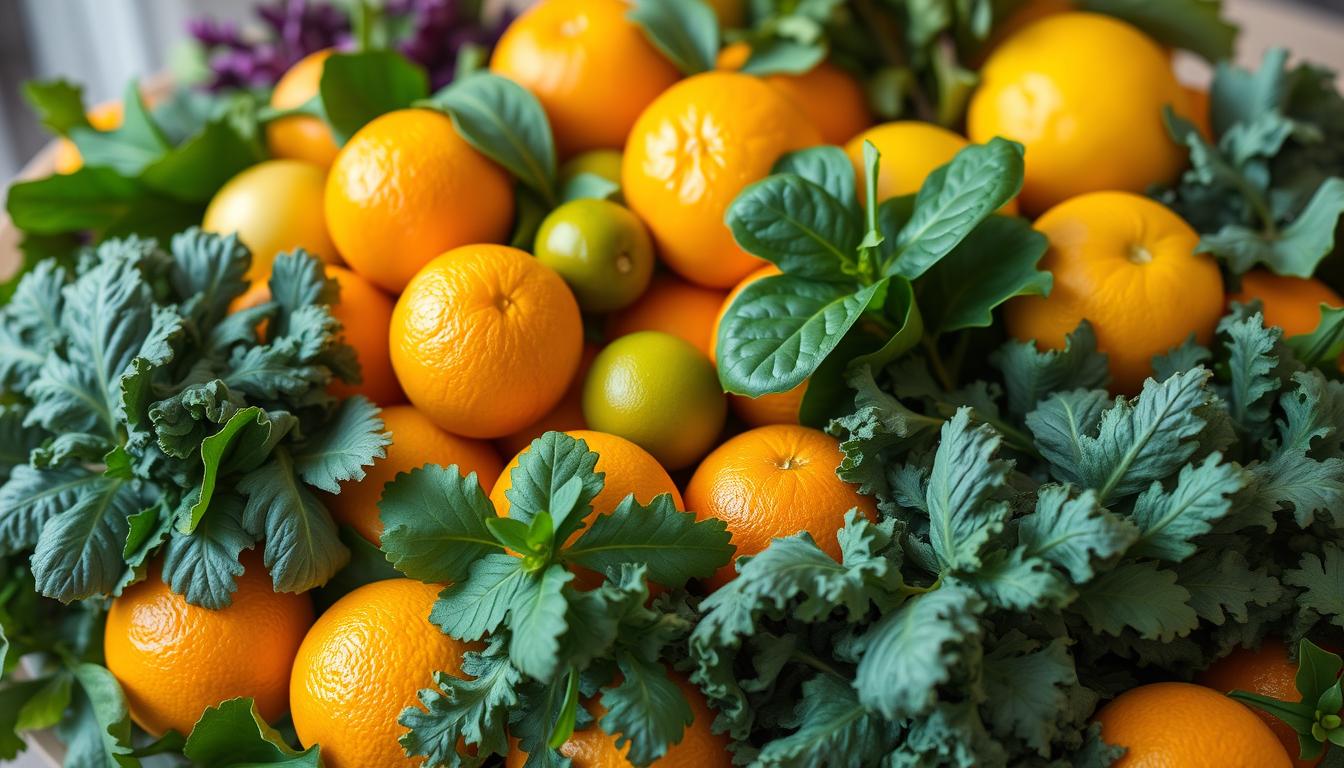
Oranges, lemons, and grapefruits pack a punch of vitamin C, which boosts white blood cell production. A study in the Journal of Immunology found that regular intake reduces cold duration by 8% in adults.
“Vitamin C enhances immune cell activity, acting like a spark plug for your defenses.”
Leafy Greens and Antioxidants
Spinach and kale contain antioxidants like beta-carotene and quercetin. These combat oxidative stress, a key factor in weakened immunity. Aim for 2–3 cups weekly for maximum benefits.
| Food | Key Nutrient | Immune Benefit |
|---|---|---|
| Oranges | Vitamin C | Boosts white blood cells |
| Spinach | Iron + Folate | Supports cell repair |
| Yogurt | Probiotics | Balances gut microbiome |
Probiotics and Gut Health
Fermented foods like yogurt and kefir introduce beneficial bacteria. Since 70% of immune cells reside in the gut, a healthy microbiome is critical. Pair probiotics with whole grains for fiber synergy.
Note: Avoid excessive vitamin supplements unless prescribed. The USDA’s Nutrition Assistance Program (SNAP) offers resources for accessing fresh vegetables and fruits.
Incorporate Immune-Boosting Superfoods
Nature provides powerful allies to boost your resilience. While “superfood” is a marketing term, certain foods deliver concentrated nutrients that help fight pathogens and reduce inflammation. Focus on variety to maximize benefits.
Berries and Flavonoids
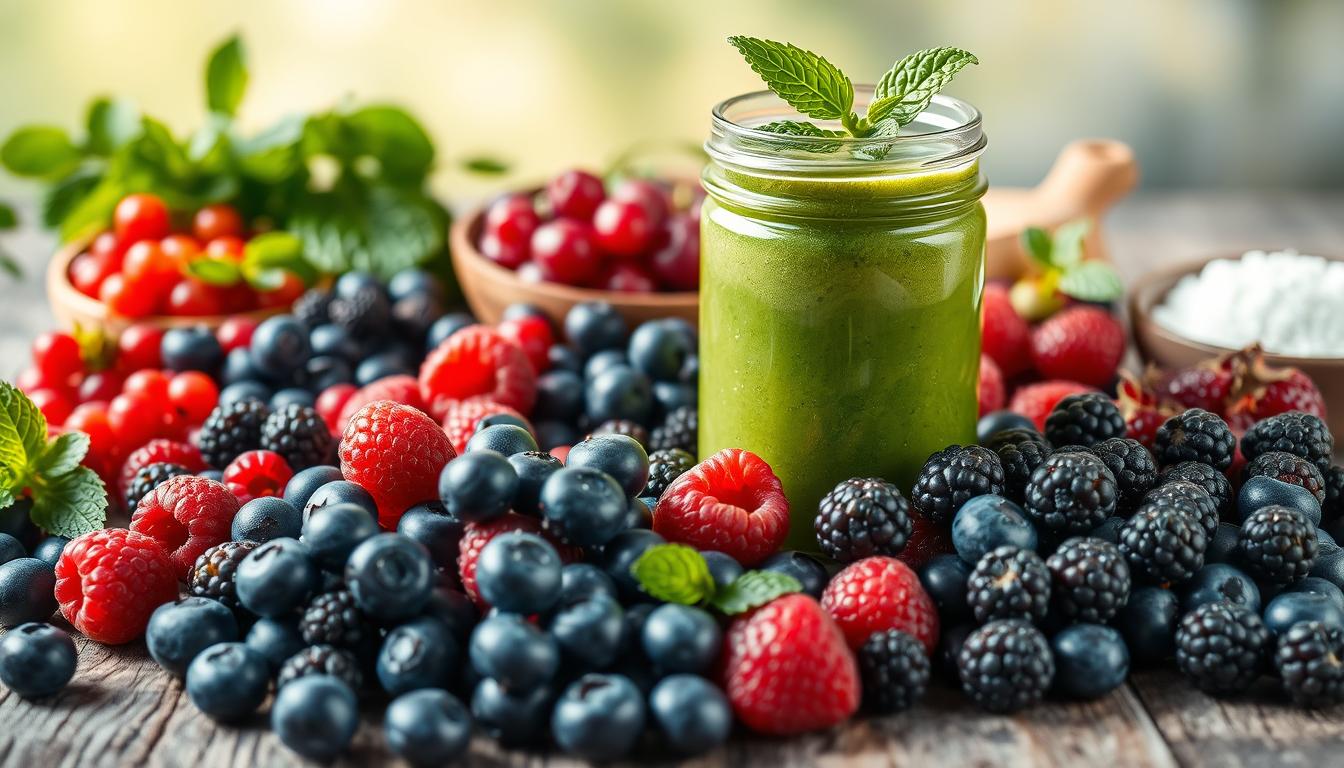
Blueberries, açai, and blackberries are rich in flavonoids, compounds that reduce respiratory infection risks. Brown University research shows these antioxidants enhance white blood cell activity.
Try adding a handful of berries to yogurt or oatmeal for a daily defense boost.
Garlic, Ginger, and Turmeric
These aromatic roots contain potent anti-inflammatory properties:
- Garlic: Allicin, its active compound, may shorten cold duration.
- Ginger: Soothes sore throats and aids digestion.
- Turmeric: Curcumin in turmeric supports joint and immune health.
Add minced ginger to teas or stir-fries for an easy upgrade.
Healthy Fats Like Olive Oil
Extra virgin olive oil, a staple of Mediterranean diets, lowers inflammation. Its vitamins E and K protect cells from oxidative damage. Use it in dressings or low-heat cooking.
“Polyphenols in olive oil strengthen gut barriers, a frontline defense.”
Pair with leafy greens for better nutrient absorption.
Stay Active with Regular Exercise
Movement isn’t just about fitness—it’s a key player in keeping your defenses strong. Studies show 150+ minutes of weekly moderate physical activity, like brisk walking, cuts flu-related risks by half. Pair this with strength sessions for a well-rounded approach.

Moderate-Intensity Workouts
Aim for 30-minute daily sessions—jogging, cycling, or swimming. These activities boost circulation of immune cells, helping them detect threats faster. CDC research ties this habit to lower flu mortality rates.
Strength Training Benefits
Lifting weights twice weekly reduces inflammation, a silent enemy of immune function. Focus on compound moves like squats or push-ups. They engage multiple muscle groups while supporting overall health.
Avoiding Overtraining
More isn’t always better. Marathon-level intensity can suppress defenses temporarily. Balance 5-day cardio routines with rest days. Listen to your body—fatigue or frequent colds signal overload.
“Regular movement primes immune cells to respond efficiently, like tuning an engine for peak performance.”
Prioritize Quality Sleep
Rest is not just downtime—it’s when your body builds its strongest defenses. During sleep, your immune system releases proteins called cytokines, which target infections and inflammation. Skimping on shut-eye weakens this process, leaving you vulnerable.

The Science Behind Sleep and Immunity
CDC research shows people who sleep less than 6 hours nightly catch colds four times more often. Deep sleep phases amplify white blood cell activity, enhancing pathogen detection. Think of it as nightly maintenance for your defenses.
Simple Strategies for Better Sleep
- Keep it dark: Use blackout curtains to signal melatonin production.
- Set a schedule: Go to bed and wake up at consistent times.
- Unplug early: Avoid screens 1 hour before bed—blue light disrupts sleep cycles.
| Age Group | Recommended Sleep |
|---|---|
| Adults (18–64) | 7–9 hours |
| Seniors (65+) | 7–8 hours |
| Teens (14–17) | 8–10 hours |
“Sleep deprivation reduces vaccine effectiveness by up to 50%, proving rest is a pillar of prevention.”
Manage Stress Effectively
Stress silently chips away at your body’s defenses, often without warning. Chronic tension suppresses lymphocytes, the white blood cells vital for fighting infections. When stress becomes constant, your resilience pays the price.

The Link Between Stress and Immunity
Cortisol, the primary stress hormone, disrupts immune cell communication. A Yale study found high cortisol levels reduce lymphocyte counts by 20–30%. This makes you more susceptible to colds and slows recovery.
Conversely, stress-reduction techniques reverse this effect. Regular meditation, for example, boosts white blood cell activity. Even 10 minutes daily can sharpen your body’s alertness against threats.
Stress-Reduction Techniques
Simple habits can neutralize stress’s impact:
- Guided meditation: Apps like Calm or Headspace offer beginner-friendly sessions.
- Yoga: Combines movement with breathwork to lower cortisol.
- Deep breathing: The 4-7-8 method (inhale 4 sec, hold 7, exhale 8) calms the nervous system.
“Vaccine responses improve by 50% in adults who practice mindfulness, proving stress management enhances protection.”
Pair these with walks in nature or journaling. Consistency matters more than intensity—small steps build lasting resilience.
Maintain a Healthy Weight
Excess body fat doesn’t just affect your waistline—it weakens your defenses. Studies show obesity (BMI ≥30) reduces white blood cell efficiency and slows vaccine responses. A healthy weight, achieved through balanced habits, keeps your immunity sharp.

Obesity Disrupts Immune Function
Fat tissue releases inflammatory chemicals that interfere with immune cell production. CDC research reveals flu vaccines are 50% less effective in obese adults. Excess weight also raises risks for chronic inflammation, a known immune suppressor.
Smart Strategies for Weight Management
Combine a diet rich in whole foods with regular physical activity. Tools like MyFitnessPal help track calories, while portion control prevents overeating. The Mediterranean diet—packed with olive oil, fish, and veggies—supports both weight loss and immunity.
- Move daily: Aim for 150+ minutes of brisk walking weekly.
- Prioritize fiber: Beans and whole grains keep you full longer.
- Watch for symptoms of overweight: Fatigue or joint pain may signal excess weight.
“Weight loss of just 5–10% improves vaccine response and cuts infection risks significantly.”
For personalized plans, consult a healthcare provider. Small, consistent changes yield lasting protection.
Avoid Harmful Habits
Certain daily habits silently sabotage your body’s defenses. While nutrition and exercise build resilience, smoking and excessive alcohol weaken immune system function. Cutting these risks sharpens your natural protection.

Smoking’s Toll on Immunity
Smoking damages respiratory defenses, making lungs vulnerable to infection. Toxins in cigarettes paralyze cilia—tiny hairs that trap pathogens. Brown University research links smoking to slower white blood cell responses and higher rheumatoid arthritis risks.
Quitting reverses harm. The CDC’s free helpline (1-800-QUIT-NOW) offers personalized plans. Success stories show improved immunity within weeks of cessation.
Alcohol Moderation Matters
Heavy alcohol consumption reduces lymphocyte efficiency, per NIH studies. Limit intake to ≤1 drink/day for women or ≤2 for men. Opt for antioxidant-rich red wine or kombucha as alternatives.
“Even moderate binge drinking suppresses immune cell activity for 24 hours, creating a vulnerability window.”
Stay Hydrated and Practice Good Hygiene
Water and cleanliness are silent warriors in your body’s defense strategy. Proper hydration fuels lymph fluid production, which transports white blood cells to fight invaders. Meanwhile, consistent hygiene cuts germ exposure, reducing infection risks by 30%.

Why Hydration Matters
Water flushes toxins and delivers nutrients to immune cells. Aim for 8+ cups daily—herbal teas like chamomile count. Dehydration thickens lymph fluid, slowing pathogen detection.
- Carry a reusable bottle: Track intake with hourly reminders.
- Eat water-rich foods: Cucumbers and watermelon boost hydration.
- Limit caffeine: It’s dehydrating; balance with extra H2O.
Handwashing: Your First Defense
The CDC recommends 20-second scrubs with soap—about the length of “Happy Birthday” twice. This removes germs from high-touch areas like doorknobs or phones.
| When to Wash | Technique | Alternative |
|---|---|---|
| Before eating | Lather backs of hands and nails | Use 60% alcohol sanitizer |
| After coughing | Rinse fingertips downward | Wear gloves in public |
“Hand hygiene reduces flu transmission by 50%, proving soap is as vital as vaccines.”
Keep travel-sized sanitizers in bags or cars. Pair these habits with balanced nutrition to shield your immune system year-round.
Get Recommended Vaccinations
Modern medicine offers powerful tools to reinforce your immunity. Vaccines train your body to recognize and combat threats like flu or COVID-19. The CDC confirms immunizations reduce severe illness risks by up to 40%.
Annual Flu Shots
Seasonal flu vaccines are updated yearly to match circulating strains. A 2023 study showed they cut hospitalization odds by nearly half. Everyone aged 6 months+ should get one, especially:
- Seniors (65+): Higher-dose options are available.
- Pregnant women: Protects both mother and baby.
- Chronic condition patients: Diabetes or asthma increase risks.
COVID-19 and Other Vaccines
Updated COVID-19 boosters target recent variants. RSV and pneumonia shots are critical for vulnerable groups. Age-specific recommendations include:
| Age Group | Recommended Vaccines |
|---|---|
| 50+ | Shingles, Pneumococcal |
| 65+ | High-dose Flu, RSV |
| All adults | Tetanus (every 10 years) |
“Vaccines don’t overload the immune system—they equip it with targeted defenses.”
Find nearby clinics via VaccineFinder.org. Pair immunizations with healthy habits for year-round protection.
Conclusion
Building lasting defenses starts with daily choices, not quick fixes. Prioritize a nutrient-rich diet, regular movement, and quality sleep. These lifestyle habits work together to support your immune system naturally.
Consistency matters most. Small steps—like managing stress or staying hydrated—add up over time. Schedule annual check-ups and recommended vaccines for extra protection.
Your health reflects the ways you care for your body. Explore resources like the MyPlate Plan or sleep hygiene guides to deepen your routine. Remember: A balanced lifestyle is your best defense.