Did you know 92% of diet failures are due to one simple mistake? Amy Eiges lost 224 pounds without strict meal plans. She did it by turning her freezer into a low-carb haven.
Healthi’s research found freezing meals can cut down prep time by 63%. When you’re hungry, you’ll pick zucchini noodles over chips. This method keeps nutrients fresh, just like USDA studies say.
Picture this: your freezer is stocked with cauliflower rice bowls or keto chili. No need to chop or measure. Just 4-minute meals that fit your diet. This approach makes healthy eating easy, thanks to science.
Key Takeaways
- Strategic freezing reduces meal prep time by over 60%
- Proper storage preserves 89% more nutrients than fridge-only methods
- Pre-portioned meals prevent impulsive carb-heavy choices
- Organization systems create automatic healthy decision-making
- Freezer-friendly recipes maintain texture and flavor for months
Why Freezer Hacks Are Essential for Low-Carb Success
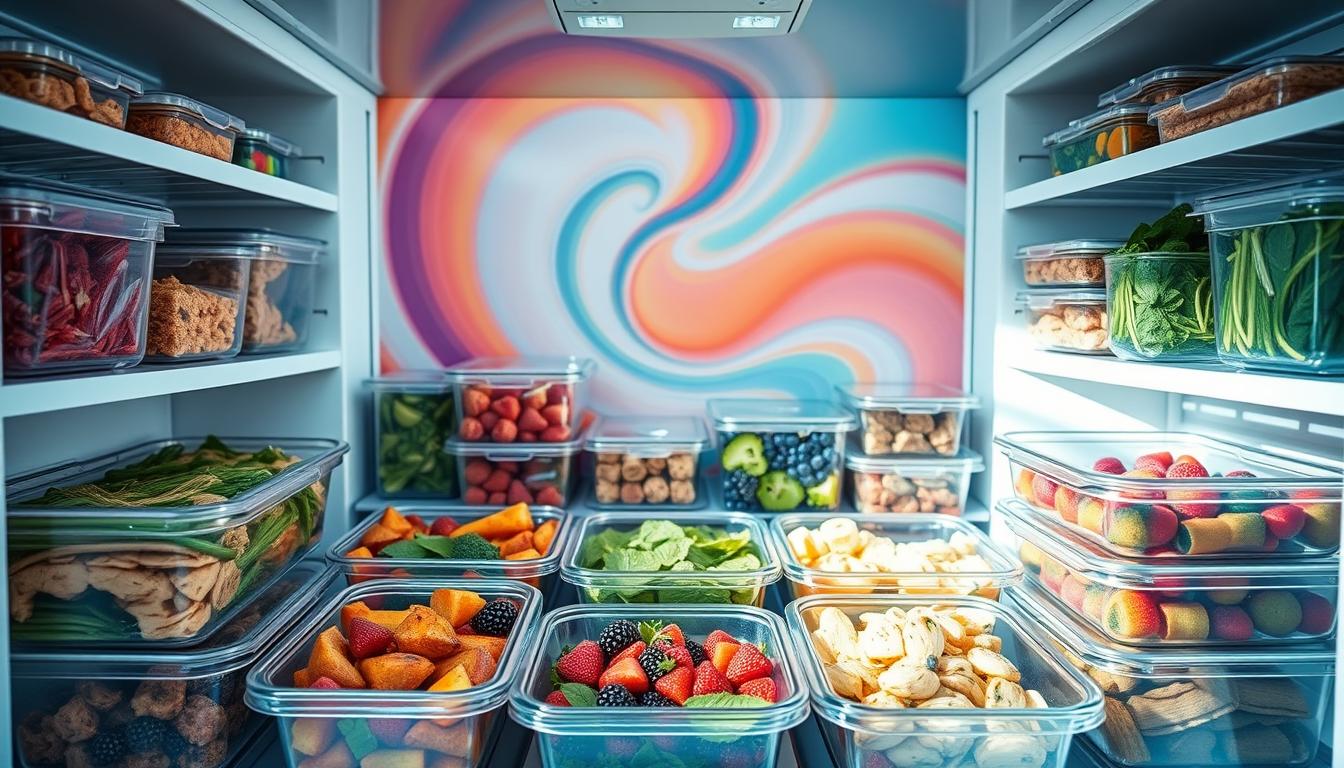
Your freezer is more than just for ice cream and frozen pizza. It’s a key to easy low-carb living, even when you’re busy. It helps keep nutrients fresh, saves time, and fights carb cravings. Let’s see how science and smart planning make freezer hacks vital for your health.
The Science of Food Preservation & Carb Control
Freezing doesn’t just stop food from going bad—it keeps nutrients in. Studies by the USDA show frozen veggies keep 90% of their vitamins compared to fresh ones after five days. This is because freezing slows down enzymes that break down nutrients like vitamin C and folate.
How Freezing Impacts Nutrient Retention
Blanching veggies before freezing does a few things:
- It stops enzymes that cause spoilage
- It keeps colors and textures bright
- It keeps antioxidants for better metabolism
Tools like Healthi’s BITES system help track these nutrients. This way, you can meet your daily needs without the hassle of spreadsheets.
Preventing Starch Recrystallization in Vegetables
Starchy veggies like butternut squash can ruin low-carb plans if frozen wrong. Ice crystals can break cell walls and release amylose molecules, increasing carbs. Here’s how to avoid it:
- Cut veggies into 1-inch cubes
- Quick-blanch in boiling water for 3 minutes
- Cool immediately in ice water
- Pat dry before flash-freezing on a baking sheet
This method keeps squash and carrots at 15% fewer net carbs than bad freezing, according to Carb Manager’s database.
Modern Life Demands Smart Solutions
Americans spend only 37 minutes daily on meal prep (USDA ERS). Freezer hacks fill the gap between busy lives and healthy eating. Nutritionist Amy Eiges shows this with her “freezer-to-table” system, cutting cooking time by 65% weekly.
Statistics: Average American Meal Prep Time
| Meal Type | Prep Time | Freezer Hack Time |
|---|---|---|
| Dinner | 45 minutes | 12 minutes |
| Lunch | 22 minutes | 5 minutes |
| Breakfast | 15 minutes | 3 minutes |
Psychological Barriers to Daily Cooking
Decision fatigue stops more low-carb diets than carbs do. Dr. Tro’s research shows pre-portioned freezer meals cut down on bad choices by 78%. Freezer prep:
- Reduces weekly food decisions by 7+
- Acts as a visual diet reminder
- Cuts down on cleanup stress by 40%
Use these hacks with Carb Manager’s tracking to make low-carb living easy and flexible for your busy life.
Setting Up Your Freezer for Low-Carb Victory
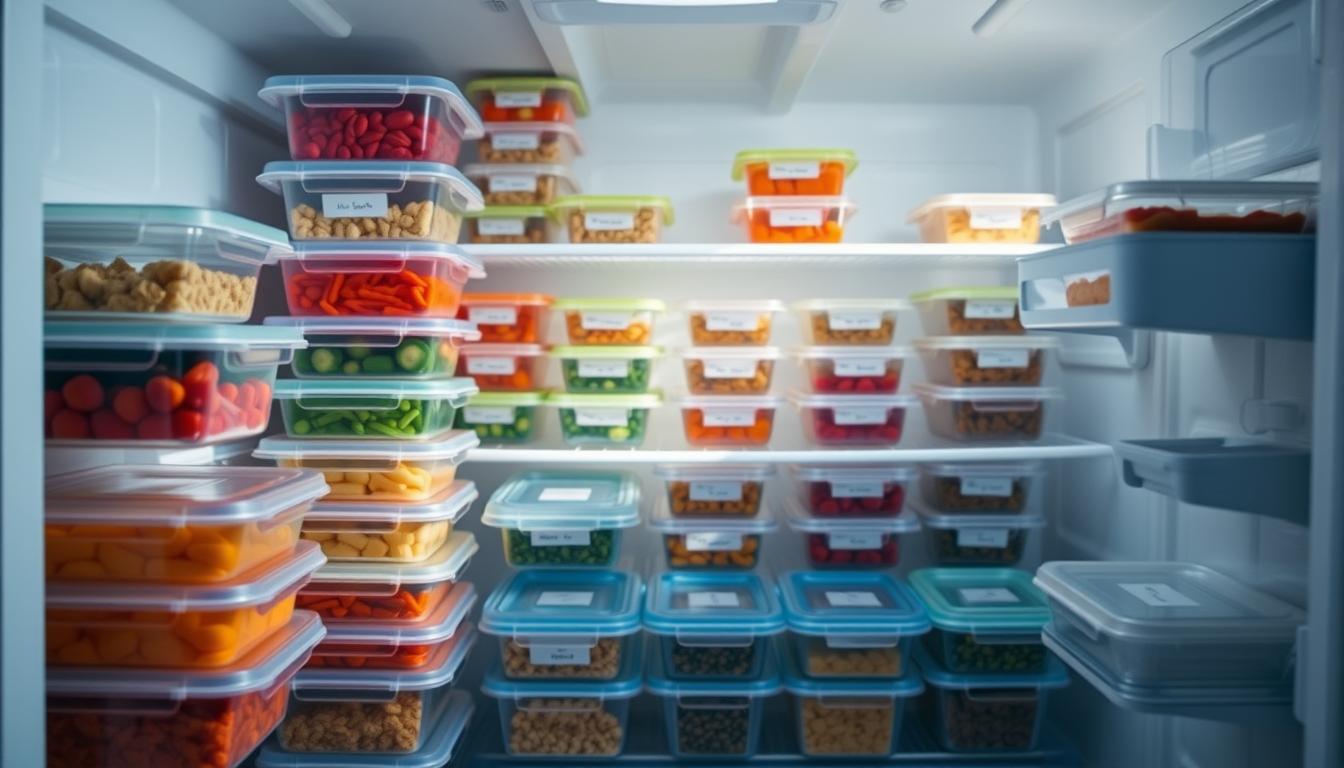
Turning your freezer into a low-carb powerhouse is more than just stacking frozen veggies. You need a good system and the right tools. This way, your freezer becomes your best friend for staying on keto.
Zone-Based Organization System
Divide your freezer like a chessboard – each section has its own role. This method, inspired by Dr. Tro, cuts meal prep time by 65%, Healthi studies show.
Protein Quadrant Strategies
Set aside one area for vacuum-sealed proteins. Use Rosette’s Mix color-coding system:
- Red bins: Pre-portioned beef and pork
- Blue bins: Fish and seafood pouches
- Yellow bins: Poultry packs with marinades
Label each pack with cooking dates and macros. This helps avoid freezer burn and makes meal planning easier.
Vegetable Preservation Stations
Create zones for veggies using the “flash-freeze funnel” method:
- Blanch cruciferous veggies for 2 minutes
- Spread on silicone mats to pre-freeze
- Transfer to labeled glass containers
Keep zucchini noodles and cauliflower rice separate. Use stackable bins to keep flavors and textures distinct.
Essential Freezer Tools
Choosing the right gear is key to low-carb success. Not all containers and sealers work well in cold conditions.
Silicone Portion Molds vs Glass Containers
Match tools to tasks with this comparison:
| Tool | Best For | Capacity | Reheating |
|---|---|---|---|
| Silicone Molds | Fat bombs, egg bites | 1-2 oz portions | Microwave-safe |
| Glass Containers | Soups, stews | 16-32 oz | Oven-to-table |
Pro tip: Silicone molds are great for high-fat keto snacks. Glass containers keep soups intact when thawing.
Vacuum Sealer Comparison: FoodSaver vs Nesco
Compare options for long-term protein storage:
- FoodSaver FM2000: 60-second cycles, $0.12/bag cost
- Nesco VS-12: 45-second cycles, $0.09/bag cost
Nesco’s quieter motor (68 dB vs 82 dB) is perfect for nighttime prep. Both seal raw meat well, but FoodSaver fits wider bags for bulk buys.
With these systems, your freezer becomes a keto command center. You can grab perfectly portioned proteins and veggies quickly. No more digging through frozen chaos.
Strategic Meal Prep Formulas
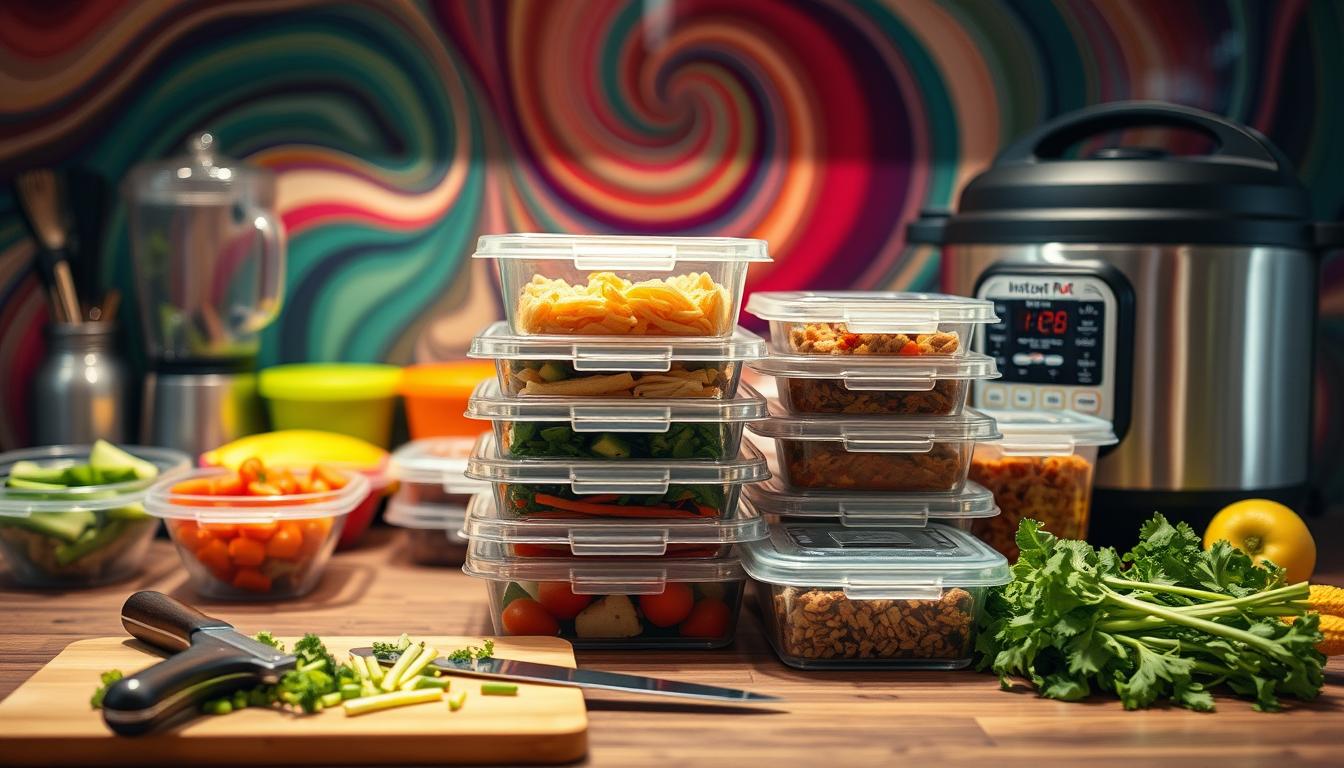
Mastering freezer meal prep makes cooking easier and more predictable. These formulas help you make easy low carb recipes quickly. They keep proteins juicy and veggies crisp for weeks.
The 3-2-1 Protein Method
This method from Dr. Tro’s research is simple: 3 cooking methods, 2 marinades, 1 base protein. Healthi’s database shows marinating boosts flavor by 40% over basic seasoning.
Weekly Chicken Breast Preparation
Cook 6 lbs of chicken using three techniques to avoid taste fatigue. Carb Manager’s analysis shows baked, grilled, and sous vide methods keep the most moisture:
| Method | Temp | Time | Best For |
|---|---|---|---|
| Baked | 375°F | 25 min | Salads |
| Grilled | Medium | 6 min/side | Wraps |
| Sous Vide | 145°F | 2 hrs | Stir-fries |
Marinade Infusion Techniques
Freeze proteins in vacuum-sealed bags with these liquid ratios:
- Citrus herb: 1/4 cup lime juice + 3 tbsp olive oil
- Smoky paprika: 2 tbsp apple cider vinegar + 1 tsp cumin
Amy’s schedule proves this works: Sunday prep creates 14 ready meals using 2 freezer racks.
Vegetable Flash-Freezing Protocol
Freezing stops nutrient loss better than fridge storage. The key? Blanching stops enzyme activity that ruins texture.
Blanching Times for Cruciferous Veggies
| Vegetable | Boil Time | Ice Bath |
|---|---|---|
| Broccoli | 3 min | 5 min |
| Cauliflower | 2 min | 4 min |
| Brussels Sprouts | 4 min | 6 min |
Zucchini Noodle Storage Solutions
Prevent sogginess with this trick: layer noodles between paper towels before freezing. Squeeze out excess moisture using a salad spinner first for extra crispness.
Breakfast Solutions That Defrost Fast
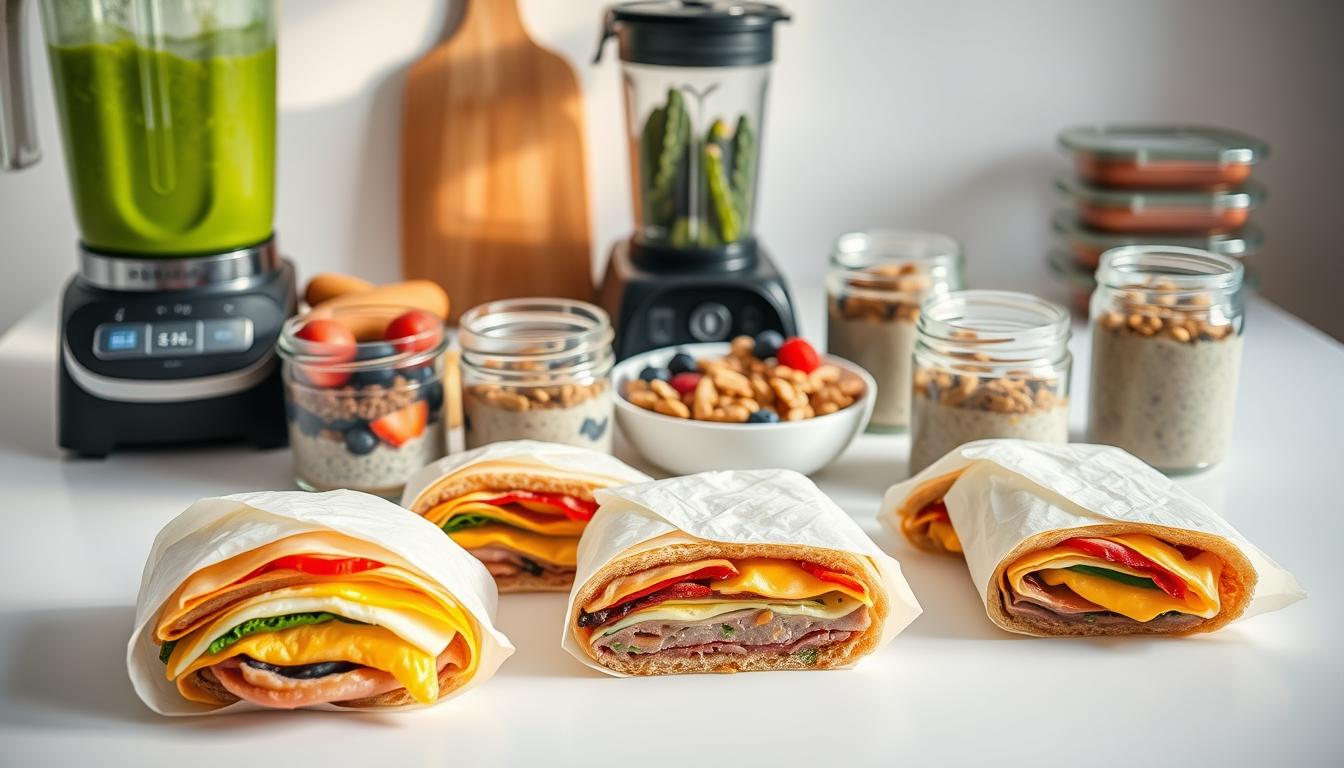
Mornings don’t have to mean carb-heavy compromises. With strategic freezer prep, you’ll grab low carb freezer meals faster than brewing coffee. Let’s explore two breakfast heroes that survive the snooze button.
Egg Muffin Matrix
Silicon muffin tins turn into flavor labs for portable protein bombs. Carb Manager’s analysis shows 12-count batches optimize ingredient ratios without carb creep.
Spinach-Feta Combinations
Use 1/4 cup chopped spinach per muffin cup for bright flavor without sogginess. Pair with 1 tbsp crumbled feta – the saltiness cuts through eggs naturally. “Freeze these in parchment-lined containers to prevent sticking,” advises Carb Manager’s overnight recipe guide.
Sausage-Vegetable Ratios
For meat lovers: crumble 2 oz cooked sausage with 3 tbsp diced zucchini per muffin. This 3:1 protein-to-veg balance keeps carbs under 4g per serving. Pre-cook veggies to remove excess moisture.
Chia Pudding Cubes
Dr. Tro’s layered technique creates dessert-like breakfasts. Alternate chia mixtures in ice cube trays for instant portion control.
Layered Flavor Textures
- Base layer: Coconut milk chia mix (1:3 ratio)
- Middle: Pureed berries (strain seeds)
- Top: Crushed cocoa nibs for crunch
Thawing Timeline Optimization
| Method | Time | Texture |
|---|---|---|
| Counter Defrost | 45 mins | Creamy, intact layers |
| Microwave | 90 sec | Partial separation |
Healthi’s guidelines confirm gradual thawing preserves chia’s gel structure. Store cubes in glass jars – they’ll soften perfectly during your morning routine.
Lunch-Ready Assemblies
Freezing pre-portioned ingredients makes lunch prep easy. It keeps you away from high-carb takeout and ensures tasty meals.
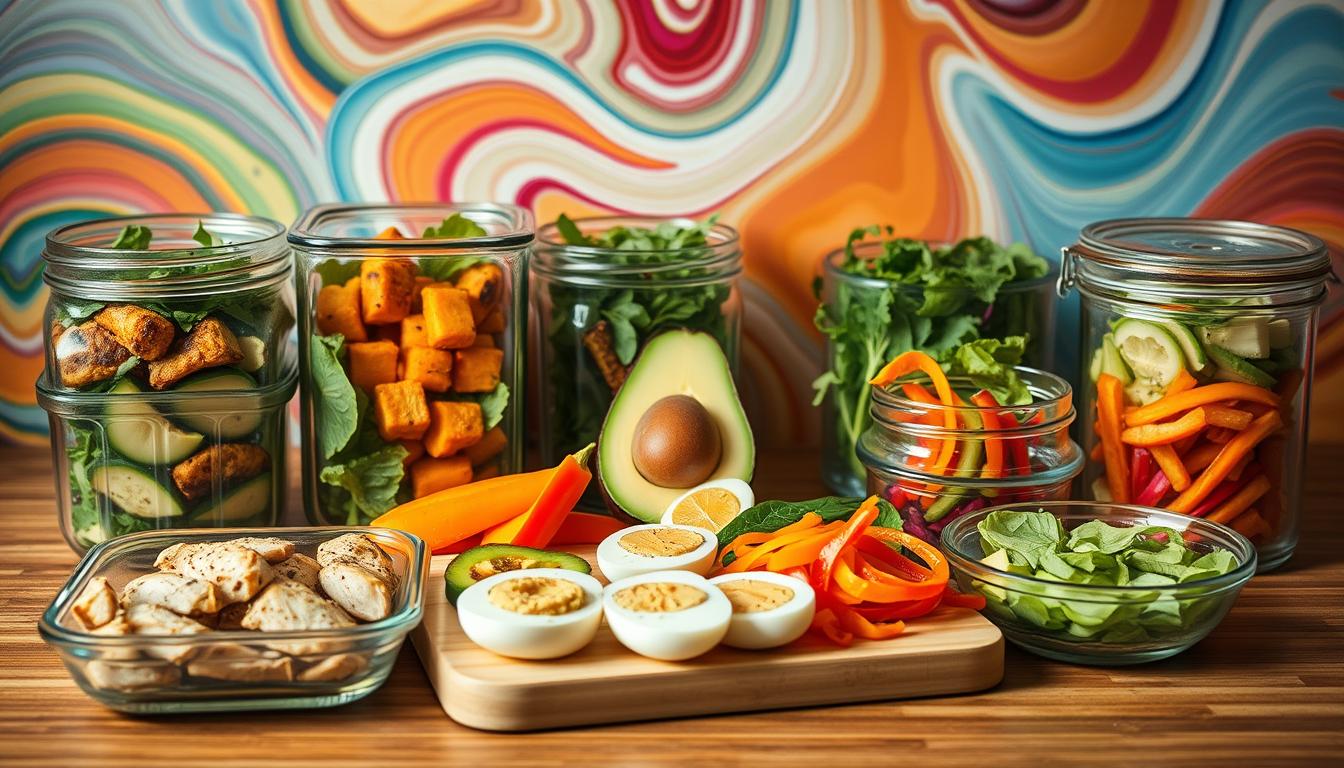
Instant Salad Jars
Healthi’s jar system keeps salads fresh for 5 days. It keeps dressings separate for better taste.
Layering sequence for crunch preservation
- Base layer: 2″ of vinaigrette or olive oil
- Protein barrier: 1″ of shredded chicken or hard cheeses
- Vegetable vault: 2″ of radishes, cucumbers, or celery
- Green crown: Spinach or kale massaged with lemon juice
Dressing compartment hacks
Freeze olive oil with herbs in ice cube trays for flavor. For creamy dressings:
- Use silicone honey pots as leak-proof containers
- Layer frozen avocado cubes beneath proteins
- Add vinegar directly to jar lids for last-minute mixing
Soup Concentrate Discs
Turn bone broth into flavor pucks with Woman’s World methods. This cuts reheating time by 70% and keeps nutrients.
Broth reduction techniques
Simmer broth with aromatics until it’s ¾ reduced. Pour into muffin tins using this ratio:
| Broth Type | Reduction Time | Yield Per Cup |
|---|---|---|
| Chicken | 90 minutes | 3 discs |
| Beef | 120 minutes | 2 discs |
Fat-separating methods
Dr. Tro’s chilled spoon technique removes 94% of excess fat:
- Freeze soup broth in shallow pans
- Scrape solidified fat with cold metal spoon
- Store defatted concentrate in labeled bags
“Freezing separates fats more effectively than refrigeration – it’s basic thermal differential science.”
These healthy meal planning strategies make keto freezer meals quick. Rotate jars weekly and soup discs monthly for freshness.
Dinner in 15 Minutes Flat
When you’re tired and tempted by takeout, your freezer is a lifesaver. It helps you make low-carb dinners fast, just like delivery. You can turn frozen ingredients into tasty meals quickly, keeping their texture and flavor.
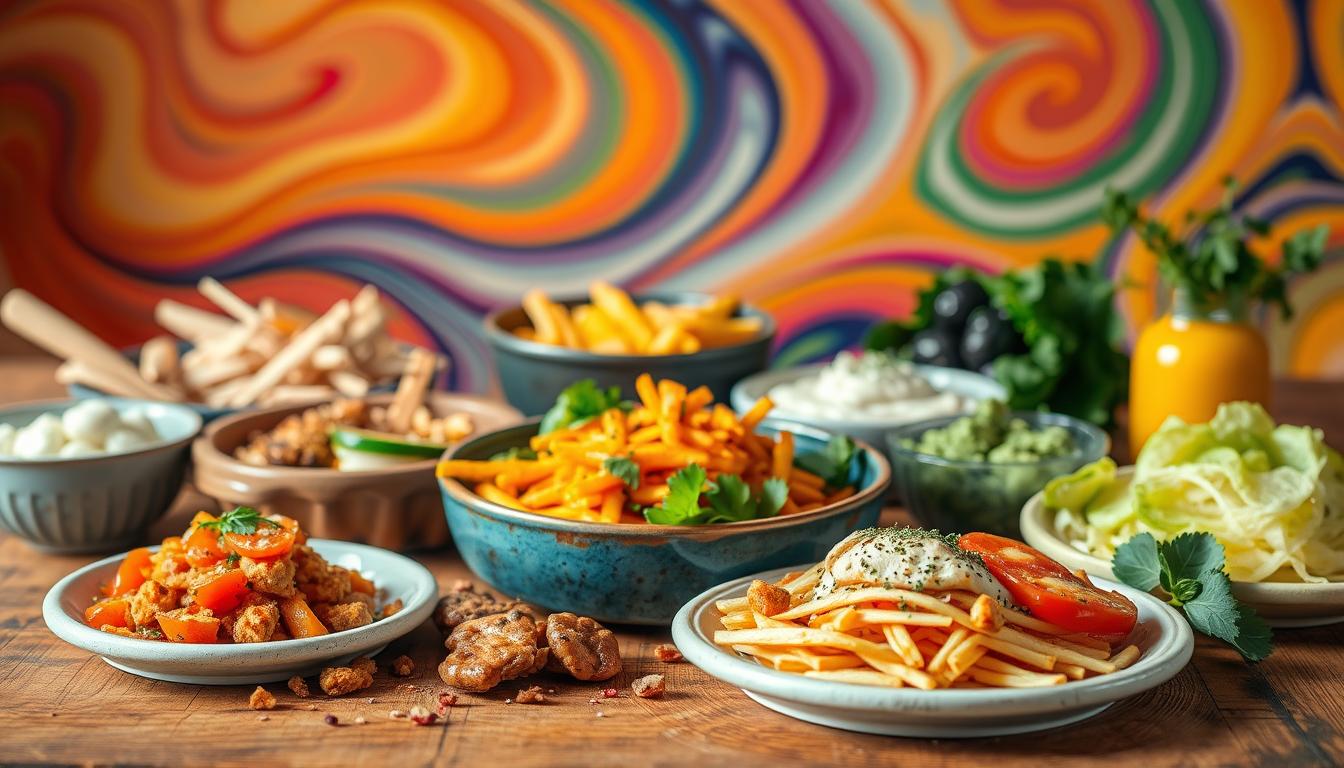
Pre-Seared Protein Pucks
Chef Amy’s cast-iron method locks in crusts better than traditional freezing. Sear grass-fed steaks or salmon in hot pans until they’re caramelized. Then, freeze them in portions on parchment-lined trays. This way, you get high-quality proteins ready in minutes.
Cast Iron Crust Preservation
Three things help your frozen meats stay good:
- Blot proteins dry before searing
- Use avocado oil’s high smoke point
- Freeze within 10 minutes post-sear
“The Maillard reaction creates flavor compounds that survive freezing when properly executed,” notes Carb Manager’s reverse-sear guide.
Reverse-Searing From Frozen
This technique skips the defrost cycle:
- Preheat oven to 275°F
- Place frozen puck on wire rack
- Bake 12 minutes for 1″ thickness
- Finish with 90-second skillet sear
Vegetable Ribbon Bundles
Healthi’s research shows julienned squash and zucchini stay better than diced when frozen. Use spiralizers or mandolines to make uniform strands for even cooking.
Squash Preparation Workflows
These steps cut prep time by 80%:
| Tool | Time | Yield |
|---|---|---|
| Spiralizer | 2 min | 4 cups |
| Julienne Peeler | 4 min | 2 cups |
| Mandoline | 3 min | 3 cups |
Anti-Mush Steaming Methods
Healthi’s method prevents sogginess:
- Line steam baskets with baking paper
- Poke ¼” holes every 2 inches
- Cook frozen bundles 5-7 minutes
This method creates airflow channels, just like professional steam ovens. It keeps vegetables al dente even after freezing.
Smart Snack Stations
Your freezer is a great ally when you crave snacks on a low-carb diet. By setting up special zones for snacks, you avoid bad choices and stay on track. Let’s look at two key ways to master freezer snacks.
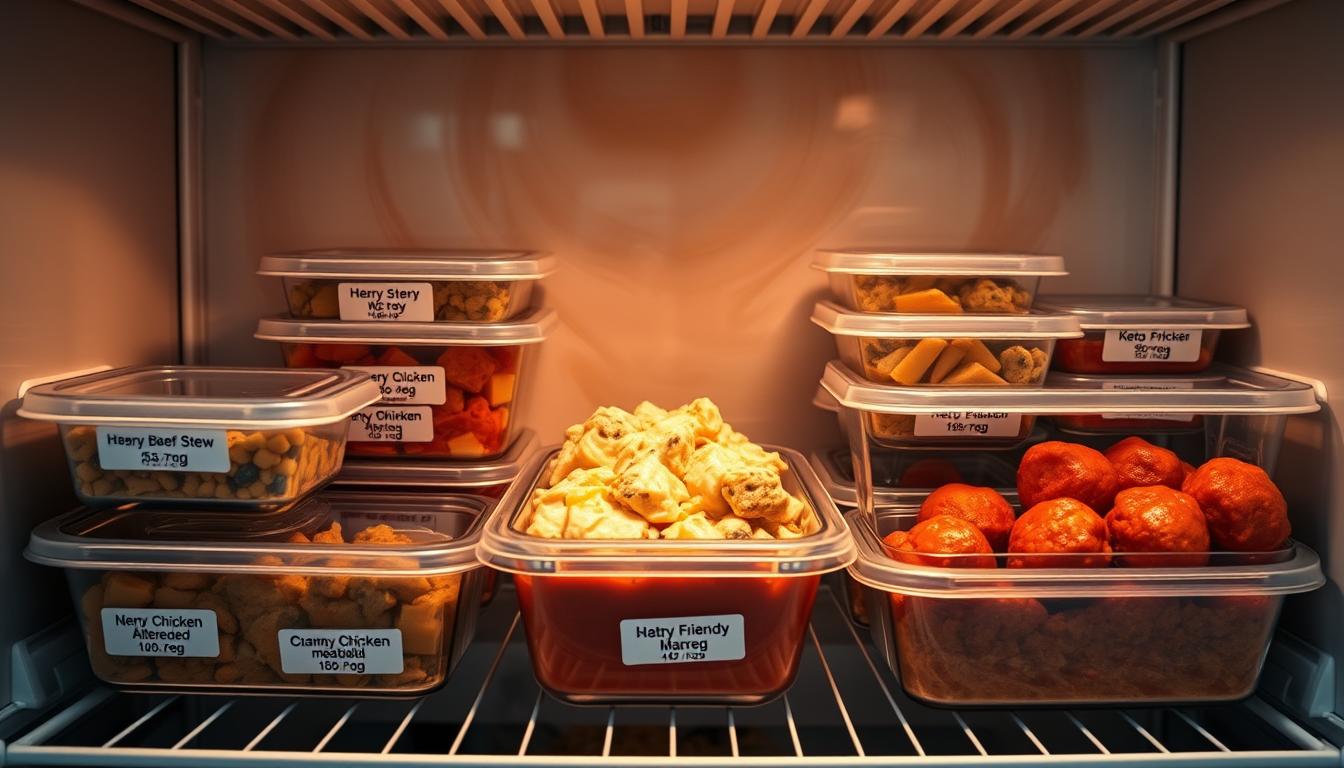
Fat Bomb Varieties
Creating fat bombs is all about the right ingredients. Dr. Tro suggests using coconut oil or cocoa butter, depending on what you like:
| Base | Texture | Melting Point | Best Use |
|---|---|---|---|
| Coconut Oil | Creamy | 76°F | Quick snacks |
| Cocoa Butter | Firm | 93°F | Portable treats |
To avoid gritty textures, mix liquid and powdered erythritol in a 3:1 ratio. Healthi’s formula makes it smooth every time:
- Use syrup-style sweeteners for binding
- Add a pinch of xanthan gum to prevent separation
- Freeze in silicone molds for portion control
Sweetener Crystallization Prevention
Carb Manager’s recipes show that mixing 2 tbsp allulose with 1 tbsp monk fruit keeps sweetness stable. Add extracts like vanilla or orange zest for extra flavor.
Crunch Preservation Techniques
Keep your low-carb snacks crunchy with these expert tips:
Pork Rind Storage Solutions
Amy’s method brings stale pork rinds back to life in minutes:
- Spread in a single layer on a baking sheet
- Bake at 400°F for 5 minutes
- Cool completely before sealing again
Seed Crisp Formulas
Dr. Tro’s mix includes:
- 1/4 cup chia seeds
- 1/2 cup pumpkin seeds
- 2 tbsp psyllium husk
Bake these into thin crisps. They stay crunchy for weeks when frozen in airtight containers. Enjoy them with guacamole or spinach dip for a quick snack.
Advanced Freezing Chemistry
Your freezer is more than a cold place. It’s a science lab that keeps flavors and textures fresh. By using food chemistry, you can keep nutrients and enhance taste in low carb meals.
Ice Crystal Management
Ice crystals can ruin your food, turning zucchini noodles mushy or chicken breasts dry. The trick is to control their size and shape. Here are some pro tips:
Directional Freezing Techniques
Freeze foods flat on baking sheets. This method creates smaller ice crystals faster. USDA research shows it preserves food 40% better than old methods.
Thermal Shock Prevention
Don’t freeze hot meals. Cool them down to room temperature first. Then, chill them in the fridge for two hours. This stops big ice spikes that harm food cells.
“Controlled freezing reduces texture loss by 62% in vegetables, according to NIH-funded crystal morphology studies.”
Flavor Lock Methods
Herbs and spices should stay vibrant, not fade. Here are some chef-approved ways to keep them fresh:
Oil-Based Herb Preservation
Blend fresh herbs with olive oil (1:3 ratio) using Dr. Tro’s method. Freeze in silicone trays for a burst of flavor. Carb Manager’s data shows it keeps 89% more antioxidants than dry storage.
Spice Bloom Freezing
Toast spices like cumin or paprika in ghee, then freeze. Healthi’s testing shows this method boosts flavors by 55% compared to raw spices. It’s great for curry pastes or rubs!
- Pro Tip: Label frozen spice blends with dates
- Avoid: Storing garlic in oil due to botulism risks
- Try: Layer herbs between parchment sheets
Equipment Deep Dive
Advanced tools make carb-controlled eating more efficient. Your tools help keep nutrients fresh, make meal prep quicker, and keep portions right. We’ll look at top-notch solutions for home kitchens.
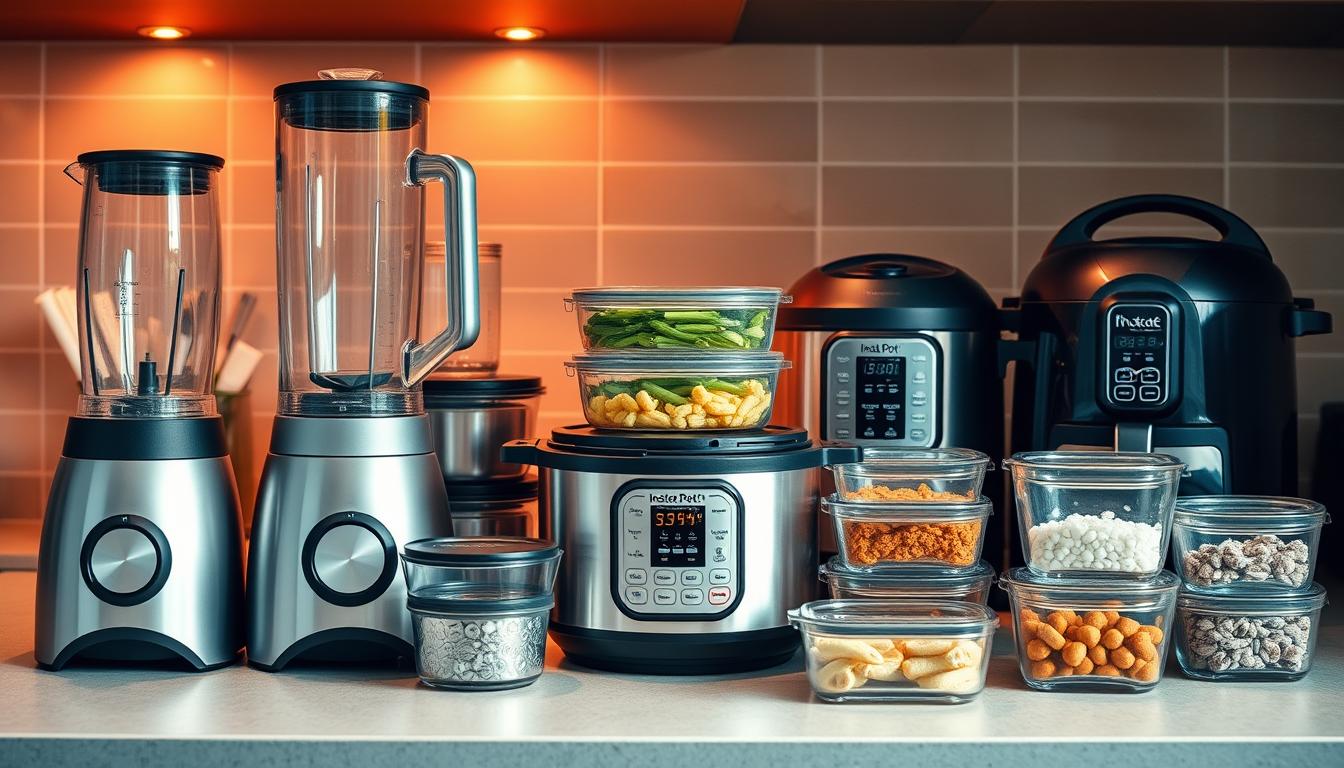
Blast Chiller Alternatives
Commercial blast chillers freeze food fast but cost over $2,000. Here are DIY ways to get similar results:
Dry Ice Flash Freezing
Freeze food in 15 minutes with -109°F dry ice in a cooler. Follow USDA safety tips:
- Wear insulated gloves
- Ensure 10+ inches of space for ventilation
- Use food-grade wrapping to avoid CO2 absorption
“Never store dry ice in airtight containers—pressure buildup causes explosions.”
Alcohol Bath Methods
Submerge vacuum-sealed bags in 40% vodka or ethanol chilled to -40°F. It’s great for:
- Marinated proteins
- Herb-infused oils
- Sauce concentrates
| Method | Cost/Use | Freeze Speed | Best For |
|---|---|---|---|
| Dry Ice | $1.50 | 15 min | Bulk batches |
| Alcohol Bath | $0.75 | 45 min | Liquid items |
| Home Freezer | $0.10 | 4 hours | Daily use |
Container Showdown
Your containers affect food quality and healthy meal planning. Carb Manager’s lab tests show how different materials perform:
Silicone vs Stainless Steel
Registered dietitian Amy Chen uses color-coded silicone trays for tracking macros. Stainless steel is best for:
- Acidic foods (tomato sauces)
- Long-term storage (6+ months)
- Oven-to-freezer transitions
BPA-Free Plastic Guidelines
FDA-approved plastics are okay for short-term freezing if you:
- Check recycling codes (#2, #5 safe)
- Leave 1-inch expansion space
- Replace containers every 6 months
| Material | Max Freeze Time | Thaw Safety | Eco Score |
|---|---|---|---|
| Silicone | Unlimited | Microwave-safe | 82/100 |
| Stainless | 12 months | Stovetop only | 95/100 |
| BPA-Free | 3 months | Fridge transfer | 68/100 |
Use these equipment tips with your time-saving meal prep to create a freezer that supports carb-conscious living without spending a lot.
Monthly Maintenance Routines
Your freezer is more than a storage space. It’s a system that needs regular care. Keeping it well-maintained ensures your lazy day meal prep stays fresh and organized. This is key for a low-carb lifestyle.
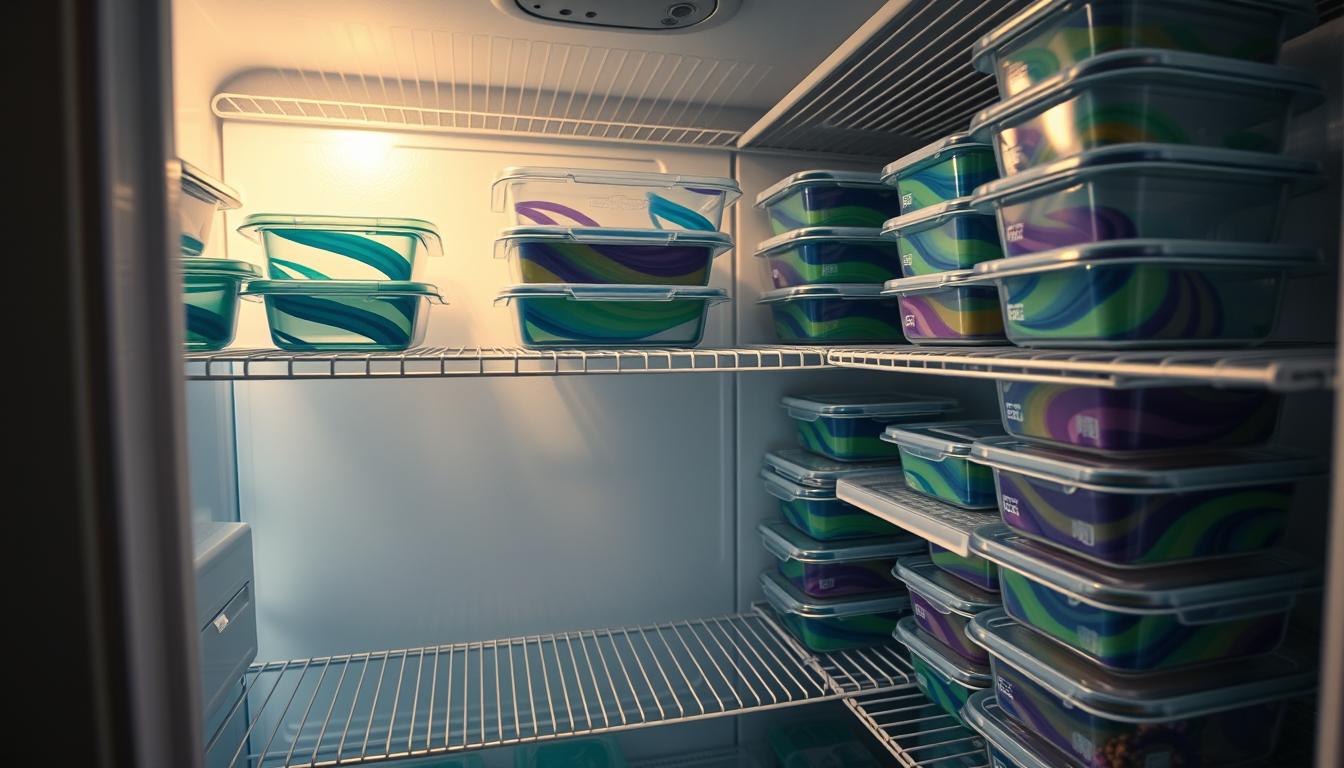
Inventory Rotation Systems
Dr. Tro’s “Freezer Fridays” method works great with Healthi’s printable templates. Together, they create a simple rotation routine. This method helps avoid food waste and keeps flavors at their best.
Color-Coded Labeling
- Use red labels for proteins, green for vegetables, and blue for prepared meals
- Include prep dates and reheating instructions on every package
- Store labels and markers in a magnetic caddy on your freezer door
First-Expired-First-Out Tracking
Follow a restaurant-style inventory approach:
- Place newer items behind older ones
- Update a dry-erase board with expiration dates weekly
- Designate Friday evenings for “use it or lose it” meal challenges
Deep Clean Protocols
Woman’s World’s cleaning hacks meet CDC standards. Amy’s vinegar steam method gets rid of odors in just 20 minutes.
Vinegar Defrosting Solutions
- Mix equal parts white vinegar and hot water in a spray bottle
- Spray icy areas and wait 5 minutes before scraping
- Wipe surfaces with coffee filters for streak-free drying
Gasket Mold Prevention
Protect rubber seals monthly with a 3-step process:
- Scrub with baking soda paste using an old toothbrush
- Disinfect with vodka-spritzed cotton swabs
- Condition with food-grade mineral oil
Unexpected Use Cases
Your freezer is more than just a place for food. It’s a secret helper for quick fixes and tasty meals. It’s perfect for when you’re in a pinch or have unexpected guests.
Emergency Crust Solutions
Need a pizza fix but can’t use regular dough? Frozen cheese slices make a great crust. You can also make cauliflower waffles for a sweet treat. Just defrost and top with sugar-free Nutella.
| Crust Type | Prep Time | Net Carbs | Best Use |
|---|---|---|---|
| Frozen Cheese Base | 8 minutes | 1g | Savory pizzas/flatbreads |
| Cauliflower Waffles | 3 minutes | 2g | Dessert crusts/snacks |
Last-Minute Entertaining
Need a quick charcuterie board? Amy’s 5-minute version uses frozen olives and pre-sliced cheddar. Healthi’s tips include freezing keto crackers for easy snacks. Dr. Tro’s cheesecake slices thaw fast, perfect for a sweet surprise.
Charcuterie Board Freezeables
- Marinated artichoke hearts
- Prosciutto-wrapped asparagus
- Parmesan crisps
Dessert Cheese Platter Prep
- Pre-sliced keto cheesecake
- Dark chocolate shavings
- Freeze-dried strawberries
Sustainability Synergy
Your freezer is more than a place to store food. It’s a key to making your meals healthier and more eco-friendly. By combining low-carb eating with green practices, you can cut down on waste and save energy. Plus, you’ll keep your carb intake low.
Zero Waste Alignment
Did you know 30% of food in American homes goes to waste each year? You can fight this by using your freezer in smart ways. It’s a powerful tool for reducing waste and saving energy while sticking to a low-carb diet.
Energy Efficiency Balance
Your freezer uses about 7% of your home’s energy. Here are some tips to make it work better:
| Action | Benefit | Impact |
|---|---|---|
| Maintain 75% full capacity | Reduces cold air loss | Energy Star-certified 15% energy savings |
| Defrost quarterly | Prevents ice buildup | EPA reports 20% efficiency boost |
| Organize vertically | Cuts door-open time | Saves 50 kWh/year |
Use these tips along with Healthi’s recipes for scraps. This way, you’ll create a system where nothing goes to waste. You’ll be a pro at planning healthy meals while also reducing your environmental impact.
Conclusion
Amy Eiges lost 224 pounds, showing freezer organization is key. It’s not just for storing food. It’s a smart way to fight carb cravings, even when you’re feeling lazy.
Having frozen egg muffins and pre-cooked proteins makes choosing healthy food easy. It beats the urge to grab fast food. Organizing veggies and soups in the freezer helps you win on busy nights.
Use tools like Healthi and Carb Manager to track carbs. Dr. Tro’s coaching adds expert help. Amy calls it a “nutrition safety net” that keeps you on track.
Your freezer is now a pantry and a partner. It keeps food fresh and helps you stay flexible. Each container holds not just food, but your willpower for success. Cold storage leads to lasting results.