Did you know a single cup of flavored yogurt can have more sugar than vanilla ice cream? A 2023 study showed that 65% of “low-fat” snack products have higher carb counts than regular ones. Foods thought to be healthy often hide sugar-spiking ingredients with labels like “natural” or “protein-packed.”
Granola bars, salad dressings, and plant-based milks often hide in plain sight. They add sweeteners, thickeners, or processed grains for taste and texture. This turns a seemingly healthy choice into a metabolic obstacle. For those watching their blood sugar or trying to lose weight, these hidden carbs can set them back without warning.
It’s important to understand this trickery in food labels. The average American eats 3x the daily recommended added sugars, often from foods thought to be healthy. Spotting hidden carbs helps you make better choices, not just follow trends.
Key Takeaways
- Many “diet-friendly” snacks contain sugar levels rivaling desserts
- Food labels often use misleading terms to mask added sweeteners
- Unchecked carb intake impacts both weight and long-term health
- Reading nutritional facts panels is key for accurate tracking
- Common pantry staples may harbor unexpected glucose triggers
The Carb Conundrum in “Healthy” Foods
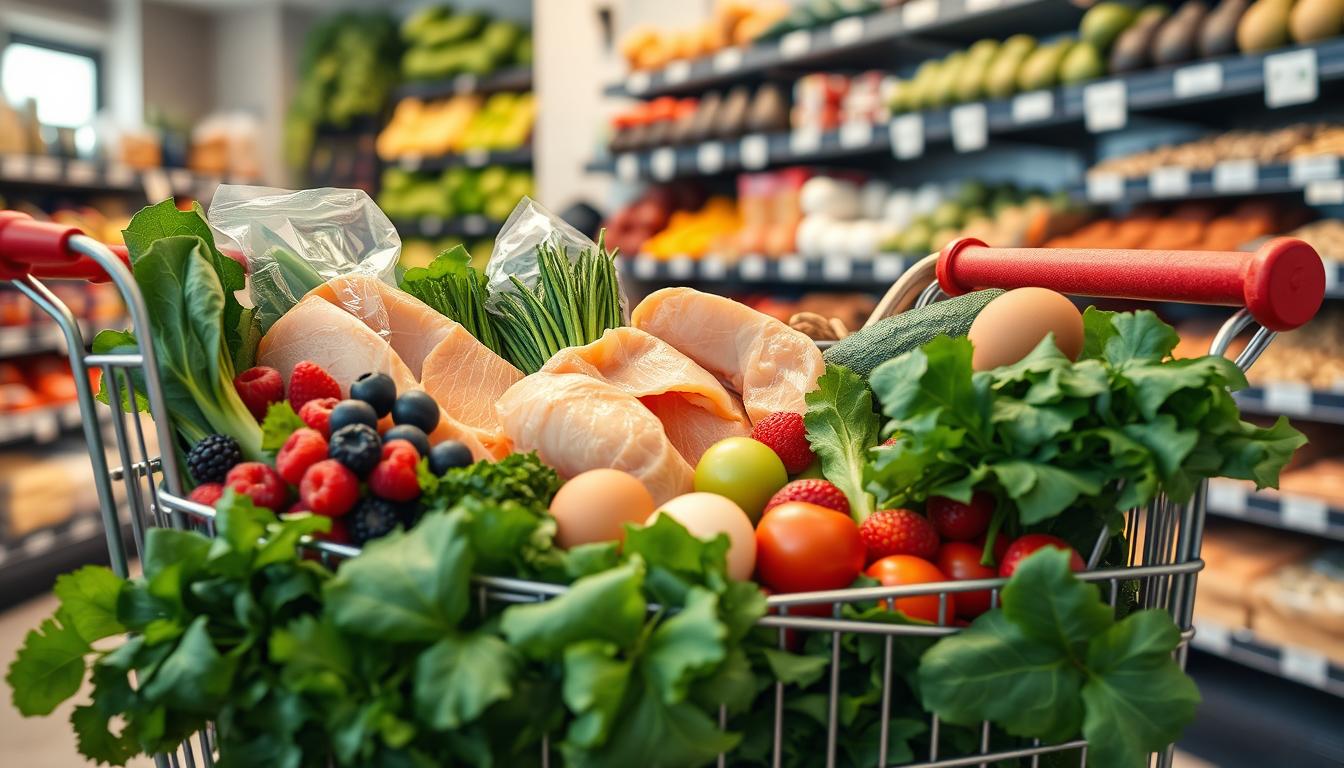
Walking through grocery store aisles can be tricky. Labels like “low-fat” or “gluten-free” might hide carbs that can mess up your diet. Let’s explore why these foods can be bad for you.
When Good Intentions Go Wrong
Common Misconceptions About “Diet” Foods
Many “diet-friendly” foods have more carbs than you think. Low-fat salad dressings often have more sugar than fat. Remember: “Free-from” doesn’t mean “free-from-carbs.”
How the Food Industry Masks Carbohydrates
Food makers use 56 names for sugar to hide carbs. Names like maltodextrin and fruit juice concentrate are just sugar in disguise. Be careful of these hidden carbs:
| Common Name | Technical Term | Found In |
|---|---|---|
| Brown Rice Syrup | Hydrolyzed starch | Protein bars |
| Evaporated Cane Juice | Sucrose | Yogurts |
| Organic Crystalline Fructose | Fructose | Bottled teas |
The Science of Carb Impact
Simple vs Complex Carbohydrates Explained
Carbs are not all the same. Simple carbs like sugar raise blood sugar fast. Complex carbs like quinoa give energy slowly. Here’s a comparison:
| Type | Digestion Speed | Examples | Glycemic Impact |
|---|---|---|---|
| Simple | Fast (15-30 mins) | Soda, candy | High spike |
| Complex | Slow (2-3 hrs) | Oats, beans | Gradual rise |
Why Net Carbs Don’t Tell the Whole Story
The “net carbs” method subtracts fiber and sugar alcohols from total carbs. But sugar alcohols like maltitol can raise blood sugar. Pro tip: Always check total carbohydrates first, then review fiber content separately.
Why Hidden Carbs Derail Your Progress
You might think you’re making healthy choices, but hidden carbs can sneak up on you. These sneaky sugars and starches add calories and upset your body’s balance. They can ruin your progress.
Blood Sugar Rollercoaster Effect
Insulin Response to Unexpected Carb Intake
Hidden carbs can cause a big insulin spike. A Quora user said:
“I ate ‘low-sugar’ protein bars daily – later learned they spiked my blood sugar higher than candy!”
This mix-up between what you think is healthy and what’s actually in your food can mess with your metabolism.
How Hidden Carbs Trigger Cravings
The cycle is tough:
- Rapid blood sugar spike from surprise carbs
- Insulin overcompensation crashes energy levels
- Brain demands quick fuel (usually more carbs)
This is why you might end up eating more hours after a healthy snack. Your body is trying to find balance.
Metabolic Adaptation Challenges
Impact on Ketosis for Low-Carb Dieters
Ketosis needs careful carb control, usually under 50g daily. Hidden carbs from foods like flavored almonds or low-fat dressings can:
- Trigger gluconeogenesis (sugar production)
- Drop ketone levels within hours
- Reset days of fat-adaptation progress
Long-Term Weight Loss Plateaus
Carb surprises can make your metabolism adapt. Over time, your body:
- Slows fat-burning to preserve energy
- Increases hunger hormones
- Reduces calorie expenditure during rest
This can make losing weight seem impossible, even with careful calorie counting. Weight loss tips often overlook this key point. It’s not just about what you eat, but how your body adapts.
Decoding Nutrition Labels Like a Pro
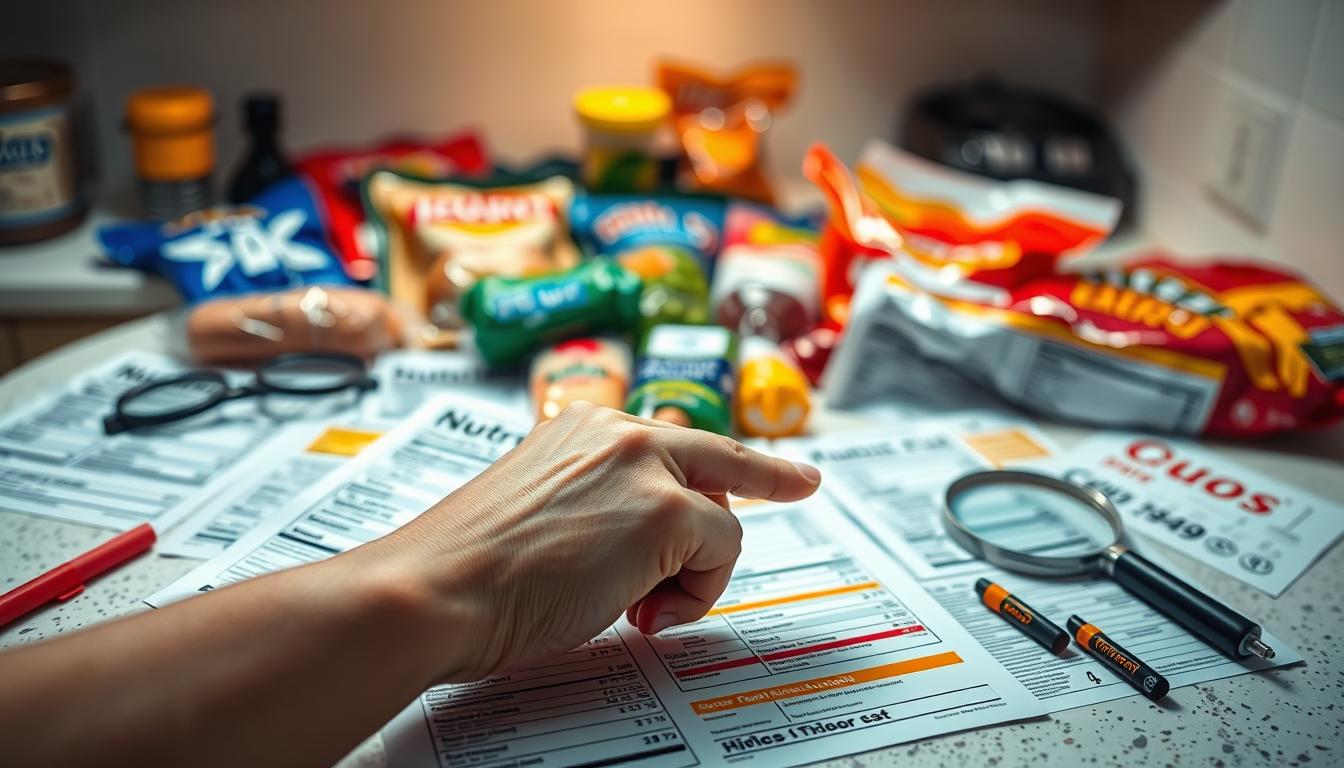
Nutrition labels hold secrets that could make or break your low-carb goals. While front-of-package claims shout “healthy” or “natural,” the real story hides in the fine print. Let’s crack the code together.
Legal Loopholes in Food Labeling
Food manufacturers often exploit FDA regulations to disguise carb content. Two common tactics turn nutrition labels into minefields for unsuspecting shoppers.
Serving Size Manipulation Tactics
That “100-calorie pack” of gluten-free cookies might list 10g carbs per serving – but check the serving size. Many products use unrealistic portions to downplay numbers. A “single serve” protein bar often lists nutrition for half the bar.
The Truth About “Zero Sugar” Claims
Ken’s Fat-Free Sun-Dried Tomato Vinaigrette proves this deception. Despite “0g sugar” claims, each 2-tbsp serving contains 14g total carbs. How? Manufacturers subtract fiber and sugar alcohols, leaving “net carbs” unregulated by labeling laws.
Ingredient List Red Flags
The ingredients list reveals what nutrition facts hide. Scan for these hidden carb sources before buying.
56 Names for Added Sugars to Recognize
Beyond obvious terms like “sucrose,” watch for:
- Syrups (brown rice, malt)
- -ose endings (dextrose, fructose)
- “Natural” sweeteners (agave, coconut nectar)
| Disguised Sugar | Common In | Carbs per Serving |
|---|---|---|
| Evaporated cane juice | Granola bars | 12-18g |
| Maltodextrin | Protein powders | 5-8g |
| Fruit juice concentrate | Yogurt | 10-14g |
Thickeners and Starches That Add Carbs
Gluten-free doesn’t mean carb-free. These additives boost carb counts:
- Tapioca starch (8g/tbsp)
- Xanthan gum (4g/tsp)
- Modified food starch (6g/tsp)
Pro Tip: Download our 56 Sugar Aliases Checklist to keep in your wallet. Spot hidden carbs in seconds – your metabolic health will thank you.
1. Flavored Yogurt: The Breakfast Betrayal
Your morning yogurt might look healthy but could have more sugar than dessert. Many brands use smart packaging and buzzwords to hide their carbohydrate content. This turns a protein-rich snack into a metabolic minefield.

What Makes It Sneaky?
Fruit-on-the-bottom deception
Dannon’s Fruit-on-the-Bottom has 19g of sugar in a 6oz cup, that’s 4.5 teaspoons. They use fruit syrups instead of real fruit. This triples the sugar content while keeping it looking natural.
“Probiotic” marketing vs reality
Labels talk about live cultures, but flavored yogurts have so much sugar it cancels out the benefits. A 2023 study found sweetened yogurts have 50% more sugar than plain ones. This makes the gut environment acidic, reducing probiotic effectiveness.
“Sugar feeds harmful gut bacteria, undoing yogurt’s probiotic benefits,” says Dr. Lisa Reynolds, a clinical nutritionist.
Carb Content Breakdown
Typical sugar content in popular brands
| Brand | Serving Size | Total Carbs |
|---|---|---|
| Yoplait Original | 6oz | 26g |
| Chobani Fruit Blend | 5.3oz | 15g |
| Dannon Fruit-on-Bottom | 6oz | 19g |
| Ben & Jerry’s Ice Cream | ⅔ cup | 24g |
Comparing Greek vs regular varieties
Greek yogurt has 40% fewer carbs than regular yogurt because of its straining process. But flavored versions close this gap:
- Plain Greek yogurt: 5g carbs per 6oz
- Vanilla Greek yogurt: 14g carbs
- Regular fruit yogurt: 19g carbs
Smart Swaps
How to make your own low-carb version
Make a low-carb version of Greek yogurt in 3 steps:
- Start with unsweetened full-fat base
- Add ½ tsp pure vanilla extract
- Mix in 5 crushed raspberries
Best store-bought alternatives
Two Good yogurt is a top choice with only 3g of carbohydrate content per serving. Other good options include:
- Ratio Keto Friendly Yogurt (2g net carbs)
- Siggi’s No Sugar Added (9g carbs)
- Fage Total Plain (5g carbs)
2. Protein Bars: Fitness Fanatic’s Foe
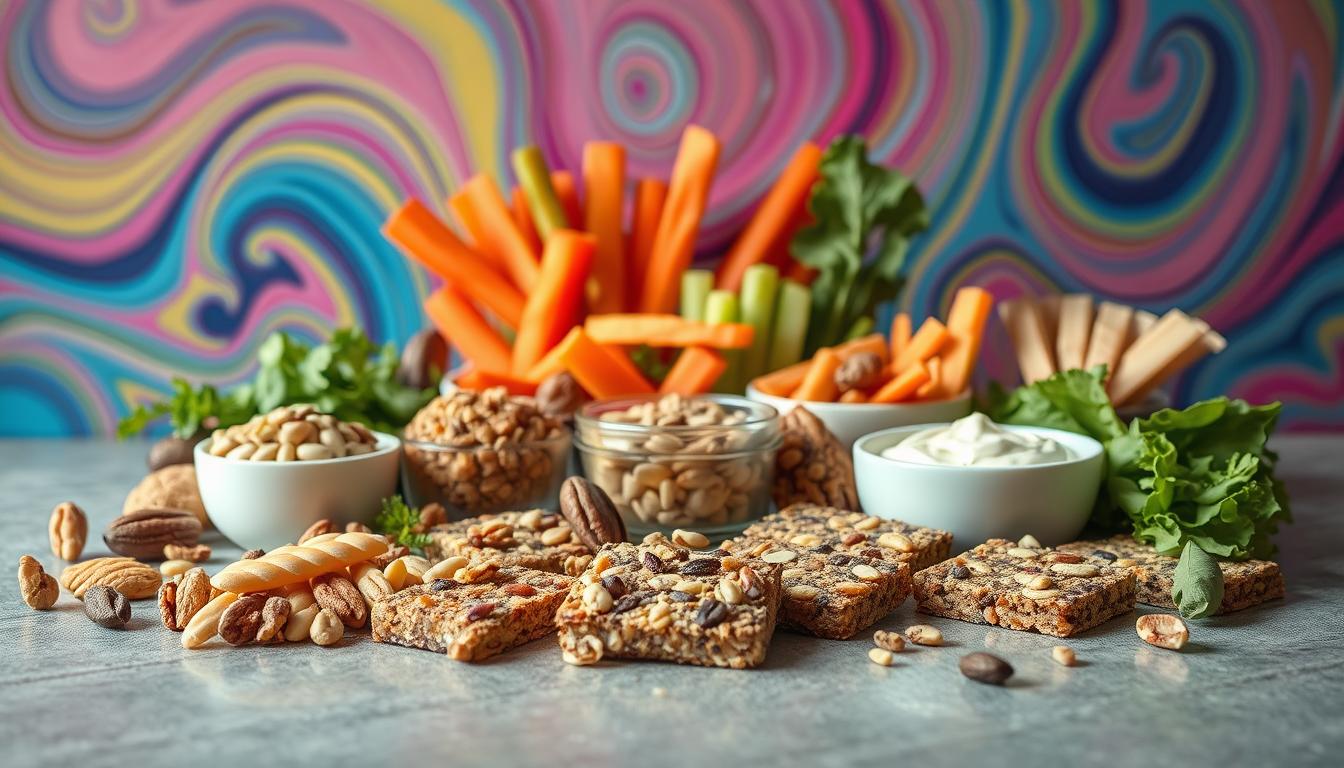
You grab a protein bar after workouts, trusting its “healthy” reputation. But these snacks often have more carbs than your post-gym shake. Let’s look at why your go-to energy booster might be working against your low-carb goals.
What Makes It Sneaky?
Misleading “High Protein” Claims
Many bars claim 20g protein but hide 25g+ carbs in small print. Brands use bold front-label claims to distract from starch-heavy binders like brown rice syrup or dates. A 2023 study found 63% of consumers underestimate protein bar carb content by 40% or more.
Hidden Sugar Alcohols Explained
Low-carb seekers often fall for “sugar-free” bars using erythritol or maltitol. While these sugar alcohols lower net carbs, they can spike blood sugar in sensitive individuals. Gastrointestinal issues like bloating affect 1 in 3 people consuming more than 10g daily of these additives.
Carb Content Breakdown
Comparison of Top-Selling Brands
| Brand | Total Carbs | Fiber | Sugar Alcohols |
|---|---|---|---|
| Quest Chocolate Chip | 12g | 14g | Erythritol |
| RXBAR Peanut Butter | 21g | 5g | None |
The Truth About “Net Carbs” Labeling
Net carb math (total carbs minus fiber/sugar alcohols) doesn’t account for individual digestion differences. Your body might process maltitol as 50% real sugar, despite labels showing zero impact. Always check both total carbs and ingredient sources.
Smart Swaps
Homemade Protein Bar Recipes
- Collagen Peptide Bars: Mix 1 scoop collagen, ¼ cup almond butter, 2 tbsp Lily’s dark chocolate chips
- Pumpkin Seed Crunch: Combine pumpkin seeds, coconut flakes, and vanilla whey isolate
Truly Low-Carb Commercial Options
Perfect Keto bars use avocado oil and almond flour for 3-4g net carbs. Look for products with:
- No grain-based binders
- Stevia/monk fruit sweeteners
- Under 8g total carbs
3. Gluten-Free Baked Goods
Many people think “wheat-free” means low-carb. But, these products often have hidden starches and sugars. This can make them as bad as traditional baked goods for your diet.

What Makes It Sneaky?
Gluten-free foods often use high-carb flours to feel like wheat. Rice flour and tapioca starch are common, with more carbs than regular flour:
- Rice flour: 127g carbs per cup
- Tapioca starch: 135g carbs per cup
- Almond flour: 24g carbs per cup
Alternative Flour Carb Comparisons
| Flour Type | Carbs per Cup | Glycemic Index |
|---|---|---|
| All-Purpose Wheat | 95g | 85 |
| Rice Flour | 127g | 98 |
| Almond Flour | 24g | 15 |
The Binders and Gums Trap
Xanthan gum and guar gum help gluten’s stretchiness. But, they often come with maltodextrin. This can raise blood sugar quickly, found in 68% of gluten-free breads.
Carb Content Breakdown
Gluten-free products usually have 40% more carbs than regular bread. Udi’s Gluten-Free White Sandwich Bread has 26g net carbs per slice, while sourdough has 15g.
Store-Bought vs Homemade Analysis
- Commercial muffin: 47g carbs (using rice flour blend)
- Homemade version: 12g carbs (almond/coconut flour mix)
Rice Flour vs Almond Flour Reality Check
Switching from rice flour to almond flour in pizza crust cuts carbs from 38g to 6g per serving. King Arthur Keto Wheat Flour is another good choice, with 11g net carbs per cup.
Smart Swaps
Change your baking with these low-carb options:
Nut-Based Baking Alternatives
- Use almond flour for cookies (3g net carbs each)
- Try walnut meal in crusts (1g net carb per tbsp)
- Experiment with pecan flour for pancakes
Vegetable Substitution Techniques
- Cauliflower pizza crust: 4g net carbs per slice
- Zucchini-based brownies: 8g net carbs
- Spaghetti squash muffin cups: 5g net carbs
For binding without carbs, mix psyllium husk powder with chia seeds. This combo gives structure and adds 12g fiber per recipe, fighting against sneaky saboteurs.
4. Bottled Smoothies: Liquid Carb Bombs
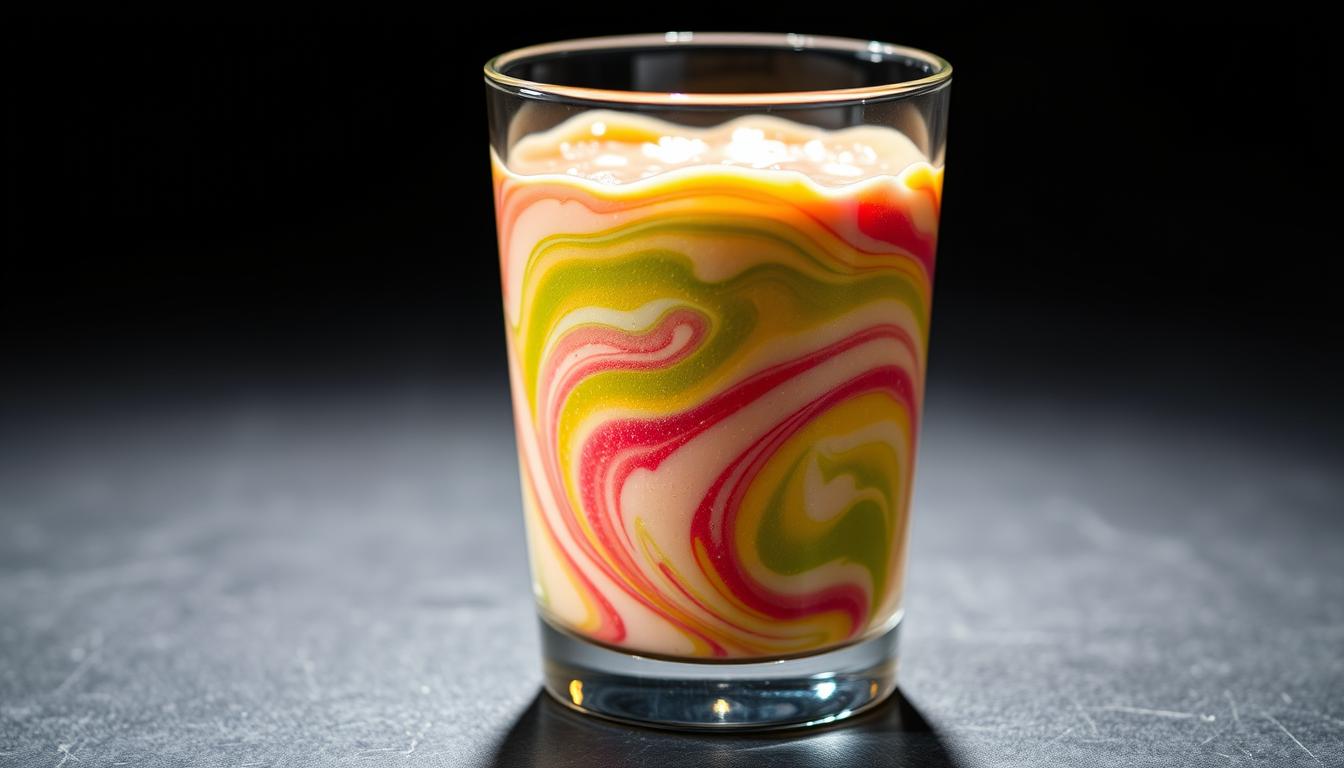
That bright bottle saying “3 servings of fruit” might actually harm your health goals. It’s filled with lots of sugar. Even people who know a lot about nutrition can be tricked by these bottles.
What Makes It Sneaky?
“All Natural” Fruit Sugar Dangers
Blended fruits release free sugars quickly, raising insulin levels fast. A 16oz Naked Juice Green Machine has 53g carbs. That’s like 13 teaspoons of sugar, despite its healthy-sounding name.
Juice vs Whole Fruit Differences
Companies often use fruit juices instead of whole fruits. This removes fiber, which slows down sugar absorption. So, what was once full of antioxidants becomes a quick sugar source:
- Apple juice concentrate adds sweetness without pulp
- Mango puree increases thickness and sugar content
- Pineapple juice boosts acidity for longer shelf life
Carb Content Breakdown
Popular Brands’ Shocking Numbers
| Brand | Smoothie Type | Carbs (16oz) |
|---|---|---|
| Jamba Juice | Strawberry Surf Rider | 71g |
| Bolthouse Farms | Green Goodness | 48g |
| Odwalla | Super Protein | 54g |
Comparing “Green” vs Fruit Smoothies
Don’t be fooled by smoothies that look green. Many “green” smoothies are mostly fruit juice. They might have a bit of spinach or kale, but mostly they’re just sweet.
Smart Swaps
Low-Carb Smoothie Formulas
Make better smoothies with these blood sugar-friendly ratios:
- 60% leafy greens (spinach/kale)
- 30% low-sugar fruits (avocado/berries)
- 10% healthy fats (MCT oil/almond butter)
Vegetable-Base Blending Techniques
Use steamed cauliflower or zucchini instead of sugary fruits. These add creaminess and keep carbs low. Always blend veggies raw to keep nutrients.
5. Veggie Chips: Crunchy Deception
That colorful bag of veggie chips might look like a smart snack choice, but its crispy exterior hides a carb-heavy reality. Let’s crack open the truth behind these plant-based imposters.

What Makes It Sneaky?
Many veggie chips start with starchy root vegetables that act like carb sponges. Brands often use sweet potatoes, beets, or taro – all high-glycemic ingredients that convert to sugar faster than leafy greens.
Starchy Vegetable Pitfalls
A single ounce of Terra Chips contains 18g net carbs – equivalent to a slice of bread. These root vegetables lose moisture during frying, concentrating their natural sugars into carb-dense crisps.
Oil Coating Carb Absorption Boost
The frying process does double damage. Oil acts like a sponge for starch molecules, making carbs more bioavailable. This combination can spike blood sugar 30% faster than raw vegetables.
Carb Content Breakdown
Not all veggie chips are created equal. Here’s how popular options stack up:
| Type | Serving Size | Net Carbs | Fiber |
|---|---|---|---|
| Sweet Potato Chips | 1 oz | 15g | 2g |
| Kale Chips | 1 oz | 5g | 3g |
| Air-Fried Zucchini | 1 oz | 2g | 1g |
Store-Bought vs Air-Fried Analysis
Commercial veggie chips average 16g net carbs per serving due to added starches. Homemade air-fried versions using zucchini or kale clock in below 5g – a 70% reduction.
Smart Swaps
You don’t need to sacrifice crunch for carb control. These alternatives deliver satisfaction without the glucose rollercoaster.
Seaweed Snack Alternatives
Roasted nori sheets provide that crispy texture with just 1g net carbs per pack. Brush with olive oil and sprinkle with sesame seeds for extra flavor.
Cheese Crisp Recipes
Whisps Cheese Crisps offer pure protein crunch (0g carbs), or make your own:
- Bake Parmesan cheese mounds at 400°F for 5 minutes
- Cool into golden, lattice-like crisps
- Season with smoked paprika or rosemary
6. Salad Dressings: Leafy Green Sabotage
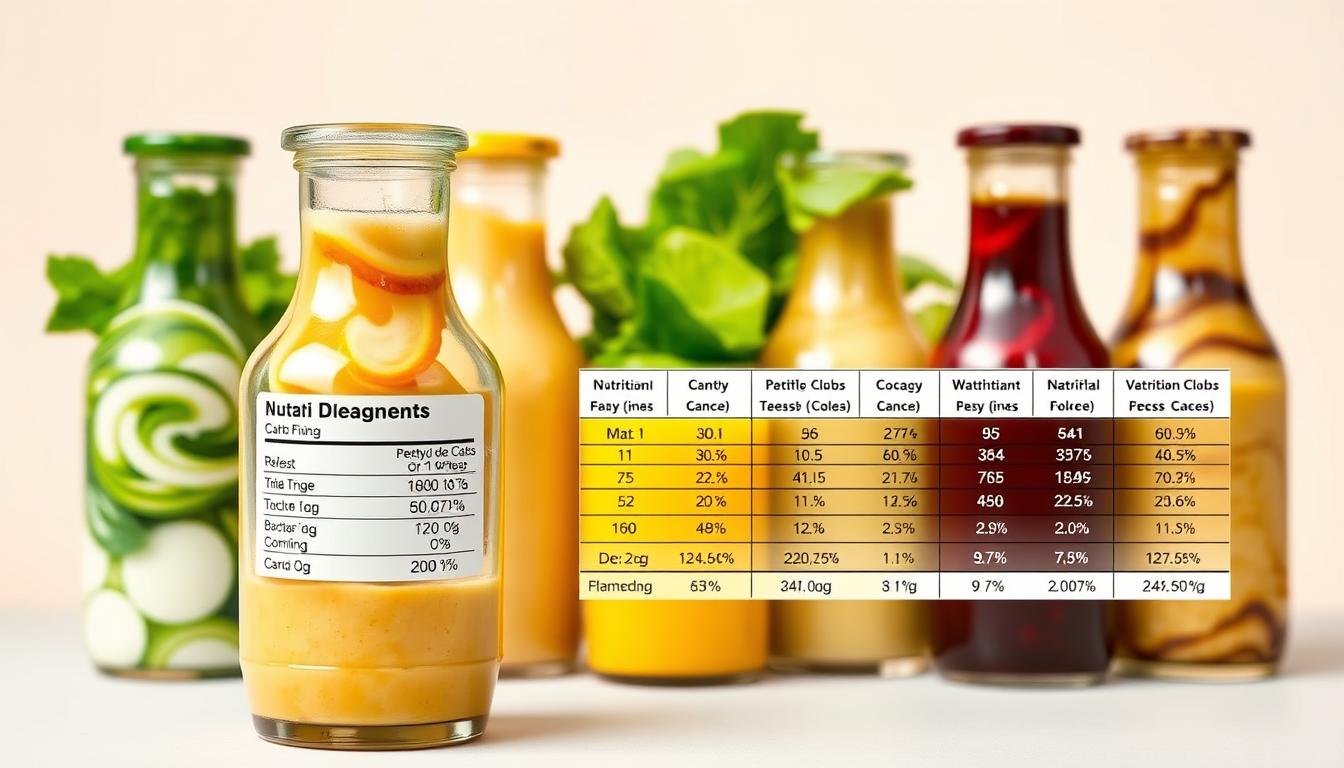
Your crisp salad bowl might hide more carbs than a slice of bread. Dressings called “light” or “fat-free” often use sugar and thickeners. This turns your healthy meal into a carb trap. Let’s look at how these toppings can sabotage your diet.
What Makes It Sneaky?
“Light” Dressing Sugar Trap
Low-fat dressings like Ken’s Fat-Free Raspberry Walnut Vinaigrette have 12g carbs per serving. That’s like a tablespoon of honey. They use sweeteners instead of fat to keep flavor, taking advantage of FDA rules.
Thickener Additives Revealed
Xanthan gum and maltodextrin add texture but bring 2-4g hidden carbs per tablespoon. These thickeners raise insulin levels, even though they’re called “fiber” or “natural additives” on labels.
Carb Content Breakdown
Popular Restaurant Dressing Analysis
| Dressing | Serving Size | Total Carbs |
|---|---|---|
| Panera Fat-Free Balsamic | 2 oz | 14g |
| Olive Garden Regular Ranch | 2 oz | 3g |
| Chick-fil-A Zesty Apple | 1.5 oz | 10g |
Fat-Free vs Full-Fat Comparisons
Full-fat blue cheese dressing has about 1g carb per ounce. Fat-free versions have 7g carbs. The fat-free ones use corn syrup solids, a carb source often not highlighted.
Smart Swaps
3-Ingredient Homemade Recipes
- Lemon Herb: ½ cup avocado oil + 3 tbsp lemon juice + 1 tsp dried basil (0g net carbs)
- Spiced Tahini: ¼ cup tahini + 2 tbsp apple cider vinegar + ½ tsp cumin (2g net carbs)
Oil/Vinegar Combination Guide
Use a 3:1 ratio of quality oils (avocado, walnut) to acids (balsamic vinegar, lime juice). Add fresh herbs like dill or rosemary for flavor. This mix offers healthy fats and keeps carbs under 1g per serving.
7. Nut Butters: Spreadable Saboteurs
That jar of nut butter might look harmless, but it could secretly sabotage your carb goals. While nuts are low in carbs, their processed versions often have hidden additives. These additives turn this protein-rich spread into a carb trap.
What Makes It Sneaky?
“Natural” vs Added Sugars
Many brands use “natural” labeling but add sweeteners like honey or maple syrup. Jif Natural Peanut Butter has 5g carbs per serving, with 2g from added sugars. Crazy Richard’s Pure Peanut Butter has only 3g total carbs and no additives.
Hydrogenated Oil Double-Whammy
Stabilizers like palm oil add empty calories and force your body to process fats and hidden carbs together. This creates metabolic confusion. A study found hydrogenated oils increase insulin resistance by up to 32% in regular consumers.
Carb Content Breakdown
Peanut vs Almond Butter Comparison
| Type | Serving Size | Total Carbs |
|---|---|---|
| Peanut Butter | 2 tbsp | 6g |
| Almond Butter | 2 tbsp | 5g |
| Pecan Butter | 2 tbsp | 3g |
Flavored Varieties Carb Count
Flavor enhancements turn nut butters into dessert spreads. Justin’s Honey Almond Butter has 9g carbs per serving, triple the plain varieties. Chocolate-flavored options often have 10-12g carbs from added sugars and cocoa processing agents.
Smart Swaps
Single-Source Nut Butters
- Georgia Grinders Pecan Butter (3g carbs)
- Wild Friends Cashew Butter (4g carbs)
- Barney Bare Almond Butter (2g carbs)
Seed Butter Alternatives
Try these low-carb spreads for variety:
- Pumpkin seed butter (4g carbs)
- Sunflower seed butter (5g carbs)
- Tahini (sesame paste) (3g carbs)
Always check labels for single-ingredient lists. Store your nut butters upside down. Natural oils rise to the bottom, making stirring easier without added stabilizers.
8. Energy Drinks: Gym Goer’s Trap
You grab that bright bottle before lifting weights, hoping for better performance. But, you miss the hidden carbs behind “optimal hydration” and “rapid recovery” claims.
What Makes It Sneaky?
“Electrolyte” Marketing Myths
Sports drink companies exploit electrolyte needs to sell drinks full of sugar. They add sodium and potassium for hydration, but also 8-14g carbs per serving. It’s like drinking candy-flavored saltwater.
Artificial Sweetener Controversies
Zero-sugar drinks use sucralose or acesulfame potassium to taste sweet without calories. But, research shows these can trigger insulin responses in some, messing with fat-burning during workouts.
Carb Content Breakdown
Popular Pre-Workout Drink Analysis
| Brand | Serving Size | Total Carbs |
|---|---|---|
| Gatorade Fit | 12oz | 8g |
| Powerade Zero | 12oz | 0g |
| Prime Hydration | 16.9oz | 2g |
Coconut Water Reality Check
Coconut water is seen as a natural sports drink. But, it has 11g natural sugars per cup, more than many protein shakes. Adding it to post-workout drinks can lead to consuming 20g+ carbs.
Smart Swaps
Homemade Electrolyte Recipes
- Mix 1/4 tsp sea salt + 1/8 tsp potassium chloride in 16oz water
- Add magnesium citrate drops for muscle support
- Flavor with lime juice or muddled raspberries
Clean Energy Alternatives
Zevia Energy offers stevia-sweetened caffeine without carbs. For longer workouts, try cold brew coffee with MCT oil powder. It gives lasting energy with less than 1g carbs per serving.
9. Low-Fat Dairy: The Calcium Con
Low-fat dairy might seem like a good choice, but it often has hidden carbs. These products promise to help with weight management. But, they can actually be sugar delivery systems that go against your low-carb diet goals. Let’s look closer at America’s favorite “healthier” dairy options.
The Sweet Trap in Your Dairy Aisle
Flavor Compensation With Sugars
When fat is removed from dairy, sweeteners are added to make up for the taste. A single container of Yoplait Low-Fat Yogurt has 19g carbs, which is like 4.5 teaspoons of sugar. This is compared to Fage Whole Milk Yogurt, which has only 5g carbs per serving.
Lactose Concentration Increases
Less fat means more lactose (milk sugar) in the product. Skim milk has 12g carbs per cup, while whole milk has 11g. This difference is important, as you might drink more than one serving a day.
“Full-fat dairy keeps you fuller longer while providing essential fat-soluble vitamins often lost in processing.”
Carb Math: Dairy Edition
Yogurt vs Cheese Showdown
| Product | Serving Size | Total Carbs |
|---|---|---|
| Non-Fat Greek Yogurt | 5.3 oz | 6g |
| Whole Milk Ricotta | 1/4 cup | 3g |
| Cheddar Cheese | 1 oz | 0.4g |
| Skim Milk | 1 cup | 12g |
Lactose-Free Reality Check
Lactose-free products don’t have milk sugar because of enzyme treatment. But, some brands add sweeteners. Always check the labels. Fairlife Ultra-Filtered Milk has 6g carbs per cup, compared to regular milk’s 12g.
Better Dairy Decisions
Full-Fat Benefits
Choosing full-fat options can actually help your low-carb diet:
- Natural satiety from fats reduces snacking urges
- Higher vitamin A and D content
- Stabilizes blood sugar better than low-fat versions
Plant-Based Alternatives Guide
For dairy-free low-carb options:
- Kite Hill Almond Milk Yogurt (4g net carbs)
- Califia Farms Unsweetened Almond Milk (1g carb)
- Miyoko’s Creamery Vegan Cheese (0-2g carbs)
10. Instant Oatmeal Packets
That quick oatmeal fix might be costing you more carbs than you realize. Marketed as a heart-healthy breakfast, instant oatmeal packets often hide surprising amounts of added sugars and processed grains. Let’s unpack why this pantry staple deserves a closer look.
What Makes It Sneaky?
“Whole Grain” Marketing Claims
Many brands emphasize “whole grain oats” on packaging while burying high-carb additives in the ingredients list. The instant cooking process breaks down fiber, accelerating sugar absorption despite the healthy-sounding label.
Flavor Packet Sugar Load
Quaker’s Maple & Brown Sugar flavor contains 12 grams of added sugar per packet – equivalent to three teaspoons. These flavored varieties often contain maltodextrin or corn syrup solids, spiking your carb intake before you’ve left the kitchen.
Carb Content Breakdown
Popular Brand Comparisons
| Brand | Flavor | Total Carbs | Fiber | Net Carbs |
|---|---|---|---|---|
| Quaker | Maple & Brown Sugar | 32g | 3g | 29g |
| Bob’s Red Mill | Steel-Cut | 27g | 4g | 23g |
| Nature’s Path | Original | 25g | 4g | 21g |
Steel-Cut vs Instant Differences
Steel-cut oats have 20% less net carbs than instant varieties due to slower processing. The glycemic index difference is stark: instant oats spike blood sugar 40% faster than traditional rolled oats.
Smart Swaps
Chia Seed Pudding Recipes
- 3 tbsp chia seeds + 1 cup unsweetened almond milk
- 1 scoop vanilla protein powder
- 1/4 cup crushed walnuts
Mix and refrigerate overnight for a 4g net carb breakfast with 12g protein.
Nut-Based “Oatmeal” Alternatives
Try this hemp heart blend:
- 1/2 cup hemp hearts
- 2 tbsp coconut flakes
- 1 tsp cinnamon
- Hot water or nut milk to texture
Contains just 3g net carbs while providing 15g of plant-based protein.
Building a Truly Low-Carb Pantry
Your kitchen setup is key to low-carb success. A well-planned pantry helps you avoid hidden carbs. It makes meal prep easy and stress-free. Let’s turn your pantry into a carb-conscious haven.
Essential Staples Checklist
Start with these basics to make meals low in carbs:
Must-Have Cooking Oils/Fats
- Avocado oil (high smoke point for frying)
- Extra virgin olive oil (for dressings)
- Ghee (clarified butter with zero lactose)
- Coconut aminos (soy-free stir-fry sauce)
Protein Sources With Zero Carbs
- Canned wild-caught salmon
- Pasture-raised eggs
- Grass-fed beef jerky (check for added sugars)
- Frozen shrimp (quick-thaw protein)
Snack Cabinet Overhaul
Nielsen’s 2024 snack survey found keto-friendly snacks grew 27% last year. Here are some top picks:
15 Shelf-Stable Low-Carb Snacks
| Snack | Net Carbs | Protein |
|---|---|---|
| Epic Pork Rinds | 0g | 9g |
| HighKey Cookies | 2g | 3g |
| Ratio Keto Yogurt | 3g | 15g |
| Seaweed Snacks | 1g | 2g |
Emergency Meal Solutions
- Pre-cooked grilled chicken strips
- Microwaveable riced cauliflower
- Single-serve almond butter packets
- Low-carb bone broth packets
Update your stock every 3 months to keep things fresh. Pro tip: Set aside a shelf for quick snacks. This helps you avoid high-carb foods when you’re in a rush.
Smart Meal Prep Strategies
Mastering meal prep makes managing carbs easy. It turns a chore into a winning strategy. These tips help you avoid hidden carbs and keep meals fun and on track with your weight loss goals.
Weekly Planning Framework
Macro-balanced meal templates
Use this carb-aware formula for meals: 40% protein, 30% healthy fats, and 30% complex carbs. This mix stops energy drops and helps keep muscles. Try these meal ideas:
| Meal | Protein Base | Smart Carb |
|---|---|---|
| Breakfast | 3 eggs | ½ cup roasted squash |
| Lunch | Grilled chicken | Cauliflower rice |
| Dinner | Salmon fillet | Shirataki noodles |
Batch cooking carb-smart staples
Use Sunday afternoons for these make-ahead items:
- Spiralized zucchini (3-day supply)
- Cauliflower pizza crusts (freeze raw)
- Turmeric roasted radishes
Restaurant Recreation Techniques
Low-carb versions of favorites
Make takeout classics healthier:
- Pho: Swap rice noodles for kelp varieties
- Fried rice: Use riced cauliflower + coconut aminos
- Pasta: Try heart of palm linguine
Flavor boosting without carbs
These pantry items add flavor without carbs:
- Mushroom powder in soups
- Nutritional yeast on popcorn
- Toasted sesame oil in stir-fries
Change up your strategies each week to avoid meal boredom. For carb cycling days, add more roasted veggies or ¼ cup quinoa to meals. Always test new recipes on Thursday nights. This way, you can adjust before grocery shopping.
Dining Out Without Carb Surprises
Restaurant menus often hide carbs in plain sight. This can turn a good meal into a bad choice for your diet. With 68% of chefs adding sugar to savory dishes, it’s key to know how to read menus carefully. Here are some tips to enjoy meals out without ruining your diet.
Menu Decoding Guide
Menu descriptions can be tricky. They might use words that mean “hidden carbs.” Knowing these clues can help you make better choices.
Phrases that signal hidden carbs
- “Crispy”: Usually means breaded or batter-dipped
- “Glazed”: Indicates sugar-laden coatings
- “Marinated”: Often involves honey or syrups
- “Crumbled”: Frequently includes breadcrumbs
Safe ordering across cuisines
| Cuisine | Risky Terms | Smart Choices |
|---|---|---|
| Mexican | Chimichanga, Queso | Fajita veggies, Carne asada |
| Italian | Parmigiana, Alfredo | Chicken piccata, Zucchini noodles |
| Asian | Teriyaki, Tempura | Satay skewers, Buddha bowls |
Special Occasion Strategies
You don’t have to eat too many carbs to celebrate. Here are some tips for holidays or nights out:
Holiday meal survival guide
- Fill half your plate with roasted vegetables
- Request sauces on the side
- Choose protein-centric main dishes
Alcohol selection criteria
| Drink Type | Carbs per Serving | 2024 Low-Carb Trend |
|---|---|---|
| Craft Beer | 15-20g | Hard seltzers (2-4g) |
| Margarita | 30g | Tequila+soda+lime (0g) |
| Wine | 3-4g | Zero-proof cocktails |
“The secret to carb-conscious dining? Always ask how dishes are prepared – chefs respect informed customers.”
Conclusion
Now you know about hidden carbs in everyday foods. Begin by checking your pantry with the checklist from Section 15. Get rid of items with maltodextrin, dextrose, or modified food starch. Also, download the free Sugar Alias Cheat Sheet for easier label reading at the store.
Make three smart swaps from our 10 food categories this week. Try replacing flavored Chobani yogurt with Siggi’s Skyr. Or swap RXBAR for a homemade nut butter snack. Plan your Sunday meal prep with the framework in Section 16. Cook cauliflower rice and grill chicken for low-carb meals.
Save the restaurant ordering guide from Section 17 on your phone. It helps you order at places like Chipotle and Olive Garden without too many carbs. Remember, small changes add up over time.
Many have improved their health with these tips. One person lost 18 pounds in 45 days by avoiding hidden carbs in salad dressings and protein bars. A CrossFit athlete also saw progress by switching from instant oatmeal to chia pudding.
Your journey begins today. Share your pantry makeover photos with #HiddenCarbHunt – we feature top transformations weekly. Keep our free resources handy and refer to Sections 5-14 for snack ideas. Progress is more important than perfection.