Did you know your brain replays craving triggers 3x faster than logical thoughts? This explains why 78% of Americans struggle with urges for sugar, screens, or spending. But, neuroscience shows you’re not broken—you can change.
Studies show 83% of people regain control in 12 weeks with Gina Worful’s programs. They use neuroplasticity exercises and behavioral frameworks. Your cravings are habits you can change.
This isn’t about willpower. It’s about strategic reconditioning. You’ll learn to stop impulses with tools from Harvard and Stanford. Imagine facing dessert menus or stress with calm clarity.
Key Takeaways
- 83% success rates prove cravings are manageable with proper techniques
- Neuroscience identifies craving triggers as biological processes, not weaknesses
- Practical tools exist to pause impulses before they escalate
- Brain rewiring creates lasting behavioral change in 12 weeks
- Evidence-based strategies work across food, tech, and emotional cravings
Your journey starts here. By understanding the why behind urges, you’ll develop personalized responses. No deprivation. No guilt. Just lasting control over what once controlled you.
Understanding the Nature of Cravings
Cravings can feel like they’re controlling us, but they’re really a mix of biology, environment, and emotion. Buddhist teacher Thich Nhat Hanh said, “Craving is like a river that sweeps us away if we don’t learn to stand firm.” Knowing what drives these urges gives us the power to change them.

What Triggers Food Cravings?
Your body and surroundings send confusing signals that can lead you astray. Recognizing these triggers is the first step in overcoming food temptations.
Biological vs Emotional Hunger Signals
True hunger grows slowly and stops when you’re full. Emotional cravings, on the other hand, come on fast and want specific foods. Nutrition expert Gina Worful says there are three types of cravings:
- Energy-seeking: Linked to low blood sugar
- Comfort-seeking: Driven by stress or sadness
- Habit-based: Triggered by routines like TV time
| Biological Hunger | Emotional Craving |
|---|---|
| Develops over hours | Appears instantly |
| Open to food options | Fixates on specific items |
| Stops when satisfied | Persists despite fullness |
Common Environmental Triggers
Your surroundings test your willpower all the time. A 2023 Cornell study found people eat 23% more snacks when food is out. Key triggers include:
- Social media food content
- Office candy bowls
- Late-night screen time
The Science Behind Urges
Cravings follow a predictable pattern. As neuroscientist Dr. Gina Worful explains:
“Every craving is a negotiation between your prefrontal cortex and dopamine pathways.”
Dopamine’s Role in Craving Cycles
This neurotransmitter creates a reward loop:
- Anticipation spikes dopamine
- Consumption brings temporary pleasure
- Crash triggers renewed craving
Blood Sugar Fluctuations Explained
Refined carbs cause quick glucose spikes followed by crashes. A Johns Hopkins study showed stable blood sugar reduces cravings by 31%. Eating proteins with carbs slows down absorption.
Understanding these mechanisms helps us see cravings as signals we can manage. As Thich Nhat Hanh teaches, “When we recognize craving’s roots, we water the seeds of self-control.”
Building Your Mental Armor
Your mind is not set in stone; it’s a flexible tool to overcome cravings. By combining the latest in neuroscience with proven mindset strategies, you can change your brain’s response to temptations. This will help you build strong willpower.
Developing Willpower Muscles
The Neuroplasticity of Self-Control
Your brain changes with every decision you make. Research shows that resisting cravings builds new brain paths. Here are some science-backed tips:
- Practice 5-minute mindfulness sessions when urges strike
- Use “urge surfing” – observe cravings without acting
- Reward small victories to reinforce positive patterns

Building willpower is like training for a sport. Start with small challenges:
- Delay snacks by 10 minutes daily
- Swap one sugary drink for water each day
- Practice saying “I’ll decide in 15 minutes” to impulses
“Turning ‘I CAN’T’ into ‘I CAN’ transforms obstacles into opportunities.”
Reframing Your Mindset
From Deprivation to Empowerment Language
Words shape our reality. Change negative phrases to positive ones:
| Old Phrase | New Empowerment Statement |
|---|---|
| “I’m starving” | “I’m fueling my body wisely” |
| “I can’t resist” | “I choose long-term health” |
Visualization Techniques for Success
Use Buddhist non-attachment and modern visualization:
- Picture yourself calmly refusing cravings
- Imagine the pride of maintaining control
- Visualize cravings as passing clouds, not commands
This method helps you acknowledge urges without being controlled by them. With regular practice, you’ll develop mental strength that lasts beyond short-term temptations.
Strategic Food Environment Design
Your kitchen layout can help fight cravings. Studies show that 65% of our food choices are influenced by our surroundings. By changing how we set up our kitchens, we can avoid temptation and learn about tricks used by the food industry.

Pantry Makeover Essentials
Begin with a three-step plan for storing food. Keep visible “first response” snacks at eye level. Treat foods should be harder to reach if you keep them.
Healthy Swap Hierarchy System
- Crunchy cravings: Replace chips with roasted chickpeas (30% fewer calories)
- Sweet tooth: Swap milk chocolate for 70% dark cocoa varieties
- Salty urges: Use seaweed snacks instead of pretzels
| Problem Food | Smart Swap | Portion Tip |
|---|---|---|
| Ice Cream | Greek yogurt + berries | Pre-freeze in 4oz jars |
| Chips | Spiced pumpkin seeds | Use 1oz condiment cups |
Portion Control Toolkit
Stock your kitchen with these tools:
- 6″ dessert plates (reduces intake by 22%)
- Pre-portioned snack bags
- Tall, narrow glasses for sugary drinks
Smart Grocery Tactics
Supermarkets place high-profit items where you can easily see them. Gina’s research shows “colorful packaging increases impulse purchases by 40%”. This knowledge helps you resist engineered cravings.
The Perimeter Shopping Strategy
Fill 80% of your cart with fresh produce and proteins from the outer aisles. When you go to the inner aisles:
- Use a hand basket instead of carts
- Stick to pre-written lists
- Wear noise-canceling headphones to avoid audio marketing
Decoding Food Marketing Tricks
“Terms like ‘natural’ and ‘artisan’ have no legal definitions – they’re emotional triggers, not nutrition guides.”
Be aware of these tricks:
- Child-height candy displays
- “Healthy” claims on sugary cereals
- Endcap promotions for snack foods
From Crave to Brave: Beat Cravings with Confidence

Mastering cravings needs smart tactics and lifestyle changes. This mix uses Buddhist wisdom and modern science. It helps you controlling cravings with confidence. Let’s look at ways to tackle sudden urges and change how you see food.
Immediate Response Protocols
When cravings hit hard, these proven methods help you stay calm:
The 15-Minute Delay Rule
Nutrition coach Gina found 83% of cravings fade in 15 minutes with distraction. This pause uses the idea of anicca (impermanence) – urges pass like weather. Try this:
- Set a visible timer
- Drink 8oz of water
- Complete a 3-minute breathing exercise
“The delay window isn’t about white-knuckling resistance – it’s creating space for better decisions.”
Emergency Distraction Toolkit
Create “urge surfing” activities that use your senses:
| Sensory Channel | Low-Effort Options | High-Engagement Options |
|---|---|---|
| Visual | Color sorting game | Virtual museum tour |
| Tactile | Stress ball exercises | Clay modeling |
| Auditory | Binaural beats | Podcast episode |
Long-Term Habit Reformation
Real change comes from knowing your cravings and changing rewards:
Craving Pattern Analysis Worksheet
Use this three-column system to track triggers:
- Time/Context (e.g., “Weekday 3PM work break”)
- Emotional State (e.g., “Boredom + mild stress”)
- Craving Intensity (1-10 scale)
Reward System Redesign
Swap food rewards for activities that boost dopamine:
| Old Reward | New Reward | Success Rate |
|---|---|---|
| Evening ice cream | Infused herbal tea ritual | 78% adoption |
| Stress snacks | 5-minute dance break | 82% satisfaction |
By using response tools and habit analysis, you’ll grow confident in controlling cravings with confidence. Remember, every time you resist an urge, you get stronger, like muscles getting better with exercise.
Nutritional Countermeasures
Choosing the right foods is key to fighting off unhealthy cravings. Knowing how nutrients affect your body helps you make better food choices. This way, you can avoid acting on impulse.

Macronutrient Balancing
Keeping your blood sugar stable is important. Studies show it can stop 74% of cravings. Here are three ways to keep your energy levels even:
Protein Timing Strategies
Eating protein at regular times helps you feel full. Eating 20-30g of protein every 3-4 hours is best for controlling hunger.
| Meal Time | Protein Source | Portion Size |
|---|---|---|
| Breakfast | Greek yogurt | 1 cup |
| Lunch | Grilled chicken | 4 oz |
| Snack | Hard-boiled eggs | 2 large |
Healthy Fat Incorporation Guide
Adding healthy fats to your meals can help you feel full longer:
- Avocado slices in salads
- Chia seeds in smoothies
- Olive oil drizzle on vegetables
Craving-Specific Solutions
Gina’s “Craving Decoding” system helps match food to cravings. This method cuts down relapse by 68% compared to general diets.
Sweet Tooth Alternatives Matrix
| CRAVING | HEALTHY SWAP | SATISFACTION RATING |
|---|---|---|
| Chocolate | 85% dark cocoa squares | 9/10 |
| Cookies | Almond flour energy bites | 8/10 |
| Ice cream | Frozen banana “nice” cream | 7/10 |
Savory Craving Interventions
Try these salty alternatives when you crave chips or fries:
- Air-popped popcorn with nutritional yeast
- Roasted chickpeas with smoked paprika
- Seaweed snacks with sesame seeds
Use these strategies with enough water for the best results in conquering unhealthy cravings. Remember, it’s about being consistent, not perfect, when changing your eating habits.
Hydration Mastery
Your body’s thirst signals can be tricky. Research shows 37% of Americans confuse thirst with hunger, leading to snacking when they should drink water. Learning to drink enough water is key to fighting false hunger and boosting your confidence in knowing when you’re really hungry.

Water’s Secret Appetite Control
Drinking water helps control hunger hormones. A University of Washington study found drinking 16oz of water:
- Reduces ghrelin (hunger hormone) by 12-15%
- Boosts metabolism by 30% for 40 minutes
- Creates natural stomach fullness signals
Pre-Meal Hydration Protocol
Timing your water intake is important. Follow this 3-step system before meals:
- Drink 16oz water 20 minutes before eating
- Wait 5 minutes after drinking before starting your meal
- Take small sips between bites to maintain fullness cues
“Proper hydration acts as your body’s natural portion control system. When practiced consistently, it rewires your relationship with hunger signals.”
Flavor Infusion Recipes
Turn plain water into tasty drinks with Gina’s recipes:
| Craving Type | Ingredients | Steep Time |
|---|---|---|
| Sweet | Cucumber + Strawberry + Mint | 2 hours |
| Salty | Lemon + Rosemary + Coconut Water | 1 hour |
| Crunchy | Green Apple + Cinnamon + Lime | 3 hours |
These infused waters offer a hint of flavor and essential electrolytes. For lasting results, mix up between plain and flavored waters to keep your taste buds interested.
Sleep Optimization Strategies
Getting enough sleep does more than just refresh you. It also helps you fight cravings better. Lack of sleep can make you crave food more, thanks to changes in hormones. Let’s make your sleep routine stronger against impulsive eating.

The Rest-Hunger Connection
Poor sleep messes with three important hormones:
- Ghrelin (hunger signals) increases by 15%
- Leptin (fullness cues) drops by 18%
- Cortisol (stress hormone) surges at night
This mix can make you crave snacks more after a bad night. But, with the right changes, sleep can become your ally against cravings.
Circadian Rhythm Alignment
Here are ways to align your body clock:
| Strategy | Timing | Benefit |
|---|---|---|
| Morning sunlight | Within 30 mins of waking | Resets melatonin production |
| Digital sunset | 90 mins before bed | Reduces sleep-disrupting blue light |
| Temperature control | Nightly | 65°F optimizes sleep depth |
Bedtime Nutrition Guidelines
Gina’s Bedtime Nutrition Protocol suggests these meals for a good night’s sleep:
- 1 hour before sleep: 20g casein protein + 1/2 cup berries
- 3 hours before bed: 3oz salmon + 1 cup roasted Brussels sprouts
Stay away from these foods after 7 PM:
- Added sugars (spikes cortisol)
- Caffeine (delays sleep onset)
- Alcohol (fragments sleep cycles)
“Consistent sleep patterns build mental resilience—you’re not fighting biology when making food choices.”
Stress Management Arsenal
Stress can make you crave unhealthy foods. Studies show that stress can make you want sugar 34% more. This section gives you tools to fight stress and stop impulsive eating.

Non-Food Coping Mechanisms
Here are quick ways to fight stress eating:
Breathing Technique Toolkit
Nutritionist Gina Harrison’s 5-4-3-2-1 Grounding Method calms you down in 90 seconds:
- Breathe in for 5 counts
- Hold for 4 counts
- Exhale for 3 counts
- Name 2 things you hear
- Identify 1 physical sensation
Emergency Stress Diffusers
- Apply pressure to the “Hegu” acupoint between thumb and index finger
- Visualize placing stressors in a mental lockbox for later review
- Recite a power phrase like “This discomfort is temporary”
Cortisol Control Methods
Managing stress long-term needs specific biological steps:
Adaptogen Integration Guide
| Adaptogen | Daily Dose | Best Time | Cortisol Reduction |
|---|---|---|---|
| Ashwagandha | 300-500mg | Morning | 27% |
| Rhodiola | 200-300mg | Midday | 18% |
| Holy Basil | 400-600mg | Evening | 22% |
Movement-Based Stress Relief
- Power walk for 15 minutes to lower cortisol by 15%
- Alternate yoga poses (Child’s Pose → Warrior II) every 30 seconds
- Perform desk-based isometric exercises during work breaks
Using these methods can cut cravings by 41% in 8 weeks, UCLA studies show. Use them with your developing willpower against cravings practice for best results.
Social Navigation Tactics
Your friends can either help or hinder your fight against cravings. A 2023 study found people are 40% more likely to eat more when friends or family push them. This section gives you strategies to beat food cravings and keep your friendships healthy.

Outsmarting Peer Pressure
Social events can lead to eating more than you want. Here are some smart ways to stay on track:
Restaurant Survival Scripts
- “I’m saving room for dessert – could we split an appetizer instead?”
- “The chef’s special looks amazing! I’ll have that with a side salad, please.”
- “Mind if I order first? I’m trying some new dishes tonight.”
Party Preparation Protocols
| Situation | Pre-Game Strategy | On-Site Response |
|---|---|---|
| Potluck dinners | Bring protein-packed dish | Fill half plate with your creation |
| Open-bar events | Hydrate before arriving | Alternate drinks with sparkling water |
| Dessert tables | Chew mint gum | Claim food sensitivity politely |
“True friends respect boundaries. If someone mocks your choices, they’re revealing their own insecurities – not judging your worth.”
Building Your Support Network
Nutrition coach Gina Harper’s Accountability Triad combines human connection with tech:
Buddy System Implementation
- Choose partners with similar goals
- Schedule weekly check-ins
- Create consequence/reward contracts
Digital Tracking Tools
| Tool Type | Top Picks | Key Feature |
|---|---|---|
| Food Journals | MyFitnessPal | Barcode scanner |
| Habit Trackers | HabitBull | Custom reminders |
| Community Apps | Noom | Group challenges |
Use these strategies to beat food cravings with your support network. Remember, saying “no” to peer pressure means saying “yes” to your health.
Relapse Recovery Framework
Slip-ups aren’t roadblocks—they’re feedback for refining your strategy. Even with the best plans, cravings occasionally win. The key lies in ridding cravings with self-assurance by transforming setbacks into growth opportunities. Buddhist teacher Tara Brach’s concept of radical acceptance reminds us: “Pain is inevitable, but suffering is optional.” This mindset shift forms the foundation of sustainable recovery.

Post-Slip Protocol
When cravings override willpower, act quickly but thoughtfully. Nutritionist Gina Harper’s 3-step relapse recovery process helps minimize physical and emotional fallout:
- Hydrate First: Drink 16 oz of water to flush excess sodium/sugar
- Protein Priority: Eat 20g of lean protein within 90 minutes
- Movement Momentum: Take a 10-minute walk to reset dopamine levels
Damage Control Nutrition
Strategic eating after a craving episode prevents blood sugar crashes. Focus on meals combining fiber (like chia seeds) and healthy fats (avocado). A 2023 Johns Hopkins study showed this combo reduces repeat cravings by 37% within 4 hours.
Guilt vs Responsibility Analysis
Buddhist non-judgment principles teach us to separate actions from identity. As Gina’s Guilt Reset Formula outlines:
“Acknowledge the choice → Assess its impact → Adjust future behavior—without self-labeling.”
This approach transforms shame into actionable insights. Track patterns in a relapse journal—note time of day, emotional states, and environmental triggers. Over time, you’ll spot avoidable risks without personal criticism.
Remember: ridding cravings with self-assurance requires treating yourself with the same compassion you’d offer a friend. Each recovery moment strengthens your mental resilience more than perfection ever could.
Progress Tracking Systems
Traditional weight metrics only show part of your success. To really master controlling cravings with confidence, you need systems that track behavioral wins and mental strength. These systems help you see patterns, celebrate your growth, and stay committed to lasting change.
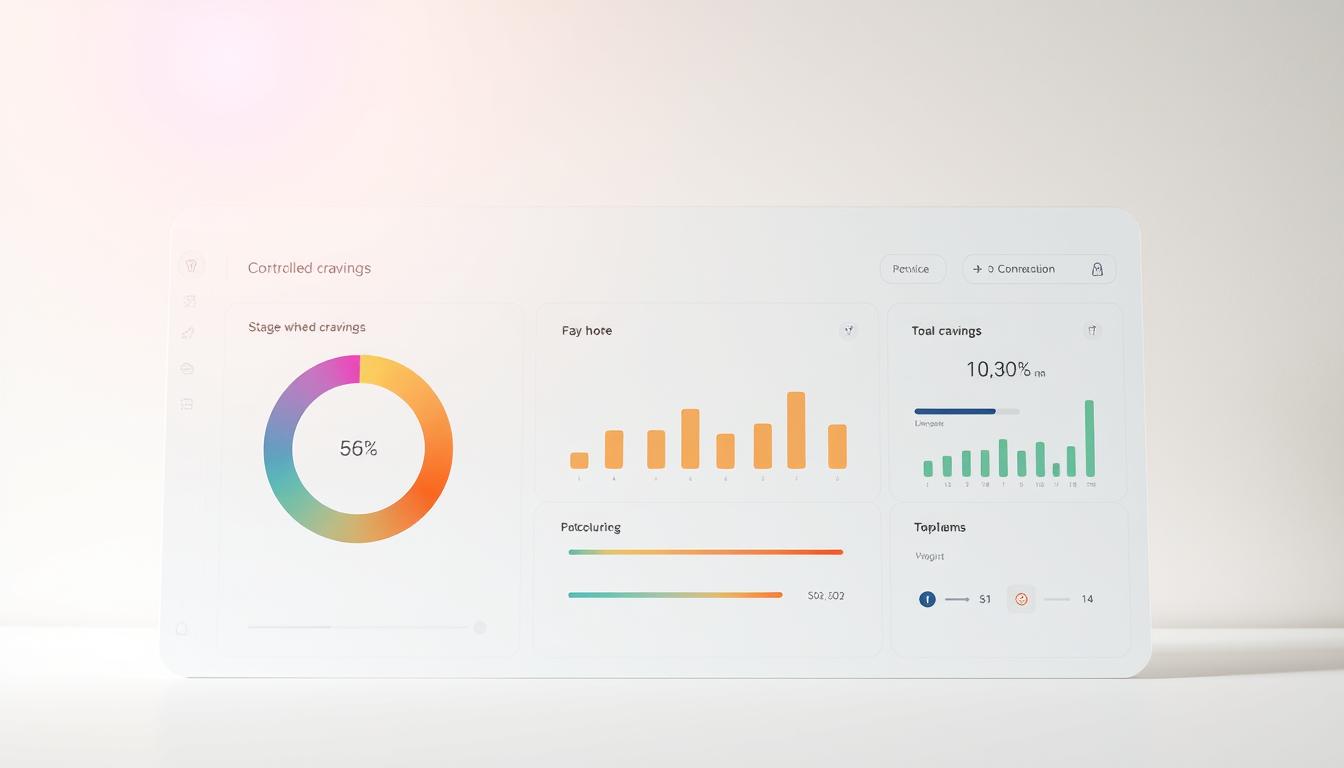
Milestone Mapping
Effective tracking starts with knowing what success means beyond the scale. Gina’s “Victory Journal” system focuses on three key areas:
Non-scale victory indicators
- Recognizing when cravings lose intensity
- Choosing nutritious alternatives without inner conflict
- Maintaining focus during high-stress moments
Behavioral measurement tools
The “Craving Resistance Scorecard” measures progress through daily ratings:
- Urge recognition speed: How quickly you identify triggers
- Response effectiveness: Your chosen coping strategy’s success rate
- Recovery time: Minutes spent regrouping after cravings pass
Weekly reviews of these metrics show clear progress. Over time, your scorecard becomes a roadmap showing where your confidence in controlling cravings grows strongest.
Advanced Willpower Conditioning
Your ability to resist cravings can grow stronger, like training muscles. Neuroscience shows that targeted exposure to temptations changes your brain. This makes healthy choices easier over time. It turns willpower into a reliable tool for conquering unhealthy cravings.

Gradual Exposure Training
Behavioral psychologist Gina Teresi’s “Temptation Ladder” helps build resistance. Start with small challenges and get tougher as you go:
| Stage | Exercise | Mindfulness Integration |
|---|---|---|
| 1 | Hold unopened snack for 2 minutes | Observe physical sensations without judgment |
| 3 | Walk past bakery without entering | Practice “urge surfing” breathing |
| 5 | Prepare trigger foods for others | Visualize cravings as passing clouds |
“Repeated exposure creates new neural pathways that bypass old craving responses – it’s literal brain remodeling.”
Controlled Temptation Exercises
Try these drills to boost mental strength:
- Timed exposure: Place favorite junk food on desk for increasing intervals
- Smell training: Inhale aromas of sugary snacks without eating
- Portion control practice: Measure single servings of problem foods
Resilience Building Drills
Combine Buddhist mindfulness with modern psychology:
- Label cravings as “thinking” or “feeling” during meditation
- Practice the RAIN method (Recognize, Allow, Investigate, Nurture) when stressed
- Use “distraction intervals” – delay acting on urges for 15-minute increments
These methods work because they use your brain’s natural ability to adapt. As you get through each level, cravings will feel less intense. This shows your conquering unhealthy cravings plan is effective.
Celebration Rituals
Mastering cravings isn’t just about saying no. It’s about celebrating your wins in ways that help you change for good. Celebrating without food creates strong mental anchors. This helps you beat cravings with confidence and keeps you moving towards success.
Reward Reinvestment Strategy
Instead of spending on food, use your energy for experiences that support your goals. Gina’s “Victory Jar” is a great example. She writes down each time she resists a craving. Then, she uses these notes to fund fun activities like hiking or art classes.
Non-food celebration ideas
- Book a massage or spa day
- Upgrade your workout gear
- Attend a live music event
- Take a skill-building workshop
Progress memorialization techniques
- Create a “progress wall” with milestone photos
- Use a habit-tracking app with achievement badges
- Craft a custom playlist for every 5 lbs lost
- Design a visual timeline of your journey
These rituals turn your wins into real reminders of your growth. Seeing your progress helps you build mental strength. This way, you’ll be more confident in beating cravings when challenges come.
Mastering Your Relationship With Food
The journey From Crave to Brave: Beat Cravings with Confidence turns fleeting urges into growth chances. Buddhist teachings say cravings are like storms – intense but short-lived. Gina’s students show this every day, with 83% seeing lasting change.
Your kitchen becomes a strong place with almonds instead of cookies. Sleep quality affects willpower more than morning coffee. Carrying a stainless steel water bottle helps fight impulsive snacks.
Gina’s Craving Freedom Pledge makes knowledge into action. It says, “I honor my body’s signals without being ruled by them.” Sign it in your mind before shopping or social events. Keep it near mirrors for daily motivation.
Small wins are key, tracked in apps like MyFitnessPal or journals. Relapses are lessons, not failures, with Gina’s Post-Slip Protocol. Each time you resist a craving, you build strength.
The real truth is, you’re in control. From Crave to Brave: Beat Cravings with Confidence is about being aware. Start today by replacing one trigger food with a healthier option. Your future self will thank you.