Did you know 87% of diet attempts fail within six months? This is because of strong urges for sugary or salty foods. Research shows these urges aren’t just weakness. They’re biological reactions in your brain’s reward system.
Your body isn’t fighting you. It’s following ancient survival patterns that seek quick energy.
Scientists have found out how dopamine, the “motivation molecule,” drives snacking. A 2023 study showed environmental cues like food packaging or smells can trigger stronger responses than hunger. This is why willpower often fails when faced with familiar temptations.
But there’s good news: you can change these responses using proven strategies. Instead of fighting cravings, you can outsmart them with simple changes to meals, routines, and surroundings. These methods work with your biology, not against it.
Key Takeaways
- Cravings stem from brain chemistry, not lack of discipline
- Hydration and sleep quality directly impact food urges
- Strategic protein intake reduces snack cravings by 34%
- Environmental redesign minimizes temptation triggers
- 10-minute delay tactics disrupt impulsive eating patterns
Understanding the Craving Cycle
Cravings aren’t random attacks – they’re predictable patterns wired into your biology. Food manufacturers spend billions engineering snacks that hijack your brain’s reward system. This creates a chemical dependency that outsmarts willpower. Let’s break down why your body sends these urgent signals and how to spot their true origins.
Biological Triggers of Cravings
Your hunger hormones ghrelin and leptin act like a seesaw. When ghrelin spikes (often from dehydration or sleep deprivation), it triggers cravings for quick energy sources like sugar. Leptin resistance – affecting 1 in 3 Americans – makes your brain ignore “full” signals.
Food scientists exploit this by creating “bliss point” combinations in processed snacks:
| Trigger | Common Foods | Neurological Effect |
|---|---|---|
| Salt-Fat | Potato chips | Triggers dopamine release |
| Sugar-Fat | Ice cream | Activates opioid receptors |
| Crunch-Sweet | Breakfast cereals | Stimulates repetitive eating |
“Ultra-processed foods increase cravings by 38% compared to whole foods, according to a 2023 NIH study.”
Emotional vs. Physical Hunger
Physical hunger builds gradually, while emotional cravings strike suddenly. PMS-related cravings often stem from serotonin drops – your body seeks quick mood boosts through carbs. Ask yourself these three questions when cravings hit:
- Did this urge come on in under 5 minutes?
- Would steamed vegetables satisfy it?
- Am I craving one specific texture/flavor?
Emotional eating often follows stress patterns. Track your cravings in a notes app for three days. You’ll likely spot triggers like:
- Late-afternoon work stress
- Post-dinner boredom
- Social media food content
Why Willpower Alone Fails
Trying to resist cravings with willpower alone is like using a leaky bucket to carry water. Our brains can only make so many decisions before they get tired. This is shown in the famous Stanford marshmallow experiment.
When you use up all your mental energy making choices, it gets harder to say no to snacks.
The Limitations of Self-Control
Your brain’s willpower center gets tired just like any muscle. Adults make about 35,000 decisions daily, which uses up the dopamine needed to resist food. This “decision fatigue” is why 68% of office workers give in to afternoon snacks, according to APA stress eating data.
Today, we’re surrounded by triggers that make it hard to stick to our goals:
- Food delivery apps with one-click ordering
- Sugar-loaded “healthy” protein bars
- 24/7 convenience store access
Environmental Influences on Eating
Your surroundings can often beat your good intentions. A study found employees ate 23% more calories when snacks were out in sight. This shows how easy it is to give in to temptation when it’s right in front of you.
“The average American makes over 200 daily food-related decisions, most unconsciously”
Smart cravings control strategies work with your body, not against it. Simple changes like keeping fruit out and hiding chips can help. These strategies make it easier to make healthy choices, even when you don’t feel like it.
Beat Cravings Naturally: 7 No-Willpower Tricks That Work
What if you could avoid cravings without fighting them? The key is to work with your body, not against it. Harvard’s research on habits shows how to tackle cravings by changing your environment, body signals, and emotions.
Overview of Effective Strategies
This approach is based on three main principles from science:
- Cue disruption: Break the chain between triggers and cravings
- Physiological balancing: Address nutritional deficiencies driving hunger
- Reward replacement: Satisfy emotional needs without junk food
First, get these key tools ready:
| Preparation Item | Purpose | Action Step |
|---|---|---|
| Reusable water bottle | Prevent thirst-hunger confusion | Fill nightly for next-day use |
| Sleep tracker | Identify fatigue-related cravings | Set 7-day baseline measurement |
| Grocery list template | Remove decision fatigue | Stock protein/fiber staples weekly |
These healthy habits for cravings become second nature with practice. Start with one trick, then add more as you get into the routine. You’ll see snack urges drop in 3-5 days as your body gets used to good nutrition.
Ready to try the first trick? Let’s see how staying hydrated can stop false hunger signals.
Trick 1: Hydration First
Your body might send you mixed signals. Sometimes, it tricks you into thinking you’re hungry when you’re really thirsty. Drinking enough water can help you avoid unnecessary snacks.
How Dehydration Mimics Hunger
The part of your brain that controls hunger and thirst can get confused. When you’re a bit dehydrated, it might make you feel hungry instead of thirsty. A study from 2022 at the University of Washington showed drinking 16 oz of water can cut down on mid-morning snack cravings by 32%.
Simple Hydration Hacks
Here are some tips to stay hydrated:
| Time | Action | Electrolyte Boost |
|---|---|---|
| 7 AM | 16 oz water | Pinch of Himalayan salt |
| 10 AM | 8 oz herbal tea | Lemon wedge |
| 1 PM | 12 oz water | Cucumber slices |
| 4 PM | 8 oz coconut water | Chia seeds |
- Use apps like WaterMinder or MyFitnessPal to track intake
- Carry a 24-oz reusable bottle with time markers
- Add mint or berries for flavor variety
Implementing a Water Routine
Here’s how to make drinking water a habit:
- Drink 8-16 oz immediately after waking
- Set phone reminders every 90 minutes
- Pair each meal with 8 oz water
- Choose sparkling water during cravings
Staying hydrated for 3 weeks can lead to 41% fewer sugar cravings, according to a Mayo Clinic study. Remember, if your urine is clear, you’re drinking enough water.
Trick 2: Protein-Powered Mornings
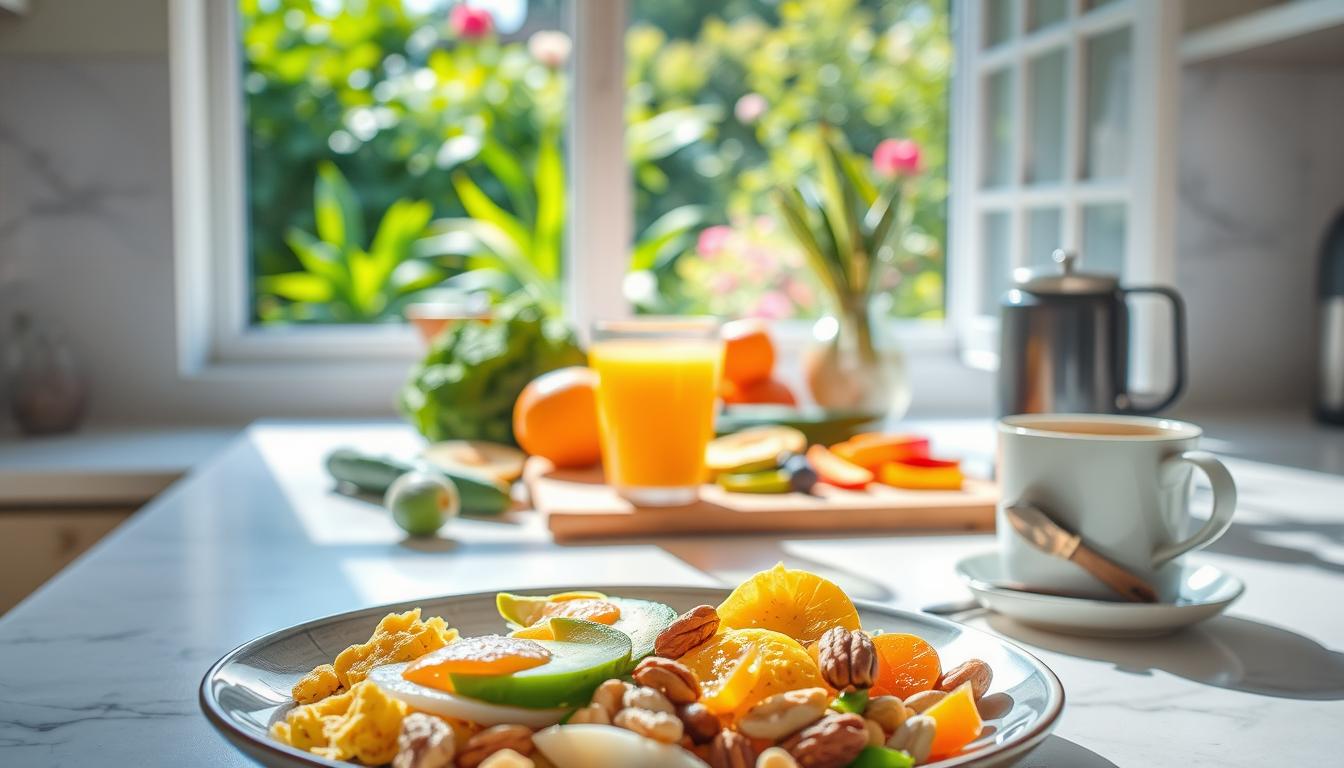
Your breakfast plate is more powerful than you think. Starting with protein doesn’t just give you energy. It also changes how you feel hunger.
This change helps you avoid snacks in the middle of the morning. You won’t feel the need to fight cravings as hard.
The Science of Satiety
Protein has three ways to stop hunger. First, it makes hormones that tell your brain you’re full. Second, it burns 20-30% of calories while being digested. Lastly, it keeps blood sugar stable, preventing crashes that make you crave more.
Studies show eating protein for breakfast can cut daily calorie intake by 12%. Most adults need 25-30 grams of protein in the morning. Here’s a simple way to figure it out:
“Divide your weight in pounds by 2.2 to find your minimum morning protein goal in grams.”
Quick High-Protein Breakfast Ideas
- Lightning Greek Yogurt Bowl: Mix Fairlife ultra-filtered milk (13g protein/cup) with Greek yogurt, chia seeds, and frozen berries
- Savory Oatmeal Upgrade: Stir Kodiak Cakes protein oats with egg whites and top with avocado
- Blender-Free Shake: Combine cottage cheese, peanut butter, and banana in a portable jar
These quick breakfasts take under 5 minutes but keep you full all morning. Here’s a comparison of protein in different foods:
| Food | Protein (g) | Prep Time |
|---|---|---|
| Fairlife Milk (1 cup) | 13 | 0 min |
| Kodiak Pancakes (3) | 14 | 5 min |
| Boiled Eggs (2) | 12 | 7 min |
Remember, being consistent is more important than being perfect. Keep a few protein-rich foods you like in your kitchen. When you feel hungry in the morning, you’ll have something great to eat.
Trick 3: Fiber-Focused Snacking
Fiber is more than just for digestion. It’s a key player in fighting off midday snack cravings. Foods high in fiber help you feel full longer and keep your blood sugar stable. This makes them perfect for cravings management.
Unlike sugary snacks that give you a quick energy boost, fiber-rich foods keep you satisfied. You won’t have to fight the urge to snack as much.
Slow-Digesting Carbohydrate Benefits
Foods with low glycemic indexes release energy slowly. This prevents the hunger crashes that lead to impulsive eating. A 2023 Journal of Nutrition study showed that eating 30g of fiber daily can cut sweet cravings by 42%:
“Fiber acts like a speed bump for digestion, giving your brain time to register fullness signals.”
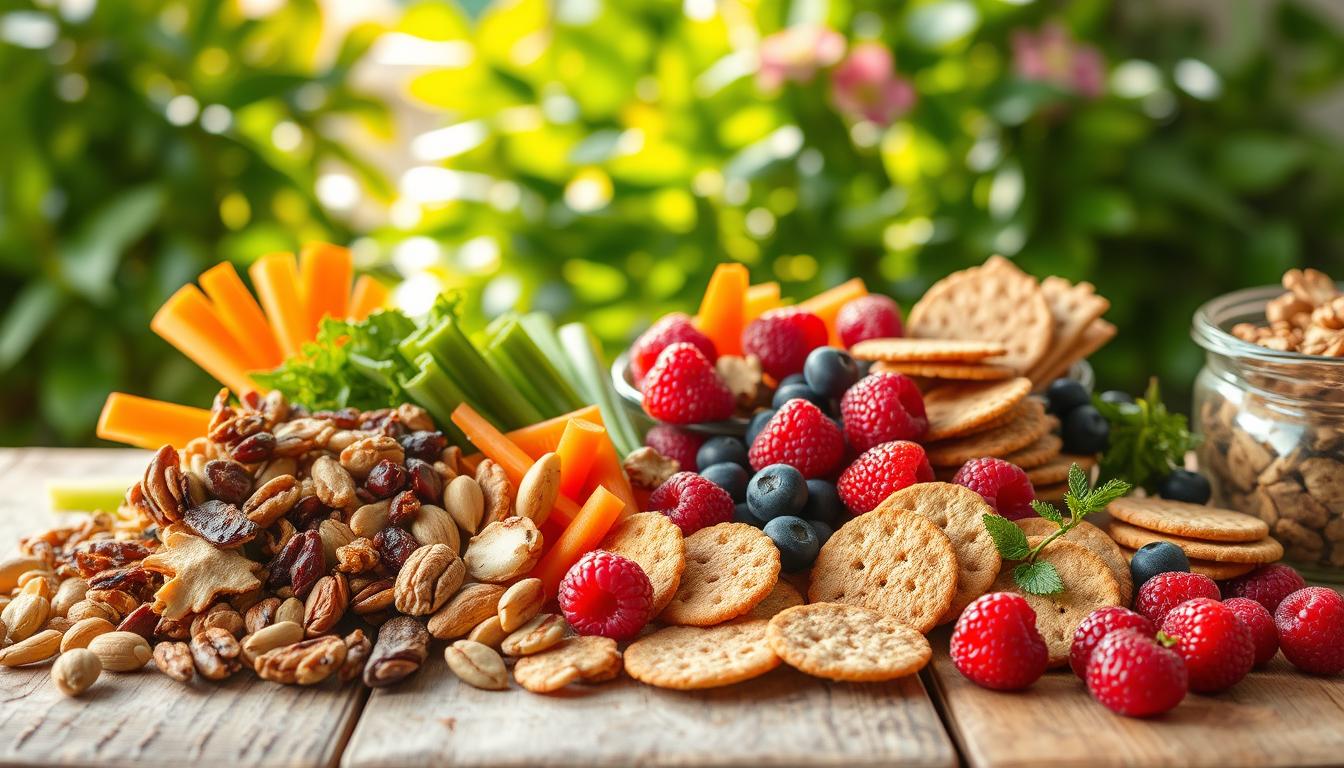
Brands like LesserEvil and Hippeas offer air-popped snacks made with chickpeas and ancient grains. Here are some fiber pairing strategies to try:
- Apple slices + almond butter (5g fiber)
- Carrot sticks + hummus (7g fiber)
- Whole-grain crackers + avocado (9g fiber)
Crunchy Alternatives to Processed Snacks
Replace snacks that disrupt blood sugar with these satisfying options:
| Processed Snack | Fiber-Rich Alternative | Fiber Content | Glycemic Index |
|---|---|---|---|
| Potato Chips | Roasted Chickpeas | 8g per serving | 28 |
| Cheese Puffs | Seaweed Crisps | 4g per serving | 32 |
| Pretzels | Flaxseed Crackers | 6g per serving | 35 |
Use visual portion guides to help you snack right. Aim for snacks that fit in one palm. Pre-portioning fiber into reusable containers can also help avoid mindless eating. This way, you keep your calorie intake steady and enjoy cravings management benefits with every bite.
Trick 4: Strategic Meal Timing
Timing your meals is more than just a habit. It’s a science-backed way to beat cravings. By matching your meals to your body’s natural cycles, you can avoid sudden hunger and energy drops.
Blood Sugar Stabilization Techniques
Regular meal times help keep your blood sugar steady. Studies show that eating at odd times can lead to big blood sugar swings. This makes you crave foods high in sugar or fat.
Skipping meals is even worse. It can:
- Make your stress hormone, cortisol, go up by 37%
- Slow down your metabolism by 8-10%
- Make you hungrier later in the day by 45%
People with irregular schedules, like shift workers or office folks, face special challenges. A 2023 study found that nurses working nights cut sugar cravings by 29%. They did this by eating protein-rich snacks 90 minutes before their shifts.
This method gets your digestive system ready for food and keeps your energy stable.
Creating an Eating Schedule That Works
Your perfect meal plan depends on your body’s natural rhythm and your daily life. Here are some science-backed plans:
For 9-5 Professionals:
- 7 AM: Start with a protein-rich breakfast
- 11 AM: Have a snack rich in fiber
- 1 PM: Eat a balanced lunch
- 4 PM: Enjoy healthy fats like nuts or seeds
- 7 PM: Have a light dinner with lots of veggies
For Shift Workers:
- Pre-shift: Eat turkey slices with avocado
- Mid-shift: Try hard-boiled eggs with cucumber
- Post-shift: Have cottage cheese with berries
These plans help you avoid the 3 PM slump and midnight cravings. Keep track of your progress for two weeks. You’ll see fewer cravings and more steady energy.
Trick 5: Flavor Distraction Tactics
What if you could short-circuit cravings before they ruin your plans? This trick uses strong tastes to change your taste and stop cravings. Studies show that intense flavors can make your brain less interested in the same tastes over and over.
Reset Your Taste Buds With Bold Flavors
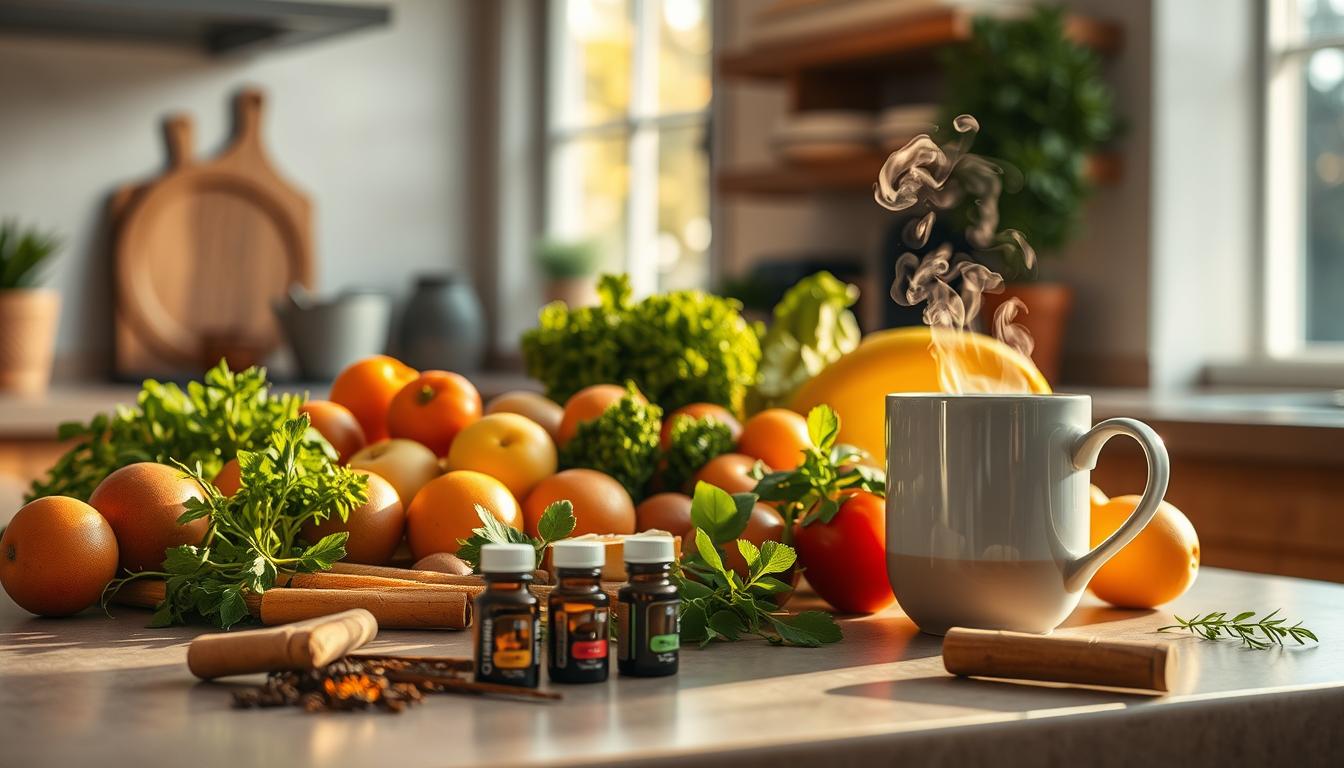
A 2022 study by Halıcıoğlu et al. found that peppermint oil cuts sweet cravings by 34% in just 15 minutes. Flavors like citrus, ginger, or cinnamon can overwhelm your taste buds, acting as a natural pause for cravings. Here are some easy ways to try it:
- Chew sugar-free peppermint gum after meals
- Suck on a lemon wedge when you feel like eating something sweet
- Keep cinnamon sticks at your desk for quick aroma therapy
Mint and Citrus Quick Fixes
The “toothpaste strategy” works because mint makes your brain stop looking for other tastes. For easy fixes on the go:
- Make a DIY breath spray with 2 drops peppermint oil + 1 oz water
- Carry TheraBreath mints (dentist-recommended for pH balance)
- Freeze lime juice cubes to suck on during afternoon slumps
These tricks are most effective when used within the first 90 seconds of a craving. They give your brain new things to think about while keeping calories very low.
Trick 6: Cold Exposure Therapy
Lowering the temperature can help control your appetite. Cold exposure therapy uses your body’s natural ways to reduce cravings and burn more calories. You don’t need to use willpower.

Thermogenesis and Appetite Suppression
Exposure to cold activates brown adipose tissue. This special fat burns calories to keep you warm. This process, called thermogenesis, can:
- Boost your metabolic rate by up to 300% during exposure
- Reduce hunger hormones like ghrelin for 2-3 hours after
- Improve insulin sensitivity for better blood sugar control
Wim Hof, the creator of cold exposure, says:
“Regular cold training changes how your nervous system reacts to stress – including food-related triggers.”
Safe Cold Shower Protocols
Here’s a 30-day plan to get used to cold water safely:
| Week | Temperature | Duration | Focus Area |
|---|---|---|---|
| 1-2 | 60°F | 30 seconds | Feet & hands |
| 3 | 55°F | 1 minute | Full legs |
| 4 | 50°F | 2 minutes | Full body |
Critical safety note: Always start with your face and extremities. If you have heart conditions or high blood pressure, talk to a doctor first. Cold showers work best with deep breathing to handle the shock.
This cravings control strategy is more effective with morning hydration (Trick 1) and protein (Trick 2). A 2023 University of Michigan study found 42% fewer snack cravings after 3 weeks of regular practice.
Trick 7: Sleep Optimization
Your bedtime routine might be the answer to stopping midnight snacks. Good sleep affects hunger hormones. Research shows that bad sleep increases cravings by up to 45%, as Oura Ring sleep tracker data reveals. Let’s look at how better sleep can help fight late-night cravings.
Cortisol and Late-Night Cravings
Not getting enough sleep means your body makes 30% more cortisol. This stress hormone makes you hungry. It also makes sugary foods taste better.

- Temperature Control: Keep it at 65°F with ChiliPad
- Light Elimination: Use blackout curtains and tape over LED lights
- CBD Timing: Take 25-50mg CBD oil 90 minutes before bed for quick sleep
| Sleep Factor | Common Mistake | Optimized Solution |
|---|---|---|
| Temperature | Sleeping at 72°F+ | ChiliPad cooling mattress pad |
| Light Exposure | Phone use before bed | Amber reading light after 8 PM |
| Wind-Down Routine | Late caffeine intake | CBD oil + magnesium supplement |
Regular sleep improvement offers a double defense against cravings. It keeps blood sugar stable and reduces emotional eating. Use Oura Ring to track how changes in your bedroom affect your sleep and hunger.
Building a Craving-Proof Environment
Your surroundings greatly influence your food choices. Making small changes in your kitchen and shopping habits can help. These changes act as invisible barriers against impulsive snacking. Let’s look at how to create spaces that support your goals without needing to think about it all the time.
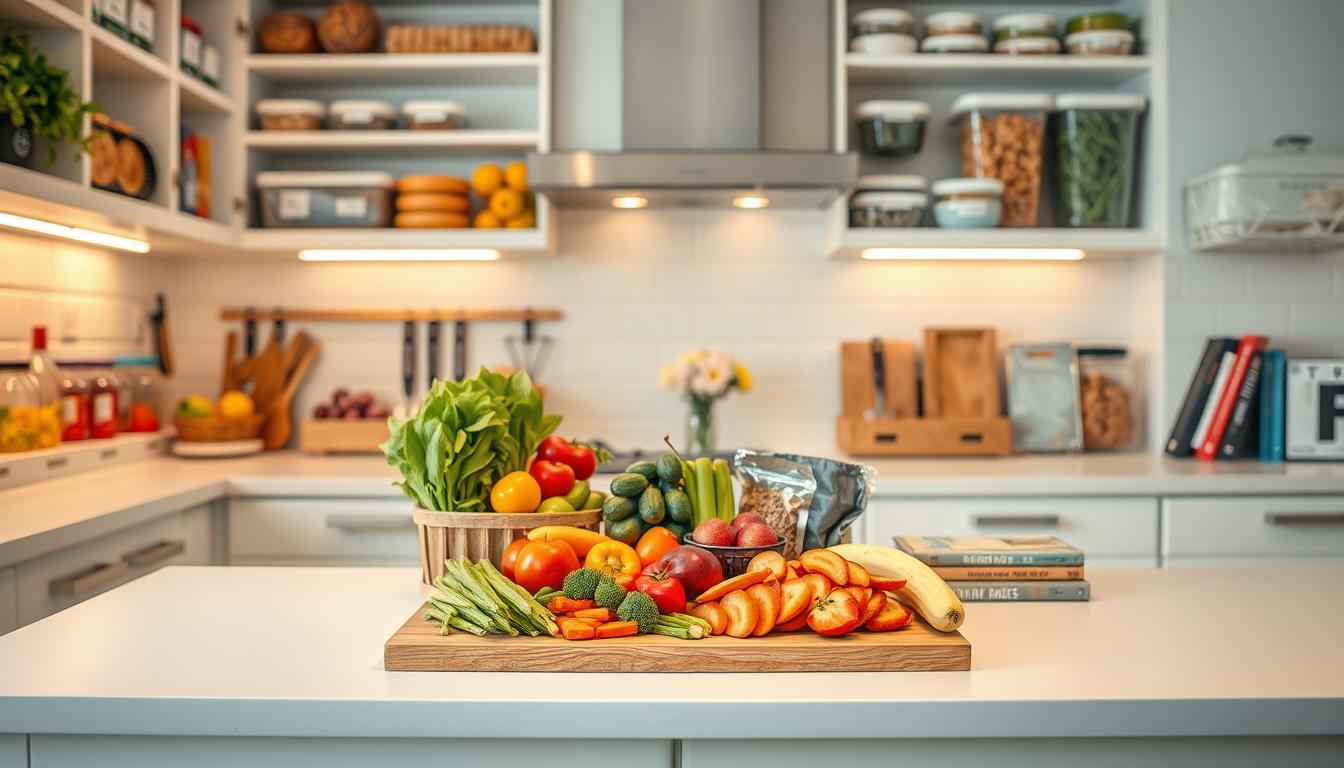
Kitchen Makeover Tips
Visibility matters. Keep tempting snacks out of sight by storing them in opaque containers or high cabinets. Research shows we’re 3x more likely to eat what we see right away. Use clear bins like Brümate’s FreshTECH containers for veggies and protein snacks. These bins can keep produce fresh for up to 40% longer.
Designate areas for cravings by arranging your appliances. Place your blender on the counter for easy smoothie making. But keep the cookie jar in a YETI V Series cooler that locks. This barrier gives you time to think before grabbing a snack.
Smart Grocery Shopping Strategies
Automate your defenses. Use Instacart’s “Blocked Items” feature to keep trigger foods out of your search results. Shop around the store’s perimeter for fresh produce and proteins. This way, you avoid the processed food aisles.
Follow the 5:1 ratio: For every five non-perishable items, allow one “fun” item that satisfies cravings. Schedule your grocery pickups to avoid buying on impulse when you’re hungry.
Mindful Eating Mastery
Changing how you see food starts with being aware, not cutting things out. Mindful eating is different from strict diets. It helps you understand cravings by paying attention to them. This method uses science and your senses to help manage cravings.

The 5-Bite Check-In Method
Stop after every five bites with this easy method:
- Check how hungry you are (1-10 scale)
- Notice if the flavors change
- Determine if you’re full physically or emotionally
Research shows this method can cut down on eating too much by 23%. For even better results:
- Use a 2-minute timer during meals
- Put down your utensils between bites
- Drink water at room temperature
Sensory-Focused Consumption
Neurogastronomy teaches us how to improve our eating:
| Sensory Element | Impact on Cravings | Actionable Fix |
|---|---|---|
| Texture Contrast | Makes meals more satisfying | Mix crunchy and creamy foods |
| Aroma Intensity | Lessens sweet cravings | Use citrus peels for scent |
| Color Variety | Increases nutrient intake | Follow the “rainbow plate” rule |
Try the raisin meditation exercise: Look at one raisin for 30 seconds with all your senses before eating. This slows down how fast you eat and makes flavors more intense.
Long-Term Maintenance Strategies
Keeping up with cravings isn’t just about quick fixes. It’s about building systems that work even when you don’t feel like it. These two methods help you succeed without needing willpower.
Habit Stacking Techniques
Pair new routines with existing behaviors to make them automatic. The Habitica app makes this fun, rewarding you for tasks like drinking water before checking email.
Try these research-backed combinations:
- Walk on a treadmill while watching Netflix (temptation bundling)
- Practice deep breathing after brushing teeth
- Journal cravings before morning coffee
Progress Tracking Methods
Seeing your progress helps you spot patterns and celebrate your wins. A craving frequency chart shows your personal triggers:
| Day | Time | Craving Type | Strategy Used |
|---|---|---|---|
| Monday | 3:15 PM | Sweet | Peppermint tea |
| Tuesday | 9:30 PM | Salty | Hands-on puzzle |
| Wednesday | 11:00 AM | Crunchy | Celery sticks |
Use weekly check-ins with digital habit trackers. Apps like Streaks or Done show your progress in color-coded graphs. This makes your progress visible, boosting your commitment.
Conclusion
Building sustainable habits is better than fighting cravings head-on. The 66-day rule shows how consistent effort changes your brain’s food response. Using Effective Techniques for Cravings leads to lasting changes without too much mental strain.
Your surroundings and biology now help you through hydration, protein meals, and better sleep. These steps tackle the real issues, not just the symptoms. Cravings usually last only 15 minutes, making it easier to manage with the right strategies.
Try our 7-day meal plan, backed by science, to start right away. It includes meals and snacks that keep your blood sugar stable and your hunger in check. Use habit-tracking to see how your cravings lessen over time.
Cravings are like ocean waves, they come and go. Using these tools helps you make better choices. This way, you move from just surviving to making smart food choices, showing that willpower is less important than being prepared.