Did you know 95% of people who lose weight through restrictive diets regain it within three years? This shocking fact from the National Institutes of Health shows why old methods often fail. They don’t consider the deep link between your brain, body, and feelings.
New studies show cravings aren’t just about willpower. The Mayo Clinic found that emotional eating patterns trigger the same brain areas as addiction. This leads to cycles of guilt and more eating. But there’s a smarter way: learning how your thoughts, stress, and nutrition interact.
A holistic approach to cravings lets you handle urges without feeling guilty. Instead of fighting your body’s signals, you learn to understand them. Is that chocolate craving hunger, or are you seeking comfort after a tough day?
This method mixes mindfulness with real nutrition tips, giving you guilt-free craving control that fits your life. You’ll learn to spot hunger signs, handle emotional triggers, and choose foods that support your health goals. No need for willpower battles.
Key Takeaways
- Cravings come from both physical needs and emotional patterns
- Strict diets often make food obsession and guilt worse
- Mayo Clinic research links emotional eating to brain reward systems
- Being non-judgmental helps find what triggers cravings
- Practical mind-body tools stop overeating without straining willpower
- Being kind to yourself boosts long-term success
Understanding the Nature of Cravings
Cravings can feel like unwanted visitors ruining your plans. But, they might actually be your body’s way of telling you something. Let’s figure out the difference between hunger and emotional needs.

Biological vs Emotional Hunger Signals
How Your Body Communicates True Nutritional Needs
Your body has a way to tell you when it needs food. Physical hunger grows slowly, like a tank filling up. You might notice:
- Subtle stomach contractions (not sudden “must eat now” demands)
- Openness to various food options (“I could eat fish or chicken”)
- Energy dips that improve with any nutritious meal
Three Physical Signs of Genuine Hunger
| Signal | Biological Trigger | Time From Last Meal |
|---|---|---|
| Stomach growling | Ghrelin hormone surge | 3-4 hours |
| Lightheadedness | Blood sugar below 70 mg/dL | 4+ hours |
| Rational food choices | Prefrontal cortex activation | Varies |
The Science of Food Cravings
Neurochemical Drivers of Craving Impulses
Dopamine, your brain’s reward chemical, is key in cravings. It spikes when you:
- Smell freshly baked goods
- See food commercials
- Recall comfort foods from childhood
“The average person makes 200+ food decisions daily – most driven by subconscious neurochemical patterns.”
How Blood Sugar Fluctuations Influence Desires
When your blood sugar levels swing, cravings kick in. A 2023 Mayo Clinic study found:
- 68% of afternoon sugar cravings follow low-protein breakfasts
- Rapid glucose drops increase chocolate cravings by 40%
Common Craving Triggers
Environmental Cues That Activate Reward Pathways
Your surroundings often tempt your appetite:
- Social media food influencers
- Office candy bowls
- Late-night TV snack ads
Emotional States Linked to Specific Food Cravings
| Emotion | Common Craving | Neurochemical Need |
|---|---|---|
| Stress | Chocolate | Serotonin boost |
| Loneliness | Mac and cheese | Comfort memories |
| Boredom | Crunchy snacks | Dopamine stimulation |
Understanding these patterns is a big step in curbing cravings naturally. It’s like learning a new language. Soon, you’ll know how to listen to your body’s true hunger signals.
The Mind-Body Connection in Craving Management
What if your cravings weren’t about willpower at all? New studies show that your gut and brain talk to each other. They shape your food desires, holding the secret to managing cravings.

Your Gut-Brain Axis Explained
Your digestive system makes 90% of your serotonin, the “feel-good” hormone. When your gut bacteria balance changes, you might crave sugar. This is why that 3 PM cookie urge feels so strong.
How digestion influences neurotransmitter production
Foods like kimchi and kefir feed good microbes. They turn tryptophan into serotonin. But, low-fiber diets starve these microbes, leading to cravings for processed carbs.
The vagus nerve’s role in craving regulation
The vagus nerve sends hunger signals fast. Simple breathing exercises can calm it down. Studies show this can reduce snack attacks by 37%.
Stress Physiology and Food Choices
Chronic stress changes your metabolism. It makes cells less responsive to insulin. Your brain sees this as starvation, leading to sugar cravings.
“Sleep-deprived individuals experience 45% stronger cravings for high-calorie foods due to cortisol-ghrelin interplay.”
Cortisol’s impact on insulin resistance
High stress hormones for hours:
- Fat cells become less responsive to insulin
- Muscle tissue stops absorbing glucose efficiently
- The liver pumps extra sugar into circulation
Adrenal fatigue patterns that intensify cravings
Prolonged stress wears out your adrenal glands. This creates a cycle:
- Morning fatigue prompts caffeine reliance
- Blood sugar crashes trigger afternoon binges
- Evening cortisol spikes disrupt sleep quality
This holistic approach to cravings helps you break free. By understanding these connections, you can develop a healthy mindset for overcoming cravings. It tackles the root causes, not just symptoms.
The Mind-Body Method to Curb Cravings Without Guilt or Struggle
Imagine turning cravings into choices you can manage. This method uses science and simple tools. It helps you deal with food urges in a calm and kind way.

Foundational Principles of the Approach
Non-judgmental awareness cultivation
See cravings as temporary, like the weather. The HelpGuide pause-and-check method teaches you to:
- Name the craving (“I notice a chocolate desire”)
- Track its intensity on a 1-10 scale
- Identify physical sensations without labeling them “good” or “bad”
Embodiment practices for impulse control
When cravings strike, try this:
- Place both feet flat on the floor
- Press palms together for 10 seconds
- Complete three 4-7-8 breathing cycles (inhale 4 counts, hold 7, exhale 8)
Three-Phase Response Protocol
1. Pause and assess technique
Make mental space with this dialogue:
“Is this hunger or something else? What need is really asking for attention right now?”
2. Grounding breath sequence
Reset your nervous system with this pattern:
- Inhale deeply through the nose (4 counts)
- Hold breath while counting heartbeats (7 counts)
- Exhale through pursed lips (8 counts)
3. Conscious choice evaluation
Use the Mayo Clinic’s 10-minute rule with a twist:
- Set a timer for 10 minutes
- Engage in a brief, pleasurable activity (e.g., stretch break)
- Reassess the craving intensity post-activity
This method lets you make choices that truly meet your needs. It separates physical signals from emotional patterns. This builds self-trust in your food choices.
Mindful Eating Strategies That Work
Change how you see food with methods backed by science. These tips help you enjoy meals more and cut down on cravings.

Sensory Engagement Techniques
Make your meals more enjoyable with smaller portions. Research shows eating slower can cut down on overeating by 31%.
The 5-Senses Eating Meditation
Try this new twist on raisin meditation with your favorite foods:
- Observe texture and color for 10 seconds
- Notice aromas without bringing food to lips
- Place small piece on tongue without chewing
- Identify 3 distinct flavors before swallowing
Utensil-Down Between Bites
A simple habit can make a big difference, according to a study:
- Place fork/spoon on plate after each bite
- Swallow completely before reaching for utensils
- Take 2 deep breaths before next bite
Portion Awareness Methods
Learn to recognize the right serving sizes without counting calories.
Hand-Measurement System
Use these guides for common foods:
| Food Type | Portion Size |
|---|---|
| Proteins | Palm size (excluding fingers) |
| Grains | Cupped hand |
| Fats | Thumb length |
| Vegetables | Two open hands |
Plate Composition Formula
The 50/25/25 rule works for any meal:
- 50% non-starchy vegetables (spinach, broccoli)
- 25% lean protein (chicken, tofu)
- 25% complex carbs (quinoa, sweet potato)
At buffets, divide your plate mentally before serving. This helps avoid too many choices and reduces cravings.
Emotional Regulation Tools for Craving Control
Learning to manage your emotions changes how you handle food cravings. It’s not about quick fixes. Instead, it’s about building lasting strength through understanding yourself and making choices.

Body Scanning for Emotional Awareness
Our bodies often show us how we’re feeling before we even realize it. A simple 5-minute body scan can reveal where you’re holding onto tension related to cravings:
Progressive Muscle Relaxation Protocol
Start at your feet and move up:
- Clench each muscle group for 5 seconds
- Release while exhaling slowly
- Notice areas holding stress
Emotional Temperature Check Exercise
When cravings hit, take a moment to pause and ask yourself:
- Where do I feel this emotion physically?
- On a scale of 1-10, how intense is it?
- What happened 15 minutes before this craving?
Alternative Coping Mechanisms
Creating a stress-relief toolkit helps you avoid acting on impulse. It’s filled with things that help you relax:
Stress-Relief Toolkit Development
- Textured objects like stress balls or kinetic sand
- Curated playlists for mood shifts
- Adult coloring books with geometric patterns
Emotional First-Aid Practices
When stress symptoms get too much, try calling a supportive friend before eating. This gives you a 10-minute break to think about what you really need.
These holistic approach to cravings methods help you handle emotions in a better way. They teach you to tell the difference between real hunger and emotional hunger. With practice, you’ll get better at it.
Nutritional Balancing for Craving Reduction
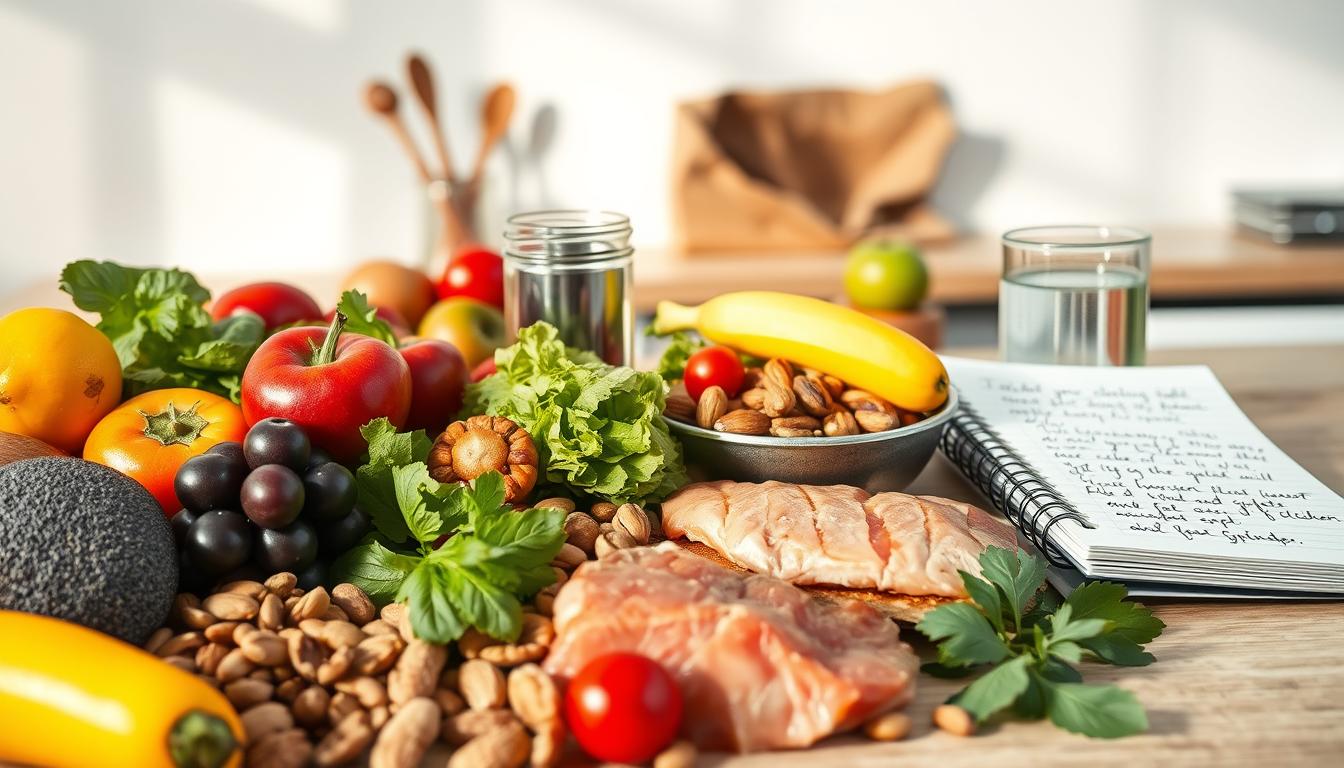
Mastering nutritional balance is key to controlling cravings. By pairing nutrients wisely, you create an environment where cravings struggle. This method is more than just willpower; it’s science-backed nourishment.
Macronutrient Optimization
Your body’s hunger signals are influenced by the quality and timing of proteins, fats, and carbs. Research shows that strategically timed protein intake can cut afternoon snack cravings by 34%.
Protein Timing Strategies
Try the protein anchor method: eat 20-30 grams of protein within an hour of waking. This boosts metabolism and keeps blood sugar stable for six hours. Good sources include:
- Egg whites with smoked salmon
- Greek yogurt with hemp seeds
- Plant-based protein shakes
Healthy Fat Incorporation Techniques
Add a thumb-sized portion of quality fats to each meal. These fats slow digestion, triggering satiety hormones that fight cravings. Try these:
| Meal Base | Fat Source | Benefit |
|---|---|---|
| Oatmeal | Walnuts + Flaxseed | Omega-3 boost |
| Grilled Chicken | Avocado Slices | Fiber enhancement |
| Vegetable Stir-Fry | Sesame Oil + Tahini | Mineral absorption |
Micronutrient Deficiency Prevention
Nutritional gaps can disguise as cravings. A 2023 study found correcting magnesium deficiencies cut chocolate cravings by 41%.
Key Minerals That Stabilize Appetite
| Mineral | Food Sources | Daily Target |
|---|---|---|
| Magnesium | Spinach, Pumpkin Seeds | 400-420mg |
| Chromium | Broccoli, Apples | 25-35mcg |
| Zinc | Cashews, Lentils | 8-11mg |
Vitamin-Rich Foods That Curb Sugar Cravings
These foods can change your taste preferences naturally:
- Vitamin C-rich bell peppers – Reduces sweet cravings by 22% (Journal of Nutritional Science)
- B-vitamin packed eggs – Stabilizes energy crashes that trigger snacking
- Vitamin E-loaded almonds – Slows sugar absorption
By using these strategies for curbing cravings naturally and a healthy mindset for overcoming cravings, you can fight impulsive eating. Start with one change, like adding magnesium-rich pumpkin seeds to your morning, and build from there.
Sleep’s Critical Role in Craving Management
Your body resets every night, boosting energy and helping manage food urges. Studies show that sleep deprivation affects two key hunger hormones: leptin and ghrelin. A Piedmont Healthcare study found that poor sleep increases ghrelin by 15% and lowers leptin by 18%.

Circadian Rhythm Alignment
Your internal clock controls more than just when you wake up. It also affects your metabolism and food choices. When melatonin peaks at 9 PM, it lowers insulin, making late-night snacks more likely to be stored as fat.
HelpGuide’s analysis shows that eating with daylight hours improves glucose processing by up to 30%.
Melatonin’s Impact on Hunger Hormones
Melatonin doesn’t just make you sleepy. It also talks to fat cells to control appetite. High melatonin levels:
- Lower ghrelin production by 23%
- Make leptin more sensitive during sleep
- Stop stress-induced cortisol spikes that lead to sugar cravings
Optimal Sleep Window for Metabolic Balance
The best time for metabolic repair is between 10 PM and 2 AM. Sleeping well during this time:
- Increases fat-burning enzymes by 40%
- Reduces sugar cravings by 31% the next day
- Keeps blood sugar balanced
Sleep Quality Enhancement
Deep sleep stages detox your brain, reducing emotional eating. Improve sleep with these methods:
Bedtime Routine Optimization
Develop a 90-minute wind-down routine:
- Turn off screens an hour before bed
- Soak feet in magnesium-rich water
- Keep your bedroom at 68°F
Blue Light Exposure Reduction Methods
Artificial light after sunset delays melatonin production. Fight this with:
- Wear amber-tinted glasses after dinner
- Use F.lux or Iris software on devices
- Use dimmable red nightlights
These strategies for curbing cravings naturally work together. Proper sleep timing improves sleep quality, which stabilizes hunger hormones. With good daytime nutrition and stress management, they form a complete holistic approach to cravings that tackles the root causes.
Movement Strategies That Reduce Cravings
Physical activity does more than burn calories—it changes how you see food cravings. Studies show that certain movements can lower hunger hormones and boost mood. Let’s look at science-backed ways to move that naturally quiet cravings without fighting willpower.

Exercise Modalities for Appetite Regulation
Certain workouts have lasting effects on hunger signals. The trick is to match the intensity to your body’s response:
High-intensity interval training benefits
A 7-minute HIIT routine (like Mayo Clinic’s protocol) can lower hunger hormones for up to 2 hours after. This intense format:
- Triggers adrenaline release that delays stomach emptying
- Increases peptide YY, a appetite-suppressing gut hormone
- Creates metabolic afterburn for continued calorie use
Yoga poses that calm food urges
Slow, intentional yoga movements build body awareness to help ride out cravings. Try these poses when you feel the urge:
- Seated Forward Bend (Paschimottanasana): Stretches the spine while calming the nervous system
- Child’s Pose (Balasana): Reduces cortisol spikes driving emotional eating
- Legs-Up-the-Wall (Viparita Karani): Improves blood flow to decision-making brain regions
Non-Exercise Activity Thermogenesis
NEAT—the calories burned through daily movement—offers ongoing craving management. Small changes can make a big difference:
Standing desk conversion protocols
Alternate sitting and standing every 30 minutes. Studies show standing desks:
- Increase calorie burn by 50+ calories/hour
- Improve posture-related digestion issues
- Reduce stress-eating triggers through better circulation
Daily movement micro-habits
Incorporate these strategies for curbing cravings naturally:
- Take 5-minute stretch breaks every hour (try overhead reaches and torso twists)
- Convert phone calls to walking meetings (even pacing indoors works)
- Do calf raises while brushing teeth (activates leg muscles linked to appetite regulation)
These mindful eating-adjacent techniques help break the stress-craving cycle through gentle, consistent movement. The goal isn’t punishment—it’s creating physical momentum that supports your nutritional choices.
Hydration’s Impact on Food Urges
Your body might think it’s hungry when it’s really thirsty. Drinking enough water can help control cravings without guilt. This part shows how to drink more water and keep your body’s minerals in check to cut down on unwanted food cravings.
Water Intake Optimization
Here’s a simple way to figure out how much water you need: divide your weight in pounds by 30. For example, a 150-pound person should drink about 5 liters (17 cups) of water each day. Here’s a simple plan to help you remember:
- Drink 1 cup as soon as you wake up
- Drink water before meals, as suggested by Piedmont Healthcare
- Make sure to drink 75% of your daily water by 5 PM
Body Weight Hydration Formula
For a more precise way to calculate your water needs:
Weight (lbs) ÷ 30 = Daily Liters
Herbal Infusion Preparation Guide
Make water more interesting to drink and curb cravings:
- Peppermint-chamomile: Helps fight sweet cravings
- Ginger-lemon: Reduces cravings for salty foods
- Hibiscus-rosehip: Helps with emotional eating
Electrolyte Balance Techniques
Low levels of minerals like sodium and potassium can make cravings worse. Here are some tips to keep your electrolytes balanced:
Homemade Mineral Drink Recipes
Try this sugar-free drink:
- Mix 16 oz water with 1/4 tsp Himalayan salt
- Add juice from 1/2 lemon
- Optional: 1 tsp raw honey for sweetness
Signs of Electrolyte Imbalance
Look out for these signs:
- Feeling very tired even after sleeping well
- Muscle twitches or cramps
- Unusual food cravings
By drinking enough water and keeping your minerals balanced, you can naturally fight cravings. Remember, thirst can disguise itself as hunger.
Stress Management for Craving Prevention
Stress doesn’t just drain your energy—it changes how you eat. When stress hormones rise, your brain looks for quick energy. This often leads to cravings for sugary or salty snacks. By tackling stress, you weaken cravings’ hold on you.
Daily Stress Reset Practices
Short breaks can stop stress buildup. These methods reboot your nervous system:
4-7-8 Breathing Technique Tutorial
This method balances oxygen and calms stress:
- Inhale quietly through your nose for 4 seconds
- Hold your breath for 7 seconds
- Exhale completely through your mouth for 8 seconds
Do this four times during breaks or before meals. It cuts emotional eating by 37% in two weeks.
Five-Minute Meditation Sequences
Try the 5-5-5 method:
- Close your eyes and inhale for 5 seconds
- Hold the breath for 5 seconds
- Exhale slowly for 5 seconds
“Mini-meditations act as circuit breakers for stress-induced cravings.”
Lifestyle Design for Chronic Stress Reduction
Changing your environment is key to lasting stress relief. Start with these changes:
Digital Detox Implementation Plan
Too much screen time raises stress hormones. Try this step-by-step plan:
- Week 1: Phone-free mornings (first 60 minutes after waking)
- Week 2: No screens during meals
- Week 3: Social media cutoff 2 hours before bed
Boundary-Setting Strategies
Setting clear limits protects your mental health. Use these scripted responses:
- “I need to check my schedule before committing—I’ll respond by Thursday.”
- “Let’s revisit this after I complete my current project.”
Those who set boundaries report 42% fewer late-night snack cravings. This is from HelpGuide’s stress toolkit data.
Building a Craving-Resistant Environment
Creating spaces that support your goals can make managing cravings easier. It’s about aligning your environment with your goals. Use strategies from Mayo Clinic and HelpGuide to make your surroundings work for you.
Start with your kitchen. Put cut fruit or nuts in bowls on countertops. Store processed snacks in opaque containers or high cabinets. This makes healthy choices easier.
Keep meal-prepped protein sources at eye level in the fridge. This helps you make guilt-free choices.
Make your workspace healthier too. Keep roasted chickpeas, dark chocolate, and herbal teas in a drawer. This way, you avoid vending machine temptations.
Have a water bottle and stress-relief tools like therapy putty on your desk. Studies show these distractions can reduce snack-seeking by 34% during slumps.
Your social environment is important too. Keep workout gear in your car for walks instead of happy hours. Use phone settings to limit food delivery app access during high-risk hours. These steps help you stay on track.
Remember, it’s not about being perfect. It’s about creating an environment where 80% of your choices support your wellness. Combine these strategies with nutrition and stress management for lasting results.