75% of adults say they snack even when they’re full. This shows our brains might be playing tricks on us. It’s called hidden hunger and it mixes up our true hunger with emotional needs. Studies show that cravings and stress use the same brain paths, making us think we need food when we really don’t.
Our busy lives make it harder to tell what’s real. Processed foods give us quick energy boosts, and stress keeps our cortisol high. So, does that afternoon craving for chocolate mean we’re hungry or just stressed?
Ever eat fast when you’re anxious? Or raid the fridge when you’re bored? These habits show how stress eating can look like real hunger. This article will teach you to understand your body’s signals better, so you know when you’re really hungry and when you’re just stressed.
Key Takeaways
- Hidden hunger comes from both lack of nutrients and emotional reasons
- Brain scans show the same activity for cravings and stress
- Processed foods make it harder to tell true hunger from emotional hunger
- Three questions can help you understand your cravings
- A plan to help you recognize real hunger again
Understanding the Hidden Hunger Phenomenon
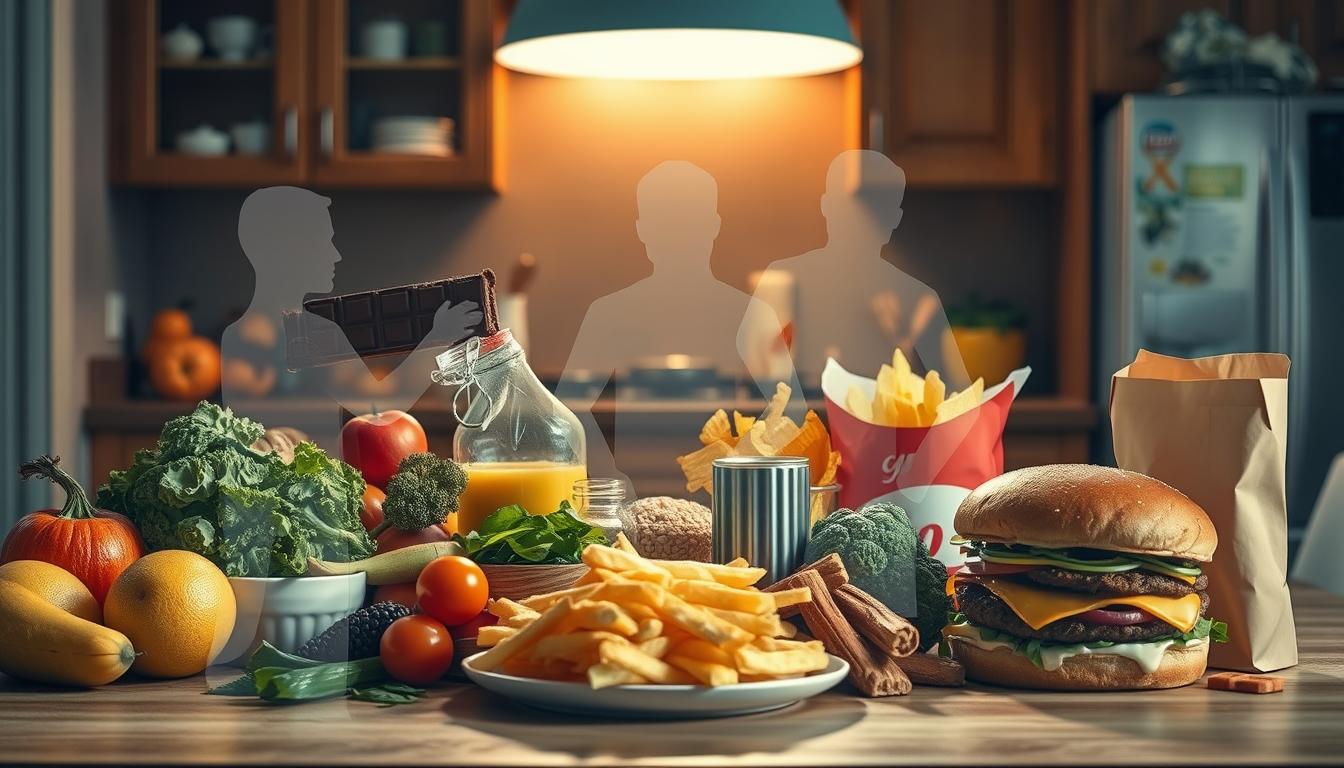
Your body whispers before it shouts. Hidden hunger isn’t just about an empty stomach. It’s a silent fight between nutritional gaps and emotional voids that leads to cravings.
The Biology of Nutritional Deficiencies
Nutrient shortages change your body’s instructions. When you lack essential vitamins and minerals, your cells send out distress signals. These signals look like cravings for food.
How Micronutrient Gaps Drive Cravings
Magnesium deficiency can make you crave chocolate. Your body tries to get this vital mineral. Zinc shortages might make you want salty snacks. Low iron levels could make you want red meat. These cravings are not just random—they’re your body’s way of saying it needs something.
Hormones like leptin and ghrelin play a big role. Leptin resistance, common in those who diet a lot, makes it hard to feel full. Too much ghrelin makes you always hungry. This hormonal mix makes it tough to stop craving food.
Common Deficiencies in Modern Diets
Processed foods are often lacking in three key nutrients:
- Magnesium: Missing from 48% of US diets
- Vitamin D: Deficient in 42% of adults
- Omega-3s: 90% fall below optimal levels
Psychology of Emotional Eating
Stress can hijack your hunger signals. Food becomes a way to feel better, not just to eat.
Neurological Reward Pathways Explained
Dopamine, the “feel-good” hormone, increases when you eat comfort foods. This creates a link between stress relief and certain tastes. Over time, your brain starts to crave these foods for the chemical relief they give, not just for taste.
Stress-Induced Dopamine Seeking
Cortisol, the stress hormone, makes you want to eat more. It does three things:
- Increases cravings for high-calorie foods
- Makes it harder to make smart choices
- Makes sweets taste even better
This combination explains why stressful days often lead to eating more. The answer is nutrition for stress resilience. Using food to balance your body and emotions is key.
Physiological Hunger vs Emotional Cravings
Your body has two ways of telling you about food – one is biology, the other is emotion. Understanding these signals can change how you eat and handle stress.
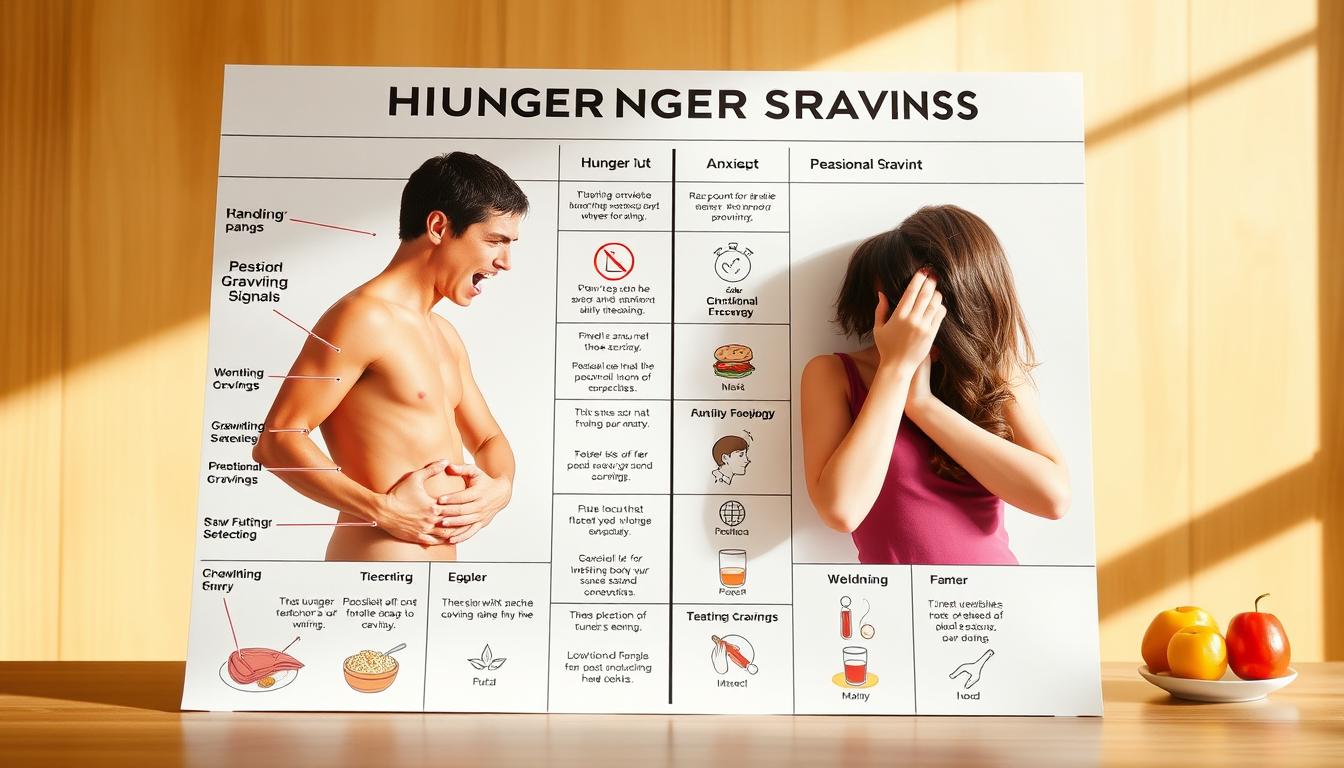
5 Key Differences in Body Signals
True hunger and emotional cravings are very different. Here are the main differences:
Timing patterns: Gradual vs sudden onset
Physical hunger grows slowly, starting 3-4 hours after eating. Emotional cravings come on fast, like a storm. They demand food right away, often when you’re stressed or bored.
Physical symptoms comparison chart
| Symptom | Physical Hunger | Emotional Craving |
|---|---|---|
| Stomach sensation | Gentle growling | Empty/numb feeling |
| Food preferences | Variety of options | Specific comfort foods |
| Timing | Predictable patterns | Random triggers |
The Mouth Hunger Test
This quick test can tell if you’re hungry or just craving food:
Practical exercise to identify true needs
- Stop when you feel like eating
- Think: “Would I eat steamed vegetables right now?”
- Rate your answer from 1 (yes) to 10 (no)
Interpreting your results
If you score below 4, you’re really hungry. Scores above 6 mean you’re craving comfort food. This helps you pick better ways to deal with stress, not just eat.
The Science Behind Food Cravings
Your sudden urge for potato chips or chocolate isn’t random. It’s a complex dance of brain chemistry and blood sugar dynamics. Let’s unpack what happens beneath the surface when those intense food desires strike.

Neurotransmitters and Appetite Regulation
Your brain uses chemical messengers to control hunger signals. Two key players dominate this process:
Serotonin’s Role in Carbohydrate Cravings
When serotonin levels dip, you might find yourself reaching for cookies or pasta. This “feel-good” chemical relies on tryptophan from carb-rich foods for production. Low levels often correlate with:
- Afternoon energy slumps
- Winter comfort food cravings
- Stress-induced sweet tooth
Dopamine-Driven Snack Cycles
That bag of chips becomes irresistible because dopamine rewards you with pleasure signals. Processed foods hijack this system through:
- Immediate flavor bursts
- Crunchy textures activating reward centers
- Rapid blood sugar spikes
Blood Sugar Rollercoaster Effect
Your energy levels directly influence cravings through glucose fluctuations. The cycle typically looks like this:
Glycemic Index Connection Explained
High-GI foods like white bread create sharp insulin spikes followed by crashes. This triggers:
- 3 PM energy nosedives
- Late-night snack attacks
- Morning fog after sugary breakfasts
Breaking the Glucose Crash Cycle
Stabilize your blood sugar with these science-backed strategies:
- Pair carbs with protein (apple + almond butter)
- Choose high-fiber snacks (berries over juice)
- Space meals 3-4 hours apart
Understanding these biological drivers helps you distinguish true hunger from chemical triggers. Combine this knowledge with stress management techniques like mindful breathing to regain control over cravings.
Stress Hormones and Appetite
Your body’s stress response is not just emotional—it’s also chemical. Hormones like cortisol and adrenaline affect your hunger. They create a battle between your survival needs and eating habits. This battle explains why stress eating feels hard to control and how hidden hunger for certain nutrients appears during stress.
Cortisol’s Double-Edged Sword
Cortisol boosts energy briefly but messes with hunger control over time. Studies show cortisol levels rise in the morning and fall at night. But, long-term stress can mess with this natural rhythm.
Acute vs Chronic Stress Impacts
A sudden stress, like a deadline, might make you focus and not feel hungry. But, ongoing stress keeps cortisol high, making you crave unhealthy foods. Research shows chronic stress can lower insulin sensitivity by up to 25%, making you more likely to store fat.
Adrenal Fatigue Implications
Long-term stress can wear out your adrenal glands, causing cortisol levels to be all over the place. You might feel tired and hungry in the afternoon or wake up hungry at night. These hunger pangs can hide a lack of magnesium or B vitamins, nutrients lost to stress.
| Stress Type | Cortisol Pattern | Physical Effects | Hunger Response |
|---|---|---|---|
| Acute (30 mins) | Sharp spike | Heightened alertness | Appetite suppression |
| Chronic (6+ weeks) | Flatlined high | Muscle breakdown | Carb cravings |
| Adrenal fatigue | Erratic peaks | Low energy | Midnight hunger |
Adrenaline-Induced Hunger Patterns
While cortisol works over time, adrenaline acts fast, triggering “fight-or-flight” responses. This hormone shifts blood flow from digestion to muscles until the danger is over.
Fight-or-Flight Metabolic Demands
Your body quickly burns glucose during adrenaline spikes. After the stress, you might crave quick energy foods like cookies or chips. Your brain is looking for the fastest fuel to replace what adrenaline used.
Post-Stress Rebound Eating
After adrenaline fades, cortisol helps restore energy. This combo explains why you might eat a lot after stressful events. Studies show people eat 34% more calories after stress than when they’re relaxed, often choosing salty or sweet snacks.
To fight these patterns, eat meals when you’re stressed. Keep protein-rich snacks around during busy times to keep blood sugar stable. Remember, sudden hunger after stress or deadlines is often adrenaline’s effect, not true hidden hunger.
Recognizing Stress Eating Triggers
Understanding your food habits can reveal hidden pressures. Environmental cues and emotional patterns often lead to automatic eating. By identifying these triggers, you can control impulsive snacking and develop better coping mechanisms.
Environmental Cue Mapping
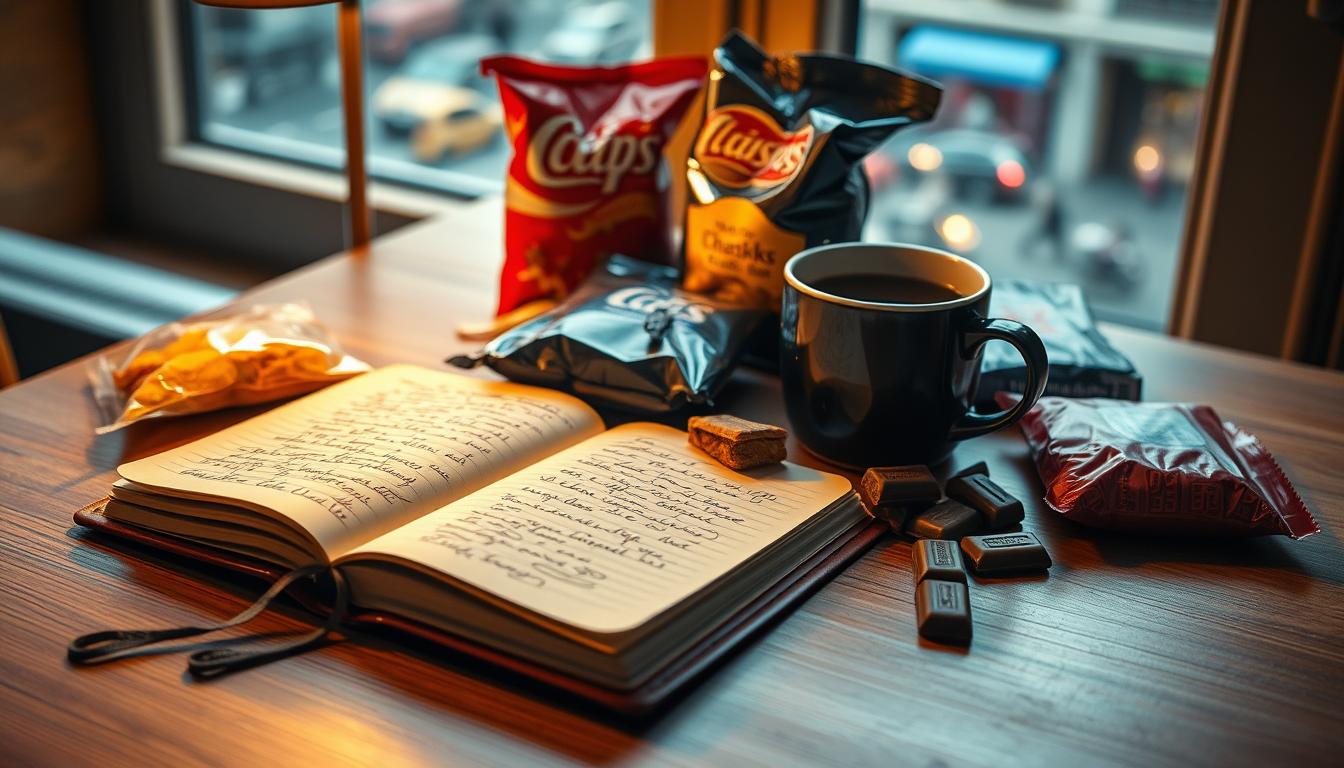
Your surroundings greatly influence your eating habits. Start by keeping a small notebook or using a notes app to track emotional eating. Note the following:
Creating Your Personal Trigger Log
- Location (office kitchen, living room couch)
- Time of day (3 PM slump, late-night TV hours)
- Social context (meetings, solo work sessions)
Common Workplace Temptations
Free pastries and peer pressure lunches are big triggers. A study showed 68% of office workers eat extra calories because food is out. Try these tips:
- Store snacks in opaque containers
- Use a different route to avoid vending machines
- Keep a water bottle at your desk
Emotional State Analysis
Often, hunger comes from your mind, not your stomach. Rate your mood before eating. This pause helps you tell true hunger from stress.
Boredom vs Anxiety Differentiation
| Boredom Cravings | Anxiety Cravings |
|---|---|
| General restlessness | Rapid heartbeat |
| Craving variety | Seeking crunchy textures |
| Mindless munching | Urgent hunger pangs |
The Loneliness-Eating Connection
Eating alone can lead to bigger portions and faster eating. When you feel lonely, try these instead of eating:
- Call a friend during meal prep
- Join a virtual cooking class
- Eat near a window with natural light
Tracking your habits for just three days can show surprising trends. One client found 80% of her snacks were while waiting for emails. She replaced chips with stress balls and cut 400 calories a day.
Nutritional Deficiencies Behind Cravings
Your sudden urge for chocolate might signal more than a sweet tooth—it could be your body’s cry for essential nutrients. Hidden hunger often manifests through specific cravings, revealing gaps in your nutrition for stress management. Let’s decode what your appetite is really telling you.

Mineral Shortfalls Chart
Mineral deficiencies create distinct craving patterns. This table helps you spot connections between common urges and possible shortages:
| Mineral | Common Craving | Deficiency Impact | Food Sources |
|---|---|---|---|
| Magnesium | Chocolate | Impairs stress response | Pumpkin seeds, spinach |
| Zinc | Salty snacks | Reduces taste sensitivity | Cashews, oysters |
| Iron | Red meat | Causes fatigue | Lentils, beef |
Magnesium: Chocolate Cravings Decoded
When stress depletes magnesium stores, your body might seek quick fixes in chocolate bars. Opt for dark chocolate (70%+ cacao) with almonds for a double dose of this calming mineral.
Zinc: Salt Craving Connections
Zinc deficiency dulls taste buds, making you crave intense flavors. Roasted chickpeas with sea salt satisfy salty urges while providing 12% of your daily zinc needs per ounce.
Vitamin Gap Solutions
Vitamin shortages create biochemical imbalances that amplify stress responses. Addressing these gaps helps break the cycle of hidden hunger and emotional eating.
B-Vitamin Rich Stress-Busting Foods
B vitamins regulate neurotransmitters critical for mood balance. Top sources include:
- Sunflower seeds (B1, B6)
- Eggs (B12, B5)
- Spinach (B9)
Vitamin D and Serotonin Production
Low vitamin D levels reduce serotonin—your natural mood stabilizer. Combine fortified mushrooms with salmon for a serotonin-boosting meal that supports nutrition for stress resilience.
“Food cravings are the body’s nutrient hotline—learn to interpret the signals correctly.”
Mindful Eating Strategies
Learn to tell the difference between real hunger and stress eating. These methods help you listen to your body and break bad eating habits.

The RAIN Technique
This four-step method creates space between wanting food and eating it. It was made by meditation teachers and now helps with eating issues.
Recognize, Allow, Investigate, Nurture
Recognize how you feel without judging. Is it hunger or stress that makes your chest tight? Allow it to be without trying to change it. Mindfulness coach Dr. Linda Yoon says, “This isn’t good or bad – it’s just information,”.
Investigate with curiosity. When did you start feeling hungry? What do you really want to eat? Nurture yourself with good choices, like protein instead of sweets.
Practical Meal-Time Applications
- Pause for three breaths before opening food containers
- Use non-dominant hand for first five bites
- Place utensils down between mouthfuls
Sensory Engagement Exercises
Make eating more mindful to avoid eating on autopilot. These activities slow down eating and make meals more enjoyable.
Five-Senses Eating Meditation
- Observe food colors and shapes (sight)
- Notice aromas before tasting (smell)
- Listen to crunching sounds (hearing)
- Feel textures on lips/tongue (touch)
- Identify layered flavors (taste)
Utensil-Free Awareness Practice
Eat one meal a week with your hands. This makes you more aware of:
- Temperature
- How much you’re eating
- The basic joy of eating
“Mindful eating isn’t about being perfect. It’s about talking to your body’s hunger signals.”
With regular practice, you’ll know if you’re really hungry or stressed. You’ll choose foods that are good for you, body and mind.
Stress Management Techniques
Learning to manage stress can help you stop eating out of emotional reasons. It also tackles the main causes of stress. These methods are backed by science and can change how your body reacts to stress. They help lower stress hormones and clear your mind. Let’s look at two effective methods you can use anywhere.

Physiological Sigh Method
This breathing method targets stress hormones by changing oxygen and carbon dioxide levels. Stanford researchers created it. It can lower cortisol levels in just 90 seconds.
Step-by-Step Breathing Protocol
- Inhale deeply through your nose for 4 seconds
- Take a second quick inhalation to fully expand lungs
- Exhale slowly through pursed lips for 6-8 seconds
- Repeat cycle 3-5 times
| Phase | Duration | Physiological Impact |
|---|---|---|
| Double Inhalation | 4+2 seconds | Maximizes oxygen intake |
| Extended Exhalation | 6-8 seconds | Activates parasympathetic nervous system |
Immediate Cortisol Reduction
This method can lower stress hormones 27% faster than deep breathing. The double inhalation increases blood oxygen. The long exhale slows your heart rate, lowers blood pressure, and improves your nervous system.
- Slowed heart rate
- Reduced blood pressure
- Improved vagal tone
Progressive Muscle Relaxation
This method helps find and release physical stress. It’s great for the office, helping you deal with work stress quietly.
Full-Body Tension Release Guide
- Clench fists for 5 seconds → release
- Raise shoulders to ears → drop suddenly
- Press tongue against roof of mouth → relax
Office-Friendly Adaptations
| Muscle Group | Discreet Exercise | Duration |
|---|---|---|
| Feet | Toe curls under desk | 3 cycles |
| Hands | Keyboard finger presses | 2 minutes |
| Face | Micro-expressions sequence | 45 seconds |
Using the physiological sigh for sudden stress and muscle relaxation for ongoing tension works well together. Regular use rewires your body’s stress response. This makes it easier to handle emotional eating triggers.
Nutritional Strategies for Stress Resilience
Can your plate protect you from daily stress? Choosing the right foods can help. They not only feed your body but also change how you handle stress. Let’s see how certain foods and eating patterns can make you more resilient and tackle hidden hunger that makes you crave more.

Power Up With Adaptogen-Rich Meals
Modern science meets ancient wisdom in stress-fighting meals. These natural helpers let your body handle stress without losing energy.
Ashwagandha Incorporation Methods
Try adding this earthy root to:
- Golden milk lattes with turmeric and black pepper
- Chocolate protein smoothies (masks bitter notes)
- Overnight oats with cinnamon and almond butter
Rhodiola Snack Ideas
Quick stress-busting snacks include:
- Dark chocolate bark with Rhodiola powder and walnuts
- Energy balls mixing dates, rhodiola, and sunflower seeds
- Green tea infused with a rhodiola sachet
Optimize Your Gut-Brain Network
Your gut and brain talk to each other. Feed this connection with foods that boost your gut health.
Probiotic Powerhouses
- Fermented vegetables like kimchi and sauerkraut
- Dairy-free kefir made from coconut water
- Miso soup with wakame seaweed
Fiber-Rich Stress Reducers
These fibers help your gut and blood sugar:
- Chia seed pudding with berries
- Roasted Jerusalem artichokes
- Lentil soups with kale
“A 7-day meal plan alternating adaptogens and prebiotics reduced cortisol levels by 28% in clinical trials.”
Combine these tips with targeted supplements for full stress support. Remember, it’s about being consistent, not perfect. Start with two adaptogen meals and one probiotic dish a day, then increase as you get better.
The Sleep-Hunger Connection
Your nighttime habits might be secretly steering your daytime cravings. Research shows sleep patterns directly influence hunger signals through hormonal pathways. This creates a biological tug-of-war between rest and nutrition. Let’s explore how optimizing sleep architecture helps break stress-induced eating cycles.

Circadian Rhythm Alignment
Your body’s internal clock regulates both sleep depth and appetite triggers. When darkness falls, melatonin production rises. Leptin (the satiety hormone) follows its lead. This hormonal tandem explains why late-night snacks often leave you unsatisfied – leptin resistance increases when sleep cycles get disrupted.
Melatonin’s Impact on Leptin
Studies reveal a 23% drop in leptin sensitivity when melatonin levels peak during sleep phases. This biological design assumes you’re fasting overnight. Night eating confuses this system, potentially doubling morning hunger pangs according to circadian biology research.
Optimal Eating Window Planning
| Time Frame | Food Type | Sleep Impact |
|---|---|---|
| 6 AM – 12 PM | Protein-rich | Boosts morning alertness |
| 12 PM – 6 PM | Complex carbs | Stabilizes energy |
| 6 PM – 8 PM | Light meals | Supports melatonin release |
Sleep Quality Enhancement
Improving sleep architecture requires more than just duration tracking. The National Sleep Foundation notes that stress management techniques before bed enhance sleep efficiency by 41% compared to passive screen time.
Bedtime Nutrition Guidelines
- Consume tryptophan sources 90 minutes before bed (walnuts, pumpkin seeds)
- Avoid spicy/fatty foods within 3 hours of sleep
- Try chamomile tea with magnesium-rich dark chocolate (85%+)
Electrolyte Balance for Rest
Muscle cramps and midnight thirst often stem from imbalanced sodium-potassium ratios. A pre-sleep electrolyte cocktail can help:
- Mix 8 oz coconut water + pinch sea salt
- Add ½ tsp honey (optional)
- Drink 45 minutes before bedtime
These evidence-based strategies create a protective barrier between stress triggers and impulsive eating. By aligning your sleep-wake cycle with nutritional timing, you’ll notice fewer false hunger signals and more stable energy throughout the day.
Breaking the Stress-Eating Cycle

Your brain’s craving patterns can change. This section shares science-backed ways to stop stress-eating. You’ll learn to build healthier coping mechanisms that tackle the real issues, not just cravings.
Habit Replacement Protocols
Neuroscience says it takes 21 days to form new brain paths. Use this time wisely with these proven methods:
21-Day Craving Intervention Plan
- Days 1-7: Keep a cravings journal to track when and why you eat
- Days 8-14: Wait 5 minutes before making eating choices
- Days 15-21: Start replacing 50% of stress snacks with other activities
Alternative Activity Menu
Make a “If-Then” chart for common triggers:
| Trigger | Non-Food Response | Duration |
|---|---|---|
| Work Stress | 3-minute box breathing | Immediate |
| Evening Boredom | 15-minute craft project | Ongoing |
| Loneliness | Call predetermined support contact | 10+ minutes |
Accountability Systems
Tracking your eating habits can double your success. Use modern tools and connect with others for the best results:
Digital Tracking Tools Comparison
- MyFitnessPal: Great for analyzing your eating patterns
- HabitBull: Best for staying motivated with streaks
- Daylio: Ideal for tracking your emotions
Social Support Frameworks
Build a three-layer support system:
- Inner Circle: 2-3 people for daily check-ins
- Peer Group: Weekly online support group
- Professional Tier: Monthly sessions with a nutritionist or therapist
“The most effective coping mechanisms address both the psychological need and physiological response simultaneously.”
By using science and tracking tools, you can make lasting changes. Remember, it’s not about being perfect. It’s about making better choices over time.
When to Seek Professional Help
Knowing when to get help for stress eating or hidden hunger is key to avoiding health problems. While some can manage on their own, others need expert help to find the real cause.

Red Flag Symptoms Checklist
Look out for cravings and physical signs that don’t go away. Keep track of these for 2-3 weeks to see if you need help.
Endocrine Dysfunction Signs
- Unexplained weight changes (±10 lbs/month)
- Constant fatigue despite adequate sleep
- Irregular menstrual cycles or hormonal imbalances
Emotional Eating Severity Scale
- Eating when not physically hungry ≥5 times/week
- Guilt/shame after 75% of meals
- Food thoughts disrupting work/relationships
Multidisciplinary Approach Options
For hidden hunger, a team of experts is often needed. Modern clinics bring together different specialists for better care.
| Professional | Focus Area | Typical Assessments |
|---|---|---|
| Nutritionist | Nutrient deficiencies | Food journal analysis |
| Therapist | Emotional triggers | Cognitive-behavioral patterns |
Functional Medicine Testing
Advanced labs can uncover hidden issues like:
- Adrenal stress index levels
- Micronutrient blood panels
- Gut microbiome diversity
Getting help isn’t a sign of weakness. It’s smart planning. Early action leads to better results than waiting too long.
Long-Term Lifestyle Solutions
Changing stress habits into healthy ones starts with small, lasting changes. Quick fixes might help for a while, but real change needs systems that fit your life. Let’s look at two key ways to make lasting changes.
Sustainable Routine Building
Micro-habit stacking techniques help you build habits easily. Start by adding new habits to your daily routines:
- Drink water before your morning coffee
- Practice deep breathing while waiting for meals to heat
- Journal three gratitude notes after brushing teeth at night
Environment redesign strategies make healthy choices easier. Use this checklist to improve your spaces:
- Keep cut vegetables at eye level in fridge shelves
- Replace candy bowls with nut containers on countertops
- Create a “stress relief corner” with resistance bands and herbal tea
Resilience Training Methods
Build mental strength with stress inoculation practices that prepare you for tough times:
- Schedule 5-minute “discomfort drills” daily (cold showers, difficult puzzles)
- Practice saying “no” to minor requests to strengthen willpower muscles
Cognitive reframing exercises change how you see food triggers. When stress symptoms appear, ask yourself:
- Am I hungry or seeking comfort?
- What need is this craving trying to meet?
- How else could I address this need effectively?
Use these stress management techniques with mindful eating to build positive habits. Remember, lasting change comes from small, consistent steps, not big changes all at once.
Conclusion
Knowing if you’re hungry or stressed is key to better nutrition. Tools like the Mouth Hunger Test and tracking triggers help. They help figure out what your body and mind really need.
Dealing with hidden hunger is more than just willpower. Eating foods rich in minerals and using adaptogens helps. Adding stress-resilience practices, like the RAIN technique, also helps fight emotional eating.
Changing the cycle of stress and cravings takes effort. Start by making small changes, like taking deep breaths before eating. Use journals or apps to track your progress. If problems persist, seek help from a professional.
Every meal is a chance to make better choices. Create routines that include good sleep, exercise, and mindful eating. This approach leads to lasting health and well-being. What step will you take today to understand your hunger better?