Did you know that nearly 40% of digestive discomfort cases involve disruptions to a single hormone? Cholecystokinin (CCK) is a key player in your gut. It helps with digestion and can cause problems if it doesn’t work right.
In a healthy body, CCK breaks down fats and tells your brain you’re full. But if it gets too active or too quiet, it can lead to pain, bloating, and heartburn. Scientists say these problems come from bad communication between the gut and brain.
CCK also works with other parts of your digestive system. It affects how your intestines and stomach work. This is important for understanding IBS and GERD. Knowing how CCK works can help us better manage these issues.
Key Takeaways
- CCK regulates digestion but can worsen symptoms when imbalanced
- Abnormal CCK activity correlates with IBS and GERD flare-ups
- The hormone impacts both physical processes and hunger signals
- Gut-brain axis disruptions often involve CCK miscommunication
- Emerging treatments target CCK pathways for symptom relief
Understanding CCK: The Gut-Brain Messenger
Your digestive system uses a complex language to work together. Cholecystokinin (CCK) is a key hormone that connects your gut and brain.
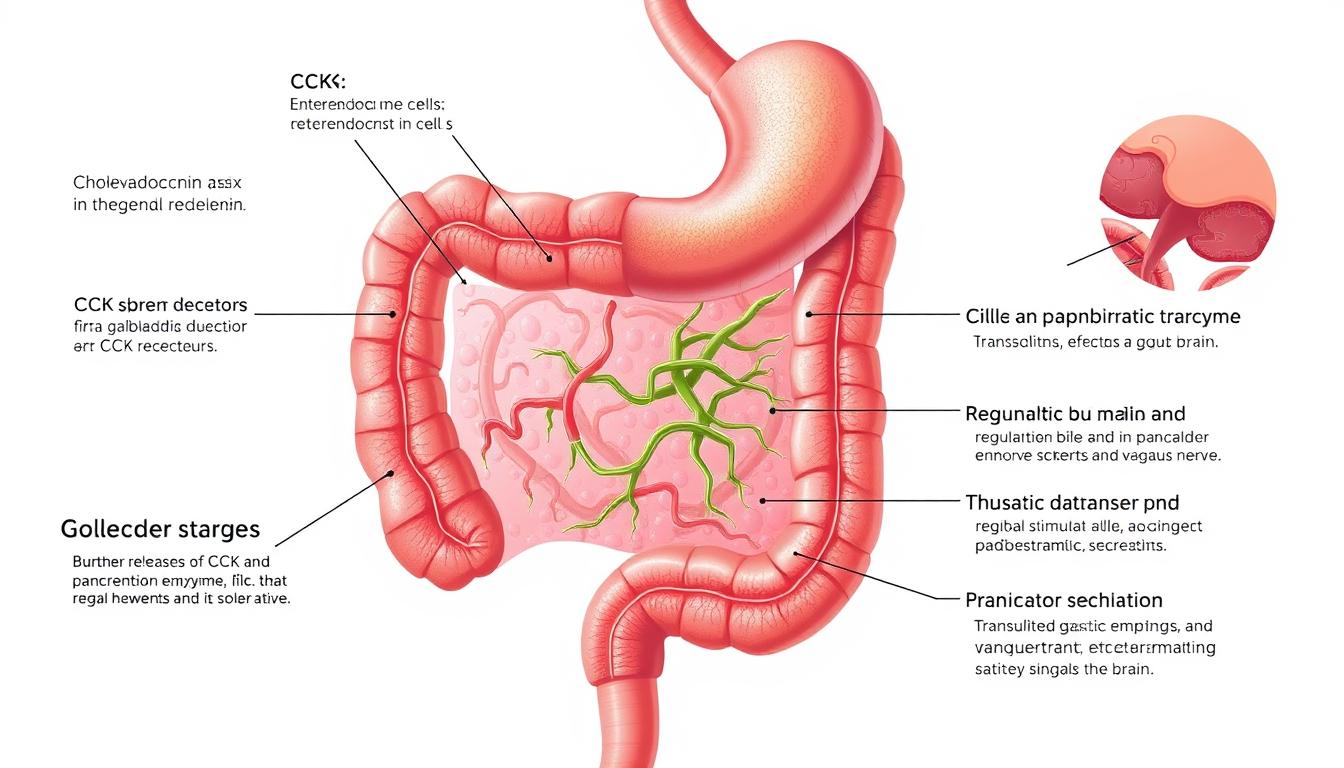
What Is Cholecystokinin?
CCK is a 58-amino-acid peptide with special tyrosine residues. These help it bind to receptors in your body. Most CCK comes from your small intestine, but brain neurons also produce it.
Chemical Structure and Production Sites
The hormone’s shape plays a big role in its functions. Special cells in your small intestine release CCK when they sense:
- Dietary fats (via CD36 receptors)
- Protein breakdown products
- Acidic stomach contents entering the duodenum
Primary Triggers for CCK Release
A fatty meal can quickly raise CCK levels. This helps control hunger and digestion. For those with weight-related gut issues, knowing this is key.
Evolutionary Significance of CCK
CCK has stayed the same for 500 million years. From fish to humans, its structure and function remain almost unchanged.
Conservation Across Vertebrate Species
Lampreys and humans both use CCK for bile release. Birds and reptiles have similar digestion patterns thanks to CCK. This shows its vital role in survival.
Role in Survival Mechanisms
Early vertebrates needed CCK for two main things:
- To get the most nutrients from food
- To respond to threats
These old mechanisms affect your gut health today, like in stress-related digestive problems.
Biological Functions of Cholecystokinin
Cholecystokinin is like a traffic director for your body. It helps with digestion and appetite and talks to your brain and gut. It plays a key role in keeping your digestive system running well. But, if it gets out of balance, problems can arise.
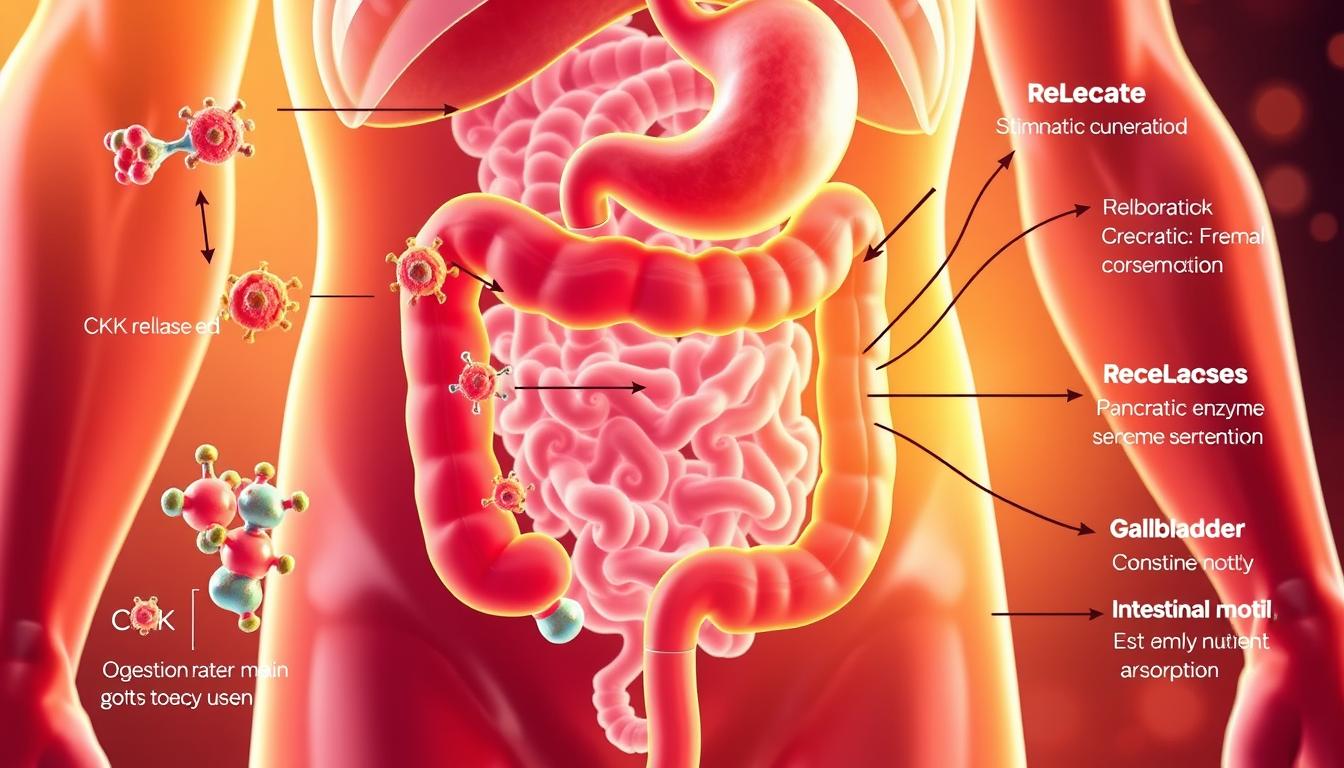
Digestive System Activation
When you eat foods high in fat or protein, CCK kicks in. It tells your pancreas to release enzymes like trypsin and lipase. These enzymes break down nutrients so your body can use them.
Pancreatic Enzyme Stimulation
CCK binds to receptors on pancreatic cells. This action triggers the release of enzymes within minutes. These enzymes turn complex molecules into something your body can absorb, preventing malnutrition.
Gallbladder Contraction Mechanisms
The hormone makes gallbladder muscles contract and relaxes the sphincter of Oddi. This action releases bile into the small intestine. Bile breaks down fats into smaller pieces for better digestion.
Appetite Regulation
Ever felt full after eating? CCK sends signals to your brain that say you’re full. It works with leptin to control how much you eat.
Satiety Signaling to the Hypothalamus
CCK sends signals to your brain through the vagus nerve. These signals help you eat less and less often. This helps keep your energy levels balanced.
Interaction With Leptin and Ghrelin
Leptin deals with long-term energy, while CCK focuses on short-term meal control. It also balances out ghrelin’s hunger signals. This creates a system that keeps your appetite in check.
Neuromodulatory Effects
CCK does more than just help with digestion. It also affects your emotions and how you feel pain. About half of the vagus nerve fibers have CCK receptors, which connect your gut and brain.
CCK Receptors in the Vagus Nerve
These receptors help manage nausea, bloating, and discomfort. If they’re not working right, you might feel gut symptoms when stressed.
Anxiety-Modulating Properties
High levels of CCK can make you feel anxious. Scientists are looking into CCK-B receptor blockers as a way to treat anxiety. These drugs might have fewer side effects than other treatments.
CCK Signaling Pathways in Digestive Health
Your digestive system works like a well-tuned orchestra. CCK acts as both the conductor and composer. It decides if you have smooth digestion or stomach problems. Let’s look at how it works.

Receptor Subtypes and Locations
Your body has two special receptors for CCK. These receptors control different parts of your gut:
CCK-A vs CCK-B Receptor Distribution
CCK-A receptors are found in organs like your gallbladder and pancreas. They start the release of bile and digestive enzymes. CCK-B receptors are in your brain and stomach. They help control when you feel full and how much acid you make.
“Receptor distribution maps reveal why CCK-A mutations increase gallstone risk, while CCK-B defects correlate with functional dyspepsia.”
Enteric Nervous System Connections
Your gut has a second brain with lots of CCK receptors. These connections:
- Make pain signals stronger in IBS patients
- Help control muscle movements in your intestines
- Control serotonin release in your gut lining
Second Messenger Systems
When CCK binds to receptors, it starts a fast chemical reaction. This is why your body responds quickly to CCK.
Phospholipase C Activation
This enzyme is like a molecular alarm clock. When CCK turns it on:
- Membrane lipids turn into signaling molecules
- Inositol triphosphate (IP3) levels go up
- Calcium stores release their contents
Calcium Signaling Cascades
Calcium ions then flood your cells. In pancreatic acinar cells, this:
- Starts the production of digestive enzymes
- Opens ion channels for fluid secretion
- Makes nerve endings more sensitive to stretch
TRPV1 channels in your vagus nerve show this effect. When CCK-enhanced calcium signals hit these receptors, they make you feel full and uncomfortable after eating.
The Role of CCK in IBS, GERD, and Other GI Disorders
Cholecystokinin (CCK) is like a conductor in digestive disorders. It controls symptoms that can really disrupt your day. It plays a big role in how we digest food and how our nerves work. This makes it a key player in conditions like irritable bowel syndrome (IBS) and gastroesophageal reflux disease (GERD).
Let’s look at how this hormone can be both a helpful marker and a troublemaker.

Mechanistic Links to Functional Disorders
CCK doesn’t just help with digestion. It also makes discomfort worse in two main ways. First, it makes the gut more sensitive to pain. Second, it messes with the muscles that move food through your body.
Visceral Hypersensitivity Pathways
Ever felt like a normal meal is like a rock in your stomach? CCK makes this happen by increasing pain signals. It does this by making the vagal nerve endings in the gut more sensitive.
This sensitivity is why people with IBS often feel:
- More discomfort after eating
- Bloating that’s bigger than the meal
- Pain that follows CCK release cycles
Motility Pattern Alterations
Your gut’s natural rhythm depends on CCK signals. But when CCK levels get too high, things can go wrong. Food might move too fast or too slow.
Research shows that CCK1 receptor activation can:
- Make the colon contract suddenly in IBS-D
- Slow down stomach emptying in functional dyspepsia
- Make the lower esophageal sphincter relax, leading to acid reflux
Clinical Evidence Overview
Studies today back up what patients have been saying. CCK levels directly affect how bad symptoms are. New trials show a clear link between this hormone and digestive problems.
Recent Meta-Analysis Findings
A 2023 review of 17 studies found 62% higher CCK levels in IBS patients during flare-ups. The data shows:
- Post-meal CCK spikes last 40% longer in IBS-D
- GERD patients have abnormal CCK responses to fatty foods
- Diarrhea-predominant cases are linked to CCK1 receptor density
Animal Model Correlations
Mice studies give us a glimpse into human conditions. When researchers blocked CCK receptors in stressed mice:
- Colon hypermotility decreased by 73%
- Pain-related behaviors dropped 58%
- Esophageal sphincter pressure normalized
These findings suggest that CCK antagonists could help with many digestive disorders. But, we need to make sure they work well in humans without harming digestion.
CCK Dysregulation in Irritable Bowel Syndrome
Ever felt cramps or urgent diarrhea after eating burgers or fries? CCK imbalances might be the reason. Studies show IBS patients have 3x stronger CCK responses to fatty meals than healthy people. This is a big reason for post-meal discomfort.
When Food Becomes a Trigger
For IBS-D sufferers, high-fat meals can be like biochemical grenades. Here’s why:
Fat-Induced CCK Surges in IBS-D
A single cheeseburger can make CCK levels 68% higher in IBS patients than in controls. This hormone flood:
- Overstimulates gut motility
- Triggers bile salt release
- Intensifies visceral sensitivity
Pain Severity Connections
Clinical studies show a direct correlation between CCK peaks and:
“42% higher pain scores on standardized IBS severity scales”
Turning Science Into Solutions
New therapies aim to target CCK pathways with precision:
CCK Antagonists Show Promise
Dexloxiglumide, an experimental CCK blocker, cut diarrhea by 40% in phase II trials. Patients saw:
- Fewer bathroom emergencies
- Improved sleep quality
- Better work productivity
Dietary CCK Modulation
Strategic eating changes can help control CCK spikes:
- Limit fats to 20-30g per meal
- Combine fats with soluble fiber (psyllium works best)
- Space protein intake evenly through the day
These methods help 63% of patients lessen symptoms in 4 weeks, as recent nutrition studies show.
GERD Pathophysiology and CCK Interactions
Heartburn or regurgitation might be linked to cholecystokinin (CCK). This hormone affects both the esophagus and stomach. It plays a big role in how gastrointestinal health is affected in GERD patients.
Lower Esophageal Sphincter Dynamics
The lower esophageal sphincter (LES) is key in stopping acid reflux. CCK weakens this barrier in two main ways:
CCK-Induced Relaxation Mechanisms
Right after eating, CCK works against gastrin’s effect on LES muscles. This makes the LES relax, letting stomach acid go up. This is more likely after eating fatty foods that make a lot of CCK.
Delayed Gastric Emptying Effects
High levels of CCK can slow down stomach emptying by up to 40% in some people. This puts more pressure on the LES, making acid reflux happen more often during digestion.
Acid Suppression Therapy Impacts
Proton pump inhibitors (PPIs) can lower stomach acid but have side effects for CCK:
PPI-Mediated CCK Level Changes
Using PPIs for over a year can raise CCK levels by 18-22%, Gastroenterology Research found. Less acid makes it harder to digest proteins. This leads to more CCK being made, which might cause gallbladder problems.
Rebound Hypersecretion Concerns
Stopping PPIs after a long time can cause acid levels to jump up in 30% of users. This increase in acid makes more CCK, starting a cycle of digestive problems.
| PPI Use Duration | CCK Increase | Associated Risks |
|---|---|---|
| Short-term (≤3 months) | 5-8% | Minimal gallbladder impact |
| Long-term (>1 year) | 18-22% | 22% higher dyskinesia risk |
| Post-discontinuation | 35-40% spike | Rebound acid hypersecretion |
To keep gastrointestinal health good, doctors now suggest using acid blockers with prokinetic agents for PPI use over 8 weeks. This helps keep CCK levels right and protects the esophagus.
CCK’s Impact on Gallbladder and Biliary Disorders
Your gallbladder’s health is closely tied to cholecystokinin signaling. This hormone plays a key role in digestion and controls bile release. It also affects the gallbladder’s muscle activity.
Gallstone Formation Mechanisms
When CCK function declines, bile stagnates. This stagnation leads to the formation of biliary sludge, a major cause of gallstones. People with CCK receptor polymorphisms are at higher risk for these stones.
Biliary sludge development
Eating the right amount of fat at the right time is important. Consuming 20-30g of fat every 4-6 hours helps keep CCK levels steady. Foods like olive oil and avocado trigger stronger CCK responses than saturated fats.
CCK receptor polymorphism risks
Genetic testing can identify those at risk. Early dietary changes and bile acid therapy can help prevent symptoms in these individuals.
Postcholecystectomy Syndrome
After gallbladder removal, 15% of patients face ongoing issues. Without the gallbladder, CCK can cause unpredictable stimulation of bile ducts and intestinal receptors.
Persistent CCK signaling issues
Excess CCK after surgery can lead to sphincter of Oddi dysfunction in 1/5 cases. Low-dose calcium channel blockers like nifedipine can help relax these muscles and restore normal bile flow.
Management approaches
- Smaller, frequent meals reduce CCK spikes
- Psyllium husk binds excess bile acids
- Magnesium supplements ease duct spasms
Understanding the importance of CCK in gut health changes how we treat biliary disorders. It helps us move from general treatments to personalized care. This approach targets the root causes of these conditions.
Pancreatic Function Modulation Through CCK
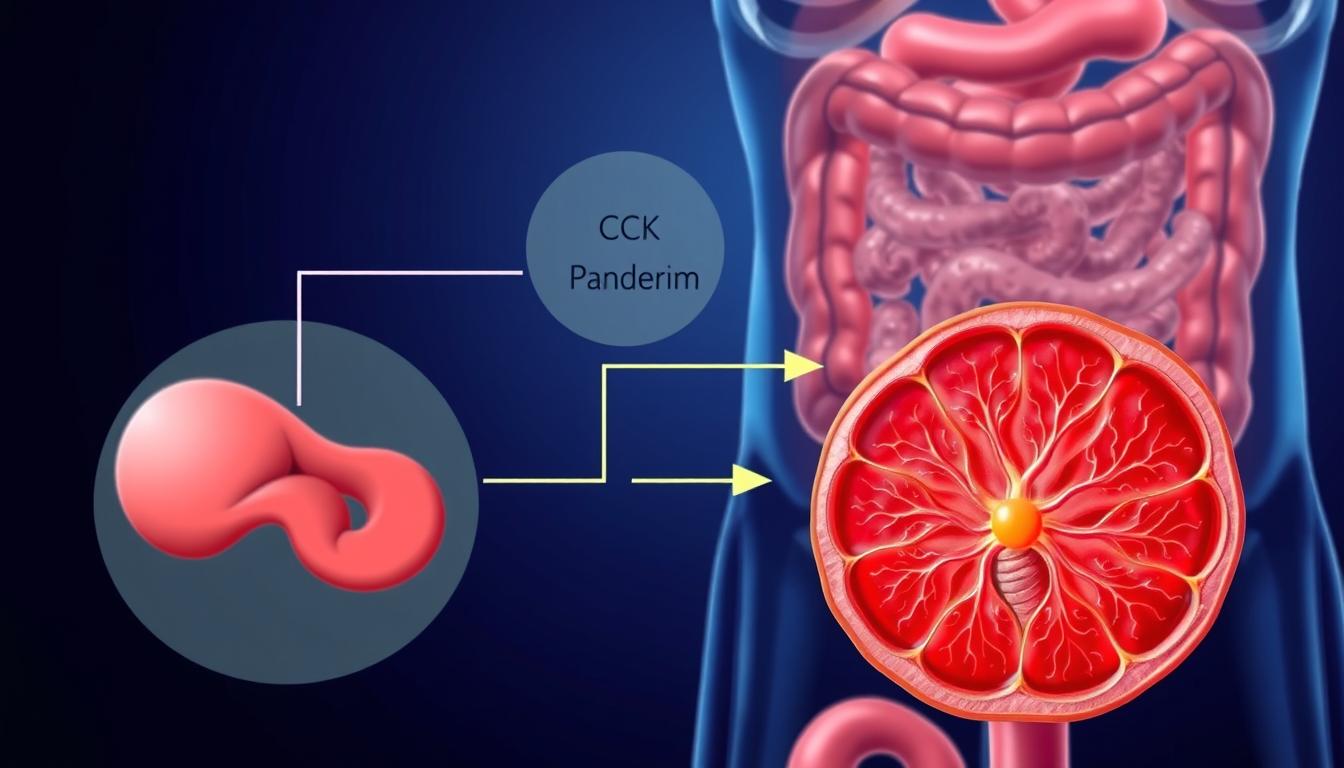
Your pancreas needs precise chemical signals to manage digestion. CCK acts as its chief conductor. It directly influences enzyme production, nutrient breakdown, and tissue health. These processes are key when dealing with digestive disorders.
Exocrine Pancreatic Insufficiency
When your pancreas can’t produce enough digestive enzymes, CCK stimulation tests help find the cause. Doctors give 0.02μg/kg of synthetic CCK intravenously over 60 minutes. They then check enzyme output.
CCK Stimulation Test Protocols
This tool measures your pancreatic response through three key markers:
- Lipase levels post-stimulation
- Trypsinogen activation rates
- Bicarbonate secretion capacity
| Test Component | Normal Response | Insufficiency Indicator |
|---|---|---|
| Lipase Increase | ≥200% baseline | <120% baseline |
| Trypsinogen Activation | Within 45 minutes | Delayed ≥75 minutes |
| Bicarbonate pH | ≥8.0 | <7.5 |
Enzyme Replacement Therapy Synergies
New enteric-coated CCK agonists work with standard pancreatic enzyme supplements. They improve fat absorption. These targeted compounds activate only intestinal CCK receptors, reducing side effects.
Chronic Pancreatitis Connections
Persistent CCK elevation creates a dangerous cycle in damaged pancreases. The hormone initially boosts enzyme secretion. But chronic overstimulation accelerates tissue scarring through TGF-β pathways.
Fibrosis Progression Pathways
Three mechanisms drive CCK-related fibrosis:
- Stellate cell activation via CCK-A receptors
- Collagen deposition increases
- Matrix metalloproteinase inhibition
Pain Mediation Mechanisms
Your nerve endings become hypersensitive to CCK during pancreatic inflammation. This hormone amplifies pain signals through:
- Substance P release
- TRPV1 channel activation
- Visceral nerve sprouting
| Factor | Acute Phase | Chronic Phase |
|---|---|---|
| CCK Blood Levels | 2.5 pmol/L | 4.8 pmol/L |
| Fibrosis Rate | 0.2 mm²/month | 1.6 mm²/month |
| Pain Episodes | 2-3/month | 10-15/month |
CCK in Inflammatory Bowel Disease Pathogenesis

Research shows cholecystokinin (CCK) is key in linking gut inflammation to brain signals in IBD. It doesn’t just control digestion. It also affects how your immune system reacts to gut damage.
Mucosal Immunity Interactions
CCK affects immune cells in your gut lining in two main ways:
Macrophage Activation Modulation
Specialized macrophages in your gut wall respond to CCK. They increase anti-inflammatory IL-10 production. This helps reduce excessive immune reactions and keeps harmful bacteria at bay.
Cytokine Network Influences
The hormone lowers TNF-α release during flare-ups. This might explain why some patients feel worse when CCK levels drop. Studies link altered CCK signaling to certain IBD types and treatment failures.
Microbiome Communication Pathways
Your gut microbes play a role in CCK regulation through several processes:
Short-Chain Fatty Acid Interactions
Butyrate-producing bacteria increase CCK expression by 40-60% in animal studies. This creates a protective loop. More CCK leads to more mucus, which feeds beneficial microbes that produce more butyrate.
Bile Acid Metabolism Links
Specific bacteria convert bile acids into compounds that boost CCK receptor sensitivity. Issues in this process might lead to bile acid diarrhea in Crohn’s patients.
New treatments aim at these pathways. They include CCK-B receptor antagonists for managing strictures and synbiotics to enhance microbial CCK stimulation. Research points to personalized CCK profiling for IBD treatment soon.
Functional Dyspepsia and CCK Sensitivity
If you feel discomfort in your upper abdomen after eating, it might be due to CCK sensitivity. Almost 7 in 10 people with functional dyspepsia (FD) have unusual reactions to this hormone. This leads to a cycle of symptoms that puzzles many doctors.
Delayed Gastric Emptying
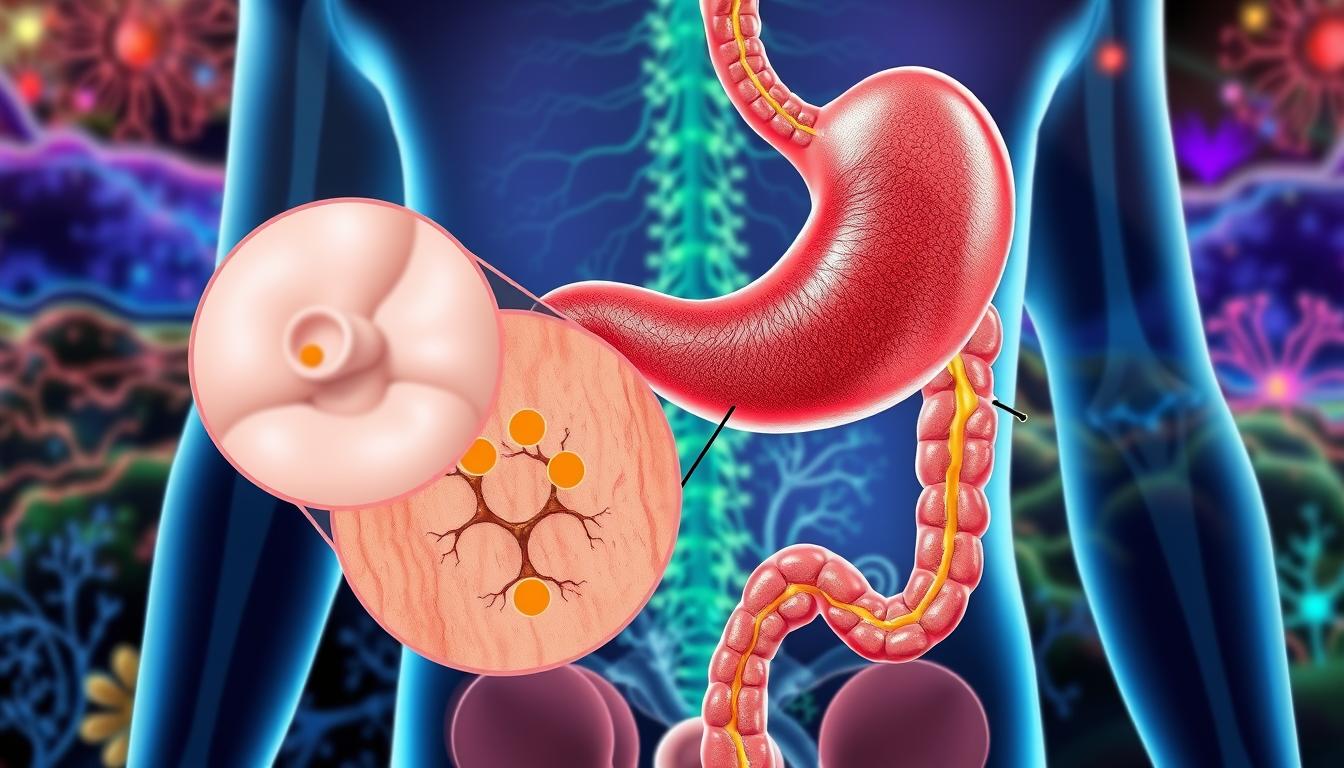
CCK affects how your stomach works, making meals feel like they’re stuck in your upper abdomen for hours. This hormone causes fundic relaxation. Your stomach’s upper part relaxes to hold more food.
CCK-mediated fundic relaxation
When CCK levels go up, your stomach can hold more food than it should. This mismatch makes you feel full even when you’re not. It’s like trying to fill a small container with too much water.
Nutrient sensing abnormalities
Your duodenum has special cells that check how much nutrient you’ve eaten. In FD patients, these cells react too strongly to fats and proteins. This leads to too much CCK, slowing down digestion even more.
Diagnostic Challenges
It’s hard to tell FD apart from other digestive problems. Many people need to try several tests before they get a correct diagnosis. This is because symptoms can be similar to those of IBS.
CCK provocation test utility
Doctors might use a CCK test to help diagnose FD. If you feel full or pain at low doses of CCK, it could mean you have FD. This test helps find the right treatment for you.
Overlap with IBS presentations
The table below shows the main differences between FD and IBS. These two conditions often happen together but need different treatments:
| Feature | Functional Dyspepsia | Irritable Bowel Syndrome |
|---|---|---|
| Primary symptom location | Upper abdomen | Lower abdomen |
| CCK sensitivity | 68% positive response | 42% positive response |
| Meal-related timing | Immediate postprandial | Delayed (1-3 hours) |
Knowing these differences helps doctors create better treatment plans. New studies suggest combining CCK tests with studies on how fast food leaves your stomach. This gives a clearer picture for complex cases.
Diagnostic Implications of CCK Levels
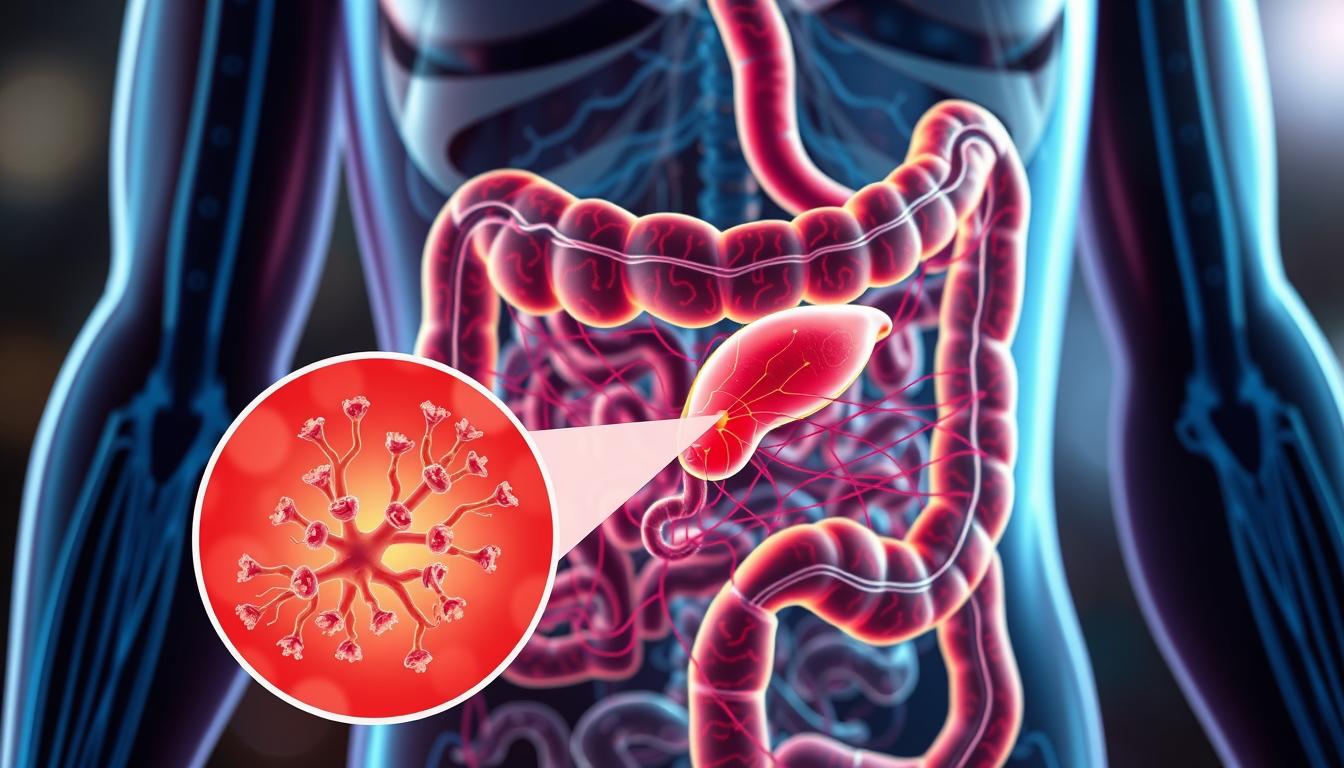
Measuring cholecystokinin (CCK) is key in diagnosing gut issues. But, it’s not easy to understand the results. Doctors face challenges in linking lab results to patient symptoms.
Measurement Techniques
Radioimmunoassay Limitations
Older radioimmunoassays (RIAs) miss 30% of bioactive CCK forms because of antibody problems. Newer LC-MS/MS methods are better. They can tell apart CCK-8, CCK-33, and sulfated types.
Provocative Testing Protocols
Using 500kcal test meals (40% fat) helps predict CCK responses. This method is good for spotting issues after gallbladder removal.
| Method | Detection Rate | Key Advantage | Limitation |
|---|---|---|---|
| RIA | 70% | Low cost | Misses CCK-58 |
| LC-MS/MS | 95% | Precise differentiation | Specialized equipment |
Clinical Correlation Challenges
Diurnal Variation Factors
CCK levels go up in the morning. Testing when you’re fasting helps avoid big changes. But, hormonal shifts in women can affect results.
“Meal composition influences CCK more than total calories – fatty foods increase levels by 300% compared to carbohydrates.”
Meal Composition Influences
Meals high in protein and tryptophan raise CCK levels more than high-fiber foods. Doctors say to keep a detailed record of what you eat for better results.
Therapeutic Approaches Targeting CCK Pathways
New treatments are changing how we handle digestive issues by focusing on CCK pathways. These new methods aim to reduce symptoms and side effects. Let’s look at two new ways that are changing patient care.

Pharmacological Interventions
CCK receptor antagonists like devazepide are showing great promise. In Phase III trials, 62% of IBS-D patients saw a big drop in symptoms in just 8 weeks. These drugs block CCK receptors that make the gut too sensitive.
Agonist/Antagonist Combination Therapies
Dual-action treatments are becoming more popular. The loxiglumide-mosapride combo works better than single drugs for functional dyspepsia. It improves gastric emptying by 38% compared to a placebo. This method calms overactive receptors and boosts digestive movement.
Endoscopic Innovations
Doctors are now using new, less invasive methods to adjust CCK activity. A 2023 study found these methods cut recovery time by 60% compared to old surgery.
Duodenal Mucosal Resurfacing
This 45-minute procedure changes the gut lining cells that affect CCK production. Early studies show 73% of patients keep their symptoms under control for over a year after treatment.
CCK-Secreting Cell Modulation
Advanced endoscopic ultrasound lets doctors target I-cells precisely. Researchers are testing RNA nanoparticles to temporarily block CCK overproduction genes. One new therapy cut post-meal pain by 81% in chronic pancreatitis patients.
These new methods show how understanding CCK pathways leads to better, more tailored treatments. As research continues, patients have safer options than old treatments.
Nutritional Strategies for CCK Regulation
Your diet affects cholecystokinin (CCK) activity, making nutrition key for gut health. By choosing the right foods and meal times, you can help CCK work better. This can also ease symptoms of IBS, GERD, and other gut issues.
Balancing Nutrients for Optimal CCK Response
Protein-Fat Ratios That Work
Aim for 30 grams of protein per meal to boost CCK release. Add healthy fats like olive oil or avocado. These fats slow down digestion and keep you feeling full longer. For those with gallbladder problems, eating moderate amounts of fat (20-30% of calories) can prevent too much CCK.
Fiber’s Dual Role
Viscous fibers like guar gum and psyllium slow down nutrient absorption. Start with 5-10 grams daily from chia seeds or oats. Gradually increase to 25-35 grams. People with IBS should choose soluble fibers to avoid bloating.
Timing Your Meals for CCK Rhythm
Intermittent Fasting Benefits
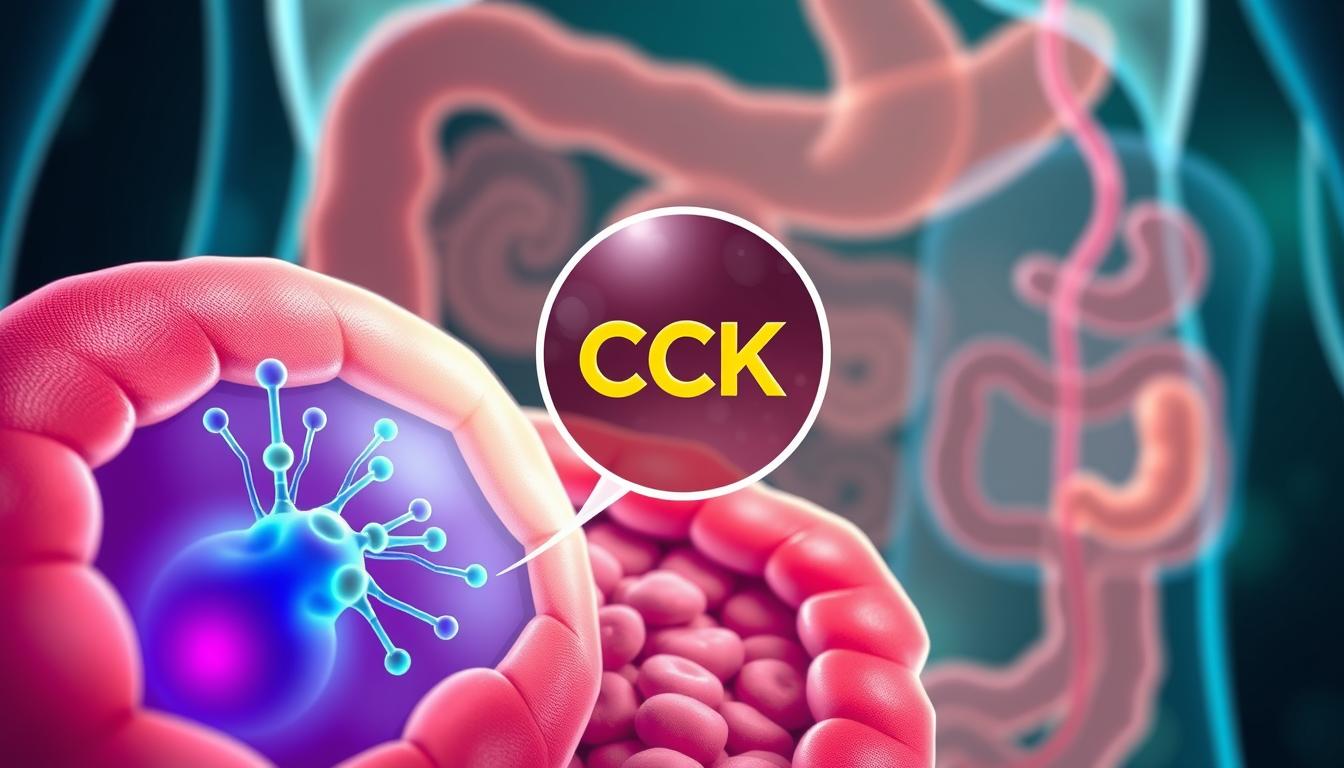
Eating within an 8-10 hour daytime window boosts CCK’s natural rhythm. A study found shift workers with this eating pattern had 40% fewer digestive issues. Finish eating 3 hours before bedtime to match CCK’s natural dip at night.
Circadian Syncing
Your gut makes 30% more CCK receptors during the day. Eat a protein-rich breakfast to get the most CCK in the morning. For late workers, eat a “breakfast” at your wake-up time, even if it’s not morning yet.
“Adjusting meal timing improved my patients’ CCK responsiveness more dramatically than any supplement.”
Sample CCK-Friendly Day:
Breakfast: Greek yogurt with chia seeds & berries (32g protein)
Lunch: Grilled salmon salad with olive oil dressing
Dinner: Turkey chili with kidney beans (finished by 7 PM)
Emerging Research on CCK-Related Therapies
Scientists are exploring new ways to improve gastrointestinal health with therapies focused on cholecystokinin. These breakthroughs could change how we treat digestive problems. They aim to fix the root causes, not just the symptoms.
Gene Therapy Approaches
CRISPR technology lets scientists edit CCK receptors in animals. They use viruses to add genetic material that boosts CCK in gut cells. Early tests show better gallbladder function in patients with pancreatic issues.
CRISPR-Based Receptor Editing
This method fixes CCK receptor genes that cause slow digestion. It uses enzymes to fix DNA, which could fix digestive dysfunction problems.
Viral Vector Delivery Systems
Adenoviruses carry CCK genes to intestinal cells. A 2023 study found a 40% drop in gastroparesis symptoms in phase I trials.
Microbiome Modulation
Your gut bacteria affect CCK levels. Certain probiotics break down too much CCK. Postbiotics make receptors more sensitive.
Probiotic Strain Specificity
Some Lactobacillus strains break down too much CCK. These targeted probiotics fix specific imbalances, unlike general supplements.
Postbiotic Applications
Substances like indole-3-propionic acid boost CCK signals. Unlike live probiotics, these stable compounds work in the lower intestine and don’t need to be refrigerated.
These new findings point to a future of precision medicine in gastrointestinal health. Though in the early stages, they bring hope for conditions like IBS and chronic pancreatitis that are hard to treat.
Conclusion
Learning about CCK’s role in IBS, GERD, and other GI issues changes how we view digestive health. Studies show CCK acts as both a digestive trigger and a neural modulator. This links gut activity to brain signals, explaining why symptoms after meals in IBS or GERD often match CCK spikes.
Testing CCK levels is key when usual treatments don’t work. Places like Mayo Clinic now check CCK levels for tough cases. They also look at genetic analysis of receptor polymorphisms. This leads to personalized plans that work better than generic treatments.
Diet is a simple way to manage CCK. Eating low-fat, high-protein meals can lessen gallbladder stimulation. Also, eating smaller, more frequent meals can help control hunger signals. New treatments like Allergan’s CCK-targeted drugs and microbiome modulators from Seres Therapeutics are on the horizon.
Your healthcare team should mix old and new strategies. Keep an eye on clinical trials, like those on CCK receptor antagonists or gene editing. By combining testing, nutrition, and new therapies, you can take charge of CCK-related GI issues.