Only 1 in 4 people who shed pounds through diet and exercise keep them off long-term. This startling reality has fueled a $50 billion supplement industry, with one herbal extract standing out: a mint-family plant compound that went from ancient remedy to modern phenomenon overnight.
In 2014, a daytime TV segment transformed this traditional Ayurvedic root extract into America’s most searched fat-loss aid. Researchers had already discovered its unique ability to influence cellular processes linked to metabolism. Unlike many supplements, it showed measurable effects on cyclic AMP levels – molecules that regulate how your body burns energy.
The plant’s journey mirrors modern struggles with weight management. While obesity rates climbed, people grew frustrated with yo-yo dieting. This created perfect conditions for a “miracle” solution rooted in science – even if that science was still evolving.
Key Takeaways
- Traditional herbal medicine meets modern weight loss science
- Media exposure dramatically shifted public interest in 2014
- Cellular mechanisms explain potential metabolic impacts
- Historical use contrasts with recent supplement trends
- Consumer frustration drives alternative solution searches
- Initial research fueled both hope and skepticism
What is Forskolin?
Deep in the tropical regions of Asia grows a mint relative that’s been a wellness staple for centuries. This plant – Coleus forskohlii – produces a unique compound in its roots that modern science now isolates for metabolic research.

An Overview of Its Origins
The active ingredient, called forskolin, belongs to a class of natural chemicals called diterpenes. Unlike synthetic supplements, it’s extracted through precise methods from the root system of plants grown in specific climates. Regions like Nepal and Thailand provide ideal conditions for cultivating specimens with optimal potency.
Traditional healers didn’t need labs to harness its benefits. For generations, communities boiled the roots to make earthy teas believed to support respiratory health and overall vitality. One Ayurvedic text notes:
“The warrior’s herb strengthens breath and kindles inner fire.”
Traditional Healing Applications
Before weight management became its modern claim, coleus served multiple roles in folk medicine:
- Asthma relief through bronchodilation effects
- Cardiovascular support by influencing blood flow
- Digestive aid in herbal formulations
Researchers later discovered these benefits stemmed partly from forskolin’s ability to interact with cellular enzymes. This bridge between ancient practice and biochemistry explains why the compound became a focal point for modern studies on body composition.
The Science Behind Forskolin and Weight Loss
Your body’s fat cells hold secrets that science is just beginning to decode. When stored energy needs mobilization, specific biological switches activate through precise chemical reactions. This process involves enzymes you’ve likely never heard of – until now.
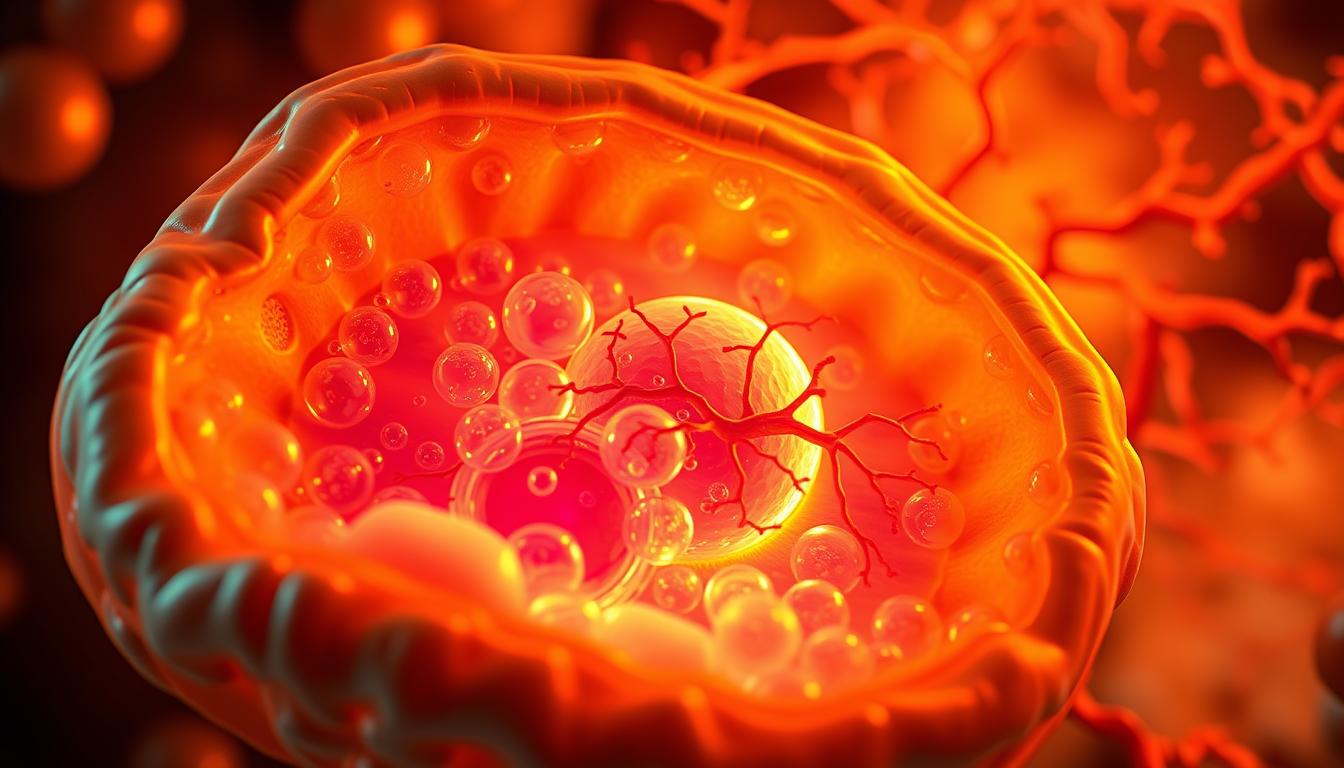
Mechanisms of Energy Release
At the cellular level, a key enzyme called adenylate cyclase acts as the ignition switch. When activated, it converts ATP (your cells’ energy currency) into cyclic adenosine monophosphate (cAMP). Higher cAMP levels act like an alarm clock for fat breakdown.
This triggers a chain reaction where protein kinase A awakens another critical enzyme – hormone-sensitive lipase. Think of this as your body’s molecular crowbar prying apart stored fat molecules into usable energy components.
Cellular Enzyme Interactions
The liberated fatty acids enter your bloodstream, ready to fuel activities. Unlike stimulants that suppress appetite, this process focuses on existing fat reserves. Research suggests these enzymatic reactions occur even during rest, though physical activity enhances results.
However, there’s a catch. Breaking down fat doesn’t guarantee permanent weight loss. Your body still needs consistent energy expenditure through movement and balanced nutrition. The cellular machinery works best when supported by lifestyle choices.
Scientists remain intrigued by how this natural compound interacts with human biology. While early studies showed promise, they also revealed complexities in translating cellular activity to measurable body changes. This duality explains both initial excitement and ongoing research efforts.
Forskolin 101: The Fat-Burning Compound That Sparked a Frenzy in Focus
January 2014 changed everything for an obscure herbal extract. A daytime TV host declared it “lightning in a bottle” for metabolism, triggering unprecedented demand. Within weeks, this traditional remedy became America’s fastest-selling weight loss supplement, despite limited clinical validation.

The Television Catalyst
The transformation began when a popular medical talk show featured coleus forskohlii extract. Viewers heard claims about activating fat-burning cells and influencing blood chemistry. Sales spiked 2,100% in 48 hours, revealing how media shapes health trends.
Manufacturers scrambled to meet demand. New products promised effortless body transformations through cAMP levels modulation. Marketing materials overflowed with before-and-after testimonials, though few referenced peer-reviewed research.
This frenzy highlights critical issues in nutritional science communication. While early studies suggested potential benefits, the gap between preliminary findings and mass-market claims grew rapidly. Consumers faced conflicting messages about weight management solutions rooted in both tradition and biochemistry.
Experts caution that supplement popularity often outpaces scientific understanding. As one researcher notes:
“Media spotlight can illuminate possibilities, but lasting solutions require rigorous validation.”
Clinical Studies and Research on Forskolin Effectiveness
Clinical trials offer a reality check for popular weight loss compounds. While early findings sparked interest, rigorous human studies reveal complex outcomes. Let’s dissect what peer-reviewed research says about this botanical extract.
Insights from Human and Animal Studies
A 2015 trial tested Coleus forskohlii extract on 30 overweight men for 12 weeks. Both supplement and placebo groups saw similar weight loss results. Researchers noted reduced waist measurements but attributed changes to calorie control, not the extract.
Contrast this with a 2005 study using similar participants. That group taking forskolin showed better fat reduction and muscle retention. Testosterone levels also rose significantly – a finding needing further exploration.
Key limitations emerge across these studies:
- Sample sizes rarely exceed 30 participants
- Focus remains on overweight/obese men
- No long-term data beyond 3 months
The Role of Hormone-Sensitive Lipase and cAMP
Your body’s fat breakdown relies on enzyme cascades. Forskolin boosts cAMP levels, potentially activating hormone-sensitive lipase. This enzyme unlocks stored fat, but human trials show inconsistent results.
Why the discrepancy? Dosage variations and individual metabolic differences likely play roles. As one research team notes:
“Cellular responses don’t always translate to visible changes in body composition.”
Until larger trials confirm effects across diverse populations, scientists caution against definitive claims. The current evidence base remains too small for conclusive recommendations about weight loss efficacy.
Traditional Uses and Modern Adaptations of Coleus Forskolii
For centuries, healers in India brewed remedies from a hardy mint relative thriving in monsoon-fed soil. Coleus forskohlii roots became nature’s pharmacy, treating everything from wheezing lungs to sluggish digestion. Traditional preparations targeted blood circulation and respiratory health, with ancient texts praising its ability to “kindle inner fire” – a metaphor modern science links to metabolic activity.
Today’s coleus forskohlii extract bridges old and new. Researchers study how its active compound interacts with cells to influence body composition. While historical uses focused on heart function and lung medicine, contemporary interest centers on weight loss potential through enzyme modulation.
This shift highlights a cultural crossroads. Where village healers once prescribed whole-root teas for multiple ailments, modern users often seek single-outcome solutions. Yet emerging studies suggest holistic benefits – improved energy levels and skin health – echoing traditional wisdom.
Your approach matters. Combining forskolin-based supplements with balanced nutrition mirrors ancestral practices of pairing herbs with lifestyle adjustments. As science unravels how this ancient medicine affects fat loss pathways, it reinforces a timeless truth: sustainable body transformations require harmony between nature’s gifts and mindful habits.