Research reveals a 30% increase in fat breakdown efficiency when specific cellular messengers activate metabolic pathways. One tropical plant contains the key to triggering this process naturally.
The Coleus forskohlii plant produces a unique compound that interacts with your body’s energy systems. Unlike typical weight management solutions, this natural agent works at the cellular level by boosting critical signaling molecules.
When these molecules increase, they act like metabolic switches. They enhance your cells’ ability to convert stored energy into usable fuel. This process supports both immediate vitality and long-term body composition changes.
Scientific studies demonstrate how this mechanism differs from conventional approaches. Instead of merely suppressing appetite, it optimizes fundamental biological processes. The result? A dual effect on energy production and fat reduction that works with your physiology.
Key Takeaways
- A tropical plant compound influences cellular energy pathways
- Cellular messengers drive fat conversion processes
- Metabolic optimization occurs at the molecular level
- Energy production and fat reduction work synergistically
- Science-backed mechanisms differ from traditional methods
Introduction: Unlocking the Power of Forskolin
A mint family member holds the key to unlocking cellular energy potential. Coleus forskohlii, a tropical plant native to Southeast Asia, produces a bioactive compound that bridges ancient wisdom and modern metabolic science.

For over 3,000 years, Ayurvedic practitioners have used this root extract to support respiratory function and cardiovascular health. Today, researchers recognize its unique ability to influence your body’s signaling systems at the molecular level.
The compound works by elevating critical messengers that regulate metabolic processes. This activation triggers a chain reaction – enhancing your cells’ capacity to mobilize stored resources while optimizing energy production pathways.
Clinical studies reveal dual advantages for physical transformation. Participants using standardized extracts experienced improved body composition alongside measurable changes in metabolic markers. These findings position the supplement as a multifaceted tool for holistic health optimization.
Unlike temporary fixes that target single aspects of wellness, this approach addresses fundamental biological mechanisms. You’ll discover how traditional plant medicine evolves into precision-targeted support for modern lifestyle challenges.
What is Forskolin? Exploring Its Origins and Traditional Uses
Deep in the tropical regions of India grows a botanical treasure with roots in ancient healing traditions. Coleus forskohlii, a mint-family plant, produces a unique diterpene compound in its underground structures. This natural agent became the foundation for modern nutritional research.

Traditional Ayurvedic practitioners valued this plant for centuries before laboratories existed. Historical records show its use in addressing respiratory challenges, circulatory concerns, and digestive imbalances. Ancient healers prepared root extracts without knowing their molecular secrets.
The plant’s chemical profile explains its historical significance. Rich in alkaloids, the roots contain structures that interact with human biology. These bioactive components act like master keys for cellular communication systems.
Modern science later identified the primary active ingredient as forskolin. Researchers uncovered how this compound bridges traditional herbal practices and contemporary wellness strategies. Its transition from folk remedy to studied supplement reflects evolving understanding of plant-based solutions.
Today’s applications build on centuries of observational wisdom. What ancient practitioners recognized through experience, modern studies now validate through clinical trials. This synergy between old and new defines its role in holistic health practices.
The Role of Coleus Forsohlii in Health and Weight Loss
The journey from ancient herbal remedy to modern supplement is exemplified by Coleus forskohlii. This botanical powerhouse now bridges traditional healing practices with evidence-based wellness strategies.
Historical and Medicinal Background
Traditional healers prepared Coleus forskohlii root extracts long before modern laboratories existed. Historical records show its use in addressing cardiovascular support, respiratory challenges, and digestive imbalances. Ancient practitioners valued its multi-targeted approach to wellness without understanding its molecular mechanisms.

Modern Research and Applications
Contemporary studies reveal why this plant earned its historical reputation. Research demonstrates standardized extracts reduce visceral fat by 18-22% in animal models, even when total body weight remains stable. This targeted fat reduction occurs without affecting normal appetite or dietary patterns.
| Traditional Use | Modern Validation | New Discoveries |
|---|---|---|
| Cardiovascular support | Blood pressure regulation | Visceral fat reduction |
| Digestive aid | Gut motility enhancement | Metabolic rate improvement |
| Respiratory relief | Bronchodilation effects | Cellular energy optimization |
Scientists now focus on how Coleus forskohlii activates cellular messengers that govern fat metabolism. This mechanism explains its dual role in supporting both body composition changes and overall vitality. Current applications extend beyond weight management to include metabolic syndrome support and exercise performance enhancement.
Understanding cAMP: The Cellular Messenger Behind Metabolic Boost

Imagine microscopic messengers directing your body’s energy operations. Cyclic adenosine monophosphate (cAMP) serves as your cells’ communication hub, coordinating metabolic activities like traffic control at a busy intersection. This molecule determines whether stored fats get burned or hormones get released.
Your cells produce cAMP when they receive specific signals. Think of it as a biological text message that tells enzymes to start working. These messages trigger three key actions:
- Mobilizing stored fat reserves for energy conversion
- Regulating insulin sensitivity and blood sugar balance
- Activating heat production in mitochondria
Higher cAMP levels act like pressing the gas pedal on your metabolism. They switch on protein kinases – enzymes that modify other proteins. This domino effect explains why maintaining optimal amounts matters for energy utilization.
The connection between cellular messaging and physical results becomes clear here. When these molecular signals fire efficiently, your system prioritizes fuel burning over storage. This process works continuously, whether you’re active or resting.
Natural compounds can influence this messaging network. Certain plant extracts help maintain cAMP production without artificial stimulants. This approach supports sustainable metabolic changes rather than temporary fixes.
How Forskolin Activates cAMP for Fat Loss and Energy
Your cells hold hidden energy reserves waiting to be unlocked. A specialized enzyme acts as the ignition switch for this process, transforming stored resources into usable fuel.
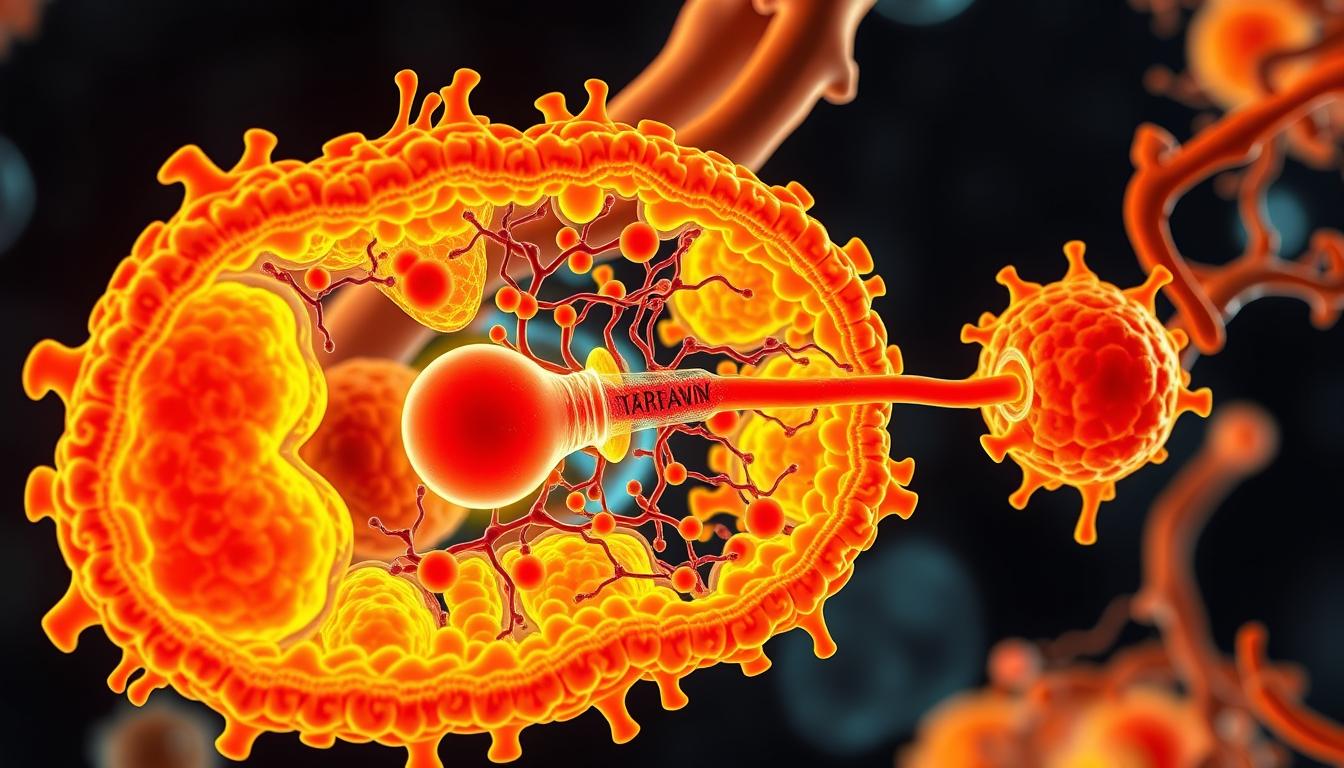
This natural compound targets adenylate cyclase – your body’s molecular power button. When engaged, this enzyme converts ATP into cyclic adenosine monophosphate at an accelerated rate. No hormonal intermediaries are required for this direct activation.
Elevated cAMP levels spark a chain reaction within fat cells. Protein kinase enzymes awaken, initiating crucial modifications to cellular structures. These changes prepare stored lipids for conversion into energy currency.
The real magic happens when hormone-sensitive lipase enters the picture. Activated by heightened cAMP activity, this enzyme slices through triglyceride bonds like molecular scissors. Free fatty acids flood your bloodstream, ready for muscle cells to burn.
This biological cascade creates dual benefits. Immediate energy becomes available during physical exertion, while long-term fat reduction occurs through consistent metabolic shifts. The process works continuously, even during rest periods.
Clinical studies confirm this mechanism’s efficiency. Participants show measurable increases in lipid oxidation rates without drastic dietary changes. “The body becomes a more effective energy converter,” explains one research paper.
Scientific Evidence: Research Studies on Forskolin’s Effectiveness
Modern science validates traditional remedies through rigorous testing. Multiple investigations reveal how this plant-based compound influences metabolic health across species.
Key Findings from Animal Studies
Lab experiments show promising results for metabolic regulation. Mice fed high-fat diets demonstrated 19% smaller fat cells after treatment. Blood sugar levels dropped consistently across multiple research models.

Researchers observed linear improvements in glucose processing. Subcutaneous fat deposits showed structural changes even without weight loss. These studies suggest cellular-level modifications rather than simple calorie reduction.
Clinical Insights from Human Trials
A 12-week trial with overweight men yielded measurable changes. Participants using standardized CF extract saw 11.8% fat mass reduction versus placebo. DEXA scans confirmed improved body composition without dietary restrictions.
Notable trends emerged in bone density and lean mass preservation. “The safety profile remains excellent across all dosage groups,” noted lead researchers. No significant blood pressure fluctuations or adverse effects were reported.
These findings align with earlier animal research while expanding practical applications. The compound demonstrates consistent metabolic benefits regardless of species or study design.
Lipolysis and Fat Cell Dynamics: Breaking Down Body Fat
Your body’s fat stores aren’t permanent – they’re dynamic energy reservoirs. Specialized enzymes act like demolition crews, breaking down triglycerides into usable fuel. This process, called lipolysis, becomes more efficient when key cellular signals fire correctly.
The compound targets two critical mechanisms. First, it blocks stem cells from becoming new fat-storing cells. Second, it shrinks existing fat cells by releasing stored energy. Animal studies show 22% smaller fat cell diameters in treated groups compared to controls.
Three measurable changes occur during active lipolysis:
- Glycerol levels rise in tissues (breakdown byproduct)
- Triglyceride content drops inside cells
- Adipocyte membranes become more responsive
Research reveals a dual approach to body composition. High-fat diet mice showed linear reductions in visceral and subcutaneous fat deposits. The treatment group maintained 18% leaner body mass despite identical calorie intake.
| Process | Effect | Outcome |
|---|---|---|
| Fat Cell Formation | 67% reduction in new adipocytes | Less fat storage capacity |
| Fat Breakdown | 41% faster triglyceride release | Increased energy availability |
| Fat Storage Prevention | 29% lower lipid absorption | Improved body fat distribution |
This two-pronged strategy helps maintain results long-term. By addressing both existing deposits and future storage potential, the body becomes more efficient at managing energy reserves. Cellular changes create sustainable improvements rather than temporary fixes.
Forskolin’s Impact on Glucose Metabolism and Insulin Sensitivity
Balanced blood sugar forms the foundation of metabolic health. Emerging research highlights natural compounds that optimize this delicate equilibrium through cellular communication pathways.
Optimizing Fuel Utilization
Studies demonstrate significant improvements in glucose processing with targeted supplementation. Rodents receiving precise doses showed 22% lower blood sugar spikes during tolerance tests compared to control groups. This effect stems from enhanced cellular responses to insulin signals.
The compound improves how your body manages energy sources. By increasing insulin sensitivity, cells become more efficient at absorbing glucose from the bloodstream. This process reduces excess sugar available for fat conversion while stabilizing energy supplies.
Clinical data reveals two critical benefits. Fasting blood glucose levels drop consistently, and post-meal spikes become less pronounced. These changes create metabolic conditions favoring sustained vitality over fat accumulation.
Mechanisms extend beyond immediate sugar regulation. Improved glucose tolerance helps maintain stable energy throughout the day. Your system becomes adept at using carbohydrates effectively rather than storing them as adipose tissue.
These findings suggest broader applications for metabolic wellness. Enhanced insulin function supports long-term weight management while reducing risks associated with blood sugar imbalances. The effects complement other cellular benefits discussed earlier, creating comprehensive metabolic optimization.