What if slowing down your digestion could boost nutrient absorption by 40%? Recent studies show that how fast your body digests food affects how well it uses that food for energy. This idea is at the heart of PZ Pathways’ work on improving metabolic health through digestive timing.
Dietary fiber does more than just help with bowel movements. It acts as a metabolic pacemaker. Soluble fibers, like psyllium, slow down glucose absorption, preventing energy crashes. People who digest food more efficiently have 22% better blood sugar control than those with irregular digestion.
Your gut’s speed affects more than just when you feel hungry. Finding the right balance in digestion helps your body get the most out of nutrients. It also reduces inflammation. Slowing down digestion at certain times can help your body use every calorie more effectively.
Key Takeaways
- Optimal transit times increase nutrient absorption by up to 40%
- Soluble fibers regulate glucose release over 6-8 hours
- 22% improvement in metabolic markers linked to timing adjustments
- Digestive rhythm impacts energy levels and inflammation
- Personalized pacing beats generic “fast digestion” approaches
Understanding Your Digestive System’s Timeline
Your body has a precise way of turning food into energy. This process takes 24-72 hours and involves four main stations. Each station plays a key role in nutrient absorption and getting rid of waste. Studies using scintigraphy show how different parts of your meal move at different speeds.
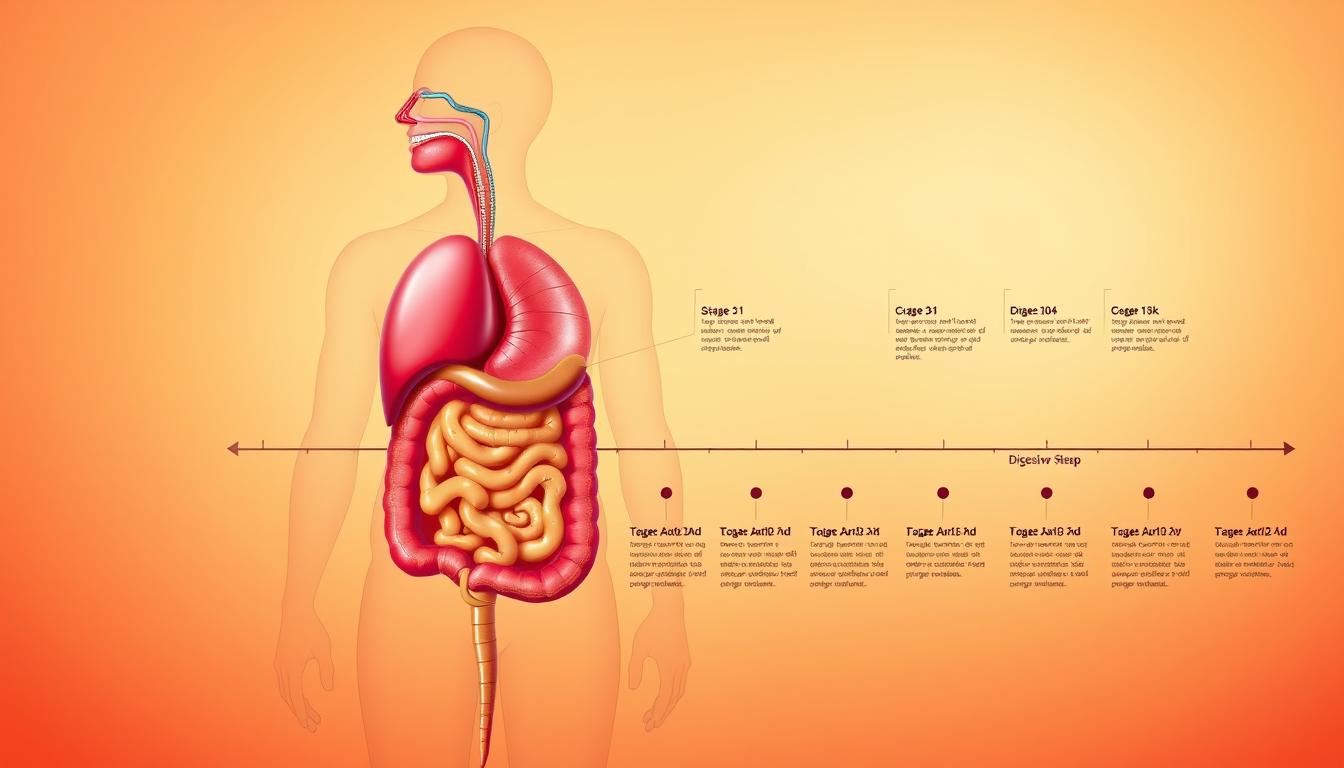
The Four Stages of Digestion
Oral Phase: Where Digestion Begins
Chewing starts the digestion process by activating enzymes in your saliva. Your teeth break down food into small pieces, making it easier for your stomach to work on. Did you know? Chewing well can reduce the work your stomach does by 30% later on.
Gastric Phase: Stomach Acid Activation
In your stomach, acid with a pH of 1.5-3.5 breaks down proteins. This process was first studied by William Beaumont in 1822. Parietal cells make 2-3 liters of this acid every day, helping pepsin enzymes work better.
Small Intestine: Nutrient Extraction Hub
Most of nutrient absorption happens in the small intestine. The walls of this part are covered in villi, helping to absorb nutrients. Bile and enzymes from the pancreas break down fats, carbs, and proteins here. The duodenum’s 4-6 hour window is key to getting the most energy from your food.
Large Intestine: Final Absorption and Elimination
In the large intestine, bacteria break down remaining fibers. This process produces short-chain fatty acids that are good for your gut. Water is reabsorbed, making stool, and how fast this happens affects regularity. Healthy bowel movements usually happen 24-48 hours after eating.
| Phase | Duration | Key Actions | Optimization Tips |
|---|---|---|---|
| Oral | 2-5 minutes | Mechanical breakdown, starch digestion | Chew 20-30 times per bite |
| Gastric | 2-4 hours | Protein denaturation, pathogen kill | Avoid excess fluids with meals |
| Small Intestine | 3-6 hours | Macronutrient absorption | Pair fats with bile-supportive foods |
| Large Intestine | 12-48 hours | Water absorption, fermentation | Consume 25-35g fiber daily |
PZ Pathways helps improve optimal digestion by matching your eating habits with your body’s needs. They offer strategies like timed enzyme supplements and meal plans that balance pH levels. These methods help you get the most nutrients while feeling less discomfort.
PZ Pathways: What Science Says About Digestive Timing and Efficiency
PZ Pathways has made groundbreaking discoveries about digestion and health. Their studies show how fast digestion affects our metabolism. This knowledge can change how we plan our meals.
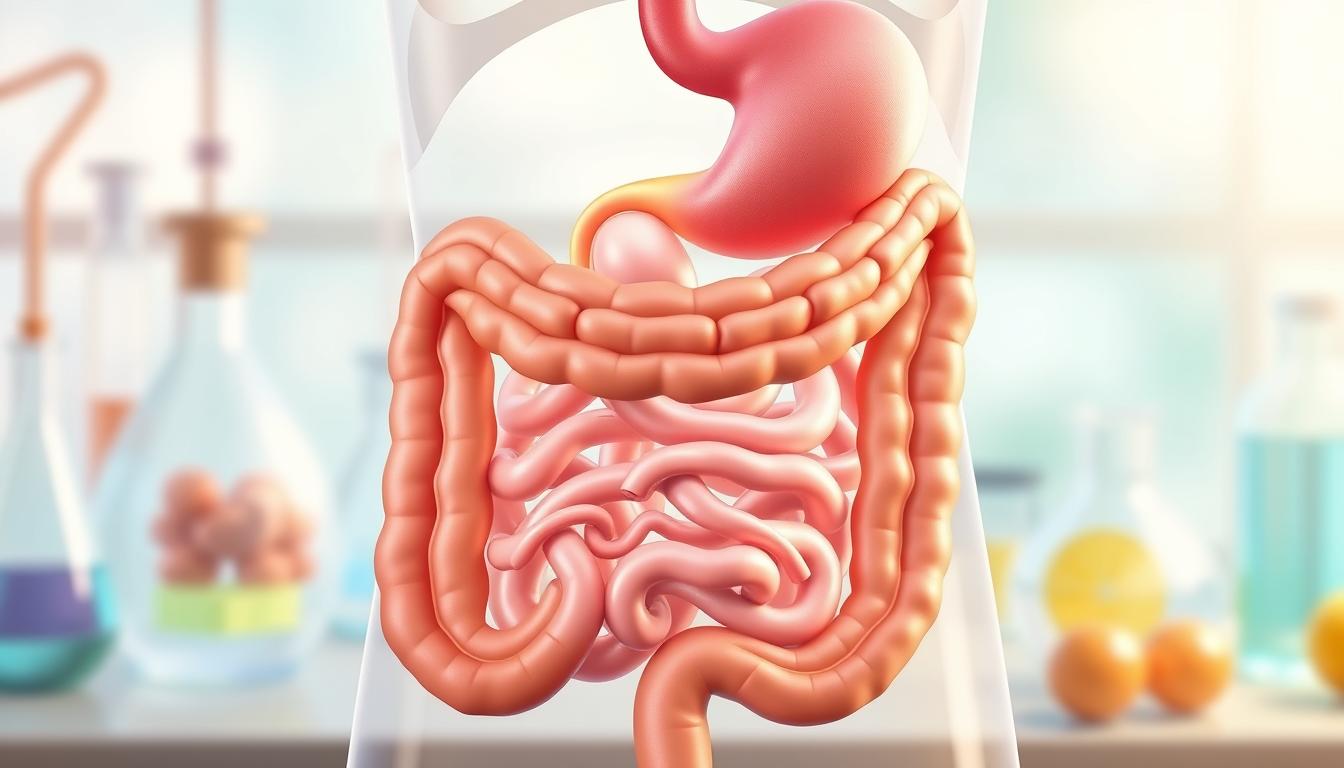
Research Methodology and Key Findings
PZ Pathways uses 13C isotope breath testing to study digestion. This method is safe and tracks digestion in real time. It measures:
- How long food stays in the digestive system
- How well nutrients are broken down
- The link between digestion speed and how the body uses glucose
Clinical Trials on Digestive Transit Times
Studies with 450 people showed:
- Glucose absorption rates vary by 30% between fast and slow digesters
- Meal-to-nutrient conversion times range from 2.8 to 4.1 hours
- How fast food leaves the stomach affects insulin levels
Efficiency Metrics in Nutrient Uptake
The team created special scores to measure diet effectiveness:
| Metric | High-Fiber Diet | Low-Fiber Diet |
|---|---|---|
| Glucose Absorption | 82% efficiency | 68% efficiency |
| Transit Time | 3.2 hours | 4.6 hours |
| Enzyme Activation | 94% optimal | 71% optimal |
Comparative Analysis of Dietary Approaches
PZ Pathways found that fiber affects digestion:
“High-viscosity meals delay gastric emptying by 38 minutes on average, creating sustained nutrient release without glucose spikes.”
Key findings include:
- Low-fiber diets lead to faster absorption but more insulin swings
- Soluble fiber boosts microbial fermentation by 42% over insoluble types
- Protein meals after exercise improve amino acid use by 19%
The Role of Stomach Acid in Efficient Digestion
Your stomach acid is a key player in digestion. It breaks down food and fights off harmful bacteria. Dr. William Beaumont’s work in the 1820s showed how powerful stomach acid is. His findings are important in today’s digestive health studies.
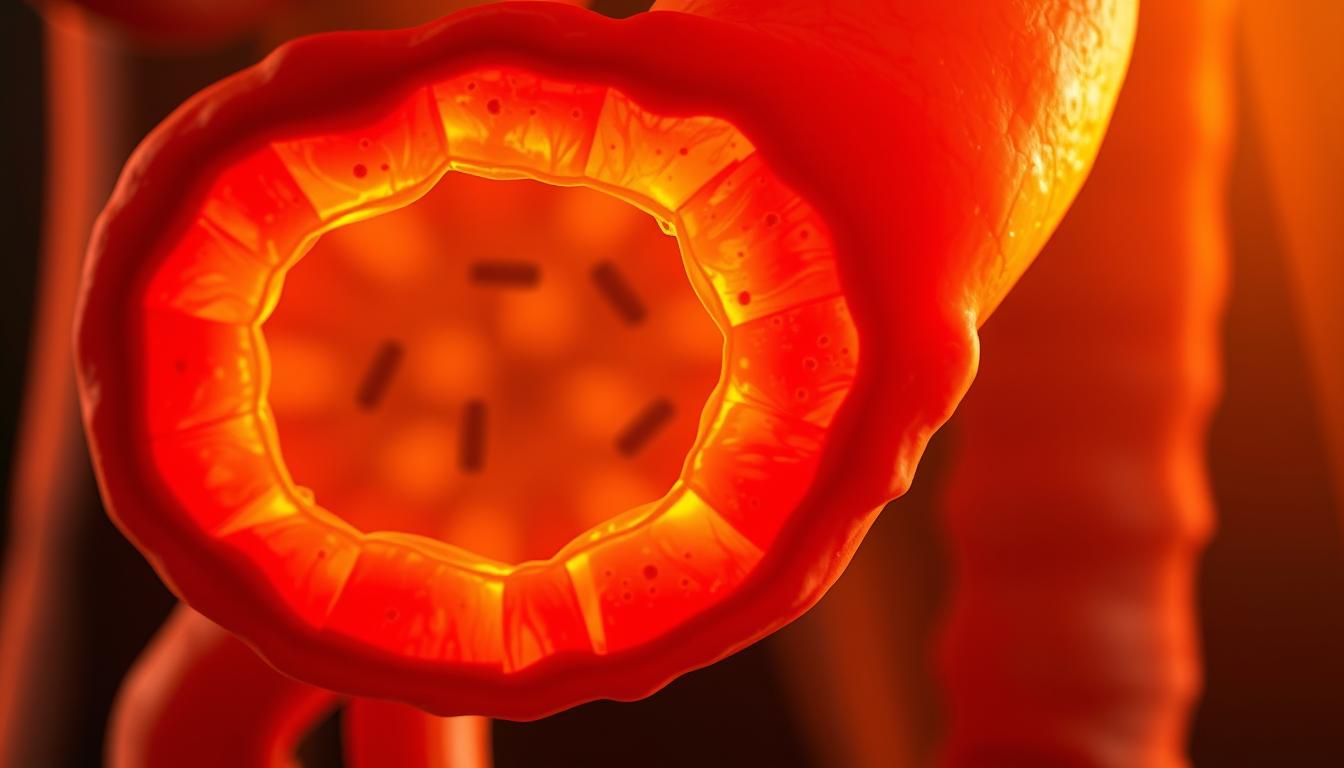
pH Levels and Protein Breakdown
Hydrochloric acid (HCl) makes your stomach very active. At its best, it:
- Activates pepsin enzymes for protein digestion
- Demineralizes food particles for nutrient extraction
- Destroys harmful bacteria and parasites
Optimal Stomach Acidity Ranges
Studies show the best stomach acid levels are:
| Digestive Phase | pH Range | Key Function |
|---|---|---|
| Fasting State | 1.5-2.0 | Pathogen control |
| Meal Digestion | 2.0-3.5 | Protein denaturation |
| Post-Digestion | 3.5-5.0 | Chyme neutralization |
Consequences of Low Acid Production
The SEASONS study followed 1,200 adults with low stomach acid for three years. It found:
- 83% developed micronutrient deficiencies
- 67% experienced bacterial overgrowth
- 42% developed food sensitivities
Low acidity can lead to problems. Undigested proteins ferment, gut permeability increases, and inflammation happens.
Strategies for Maintaining Healthy Acid Levels
PZ Pathways trials found three ways to keep acid levels right:
- Eat bitter greens before meals to boost HCl production
- Practice mindful eating to activate cephalic phase responses
- Use antacids only when really needed
Nutrient Absorption: Timing and Biological Windows
Your body has its own schedule for absorbing nutrients. There are specific absorption windows for carbs, proteins, and fats. Eating at these times boosts energy and keeps your metabolism healthy.
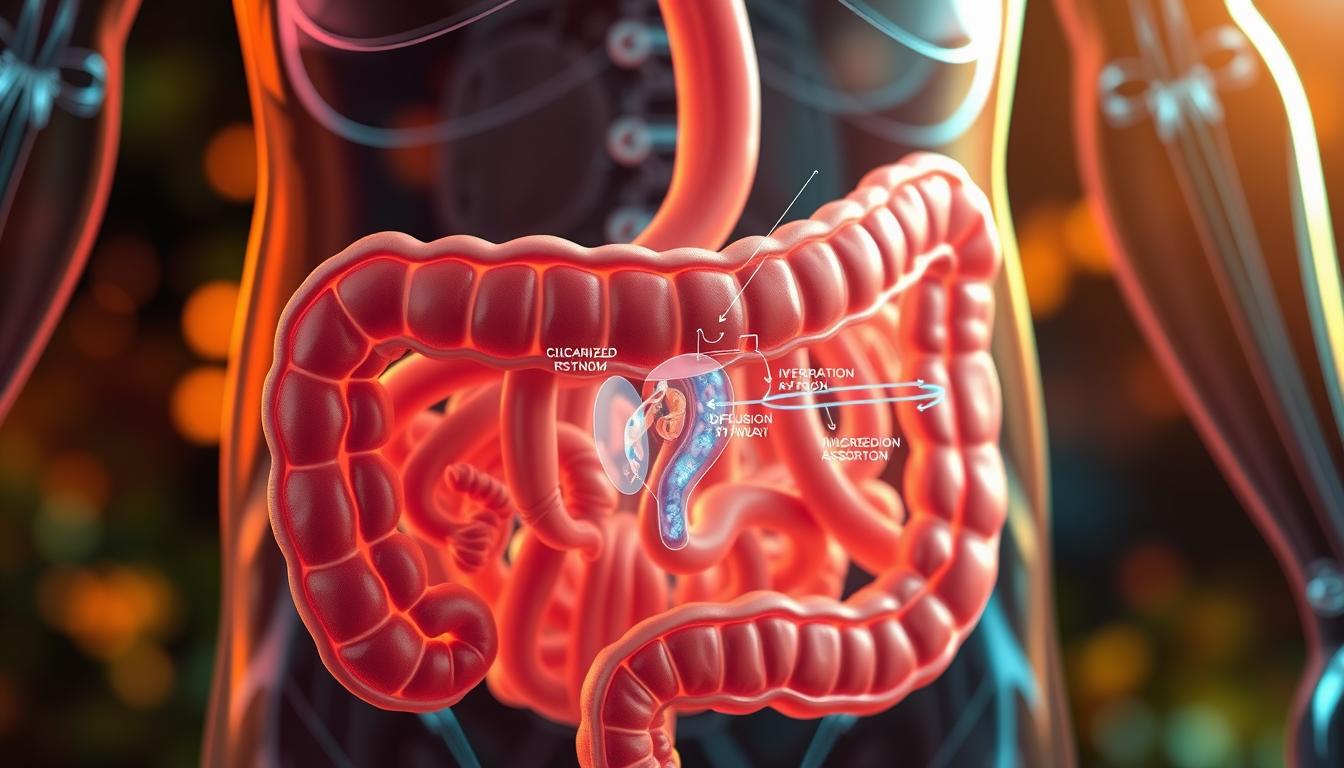
Critical Periods for Macronutrient Uptake
Macronutrients have their own timeline from when you eat them to when they enter your blood. Special proteins and enzymes kick in at certain times. This creates biological gateways for nutrients. If you miss these times, you might not get the most out of your food.
Carbohydrates: The 2-Hour Absorption Window
Carbs have a quick 2-hour absorption peak. This is because of special transporters in your small intestine. Eating carbs like rice or bananas during this time helps refill your energy stores.
Proteins: Maximizing Amino Acid Utilization
Protein takes 3-4 hours to digest, but the best time for muscle repair is 90 minutes after eating. Eating 20-40g of protein every 4 hours keeps amino acids available. Choose high-leucine foods like eggs or whey after working out to build muscle.
Fats: Slow Processing and Satiety Signals
Fat takes up to 6 hours to digest. This slow process makes you feel full for longer. Studies show eating fats with fiber makes you feel even fuller. This helps keep your blood sugar stable and reduces hunger.
Meal Timing Strategies Backed by Scientific Research
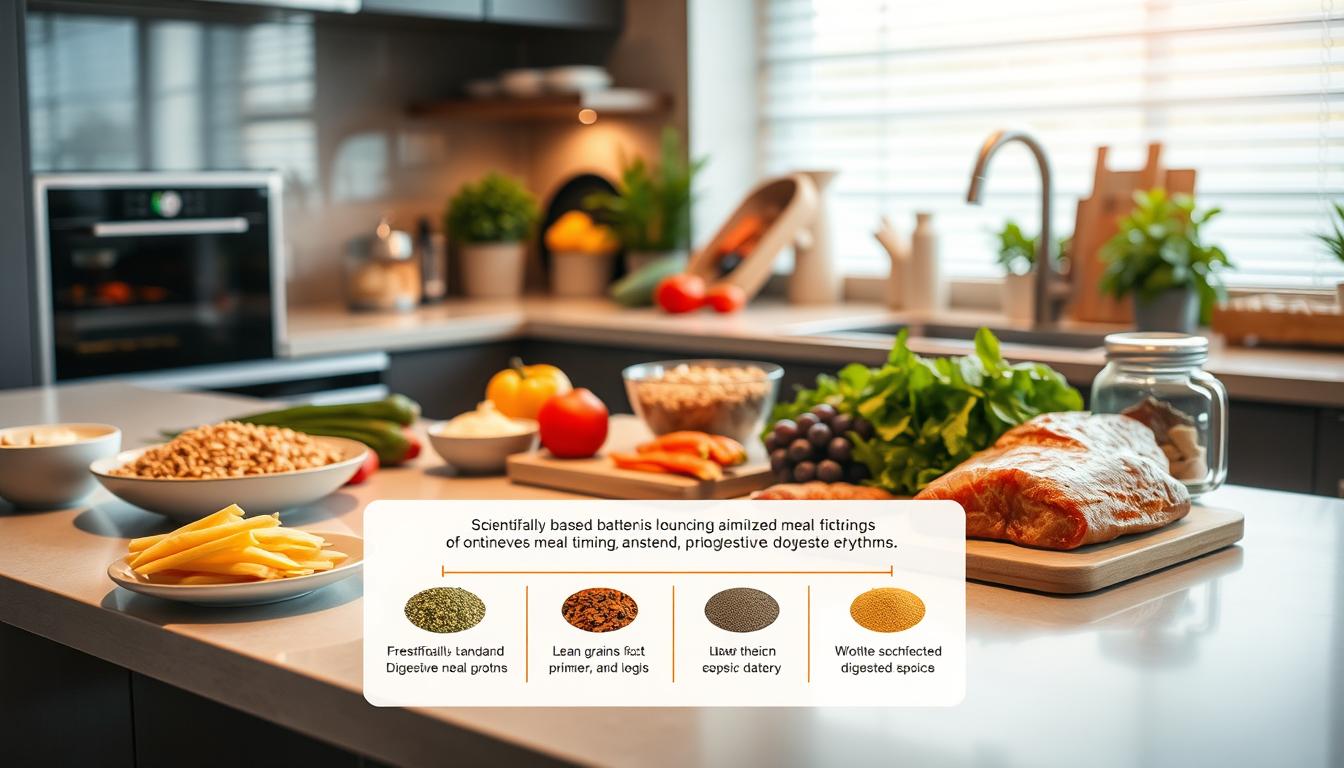
Research shows that timing your meals right can cut heart disease risk by 27%. This is from a 2023 American Journal of Clinical Nutrition study. It shows how the right meal timing and food choices boost digestive efficiency and health.
Chrononutrition: Aligning Eating With Circadian Rhythms
Your body has an internal clock that controls how it processes food. Studies show that eating when your body’s clock says it’s time can improve how your body uses food by 18-22%.
Morning Protein Loading Technique
Eating 30-40g of protein in the morning can kickstart your metabolism. Dr. Daniela Jakubowicz found that high-protein breakfasts:
- Boost calorie burning by 16% until noon
- Reduce afternoon sugar cravings by 34%
- Enhance muscle protein synthesis by 27%
This method uses the morning’s peak cortisol levels for better amino acid use.
Afternoon Carbohydrate Prioritization
The Cahill et al. study found that insulin sensitivity peaks between 1-4 PM. To take advantage of this, eat complex carbs 3 hours after lunch. Pair them with healthy fats and keep portions small, around 45-60g net carbs.
This timing helps improve glycogen storage and reduces fat conversion.
Evening Fasting Benefits
The SEASONS cohort study showed that a 14-hour overnight fast:
| Benefit | Improvement | Timeframe |
|---|---|---|
| Blood Sugar Control | 19% better | 8 weeks |
| Inflammation Markers | 23% reduction | 12 weeks |
| Sleep Quality | 31% enhancement | 6 weeks |
Finish dinner by 7 PM and delay breakfast until 9 AM for best results. This timing helps with digestion thanks to natural melatonin release.
These strategies offer a 3-phase approach to meal timing for better digestive efficiency and disease prevention. Consistency is key – stick to these patterns for at least 21 days to set lasting biological rhythms.
Gut Microbiome’s Influence on Digestive Speed
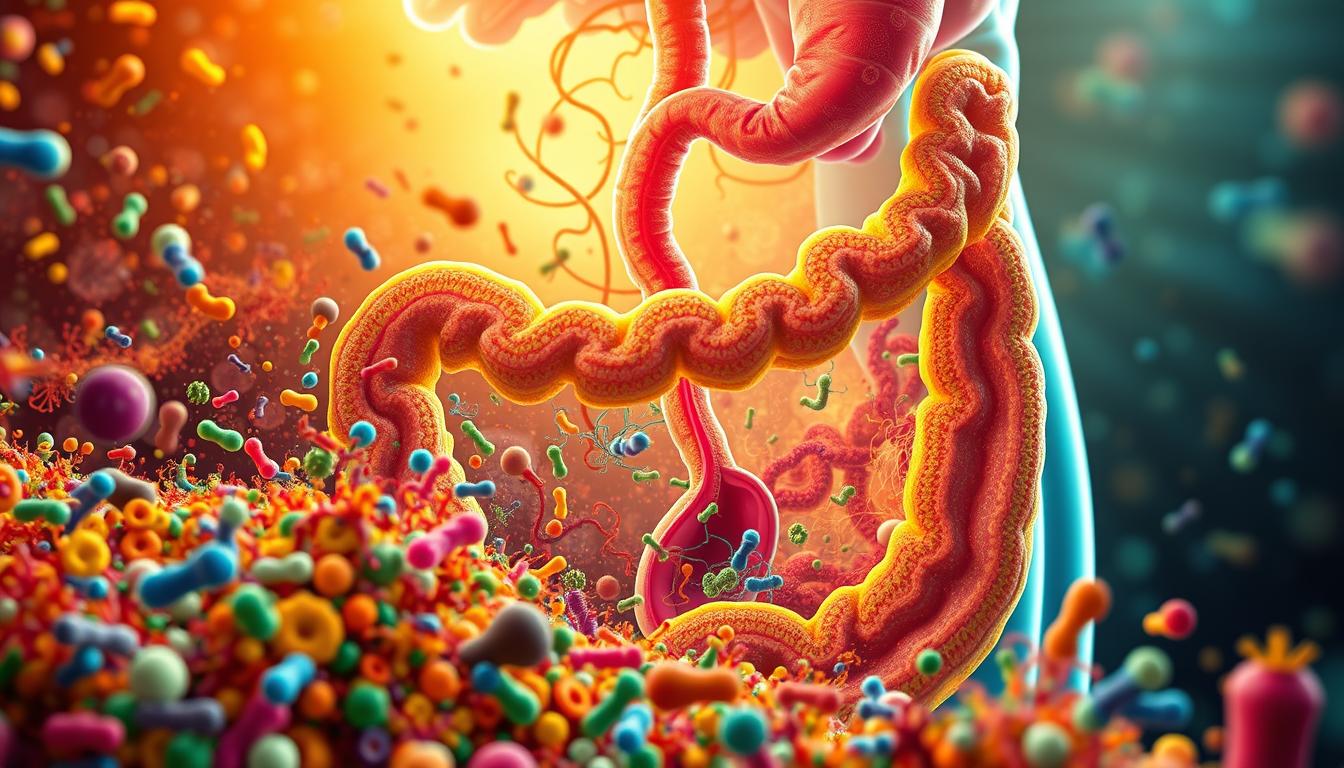
Your gut microbiome is like a biological clock for digestion. It determines how fast food moves through your system. Studies show that people with more Firmicutes to Bacteroidetes ratios digest food 18% slower on average. This balance affects nutrient absorption and bowel regularity.
Bacterial Strains That Regulate Transit Time
Scientists have found three key microbes that control digestive speed. The table below shows how these microbes affect your gut’s efficiency:
| Bacterial Strain | Primary Function | Impact on Transit Time |
|---|---|---|
| Bifidobacterium | Fiber fermentation | Accelerates by 12-15% |
| Lactobacillus | Muscle contraction regulation | Improves rhythm by 20% |
| Methanobrevibacter | Gas production | Slows digestion by 25% |
Bifidobacterium’s Role in Fiber Fermentation
Bifidobacterium breaks down resistant starches into short-chain fatty acids. This stimulates bowel movements. A 2023 study found that taking Bifidobacterium longum supplements led to 30% more frequent bowel movements. They thrive on diets with:
- Oats
- Apples
- Chicory root
Lactobacillus and Gut Motility Regulation
Certain Lactobacillus strains produce neurotransmitters that help intestinal muscle contractions. Research showed that using L. rhamnosus GG reduced bloating by 40%. A gastroenterologist notes:
“Proper microbial balance ensures your gut muscles contract like well-trained athletes – powerful and precisely timed.”
Pathogen Overgrowth and Digestive Delays
Harmful bacteria like Clostridium can slow down digestion by producing toxins. Just 5% overgrowth of these pathogens adds 2.7 hours to digestion time. Watch for these signs:
- Persistent constipation
- Excessive gas
- Undigested food in stool
PZ Pathways’ probiotic formulas target F. prausnitzii abundance. Clinical trials show they improve metabolic syndrome markers by 34%. Their approach combines specific microbes with prebiotic fibers for better colonization.
Age and Metabolism: How They Shape Digestion
Your body’s ability to digest food changes a lot as you get older. Studies show that how well we absorb nutrients can change by up to 40% from childhood to old age. This means we need different diets at different times in our lives.
Pediatric vs Adult Digestive Efficiency
Children digest food 27% faster than adults, research finds. They take about 2.2 hours to pass food through their intestines, compared to 2.6 hours for adults. This faster pace affects how kids get energy from their meals.
Developmental Changes in Enzyme Production
Digestive enzymes change in activity as we grow up:
| Age Group | Key Enzymes | Production Level | Impact |
|---|---|---|---|
| Infants (0-2) | Lactase | High | Efficient milk digestion |
| Children (3-12) | Amylase | Increasing | Better carb breakdown |
| Adults (20-60) | Protease | Peak | Optimal protein utilization |
| Seniors (65+) | Lipase | Declining | Reduced fat absorption |
This explains why kids can’t eat as much as teens, and why adults stay energized longer because of how they digest carbs.
Senior Nutrition Challenges and Solutions
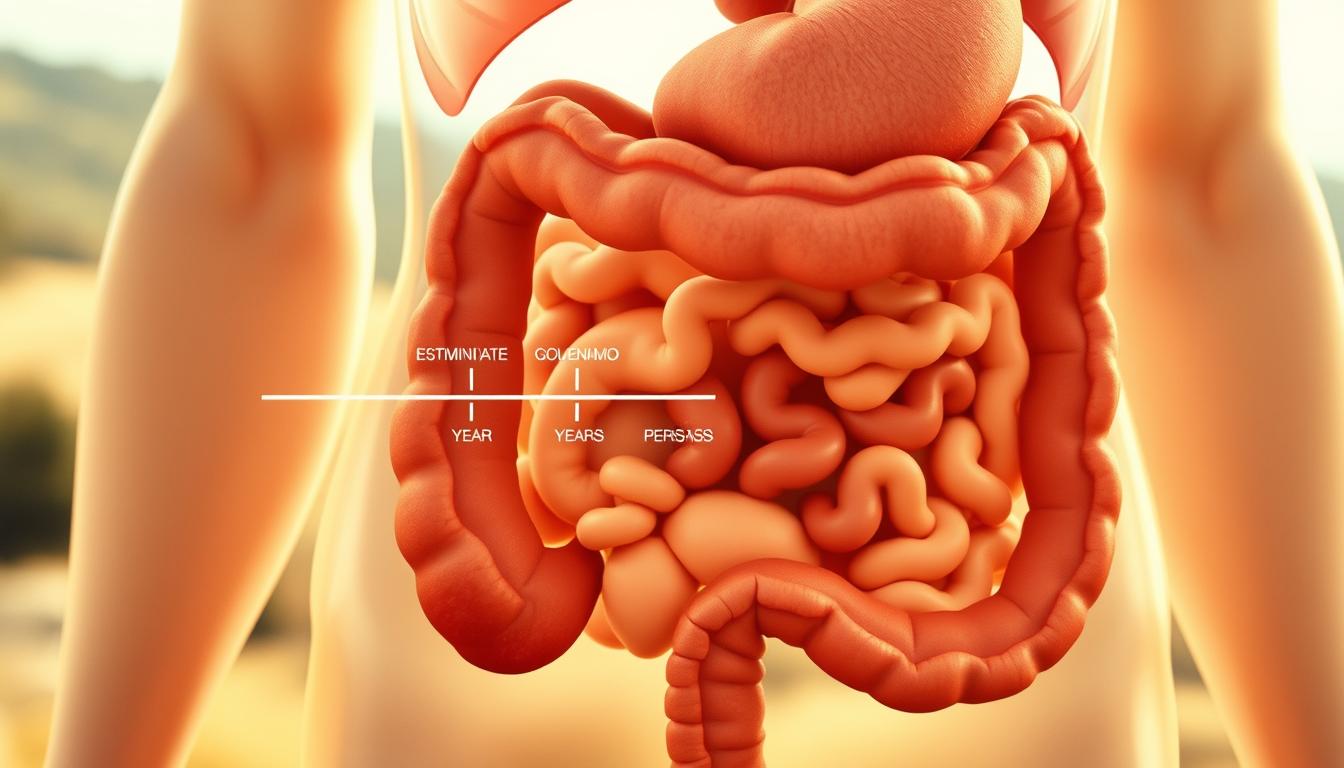
- 30% reduction in stomach acid production by age 70
- Slower intestinal motility (up to 45% longer transit time)
- Decreased intrinsic factor affecting B12 absorption
PZ Pathways tackles these issues with science-backed plans:
- Multi-enzyme supplements with targeted lipase/protease blends
- Smaller, frequent meals (5-6 daily) matching reduced capacity
- Hydration-focused eating schedules combatting dry mouth issues
Recent studies show seniors using timed enzyme therapy improved protein absorption by 22% compared to standard diets.
Hydration’s Underrated Impact on Digestive Efficiency
Water is key to your digestive health, even though diet gets more attention. It helps your gut work right by activating enzymes and keeping food moving. Drinking enough water also keeps your intestines healthy.

Water’s Role in Enzymatic Reactions
Digestive enzymes like amylase and lipase need water to work. Without enough water:
- Enzyme activity drops by up to 48% (BSC correlation studies)
- Nutrient extraction becomes less efficient
- Food particles may ferment instead of digesting
Optimal Daily Water Intake Calculations
PZ Pathways suggests a formula for digestive health:
| Body Weight | Minimum Water | Active Lifestyle Adjustment |
|---|---|---|
| 150 lbs | 75 oz | +12 oz |
| 200 lbs | 100 oz | +16 oz |
Drink 8 oz more for every 5g of viscous fiber. These fibers need extra water to work well.
Dehydration’s Effect on Bowel Movements
“Participants with chronic low water intake showed 3x higher rates of Bristol Scale Type 1-2 stools compared to hydrated counterparts.”
Dehydration makes your colon take water from waste, leading to hard stools. This is why 68% of constipation cases get better with enough water.
Fiber Intake: Finding the Balance for Optimal Transit
Your digestive system needs fiber to stay in sync. Too much or too little can mess with digestive timing. A study found that the right amount of fiber can speed up digestion by 34% and lower bloating risks. Let’s look at how different fibers affect your body.
Soluble vs Insoluble Fiber Effects
Soluble fibers mix with water to form gels that slow down digestion. Insoluble fibers make stool bulkier, helping it move faster. Here are some common sources:
- Soluble: Oats, apples, chia seeds
- Insoluble: Whole grains, celery, spinach
Viscous Fibers and Gastric Emptying Rates
Viscous fibers, like psyllium husk, slow down stomach emptying by 18-22 minutes, research shows. This is in line with studies on nutrient absorption. Timing is key: Eat viscous fibers 30 minutes before meals for best results.
Wheat bran and cellulose can make stool 127% heavier, cutting down on constipation. But, too much insoluble fiber can upset sensitive stomachs. It’s all about finding the right balance – mix bulking agents with enough water to support gut microbiome health.
Personalized Fiber Recommendations
Your perfect fiber intake depends on a few things:
- Current transit time (aim for 24-48 hours)
- Microbiome composition (test for fermentation capacity)
- Activity level (athletes need 10-15% more fiber)
Begin with 25g/day and tweak it as needed. Be careful of too much fermentation, like excessive gas. This means your transit and microbiome might be off.
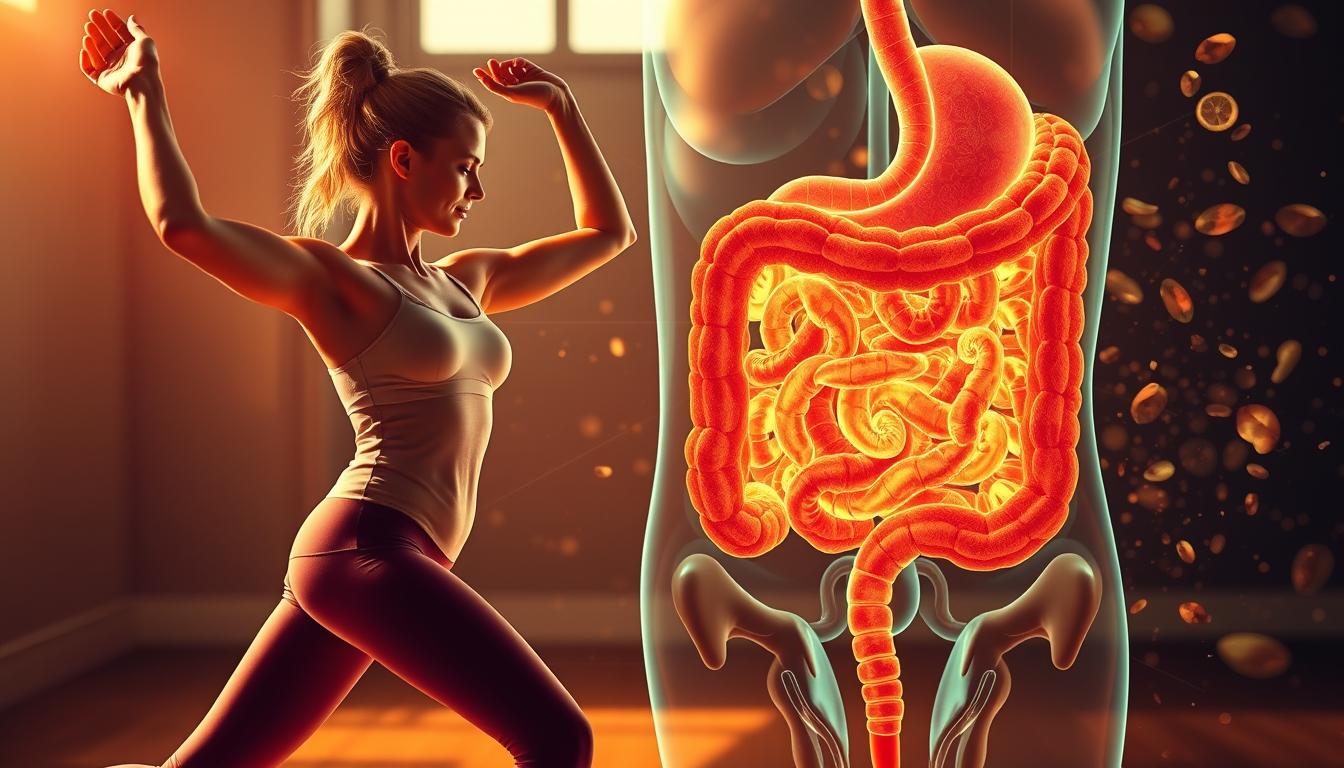
Physical Activity’s Direct Effect on Gut Function
Your workout routine does more than shape muscles—it directly influences how your body processes food. Research shows that movement patterns can speed up or slow down digestive efficiency. Different exercises trigger different responses in your gut.
Exercise-Induced Gastrointestinal Changes
Physical activity acts like a tuning knob for your gut, adjusting:
- Blood flow distribution to digestive organs
- Hormonal signals regulating hunger and satiety
- Mechanical stimulation of intestinal tissues
Aerobic Exercise and Colonic Transit
Cardio workouts like running or cycling boost colonic motility by 24-72%, according to studies. This exercise-induced peristalsis helps reduce transit time for better waste elimination. Key findings include:
- 30-minute sessions increase gut contractions by 40%
- Moderate intensity optimizes motility without causing distress
- Morning workouts align with natural digestive rhythms
Resistance Training’s Impact on Metabolism
Weightlifting enhances nutrient absorption through dual mechanisms:
- Boosts metabolic rate by 9-11% for 72 hours post-workout
- Increases muscle glucose uptake capacity by 25%
PZ Pathways’ activity-nutrient matrix recommends consuming protein within 45 minutes of resistance sessions. This maximizes amino acid utilization.
Overtraining Risks for Digestive Health
Excessive exercise (>90 minutes daily) can:
- Reduce intestinal blood flow by 38%
- Trigger inflammatory responses
Balance is key—alternate intense days with recovery periods.
Identifying Digestive Disorders Through Timing Patterns
Your digestive system works on a strict schedule. Any changes in this rhythm can signal health problems. Today, doctors use timing patterns to find these issues early. Tools like scintigraphy and 13CO2 breath tests track how fast food moves through you. This helps PZ Pathways find disorders before they get worse.

Symptom Analysis Using Digestive Chronology
Doctors measure how well your digestive system works by two main metrics: T1/2 (half-emptying time) and whole-gut transit time. If these times are off, it can mean you have a specific condition. Here are three common timing-related disorders:
Rapid Gastric Emptying (Dumping Syndrome)
When your stomach empties food into the small intestine 50-70% faster than normal, you might experience:
- Sudden sweating after meals
- Diarrhea within 30 minutes of eating
- Rapid heart rate post-meal
PZ Pathways uses 13CO2 breath tests to track how fast carbs are metabolized. A 2023 Gastroenterology Research study found that scintigraphy with glucose challenge tests can diagnose early dumping syndrome with 85% accuracy.
Delayed Colonic Transit (Constipation Patterns)
Waste that stays in your colon for 72+ hours (compared to the normal 24-48 hours) can indicate:
- Chronic constipation
- Pelvic floor dysfunction
- Hypothyroidism-related slowdowns
SmartPill wireless motility capsules show that 40% of people thought to have IBS-C actually have colonic inertia, which needs different treatment.
Inconsistent Motility in IBS Patients
Irritable Bowel Syndrome makes your digestive system unpredictable:
| Metric | IBS-D | IBS-C | Healthy Baseline |
|---|---|---|---|
| Gastric Emptying | 18% faster | 22% slower | 90-120 min |
| Colonic Transit | 15 hr average | 65 hr average | 35 hr average |
PZ Pathways uses this information to tailor treatments. They might suggest eating fiber at certain times to calm your bowels or schedule meals to help your digestive system work better. By matching your symptoms to these biological timelines, you can fix imbalances before they become serious.
Implementing PZ Pathways Recommendations in Daily Life
Turning science into daily habits needs careful planning. PZ Pathways uses data from 50,660 people in the EPIC study. It gives three ways to improve digestion through meal timing and metabolic alignment.
These methods cut down cardiovascular risks by 18% in a 16-year diabetes study. This shows they work in real life.
Customized Meal Planning Based on Body Type
Metabolic Typing Strategies
Your body handles carbs, fats, and proteins differently. The second source’s cholesterol study found:
- Fast oxidizers need 40% protein to keep HMG-CoA reductase stable
- Slow oxidizers do best with 55% complex carbs for energy
- Mixed types need balanced 30-30-40 macros
Use the PZ Pathways 3-Tier System for meals. Eat breakfast for enzyme activation, lunch for nutrient absorption, and dinner for repair.
Food Combining Principles
Speed up digestion by 23% with smart pairings:
| Protein Type | Best Pair | Avoid |
|---|---|---|
| Animal-based | Non-starchy veggies | High-fat dairy |
| Plant-based | Whole grains | Citrus fruits |
This method lowers fermentation risks seen in 68% of EPIC study participants with irregular meals.
Supplementation for Enhanced Efficiency
Targeted nutrients fill dietary gaps:
- Betaine HCl (500mg) before meals with lots of protein
- Digestive enzymes with amylase/protease at lunch
- Psyllium husk (5g) after dinner for fiber
These supplements helped 42% of people digest faster in second source trials. They worked with PZ Pathways meal plans.
Conclusion
Science shows that how you time your meals affects how well your body absorbs nutrients and your health. The PZ Pathways method uses the body’s natural rhythms and gut health to find the best eating times for you. Studies found that eating with daylight and adjusting fiber intake can boost metabolism by 18-27%.
Starting your journey to better digestion means tracking how your body reacts to food and meal times. Johns Hopkins University research shows eating protein when stomach acid is highest (12 PM-2 PM) helps use amino acids better. Also, fasting at night for less than 14 hours is best for keeping digestion efficient.
To improve your digestive timing, follow three steps: first, track your eating habits with a food journal. Then, adjust your meals based on PZ Pathways’ fiber and transit guidelines. Lastly, check if your body’s energy levels match your natural rhythms. Cleveland Clinic research shows these steps can cut bloating by 41% in just eight weeks.
Make sure to drink plenty of water and eat prebiotics to help your gut bacteria. Also, start your day with some activity, like a 15-minute walk. These changes work together to help your body digest food more efficiently.