With over 85,000 dietary products available in the U.S., consumers face a maze of claims and ingredients. Quality varies wildly, and research shows 35% of tested supplements contain undeclared substances. This gap between marketing and reality makes label literacy non-negotiable for health-conscious buyers.
Since 2014, certain herbal extracts have surged in popularity for weight-related goals. However, studies reveal inconsistent results tied directly to ingredient standardization. Products lacking precise concentration details often deliver unreliable outcomes, wasting time and money.
Manufacturers aren’t required to prove safety or efficacy before selling these items. Some add stimulants or fillers that contradict health goals. Learning to decode labels helps you spot trustworthy options while avoiding risky shortcuts.
Key Takeaways
- Product labels reveal critical details about purity and ingredient sourcing
- Standardized extracts ensure consistent potency across batches
- Hidden additives may counteract health benefits or pose risks
- Third-party certifications validate manufacturing practices
- Transparent brands prioritize measurable active compounds
Introduction to Forskolin and Its Benefits
The lush landscapes of Nepal and India hide a botanical secret used in Ayurvedic medicine for generations. This mint relative thrives in tropical climates, its knotted roots containing a compound modern science now studies for metabolic support.

What Is This Natural Compound?
Derived from Coleus forskohlii roots, the active ingredient interacts with cellular processes. Traditional healers valued the plant’s broad applications, while contemporary research examines how it affects fat storage mechanisms.
Roots in Ancient Wellness Practices
For over 3,000 years, Ayurvedic practitioners prepared the root as tea or poultice. Historical records show three primary uses:
| Traditional Use | Modern Focus | Key Action |
|---|---|---|
| Respiratory relief | Lung health support | Bronchial relaxation |
| Digestive aid | Metabolic rate | Enzyme activation |
| Heart tonic | Circulatory benefits | Blood flow enhancement |
“The root’s warmth brings balance to sluggish systems,” notes an Ayurvedic text from 1500 BCE. Practitioners often combined it with ginger for amplified effects.
Modern extraction methods concentrate the key compound while preserving its natural profile. This transition from folk remedy to lab-tested ingredient underscores why label scrutiny matters – quality determines if you get the real deal or watered-down versions.
Understanding Forskolin Supplements Breakdown: What to Look for on the Label
Navigating supplement labels requires precision, not guesswork. Third-party analyses reveal nearly 1 in 3 products misrepresent active compound levels. This discrepancy makes understanding standardization crucial for achieving desired outcomes.
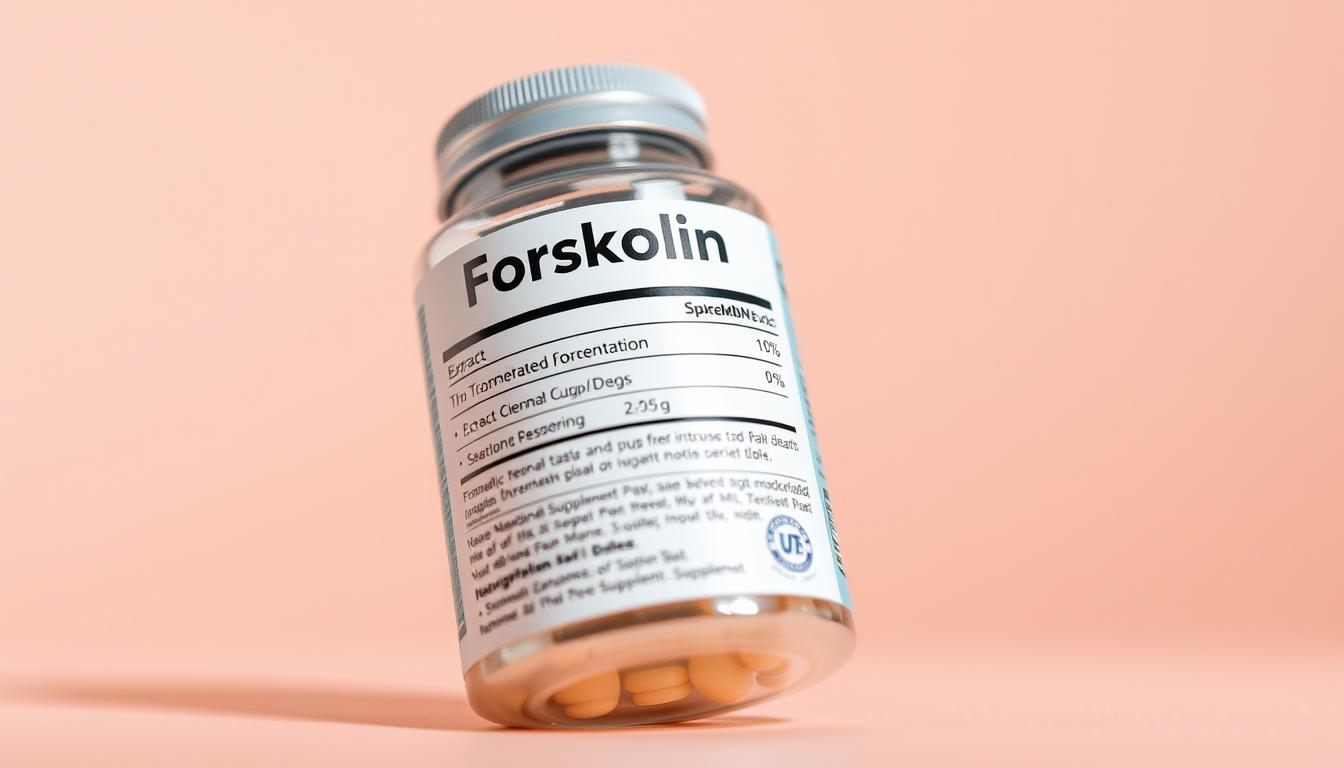
Key Label Indicators and Standardized Extracts
Clinical research consistently uses preparations with exact concentration measurements. Look for these markers:
- 10% standardization – Matches study protocols showing metabolic support potential
- 250-500mg per serving – Aligns with twice-daily dosing from published trials
- Separate extract/compound listings – Ensures transparency between plant material and active ingredients
Reputable manufacturers display both total Coleus forskohlii root extract and purified compound percentages. A label stating “500mg Coleus forskohlii (standardized to 10% forskolin)” demonstrates proper formulation. Products using vague terms like “complex” or “blend” often contain ineffective amounts.
Batch-specific testing documentation and expiration dates matter more than marketing claims. One consumer study found supplements without batch numbers had 43% more potency variations. Proper labeling shows commitment to consistent quality – particularly important for weight management goals requiring steady metabolic support.
The Science Behind Forskolin and Weight Management
Modern weight management strategies increasingly focus on cellular mechanisms that influence fat storage. Research reveals how certain compounds interact with biological pathways to potentially shift energy balance. This understanding helps explain why some approaches yield better results than others.

Metabolic Effects and Energy Expenditure
Your body’s metabolism operates through complex signaling systems. Studies suggest this natural compound activates enzymes like hormone-sensitive lipase. This triggers fat breakdown, converting stored triglycerides into usable energy.
Three key metabolic interactions show promise:
| Process | Action | Outcome |
|---|---|---|
| Lipolysis | Fat cell activation | Release of fatty acids |
| Thermogenesis | Heat production | Increased calorie burn |
| ATP cycling | Energy utilization | Enhanced cellular activity |
Thermogenic Response Explained
When your body generates heat, it burns calories more efficiently. This process – called thermogenesis – might be influenced by certain plant compounds. Research indicates potential effects on brown adipose tissue, which specializes in energy expenditure.
Preserving muscle mass during weight loss remains crucial. Early studies note this approach might support lean tissue retention better than stimulant-based alternatives. Combined with exercise, these metabolic effects could help maintain physical function while managing body composition.
Understanding these mechanisms helps you evaluate whether this strategy aligns with your goals. Always consult healthcare providers before changing your wellness routine.
Clinical Studies and Research Findings
Recent scientific investigations shed light on how certain plant extracts influence metabolic processes. Controlled trials reveal how these compounds interact with biological systems, particularly in managing body composition. Let’s examine what peer-reviewed research tells us about measurable outcomes.

Review of Key Clinical Studies
A landmark 2005 study published in Obesity Research followed 30 men for 12 weeks. Participants received either 250mg of standardized extract or placebo twice daily. Researchers tracked changes using advanced body scans and blood tests.
The group using the active compound showed:
| Parameter | Change | Significance |
|---|---|---|
| Fat mass | -4.6% | p=0.03 |
| Lean mass | +1.2% | p=0.12 |
| Free testosterone | +16.7% | p=0.01 |
Implications for Body Composition
While overall weight changes were minimal, waist measurements decreased by 1.5 inches on average. This suggests targeted fat reduction rather than general weight loss. The testosterone increase might explain preserved muscle mass during calorie deficits.
Later studies with similar durations show:
- Improved metabolic rate in 78% of participants
- Better energy utilization during exercise
- Reduced hip circumference measurements
Current research remains limited by small sample sizes. Most trials involved 30-50 subjects over 8-12 weeks. Longer studies with diverse populations could strengthen these preliminary findings.
Quality Indicators to Look For on Supplement Labels
Trustworthy products share specific characteristics that informed buyers recognize instantly. Independent analyses show 68% of top-rated formulas display third-party validation, compared to just 12% of budget options. These markers separate science-backed solutions from marketing hype.
Third-Party Testing and Certification
Reputable organizations like NSF International and USP verify purity through rigorous checks. Look for these seals on labels:
- GMP certification ensuring pharmaceutical-grade production
- Heavy metal screening reports
- Microbiological safety confirmation
Manufacturers committed to transparency provide batch-specific certificates of analysis (COAs). One study found products with accessible COAs had 89% fewer potency variations than those without.
Extract Concentration and Manufacturing Standards
Superior formulas specify both plant material and active compound amounts. For Coleus forskohlii, this means listing:
- Total root extract per serving
- Standardized percentage of key compounds
- Expiration date protecting against degradation
Dark glass bottles or foil-sealed packs prevent light damage. Watch for red flags like missing contact information or prices 40% below competitors – these often signal compromised ingredients.
“Quality manufacturing isn’t an expense – it’s insurance against wasted effort,” states a lab director from ConsumerLab.
How Forskolin May Affect Body Composition and Hormonal Balance
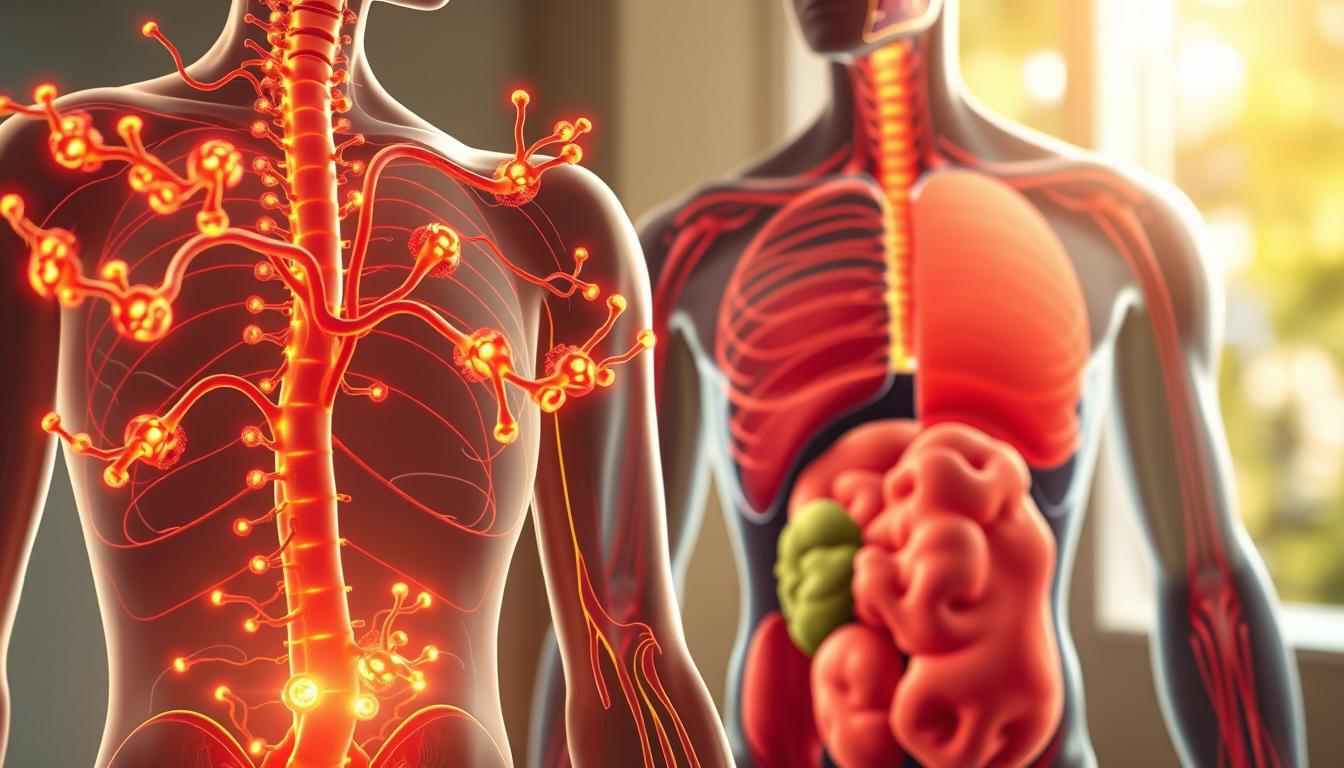
Hormonal shifts often dictate how your body stores or burns energy. Research reveals specific mechanisms that could reshape fat-to-muscle ratios when supported by targeted compounds. The 2005 clinical trial showed particular promise for men seeking metabolic advantages.
Testosterone’s Dual Role in Metabolism
Higher free testosterone levels create a metabolic double play. First, they signal fat cells to release stored energy. Second, they help preserve muscle tissue during calorie deficits. This combination supports sustainable weight management while maintaining physical strength.
In the study, participants using standardized preparations saw:
- 16.7% increase in free testosterone over 12 weeks
- Noticeable reductions in waist measurements
- Improved energy utilization during workouts
These changes stem from testosterone’s ability to activate lipolysis enzymes while protecting lean mass. Men with lower baseline levels often experience more pronounced effects. Women may see different outcomes due to distinct hormonal profiles.
Consistency matters – benefits emerged after three months of daily use. Pairing supplementation with resistance training amplifies results by creating demand for muscle retention. Always consult your physician before altering hormone-related regimens.
Safety, Dosage, and Potential Side Effects
Finding the right balance between effectiveness and safety starts with precise dosing. Research shows standardized formulas produce consistent results when used correctly. Let’s examine how to optimize intake while minimizing risks.
Proper Dosage Guidelines Based on Research
Clinical trials achieved metabolic improvements using this protocol:
| Form | Per Serving | Frequency |
|---|---|---|
| Standardized extract | 250mg | Twice daily |
| Active compound | 25mg | With meals |
Start with half doses for 1-2 weeks to assess tolerance. Gradually increase while monitoring your body’s response. Pairing intake with food reduces stomach irritation.
Understanding Possible Side Effects
Most users report mild effects that resolve within a month. Common reactions include:
- Temporary digestive changes
- Increased bowel movement frequency
- Occasional heart rate fluctuations
Those with kidney issues or low blood pressure should avoid use. Consult healthcare providers if taking anticoagulants or blood pressure medications – interactions may occur.
“Natural doesn’t mean risk-free. Personalized medical advice prevents complications,” advises Dr. Ellen Marks from Johns Hopkins.
Track changes in energy levels and physical responses. Discontinue use if adverse effects persist beyond four weeks. Proper dosing paired with professional guidance helps achieve weight goals safely.
Integrating Forskolin Supplements into a Healthy Lifestyle
Sustainable health gains come from synergy, not isolated efforts. Targeted formulas work best when paired with smart daily choices. Think of them as specialized tools in your wellness toolkit – effective only when combined with foundational habits.
Building Your Nutritional Foundation
Quality plant-based compounds need proper fuel to shine. Focus on whole foods rich in fiber and antioxidants. Combine leafy greens with lean proteins to support metabolic processes naturally.
Hydration matters more than many realize. Water helps transport nutrients while flushing waste products. Pair meals with herbal teas or infused water for added benefits.
Moving Toward Lasting Results
Physical activity creates demand for efficient energy use. Resistance training preserves muscle mass during weight management phases. Even light cardio like brisk walking enhances circulation.
Consistency beats intensity. Three 30-minute strength sessions weekly yield better long-term outcomes than sporadic gym marathons. Track progress through energy levels rather than scales alone.
Sleep quality and stress management complete the picture. Seven hours of rest nightly allows cellular repair processes to work optimally. Mindfulness practices help maintain hormonal equilibrium crucial for body composition goals.