Did you know a single bowl of cauliflower rice stir-fry might pack 24 grams of carbs? That’s nearly your entire keto limit in one sitting. While cauliflower seems low-carb, added sauces and veggies can stealthily spike glucose levels.
Staying in ketosis requires keeping net carbs between 20-50 grams daily. Yet common ingredients like garlic, onions, and tomatoes contain enough natural sugars to disrupt fat adaptation. Even protein bars labeled “low-carb” often use maltitol – a sweetener that behaves like sugar in your body.
This isn’t about obvious carbs like bread or pasta. The real challenge lies in foods perceived as safe: salad dressings, nut butters, and cured meats. Restaurant meals compound the risk through thickeners and marinades you wouldn’t use at home.
Key Takeaways
- Ketosis requires strict carb control (20-50g net daily)
- Vegetables and sauces often hide unexpected sugars
- Processed “low-carb” foods frequently use problematic sweeteners
- Dining out increases exposure to carb-heavy additives
- Natural foods like nuts contain carb-dense compounds
Introduction to Hidden Carbs on a Keto Diet
Staying in ketosis isn’t just about avoiding sugar—it’s about uncovering stealthy threats in meals you consider safe. The metabolic shift from glucose to fat burning requires precision, with most people needing to stay under 50 grams of net carbohydrates daily.
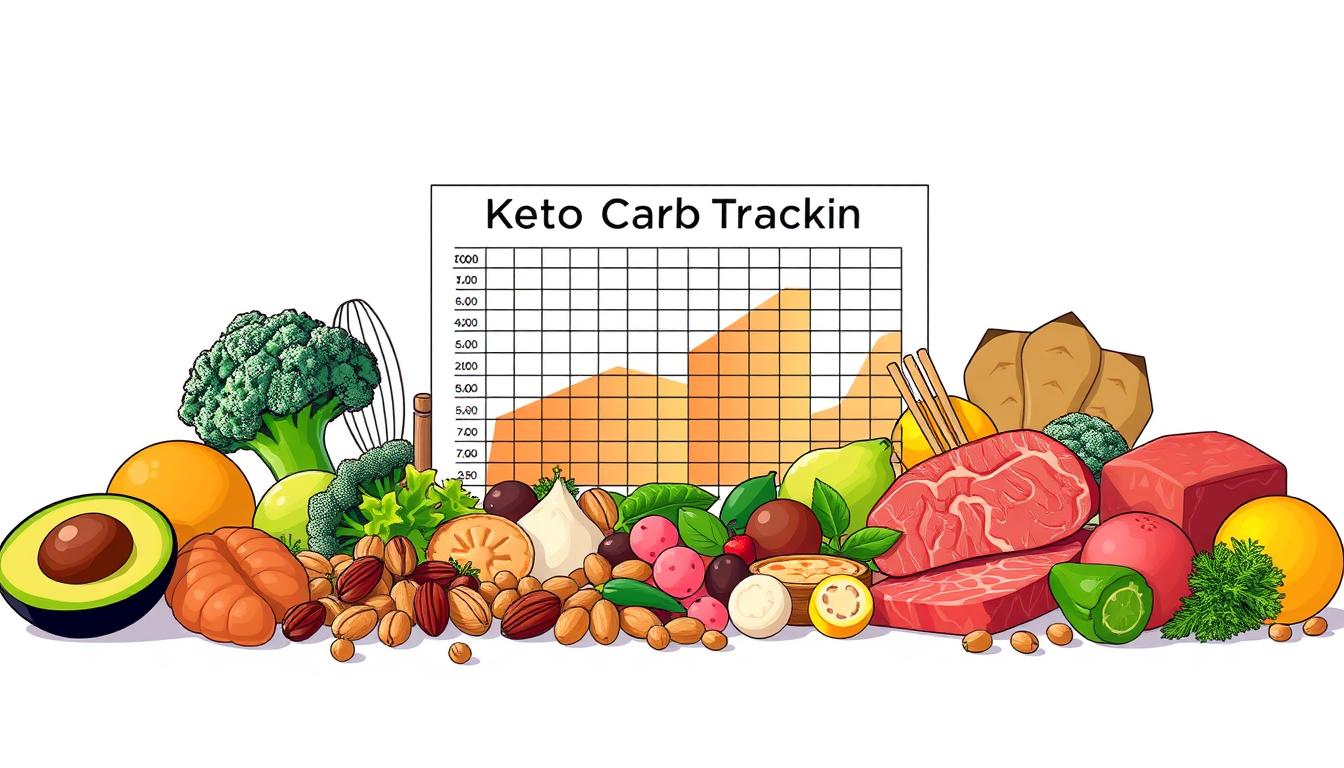
Understanding Ketosis and Carb Limits
Your body enters ketosis when it burns fat instead of glucose for energy. This state demands strict carb management: total carbs minus fiber equals net carbs, the number that matters for metabolic adaptation. While 20-50 grams works for many, factors like activity levels and insulin sensitivity can alter your personal threshold.
| Food | Total Carbs | Fiber | Net Carbs |
|---|---|---|---|
| Avocado (1 medium) | 12g | 10g | 2g |
| Almonds (1 oz) | 6g | 3.5g | 2.5g |
| Tomato sauce (½ cup) | 10g | 2g | 8g |
Why Hidden Carbs Matter for Your Goals
Three tablespoons of ranch dressing add 4g net carbs. Combine that with garlic-roasted vegetables and sugar-free syrup in your coffee, and you’ve potentially consumed half your daily allowance before lunch. These small amounts disrupt fat adaptation faster than most realize—often within hours.
Ketosis isn’t permanent. Your system can revert to glucose burning if carb intake creeps upward. This explains why consistent tracking proves more effective than guesswork for long-term success.
Decoding the Keto Diet: Carb Limits and Nutrition Facts
Tracking carbs isn’t just about avoiding bread—it’s mastering the math behind every bite. Your success hinges on understanding how to interpret numbers on nutrition labels and apply them to your daily targets.
Daily Carb Allotments: Counting Net vs. Total Carbs
Net carbs determine your progress. Calculate them by subtracting fiber grams from total carbohydrates. A protein bar listing 15g total carbs and 10g fiber gives 5g net carbs—a third of some people’s daily limit.
U.S. labeling laws let manufacturers round down. Foods with 0.5g sugar per serving can claim “0g carbs.” Eat four servings? That’s 2g carbs unaccounted for. These hidden fractions add up faster than you think.
The Role of Fiber and Label Reading
Not all fiber behaves the same. Soluble types like psyllium support ketosis, while some processed fibers spike glucose. Always check ingredient lists for additives like maltodextrin or chicory root.
Labels change. A “low-carb” sauce you bought last month might now contain cornstarch. Scan labels every time—even for routine purchases. Focus on three sections: total carbs, fiber content, and serving size.
Practical tip: Use apps to log every gram. Track both net and total carbs initially. This reveals patterns and helps identify problematic foods that stall progress.
Hidden Carbs: Foods That Sabotage Your Keto Goals
What seems like a harmless snack could secretly derail your progress. Many items marketed as “low-carb” contain additives that spike blood sugar, while even fresh produce can push you past daily limits. Manufacturers often use starches, syrups, or powdered vegetables to enhance texture—adding grams of carbs you wouldn’t expect.
The Impact on Weight Loss and Ketosis
Your body exits fat-burning mode when carb intake exceeds 50g net daily. Consider this: a single serving of sugar-free barbecue sauce (3g net carbs) paired with garlic-marinated chicken (4g) and roasted carrots (8g) uses up 75% of your allowance. Processed items compound this issue—protein powders often contain maltodextrin, which triggers insulin faster than table sugar.
Three critical culprits to watch:
- Nut butters: “Natural” varieties frequently include honey or tapioca syrup
- Pre-shredded cheese: Anti-caking agents like potato starch add 1g carbs per ounce
- Spice blends: Garlic powder has 8g net carbs per tablespoon
These stealthy additions create a cumulative effect that stalls metabolism shifts. Research shows insulin spikes from hidden sugars can suppress ketone production for 12-24 hours—even if you stay under 50g net carbs.
Solution? Prioritize whole ingredients and scrutinize labels. A “keto-friendly” label doesn’t guarantee safety—always verify net carbs and ingredient lists.
Sneaky Sources: Hidden Carbs in Snacks and Everyday Beverages
Your afternoon pick-me-up could cost you a day’s worth of progress. Many grab-and-go items contain more carbohydrates than an entire keto meal plan allows.
Carb Bombs in Popular Beverages
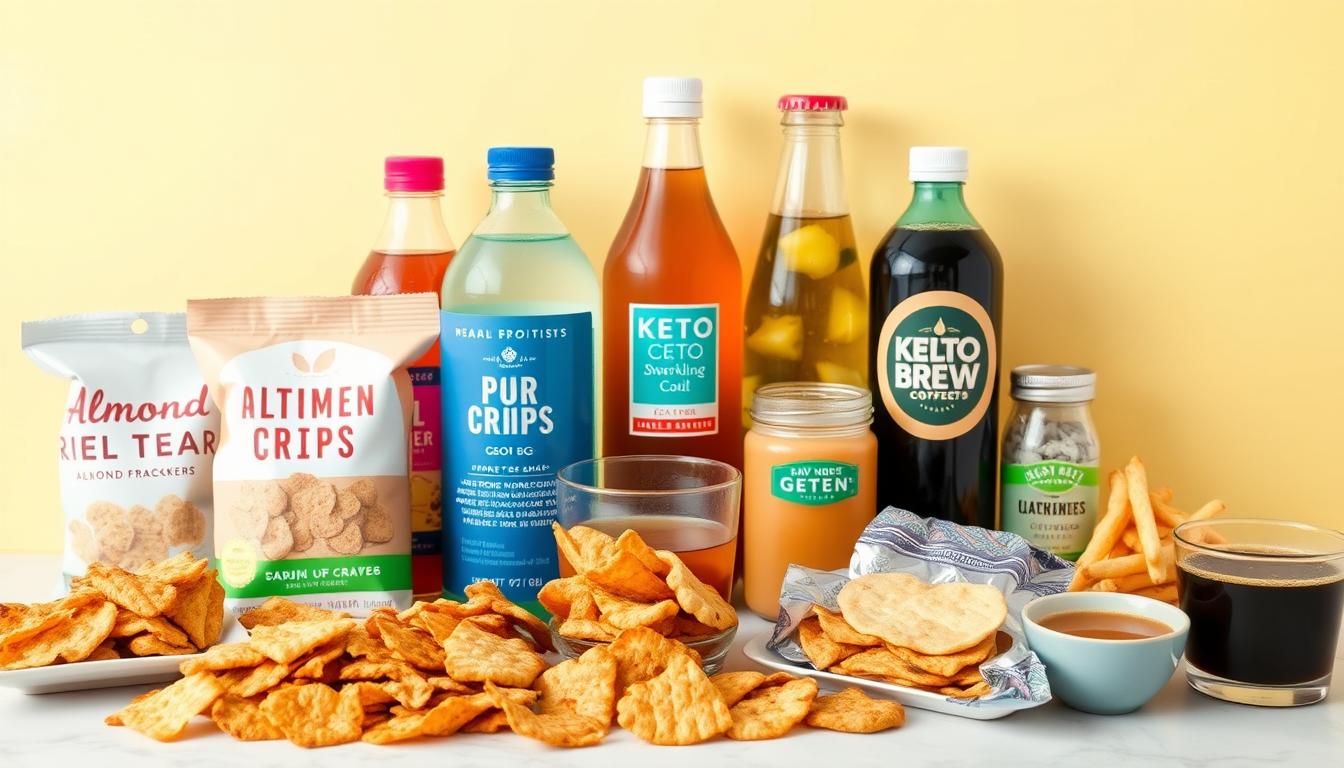
A grande Starbucks latte with 2% milk delivers 19g net carbs—nearly your full daily limit. Energy drinks like Red Bull pack 40g per can, while a 15oz Naked Green Machine smoothie hides 63g. Even “zero-sugar” options often use maltitol or dextrose.
Unexpected Carb Counts in Snack Foods
That Clif Bar you thought was healthy? It contains 41g carbs—double some people’s daily allowance. Lenny & Larry’s cookies (40g each) and Reese’s Peanut Butter Cups (22g per pack) turn snacks into sugar traps. Always check serving sizes: a “single” candy bar often lists nutrition for half the product.
Processed items trick you twice: they’re easy to overeat and loaded with additives. As one nutritionist notes: “‘Low-carb’ labels don’t account for how quickly these foods spike insulin.” Stick to whole foods like nuts or cheese crisps to stay safely in ketosis.
Deceptive Dressings, Sauces, and Processed Foods
Your salad might hide more carbs than your main course. What starts as a healthy meal can become a carb trap when drenched in sweet dressings or topped with “low-fat” products. Even small additions like marinades or cheese shreds can quietly push you past daily limits.
Sugar-Laden Condiments and Salad Dressings
French dressing packs 12g carbs per two-tablespoon serving—but most people use triple that amount. “Low-calorie” sauces often replace fat with sugar, like ketchup (4g per tablespoon) or teriyaki marinades (14g per ounce). Always check labels: barbecue sauce averages 13g carbs per serving.
Watch for thickeners. Gravy and stir-fry sauces frequently use flour or cornstarch. A quarter-cup of honey mustard could add 20g carbs to grilled chicken. Opt for olive oil or vinegar-based options instead.
Processed Meats, Nuts, and Dairy Pitfalls
Bacon and deli ham often contain dextrose or maple syrup. One slice of honey-roasted turkey breast holds 2g carbs. Pre-shredded cheeses use potato starch—adding 1g carbs per ounce.
Nuts vary wildly in carb content. Cashews (8.4g per ounce) and pistachios (5.8g) rank highest. Stick to pecans or macadamias for safer snacking. Remember: serving sizes matter. Two tablespoons of almond butter (6g carbs) becomes 18g if you eat half the jar.
Solution: Make your own sauces using avocado oil mayo and fresh herbs. Choose block cheeses and whole cuts of meat. Measure nuts carefully—what seems like a handful could equal three servings.
How to Read Nutrition Labels and Spot Hidden Carbs
Nutrition labels hold the key to maintaining your carb limits. What appears keto-friendly at first glance often reveals surprises when you dig deeper. Master these strategies to avoid accidental overconsumption.
Interpreting Serving Sizes and Carb Counts
Always check the serving size first. A protein bar listing 5g net carbs might divide one package into three portions. Eat the whole thing? That’s 15g—half your daily allowance.
U.S. labeling laws allow rounding down. Products with 0.5g sugar per serving can claim “0g carbs.” Consume four servings? You’ve ingested 2g unaccounted carbohydrates. Multiply this across snacks and condiments, and progress stalls.
Recognizing Ingredient Pitfalls on Labels
“Zero sugar” claims don’t tell the full story. Watch for terms like maltodextrin, corn syrup solids, or fruit juice concentrate—all code for hidden carbohydrates. Even spice blends often contain starch-based anti-caking agents.
Manufacturers frequently reformulate products. Your go-to sauce might now include thickening agents like tapioca flour. Scan ingredient lists every purchase cycle, not just during initial buys. Knowledge beats guesswork in maintaining ketosis.