While carb-cutting strategies dominate nutrition trends, most people confuse flexible carb reduction with true metabolic transformation. The ketogenic approach isn’t just another version of standard carb restriction – it’s a biochemical protocol requiring precision to trigger fat-burning ketosis. Unlike general carb-conscious eating, keto demands strict macronutrient ratios that fundamentally alter how your body fuels itself.
Many dieters cycle through plans like Atkins or Paleo without grasping why some methods work temporarily while others create lasting changes. This confusion stems from not understanding how different carb thresholds impact energy production. For example, eating 30 grams of carbohydrates daily creates different metabolic effects than consuming 100 grams – a critical distinction most programs don’t explain.
We’ll unpack why labeling all carb-reduced plans as “keto” undermines your health goals. You’ll discover how specific protein-fat-carb balances determine whether you’re simply eating fewer carbs versus actually reprogramming your metabolism. More importantly, you’ll learn to match dietary strategies to your unique biology rather than chasing temporary fixes.
Key Takeaways
- Ketosis requires stricter carb limits (under 50g daily) than general low-carb approaches
- Macronutrient ratios differ significantly between standard carb reduction and keto protocols
- Metabolic adaptation to fat burning only occurs through sustained nutritional ketosis
- Individual carb tolerance varies based on activity levels and insulin sensitivity
- Long-term success depends on matching dietary strategy to personal health objectives
Understanding Low-Carb Diets
Carb-conscious nutrition plans focus on reducing sugar and starch intake while increasing protein and healthy fats. These eating patterns typically limit carb consumption to 50-150 grams daily for most adults – equivalent to 10-30% of total calories in a 2,000-calorie diet.

Definition and Fundamental Principles
At its core, this approach replaces processed carbohydrates with whole foods. You’ll eliminate bread, sugary drinks, and refined grains while prioritizing vegetables, meats, and natural fats. The flexibility of carb targets allows customization based on your activity levels and health goals.
| Carb Intake Level | Daily Grams (2000 cal) | Primary Food Sources |
|---|---|---|
| Moderate | 100-150g | Fruits, legumes, whole grains |
| Low | 50-100g | Nuts, seeds, non-starchy veggies |
| Very Low | Under 50g | Leafy greens, animal proteins |
Key Health and Weight Loss Benefits
Reducing carbohydrates often leads to natural calorie control. “When you cut empty carbs, you automatically increase nutrient density,” explains nutrition researcher Dr. Emily Carter. This shift helps stabilize blood sugar and promotes fat burning through three mechanisms:
- Reduced insulin spikes from processed foods
- Increased fullness from protein and fiber
- Lower overall calorie intake
Studies show these diet patterns can improve heart health markers and support sustainable weight loss. For those with metabolic concerns, controlled carb intake may enhance insulin sensitivity better than calorie counting alone.
Exploring the Keto Diet
Achieving ketosis isn’t about eating fewer carbs—it’s a metabolic overhaul. The keto diet demands precise nutritional engineering to shift your body’s primary energy source from glucose to fat-derived molecules called ketones. This biological switch requires stricter rules than general carb reduction.

What Is Ketosis and How It Works?
Your liver begins producing ketones when carb intake drops below 50 grams daily. These molecules become your brain and muscles’ main fuel source. Unlike temporary carb-cutting, this state alters enzyme production to prioritize fat breakdown.
Nutrition scientist Dr. Lisa Marino explains: “Ketosis isn’t just burning stored fat—it’s reprogramming cellular energy pathways.” This process typically takes 3-7 days as your body depletes glycogen reserves and adapts to using fat as primary fuel.
Standard Macronutrient Ratios on Keto
The keto diet follows strict percentages that defy conventional eating patterns:
| Macronutrient | Percentage | Daily Grams (2000 cal) |
|---|---|---|
| Carbohydrates | 5-10% | 25-50g |
| Protein | 30-35% | 150-175g |
| Fat | 55-60% | 122-133g |
Maintaining these ratios keeps you in ketosis. Exceeding carb limits—even slightly—can disrupt ketone production. Unlike flexible low-carb plans, keto requires daily tracking to sustain this metabolic state.
High-fat foods like avocados and olive oil become crucial fuel sources. Moderate protein prevents glucose conversion through gluconeogenesis. This balance ensures your system relies on fat rather than carbs for energy.
Low-Carb Isn’t Always Keto: Breaking Down the Differences
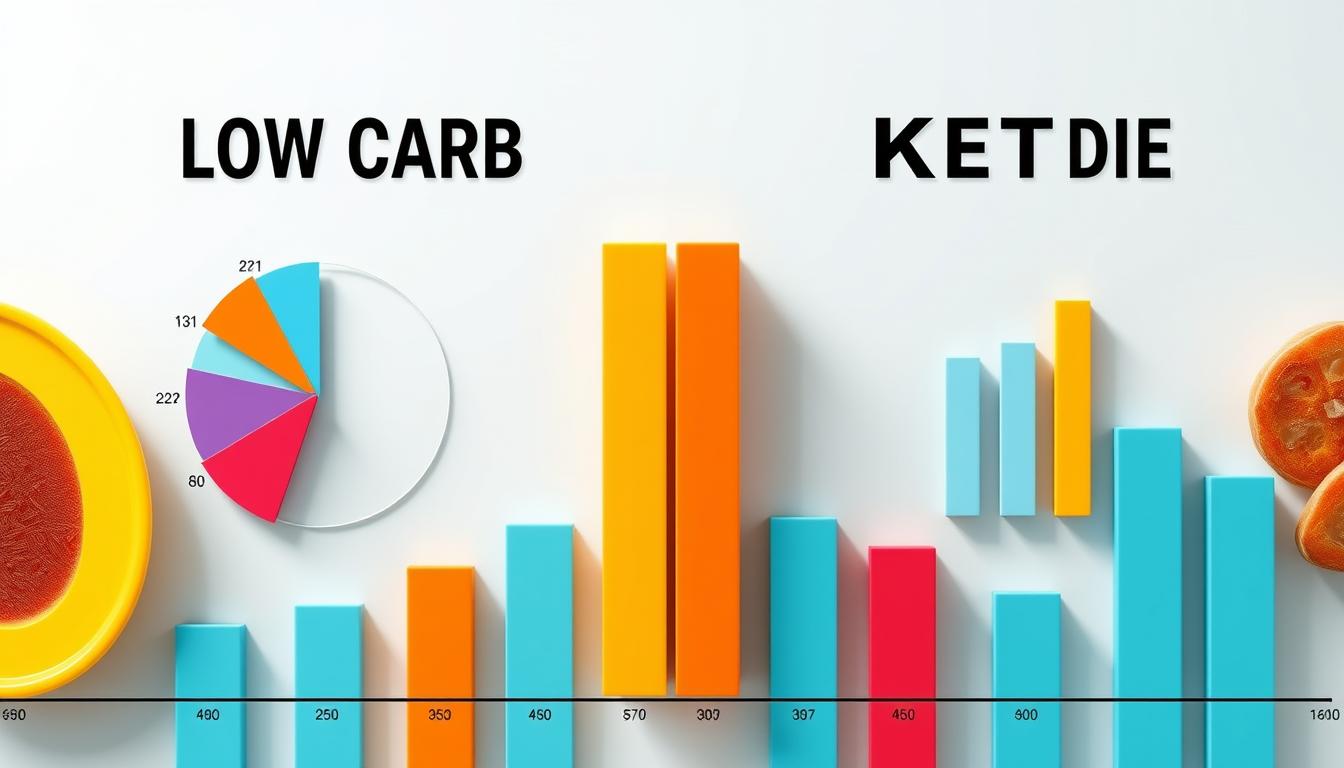
Nutritional strategies diverge most dramatically in their handling of three key nutrients. While both approaches reduce sugars and starches, their thresholds for carbohydrates and ratios of protein to fat create fundamentally different eating patterns.
Carbohydrate Thresholds Explained
Your daily carb allowance separates these diets more than any other factor. General carb reduction plans permit 50-150 grams daily – enough for some fruits and whole grains. True metabolic adaptation requires slashing intake below 50 grams, forcing your system to seek alternative fuel sources.
Protein and Fat: Balancing Act
Protein becomes a tightrope walk in ketogenic eating. While low-carb diets often encourage generous protein portions, keto requires moderation. “Excess protein converts to glucose through gluconeogenesis,” warns dietitian Mark Wilson. “This process can sabotage ketone production if protein exceeds 20% of calories.”
Fat intake tells the final chapter of this nutritional story. Keto demands 55-60% of calories from fats – nearly double some low-carb plans. This shift from incidental fats to intentional fuel sources explains why avocado portions and oil measurements become non-negotiable in ketogenic meal prep.
| Nutrient | Low-Carb Approach | Ketogenic Protocol |
|---|---|---|
| Carbohydrates | 50-150g/day | Under 50g/day |
| Protein | 30-40% calories | 20% calories max |
| Fat | 30-45% calories | 55-60% calories |
These nutritional variances create distinct metabolic environments. Flexible carb reduction helps manage weight, while strict keto ratios force physiological adaptation. Your choice depends on whether you seek gradual improvement or complete metabolic reprogramming.
Pros and Cons of Low-Carb Dieting
Balancing nutritional benefits with practical challenges defines carb-restricted eating. While this approach offers measurable advantages for metabolic health, it also demands careful planning to avoid pitfalls. Let’s examine how cutting carbs impacts your body and lifestyle.

Benefits for Blood Sugar and Energy Levels
Reducing carbs directly targets blood sugar stability. By limiting your primary source of glucose, you prevent the rollercoaster of energy crashes. Studies show low-carb diets improve insulin sensitivity by up to 75% in adults with metabolic issues.
You’ll experience more consistent energy without sugary snacks. “Steady fuel from proteins and fats prevents midday slumps,” notes a 2023 Nutrition Journal review. Many users report better mental focus and reduced cravings within weeks.
Potential Drawbacks and Nutrient Gaps
Initial adaptation might bring fatigue or digestive changes. Your body needs time to adjust to burning fat instead of quick carbs. Constipation can occur if fiber intake drops—aim for 25-30g daily from non-starchy veggies.
Limited fruit and grain choices may create vitamin deficiencies. Strategic meal planning helps maintain nutrients like potassium and magnesium. Consider supplements if you struggle to meet targets through foods alone.
| Advantages | Challenges |
|---|---|
| Supports weight management | Initial energy dips |
| Enhances blood sugar control | Reduced food variety |
| Sustainable long-term | Micronutrient monitoring needed |
For lasting success, gradually reduce carbs while increasing healthy fats. Track your progress and adjust based on energy levels and health markers. Remember—the best diet fits your lifestyle while meeting nutritional needs.
Pros and Cons of the Keto Diet
The ketogenic diet offers unique advantages but demands careful consideration of its biological impacts. While it can transform metabolic function, this approach requires strict adherence to achieve desired results.
Therapeutic and Cognitive Benefits
This eating pattern shows promise beyond weight management. Originally developed for epilepsy treatment, studies now explore its potential for neurological conditions like Alzheimer’s. “Ketones provide alternative brain fuel that may protect neural pathways,” states a 2023 Neurology Research review.
Many users report enhanced mental clarity after adaptation. Stable ketone levels reduce energy crashes while improving focus. Metabolic benefits include better insulin response and appetite control through sustained fat burning.
Challenges, Side Effects, and Adaptation Phases
Transitioning to ketosis often triggers temporary discomfort. The “keto flu” brings headaches and fatigue as your body switches fuel sources. Digestive issues like constipation frequently occur due to reduced fiber intake.
Long-term adherence proves difficult for many. Severe food restrictions limit social flexibility and nutrient variety. Medical supervision becomes crucial given the diet’s intensity and limited safety data beyond two years.
| Advantages | Considerations |
|---|---|
| May reduce seizure frequency | Keto flu symptoms (3-7 days) |
| Improves cholesterol levels | Requires strict tracking |
| Potential neuroprotection | Limited fruit/vegetable options |
Before starting, assess whether short-term challenges align with your health goals. Those managing chronic conditions should consult healthcare providers to mitigate risks while pursuing potential benefits.
Comparing Real-Life Results and Sustainability
Long-term success with carb-restricted eating hinges on matching strategies to lifestyle realities. While both approaches can yield initial progress, their staying power varies dramatically based on biological responses and daily practicality.
Impact on Weight Loss and Metabolic Health
Studies show ketogenic plans often produce faster weight loss in the first 3-6 months. However, research from Johns Hopkins University reveals low-carb diets catch up by year two. Metabolic adaptations explain this shift – strict keto becomes harder to maintain as your body fights to regain balance.
Sustainability and Long-Term Adherence
Four out of five people abandon keto within 12 months due to social limitations and food fatigue. Flexible carb reduction allows occasional grains or fruits, making it 47% more sustainable according to 2023 Nutrition Science data. This adaptability helps maintain progress without constant tracking.
Your choice depends on whether short-term intensity or lifelong habits matter more. Consult a healthcare provider to determine which carb threshold aligns with your health history and daily routine. Remember – the best diet isn’t the fastest, but the one you’ll consistently follow.