Did you know over 45% of American adults have experimented with either a low-carb approach or time-restricted eating in the last year? These two strategies dominate modern wellness conversations, promising transformative results for metabolic health and weight management. But what happens when you merge them?
Both methods work by shifting how your body uses energy. A high-fat, low-carb eating plan trains your system to burn fat instead of glucose. Similarly, fasting periods create windows where stored fat becomes the primary fuel source. The overlap in mechanisms raises intriguing questions about synergy.
Research shows individual benefits range from improved blood sugar control to reduced inflammation. However, pairing these approaches requires careful planning. For example, extended fasting while adapting to ketosis may strain energy levels or nutrient intake. Balancing intensity becomes critical.
This guide explores whether combining these strategies amplifies results or risks overwhelm. You’ll learn how to align them with your lifestyle while avoiding common pitfalls. Let’s examine the science, practical tips, and expert insights to help you decide.
Key Takeaways
- Understand how these methods influence metabolism differently and where they overlap
- Discover research-backed benefits of each approach for weight management
- Learn why timing matters when combining dietary strategies
- Identify potential challenges and how to mitigate them
- Gain actionable steps to personalize your wellness plan
Introduction to Keto and Intermittent Fasting
Modern wellness trends often spotlight two powerhouse strategies for reshaping body composition. One centers on strict carbohydrate limits, while the other emphasizes timed eating windows. Though distinct, their shared focus on metabolic efficiency sparks curiosity about blended protocols.

Overview of the Combined Approach
The ketogenic diet shifts energy reliance from glucose to stored fats by drastically reducing carb intake. Meanwhile, intermittent fasting creates periods where the body exhausts sugar reserves and taps into fat stores. These parallel pathways make combining two methods an appealing option for accelerated results.
Celebrities and fitness leaders have popularized this fusion, citing enhanced mental clarity and faster weight loss. However, merging protocols requires understanding their individual frameworks. Time-restricted eating demands discipline around meal schedules, while strict macronutrient ratios define the ketogenic lifestyle.
Why This Guide Is Essential for You
Jumping into a dual strategy without preparation risks burnout or nutrient gaps. This resource clarifies how both systems interact, helping you avoid pitfalls like energy crashes or imbalanced electrolytes. Knowledge about health benefits and practical limitations empowers smarter choices.
Whether exploring one method or both, recognizing their complementary nature matters. Proper implementation can amplify fat-burning effects, but missteps may undermine progress. Here, you’ll gain tools to align these approaches with your goals safely and effectively.
Understanding Intermittent Fasting
Time-restricted nutrition has surged in popularity as research reveals its potential for metabolic optimization. Unlike diets focused solely on food choices, this approach centers on when you eat. By aligning meals with specific windows, your body enters periods where stored energy becomes its primary fuel source.

What Is This Eating Pattern?
Intermittent fasting alternates between fasting phases and regular eating times. The 16/8 method remains the most common framework—consuming meals within an eight-hour span followed by 16 hours without calories. Other variations include eating 500-600 calories on two non-consecutive days weekly (5:2 method) or compressing intake into four-hour evening windows (Warrior Diet).
Popular Methods and Their Advantages
Different protocols suit varying lifestyles:
- 16/8: Simplifies calorie control while supporting fat oxidation
- Alternate-day: May boost cellular repair processes
- 5:2: Offers flexibility for social commitments
Studies link these patterns to reduced oxidative stress and improved cognitive performance. A 2023 Cell Metabolism review noted enhanced insulin sensitivity in 78% of participants following time-restricted plans.
Metabolic Effects Explained
Fasting periods lower insulin production, prompting your system to access fat reserves. This shift stabilizes blood sugar levels and may increase daytime alertness after initial adaptation. Extended windows without food intake also activate autophagy—your body’s cellular cleanup mechanism.
Understanding the Keto Diet
The human body’s ability to switch fuel sources forms the core principle of this nutritional strategy. By drastically limiting carbohydrate intake, your system pivots from relying on glucose to burning stored fats. This metabolic adaptation unlocks benefits ranging from energy stability to cellular repair.
The Science Behind Ketosis
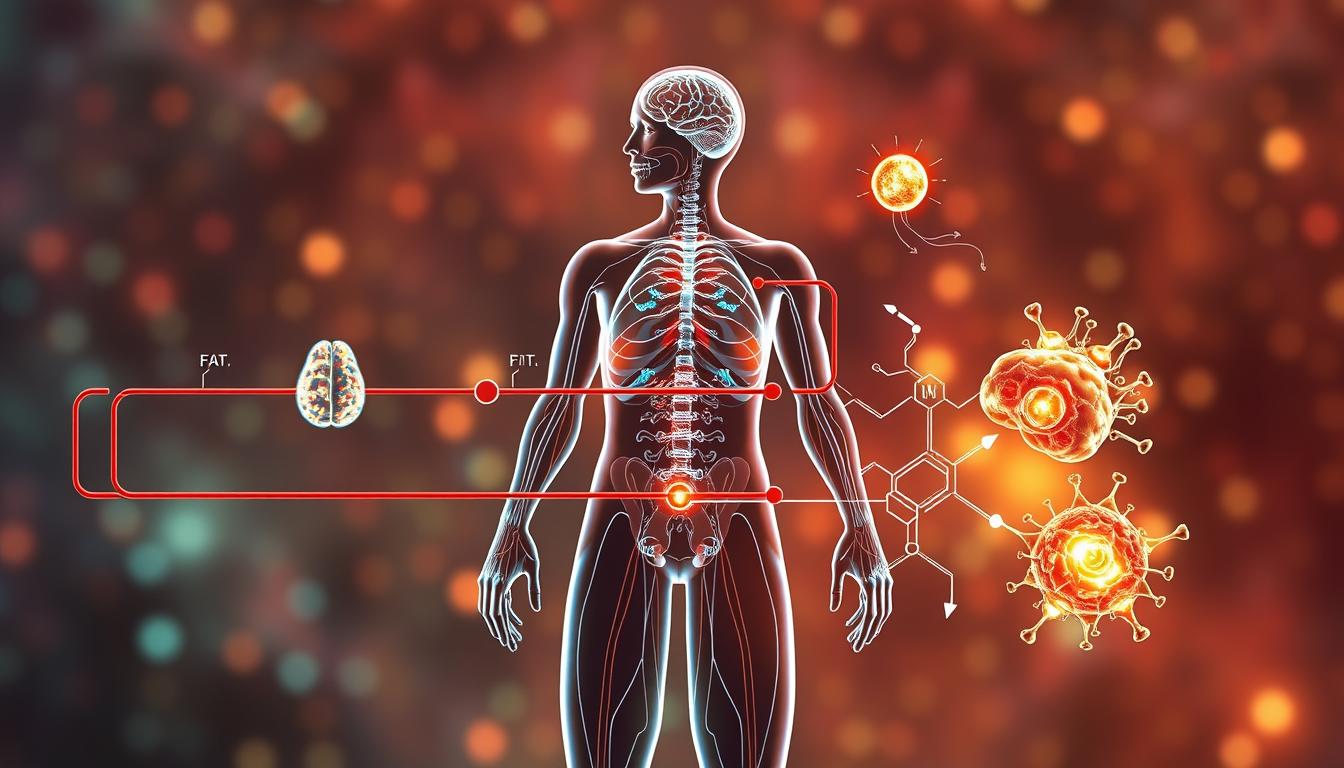
When carb consumption drops below 50 grams daily, your liver starts converting fats into ketones. These molecules become your brain’s preferred energy source, replacing glucose within 3-4 days of strict adherence. Research shows this state increases mitochondrial efficiency by up to 25% compared to sugar-based metabolism.
Three markers confirm ketosis:
- Elevated blood ketone levels (0.5-3.0 mmol/L)
- Reduced hunger signals
- Sustained mental clarity
Health Benefits Beyond Weight Loss
Originally developed in the 1920s for epilepsy management, this approach reduces seizure frequency by 50% in drug-resistant cases. Recent studies reveal broader neurological impacts—Alzheimer’s patients show improved memory recall when ketone levels rise.
Additional advantages include:
- 28% average reduction in triglyceride levels
- Improved insulin sensitivity within 10 days
- Enhanced HDL cholesterol production
These effects create a foundation for metabolic flexibility. When paired with timed eating patterns, the synergy amplifies fat utilization while preserving muscle mass.
Keto and Intermittent Fasting: Should You Combine Them?
Merging two popular eating plans offers potential, yet isn’t for everyone. Success depends on your biology, daily habits, and health history. Let’s explore who might thrive with this approach and when caution is essential.

Who Can Benefit from This Combination?
This dual strategy works best for those already comfortable with low-carb eating. Active individuals seeking metabolic flexibility often see improved results. Others include:
| Good Candidates | Poor Candidates |
|---|---|
| Stable energy levels | Pregnant/breastfeeding women |
| No history of disordered eating | Diabetes or heart conditions |
| Weight loss plateaus | High-stress lifestyles |
Many people report enhanced focus when combining these diets. However, women in perimenopause may need adjusted fasting windows due to hormonal shifts.
Safety Considerations and When to Seek Expertise
Blood sugar management becomes critical for those with diabetes. Medications often require adjustment during dietary changes. Always consult your doctor before starting if you have chronic conditions.
“Combined protocols demand careful monitoring in high-risk groups. Weekly check-ins help prevent nutrient deficiencies.”
Disordered eating histories warrant professional guidance. While many people succeed with this approach, diets aren’t one-size-fits-all. Track energy levels and mood—if fatigue persists beyond two weeks, reassess your strategy.
Benefits of Combining Keto and Intermittent Fasting
Strategic nutritional timing amplifies metabolic advantages when paired with low-carb eating. Merging these approaches creates a dual-action system that accelerates results while supporting long-term health goals.

Quick Transition into Ketosis
Fasting periods act like a metabolic shortcut. By temporarily halting food intake, your system exhausts glucose reserves faster. This pushes the body to produce ketones within hours rather than days. A study tracking athletes found those combining both methods entered ketosis 37% faster than diet-only participants.
Lower insulin levels during fasting windows help deplete glycogen stores. This creates ideal conditions for burning stored fats as primary fuel. One trial showed participants reduced liver glycogen by 62% during 16-hour fasts compared to standard eating patterns.
Enhanced Fat Loss and Improved Metabolic Health
Research reveals powerful synergy between these strategies. Resistance-trained men following timed eating lost 14% more body fat in eight weeks than peers maintaining regular meals. Extended fasting periods also increase growth hormone production—critical for preserving muscle during weight loss.
“Combined protocols triggered 23% greater fat oxidation compared to standalone diets in clinical trials.”
A review of 28 studies confirms this effect. Participants using fasting techniques lost 7.3 pounds more fat mass than those on calorie-restricted plans alone. The dual approach appears particularly effective for stubborn abdominal fat reduction.
How to Safely Implement a Combined Approach
Navigating two dietary strategies requires precision to avoid overwhelming your system. Rushing into restrictive protocols often backfires, triggering fatigue or nutrient gaps. A phased adaptation lets your body adjust while maintaining energy for daily tasks.
Practical Tips for Gradual Transition
Begin with the ketogenic diet for 2-3 weeks. This stabilizes blood sugar before adding fasting windows. Once fat-adapted, introduce a 10-hour eating period—like 8 AM to 6 PM. Push breakfast later by 30 minutes every three days until reaching your target window.
Track how you feel during non-eating hours. Mild hunger is normal, but dizziness or headaches signal electrolyte imbalances. Increase sodium and magnesium intake if needed. Those with diabetes should monitor glucose levels closely when altering meal timing.
Consulting with Healthcare Providers
Schedule a pre-implementation checkup if managing chronic conditions. Medications for blood pressure or insulin may require dosage adjustments. A 2024 Nutrition Review study notes:
“Combined dietary changes demand closer supervision in high-risk groups. Biweekly lab tests help prevent deficiencies during initial phases.”
Work with a dietitian to design meal plans that meet macros within shorter eating windows. Prioritize fatty fish and leafy greens to maintain nutrient density. Remember—progress trumps perfection. Extend fasting periods only when comfortable with current routines.
Meal Planning and Sample Eating Windows
Structuring your day around nutrient-dense meals maximizes results from time-restricted nutrition. Aligning food choices with fasting periods helps maintain energy while keeping fat-burning mechanisms active. Let’s explore practical strategies for creating sustainable routines.
Designing an Effective Meal Plan
Prioritize high-fat proteins and fibrous vegetables during your eating window. Avocados, salmon, and leafy greens provide essential nutrients without spiking insulin. Spread meals evenly to avoid overeating—three balanced plates work better than one large feast.
Hydration matters. Add electrolytes to water if fasting beyond 14 hours. Track macros using apps to ensure 70-75% of calories come from quality fats. Prep meals in advance to resist carb-heavy temptations when time-crunched.
Daily Schedule Examples
An 18:6 eating window might look like this:
- 12 PM: Spinach omelet with bacon
- 3 PM: Macadamia nuts + green tea
- 5:30 PM: Ribeye steak with roasted broccoli
For shorter 20:4 windows, consolidate into two meals. Always break fasts with protein-rich dishes to stabilize blood sugar. Adjust portions based on activity levels—athletes may need extra calories post-workout.