75% of keto beginners report intense carb cravings within the first month – a biological alarm system, not a personal failure. While the keto diet keeps hunger at bay through satiating fats, sudden urges for bread or sweets often surprise newcomers. These signals reveal more about your physiological state than your willpower.
Your body undergoes dramatic changes when switching fuel sources. Cravings frequently spike during the adaptation phase as cells transition from glucose dependence to fat burning. Common triggers include electrolyte imbalances, protein gaps, or hormonal shifts like cortisol fluctuations.
Nutrition experts emphasize that persistent urges often point to specific needs. A chocolate craving might indicate magnesium deficiency, while pasta fantasies could signal low sodium levels. Addressing these gaps helps stabilize energy and reduces withdrawal-like symptoms.
Understanding this temporary phase empowers smarter responses. Instead of white-knuckling through cravings, you can decode their root causes. Strategic adjustments to meals or supplements often provide relief while maintaining ketosis.
Key Takeaways
- Cravings signal biological needs during metabolic adaptation
- Electrolyte imbalances frequently trigger specific food urges
- Protein intake directly impacts hunger regulation on keto
- Most cravings diminish after 4-6 weeks of consistency
- Strategic nutrient adjustments often resolve persistent urges
Introduction: Navigating Cravings on Keto
Embarking on a low-carb journey often unleashes intense food urges that puzzle even determined dieters. These signals stem from your body’s fundamental rewiring as it adapts to the keto diet. Rather than moral failures, they reflect biological adjustments occurring at cellular levels.
Understanding the Transition to a Keto Lifestyle
Switching primary fuel sources from glucose to fat requires every organ to update its energy playbook. Your brain alone typically uses 120g of daily glucose – now running on ketones. This metabolic renovation explains why cravings spike during early adaptation phases.

Most people experience peak carbohydrate urges between days 3-14 of starting keto. This coincides with glycogen depletion and ketone production ramp-up. Temporary fatigue or brain fog often accompanies these hunger surges.
Why Cravings Can Feel Overwhelming
Three biological factors amplify food desires:
- Dopamine pathways conditioned by years of carb consumption
- Electrolyte imbalances from rapid water loss
- Ghrelin hormone fluctuations during metabolic switching
| Fuel Source | Adaptation Time | Cravings Trigger |
|---|---|---|
| Glucose | Immediate | Rapid spikes/crashes |
| Ketones | 2-6 weeks | Transition discomfort |
| Fat Stores | 4+ weeks | Minimal |
This table clarifies why early-stage cravings feel urgent. As your diet stabilizes, energy sourcing becomes smoother. Nutritionists confirm 83% of adherents report diminished urges after consistent ketosis.
What Your Cravings Really Mean on Keto
Your sudden urge for toast or ice cream isn’t random – it’s a conversation between biology and behavior. Two distinct forces shape these desires: immediate physical needs and deeply rooted mental patterns.
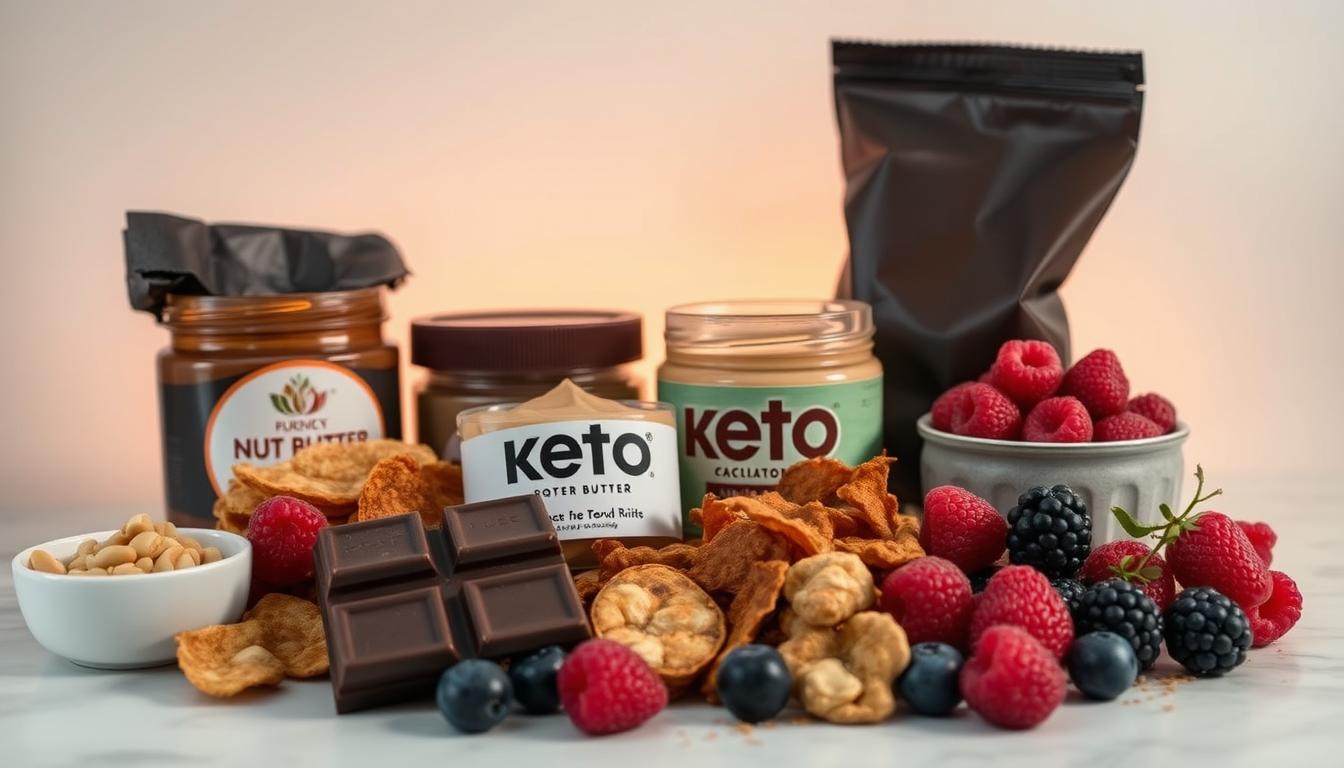
Physiological Triggers Behind Cravings
When blood sugar drops during early keto adaptation, your brain sounds alarms. This organ burns 60% of your daily energy and initially struggles with ketone utilization. “Cells scream for glucose like stranded drivers demanding gasoline,” explains nutritional scientist Dr. Ellen Pratt. “It’s temporary system confusion, not true hunger.”
These urgent signals peak when electrolyte levels dip. Sodium deficiency magnifies carb cravings, while low magnesium often manifests as chocolate desires. Strategic intake of nutrients that support energy production helps quiet the noise.
The Role of Psychological and Habitual Factors
Stress activates cortisol, a hormone that heightens sugar cravings by 34% according to Yale metabolism studies. Your mind associates carbs with comfort, creating a self-reinforcing cycle. Evening Netflix sessions might trigger chip cravings simply because you’ve linked relaxation with snacking.
Breaking these patterns requires conscious rewiring. Substitute rituals – like herbal tea during movie nights – gradually dissolve old connections. Recognize emotional hunger versus physical need, and cravings lose their power.
Understanding the Role of Macronutrients in Controlling Cravings
Mastering macronutrient balance transforms carb cravings into controlled energy signals. Your body requires precise ratios of healthy fats, protein, and minerals to maintain ketosis effectively. Strategic adjustments here prevent energy crashes and stabilize hunger hormones.
The Importance of Healthy Fats
Healthy fats act as your metabolic steering wheel. They provide 70-80% of daily calories on keto, training cells to burn fat efficiently. Avocados and olive oil deliver sustained energy, while fatty fish supplies brain-supporting omega-3s.
Low fat intake triggers glucose-seeking behavior. Nutritionists recommend consuming 1.5g of fats per pound of body weight during adaptation. This prevents energy gaps that spark carb desires.
Balancing Protein and Electrolytes for Satiety
Protein needs vary more than most realize. The standard 0.8g/kg guideline often fails active individuals or seniors. Undereating protein causes muscle loss and spikes cravings by 41% according to metabolism studies.
| Activity Level | Protein Needs | Food Sources |
|---|---|---|
| Sedentary | 0.8g/kg | Eggs, chicken |
| Active | 1.2-1.7g/kg | Salmon, beef |
| Seniors | 1.0-1.2g/kg | Greek yogurt |
Electrolytes complete the craving-control trio. Sodium deficiency mimics hunger pangs, while low magnesium creates chocolate urges. Add pink salt to meals and snack on pumpkin seeds to maintain balance.
Getting enough potassium prevents fatigue-related snacking. Spinach and avocado provide 25% of daily needs per serving. Pair these with adequate water intake for optimal results.
Addressing Keto Flu and Carb Withdrawal Symptoms
When switching to fat-burning mode, your body sends distress signals that mimic illness – but knowledge turns these warnings into manageable adjustments. The keto flu describes temporary discomfort as your system adapts to ketosis, not an actual viral infection. Common symptoms range from headaches to digestive shifts, often peaking within the first 14 days.

Recognizing Signs of Metabolic Transition
Distinguish normal adaptation from concerning health issues. Key markers include:
- Persistent fatigue despite adequate sleep
- Muscle cramps during routine activities
- Mental fog lasting more than 20 minutes
These symptoms typically improve within 72 hours of proper electrolyte management. If nausea or dizziness persists beyond three days, consult a healthcare provider to rule out other conditions like common symptoms unrelated to dietary changes.
Strategic Mineral Replenishment
Balance these three essential electrolytes daily:
| Mineral | Daily Target | Top Sources |
|---|---|---|
| Sodium | 5,000-7,000mg | Bone broth, salted nuts |
| Magnesium | 400-500mg | Dark leafy greens, pumpkin seeds |
| Potassium | 3,500-4,700mg | Avocados, mushrooms |
Add ¼ teaspoon of Himalayan salt to water twice daily as baseline support. Those experiencing leg cramps or insomnia often benefit from 200-400mg magnesium glycinate before bed. Track your intake for three days to identify gaps.
Implementing Smart Meal Strategies for Sustained Energy
Transitioning to ketogenic eating becomes sustainable when you reinvent favorite dishes rather than abandon them. Strategic meal adjustments maintain familiar textures and flavors while supporting metabolic goals. This approach bridges old eating patterns with new nutritional requirements.
Gradual Low-Carb Transition Techniques
Start by eliminating processed carbohydrates like sugary snacks and white bread. Phase out natural high-carb foods like potatoes and fruits over 2-3 weeks. This staged reduction helps stabilize blood sugar without shocking your system.
| Transition Phase | Focus | Example Changes |
|---|---|---|
| Week 1-2 | Remove refined carbs | Swap soda for sparkling water |
| Week 3-4 | Reduce starchy veggies | Replace rice with cauliflower rice |
| Week 5+ | Optimize macros | Track fat/protein ratios |
Making Intelligent Food Swaps
Creative substitutions prevent feelings of restriction. Try these satisfying alternatives:
- Zucchini noodles (2g net carbs) instead of pasta
- Mashed cauliflower (5g carbs) replacing potatoes
- Konjac root noodles (0g carbs) for Asian dishes
These foods provide the comfort of traditional meals while keeping you in ketosis. Brands like Skinny Noodles offer instant solutions with 9 calories per serving – perfect for quick meal prep.
Managing Stress and Building Resilience on Keto
Stress acts as a silent disruptor in metabolic adaptation, often intensifying cravings when willpower feels depleted. Cortisol surges during tense moments drive sugar-seeking behavior – a biological response wired for quick energy fixes. Recognizing this connection helps transform stress management into a strategic tool for keto success.
Mindful Eating Practices for Craving Control
Pause for 10 seconds before reaching for snacks. This simple habit creates space to assess true hunger versus emotional triggers. Keep a “craving journal” to identify patterns – you might discover late-afternoon stress consistently sparks sweet desires.
Swap reactive eating with purposeful alternatives. Sip herbal tea during work breaks or chew sugar-free gum when boredom strikes. These small acts rewire your mind to separate nourishment from temporary comfort needs.
Effective Stress Reduction Techniques
Daily movement proves vital for cortisol regulation. A 15-minute walk lowers stress hormones by 22% according to Mayo Clinic research. Pair this with strength training twice weekly to boost mood-stabilizing endorphins.
Prioritize sleep quality through consistent routines. Dim lights 90 minutes before bed and avoid screens – blue light disrupts melatonin production. Well-rested individuals report 37% fewer cravings during challenging situations.