Did you know 63% of Americans who try low-carb diets quit within six months due to perceived high costs? This misconception keeps many from experiencing the benefits of ketogenic eating. But here’s the truth: fueling your body with fat-rich foods doesn’t demand premium price tags.
The secret lies in prioritizing whole, nutrient-dense ingredients over trendy packaged products. Forget about specialty stores – your local grocery already stocks everything you need. With strategic planning, you can maintain ketosis while spending less than $100 weekly on groceries.
This approach focuses on cost-effective protein sources like eggs and chicken thighs paired with seasonal vegetables. Affordable fats such as olive oil and butter become your nutritional powerhouses. You’ll learn to repurpose leftovers creatively and build meals around sales cycles.
Key Takeaways
- Prioritize whole foods over expensive keto-branded products
- Master supermarket strategies to maximize savings
- Create flexible meal plans around weekly sales
- Utilize budget-friendly fat sources like eggs and avocado oil
- Prep freezer-friendly meals to reduce waste
- Identify hidden costs in pre-made keto snacks
Your financial situation shouldn’t dictate your health choices. By rethinking conventional wisdom about low-carb eating, you’ll discover how simple ingredients can deliver extraordinary results. Let’s transform your kitchen into a budget-friendly gateway to better nutrition.
Understanding the Keto Diet on a Budget
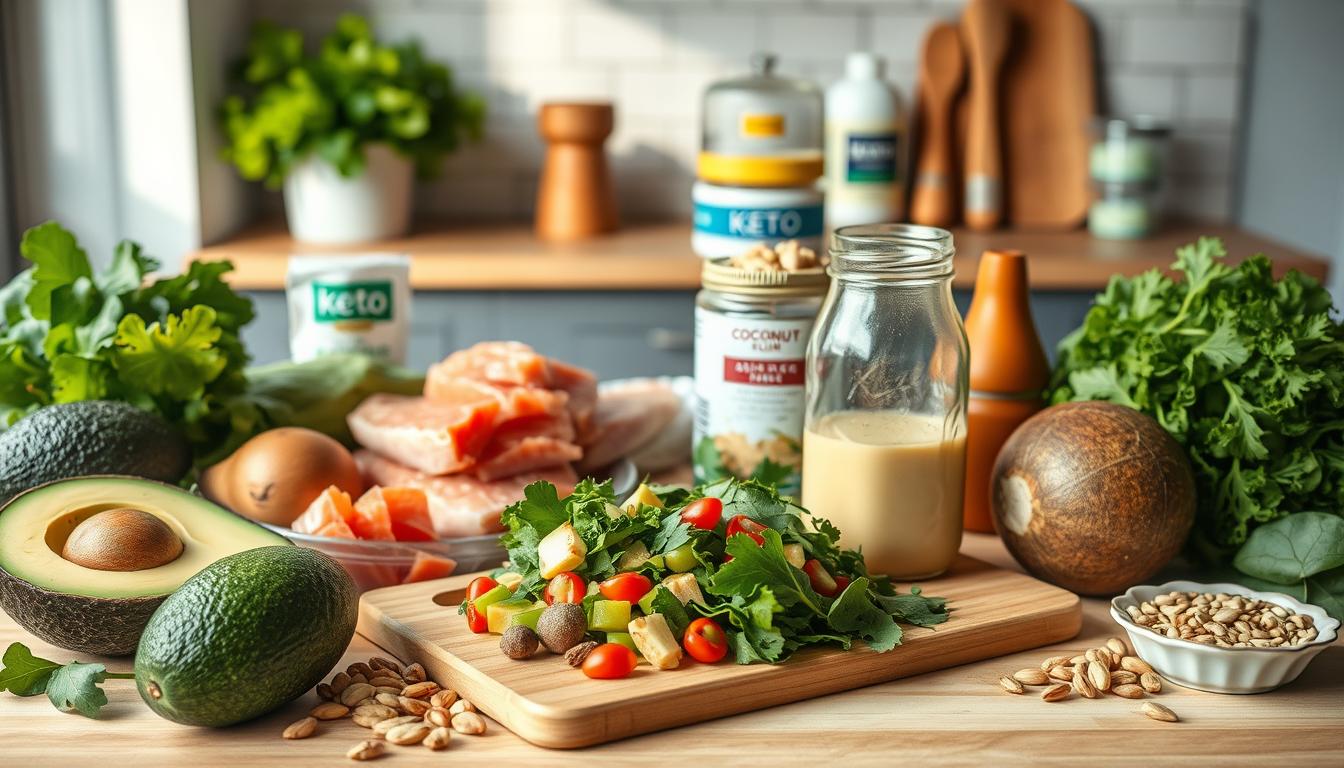
Sticking to a ketogenic lifestyle on a tight budget is simpler than most think. The core principle involves balancing macronutrients: 60-70% fats, 20-30% protein, and 5-10% carbs. You don’t need exotic ingredients or prepackaged meals to hit these targets effectively.
Macro Management Made Affordable
Traditional approaches emphasize precise tracking, but a relaxed version focusing on whole-food basics works better for cost-conscious individuals. Eggs, canned tuna, and frozen vegetables become your allies. These staples provide necessary nutrients without straining your wallet.
Financial and Physical Wellness Combined
Adopting this approach offers dual advantages. Steady energy levels and mental clarity emerge as your body transitions to burning fat for fuel. Grocery bills shrink when you prioritize versatile ingredients like olive oil over trendy “keto-friendly” snacks.
Smart planning turns limitations into opportunities. Rotate seasonal produce, repurpose leftovers, and focus on nutrient density. This strategy proves that financial constraints can’t block your path to improved metabolic health.
The Importance of Affordable Healthy Fats
Fueling your body with quality fats doesn’t require luxury purchases. Strategic choices let you maintain nutritional balance while managing expenses effectively. This approach centers on understanding which fats deliver maximum value per dollar spent.
Why Fats Power Metabolic Shifts
Dietary fats become your energy foundation when carbs stay low. They trigger ketosis – your body’s fat-burning state – while supporting cellular repair and vitamin absorption. Every tablespoon of oil contributes 14g of pure fuel, making efficient calorie sources essential.
Cost Comparison: Oils vs Whole Foods
Store-brand oils outperform pricier whole foods in value. A $6 bottle of avocado oil provides 30 servings, while two fresh avocados might cost $4 for just 4-6 servings. Consider these comparisons:
| Fat Source | Cost/Serving | Key Nutrients |
|---|---|---|
| Good & Gather Olive Oil | $0.20 | Monounsaturated fats |
| Bulk Almonds | $0.35 | Vitamin E, fiber |
| Store-Brand Coconut Oil | $0.18 | Medium-chain triglycerides |
Nuts and seeds offer variety, but oils provide concentrated fats at lower costs. Target’s Good & Gather line demonstrates how generic brands match name-brand quality. Pair these with seasonal vegetables for balanced meals.
Your kitchen arsenal needs versatile, shelf-stable options. Prioritize oils for cooking and nuts for snacks to optimize both nutrition and budget.
Smart Grocery Shopping for Keto
Smart grocery strategies turn weekly shopping trips into money-saving missions. Market research firm Dunnhumby ranked Market Basket, Aldi, Lidl, and WinCo as America’s most affordable chains in 2022. These stores offer 25-40% lower prices on essentials compared to conventional supermarkets.
Choosing Lower-Cost Grocery Stores
Discount chains stock perfect keto items without premium markups. Aldi’s grass-fed butter costs 30% less than Whole Foods, while WinCo’s bulk nuts section lets you buy exact quantities. Consider this price comparison for common items:
| Store | Avocado Oil | Cage-Free Eggs | Frozen Broccoli |
|---|---|---|---|
| Market Basket | $6.99 | $2.49 | $1.29 |
| Trader Joe’s | $7.99 | $3.99 | $1.99 |
| Costco (bulk) | $5.50* | $2.10* | $0.89* |
*Price per unit when buying family-sized packages
Utilizing Coupons and Price Comparison Tools
Digital tools make finding deals effortless. Apps like Flipp and Honey automatically match coupons to your shopping list.
“Shoppers who combine store sales with manufacturer coupons save 32% more on average,”
notes Dunnhumby’s inflation report.
Dollar General now carries basic items like canned tuna and olive oil at neighborhood prices. For bulk purchases, Costco becomes cost-effective only if you’ll use all items before expiration. Always check unit prices – sometimes smaller packages save more money than bulk deals.
Incorporating Protein-Rich Foods Without Overspending
Quality protein doesn’t require premium prices when you know where to look. Strategic selection of cuts and preparation methods lets you meet nutritional goals while keeping costs manageable. Focus on versatile options that deliver maximum value per ounce.
Budget-Friendly Meat and Egg Options
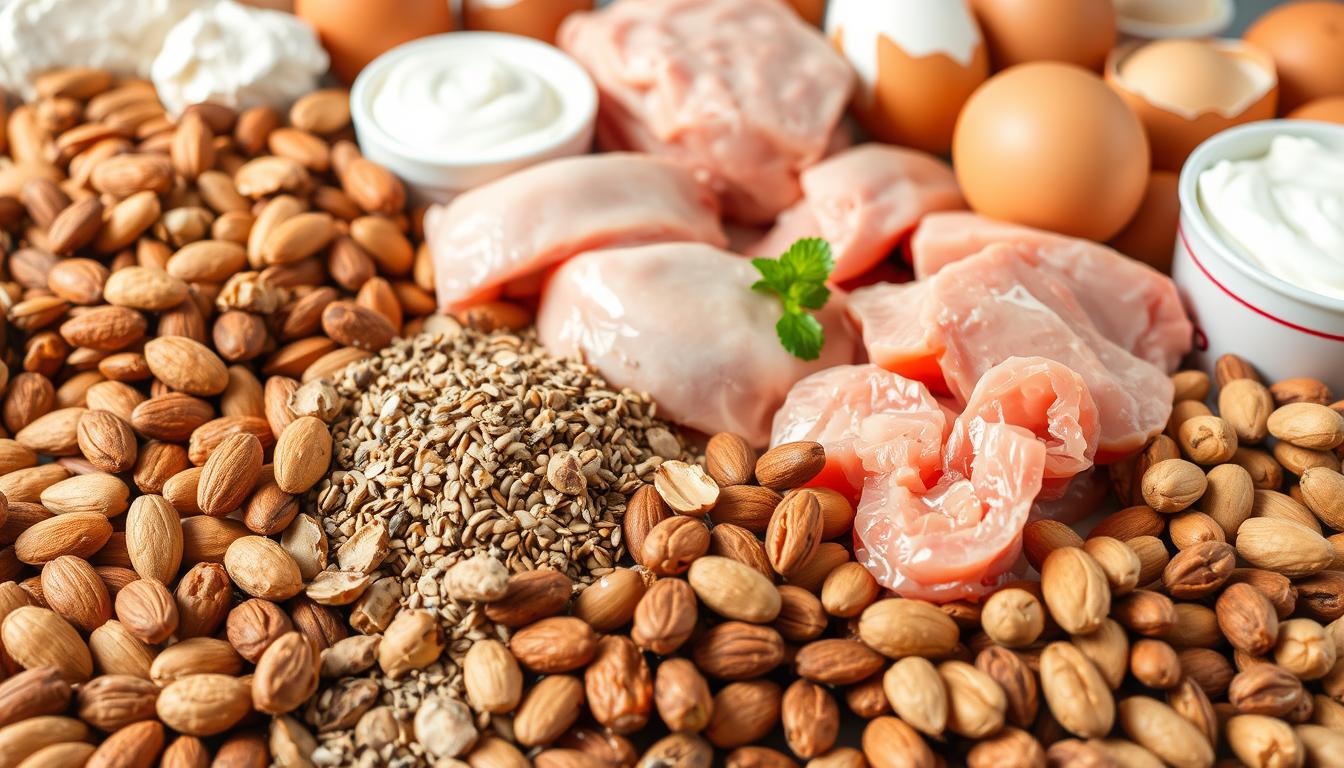
Chicken thighs at $1.97/lb outperform breasts costing $4.48/lb, offering more fat for ketosis support. Eggs remain a powerhouse at $0.35 each – each large egg packs 6.3g protein with near-zero carbs. For beef lovers, chuck roast ($5.99/lb) matches ribeye’s nutrition at 60% less cost.
Selecting Cheaper Cuts and Alternatives
Pork shoulder roast ($3.19/lb) saves 28% compared to bone-in chops while providing more usable meat. Slow cooking transforms tougher cuts into tender meals. Consider these comparisons:
- Chicken thighs: 3x more affordable than breasts
- Eggs: 12g protein per $1 spent
- Chuck roast: Same protein content as pricier steaks
Bone-in options often appear cheaper but calculate cost per edible ounce. Boneless cuts prevent paying for non-edible weight. With smart prep, these choices help maintain macros without financial strain.
Economical Vegetables and Low-Carb Alternatives
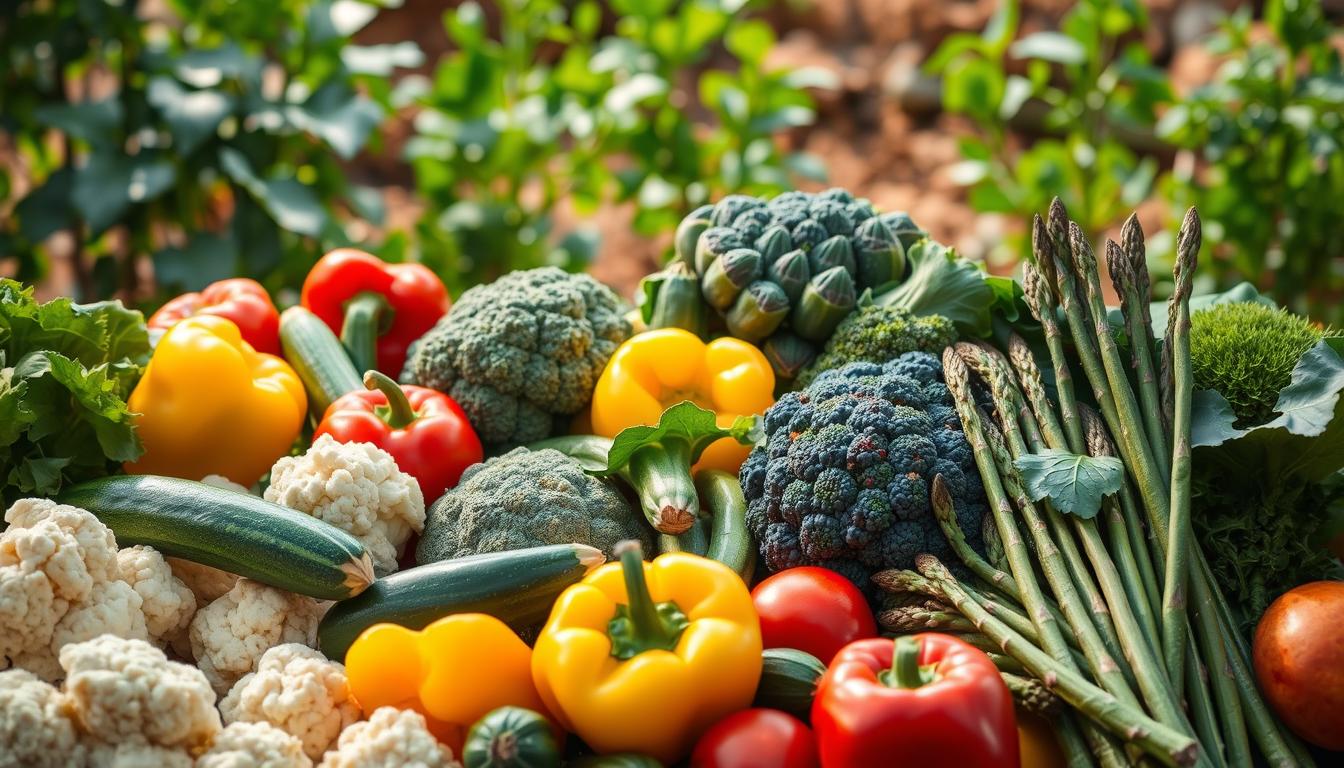
Your plate’s foundation doesn’t need premium pricing for nutritional excellence. Low-carb vegetables like cauliflower and zucchini deliver essential fiber while keeping meals satisfying. With smart selection and prep, you’ll maximize both nutrients and savings.
Whole Vegetables vs Precut Premiums
Pre-chopped options cost 300% more than whole produce. A head of cauliflower ($2.99) yields 6 cups of “rice,” while pre-riced bags ($3.49) provide just 3 cups. Spinach offers similar value – bulk bunches cost $1.50 versus $4 for pre-washed bags.
Simple tools transform whole veggies into meal-ready ingredients. Use a box grater for zucchini noodles or smash garlic cloves with a knife. Ten minutes of prep saves $15 weekly – enough to buy 5 extra pounds of broccoli.
Store vegetables properly to extend freshness. Wrap lettuce in damp towels, keep squash in cool pantries, and freeze chopped peppers in portioned bags. These methods prevent spoilage and ensure every dollar spent delivers maximum meals.
Prioritize versatile, nutrient-dense choices:
- Spaghetti squash: 10g carbs per cup, lasts 3 weeks unrefrigerated
- Green beans: $1.29/lb frozen, rich in vitamin K
- Kale: 7x more vitamin C than lettuce per serving
Bulk Buying and Meal Planning Strategies
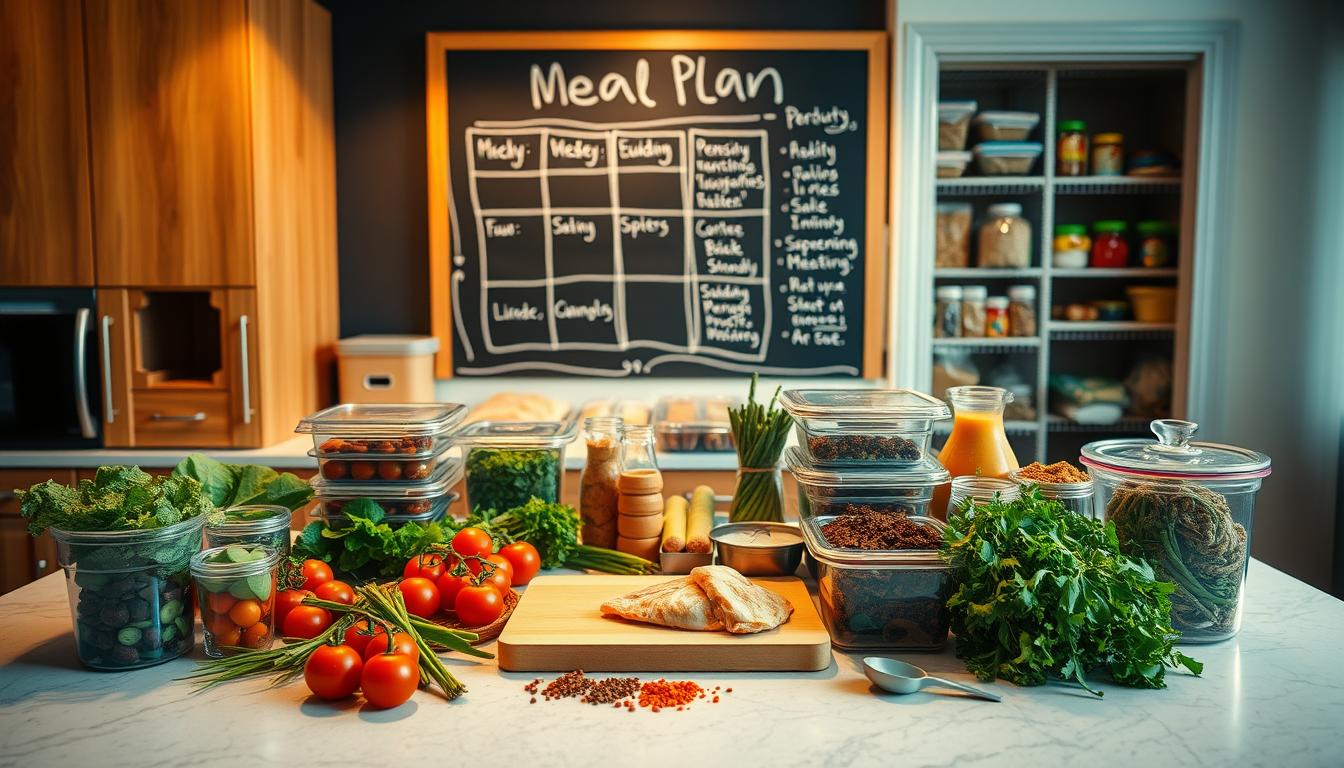
Strategic bulk buying paired with intentional meal planning creates a powerful cost-cutting duo. American households discard $1,500 worth of food annually – enough to fund three months of groceries for many families. This section reveals how to turn bulk purchases into budget victories through smart organization.
Planning Meals to Reduce Food Waste
Design weekly menus around overlapping ingredients. If Tuesday’s chicken stir-fry uses half a cabbage, plan Wednesday’s egg roll bowls with the remainder. Produce preservation techniques like pickling or freezing extend ingredient lifespans by 2-3 weeks.
Tips for Buying in Bulk and Storing Properly
Focus on shelf-stable items with long expiration dates. Costco’s 5-pound spinach freeze-dried powder retains nutrients for 25 years, while bulk nuts stay fresh 12 months in airtight jars. Consider this storage guide:
| Item | Shelf Life | Storage Method | Weekly Use Ideas |
|---|---|---|---|
| Almonds | 12 months | Glass jars in pantry | Snacks, crusts, milk |
| Frozen broccoli | 8 months | Original packaging | Stir-fries, soups, sides |
| Olive oil | 2 years | Dark cool cupboard | Dressings, roasting, dips |
Rotate older items to the front of shelves during weekly fridge audits. Chop and freeze wilting greens for smoothies – they retain 90% of nutrients when frozen within 48 hours. Batch cooking transforms bulk proteins into 3-4 distinct meals, preventing taste fatigue while cutting prep time.
Keto on a Budget: How to Eat Fat Without Breaking the Bank – Expert Tips
Mastering budget-friendly ketogenic eating requires professional-grade strategies. Nutritionists recommend focusing on flavor amplification techniques that elevate inexpensive ingredients. This approach turns basic components into satisfying meals while keeping costs under $3 per serving.

Cost-Saving Tips on Meat and Vegetable Selection
Butchers suggest choosing bone-in, skin-on poultry for 40% savings over pre-cut options. Pork shoulder becomes pulled pork for 3 meals when slow-cooked with $0.99/lb cabbage. For vegetables:
| Vegetable | Cost/LB | Meal Uses |
|---|---|---|
| Kale | $1.29 | Chips, salads, soups |
| Zucchini | $0.89 | Noodles, fritters, bakes |
| Radishes | $1.49 | Roasted potatoes substitute |
Seasonal buying slashes produce costs. Summer squash costs 60% less in July, while winter brings $0.79/lb Brussels sprouts. Blanch and freeze extras for off-season use.
Recipes and Meal Ideas for Everyday Savings
Transform $5 rotisserie chicken into three meals:
- Day 1: Shredded meat with roasted veggies
- Day 2: Bone broth simmered for 8 hours
- Day 3: Chicken salad with avocado mayo
Egg-based dishes provide affordable protein. A 12-egg frittata with $1.50 spinach feeds four. Top with $0.25/serving shredded cheese for added fat content.
“Batch-prepare components like cauliflower rice and grilled meats to assemble varied meals throughout the week,”
Exploring Affordable Fat Sources: Oils, Nuts, and More
Smart fat selection transforms your pantry into a nutritional powerhouse without draining funds. Focus on versatile options that deliver maximum flavor and energy per dollar spent.
Comparing Avocado Oil, Olive Oil, and Alternatives
Store-brand oils match premium quality at lower prices. A 25-ounce bottle of Kirkland Signature avocado oil costs $12.99 versus $19.99 for name brands. Olive oil remains a kitchen staple – Great Value Extra Virgin provides 120 servings for $8.98.
| Oil Type | Cost/Ounce | Smoke Point | Key Benefits |
|---|---|---|---|
| Avocado | $0.52 | 520°F | Neutral flavor, high heat |
| Olive | $0.36 | 410°F | Antioxidants, heart health |
| Coconut | $0.41 | 350°F | MCTs for energy |
Generic versions contain identical nutritional profiles to pricier options. Consumer Reports found 83% of testers couldn’t distinguish store-brand from premium oils in blind taste tests.
Buying Nuts in Bulk for Long-Term Savings
Warehouse clubs slash nut costs by 60%. Costco’s 3-pound almond bag ($13) equals 48 one-ounce servings – just $0.27 each. Retail packs charge $0.50 per ounce at standard grocery stores.
| Nut Type | Bulk Price/LB | Retail Price/LB | Shelf Life |
|---|---|---|---|
| Almonds | $4.33 | $6.99 | 24 months |
| Walnuts | $5.67 | $8.49 | 18 months |
| Pecans | $6.25 | $9.99 | 12 months |
Store nuts in airtight containers away from heat sources. The Almond Board confirms proper storage maintains freshness for two years. One ounce delivers 14g fat and 2.6g net carbs – perfect for low-carb macros.
DIY Keto Snacks and Creative Recipe Ideas
Store-bought options drain wallets while compromising nutrition. Prepackaged items often contain hidden carbs and cost 300% more than homemade alternatives. A $5 bag of keto bars equals 12 DIY servings using basic ingredients.
Smart Fuel Solutions
Cheese crisps demonstrate kitchen magic – bake Sargento slices at 400°F for 6 minutes to create crunchy snacks. Hard-boiled eggs with Everything Bagel seasoning offer portable protein for $0.35 each. Keep these ready-to-eat options in your fridge for sudden cravings.
Try these wallet-friendly ideas:
- Spiced nuts (almonds + chili powder)
- Cucumber rounds with Daisy sour cream
- Baked pepperoni chips
- Avocado “boats” filled with tuna
Prep time averages 10 minutes – less than driving to the store. Batch cooking ensures you always have satisfying food within reach. Create your personalized snack list using weekly circulars to maximize savings.
Your best defense against overspending? A stocked pantry and simple recipes that turn staples into crave-worthy treats. Forget expensive bars – real food always wins.