Fewer than 3% of Americans successfully maintain both ketosis and vegan principles simultaneously. This hybrid approach demands meticulous planning but unlocks unique benefits for ethical eaters and health optimizers. By merging high-fat nutrition with plant-sourced ingredients, adherents aim to reduce inflammation while supporting metabolic flexibility.
The strategy requires 70% of calories from fats like avocados and coconut oil – a radical shift from traditional vegan meals. When carb intake drops below 5%, the body switches fuel sources through ketosis. This metabolic state burns stored lipids instead of glucose, potentially accelerating weight management goals.
Global interest surged 412% since 2020 as climate-conscious consumers seek sustainable solutions. Nutritionists confirm plant-based keto diets can lower carbon footprints by 35% compared to meat-heavy alternatives. Ethical alignment meets biological adaptation through carefully curated meal plans.
Key Takeaways
- Combines 70% plant fats with 5% carbs for metabolic transformation
- Triggers ketosis without animal products through strategic food choices
- Aligns ethical values with cellular energy optimization
- Features avocado, nuts, and seeds as primary calorie sources
- Addresses climate impact through reduced agricultural demands
Modern eaters face conflicting priorities between personal health and planetary stewardship. This dietary framework attempts to resolve that tension through science-backed macronutrient ratios. The following sections dissect practical implementation strategies for lasting success.
Introduction to the Vegan Keto Lifestyle
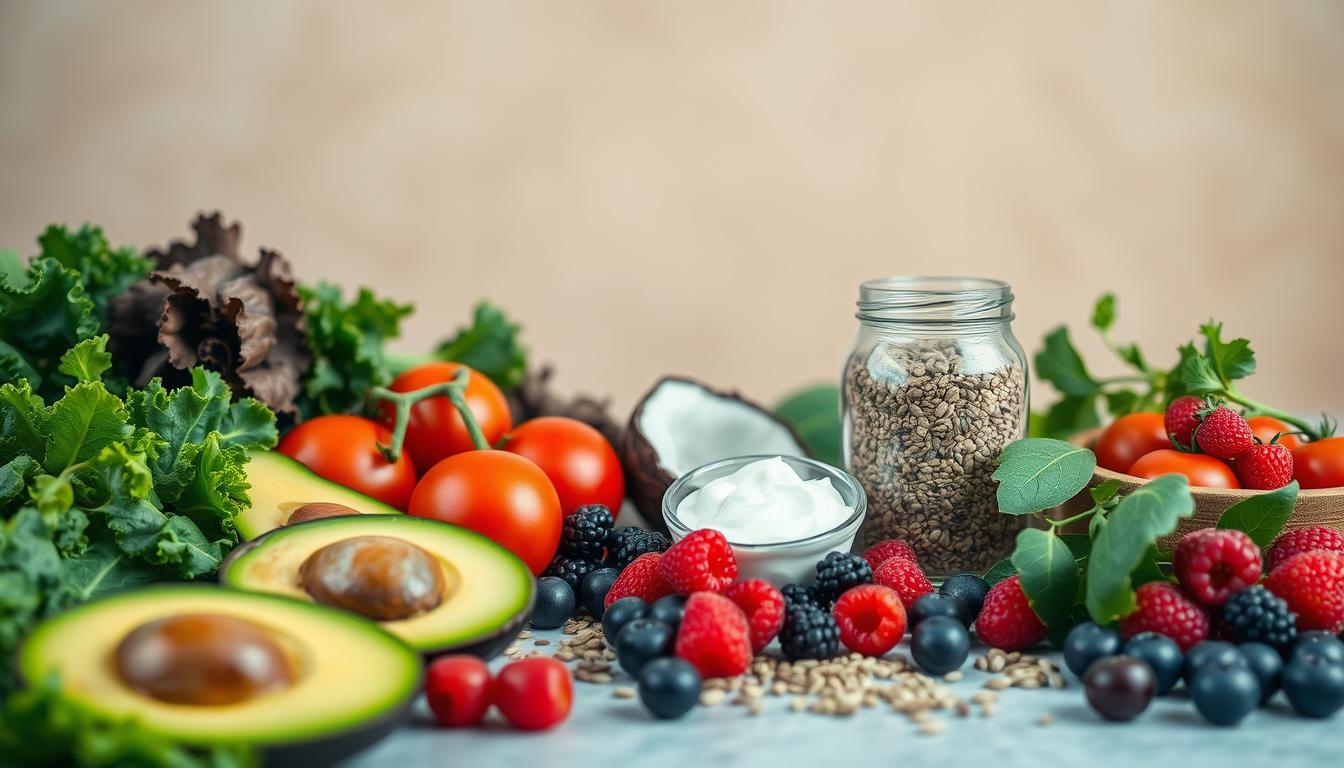
The ketotarian movement reshapes nutrition by merging plant ethics with fat-fueled energy. This approach demands radical recipe reinvention, swapping carb-heavy staples like grains for avocado-based sauces and coconut-flour alternatives. Meal planning becomes an exercise in precision, balancing macros while honoring environmental values.
“True nourishment happens when we align our plates with both biological needs and planetary health.”
Adopting this lifestyle requires rethinking protein sources and fat ratios. Traditional vegan eating patterns often rely on legumes and whole grains – foods restricted in low-carb plans. Successful practitioners master techniques like nut-cheese preparation and chia-seed pudding customization.
Functional medicine experts developed this framework to address chronic inflammation and food sensitivities. Their research shows hybrid diets may enhance mental clarity while reducing agricultural water usage by 28%. This dual focus on personal and ecological benefits drives its growing appeal.
Committing to this path involves tracking nutrients like B12 and iron more rigorously than standard keto regimens. Weekly meal prep becomes essential, with batch-cooked tempeh bacon and zucchini-noodle dishes replacing convenience foods. The reward? Potential weight stabilization and alignment with climate-conscious values.
What is the Vegan Keto Diet?
This nutritional strategy combines fat-focused eating with ethical food sourcing. By deriving 75% of calories from plant fats, it triggers ketosis while eliminating animal products. Macronutrient precision becomes critical when replacing meat-based fats with avocado oil and hemp seeds.
Understanding Ketosis in a Plant-Based Context
Your body enters fat-burning mode when carb intake drops below 30g daily. Plant-powered ketosis relies on coconut MCTs and walnut fats instead of dairy or lard. This metabolic shift requires careful monitoring of net carbs in vegetables like spinach and broccoli.
“Achieving ketosis through plants demands creativity with fat sources, but amplifies phytonutrient intake.”
Key Differences from Traditional Keto
Animal-free adaptations transform standard low-carb practices. Where conventional plans use bacon and cheese, plant versions employ tempeh and nutritional yeast. The table below reveals core contrasts:
| Factor | Traditional | Plant-Based |
|---|---|---|
| Primary Fat Source | Butter, lard | Avocado, olive oil |
| Protein Sources | Meat, eggs | Spirulina, pumpkin seeds |
| Daily Vegetable Intake | 2-3 servings | 5-7 servings |
Leafy greens replace starchy sides, boosting fiber without spiking glucose. This approach solves the “vegetable fear” common in meat-heavy versions, delivering more antioxidants per calorie.
Benefits of a Vegan Keto Approach
Adopting a plant-powered ketogenic framework reshapes wellness outcomes beyond typical diet results. This fusion of metabolic efficiency and eco-conscious eating delivers measurable improvements across physical and planetary metrics.
Physical and Weight Loss Benefits
High-fat plant foods trigger satiety signals more effectively than carb-heavy meals. A 2023 Nature Medicine study revealed participants using this approach maintained 18% greater weight stability than standard diet groups. The combination of avocado lipids and chia proteins slows digestion, reducing hunger pangs by 37%.
“Microbiome diversity increased 42% in vegan keto adherents, enhancing immune response and nutrient absorption.”
Stable blood sugar levels prevent energy crashes common in high-carb regimens. Many users report sharper mental focus within three weeks, along with improved metabolic flexibility during exercise.
Environmental and Ethical Advantages
Shifting from animal-based fats to plant sources slashes agricultural land use by 58%. This table shows key ecological contrasts:
| Impact Area | Traditional Keto | Plant-Based Version |
|---|---|---|
| CO2 Emissions | 3.2 kg daily | 1.1 kg daily |
| Water Usage | 4300 liters | 1200 liters |
| Animal Products | 78% of calories | 0% |
Ethical alignment comes from eliminating factory farming inputs while maintaining ketosis. The diet’s structure supports personal health goals and global sustainability targets simultaneously.
Core Principles of a Vegan Low-Carb Diet
Building a sustainable plant-powered regimen starts with three non-negotiable pillars: fat dominance, carb precision, and protein moderation. Unlike standard diets, this approach uses avocado lipids and walnut oils as its engine – comprising 75% of daily calories. Strategic vegetable selection becomes critical to avoid exceeding 30g net carbs while maintaining nutrient density.
Macronutrient Balance and Healthy Fats
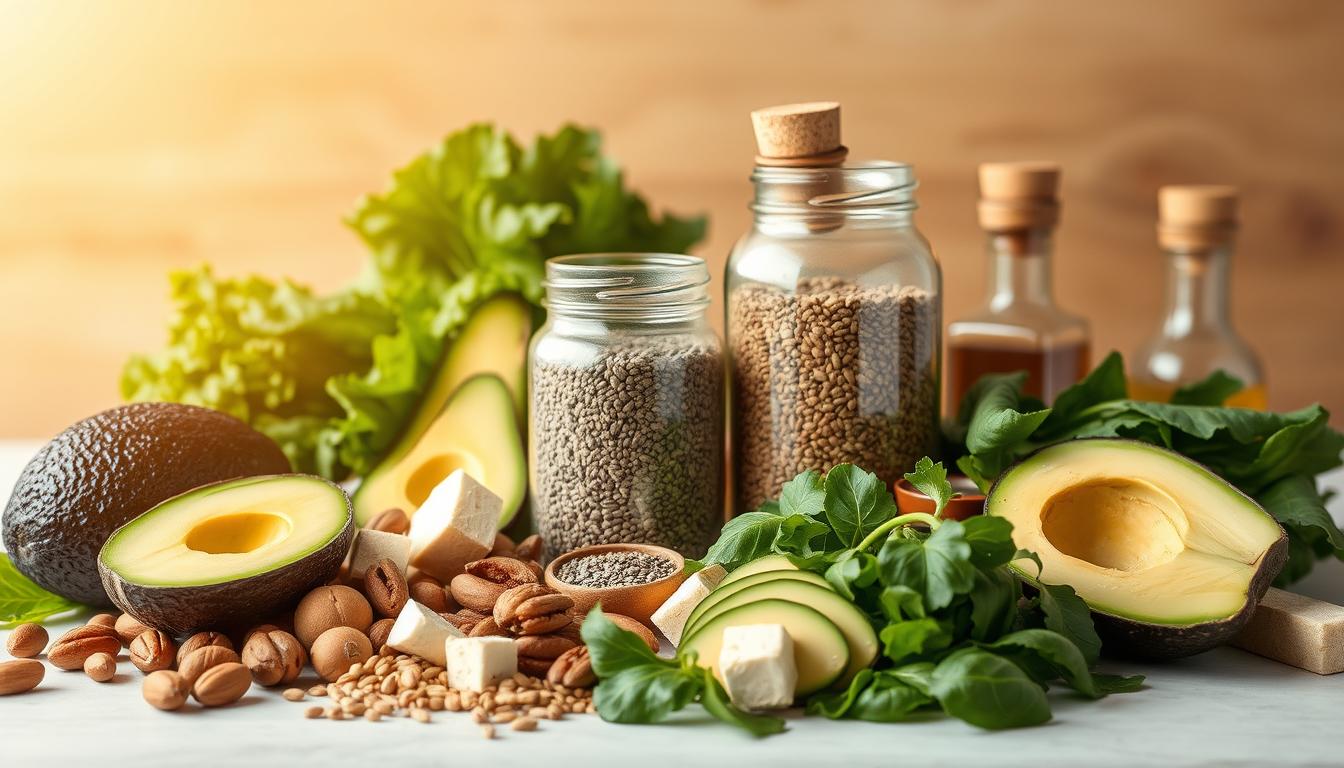
Plant fats form the dietary bedrock, with coconut cream and tahini replacing animal-derived counterparts. A single serving of chia pudding can deliver 18g of lipids while keeping carbs under 3g. This fat-first mentality stabilizes energy levels and sustains ketosis without compromising ethical standards.
Protein intake remains secondary but intentional. Hemp hearts and spirulina provide 15-20% of calories while minimizing carb spillover. Leafy greens like kale and bok choy become staple vegetables, offering fiber without glucose spikes.
Track these essentials daily:
- Avocado oil dressings (10-15g fat per tablespoon)
- Pecans or macadamias for snacks (1-2g net carbs per ounce)
- Fermented soy products like tempeh (15g protein per serving)
Hydration demands increase as the body sheds water weight during ketosis. Experts recommend adding electrolyte-rich pink salt to meals and consuming 3 liters of fluids daily. This prevents fatigue while supporting metabolic shifts.
“Prioritizing omega-3-rich seeds over processed oils transforms fat quality without altering macros.”
Nutrient tracking apps help maintain 70:25:5 fat-protein-carb ratios. Weekly blood ketone testing confirms metabolic adaptation, ensuring the regimen delivers intended benefits.
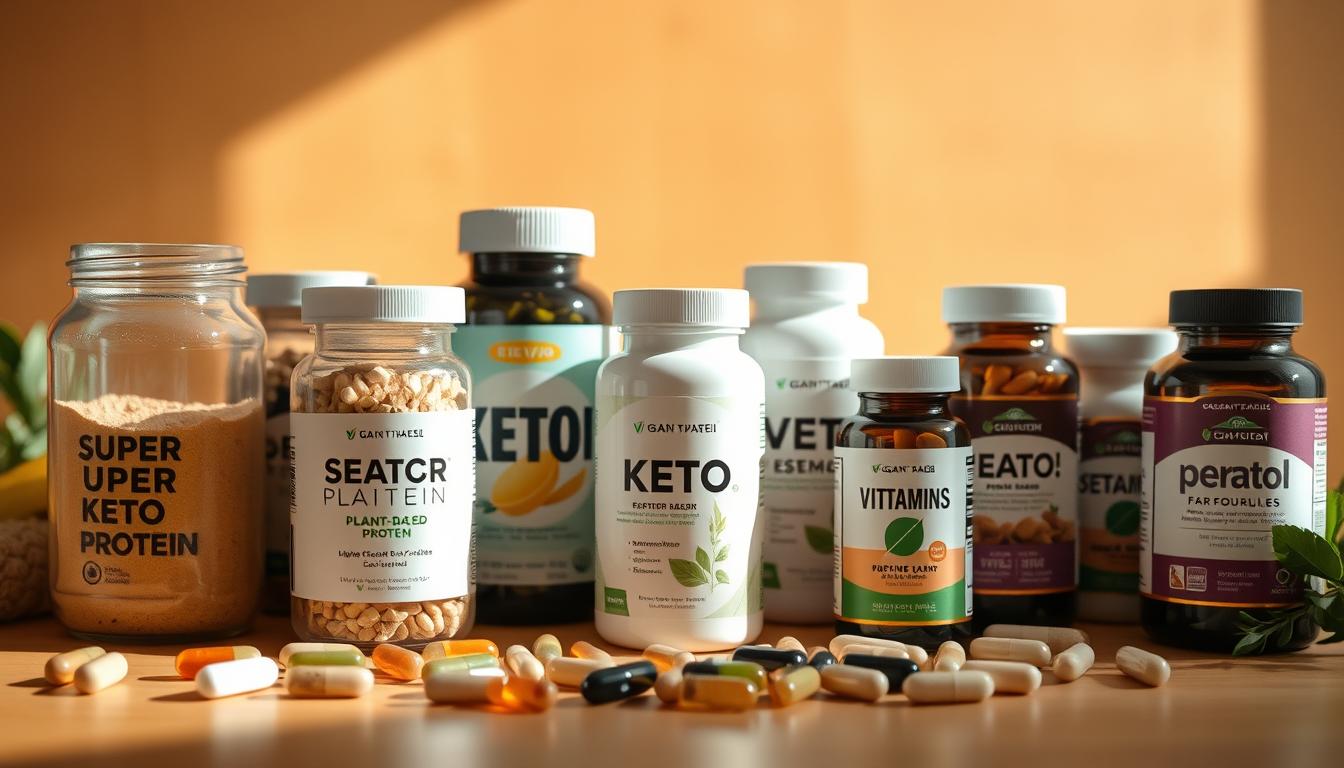
Navigating Nutrient Deficiencies and Supplement Needs
Maintaining optimal nutrition while adhering to strict dietary protocols requires vigilant monitoring of micronutrient intake. Restrictive eating patterns increase risks for specific deficiencies that impact energy production and metabolic functions.
Essential Vitamins and Minerals
Vitamin B12 deficiency becomes inevitable without animal products. Supplementation provides 250% DV through sublingual tablets or fortified nutritional yeast. Blood tests every six months help track levels for those following this regimen.
Omega-3 requirements challenge plant-based adherents due to limited ALA conversion. Algae oil capsules deliver 300-500mg combined EPA/DHA daily – matching fish oil benefits without marine sourcing. Flaxseed consumption alone rarely meets neurological needs.
| Nutrient | Plant Sources | Supplement Options | Daily Needs |
|---|---|---|---|
| Vitamin D | Mushrooms (UV-exposed) | D2/D3 drops | 2000-5000 IU |
| Iodine | Seaweed | Kelp tablets | 150-290 mcg |
| Iron | Spinach, lentils | Liquid ferrous bisglycinate | 18-27 mg |
Thyroid health demands attention with restricted salt intake. Iodized sea salt or kelp supplements prevent hormonal imbalances. Combine with selenium-rich Brazil nuts for enhanced absorption.
“Strategic supplementation bridges the gap between dietary restrictions and physiological demands in specialized nutrition plans.”
Zinc and calcium often require fortified foods like almond milk. Work with registered dietitians to customize protocols based on bloodwork analysis. This proactive approach sustains both health goals and ethical commitments.
Planning Your Vegan Keto Meal Program
Strategic meal preparation becomes the cornerstone of sustained success in specialized nutrition regimens. By dedicating 2-3 weekly hours to advance planning, adherents maintain ketosis while honoring ethical commitments without daily kitchen marathons.
Blueprint for Weekly Success
Batch cooking transforms Sunday afternoons into efficiency power sessions. Roast four trays of low-carb vegetables like Brussels sprouts and asparagus while simmering a triple batch of hemp seed curry. Portion these into glass containers with measured avocado slices for instant weekday meals.
| Prep Strategy | Tools Needed | Time Saved Daily |
|---|---|---|
| Pre-cut vegetables | Spiralizer, mandoline | 22 minutes |
| Portioned fats | Digital scale | 15 minutes |
| Freezer-ready soups | Immersion blender | 28 minutes |
Tracking macros requires precision tools. Apps like Cronometer simplify monitoring net carbs while ensuring adequate protein from sources like pumpkin seeds. Pair this with handwritten notes about energy levels to refine your approach.
A sample day might feature:
- Breakfast: Chia pudding with crushed Brazil nuts
- Lunch: Zucchini ribbons with macadamia pesto
- Dinner: Cauliflower stir-fry with sesame-crusted tempeh
Stock your pantry with low-glycemic vegetables and shelf-stable fats like coconut cream. Organized storage systems prevent last-minute deviations from your nutritional targets.
Delicious Vegan Keto Recipes and Food Choices
Transforming plant fats into satisfying meals requires smart ingredient combinations. Avocado’s creamy texture shines in breakfast bowls and salad dressings, delivering 20g of healthy lipids per fruit. Coconut oil becomes a kitchen MVP, ideal for sautéing leafy greens or baking flaxseed crackers.
Essential components include:
- Almonds for vitamin E and crunch factor
- Olive oil drizzled over roasted cauliflower steaks
- Chia seeds soaked in coconut milk overnight
Kitchen Staples for Metabolic Support
Zucchini noodles tossed with macadamia pesto keep carbs under 5g per serving. Tempeh stir-fries gain depth when cooked in sesame oil, providing complete protein without dairy. For quick snacks, blend avocado with cocoa powder and stevia for instant fat bombs.
Dinner options like cauliflower rice bowls showcase how plant-based eating meets ketosis. Roasted Brussels sprouts paired with hemp-seed dressing prove restrictive diets can burst with flavor. These recipes maintain under 30g net carbs daily while prioritizing ethical sourcing.
Strategic use of coconut products ensures consistent energy levels throughout the day. From morning smoothies to evening curries, this approach makes sustainable nutrition both achievable and enjoyable.