Did you know that 57% of men and 40% of women snore regularly? For many couples, this nighttime habit isn’t just annoying—it can strain relationships. In fact, nearly one in four pairs end up sleeping separately because of it.
Snoring isn’t just about lost sleep. It can signal deeper health concerns, like sleep apnea. Left unchecked, it affects both physical well-being and relationship harmony. But addressing it the wrong way can lead to arguments.
Experts like Dr. Omar Ahmed compare snoring disputes to the exhaustion new parents face. The key? Approach the conversation with care. Solutions like CPAP machines reduce conflicts by 83%, proving that teamwork makes a difference.
Key Takeaways
- Snoring affects over half of men and nearly half of women.
- 24% of couples sleep apart due to nighttime disturbances.
- Sleep deprivation harms both partners’ health and happiness.
- Snoring may indicate serious conditions like sleep apnea.
- Open, gentle discussions prevent unnecessary tension.
Understanding the Impact of Snoring on Your Relationship
The *noise* in your *bed* might be eroding your bond. Over half of couples report *partner snoring* issues, turning nights into battlegrounds. What starts as minor irritation can escalate into *sleep deprivation*, resentment, and even separate bedrooms.

How Snoring Affects Sleep Quality
Snorers experience 5–10+ breathing pauses hourly, fracturing rest. The *effects*? Both partners lose roughly an hour of sleep nightly. This cycle fuels:
- Daytime fatigue (50% higher accident risk).
- 37% increased depression rates in severe cases.
- Defensive “snore wars”—nudging vs. denial.
Emotional and Physical Toll on Both Partners
Chronic *sleep deprivation* strains more than patience. The NSF found 24% of couples sleep apart, trading intimacy for functionality. Worse, snoring often signals a *health* *condition* like sleep apnea, linked to:
- 30% higher heart disease risk.
- Hypertension and diabetes.
Addressing it early preserves both your *health* and harmony.
How to Talk to a Partner About Their Snoring Without Starting a Fight
Opening a dialogue about nighttime disturbances requires both timing and tact. Nearly 37% of women underestimate their snoring severity, making it a sensitive issue. Framing the conversation around shared concerns—like health and restful sleep—helps avoid defensiveness.

Choosing the Right Time and Place
Initiate the talk when cortisol levels are lower, like after dinner. Avoid mornings when grogginess fuels irritation. Example:
“I care about your health. Let’s review this sleep apnea quiz together.”
Recording snoring sessions can provide neutral evidence, easing tension.
Using Supportive Language
Swap accusatory phrases like “Your snoring drives me crazy” with collaborative solutions:
- Partner-focused: “I miss sleeping together; let’s find a fix.”
- Actionable: “Let’s try nose strips for a week and track changes.”
For 73% of women, embarrassment compounds the issue. Position adjustments or a doctor visit may resolve underlying causes.
Identifying the Root Cause of Snoring
Not all snoring is the same—some types signal serious health risks. While primary snoring stems from relaxed throat tissues, obstructive sleep apnea (OSA) involves repeated breathing pauses. Knowing the difference helps protect your partner’s well-being and your shared sleep.
Signs of Sleep Apnea vs. Primary Snoring
Primary snoring creates noise but no breathing interruptions. OSA, however, includes:
- Gasping or choking sounds at night.
- Frequent waking with headaches or dry mouth.
- Daytime fatigue despite long hours in bed.
Risk factors like a neck circumference over 16 inches or a BMI above 30 increase OSA likelihood. Dr. Ahmed notes, “Tracking sleep positions and alcohol intake can reveal patterns before seeking a diagnosis.”
When to Seek a Professional Diagnosis
Home tests with wearable devices offer 90% accuracy for detecting sleep apnea. But if your partner shows symptoms like nocturia (nighttime urination) or unrefreshed sleep, consult a specialist. Untreated OSA triples stroke risk—making early action vital.
Simple changes like side sleeping or reducing alcohol may help mild cases. For persistent symptoms, a sleep study provides clarity and opens doors to treatments like CPAP therapy.
Preparing for the Conversation
Having the right tools and mindset makes tough conversations about sleep disruptions smoother. Nearly 37% of snorers dismiss the problem until confronted with recordings. Start by framing the discussion as a shared health goal—not a blame game.
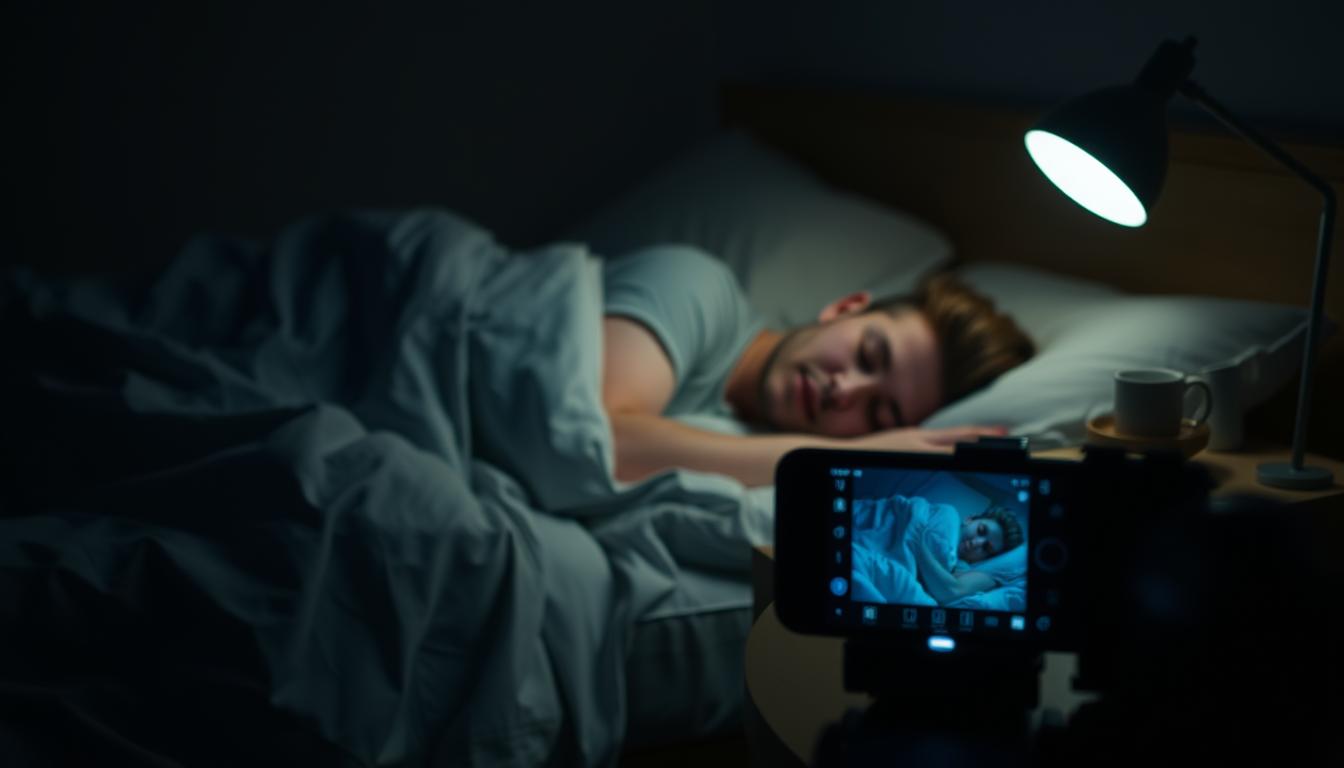
Gathering Evidence and Observations
Data transforms subjective complaints into actionable information. Track patterns with a sleep journal or apps like SnoreLab. Note triggers like alcohol or back sleeping. ENT specialists report 60% higher diagnosis acceptance when patients see objective evidence.
| Method | Pros | Cons |
|---|---|---|
| Audio Recordings | Concrete proof of volume/frequency | May feel invasive |
| Sleep Journal | Tracks positional triggers | Relies on partner’s memory |
Addressing Potential Defensiveness
Snoring often carries embarrassment. Use “I” statements: “I’m concerned about those gasping sounds—let’s check with a specialist.” Acknowledge fears—45% avoid CPAP machines due to stigma. Reassure your partner with:
- Collaboration: “We’ll find a solution together.”
- Health focus: “This could improve your energy and heart health.”
“Defensiveness melts when snorers see their partner’s concerns as care, not criticism.”
Exploring Solutions Together
Tackling snoring as a team leads to better nights and healthier days. Whether it’s adjusting habits or exploring medical treatment, small steps can silence disruptions and restore harmony.
Lifestyle Changes and Home Remedies
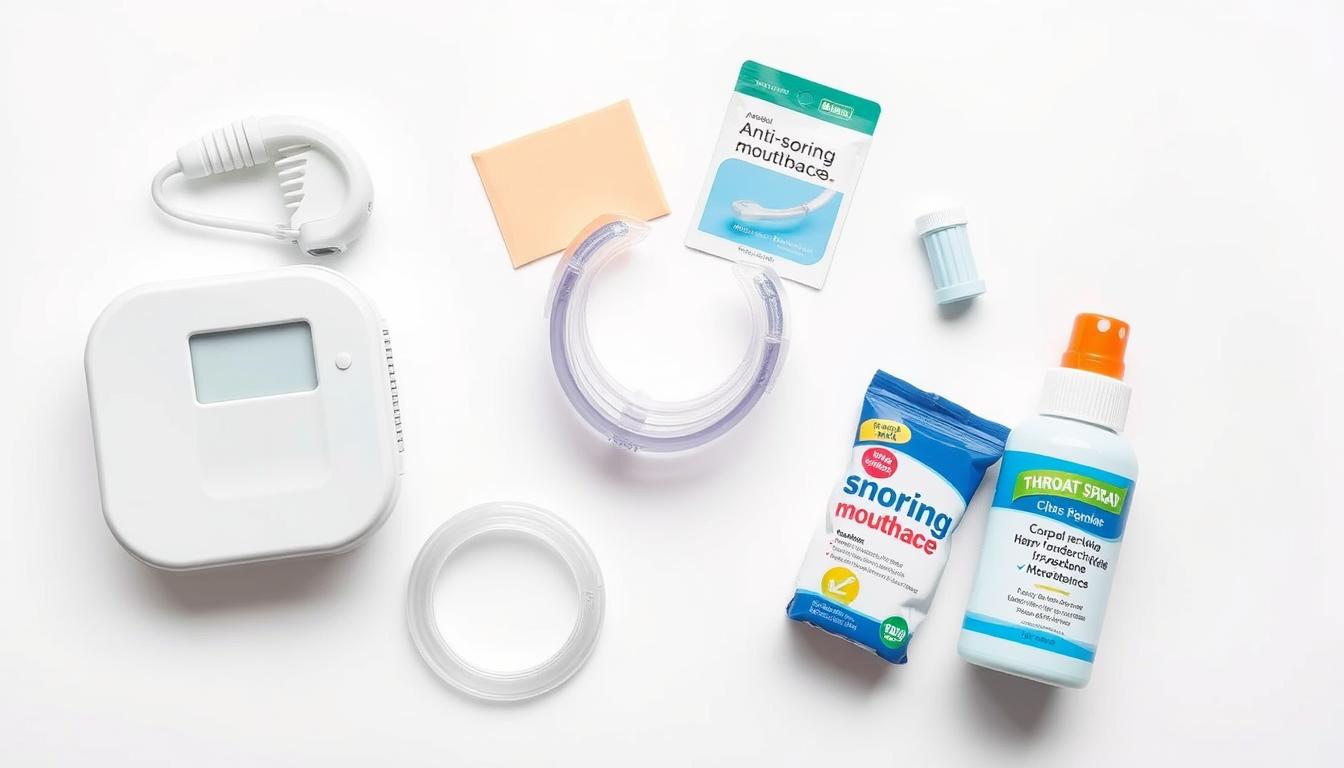
Simple lifestyle changes reduce snoring severity. Weight loss cuts apnea risk by 50% in overweight individuals. Avoid alcohol before bed—it relaxes throat muscles, worsening airflow.
Try these immediate fixes:
- Nasal strips or saline sprays to open nose passages.
- Side-sleeping shirts to maintain position.
- White noise machines at 50 dB to mask sounds.
Medical Treatments and Devices
For persistent cases, treatment options range from devices to surgery. CPAP machines remain the gold standard, offering 83% conflict reduction in couples.
Alternatives include:
- Mandibular advancement devices (67% effectiveness).
- Inspire implants (72% success rate) for severe apnea.
- ENT procedures like septoplasty (89% fix rate for deviated septums).
“Collaborative solutions—not blame—turn snoring from a wedge into a shared victory.”
Addressing Health Concerns and Risks
Chronic snoring isn’t just annoying—it’s a potential health time bomb. Left unchecked, nighttime breathing issues can trigger systemic disease and reduce life expectancy. Understanding these risks helps motivate positive changes.
https://www.youtube.com/watch?v=i6lxO6W2-m8
Long-Term Effects of Untreated Snoring
Obstructive sleep apnea doesn’t just steal rest—it rewires your biology. Each breathing pause creates oxygen deprivation, forcing your heart to work harder. This strain leads to:
- 58% higher Alzheimer’s risk from repeated oxygen drops
- 40% increased mortality when combined with COPD
- 30% reduced sperm count in male sufferers
The throat isn’t the only casualty. NIH studies show OSA patients develop pneumonia 2.5 times more often. Nighttime stress responses also contribute to fatty liver disease and Barrett’s esophagus.
| Health System | Potential Damage | Prevention Window |
|---|---|---|
| Cardiovascular | Hypertension, stroke | 5-7 years before damage |
| Metabolic | Diabetes, weight gain | Detectable in pre-diabetes |
| Neurological | Memory loss, depression | Reversible with treatment |
How Sleep Apnea Impacts Overall Health
Untreated sleep disorders create a cascade of effects. The constant fight for air triggers sympathetic overdrive—keeping your body in perpetual stress mode. This explains why OSA patients have:
- 8 times more driving accidents
- Double the hospital admission rates
- Shorter remission periods for infections
Weight plays a crucial role, as shown in this weight-related health guide. Even modest weight loss can reduce apnea episodes by 50% in some cases.
“The body treats each apnea episode like a near-drowning event—this chronic emergency state wears down every organ system.”
Early intervention transforms outcomes. CPAP users show 73% better cardiovascular markers within months. Simple screenings can detect issues before permanent damage occurs.
Conclusion
Nighttime disruptions don’t have to divide you—they can bring you closer. As Dr. Ahmed notes, “It’s a two-way street—compromise preserves love.” Start with a diagnosis, explore treatment options together, and follow up regularly.
Prioritize your health now. Schedule a sleep study this week to uncover underlying issues. Addressing snoring can renew intimacy and energy in your relationship.
For support, use sleep quizzes or find local ENT specialists. Your partner’s well-being—and peaceful sleep—are worth the effort.