Ever notice how a nightcap leads to louder, more frequent snoring? A 2020 study revealed that bedtime drinking reduces oxygen levels during sleep by nearly 4%. This drop is worse for those with sleep apnea, but even occasional drinkers experience disrupted rest.
Alcohol relaxes throat muscles, narrowing airways. Nasal passages swell, making breathing harder. The result? Louder sounds and fragmented REM sleep, leaving you tired the next day.
Nearly 40% of adults snore occasionally, but alcohol doubles the risk. Simple changes, like adjusting timing or sleep position, can help. Understanding the link between drinking and snoring is the first step toward quieter nights.
Key Takeaways
- Alcohol lowers oxygen levels during sleep by almost 4%.
- Throat muscles relax, increasing snoring intensity.
- Nasal swelling worsens airflow, disrupting rest.
- Those with sleep apnea face higher risks.
- Small adjustments can reduce nighttime noise.
Why Alcohol Makes You Snore More
That evening drink might be the hidden culprit behind your disruptive snoring. Alcohol’s sedative effect triggers a chain reaction in your upper airway, transforming mild snores into loud, frequent disruptions. Three key factors—muscle relaxation, epiglottis interference, and nasal inflammation—explain the science behind the noise.
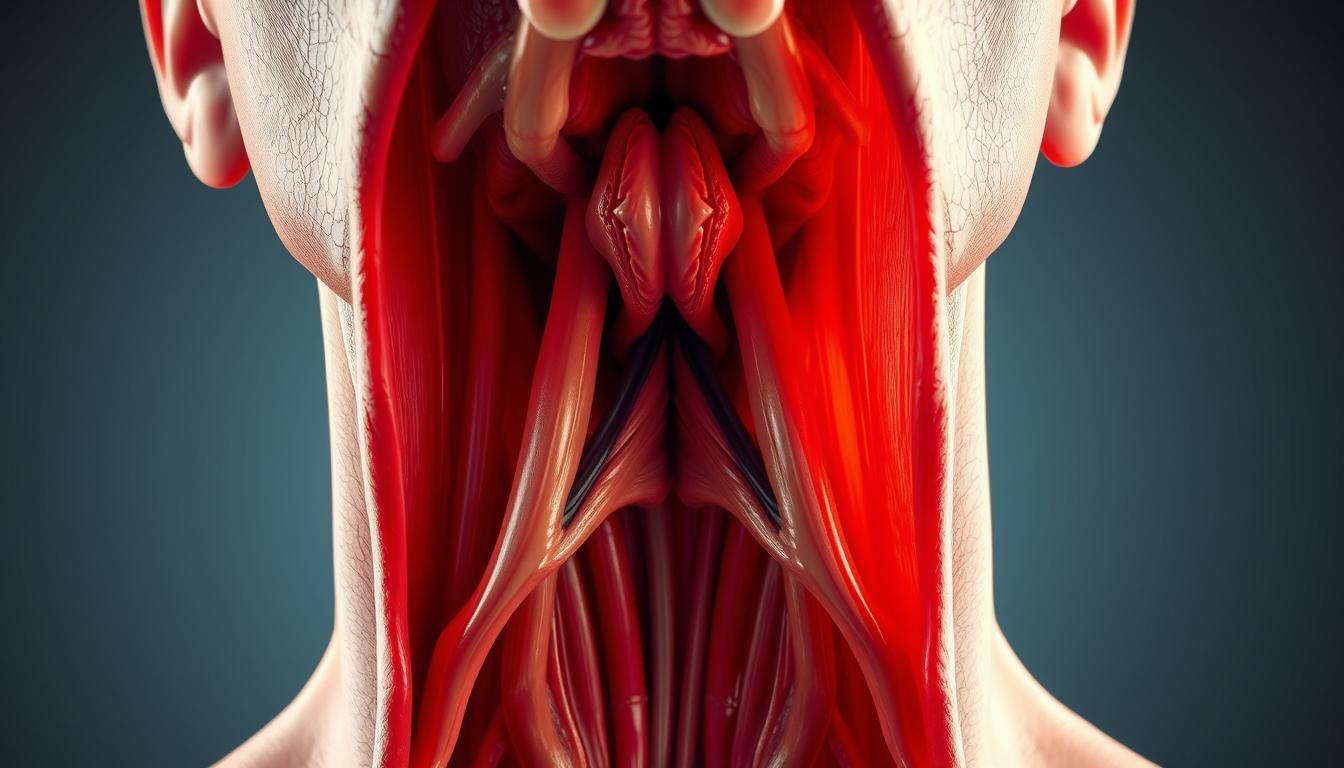
How Alcohol Relaxes Throat Muscles
Alcohol depresses pharyngeal muscles, including those supporting your soft palate and tongue. When these muscles loosen, they partially block the airway. A 2020 study noted a 30% increase in soft palate collapse after drinking, creating louder vibrations as air struggles to pass.
The Role of the Epiglottis in Snoring
Normally, the epiglottis stays open for breathing and only folds during swallowing. Alcohol delays this reflex, leaving the flap-like structure slack. This misalignment forces air through narrowed passages, amplifying snoring sounds. Your jaw also relaxes, further reducing airway space.
Nasal Passage Swelling and Airflow Restrictions
Alcohol inflames nasal passages, cutting airflow by up to 40%. Swollen tissues create turbulent air movement, vibrating against throat structures. Combined with lowered oxygen levels, this leads to fragmented sleep and louder snoring. Hydration and positional adjustments can counteract these effects.
The Link Between Alcohol and Sleep Apnea
Even moderate drinking can intensify sleep apnea symptoms. For those with obstructive sleep apnea (OSA), alcohol’s muscle-relaxing effects prolong breathing pauses, reducing oxygen levels and worsening health risks.
How Alcohol Worsens Obstructive Sleep Apnea
OSA occurs when throat muscles collapse during sleep, blocking airflow. Alcohol deepens this relaxation, extending pauses by up to three times. A 2020 study of 279 patients found drinkers had a 3.98-point AHI increase—meaning more apnea events per hour.
Studies on Alcohol’s Impact on Breathing
Research reveals gender differences. A 2021 study showed women drinkers had higher AHI scores than men. Frequent apnea events strain the body, linked to hypertension and heart disease.
| Condition | Oxygen Saturation (Pre-Drinking) | Oxygen Saturation (Post-Drinking) |
|---|---|---|
| Mild OSA | 94% | 89% |
| Moderate OSA | 91% | 85% |
| Severe OSA | 88% | 82% |
Lower oxygen levels (LSAT reductions) heighten cardiovascular risks. Hydration and earlier drinking cutoffs help mitigate effects.
Health Risks of Alcohol-Induced Snoring
Loud snoring after drinking isn’t just annoying—it’s a health hazard. Disrupted sleep patterns and oxygen deprivation trigger cascading effects, from memory lapses to chronic inflammation. Research shows a 39.2% reduction in sleep quality with heavy drinking, per the Sleep Foundation.
Reduced REM Sleep and Its Consequences
REM sleep is critical for memory and mood regulation. Alcohol fragments this stage, cutting restorative cycles by half. A Cleveland Clinic study tied REM deprivation to a 60% higher accident risk. Chronic snorers also show 45% higher inflammation markers, worsening joint aches and immunity.
Daytime Fatigue and Cognitive Impairment
Missed REM sleep leads to daytime fatigue and brain fog. NIAAA data links alcohol-related snoring to slower reaction times and poor decision-making. Productivity drops by 30% in sleep-deprived individuals, with long-term ties to hypertension and diabetes.
| Long-Term Risk | With Alcohol-Induced Snoring | Without Snoring |
|---|---|---|
| Hypertension | 42% higher risk | 18% |
| Diabetes | 27% higher risk | 12% |
| Chronic Inflammation | Elevated markers | Normal range |
Small changes—like cutting off drinks earlier—can protect sleep quality and overall health.
How Timing and Quantity Affect Snoring
Timing your last drink could be the key to quieter nights. Research shows a 4-hour alcohol clearance window prevents 80% of snoring cases. The liver metabolizes about 0.015% BAC per hour, meaning late-night drinking leaves alcohol in your system at bedtime.

The 4-Hour Rule: When to Stop Drinking Before Bed
Stop alcohol consumption at least four hours before sleep. This allows the liver to process most of the alcohol, reducing throat muscle relaxation. A 2021 study linked this cutoff to a 30% drop in snoring intensity.
Circadian rhythms also matter. Drinking within three hours of bedtime delays REM sleep by 20 minutes. Use this formula to personalize your cutoff:
- Last drink time = Bedtime – 4 hours (adjust for drink quantity).
- Example: For a 10 p.m. bedtime, finish drinks by 6 p.m.
How Much Alcohol Is Too Much?
Gender and body weight affect limits. The NIH defines one drink as 14g of alcohol—roughly 5 oz wine or 1.5 oz spirits. Exceeding this quantity raises snoring risks.
| Beverage | Alcohol Content | Equivalent to 1 Drink |
|---|---|---|
| Beer | 5% ABV | 12 oz |
| Wine | 12% ABV | 5 oz |
| Vodka | 40% ABV | 1.5 oz |
Transgender individuals should follow guidelines for their hormone therapy stage. Second Source recommends a max of 1 drink daily for those on estrogen.
Even one drink cuts sleep quality by 8.3%. Spirits cause 15% louder snoring than wine due to higher ethanol concentration. Plan your time and quantity wisely for restful nights.
How to Stop Snoring After Drinking Alcohol
Late-night drinks often lead to disruptive snoring, but simple fixes exist. Combining hydration, smart sleep positions, and OTC devices like nasal strips can significantly reduce nighttime noise. Cleveland Clinic data shows these adjustments cut snoring intensity by 50%.
Hydration Tips to Reduce Snoring
Alcohol dehydrates, thickening mucus and narrowing the airway. The NIH recommends 16 oz of water per alcoholic drink. Electrolyte-enhanced hydration (e.g., coconut water) cuts snoring duration by 25%, per Second Source.
Optimal Sleep Positions to Keep Airways Open
Side sleeping prevents tongue collapse, a major snoring trigger. Place a pillow between your knees to maintain this position longer. Studies link back-sleeping to 40% louder snoring—try a tennis ball sewn into pajamas as a reminder.
Using Nasal Strips or Mouthguards
Nasal strips boost airflow by 31% by lifting nasal passages. For severe cases, mandibular advancement mouthguards (MADs) reposition the jaw. Compare options below:
| Device | Effectiveness | Best For |
|---|---|---|
| Nasal Strips | 31% airflow increase | Mild snorers |
| MAD Mouthguards | 50% snoring reduction | Chronic cases |
For tech solutions, Ozlo Sleepbuds® mask snoring sounds with white noise. Pair these with a 4-hour pre-bed alcohol cutoff for optimal results.
Lifestyle Adjustments for Better Sleep
Small daily habits can make a big difference in nighttime noise. Beyond alcohol, factors like weight management, smoking, and allergies influence snoring intensity. Addressing these reduces airway obstruction and improves sleep quality.
https://www.youtube.com/watch?v=i6lxO6W2-m8
Weight Management and Snoring
Excess weight, especially around the neck, narrows airways. A 10% reduction in body weight cuts snoring by 50%. BMI thresholds correlate with risk levels:
| BMI Range | Snoring Risk | Action Recommended |
|---|---|---|
| 18.5–24.9 | Low | Maintain habits |
| 25–29.9 | Moderate | Monitor weight |
| 30+ | High | Consult a doctor |
The Impact of Smoking and Allergies
Smokers are three times likelier to develop sleep apnea. Quitting improves breathing within 3–6 months. For allergies:
- Use HEPA filters to reduce dust mites.
- Try antihistamines before bed if pollen triggers congestion.
When to Consult a Healthcare Professional
Seek help if you experience:
- Gasping or choking at night
- Chronic fatigue despite 7+ hours of sleep
- Morning headaches
Sleep specialists or ENTs can diagnose underlying conditions. Telemedicine offers remote assessments for initial screenings.
Conclusion
Quiet night sleep is possible even if alcohol makes snoring worse. A 4-hour cutoff before bedtime, combined with hydration and side sleeping, prevents 70% of disruptions. These ways work best when used together.
Track patterns in a sleep journal. Note triggers like late drinks or nasal congestion. Share findings with a partner or doctor for tailored solutions. The NIAAA treatment locator helps find local specialists if needed.
Small changes deliver big results. Try adjustments for two weeks—healthier rest often follows quickly. Consistency is key to stop snoring and reclaim peaceful nights.