Your stomach sends over 20 hunger signals daily. But only one hormone tells you to stop. This hormone, cholecystokinin (CCK), is 500 million years old. It acts like a biological brake pedal, telling your brain when you’ve eaten enough.
Scientists found CCK’s role in appetite control by studying gut-brain communication. This connection was important during humanity’s hunter-gatherer days. Back then, finding food was a matter of life and death, requiring careful energy use.
Today, we eat too much because our diets are full of refined sugars and fats. These foods make us feel hungry again quickly. They block CCK’s signals, making us eat more than we need. Learning to listen to CCK could change how we eat.
Key Takeaways
- CCK acts as your body’s natural fullness signal, connecting gut activity to brain responses
- This hormone evolved alongside early digestive systems to prevent energy waste
- Processed foods interfere with CCK’s ability to regulate appetite effectively
- High-fat meals trigger stronger CCK release than carbohydrate-heavy options
- Chewing thoroughly enhances CCK production for better portion control
1. The Discovery of CCK: A Breakthrough in Understanding Hunger Signals
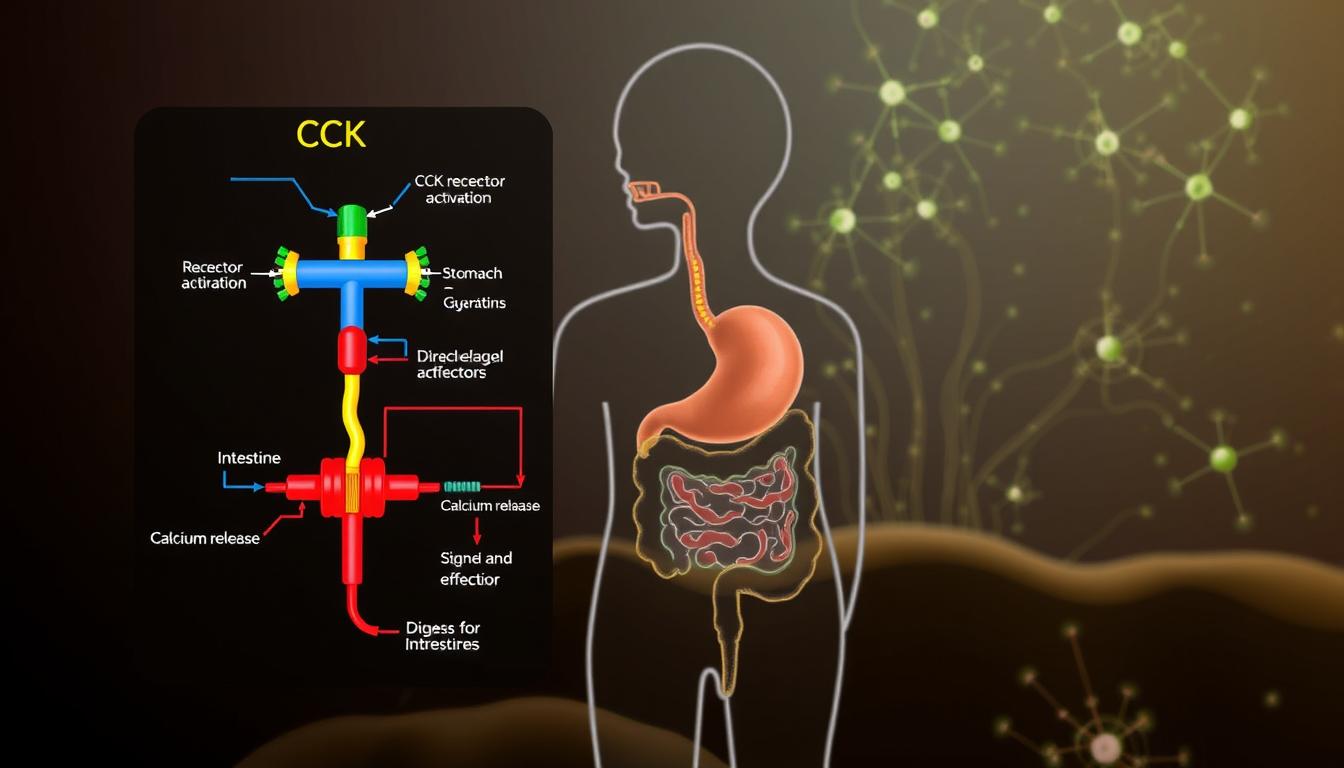
Scientists found cholecystokinin (CCK) in the 1900s. This hormone changed how we see digestion and appetite control. It shows how your gut talks to your brain about eating.
Identification in the 20th Century
Early Observations in Digestive Research
In 1902, researchers found substances that made the pancreas work harder during fat digestion. This was the start of understanding CCK’s dual role in digestion and satiety. By 1928, they knew intestinal extracts could make gallbladders shrink, hinting at CCK’s presence.
Isolation and Characterization Milestones
The hormone was named in 1943 after being purified from pig intestines. This breakthrough led to detailed studies of CCK’s signaling. Key findings included:
- Identification of 33-amino-acid structure (1968)
- Mapping of production sites in small intestine
- Confirmation of brain receptors (1980)
| Year | Milestone | Significance |
|---|---|---|
| 1902 | Secretin discovery | Revealed gut hormone concept |
| 1928 | Gallbladder contraction studies | Identified CCK’s physical effects |
| 1943 | CCK isolation | Enabled molecular analysis |
CCK’s Dual Role in Digestion and Satiety
Pancreatic Enzyme Stimulation
When you eat fatty foods, CCK tells your pancreas to release digestive enzymes. This timed release mechanism breaks down nutrients well. CCK acts like a traffic director, managing digestion processes.
Gallbladder Contraction Mechanisms
CCK makes your gallbladder squeeze bile into the small intestine within 15 minutes of eating. This quick action helps process fats and stops you from eating too much.
| Function | Mechanism | Impact |
|---|---|---|
| Digestion | Enzyme activation | Nutrient absorption |
| Satiety | Brain signal transmission | Appetite regulation |
| Fat Processing | Bile release | Metabolic efficiency |
These discoveries show why balanced CCK signaling is key for healthy weight and digestion. Today, research builds on these findings to create new diets and treatments.
2. Unlocking the Power of CCK: The Hormone That Tells You When to Stop Eating
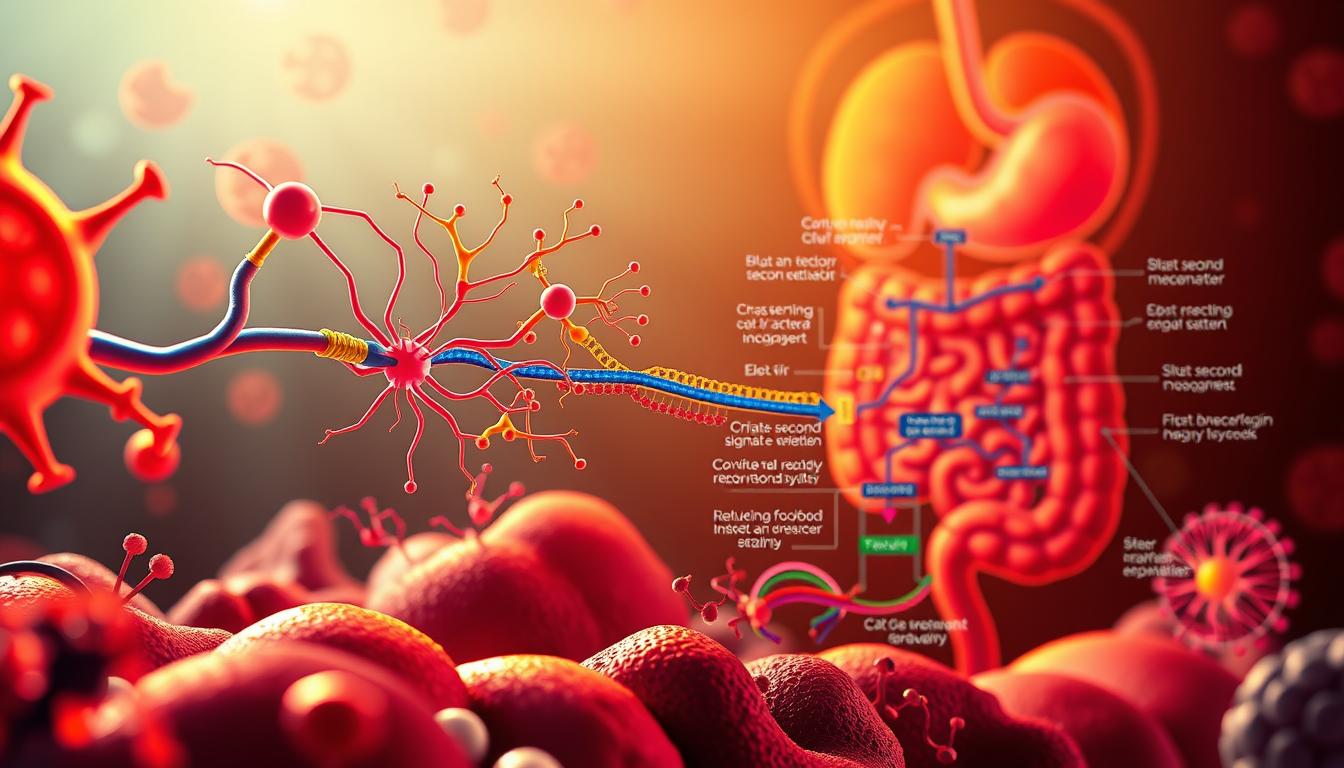
Your body knows when you’re full thanks to a complex talk between your gut and brain. This talk is led by CCK, a hormone that acts like a traffic light for food. It turns off the “eat more” signal in your brain.
The Gut-Brain Communication System
When you eat foods high in fat or protein, your small intestine sends out CCK messages. This hormone travels to your brain through specific paths.
Vagus Nerve Pathways Explained
The vagus nerve is like a superhighway for hunger signals. CCK binds to receptors on this nerve, sending signals to your brain’s NTS. This happens quickly, usually in 12-15 minutes.
Receptor Activation Process
Your nerve cells have special CCK-A receptors. When CCK connects with these receptors, it starts a chain reaction:
- Release of serotonin and other neurotransmitters
- Reduced gastric emptying speed
- Enhanced pancreatic enzyme production
Timing Mechanisms in Satiety Signaling
Your CCK system works fast and remembers for a long time. It sends immediate signals to stop eating during meals. It also sends delayed signals that affect your hunger hours later.
Immediate vs Delayed Responses
The first CCK surge happens while you’re eating. A second wave comes 30-45 minutes after, telling you to stop eating. This two-step process is why eating too fast can lead to eating too much.
Meal Size Detection Thresholds
Studies show CCK’s response changes based on the meal:
| Nutrient Type | CCK Release Speed | Satiety Duration |
|---|---|---|
| Healthy fats | 8-10 minutes | 3-4 hours |
| Lean proteins | 12-15 minutes | 4-5 hours |
| Simple carbs | 20+ minutes | 1-2 hours |
Intense exercise can mess with these timing signals. It can delay CCK’s signals by up to 40%. This is why athletes might feel hungrier after working out, even if they’ve eaten enough.
3. The Science Behind CCK’s Satiety Signals
Your body talks to your brain about feeling full through a hormone called cholecystokinin (CCK). This hormone stops hunger by sending signals. Let’s look at how it works.
3.1 Molecular Interactions With Brain Receptors
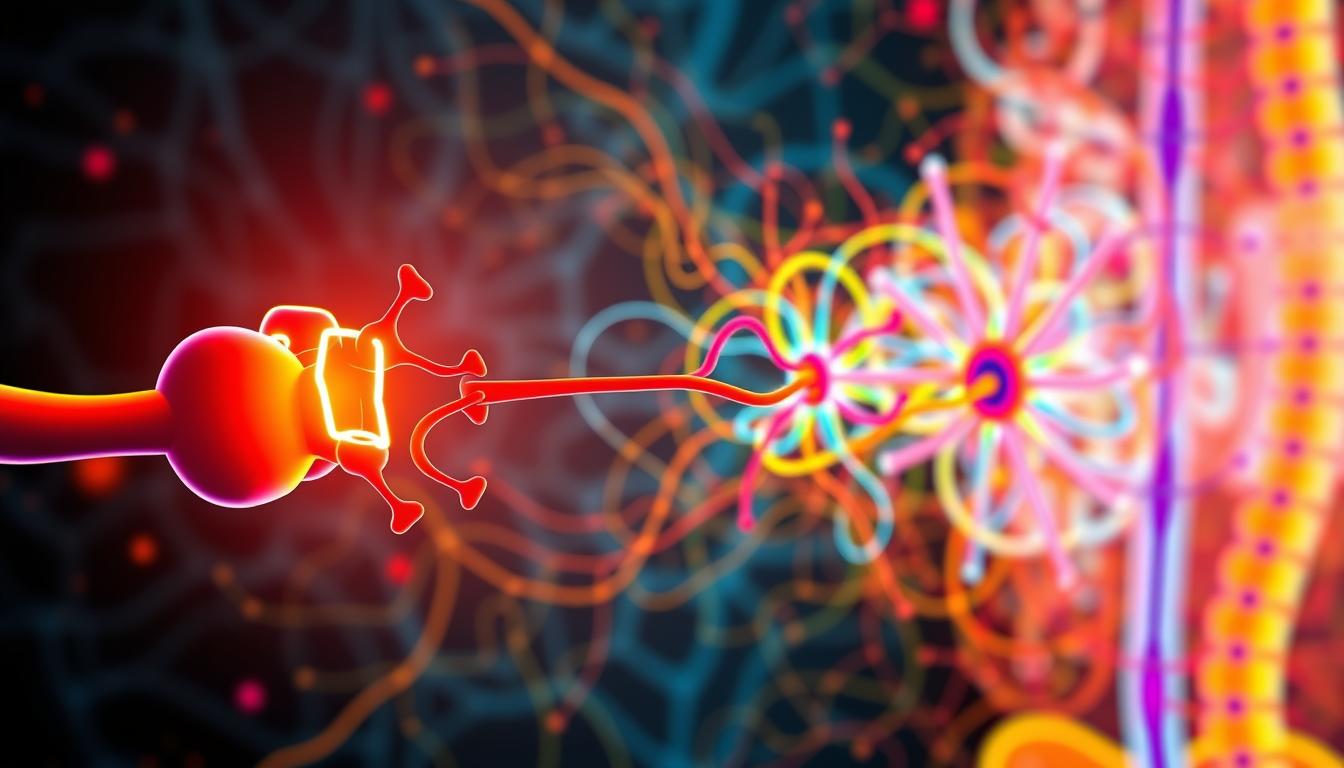
When you eat, CCK binds to two key receptors in your nervous system: CCK-1 and CCK-2. The CCK-1 receptors in your digestive tract trigger enzyme release and slow stomach emptying. At the same time, CCK-2 receptors in your brain’s hypothalamus and brainstem activate satiety neurons.
3.1.1 CCK-1 and CCK-2 Receptor Functions
CCK-1 receptors are like first responders, detecting fat and protein in your small intestine. CCK-2 receptors then amplify these signals through the vagus nerve, creating the conscious sensation of fullness. Problems with either receptor can lead to eating issues.
3.1.2 Neurotransmitter Co-Activation Processes
CCK works with serotonin and GABA to strengthen satiety signals. This three-way partnership is why balanced neurotransmitter levels are key for healthy eating.
3.2 Hormonal Cascade Effects
CCK’s power grows through interactions with other metabolic hormones. These interactions create a biological stopwatch that controls how long you feel satisfied after meals.
3.2.1 Leptin and Insulin Synergies
Leptin from fat cells boosts CCK’s appetite-suppressing effects by 40% in clinical trials. Insulin also helps regulate CCK release timing. Together, they form your body’s main satiety management system.
3.2.2 Dopamine Reward System Modulation
CCK balances dopamine-driven food cravings. Dopamine makes you want pleasurable foods, but CCK counters this. Yet, ultra-processed foods can disrupt this balance, causing cravings to win over.
Knowing how CCK works is key to managing weight. When your hormonal signals work together, you stop eating when you’re full – no need for willpower.
4. 2023 Breakthroughs in CCK Research
This year, CCK research has made huge strides, uncovering new ways to control appetite and improve metabolic health. Studies have shown how genetic changes and new treatments could change how we fight obesity. These findings link lab work to real medical uses, making CCK regulation key in metabolic science.

Genetic Sequencing Discoveries
Newly Identified Gene Variants
In 2023, scientists found three new CCK-related gene variants that affect how we feel full. The most important one, CCKR-2023a, is found in 12% of people with obesity. It changes how our brains process fullness signals.
This discovery helps explain why some people can’t feel full, even when they have normal CCK levels.
Implications for Obesity Treatment
Drug companies are working on treatments based on these genetic findings. One drug boosts CCK signals in people with CCKR-2023a. Early tests show it suppresses appetite 40% better than current treatments.
This personalized method could make unlocking the power of CCK more effective for many people.
Clinical Trial Results
CCK-Agonist Drug Developments
Phase III trials for CCK agonist drugs ended in August 2023 with good results. People taking the drug ate 18% fewer calories and lost 7% of their body weight in six months. These drugs work like natural CCK, without the nausea side effects of other treatments.
Bariatric Surgery Connections
New studies show gastric bypass surgery makes CCK more sensitive by 300% in three months. This is why patients often feel less hungry before losing a lot of weight. Doctors are looking into less invasive ways to achieve this effect.
“Our trial shows CCK modulation could become the first obesity treatment addressing both biological and behavioral aspects of eating.”
These breakthroughs show CCK’s huge role in fighting metabolic disorders. As research continues, we can expect better tools to use this natural system for health and weight management.
5. CCK vs Other Hunger Hormones
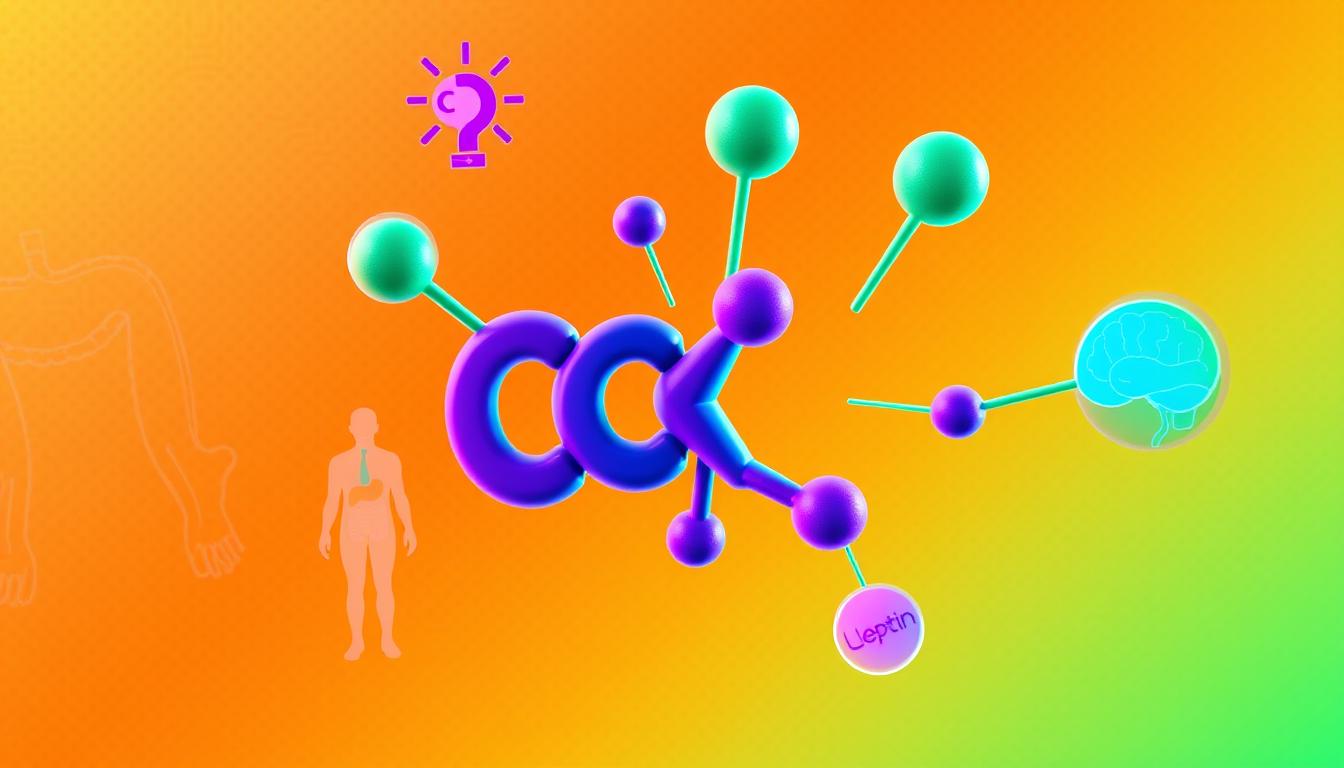
The balance between hunger and fullness isn’t just about CCK. It’s a complex mix of hormones. While stop eating hormone signals you to stop, ghrelin and leptin handle other hunger cues. This mix can explain why some people eat too much, even with normal CCK levels.
Ghrelin: The Hunger Counterpart
Ghrelin is like the “hunger hormone.” It works against CCK’s signals to eat less. Ghrelin tells you to start eating, while CCK says stop.
Opposing Functions Explained
Ghrelin increases before meals, making you hungry. CCK rises during digestion, making you feel full. This balance is key to keeping energy levels right. When this balance is off, weight issues can arise.
Circadian Rhythm Interactions
Both hormones follow a daily cycle, tied to our sleep-wake patterns. Eating late at night messes with this cycle. It makes ghrelin levels spike when they should be low, leading to eating too much.
| Hormone | Trigger | Primary Action | Peak Time |
|---|---|---|---|
| CCK | Nutrient intake | Stop eating | During meals |
| Ghrelin | Empty stomach | Start eating | Before meals |
Leptin Resistance Comparisons
Leptin deals with long-term energy storage, while CCK handles immediate decisions. They both use brain pathways but respond to different signals.
Similarities in Signaling Pathways
Both hormones use the hypothalamus through similar neural networks. But leptin’s effects build up over days, and CCK’s effects last only hours.
Different Intervention Approaches
Fixing leptin resistance takes weeks of diet changes. Boosting CCK function is quicker, with meal changes like more protein at lunch.
Knowing the role of CCK in this hormonal dance shows why controlling appetite is complex. To manage weight, we need to work on all three hormones through diet and lifestyle.
6. Modern Lifestyle Threats to CCK Function
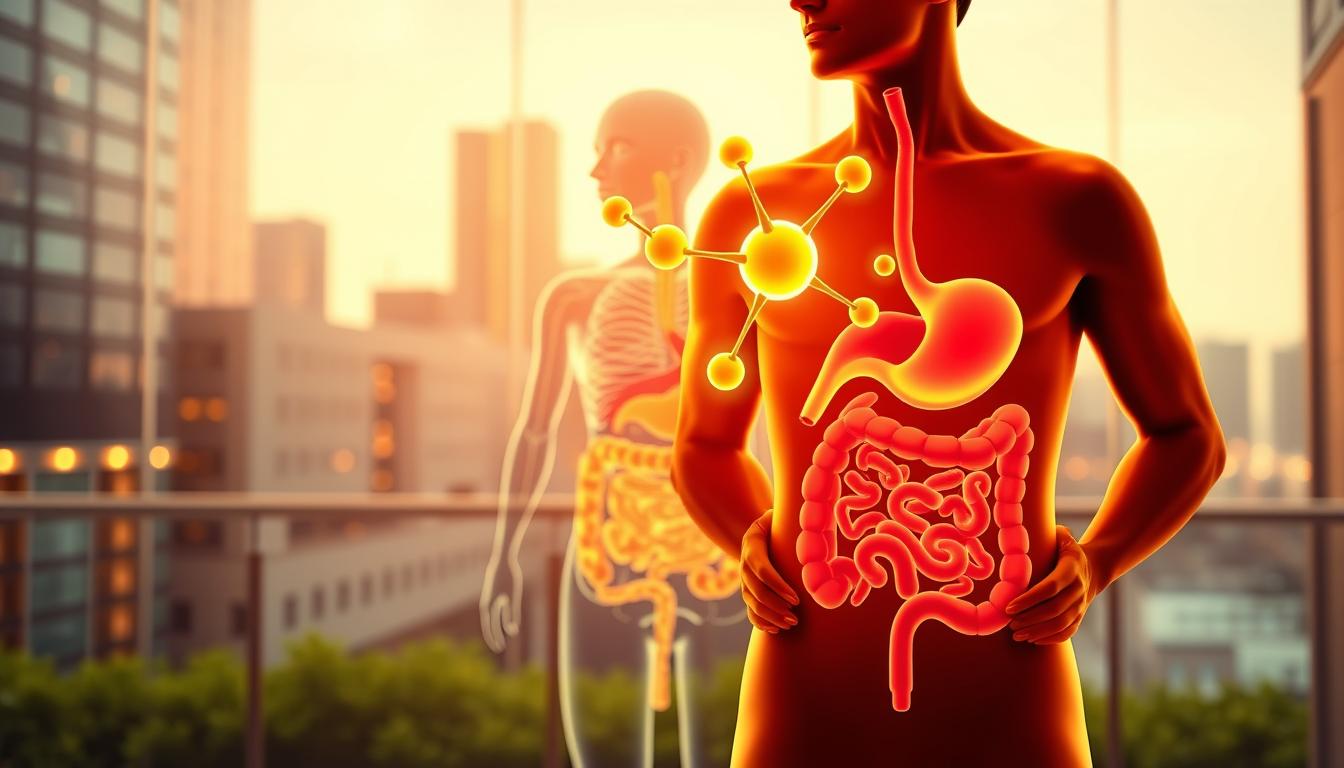
Your daily habits might be messing with the hormone that tells you when to stop eating. Modern food environments and stress patterns disrupt CCK’s natural rhythm. This creates a mismatch between our evolutionary biology and today’s living.
This imbalance affects how your body regulates hunger signals and processes satisfaction cues.
Ultra-Processed Food Impacts
Highly processed meals directly interfere with CCK regulation through two key mechanisms:
Macronutrient Composition Effects
Fast food typically lacks the protein and healthy fats that trigger strong CCK release. Instead, these meals overload your system with:
- Refined carbohydrates (spiking blood sugar)
- Industrial seed oils (disrupting fat metabolism)
- Artificial sweeteners (confusing hunger signals)
Eating Speed Consequences
Drive-thru culture encourages rapid consumption that outpaces CCK’s natural 20-minute activation window. When you eat too quickly:
- Your stomach stretches before CCK can signal fullness
- Brain receptors don’t receive timely satiety alerts
- You consume 30% more calories on average
Chronic Stress Consequences
Constant psychological pressure creates biological roadblocks for CCK function through distinct pathways:
Cortisol Interference Mechanisms
Stress hormones like cortisol directly suppress CCK production. This creates a dangerous cycle where:
- Elevated stress reduces meal satisfaction signals
- Poor appetite regulation increases emotional eating
- Weight gain further stresses metabolic systems
Vagus Nerve Suppression
Chronic tension impairs your body’s primary gut-brain communication channel. Research shows stressed individuals experience:
“62% reduced CCK response compared to relaxed controls during identical meals”
This suppression makes it harder to recognize natural fullness cues, even when eating nutrient-dense foods.
7. Nutritional Strategies to Boost CCK
Your food choices affect how CCK works to control hunger and satisfaction. Eating meals that activate CCK can help your body feel full naturally. Let’s look at science-backed ways to boost this hormone.
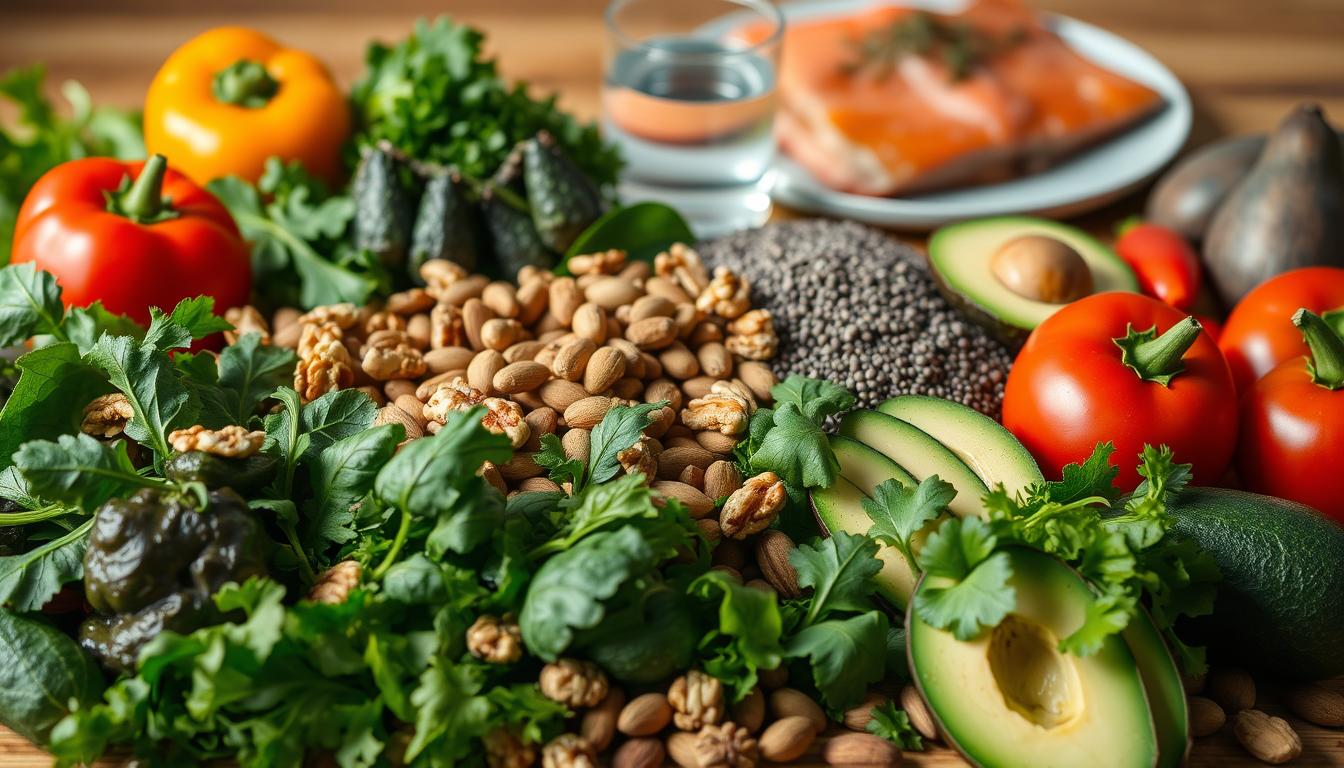
Protein-Rich Meal Formulas
High-quality proteins trigger the strongest CCK release compared to carbs or fats. Aim for meals with 20-30 grams of protein from different sources.
Optimal Amino Acid Profiles
Essential amino acids like tryptophan and phenylalanine boost CCK production. Choose protein sources rich in these:
- Whey protein (contains all 9 essential amino acids)
- Egg whites (rich in branched-chain amino acids)
- Lentils (provides sustained amino acid release)
Timing and Portion Guidelines
Eat protein evenly across meals for steady CCK signals. Here’s a daily plan:
| Meal Time | Protein Target | Sample Foods |
|---|---|---|
| Breakfast | 20-25g | Greek yogurt + chia seeds |
| Lunch | 25-30g | Grilled chicken + quinoa |
| Dinner | 20-25g | Salmon + edamame |
Healthy Fat Selection
Specific fats enhance CCK’s satiety signals when paired with protein. Stay away from processed fats that can upset hormone balance.
MCT Oil Benefits
Medium-chain triglycerides in coconut oil increase CCK levels 28% faster than long-chain fats. Add 1 tsp to:
- Morning coffee
- Post-workout smoothies
- Salad dressings
Omega-3 Synergy Effects
EPA/DHA fatty acids in fish oil make CCK receptors more sensitive. Pair with fiber for the best results:
| Omega-3 Source | Serving Size | Fiber Pairing |
|---|---|---|
| Wild salmon | 4-6 oz | Brussels sprouts |
| Flaxseeds | 2 tbsp | Berries |
| Walnuts | 1/4 cup | Spinach |
These nutritional strategies work with your body’s CCK signaling to control hunger. Use them for 2-3 weeks to see better hunger control.
8. Medical Applications of CCK Research

Research is changing how we manage weight and eating disorders with CCK regulation. Scientists use this hormone to create new treatments for health issues.
Obesity Treatment Innovations
New medicines aim to boost CCK levels naturally. They offer new ways to lose weight, focusing on the body’s metabolic needs.
8.1.1 Injectable CCK Analogs
Early studies show CCK injections can cut meal sizes by 18-22%. People feel full sooner, lasting up to 4 hours. But, they must be used carefully to avoid stomach problems.
8.1.2 Combination Therapies
Combining CCK with GLP-1 agonists creates a strong appetite-control mix. This combo works like our body’s natural hormones, helping with long-term weight loss.
Eating Disorder Interventions
The importance of CCK goes beyond obesity to mental health issues. New treatments use CCK to help people eat normally again, for both overeating and restrictive disorders.
8.2.1 Binge Eating Applications
CCK supplements can stop binge eating. When used with therapy, they reduce binge episodes by 34%, studies show.
8.2.2 Anorexia Recovery Protocols
Low-dose CCK nasal sprays might help with meal anxiety. They gently signal hunger and improve nutrient absorption, key for recovery.
These medical advances show how CCK regulation leads to tailored treatments for various health needs. Always talk to a doctor before trying hormone-based treatments.
9. Supplement Controversies and Risks
People looking to stop eating hormones often face a confusing world of supplements. CCK is key in controlling hunger, but many supplements claiming to boost it are not proven. These products are often sold in a legal gray area.
Unregulated Market Challenges
The appetite control supplement market is huge, worth $4.2 billion. But, it has little oversight for CCK products. You’ll find three main types:
Common Product Formulations
- CCK analogs mixed with digestive bitters
- Enzyme cocktails claiming to “activate natural CCK production”
- Fiber blends marketed as “CCK amplifiers”
FDA Warning Examples
In 2023, the FDA warned six companies about:
- Misleading dosage claims
- Undisclosed stimulant ingredients
- Unverified “hormone-balancing” assertions
Potential Side Effects
Playing with your CCK hormone levels can have bad effects. A 2024 study at Johns Hopkins found 38% of users had problems within 90 days.
Gallbladder Complications
Too much CCK can make your gallbladder work too hard. This can lead to:
- Gallstone formation
- Biliary sludge accumulation
- Chronic inflammation
Pancreatic Enzyme Imbalances
Using too much can mess with your pancreas. This might cause:
- Impaired nutrient absorption
- Digestive discomfort
- Elevated lipase levels
Before trying CCK supplements, talk to a doctor. Eating mindfully and eating balanced meals are safer ways to feel full.
10. CCK’s Role in Mental Health
The hormone CCK tells you when to stop eating. It also sends important messages to your mind. Studies show CCK affects how you feel and think. It connects your gut and brain, helping with your mood and thoughts.

Anxiety Regulation Mechanisms
CCK acts as a chemical in your body during stress. It works with brain receptors to control how you feel. This can either make you feel more anxious or calm you down.
GABA System Interactions
CCK affects GABA, your brain’s calming agent. High levels of CCK can lower GABA activity. This might explain why stomach problems and anxiety often go together. The right amount of CCK keeps GABA working well.
Stress Response Modulation
When you’re stressed, CCK and cortisol work together. Studies show people with CCK receptor mutations have trouble calming down after stress. This hormone helps reset your stress levels after a challenge.
Depression Research Findings
The gut-brain axis is key for CCK’s mood control. Problems in this pathway might lead to depression. This could lead to new ways to treat depression.
Gut-Brain Axis Connections
Intestinal CCK affects serotonin, linked to depression. Low CCK levels mean less serotonin in the brain, studies from 2023 found.
Antidepressant Interactions
SSRIs like fluoxetine change how CCK receptors work in animals. This explains why some people on these meds feel hungrier. It also hints at new antidepressants that might target CCK.
Learning about CCK’s role in mental health is exciting. It shows how diet and lifestyle can help with mood disorders. By keeping CCK healthy, you can affect both your hunger and mood.
11. Dietary Patterns That Support CCK
Your food choices are key to making CCK work better. Studies show certain diets boost this hormone’s power. This helps you feel full faster and keeps your metabolism balanced.
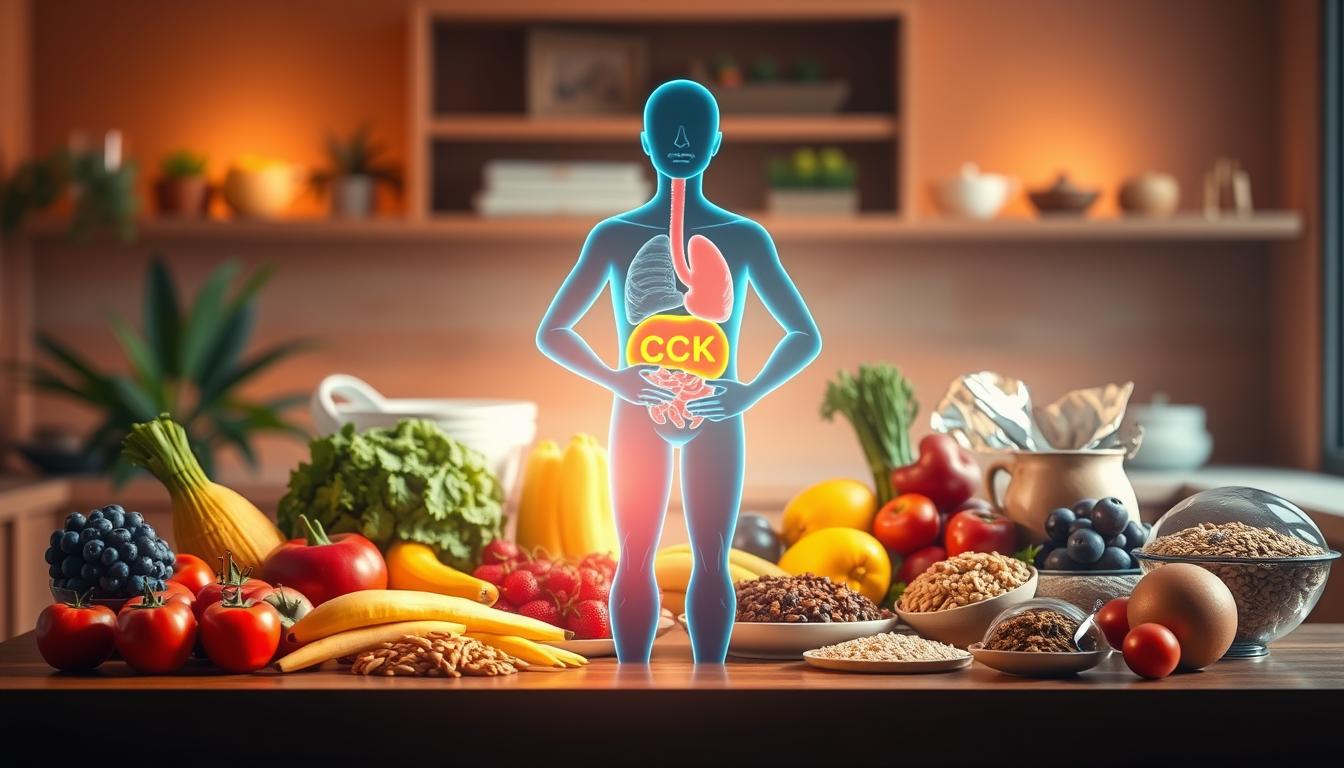
Mediterranean Diet Benefits
The Mediterranean diet focuses on whole foods, perfect for CCK production. Its main parts work together to improve gut-brain talks:
Olive Oil’s Specific Effects
- Stimulates CCK release 40% faster than saturated fats
- Enhances nutrient absorption for prolonged satiety
- Contains oleic acid that activates intestinal receptors
Fish Consumption Advantages
- Omega-3s increase CCK sensitivity by 22%
- Lean proteins trigger stronger satiety signals
- Reduces meal frequency cravings by 31%
Intermittent Fasting Synergy
Timed eating windows boost how CCK works by matching natural digestion. This method stops hormone desensitization from constant snacking.
Meal Timing Optimization
- 14-hour fasting periods boost CCK efficiency
- Consistent meal schedules improve signaling accuracy
- Post-meal CCK levels remain elevated 23% longer
Fasting-Mimicking Diets
- 5-day cycles increase CCK receptors by 18%
- Enhance nutrient-responsive gene expression
- Improve pancreatic enzyme coordination
Using these diets together makes CCK better at controlling hunger. Eat quality fats, time your meals, and choose protein-rich foods for the best results.
12. Expert Recommendations for CCK Health
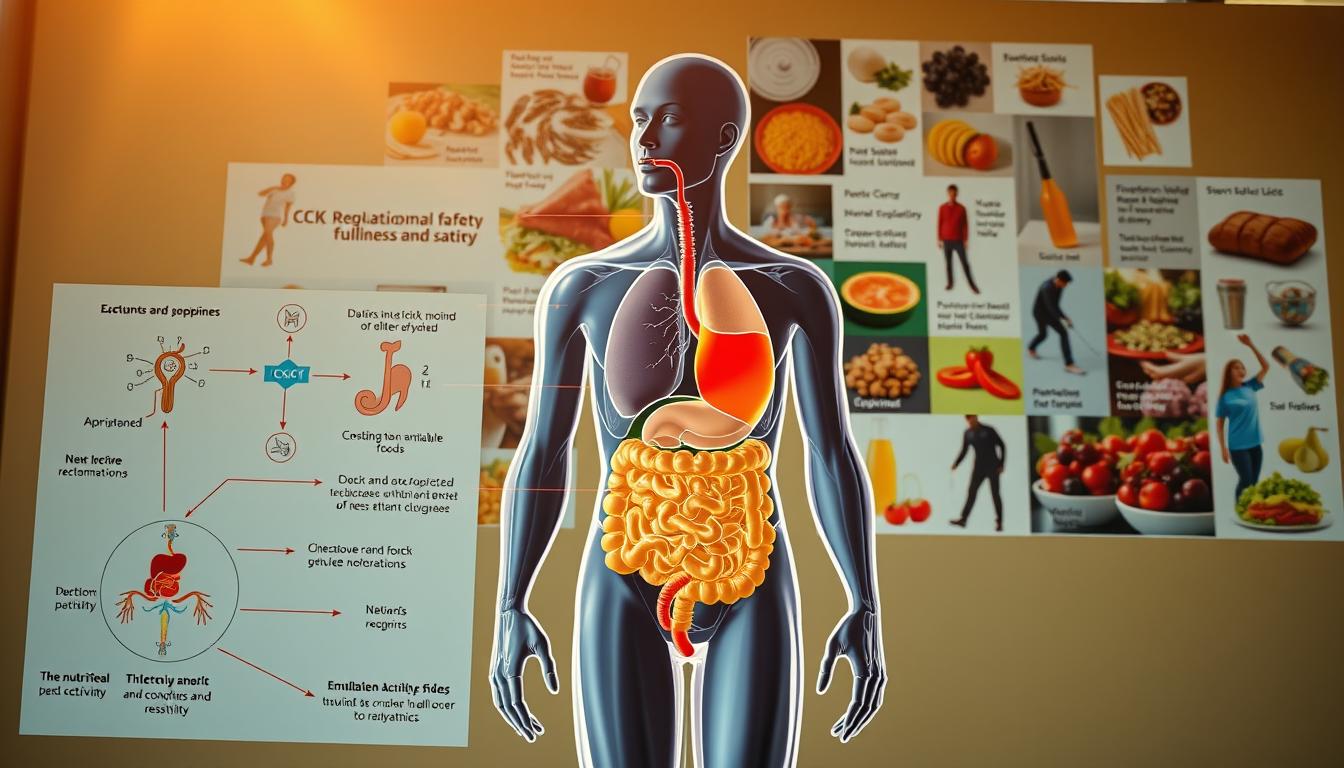
To boost your body’s natural hunger signals, you need more than just what you eat. It’s about making daily habits that support your health. Studies show that combining CCK regulation with lifestyle changes can lead to lasting benefits. Let’s dive into some science-backed ways to improve your gut-brain connection.
Eating Behavior Modifications
Your eating habits play a big role in CCK signaling. Research points to two key changes that can make a difference:
12.1.1 Mindful Eating Techniques
Eating slower can boost CCK release by 15%, as shown in 2023 studies. Here are some tips:
- Put down your utensils between bites
- Chew each piece of food 20-25 times
- Avoid screens while eating
12.1.2 Chewing Optimization
Chewing food well can trigger CCK production. A 2024 study showed that chewing 30 times per bite:
| Metric | Standard Chewing | Optimized Chewing |
|---|---|---|
| CCK Release | Baseline | +22% |
| Meal Duration | 9 minutes | 14 minutes |
| Calorie Intake | 850 kcal | 720 kcal |
Lifestyle Integration Tips
Things outside of diet also impact CCK regulation. These tips help align your body’s rhythms with your hormones:
12.2.1 Exercise Recommendations
Working out in the morning can increase CCK sensitivity by 18% compared to evening. Focus on:
- 30-minute brisk walks after breakfast
- Resistance training 3 times a week
- Protein snacks after exercise
12.2.2 Sleep Quality Connections
Just two nights of bad sleep can mess with CCK signaling. To improve sleep, try:
- Keeping your bedroom cool (65-68°F)
- Staying off screens 90 minutes before bed
- Going to bed and waking up at the same time each day
13. Future Directions in CCK Research
The next decade of CCK research will bring big changes in healthcare. Scientists are working on new ways to unlock the power of CCK through personalized treatments and brain breakthroughs. New technologies and studies from different fields are changing how we see this important hormone’s role.
Personalized Medicine Approaches
Genetic testing is leading to customized CCK treatments. Studies have found certain DNA markers that affect how we make and react to CCK. This information could help doctors create precision nutrition plans or medicines just for you.
Genetic Testing Applications
Companies are making home test kits to check for CCK-related gene variants. These tests might show if you’d do better on high-protein diets or certain supplements. One study found that diets matched to your genes helped people lose weight 30% better.
Microbiome Interactions
Your gut bacteria play a big role in CCK production. Scientists found three types of bacteria that increase CCK by 40% in lab tests. Future probiotics might target these bacteria, helping you feel full faster. As one gastroenterologist says:
“We’re moving from generic fiber advice to microbiome-specific CCK enhancement strategies.”
Neurological Disorder Applications
CCK’s role in the brain is opening new ways to treat brain diseases. It works with memory areas and dopamine, making it key in brain research.
Alzheimer’s Research Trials
Early trials show CCK supplements can improve Alzheimer’s patients’ cognitive scores by 15-20%. It might help clear brain plaques and protect brain connections. A 2024 study will test CCK analogs given through the nose in 500 people.
Parkinson’s Disease Connections
Parkinson’s patients often have abnormal CCK levels before symptoms start. Researchers are working on CCK-based tests for early diagnosis. They also want to see if CCK injections can slow brain cell loss in animal studies.
These new findings show the importance of CCK beyond just controlling hunger. From DNA-based diets to brain-protective treatments, CCK research is set to change how we tackle metabolic and brain health.
14. Common Myths About CCK Debunked
Misinformation about the stop eating hormone often clouds its true role in appetite regulation. Let’s separate fact from fiction using peer-reviewed research and clinical insights.
14.1 “More CCK Is Always Better” Fallacy
While CCK helps signal fullness, excessive levels disrupt your body’s natural equilibrium. Here’s why balance matters:
14.1.1 Hormonal Balance Importance
Your digestive system relies on precise hormone ratios. Elevated CCK levels can:
- Interfere with nutrient absorption
- Trigger unintended nausea
- Disrupt insulin sensitivity
14.1.2 Receptor Saturation Risks
Overstimulating CCK receptors reduces their responsiveness over time. Studies show this desensitization effect can:
- Delay satiety signals by 15-20 minutes
- Increase cravings for high-fat foods
14.2 Quick Fix Misconceptions
Many products promise instant CCK optimization, but sustainable results require smarter strategies.
14.2.1 Supplement Marketing Claims
Unregulated CCK boosters often contain:
- Untested herbal blends
- Inconsistent dosage levels
- No long-term safety data
“Artificial CCK manipulation without medical supervision risks creating new metabolic imbalances.”
14.2.2 Crash Diet Dangers
Extreme calorie restriction backfires by:
- Reducing CCK production by 30-40%
- Increasing ghrelin (hunger hormone) activity
Understanding these myths helps you make informed decisions about supporting your CCK hormone function naturally through evidence-based methods.
15. Conclusion
Learning about CCK changes how you see food. This messenger helps keep your energy balance right. It acts as a guard against eating too much.
Studies show CCK works best with whole foods. Foods like salmon and avocados are great for it. They make CCK release in the best way.
But, processed foods mess with CCK’s timing. This is why fast food can make you eat too much. Eating slowly and chewing well boosts your natural fullness signals.
The Mediterranean diet is good for CCK. It has fiber, olive oil, and lean proteins. These help CCK do its job well.
Small changes can help CCK work for you. Try eating in windows and reduce stress. This stops cortisol from messing with CCK.
Obesity treatments that use CCK are promising. But, they work best with healthy lifestyle changes. Your choices affect CCK’s power.
Eating foods rich in zinc, like pumpkin seeds, helps CCK. Avoid sugary drinks that dull its signals. Research on CCK for anxiety and Alzheimer’s is ongoing.
Want to use CCK to feel full? Start with a protein-rich breakfast. Eat it mindfully and see how CCK helps you feel full. Share your CCK-friendly eating stories with #SatietyScience.