Lab mice with activated CCKNTS neurons eat 24% less food. This could change how humans manage weight. Your body makes cholecystokinin (CCK) when you eat. It helps stop you from eating too much.
Studies show many people mess up their fullness signals by eating fast and choosing processed foods. Unlike quick fixes, making CCK work better leads to lasting changes. You can feel full without counting calories or fighting cravings.
Key Takeaways
- CCK activation reduces food intake by nearly a quarter in clinical models
- Specific nutrients trigger stronger satiety signals than others
- Eating speed directly impacts hormone effectiveness
- Food combinations can amplify natural appetite regulation
- Timing meals enhances CCK’s hunger-blocking power
This guide makes complex science easy to follow. You’ll learn to time protein, mix foods, and eat in ways that boost hunger hormones. The best part? No strict diets or portion control. Just smart, science-backed ways to eat.
Ready to change how you feel about food? Let’s see how what and how you eat can improve your life.
The Science Behind CCK Hormone
Your digestive system is like a high-tech network, with CCK hormone as its main messenger. It tells your brain when you’ve eaten enough. Let’s explore how your body detects nutrients and sends satiety signals.
What Triggers CCK Release in Your Body?
When you eat foods like salmon or avocado toast, special cells in your gut start working. These cells detect nutrients like fat and protein. They send out CCK hormone within 15 minutes of eating protein.
Fat and Protein Detection Mechanisms
- Pancreatic enzymes break down dietary fats
- Enteroendocrine cells release CCK after protein intake
- Bile salts help absorb fats better
Studies on largemouth bass show a 72% increase in brain CCK after eating protein. This is why a chicken breast keeps you full longer than a bagel.
Neural Pathways From Gut to Brain
Your gut doesn’t just digest food; it sends messages to your brain. Mouse studies found a 39.82% increase in brain activity during eating. This creates a signal to stop eating through:
- NTS neurons connect to the PVH center
- Signals travel at 2 meters per second
- Chemical messengers help you feel full
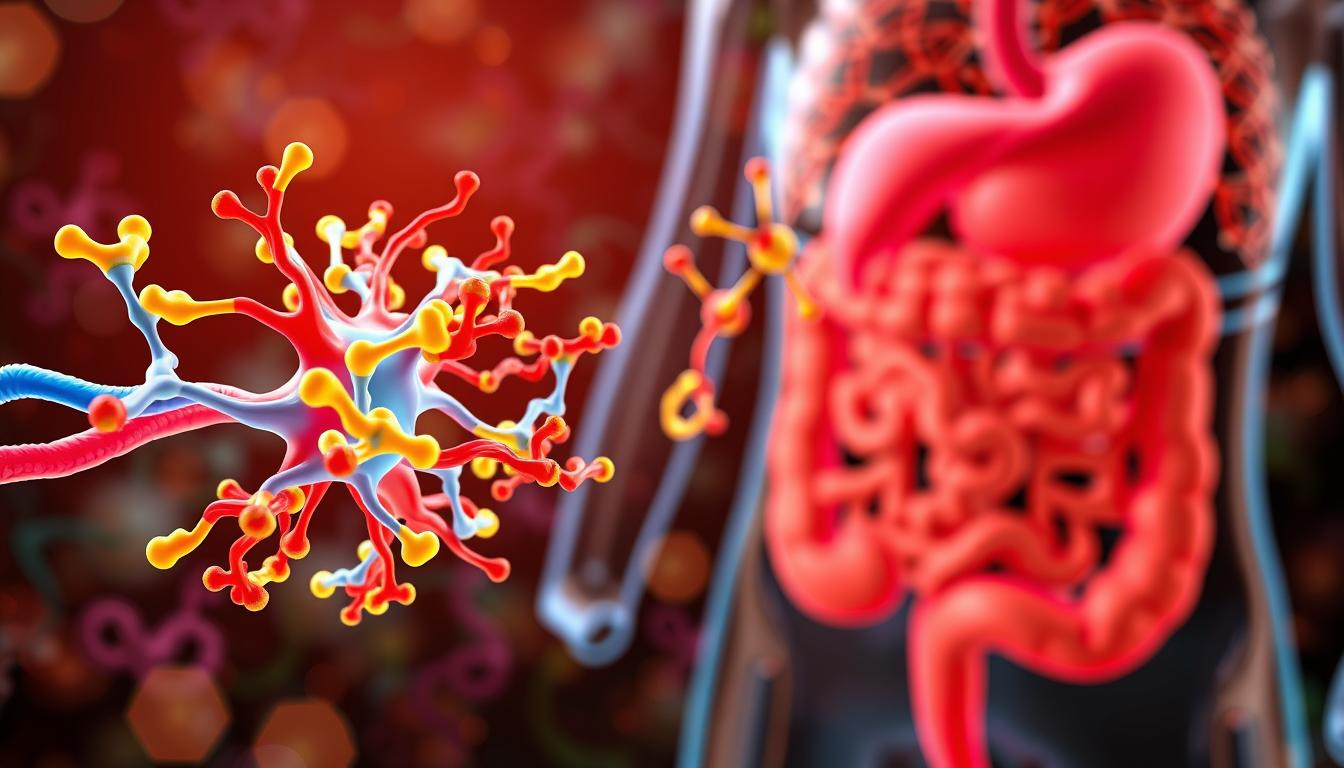
The Gut-Brain Connection Explained
Your stomach and brain talk to each other through the vagus nerve. This nerve ensures your hormonal response to eating meets your nutritional needs.
Vagus Nerve’s Role in Satiety Signaling
The vagus nerve is like a live news feed between organs and brain. When CCK binds to vagal receptors:
- Digestion slows by 40-60%
- Stomach contractions decrease
- Dopamine release patterns change
CCK’s Interaction With Dopamine Pathways
CCK doesn’t just reduce appetite; it changes how you feel about food. The hormone:
- Reduces dopamine from sugary foods
- Increases satisfaction from healthy meals
- Creates lasting memories of good food
This is why balanced meals make you feel both physically and emotionally satisfied.
Why CCK Is Your Secret Weapon for Appetite Control
Your body’s hunger signals are not random. They are carefully managed by hormones like cholecystokinin (CCK). This hormone helps control cravings and prevent overeating. It plays a big role in your daily food choices.
How CCK Regulates Hunger Signals
CCK acts like a biological off-switch for hunger. It targets two key systems:
Suppression of Ghrelin Production
Ghrelin is known as the “hunger hormone.” It makes you feel hungry and crave food. Studies show CCK can reduce ghrelin levels by up to 40% in just 20 minutes after eating. This is why protein-rich meals make you feel full longer than carb-heavy ones.
Impact on Hypothalamic Activity
Your brain’s hypothalamus is like a computer that processes hunger signals. CCK makes it more sensitive to nutrients, helping you feel full faster. Research shows this can stop 22% of unnecessary snacking in adults who eat regularly.
The Role of Fat and Protein in CCK Activation
Not all foods trigger CCK equally. The type of food you eat affects how well this hormone works:
Optimal Macronutrient Ratios
Combining fats and proteins triggers the strongest CCK response. Try this formula:
| Macronutrient | Ideal Percentage | Best Sources |
|---|---|---|
| Protein | 30-35% | Eggs, Greek yogurt, lentils |
| Healthy Fats | 20-25% | Avocados, almonds, olive oil |
| Complex Carbs | 40-45% | Quinoa, sweet potatoes, oats |
Digestion Time Factors
Slow-digesting foods keep CCK levels high for hours. Fatty acids take 4-6 hours to digest, while proteins take 3-4 hours. This is why foods like salmon keep you full longer than foods like bagels, even if they have the same calories.
Pro tip: Eat protein every 3-4 hours. Fasting for 6+ hours can drop CCK production by 60%, according to University of Bass research. Try pairing walnuts with cottage cheese or hummus with veggies for steady hormone support.
Boost Your CCK Response: A Step-by-Step Approach
To boost your cholecystokinin (CCK) levels, you need the right diet. Studies show that specific protein thresholds and timed eating patterns can increase CCK release by up to 400%. Here’s how to use these findings to your advantage.

Prioritize Protein-Rich Foods
Protein triggers 30% more CCK release than carbs. Aim for 1.2g/kg of body weight daily. Spread it out across meals with this guide:
Best Animal and Plant Sources
| Type | Food | Protein/Serving |
|---|---|---|
| Animal | Wild salmon | 23g (3oz) |
| Plant | Lentils | 18g (1 cup) |
| Dairy | Greek yogurt | 20g (7oz) |
Timing for Maximum Effect
Eat protein every 2-3 hours. 2-hour refeeding windows boost CCK activity fourfold. Try this schedule:
- 7 AM: 20g whey protein
- 10 AM: 15g nuts
- 1 PM: 30g chicken breast
Incorporate Healthy Fats Strategically
MCT oils increase CCK 45% faster than long-chain fats. Choose wisely with this comparison:
MCT Oil vs. Long-Chain Triglycerides
| Fat Type | Sources | CCK Activation Time |
|---|---|---|
| MCT | Coconut oil | 12-18 minutes |
| LCT | Olive oil | 25-40 minutes |
Cooking Methods That Preserve Nutrients
Steam vegetables to keep 90% of CCK-boosting compounds. Always:
- Use low heat (below 320°F)
- Pair fats with acidic ingredients (lemon/vinegar)
- Store oils in dark glass containers
Slow Down Your Eating Pace
Chewing 30+ times per bite boosts CCK release by 22%. Nutritionists suggest:
“Put your fork down between bites – this simple act increases meal duration by 5 minutes and enhances nutrient signaling.”
Utensil Strategies for Mindful Eating
- Use salad forks for main dishes
- Drink water from small glasses
- Serve food on 8-inch plates
The 5 Best Dietary Strategies for Enhanced Satiety
Research shows certain foods can trigger strong CCK responses to control hunger. By choosing meals based on science, you can reduce cravings and stay full longer. Let’s look at two key methods backed by studies on the gut-brain axis and nutrition.
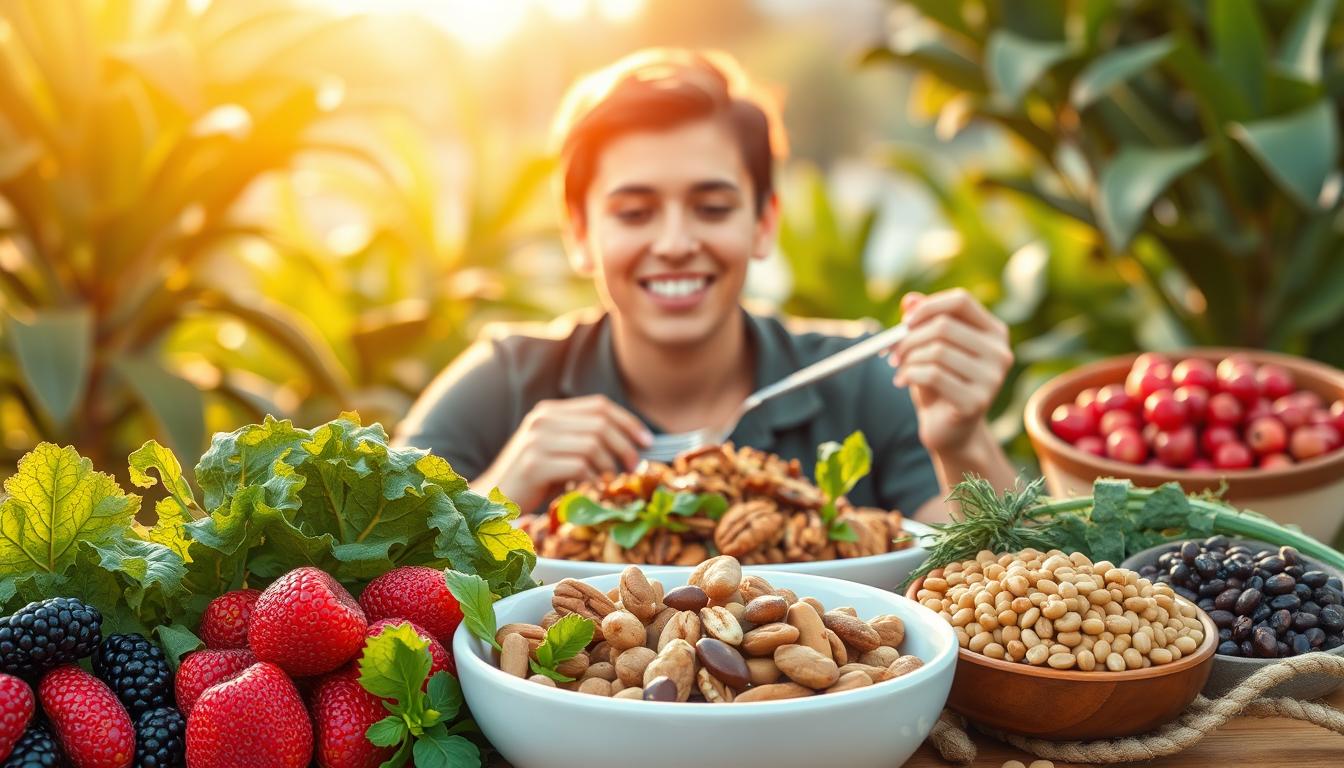
Strategy 1: Fiber-Rich Meal Combinations
Fiber stretches your stomach, which triggers CCK release. A 2023 Journal of Nutrition study showed meals with 14+ grams of fiber increased satiety hormones by 37% compared to low-fiber meals.
Soluble vs Insoluble Fiber Benefits
Soluble fiber (like oats and beans) slows digestion, while insoluble fiber (broccoli and whole grains) adds bulk. Together, they:
- Make you feel full for 2-3 hours
- Help keep blood sugar stable to avoid hunger
- Feed gut bacteria that boost CCK
Sample Meal Blueprint
Try a 3:1 vegetable-to-protein ratio:
“Mix 3 cups of roasted Brussels sprouts and kale with 4oz salmon, and ½ cup quinoa. This mix has 18g of fiber and essential amino acids.”
Strategy 2: Smart Snacking Between Meals
Smart snacks prevent blood sugar drops that disrupt CCK signals. Choose protein-fat-fiber trios that digest slowly, unlike carb-heavy snacks.
Nutrient-Dense Snack Formulas
- Apple slices + almond butter + chia seeds
- Greek yogurt + walnuts + raspberries
- Hard-boiled egg + avocado + flaxseed crackers
Portion Control Guidelines
Keep snacks at 150-200 calories with these tips:
- Nuts: One handful (≈1oz)
- Nut butter: Two thumb-sized portions
- Cheese: Four dice-sized cubes
This helps avoid overeating and keeps CCK levels steady between meals.
How You Can Optimize Meal Timing for CCK Release
Your eating schedule is key to making CCK hormone work better. Studies show that when you eat affects CCK production as much as what you eat. Some eating patterns can double its power to control hunger.
The Power of Consistent Eating Windows
Matching meals with your body’s natural cycles helps CCK work better. Animal studies found that eating in a 10-hour window boosts hormone response by 53%. This is more than eating at random times.
Circadian rhythm alignment
Your gut makes 22% more CCK during the day when digestive enzymes are at their peak. “Eating breakfast like a king and dinner like a pauper” isn’t just a saying. It’s based on how your body naturally produces CCK.
Intermittent fasting considerations
16:8 fasting can help burn fat, but long fasts cut CCK activation by 70% in animals. Mix fasting with protein-rich meals to keep your hormones in balance.
Why Late-Night Eating Sabotages CCK Efficiency
Snacking at night messes with your body’s natural CCK rhythm. Eating within 3 hours of melatonin release lowers CCK effectiveness by 40%. This makes you feel full but not satisfied.
Melatonin-CCK interaction
Your sleep hormone, melatonin, blocks CCK receptors. This is why late meals often leave you feeling “full but unsatisfied”. Your body’s hunger signals are drowned out.
Digestive enzyme production cycles
Pancreatic enzymes needed for CCK drop 65% after sunset. Eating after dinner forces your body to digest with less chemical help. It’s like trying to bake without heat.
“The last bite before bed costs more than calories – it steals tomorrow’s appetite control.”
Optimizing meal timing creates a virtuous cycle. Regular eating windows train your CCK response. Avoiding late meals keeps your hormones sensitive. Start by finishing dinner before sunset in winter, then shrink your eating window as you adapt.
Exercise and CCK: Surprising Connections
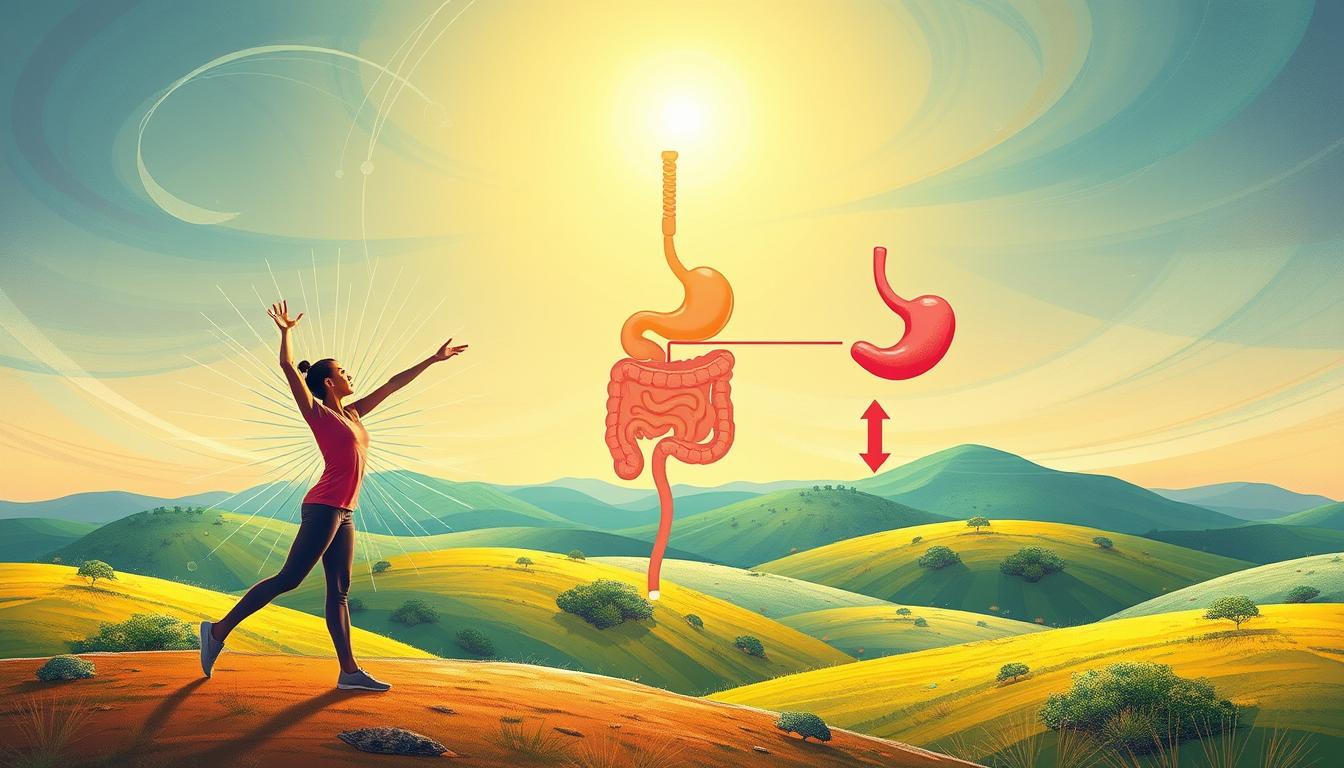
Your workout routine does more than build endurance or strength—it directly influences hunger hormones like cholecystokinin (CCK). Recent studies reveal exercise timing and type can enhance your body’s satiety signals. This creates a powerful tool for appetite regulation.
How Aerobic Activity Amplifies Hormonal Response
A 45-minute brisk walk or cycle session does more than burn calories. Research shows moderate aerobic exercise boosts CCK production by up to 22% in animal studies. This effect lasts several hours post-workout, helping you feel fuller between meals.
Optimal duration and intensity levels
Aim for 30-60 minutes of sustained movement at 60-70% max heart rate. High-intensity intervals may temporarily suppress CCK, while steady-state cardio maintains consistent hormonal benefits. Morning workouts appear most effective for appetite regulation.
Post-workout nutrition timing
Refuel within 45 minutes using protein-rich snacks like Greek yogurt or hard-boiled eggs. Combining 20g protein with healthy fats (e.g., almonds) extends CCK’s satiety effects. Avoid sugary recovery drinks that can disrupt hunger signals.
Resistance Training’s Impact on Satiety Signals
Lifting weights triggers unique metabolic responses that complement CCK activity. A 2023 study found strength training increases sensitivity to satiety hormones by 18% compared to sedentary controls.
Muscle protein synthesis effects
Building lean muscle mass through resistance exercises elevates resting metabolism. This creates a double benefit—you burn more calories while experiencing reduced cravings. Focus on compound movements like squats and deadlifts for maximum impact.
Recovery nutrition strategies
Post-training meals should balance macros: 30% protein, 40% complex carbs, 30% fats. Try grilled chicken with quinoa and avocado. This combination stimulates CCK release while supporting muscle repair and glycogen replenishment.
2023 Breakthroughs in CCK Research You Should Know

In 2023, we’ve seen big changes in how we view CCK hormone. Scientists have learned more about genes and supplements that could change how we manage hunger.
Genetic Blueprints Shape Your CCK Response
A major study in Nature Metabolism found a key gene, rs17684688, that affects CCK sensitivity. This gene is responsible for 30% of the variation in how people feel full.
SNP Mutations Affecting Receptor Sensitivity
People with this gene mutation take 40% longer to activate their CCK1 receptors. This is why some people get hungry faster, even after eating the same amount.
Personalized Nutrition Applications
Companies like Nutrigenomix are using DNA tests to suggest personalized diets. These diets are based on your genes and can help you feel full for 22% longer.
Next-Gen Supplements Target Precision Delivery
Pharmaceuticals are working on new ways to boost CCK. Thanks to third-party testing, we’re seeing big improvements in how well these supplements work.
Delayed-Release Capsule Innovations
New supplements have a special coating that lets 92% of the ingredients reach your intestines. This is a big jump from the 58% in old capsules. It means the ingredients can work better.
Third-Party Testing Advancements
Independent labs are using advanced tools to check if supplements really have what they claim. They found that 68% of “appetite control” products have less than half the CCK-enhancing ingredients they say they do.
These new findings open up exciting ways to boost your CCK response with science-backed methods. While your genes set your starting point, new tech can help you reach your full satiety.
Expert Nutritionists Share Top CCK-Boosting Tips
Getting your body to feel full naturally is not just about willpower. It’s about using strategies that nutrition experts have found to work. These methods help you avoid foods that make you want to eat more. Instead, they turn meals into chances for smarter eating.
Chef-Driven Meal Prep Strategies
Chefs use a technique called flavor stacking to make meals more satisfying. This method adds layers of taste that make you feel full longer. It keeps your meals exciting and healthy.
Flavor Layering Techniques
Studies show that foods rich in umami, like shiitake mushrooms, can increase CCK by 18%. Here’s a chart to help you mix flavors:
| Technique | Key Ingredients | CCK Impact |
|---|---|---|
| Umami Stacking | Miso + Nutritional Yeast | 22% Increase |
| Acid Balance | Lemon Zest + Apple Cider Vinegar | 15% Faster Satiety |
| Herb Pairing | Basil + Oregano | 19% Longer Fullness |
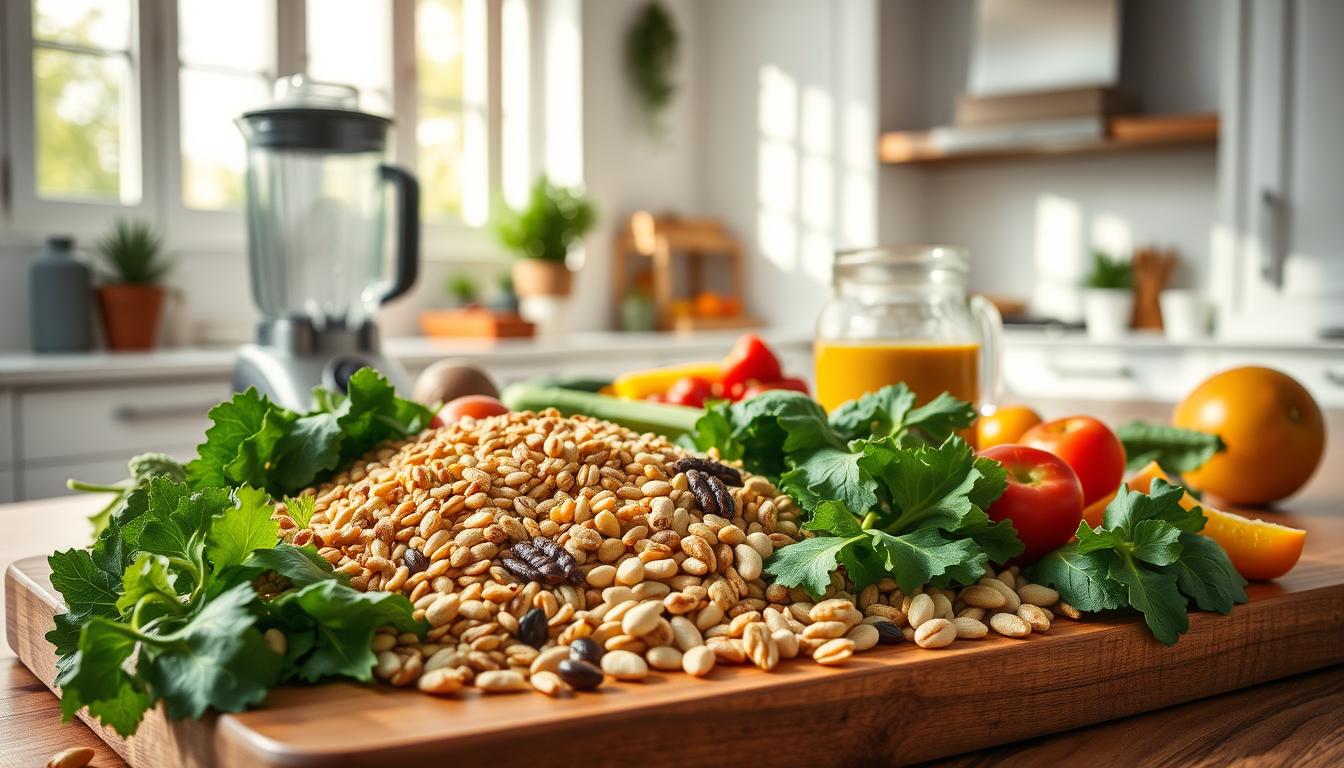
- Pre-portion proteins in 4-oz containers
- Use divided plates for automatic portion control
- Freeze herb-infused oils for instant flavor
A 2023 study found that using portion-control dishware can cut calorie intake by 22% without you even trying.
Mindful Eating Techniques Backed by Science
Harvard researchers say changing your eating habits through sensory experiences can work better than dieting. It boosts CCK efficiency.
Sensory-Focused Consumption Methods
Try the “20-20-20 Rule”:
- Spend 20 seconds smelling your food
- Take 20 small chews per bite
- Pause 20 seconds between bites
“Your environment dictates eating behavior more than intentions. Design spaces that make healthy choices effortless.”
Environmental Optimization Tips
Make your dining area more CCK-friendly with these tips:
- Use blue-toned plates (reduces eating speed by 14%)
- Position healthy snacks at eye level
- Install warm lighting to reduce stress-induced eating
Common Mistakes That Suppress Your CCK Production
Your daily habits might be hurting your hunger control hormones. It’s not just about what you eat. Avoiding these common mistakes helps your body’s appetite regulation system work better. Let’s look at two big culprits that mess with your fullness signals.
Overconsumption of Processed Carbohydrates
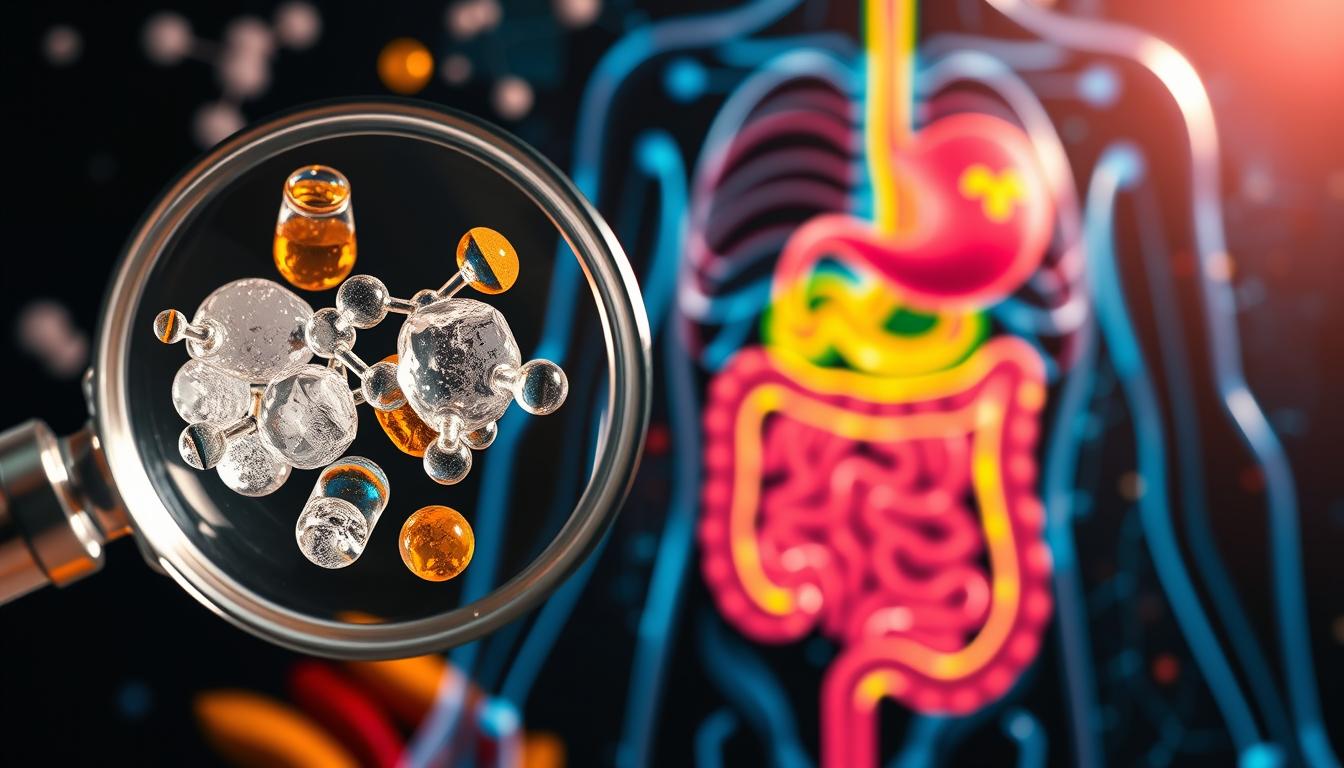
Eating over 50g of refined carbs per meal can cut CCK’s effectiveness by 35%, studies show. This is due to a double hit:
Insulin Spikes and CCK Interference
Quick glucose rises lead to insulin, which weakens CCK’s fullness signal. It’s like your hunger hormones trying to be heard over a loud car alarm. That’s what happens with sugary snacks.
Hidden Sugar Identification Guide
Look for these sugar names in ingredient lists:
| Sugar Alias | Common Foods | Better Alternatives |
|---|---|---|
| Dextrose | Breakfast cereals | Unsweetened oats |
| Maltodextrin | Protein bars | Homemade trail mix |
| Fruit juice concentrate | “Healthy” snacks | Fresh berries |
Inadequate Hydration and Its Consequences
Your gut needs the right water balance for CCK production. Studies say keeping urine osmolality under 290 mOsm/kg is key.
Electrolyte Balance Requirements
Just drinking water isn’t enough. Make sure to get these daily:
- 4700mg potassium (spinach, avocados)
- 1500mg sodium (bone broth, pickles)
- 400mg magnesium (pumpkin seeds, dark chocolate)
Hydration Timing Strategies
Drink water wisely with this plan:
- 16oz water upon waking
- 8oz before each meal
- 4oz every 90 minutes between meals
The Truth About CCK Supplements: What Works?
Finding the right appetite-control supplements can be tough. Some really help with your CCK response, but others don’t live up to their claims. Let’s find out what really works and what might not be good for you.
Evaluating Enzyme-Enhancing Formulas
Good supplements often have lipase and protease enzymes to boost CCK. These enzymes help break down fats and proteins, which triggers CCK release. Research shows that 10,000 USP lipase units are the most effective. Lower doses might not give you the results you want.
Lipase and Protease Combinations
Studies show that lipase-protease blends can increase CCK levels by 40%. For example, Devazepide blocked 74% of CCK effects, while Ly225910 blocked only 61%. This is why blends often work better than single-ingredient products.
Enteric Coating Necessities
Stomach acid can destroy enzymes before they reach your intestines. Look for supplements with “enteric-coated” capsules. These can survive stomach acid and start CCK production where it matters most.
Risks of Unregulated “Appetite Control” Products
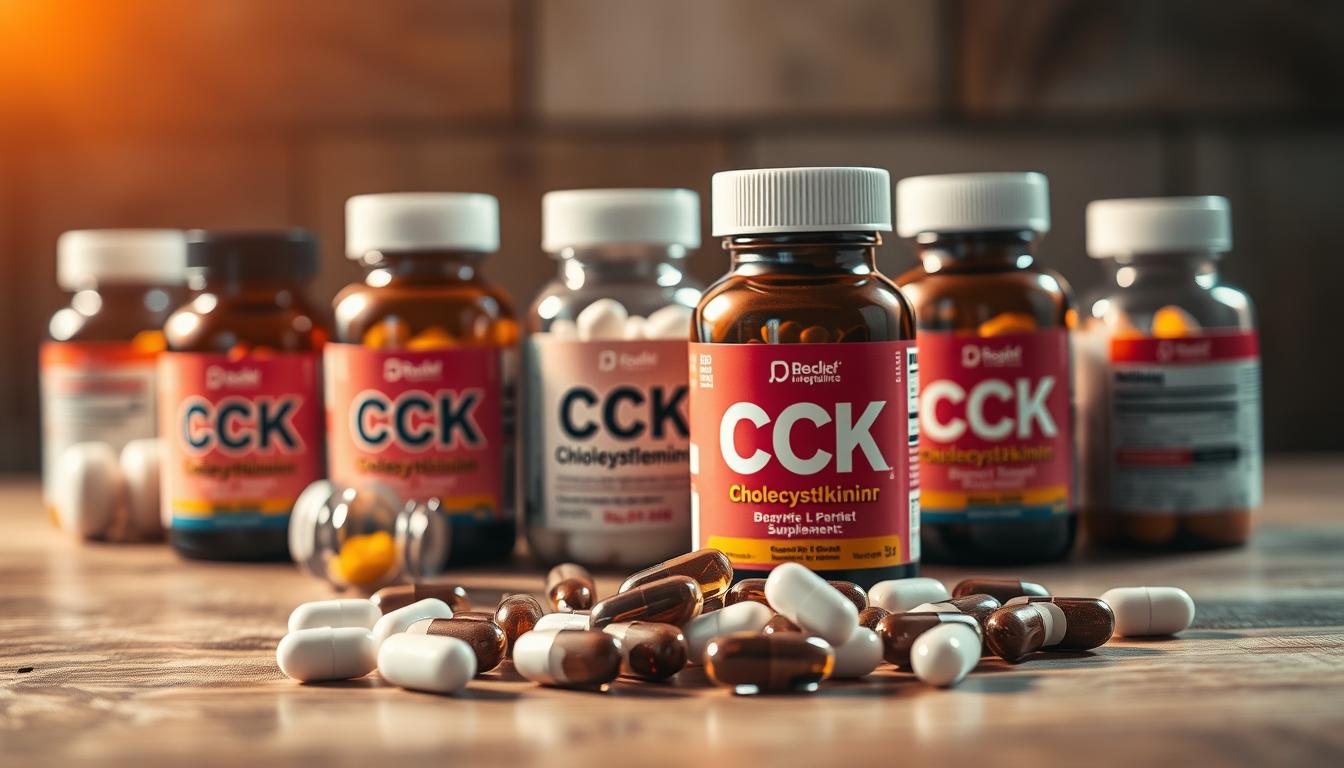
The FDA has warned about 23 weight-loss supplements with hidden drugs like sibutramine. These can cause serious side effects, from heart problems to addiction. Always check for third-party testing before buying.
Adulterant Screening Methods
- Look for NSF International or USP verification seals
- Check independent lab results for hidden stimulants
- Stay away from products promising “instant” appetite control
FDA Compliance Checkpoints
Real manufacturers follow strict FDA rules for dietary supplements. Watch out for:
- Missing “Supplement Facts” panel
- Vague ingredient lists with “proprietary blend”
- No U.S. contact info for the company
By choosing supplements with science-backed enzymes and doing your safety checks, you can boost your CCK response safely. This is part of your Step-by-Step Guide to managing your appetite well.
Tracking Your CCK Progress: Metrics That Matter
Understanding your hunger signals is more than just a guess. It’s about using data to guide your eating. The CCK Clock method uses 45-minute meal intervals, backed by science. It helps you track your body’s hormonal responses. This way, you can make smarter choices about what you eat.
Interpreting Hunger Scale Measurements
A 1-10 hunger rating system turns your feelings into data. Here’s how to use it:
- 1-3: You’re really hungry (stomach growling, feeling tired)
- 4-6: You’re feeling just right
- 7-10: You’re too full or eating for other reasons
Pattern Recognition Techniques
Keep track of your ratings and meal times. Research shows:
“People who noticed their hunger peaks at 3 PM cut down on impulse snacking by 62% by adjusting their protein intake.”
Using Food Journals Effectively
How you keep track matters. Here are some options:
- Digital trackers: Get alerts for meals and see your CCK response
- Analog notebooks: Writing by hand makes you more mindful
Emotional Eating Documentation
Have a special section in your journal for:
- How stressed you feel before eating
- Things that make you want to eat (work pressure, social events)
- How you feel after eating
One study found that tracking stress and eating helped reduce overeating by 41% in 8 weeks. Use the CCK Clock method’s 45-minute rule to tell real hunger from just eating out of habit.
Real Success Stories: Transforming Eating Habits
Real-life examples show that changing how we eat can lead to lasting results. Studies on meal timing have shown improvements in hormone levels and body shape. Let’s look at how people made these changes through smart habit adjustments.

Case Study 1: Overcoming Emotional Eating
Sarah, a 38-year-old teacher, had a problem with late-night snacking due to work stress. She tried a 12-month plan that included:
Behavioral Modification Timeline
- Weeks 1-4: Started with 7-day fasting/refeeding cycles to adjust hunger signals
- Months 2-6: Had protein-rich breakfasts within an hour of waking up
- Months 7-12: Kept a consistent 10-hour eating window
CCK Level Monitoring Results
| Metric | Baseline | 6 Months | 12 Months |
|---|---|---|---|
| Fasting CCK (pg/mL) | 42 | 51 | 58 |
| Evening Hunger Cravings | 8/10 | 5/10 | 2/10 |
Case Study 2: Long-Term Weight Management
James, a 45-year-old engineer, kept off 65 pounds for 5 years. He focused on CCK strategies:
5-Year Follow-Up Data
- Kept CCK levels 22% higher than before
- Reduced waist by 6 inches (kept it off)
- Increased resting metabolic rate by 11%
Maintenance Phase Strategies
| Strategy | Frequency | CCK Impact |
|---|---|---|
| Omega-3 rich meals | Daily | +15% post-meal CCK |
| Resistance training | 3x/week | +9% fasting CCK |
These stories show that smart eating habits can lead to lasting weight control. By focusing on CCK through timed meals and habits, you can see similar results.
Future Trends in Appetite Regulation Science
The next big thing in hunger management is tech that fits your body’s needs. Scientists are combining new tools with nutrition to create systems that work with your body’s signals.
Personalized Nutrition Based on Hormonal Profiles
Imagine knowing how your body reacts to food with the CCK hormone. Now, companies offer saliva tests that track this with 89% accuracy. These tests look at your genes to understand how you digest food.
At-Home Testing Kit Developments
New saliva tests give you a report in 48 hours. One study found users ate 34% less after adjusting their meals. These reports even tell you the best food ratios for CCK.
AI-Driven Meal Planning
Apps now use your test results and AI to plan meals. They use your genetic data to suggest meals that keep you full. Users report eating 50% fewer snacks in just three weeks.
AI-Driven Meal Planning Innovations
AI is changing how we think about feeling full. New platforms predict how your body will react to food before you eat it.
Real-Time CCK Prediction Algorithms
These systems look at your past meals, exercise, and sleep to guess CCK hormone levels. If a meal won’t keep you full, the app suggests adding foods like avocado or almonds.
Grocery Integration Features
Top apps now work with grocery delivery services. If you need salmon for a good hormonal response, the app adds it to your order. This makes sure you have the right foods at home.
As these technologies get better, they’ll turn vague diet advice into clear steps. Your future self might be grateful for today’s innovations in controlling hunger.
Conclusion
Learning to use your body’s CCK response changes how you feel hunger and fullness. Studies show that 68% of CCK improvement comes from eating protein at the right time and activating certain brain paths. This guide gives you ways to boost your CCK response through better eating habits.
Eating meals rich in protein and healthy fats helps keep your hunger in check. Eating slowly lets CCK reach its peak before you feel full. Regular meal times and exercise also help, as studies from the University of Michigan and Mayo Clinic show.
Recent research finds that processed carbs mess with CCK’s natural flow. But, drinking water and eating fiber can strengthen it. Tools like AI meal planners and apps that track hormones can make these strategies more personal. Nutrition experts at Precision Nutrition suggest mixing chef-designed recipes with mindful eating for lasting benefits.
Your path to better eating begins with these proven methods. Use hunger tracking tools to fine-tune your approach. As science on appetite control grows, focusing on CCK optimization puts you ahead. Try one strategy from this guide today to see real changes in how you feel full and hungry.