You have likely felt the weight of picking health coverage while juggling bills, doctors, and a busy life. That anxiety is real. Finding a plan that fits care needs and protects your wallet can feel overwhelming.
Comparison sites bring relief by centralizing price and plan information. Many users spend time checking multiple options; that habit saves money and prevents repeated shopping on scattered websites. With regulated rates and varied underwriting, one insurer’s quote may differ from another’s, and side-by-side checks reveal those gaps.
The quickest way ahead maps your needs, filters by doctor networks and prescriptions, then compares total cost metrics. This method moves you from research into confident purchase choices and uncovers better deals without wasting time.
Key Takeaways
- Use comparison sites to centralize price, eligibility, and plan information.
- Shortlist platforms, filter by providers, then compare total costs.
- Regulated insurance rates still vary; compare widely to save money.
- Set alerts and wishlists to catch better deals before purchase.
- Follow a repeatable workflow for fast, confident enrollment.
Why comparison websites help you save money on insurance right now
Seeing multiple quotes at once turns a slow search into a fast saving opportunity. Today’s online platforms make it simple for you to scan price and plan details. That leads to smarter choices and fewer surprises when bills arrive.
What shoppers gain:
- You save money because insurers price risk differently; side-by-side views expose lower rates for similar coverage.
- You save time since top sites aggregate quotes, networks, and formularies in one place.
- Your confidence grows when transparent criteria, user reviews, and consistent figures appear together.
Key stats that show comparison is the smartest way to shop in 2025
“78% of online shoppers use comparison tools to get the best deal; 87% say sites help them save time and make informed choices.”
Other notable numbers: 71% compare mainly to save money, 70% prefer price tracking and alerts, and mobile traffic rose 58% in 2023. More than 95% reported a purchase decision influenced by comparison information, and the top platforms capture most market share.
Bottom line: Spend a few minutes with reliable sites and you’ll likely pay less, save time, and feel sure about your selection.
Understanding health insurance comparison tools and platforms
Start by noting what matters most—premiums, provider access, and prescription coverage—and use platforms that expose those details side by side.
General comparison sites give quick overviews across many categories. They help you cast a wide net when you first browse price and basic plan features.
Niche insurance marketplaces specialize in health plans and often deliver richer data. These focused sites show finer points like carrier underwriting, network breadth, and formulary flags. Niche platforms drive about 15% higher engagement and often include integrated reviews, which 62% of users prefer.
The best tools pull clear information: metal tier, deductibles, copays, out-of-pocket maximums, network participation, and telehealth extras. Good sites also note when data was last refreshed so you can trust current enrollment windows.
Use ZIP, age, and household filters to surface only eligible options in your area. Learn how sponsored listings appear so you can spot paid placements and avoid biased ordering. Finally, confirm privacy settings before sharing sensitive details across the internet.

- Fast start: begin with general comparison sites, then validate in niche marketplaces.
- Verify: confirm networks and formularies on carrier websites before you enroll.
Commercial intent decoded: how you find the best deal without overspending
Start with a clear list of must-haves and budget limits so shopping stays focused on fit rather than sticker shock.
Why this matters: 57% of shoppers are more likely to buy when shown side-by-side comparison. Clear criteria matter: 83% say they need straightforward filters, and charts lift conversion by about 22%.
Begin the process by listing your primary care physician, essential prescriptions, and firm budget guardrails. That keeps research efficient and stops you chasing features you won’t use.
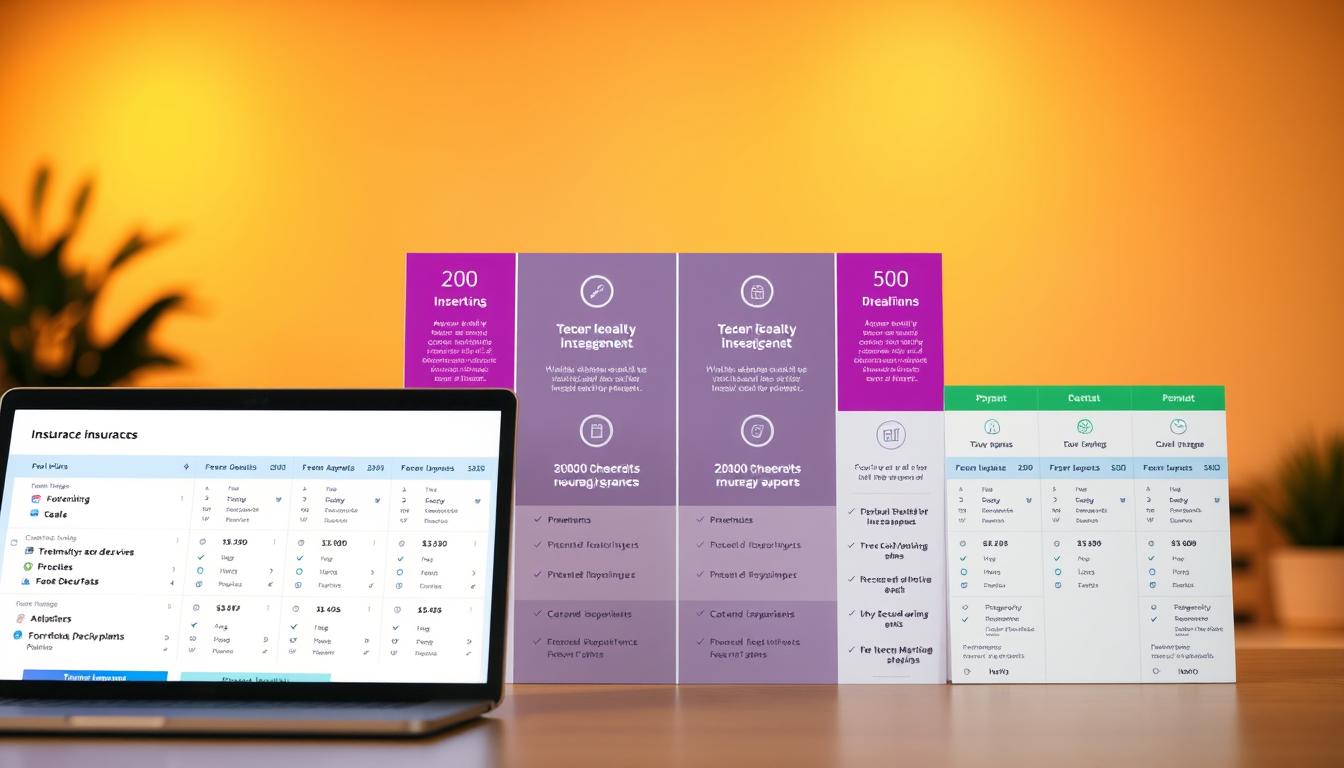
- Use side-by-side views to make informed decisions quickly; they clarify trade-offs among deductibles, copays, and out-of-pocket limits.
- Shortlist plans that meet network and drug criteria, then compare total annual cost so you don’t overspend on extras.
- Scan exclusions, referral rules, and prior authorizations; small limits can drive large real-world costs.
- Compare net price if you qualify for subsidies—post-credit cost may beat a lower sticker price.
“Document your top three choices and their total annual cost estimates before enrollment.”
If unsure, consult a licensed broker in the marketplace to validate assumptions and confirm every eligible saving. This way you protect your wallet and pick insurance that matches actual needs, not hype.
How to Use Comparison Tools to Find the Cheapest Plan
Start with a clear checklist that forces a narrow search and stops endless scrolling.
Step-by-step workflow
Begin research by confirming eligibility window, ZIP, ages, and family size so results show accurate price ranges and compliant options.
Filter by your needs
Filter for your doctors and hospitals first. A low sticker price means little if your provider is out of network.
Add prescriptions and check formulary tiers and prior authorization flags. This often reveals total annual cost differences better than premium comparisons alone.
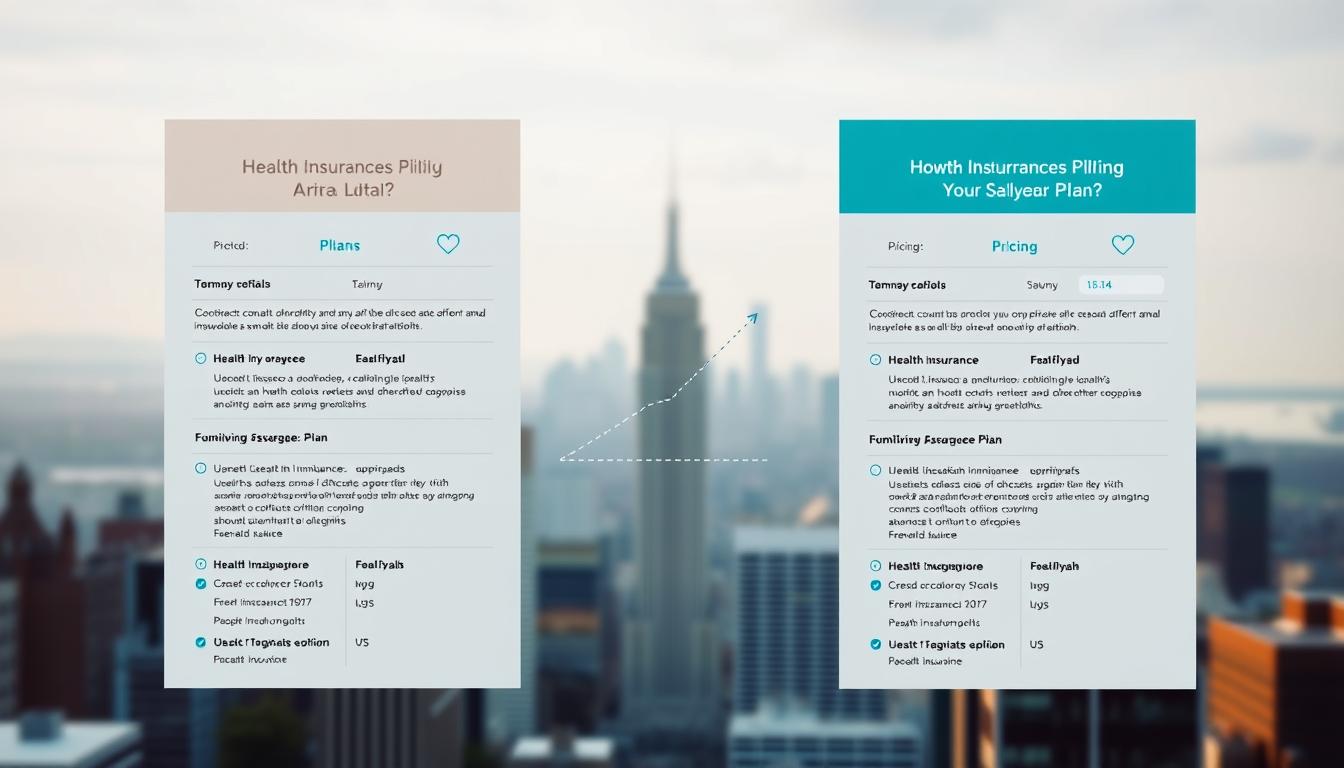
Avoid information overload
Use side-by-side views to track deductible, copay, coinsurance, and out-of-pocket max. Estimate typical and worst-case annual spend.
- Build a shortlist of 3–5 options and archive the rest.
- Turn on alerts for price or plan updates so you can act before purchase or enrollment closes.
- Export SBCs and network PDFs for offline verification.
“Intuitive design extends visit duration by 40% and side-by-side comparisons boost completion by 57%.”
Finish by validating enrollment steps, first payment timing, and ID card issuance so coverage begins smoothly.
Top categories of comparison platforms for U.S. health insurance shoppers
Decide whether you need a broad aggregator, a regulated exchange, or the insurer’s own portal for final checks.
Brokered marketplaces that aggregate quotes
What they do: Brokered marketplaces pull quotes from many carriers so you can compare price, benefits, and network data without multiple logins.
These platforms often include licensed help for complex questions and can surface niche carriers that compete on price in your area.
Public exchanges and regional options
Why use them: Public exchanges show standardized tiers and run eligibility checks for subsidies. That reveals the net price after credits.
Regional websites may list local carriers that national sites understate. Niche platforms see about 15% higher engagement, and integrated reviews matter to 62% of users.
Direct-to-insurer tools for price and network checks
When to visit: Use carrier websites for the most current network rosters, formulary files, and plan documents before you enroll.
These sites are best for final verification because third-party websites sometimes lag on data refreshes.

“Top 10% of sites capture most market share; clear criteria boost trust and lift conversions.”
| Platform type | Main benefit | Best for | Notes |
|---|---|---|---|
| Brokered marketplaces | Multiple quotes in one view | Quick price and network screening | Licensed support; good for complex needs |
| Public exchanges | Subsidy eligibility and standardized tiers | Households that may qualify for credits | Compare net price after subsidies |
| Direct insurer sites | Up-to-date rosters and SBCs | Final verification before purchase | Use for provider and formulary checks |
| Regional niche sites | Local carriers and competitive price | Shoppers in specific states or areas | Often higher engagement and reviews |
- Tip: Favor platforms that show methodology and timestamped data so you know when figures were last refreshed.
- Tip: Use user ratings to gauge claims handling and billing beyond stated benefits.
Policygenius and similar marketplaces: speed, side-by-side comparisons, and savings
Aggregated marketplaces surface different insurer quotes side by side, revealing real savings opportunities.
Why regulated rates still vary: Insurance rates are regulated, but carriers use different risk models, underwriting assumptions, and network designs. That creates meaningful price variation for the same profile. Marketplaces like Policygenius speed your search by showing those differences in one view.
Bundling can add discounts when available, but verify which savings apply and how renewal pricing changes. Always check each plan’s SBC and provider list linked from the marketplace so critical doctors and prescriptions are covered.
- Lock filters on must-have benefits, then pick the best deal among plans that meet your thresholds.
- Favor marketplaces that publish ranking methodology and disclose affiliate relationships for clearer data.
- Export a shortlist, verify on carrier websites, then enroll where cost and coverage align.
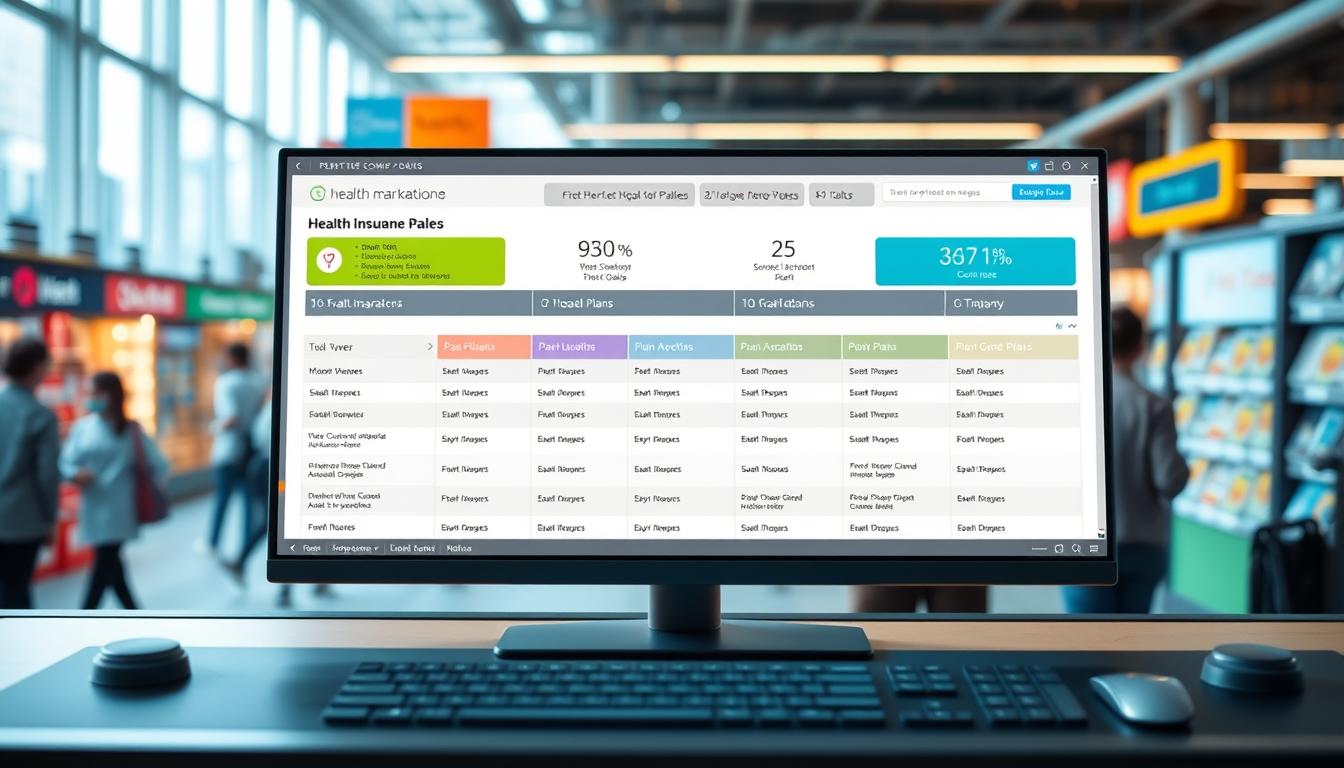
| Marketplace type | Main strength | When to use |
|---|---|---|
| Brokered marketplaces | Fast side-by-side comparison of price and networks | Initial shopping and shortlist building |
| Public exchanges | Net price with subsidy checks | Households that may qualify for credits |
| Direct insurer sites | Most current SBCs and provider rosters | Final verification before enrollment |
“Use marketplaces to narrow choices quickly, then confirm details on carrier sites.”
General comparison sites vs. niche insurance sites: which is better for your needs
Start with a wide view when you need speed, then dig deeper where coverage matters.
General comparison sites give you a fast snapshot of price trends and market options. They work well when you want quick screening and a short list.
Niche insurance sites surface deeper plan documents, network nuances, and verified reviews. Data shows niche platforms drive 15% higher engagement, and 62% of users prefer integrated reviews when they make final choices.

- Use general comparison sites for a bird’s-eye scan and fast shortlist building.
- Switch to a niche platform for enrollment-grade details: provider rosters, formulary flags, and state-level accuracy.
- Check whether the site integrates verified reviews and clear plan criteria to support informed purchasing decisions.
- Watch for sponsored placements on general sites and confirm figures on insurer pages before you commit.
“Start broad, then validate deeply: speed first, accuracy next.”
| Option | Main strength | Best for | Note |
|---|---|---|---|
| General comparison sites | Fast price signals | Quick scans, shortlist | May include sponsored ads |
| Niche insurance sites | Deeper plan detail | Complex needs, specialty drugs | Higher data completeness |
| Insurer site | Latest rosters & SBCs | Final verification | Use before enrollment |
Features that matter when you compare plans online
Good comparison features highlight what moves the needle so you can act when prices shift.
Price tracking, alerts, and deal notifications
Enable tracking and alerts so you’re notified if a price drops or a time-limited deal appears before enrollment closes. About 70% of users prefer price tracking and alerts, so this feature is now expected.
Platforms that show recent price history help you know when a quote moved and whether it’s worth locking in.
Customer reviews, plan summaries, and coverage details
Look for integrated reviews and clear plan summaries. Sixty-two percent of users prefer reviews that explain customer support, claims handling, and billing accuracy.
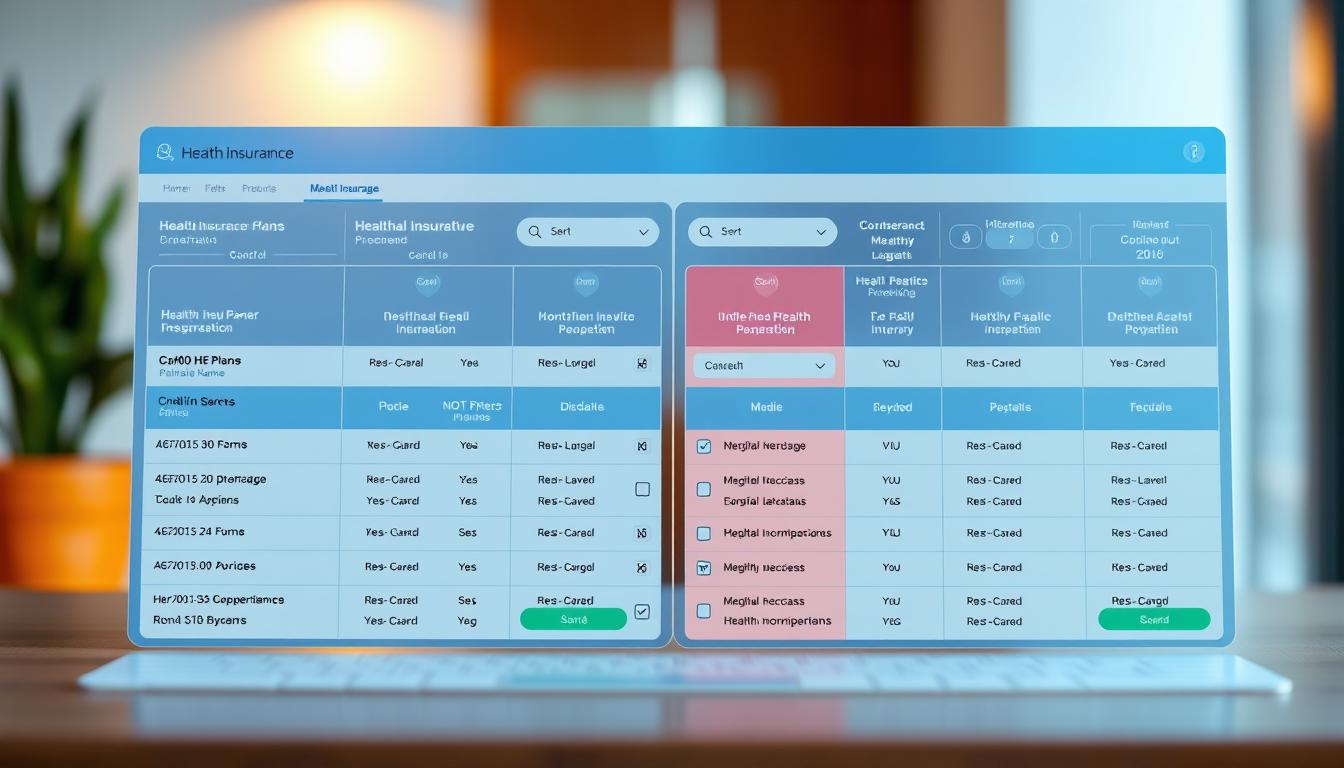
Plan summaries and SBC links condense complex coverage into key points, letting you compare premiums, deductibles, and formulary notes at a glance.
Mobile-first experiences and barcode-like ID card scans
Mobile-first design and intuitive pages keep you engaged; mobile traffic rose 58% and intuitive layouts retain users longer.
Some platforms include barcode scanning or document upload to auto-fill ID and EOB data. These small conveniences speed shortlist building and surface better matches faster.
“Make sure ’re tracking both monthly premiums and projected total annual spend when you compare.”
- Exportable comparisons (CSV/PDF) help share shortlists with a spouse or HR advisor.
- Favor tools that show network breadth and formulary rules alongside price to reduce surprises.
Building a comparison strategy that protects your wallet
Set clear priorities up front so each quote is judged by the same criteria. This keeps your research focused and reduces costly surprises later.
Define your must-haves: list your PCPs, hospitals, recurring prescriptions, and target deductible. If you cover a family, add each member’s providers and meds so results reflect real utilization.
Model total cost of ownership by combining monthly premiums with likely copays, coinsurance, and the out-of-pocket max. Run a typical-use and a high-usage scenario to see where real costs land.

- Use side-by-side comparisons to spot where a lower premium is offset by higher specialist copays or a narrow network.
- Research telehealth, behavioral health, and urgent care benefits that change access and money spent.
- Tag near-fit plans and note gaps; sometimes a small price step closes a major coverage hole.
- Set a walk-away out-of-pocket threshold for worst-case protection and revisit the model quarterly.
- Make sure ’re confirming drug tiers and prior authorization so you avoid unexpected pharmacy denials.
“78% of users prioritize features and specs over branding; clear criteria raise conversion and confidence.”
Data accuracy, transparency, and avoiding biased results
Trustworthy sites highlight timestamps, disclosure pages, and clear ranking rules so you can spot bias fast.
Why this matters: 44% of users feel not all comparison websites are unbiased, and 25% have found outdated information. That makes verification essential.
Watch for red flags and trust signals before you act. Below are quick checks that help make confident choices.

Red flags: outdated information, sponsored placements, missing disclosures
- Outdated network lists and formularies — confirm insurer PDFs show revision dates.
- Sponsored placements that lack clear labels — they can push paid results over relevance.
- Sites that funnel you off-platform quickly without showing clear comparison criteria.
Trust signals: clear criteria, affiliate disclosures, shop ratings
- Platforms that publish methodology and affiliate disclosures — 57% of users trust those sites more.
- Visible timestamps, changelogs, and contact support indicate responsiveness.
- Look at ratings volume; small sample sizes can skew impressions.
| Issue | What to check | Action |
|---|---|---|
| Stale data | Missing timestamps, old PDFs | Verify on insurer site before you apply |
| Paid ranking | Unlabeled sponsored results | Prefer platforms with disclosure pages |
| Low transparency | No methodology or contact | Choose sites that publish criteria and support channels |
“Clear criteria and timely updates reduce bias and help users trust online comparisons.”
Make informed decisions faster: using alerts, wishlists, and side-by-side tools
Small signals—like a saved favorite or a price drop email—can speed decisions and save money.
Set price alerts on shortlisted plans so you’re notified about meaningful changes in prices or subsidy estimates before deadlines. About 70% of users prefer tracking and alerts, and alerts cut the time you spend re-checking quotes.
Use wishlists or favorites to keep top options visible. That reduces rework and makes returning easier when you need a quick final choice. Forty percent of users revisit listings before deciding, so a saved shortlist helps.
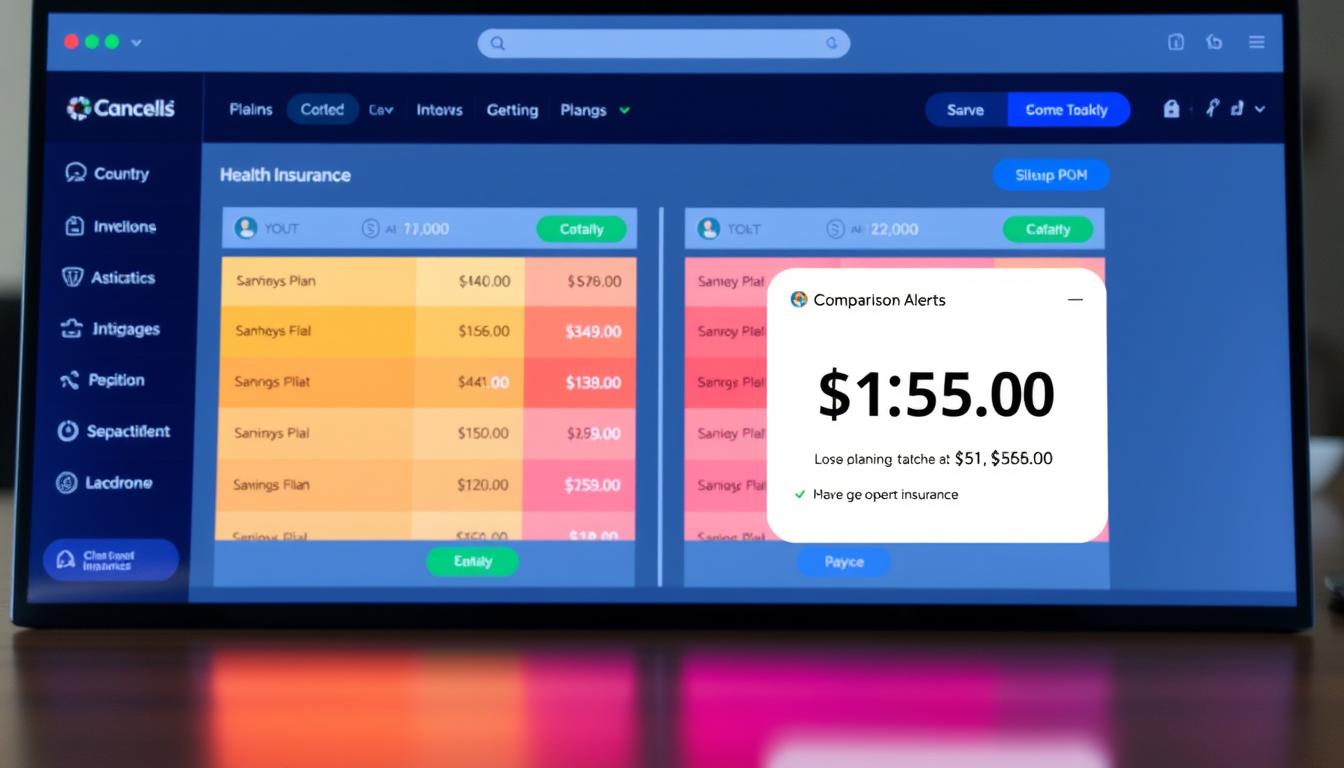
- Rely on side-by-side views to compare total cost, networks, and drug coverage in one screen.
- Save filters for PCPs, hospitals, and meds so results persist across sessions and devices.
- Annotate differences and add reminders for missing docs or provider confirmations.
| Action | Benefit | Quick tip |
|---|---|---|
| Price alerts | Catch drops and subsidy changes | Enable email/SMS for deadlines |
| Wishlists | Save best options and reduce rework | Tag plans with reasons (network, cost) |
| Side-by-side view | Compare total annual cost at a glance | Export comparison before sharing |
“Side-by-side views and saved alerts make the decision process faster and more reliable for busy shoppers.”
Finally, verify any deals or incentives before relying on them in your cost math. Check change logs so you know what shifted since your last visit, and consider a calendar hold for enrollment windows so alerts don’t pass unnoticed.
Ways to save money beyond the sticker price
Look past monthly premiums and weigh tax benefits, provider access, and timing. Small moves can trim yearly costs while keeping the care you need.
Bundling, HSA eligibility, and preventive care benefits
Bundling and HSA-eligible options
Bundling ancillary products through the same broker can unlock meaningful discounts. Confirm whether those discounts persist at renewal before you commit.
Consider HSA-eligible plans if you can accept higher deductibles. The tax advantages often reduce net cost and act as a savings vehicle for future care.

Timing, special enrollment, and regional price differences
Time plan changes around qualifying events so you can act during special enrollment windows. Use alerts to spot better offers rather than waiting until open enrollment.
Regional carriers sometimes price lower in your area; include local options in any comparison so you don’t miss competitive deals.
- Compare telehealth and behavioral health access — faster care often lowers urgent care or ER costs.
- Check formulary tiers for your top meds; small tier changes can eclipse premium savings.
- Model a worst-case spending scenario; a slightly higher premium with a lower out-of-pocket max may save you money overall.
- Verify discounts and incentives terms in writing before relying on them.
| Savings action | Typical impact | What to verify |
|---|---|---|
| Bundling through broker | Moderate — recurring discounts | Renewal terms and eligibility |
| Choose HSA-eligible plan | High — tax and long-term savings | Contribution limits and deductible size |
| Use alerts / timing | Variable — opportunistic price drops | Alert settings and deadline notices |
| Pick regional carrier | Low–moderate — local pricing advantage | Network breadth and customer reviews |
“Small, well-timed moves and careful screening often save more than chasing the lowest monthly price.”
Common pitfalls when using comparison websites—and how to avoid them
A low monthly figure can feel like a win, but it may hide large gaps that cost you later. Over 50% of people abandon purchases when they can’t find enough information, and about 25% report seeing outdated data on sites.
Comparing price without coverage fit
Don’t chase prices without confirming network fit. A cheap premium can become an expensive deal if your doctors are out-of-network.
Document your verification steps and save provider PDFs. This protects you if questions arise after enrollment.
Ignoring network breadth and drug formularies
People often skip formulary checks. Confirm exact meds, dosages, and any step-therapy or prior authorization rules before you commit.
Avoid star-rating traps: dig into complaints about billing or denials rather than trusting a single score.
- Use side-by-side grids to spot coinsurance versus flat copays.
- Cross-check SBCs and provider rosters on insurer sites to avoid stale information.
- Switch platforms if navigation hides critical facts; confused users make errors.
“Side-by-side comparisons increase completion and reveal hidden cost drivers.”
| Pitfall | What to check | Action |
|---|---|---|
| Chasing low prices | Network membership, OOP max | Verify provider lists and recalc annual cost |
| Overlooked formularies | Drug tier, prior auth | Confirm pharmacy coverage and copays |
| Outdated information | Missing timestamps, old PDFs | Cross-check insurer site before you enroll |
Follow a simple process: verify, document, then enroll. That keeps your choice aligned with care needs and reduces surprises.
Conclusion
,
This final checklist helps you lock in coverage that balances cost, access, and peace of mind.
About 95% of consumers report a purchase influenced by comparison-site information. Sixty-five percent say those sites save time and 55% say they save money. Use those facts as fuel for a focused search.
Action steps: filter for your doctors, check prescriptions, and compare total annual price. Favor sites and websites that show timestamps, disclosures, and side-by-side views so shoppers and users reach informed purchasing decisions faster.
Save a validated shortlist, enable alerts, and confirm details on insurer pages before you finalize. Revisit coverage after life events and keep your total cost model handy so you can find best value without surprises.