Did you know the average American household throws away $1,500 worth of edible food every year? That’s like throwing a month’s rent or mortgage payment away. Also, rotting food in landfills creates methane, a gas 25 times more potent than carbon dioxide. This is both a financial loss and an environmental disaster.
The Environmental Protection Agency says food scraps make up 24% of municipal solid waste. Yet, nearly half of it could have been eaten. Cutting your grocery bills and reducing your carbon footprint is possible. It begins with better shopping habits, creative meal planning, and understanding expiration labels.
You don’t need to make big changes to help. Simple actions like organizing your fridge or freezing leftovers can keep food fresh for weeks. Stores like Kroger and apps like Too Good To Go are already helping families save food. They show solutions exist from farm to fork.
Key Takeaways
- U.S. households waste enough food annually to fill a football stadium 63 times
- Proper storage extends produce freshness by up to 2 weeks
- Misunderstood “best by” dates cause 80% of premature food disposal
- Meal planning reduces impulse buys by 23% on average
- Composting redirects 30% of landfill waste to nutrient-rich soil
Understanding Food Waste in American Households
Every year, U.S. households throw away enough food to fill 100,000 Olympic-sized swimming pools. This waste hurts both our wallets and the environment more than we think. Let’s explore where your money goes and how it affects the planet.

The Financial and Environmental Costs
Your kitchen habits might be costing more than you realize. The USDA says the average family loses $1,500 a year due to spoiled food, expired items, and leftovers. That’s like three months of utility bills for many families.
Annual Food Waste Expenses Per Family
| Category | Average Loss | Equivalent Value |
|---|---|---|
| Produce | $600 | 12 weeks of fresh veggies |
| Dairy/Eggs | $400 | 8 months of milk |
| Meat/Poultry | $300 | 60 chicken breasts |
| Grains | $200 | 100 loaves of bread |
Environmental Impact of Landfill Decomposition
When organic waste ends up in landfills, it creates methane, a gas 25x more harmful than carbon dioxide. The EPA says food waste is responsible for 58% of landfill methane emissions in the U.S. Canada also has a significant problem, with 30% of food going to waste.
Common Waste Culprits in Your Kitchen
Some items disappear faster than others in your kitchen. Knowing which ones are the biggest culprits helps you focus your food waste reduction efforts.
Most Frequently Discarded Produce Items
- Leafy greens (40% wasted)
- Berries (35% tossed)
- Bananas (30% discarded)
- Tomatoes (28% unused)
- Cucumbers (25% trashed)
Expired Pantry Staples and Condiments
Half-opened sauces and forgotten baking supplies are common in 83% of kitchens. Many people don’t understand date labels, thinking “best by” means the food is unsafe. But, proper storage can keep food fresh for weeks:
- Nuts: Freeze for 6-month extension
- Spices: Store in airtight containers
- Flour: Keep in cool, dark spaces
By recognizing these patterns, you’re already on the path to cutting down on wastage. The next sections will show you how to turn this awareness into practical steps for your home.
How to Avoid Food Waste and Save on Groceries
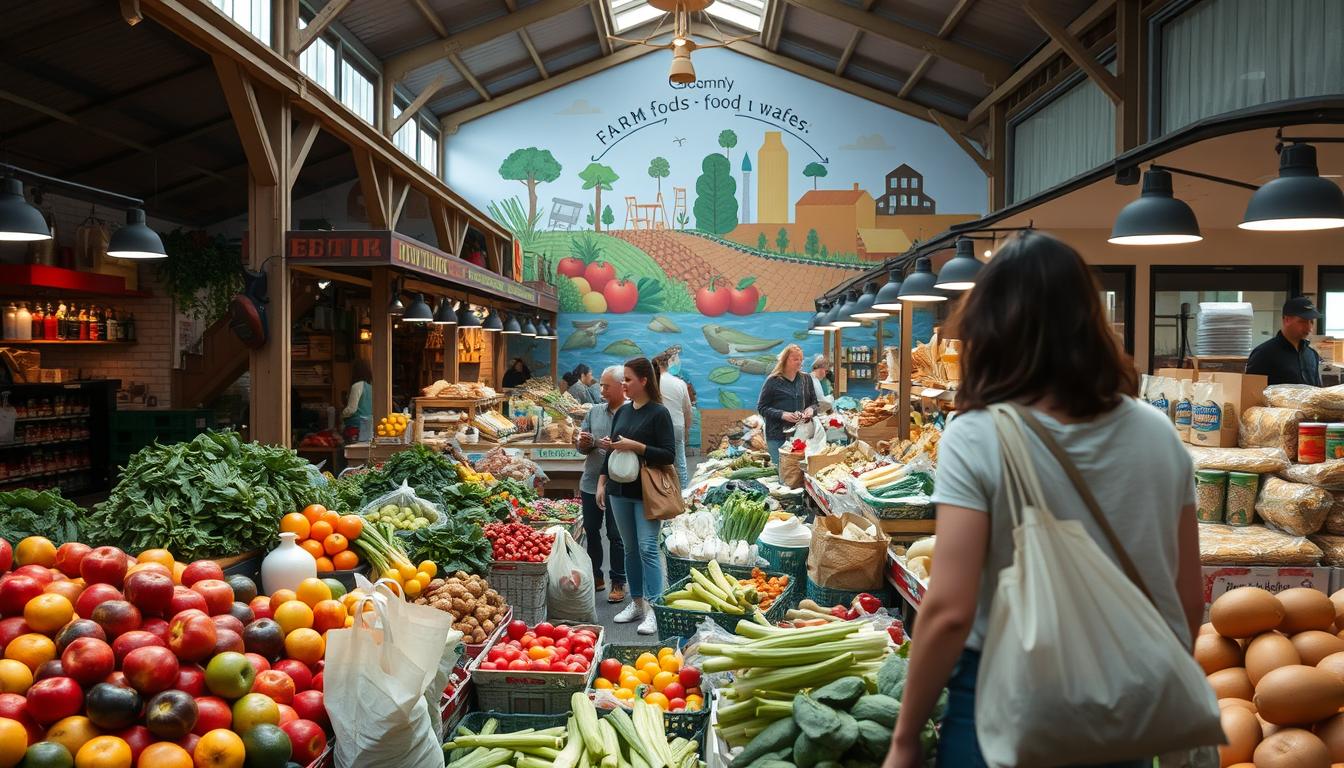
Changing your kitchen habits can save money and reduce waste. We’ll look at two key strategies: the 3Rs and smart shopping. These methods help keep your fridge tidy and your wallet full.
Implementing the 3Rs: Reduce, Reuse, Repurpose
Reduce starts before you shop. Plan meals for the week to avoid waste. Use digital tools to make shopping lists easier.
Practical applications for daily meal management
- Use a “use first” shelf for items near expiration
- Cook proteins like chicken or tofu for many meals
- Freeze herb stems and veg peels for broth
“A well-stocked pantry isn’t about quantity – it’s about strategic versatility.”
Smart Shopping Mindset Shifts
Grocery stores aim to sell more. Learn to resist temptation and make smart choices.
Needs vs wants in grocery aisles
- Shop after eating – hunger clouds judgment
- Start with the store’s perimeter (produce, dairy, proteins)
- Check if you’ll use perishables in three days
Bulk buying pros and cons
| 25lb Rice Bag | 5lb Flour Bag | |
|---|---|---|
| Cost Per Ounce | $0.18 | $0.27 |
| Storage Needs | Airtight container | Original packaging |
| Risk Factor | Pest contamination | Moisture clumping |
Bulk buys are good if you can store and use it all. For most, medium sizes save more than big ones.
Mastering Meal Planning Strategies
Turn your kitchen into a well-oiled machine with smart meal planning. This method cuts down on waste and saves money. You’ll only buy what you need, and meals will stay exciting. No more forgotten veggies or last-minute takeout.

Weekly Menu Template Creation
Bring order to your kitchen with theme nights. They make choosing meals easier. Try these ideas:
Using theme nights for consistency
- Taco Tuesday: Swap proteins and toppings weekly
- Stir-Fry Friday: Clear fridge veggies before shopping day
- Soup Sunday: Batch-cook freezer-friendly meals
Incorporating seasonal produce
Match your menu with the seasons to save money. Here’s a comparison of summer and winter produce:
| Season | Affordable Produce | Price/LB |
|---|---|---|
| Summer | Zucchini, tomatoes, corn | $1.29-$2.49 |
| Winter | Sweet potatoes, kale, citrus | $0.89-$1.99 |
Portion Control Calculations
Stop food waste with these guides. Use your hand to measure portions:
Protein serving size guidelines
- Palm = 3-4oz cooked meat/fish
- Whole hand = 5-6oz plant-based proteins
Grain and starch measurements
- Cupped hand = ½ cup cooked rice/pasta
- Thumb tip = 1 tsp oils/sauces
“Proper portioning reduces leftovers by 37% while maintaining nutritional balance.”
Use freezer-friendly containers to save leftovers. Store them flat in bags for efficient stacking.
Advanced Grocery Shopping Techniques
Getting better at grocery shopping is more than just a list. It’s about thinking ahead and using the right tools. By using smart shopping habits and knowing the store layout, you can make your shopping trips more efficient. This saves money and helps reduce waste.
Strategic Store Navigation
Perimeter Shopping Priorities
Most grocery stores put fresh foods around the edges. Start filling your cart with these items first:
- Produce sections for seasonal fruits/vegetables
- Dairy cases with rotating stock (check back walls for newer items)
- Butcher counters for portion-controlled proteins

Food dating mistakes lead to 20% of household waste, says the FDA. Here’s a quick guide to help you make better choices:
| Label Term | Actual Meaning | Safety Window |
|---|---|---|
| “Sell By” | Store inventory guide | 3-5 days post-date |
| “Best If Used By” | Peak quality indicator | Safe beyond date |
| “Use By” | Manufacturer’s freshness date | Consume by listed date |
Digital Tools for Smarter Purchases
Inventory Tracking Apps
Apps like Flipp turn your phone into a waste-fighting tool. They offer:
- Barcode-scan expiration alerts
- Customizable food category trackers
- Recipe suggestions based on pantry items
Price Comparison Browser Extensions
Tools like Honey make saving money easy. They do this by:
- Scanning digital circulars during online shopping
- Alerting you to price drops on frequent purchases
- Tracking unit prices across major retailers
“Consumers using digital price tools save 23% more weekly than manual coupon users.”
Optimal Food Storage Solutions
Proper food storage is key to avoiding waste and saving money. By using science-backed methods, you can keep food fresh longer. This helps cut down on wastage and makes your kitchen a freshness fortress.
Produce Preservation Methods
Fruits and veggies cause 39% of household waste, mainly due to bad storage. Knowing their needs helps keep them fresh and full of flavor.
Ethylene Gas Management
Items like apples and avocados release ethylene gas, speeding up ripening. Store them away from ethylene-sensitive foods. Use this chart to organize your fridge:
| Produce Type | Storage Days | Companion Warning |
|---|---|---|
| Apples | 30-90 | Keep away from broccoli |
| Spinach | 5-7 | Store with paper towels |
| Bell peppers | 7-10 | Separate from tomatoes |
Root Vegetable Storage Hacks
Potatoes, onions, and garlic last months with proper storage. Use mesh bags in cool, dark spots. For apartments, try these tips:
- Line drawers with cedar planks
- Bury carrots in sand containers
- Wrap ginger in parchment paper

Freezer Organization Systems
Your freezer can keep food fresh for 6-12 months with the right setup. Follow these tips from food safety experts.
Proper Packaging Techniques
Air causes freezer burn. Vacuum-seal meats and blanch veggies before freezing. For liquids:
- Leave 1-inch headspace in containers
- Label with contents and date
- Stack flat to save space
Freezer Inventory Rotation
Use a first-in-first-out system:
- Group items by category
- Place newest items behind older ones
- Update a digital inventory weekly
Apps like Frosta track frozen goods’ expiration dates. This prevents forgotten items from going bad.
Leftover Transformation Strategies

Your fridge full of leftovers is a treasure trove of possibilities. With a little creativity, yesterday’s meals can become today’s culinary adventures. This way, you can minimize food waste and enjoy new flavors.
Creative Repurposing Formulas
Turn extra ingredients into something new with these easy steps. Match leftovers with flavors from around the world using this guide:
| Cuisine Style | Base Ingredients | Leftover Add-Ins |
|---|---|---|
| Italian | Tomato sauce, pasta | Roasted veggies, grilled meats |
| Asian | Rice, soy sauce | Stir-fried proteins, wilted greens |
| Mexican | Beans, tortillas | Shredded cheese, roasted corn |
Soup/Stew Building Formulas
Start with 2 cups broth + 1 protein + 1 vegetable + 1 starch. Add spices that fit your cuisine. For example:
- Chicken noodle: Rotisserie chicken + carrots + egg noodles + thyme
- Curried lentil: Cooked lentils + spinach + coconut milk + curry powder
Casserole Assembly Templates
Layer ingredients with this ratio for the best texture:
“1 part binder (sauce/gravy) : 2 parts solids (meat/veggies) : 1 part topping (cheese/breadcrumbs)”
Try a breakfast bake with diced potatoes, scrambled eggs, and crumbled bacon under a cheese crust.
Safe Food Reheating Protocols
Keep food quality and safety high with these tips. The FDA says to reheat to 165°F internal temperature within two hours for most dishes.
Temperature Control Standards
| Method | Ideal Temp | Best For |
|---|---|---|
| Oven | 325°F | Casseroles, baked goods |
| Stovetop | Medium-low | Sauces, soups |
| Microwave | 50% power | Single portions |
Texture Preservation Methods
- Add 1 tsp water when microwaving rice to prevent drying
- Reheat fried foods in air fryer at 375°F for 3 minutes
- Cover pasta dishes with damp paper towel to retain moisture
For crispy dishes, use oven racks instead of baking sheets. Let stews and soups cool to room temperature before reheating. This ensures even warmth. By mastering these techniques, you’ll simultaneously minimize food waste and enjoy your meals more.
Preservation Methods for Seasonal Surpluses
Don’t let summer’s bounty go to waste—master these preservation strategies to enjoy seasonal flavors all year long while supporting food waste reduction. Whether you’re dealing with a backyard harvest or farmers’ market hauls, these techniques help you capture peak freshness and nutritional value.

Canning and Pickling Basics
Water bath canning transforms fragile fruits and acidic vegetables into shelf-stable goods. Start with this essential toolkit:
- Mason jars with new lids
- Jar lifter and funnel
- Large stockpot with rack
- pH test strips
Essential Equipment Checklist
Quality tools ensure safety and efficiency. The USDA recommends using untarnished lids and jars without chips or cracks. A magnetic lid wand helps handle sterilized components safely.
Acidity Level Requirements
Low-acid foods like green beans require pressure canning, while high-acid items like berries can use water baths. Follow this guide for safe preservation:
| Food Type | pH Requirement | Processing Method |
|---|---|---|
| Tomatoes | 4.6 or below | Water bath |
| Pickles | 4.0-4.6 | Water bath |
| Carrots | 5.0+ | Pressure canner |
“Proper acidification prevents bacterial growth in home-canned goods. When in doubt, consult USDA guidelines.”
Dehydration Techniques
Remove moisture to create lightweight, nutrient-dense foods. Electric dehydrators offer precise temperature control, but oven drying works in a pinch.
Fruit Leather Preparation
Puree ripe fruit with lemon juice, spread on parchment paper, and dry at 135°F for 6-8 hours. Store rolled sheets in airtight containers for up to 1 year.
Herb Drying Best Practices
Maximize flavor retention with these methods:
- Hang bunches upside down in paper bags
- Use window screens for flat drying
- Store whole leaves in dark glass jars
Dried herbs maintain potency for 12-18 months when kept away from heat and light—perfect for food waste reduction through extended use.
Community Food Sharing Networks
Your kitchen leftovers can help others through sharing systems. These networks cut down on waste and strengthen communities. Plus, they’re simple to use.

Local Food Swap Groups
Neighborhood swaps turn unused food into something valuable. Chicago’s Crop Swap and Portland Food Exchange are examples across the U.S.
Finding community exchanges
- Look for swap event flyers on library bulletin boards
- Join Nextdoor groups with “food share” in their names
- Ask at farmers’ markets about seasonal swap meets
Safe food sharing guidelines
- Always label items with preparation dates
- Use airtight containers for perishables
- Include allergen information on homemade goods
“Our monthly swap redistributes 200+ pounds of food that would normally be thrown away.”
Digital Sharing Platforms
Technology makes sharing food easy, even when you’re busy. These tools help you connect with neighbors. They also help you save money by exchanging items.
OLIO app usage guide
- Download the app and check if it’s available in your area
- Post photos with clear expiration dates
- Set pickup instructions for your porch or lobby
Facebook Marketplace strategies
- Join local “Buy Nothing” food groups
- Post listings during Sunday evening peak times
- Use keywords like “free produce” or “baked goods exchange”
Remember, clear communication is key for successful sharing. Always confirm pickup times and update listings when items are claimed. Your extra tomatoes could be someone’s dinner tonight!
Composting Essentials for Urban Dwellers
City folks can cut down on food waste with clever composting. Even without a yard, you can turn scraps into soil. Let’s look at compact systems for apartments and city programs that help everyone reduce waste.

Apartment-Friendly Systems
For small spaces, creative composting is key. These two methods are great for small areas and don’t smell much.
Bokashi Bucket Setup
The Bokashi method breaks down food waste in 4–6 weeks through fermentation. Here’s how to start:
- Layer kitchen scraps with Bokashi bran in an airtight bucket
- Drain liquid every 3 days (use as plant fertilizer)
- Let ferment for 14 days before burying in soil or adding to outdoor compost
Pro tip: If your bucket smells sour, add more bran and ensure the lid seals tightly.
Worm Bin Maintenance
Vermicomposting works best at 55–77°F. Keep your red wiggler worms happy with:
| Task | Frequency | Key Benefit |
|---|---|---|
| Moisture check | Weekly | Prevents dehydration |
| pH balancing | Monthly | Maintains ideal acidity |
| Harvesting castings | Every 3 months | Yields ready-to-use compost |
Municipal Composting Programs
Over 150 U.S. cities now offer curbside compost collection. These programs make reducing food waste easy for city dwellers.
Participating City Initiatives
Some top programs are:
- San Francisco’s mandatory composting ordinance
- New York City’s curbside brown bin program
- Seattle’s compost pickup service
Drop-Off Location Networks
If curbside pickup isn’t available, use these alternatives:
| City | Drop-Off Sites | Accepted Materials |
|---|---|---|
| Austin | 12 community gardens | Food scraps, yard waste |
| Chicago | 7 farmers markets | Produce scraps only |
| Denver | 3 recycling centers | All organic waste |
Check your city’s sanitation website for updated maps of participating locations. Use these programs with home systems for the best waste reduction.
Grocery Budget Tracking Systems
Changing how you spend on food starts with knowing where your money goes. Tracking your grocery spending helps you see patterns and stick to your budget-friendly meal planning goals. Whether you like tech tools or old-school methods, these strategies turn good ideas into real actions.

Digital Expense Monitoring
Today’s apps make it easy to keep an eye on your spending. They sort your receipts and regular buys for you. Let’s look at two top apps:
Mint Budgeting Features
Mint is free and links to your bank accounts to track your grocery spending. It sends alerts when you hit spending limits for things like fruits and pantry items. The Trends section shows how your spending changes each month, helping you plan better.
You Need a Budget (YNAB) Setup
YNAB uses a zero-based budgeting approach, where every dollar has a job, including saving on groceries. Users save 15-20% each month by spending older money first. Its goal-tracking feature is great for handling unexpected big buys.
| Feature | Mint | YNAB |
|---|---|---|
| Cost | Free | $99/year |
| Learning Curve | Easy | Moderate |
| Best For | Passive tracking | Active budgeting |
Manual Tracking Methods
For those who like hands-on methods, old-school systems offer a unique benefit. They bring a sense of control and mindfulness that digital tools can’t match.
Bullet Journal Layouts
Make a special page with columns for:
- Planned vs actual spending
- Waste tracking (dollars lost to spoiled food)
- Price comparison notes
Use colors to show different stores or categories, making it easy to see where your money goes.
Envelope System Implementation
Put cash in labeled envelopes for different grocery categories each month. This limits how much you can spend. When the “snacks” envelope is empty, you stop buying chips until next month. For things like meat, use past receipts to figure out a fair amount to budget.
Use these methods with your budget-friendly meal planning to make a complete system. Check your tracking data every week to find ways to save. Maybe you’re spending too much on pre-cut veggies, so it’s time to start chopping again.
Restaurant Waste Reduction Practices
Restaurants throw away 22% of America’s food, but you can make a difference. Simple steps like ordering wisely, saving leftovers, and supporting green programs can help. Let’s look at tips for reducing food waste when dining out.

Smart Dining Out Habits
Begin by asking your server about food sizes before you order. Say things like “Could you describe the portion sizes?” or “Is this dish shareable?” to avoid too much food. Many places offer smaller portions or appetizers. Just ask for them.
Portion Size Inquiries
- Ask: “Would this meal work for two people?” before ordering entrees
- Request side dishes in smaller quantities
- Split desserts or skip them if already full
Take-Home Container Etiquette
| Cuisine Type | Ideal Container | Safety Tip |
|---|---|---|
| Soups/Sauces | Leak-proof plastic | Consume within 24 hours |
| Fried Foods | Vented foil packets | Re-crisp in air fryer |
| Salads | Glass containers | Store dressing separately |
Food Rescue Initiatives
Support places that give away unsold food. The Too Good To Go app lets you buy these meals cheaply. Here’s how to use it well:
Too Good To Go App Usage
- Check pickup windows daily after 7 PM
- Choose “Surprise Bags” from participating locations
- Reheat items properly using original packaging guidelines
Local Restaurant Surplus Programs
Many cities have community fridges where chefs donate food. Apps like Olio help find these places. Always check food safety before taking anything.
Educational Resources for Continuous Improvement
To stay ahead in minimizing food waste, explore these expert-curated resources. They offer practical advice and cutting-edge strategies. Whether you like books, government guides, or video tutorials, these tools will improve your kitchen habits. They also align with modern sustainability goals.
Recommended Reading List
“Waste-Free Kitchen Handbook” Review
Dana Gunders’ bestselling guide offers 35+ actionable tips for using scraps and optimizing ingredients. It includes a “Use-It-Up” meal matrix and shelf-life charts. These help prevent waste and turn random fridge items into balanced meals.
USDA Food Preservation Guides
The USDA’s free Complete Guide to Home Canning teaches science-backed methods for preserving food. Use their digital manuals and color-coded preservation tables. Focus on “Acidified Foods” for safe pickling and follow freezing guidelines for 45+ vegetables.
Online Learning Platforms
MasterClass Food Waste Courses
Massimo Bottura’s Modern Italian Cooking MasterClass has a module on using stale bread. It includes chef demonstrations and downloadable recipe PDFs. These are great for visual learners looking for restaurant-quality solutions.
YouTube Tutorial Channels
Channels like Zero Waste Chef show quick preservation hacks. They use common kitchen tools. Recent videos cover fermenting citrus peels and building a DIY root cellar. The comments offer real-time troubleshooting from experienced cooks.
| Feature | MasterClass | YouTube |
|---|---|---|
| Cost | $15/month | Free |
| Skill Level | Intermediate-Advanced | All Levels |
| Accessibility | Structured Curriculum | On-Demand Videos |
Use these resources with hands-on practice to improve. Bookmark the USDA’s seasonal food availability calendar. Set quarterly reminders to revisit educational materials as your skills grow.
Sustainable Habits for Long-Term Savings and Impact
Creating lasting change needs steady effort. Begin your journey to reduce food waste with this 12-month plan. The first three months are for tracking your waste using apps like NoWaste or a journal.
By month 4, start using two preservation methods for your seasonal produce. Studies show families can save $1,600 a year and reduce landfill waste by 1,200 pounds by following EPA tips.
Months 5-8 are about connecting with your community. Use platforms like Olio or join local Buy Nothing groups. If your city offers it, start composting – 62% of cities now have curbside organic collection.
Months 9-12 focus on more advanced strategies. Learn to manage your freezer and host food swaps. These steps increase savings and strengthen food networks in your area.
Keep track of your progress every quarter. Compare your grocery bills to see how much you’ve saved – most families cut their spending by 18-23% in six months. Use EPA’s Household Carbon Footprint Calculator to see your environmental impact. Every pound of food you save cuts down on greenhouse gas emissions by 3.8 pounds.
End your journey by joining community programs. Platforms like ShareWaste help you find composting hosts. Food Rescue US volunteers help share meals. Check your city’s website for composting programs – 41 states offer tax breaks for it.
Your daily choices can make a big difference. From better meal planning to supporting food recovery, every step counts. Start using leftovers for tomorrow’s meals and see your savings and environmental impact grow.
FAQ
How much money does the average American family lose annually to food waste?
FAQ
How much money does the average American family lose annually to food waste?
Families lose
FAQ
How much money does the average American family lose annually to food waste?
Families lose $1,500 yearly to uneaten food, which is like 1-2 months of grocery bills. This is due to spoiled produce, expired pantry items, and oversized portions.
Which foods spoil fastest, and how can I extend their freshness?
Leafy greens, berries, herbs, mushrooms, and avocados spoil quickly. Store greens in airtight containers with paper towels. Separate berries from stems. Keep avocados with onion slices to slow ripening. Use the ethylene producer/absorber chart for best pairings.
Are expiration dates reliable indicators of food safety?
No. “Best by” dates show when food is at its best, not when it’s safe. Use your senses: smell dairy, check for mold on bread, and look for texture changes. Download the FDA expiration label decoder chart to avoid throwing away food too soon.
How do I implement the 3R framework (Reduce, Reuse, Repurpose) effectively?
Begin with Reduce: plan meals using a template that accounts for leftovers. Reuse: freeze vegetable scraps for broth. Repurpose: turn stale bread into croutons using the bread pudding/frittata template. Track your progress with bullet journal waste columns.
What’s the most cost-effective way to buy staples like rice and flour?
Buying in bulk saves 18-24% but requires proper storage. Use airtight containers with oxygen absorbers and follow the 25°F freezer rule for grains. A 25-lb rice bag lasts 6+ months when stored in vacuum-sealed packs.
How can I avoid impulse buys during grocery trips?
Stick to the perimeter shopping route (produce, dairy, meats) and use apps like Flipp for digital coupons or Honey for price tracking. Practice the “10-minute rule” for non-list items and shop after meals to curb hunger-driven purchases.
What’s the best method to freeze vegetables without freezer burn?
Blanch veggies for 2-3 minutes, then use a vacuum sealer with portion labels. Apply the freezer layering system: place flat packs vertically in bins. For berries, freeze on trays before bagging to prevent clumping.
Can I safely reheat leftovers multiple times?
Follow FDA guidelines: reheat to 165°F using a food thermometer. Use the microwave for small portions (stir every 30 seconds) or oven for crispy textures. Never reheat more than once, and freeze extras within 2 hours.
How do apartment dwellers compost without outdoor space?
Use Bokashi fermentation (2-week process with bran) or worm bins maintained at 55-77°F. Cities like San Francisco and Portland offer municipal composting—check the US composting map for drop-off locations.
Which budgeting app better tracks grocery spending: Mint or YNAB?
Mint automates expense sorting but has ad clutter. YNAB uses zero-based budgeting, ideal for allocating specific amounts to categories like produce or pantry staples. Compare features using the Mint vs YNAB chart based on your discipline level.
How do I safely participate in community food swaps?
Use the OLIO app with geo-tagged posts and follow the photo checklist (clear labels, visible expiration dates). At swaps, bring insulated bags for perishables and reference the FDA reheating chart when exchanging cooked dishes.
What pH level is required for safe home canning?
4.6 or lower for water-bath canning (pickles, fruits). Use vinegar or citric acid for low-acid foods like tomatoes. Pressure canning requires 11-15 PSI for meats and vegetables—always test with a calibrated pH meter.
,500 yearly to uneaten food, which is like 1-2 months of grocery bills. This is due to spoiled produce, expired pantry items, and oversized portions.
Which foods spoil fastest, and how can I extend their freshness?
Leafy greens, berries, herbs, mushrooms, and avocados spoil quickly. Store greens in airtight containers with paper towels. Separate berries from stems. Keep avocados with onion slices to slow ripening. Use the ethylene producer/absorber chart for best pairings.
Are expiration dates reliable indicators of food safety?
No. “Best by” dates show when food is at its best, not when it’s safe. Use your senses: smell dairy, check for mold on bread, and look for texture changes. Download the FDA expiration label decoder chart to avoid throwing away food too soon.
How do I implement the 3R framework (Reduce, Reuse, Repurpose) effectively?
Begin with Reduce: plan meals using a template that accounts for leftovers. Reuse: freeze vegetable scraps for broth. Repurpose: turn stale bread into croutons using the bread pudding/frittata template. Track your progress with bullet journal waste columns.
What’s the most cost-effective way to buy staples like rice and flour?
Buying in bulk saves 18-24% but requires proper storage. Use airtight containers with oxygen absorbers and follow the 25°F freezer rule for grains. A 25-lb rice bag lasts 6+ months when stored in vacuum-sealed packs.
How can I avoid impulse buys during grocery trips?
Stick to the perimeter shopping route (produce, dairy, meats) and use apps like Flipp for digital coupons or Honey for price tracking. Practice the “10-minute rule” for non-list items and shop after meals to curb hunger-driven purchases.
What’s the best method to freeze vegetables without freezer burn?
Blanch veggies for 2-3 minutes, then use a vacuum sealer with portion labels. Apply the freezer layering system: place flat packs vertically in bins. For berries, freeze on trays before bagging to prevent clumping.
Can I safely reheat leftovers multiple times?
Follow FDA guidelines: reheat to 165°F using a food thermometer. Use the microwave for small portions (stir every 30 seconds) or oven for crispy textures. Never reheat more than once, and freeze extras within 2 hours.
How do apartment dwellers compost without outdoor space?
Use Bokashi fermentation (2-week process with bran) or worm bins maintained at 55-77°F. Cities like San Francisco and Portland offer municipal composting—check the US composting map for drop-off locations.
Which budgeting app better tracks grocery spending: Mint or YNAB?
Mint automates expense sorting but has ad clutter. YNAB uses zero-based budgeting, ideal for allocating specific amounts to categories like produce or pantry staples. Compare features using the Mint vs YNAB chart based on your discipline level.
How do I safely participate in community food swaps?
Use the OLIO app with geo-tagged posts and follow the photo checklist (clear labels, visible expiration dates). At swaps, bring insulated bags for perishables and reference the FDA reheating chart when exchanging cooked dishes.
What pH level is required for safe home canning?
4.6 or lower for water-bath canning (pickles, fruits). Use vinegar or citric acid for low-acid foods like tomatoes. Pressure canning requires 11-15 PSI for meats and vegetables—always test with a calibrated pH meter.