Did you know that over 70% of Americans who try quick-fix diets regain the weight within a year? This startling statistic highlights the need for a more sustainable approach to managing your body. Instead of relying on stimulants or extreme measures, many are now turning to holistic methods that prioritize long-term health.
Research from the American Journal of Clinical Nutrition supports this shift, showing that gradual, evidence-based strategies yield better results. Programs like the AARP-backed Whole Body Reset offer a structured, 14-step framework to help you lose weight effectively. These methods focus on nourishing your body rather than depriving it.
By adopting a balanced approach, you can achieve your goals without compromising your well-being. Let’s explore how you can make lasting changes that work for you.
Key Takeaways
- Quick-fix diets often lead to weight regain within a year.
- Holistic approaches are gaining popularity for sustainable results.
- Studies support gradual, evidence-based strategies for better outcomes.
- The Whole Body Reset program offers a proven 14-step framework.
- Focus on nourishing your body rather than extreme measures.
Introduction to Natural Weight Loss
The key to success lies in sustainable daily habits. Real progress comes from avoiding fad diets and focusing on evidence-based strategies. Unlike quick fixes, these methods are designed to support your long-term lifestyle and health.
For example, the Mayo Clinic recommends consuming 25-30 grams of fiber daily. This simple change can improve digestion and help you feel fuller longer. It’s a practical step in your journey toward better health.

Another important factor is the brain-belly connection. Therapy recommendations suggest that managing stress and emotions can reduce overeating. This approach addresses the root causes of unhealthy habits.
Harvard Medical School highlights the effectiveness of keeping a food journal. Tracking what you eat increases awareness and helps you make better choices. It’s a proven tool for achieving your goals.
Finally, consider the 80/20 rule. Focus on healthy choices 80% of the time, and allow flexibility the other 20%. This balance makes your diet sustainable and enjoyable.
Set Clear and Achievable Goals
Achieving your health goals starts with a well-defined strategy. Studies show that daily weigh-ins can enhance your efforts by keeping you accountable. This simple habit helps you stay on track and adjust your plan as needed.

Research from Virginia Tech highlights the benefits of drinking water before meals. Participants reduced their calorie intake by 13%, a small change with big results. Pair this with Kaiser Permanente’s grocery cart strategy—filling 50% with vegetables—to make healthier choices effortlessly.
When interpreting scale fluctuations, consider the University of Chicago’s findings on sleep. Poor rest can lead to temporary water retention, so focus on long-term trends rather than daily changes. Aim for a realistic target, like 1-2 pounds per week, to maintain steady progress.
The American Heart Association recommends incorporating activity into your day. Try TV workouts or short walks to meet measurable goals. These small steps add up, making your plan sustainable and effective.
Prioritize Sleep for Weight Loss
Sleep plays a critical role in maintaining your overall health. Poor sleep can lead to significant changes in your body, including increased calorie intake. Studies show that waking unrested can result in consuming 260 extra calories daily. This makes improving your sleep hygiene essential for achieving your goals.
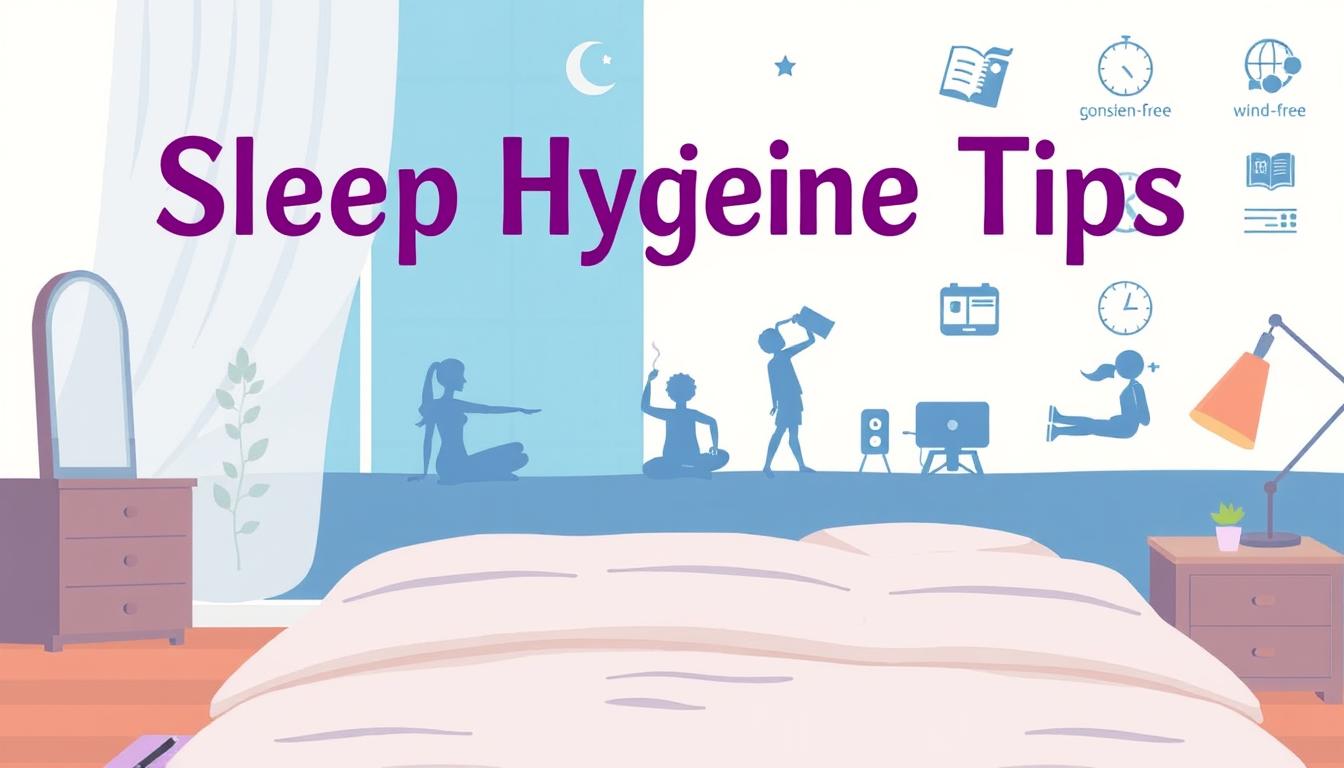
To enhance your sleep quality, start by dimming lights by 8 PM. This helps signal to your body that it’s time to wind down. Keeping your bedroom at 65°F is another effective strategy, as cooler temperatures promote better rest.
Dr. Collazo-Clavell recommends fasting for at least 3 hours before bed. This practice supports digestion and improves sleep levels. Additionally, consider upgrading your mattress. Sleep researchers suggest that a comfortable mattress can make a noticeable difference in your rest quality.
Finally, avoid late-night shopping habits. A JAMA Internal Medicine study found that late-night activities can disrupt your sleep patterns. By making these small changes, you can create a sleep-friendly environment and support your health journey.
Brush Your Teeth After Meals
Brushing your teeth after meals might seem simple, but it has powerful benefits. This habit not only protects your mouth but also supports your overall health. Research shows that brushing immediately after dinner can help manage your calorie intake by reducing the temptation to snack.

However, timing matters. The American Dental Association (ADA) recommends waiting at least 30 minutes after consuming acidic food to brush. This protects your enamel from erosion. For example, if you’ve had citrus fruits or soda, rinse your mouth with water first and wait before brushing.
The Science Behind Post-Meal Brushing
Brushing after a meal can also influence your appetite. Studies suggest that mint-flavored toothpaste may suppress cravings more effectively than cinnamon. This is because mint’s cooling sensation can signal to your brain that you’re done eating.
In Okinawa, Japan, where people enjoy some of the longest life expectancies, post-meal oral care is a common practice. This habit is linked to better digestion and reduced overeating. It’s one of the simple things you can adopt for a healthier lifestyle.
“Brushing your teeth after meals is more than just a dental habit—it’s a wellness strategy.”
Here are some practical tips to make the most of this routine:
- Wait 30 minutes after acidic foods to brush.
- Use fluoride toothpaste to strengthen enamel.
- Chew sugar-free gum if brushing isn’t immediately possible.
Additionally, certain foods can neutralize acids in your mouth. Cheese and almonds are excellent choices. They help restore pH balance and protect your teeth.
| Food | Benefit |
|---|---|
| Cheese | Neutralizes acids, strengthens enamel |
| Almonds | Reduces acidity, provides calcium |
Dental school research also highlights that brushing can desensitize your taste buds, reducing the urge to eat more. This makes it a valuable tool for managing your meal portions.
By incorporating this simple habit into your routine, you can protect your teeth, curb cravings, and support your overall health. It’s a small change with big rewards.
Incorporate Whey Protein into Your Diet
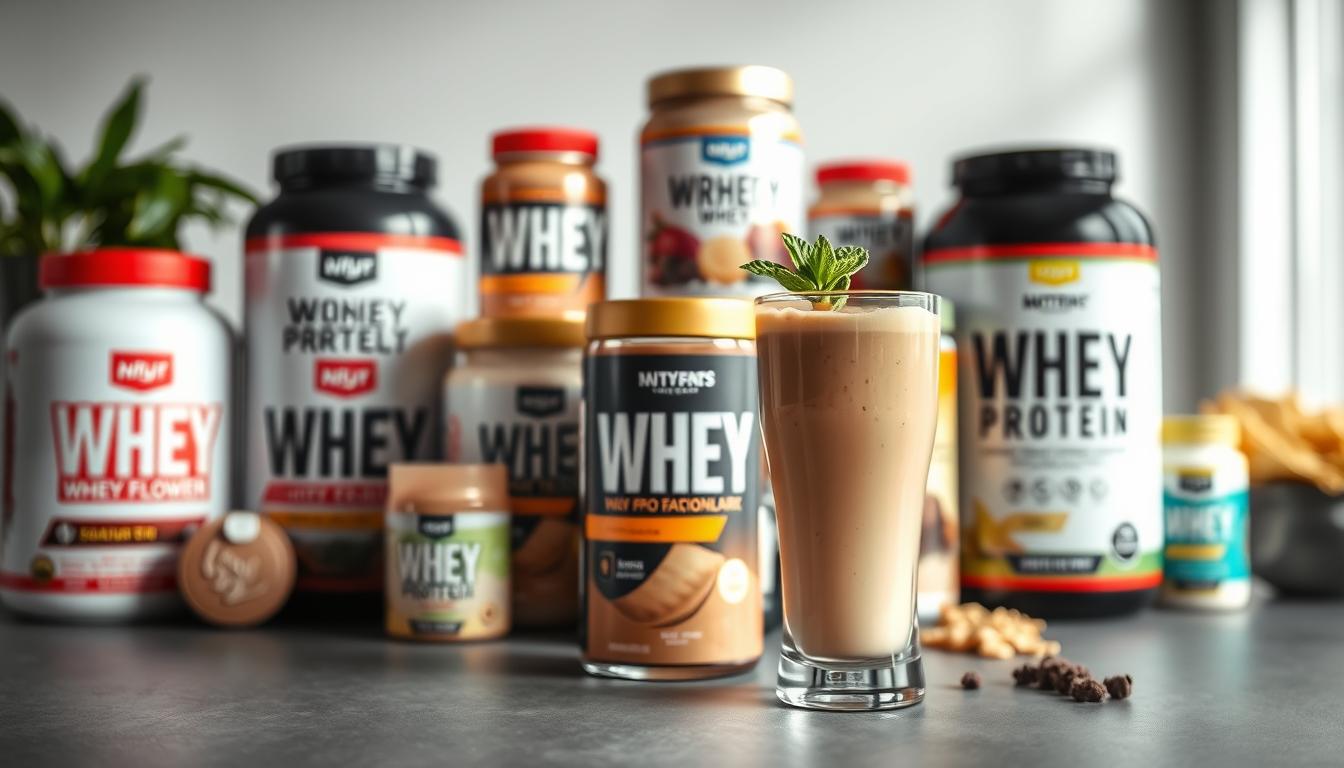
Adding whey protein to your daily routine can be a game-changer for your health. It’s a convenient way to meet your protein needs, especially if you’re aiming for 60g daily. Whey protein is derived from milk and is packed with essential amino acids that support muscle repair and overall wellness.
However, not all whey protein supplements are created equal. Some contain added sugars or artificial ingredients that can derail your diet. To make the best choice, it’s important to understand the differences between whey isolate and whey concentrate.
How to Choose the Right Protein Supplement
Whey isolate is processed to remove most of the fat and lactose, making it a leaner option. It’s ideal for those watching their calories or with lactose intolerance. Whey concentrate, on the other hand, retains more of the natural components of milk, including small amounts of fat and lactose. It’s often more affordable and still highly effective.
Here’s a comparison of two popular brands:
| Brand | Type | Protein per Serving | Added Sugars |
|---|---|---|---|
| Orgain | Whey Isolate | 25g | 0g |
| Optimum Nutrition | Whey Concentrate | 24g | 1g |
Timing matters when it comes to protein intake. Research from CUNY Lehman College suggests consuming whey protein within 30 minutes of exercise for optimal muscle recovery. It can also be a great addition to breakfast or snacks to keep you full longer.
If you’re considering a high-protein diet, be mindful of renal health. Consult your doctor to ensure it’s safe for you. For those who prefer plant-based options, pea and hemp protein are excellent alternatives. They offer similar benefits and are perfect for the whole family.
For more insights on selecting the best whey protein, check out this detailed guide.
Manage Stress to Avoid Weight Gain
Managing stress effectively can significantly impact your overall health. Research shows that stress management programs reduce perceived stress by 40%. When stress levels rise, your body releases cortisol, a hormone that can lead to unhealthy habits like overeating.

Practical Stress Management Techniques
One effective method is the box breathing technique. Inhale for 4 seconds, hold for 7 seconds, and exhale for 8 seconds. This simple practice can calm your mind and reduce tension.
Apps like Headspace and Calm offer guided meditations and mindfulness exercises. Headspace focuses on structured programs, while Calm provides a wider variety of sleep stories and relaxation tools. Both are excellent for your journey toward stress reduction.
According to the Surgeon General’s loneliness advisory, social connections are vital for mental health. Building strong relationships can help you manage stress better.
Adaptogens like ashwagandha and rhodiola are natural supplements that help regulate cortisol levels. These things can support your body’s response to stress.
Progressive muscle relaxation is another powerful technique. Tense and release each muscle group, starting from your toes and moving upward. This method helps you work through physical tension and promotes relaxation.
“Stress management isn’t just about feeling better—it’s about creating a healthier lifestyle.”
By incorporating these strategies, you can take control of stress and support your overall well-being.
Combat Loneliness for Better Health
Feeling isolated can have a profound impact on your physical and mental health. Studies show that loneliness is equivalent to smoking 15 cigarettes daily. This startling fact underscores the importance of building meaningful connections in your life.

One way to foster these connections is by joining local groups. Meetup, for example, offers categories with high engagement rates, such as fitness classes, book clubs, and hobby groups. These activities provide opportunities to meet like-minded individuals and expand your social circle.
Building a Supportive Community
Inspired by the Blue Zones, where people live longer and healthier lives, prioritize social connections. These regions emphasize the value of spending time with family and friends. Simple activities like a walk or shared meals can strengthen bonds.
Starting conversations in fitness classes can also help. Try these icebreakers:
- “What brought you to this class?”
- “How long have you been practicing?”
- “Do you have any tips for beginners?”
Intergenerational programs are another excellent option. These initiatives bring together people of different ages, fostering mutual learning and support. For example, volunteering at a community center can connect you with both younger and older generations.
If in-person interactions are challenging, consider virtual communities. Platforms like MyFitnessPal forums allow you to share goals, challenges, and successes with others. These online spaces can provide encouragement and accountability.
“Loneliness is not just a feeling—it’s a call to action. Building connections is essential for a healthier, happier life.”
Here’s a quick comparison of in-person and virtual community options:
| Option | Benefits |
|---|---|
| Local Meetups | Face-to-face interactions, shared activities |
| Virtual Forums | Flexibility, access to global communities |
By taking small steps to connect with others, you can improve your health and enrich your life. These things may seem simple, but their impact is profound.
Remove Temptation: Control Your Environment
Your environment plays a bigger role in your choices than you might think. By making small adjustments to your surroundings, you can set yourself up for success. Start by creating a “do” and “do not buy” list for grocery shopping. This simple step helps you avoid unhealthy temptations and stick to your diet goals.

When you’re at the store, focus on the outer ring. This is where you’ll find fresh produce, lean proteins, and dairy. Fill at least 50% of your cart with vegetables to ensure you’re making healthy choices. This strategy not only supports your meal planning but also keeps you on track with your calories.
Smart Strategies for Meal Prep
Batch cooking is a game-changer for busy schedules. Prepare large portions of your favorite foods and store them in the freezer. Use glass containers instead of plastic for better durability and safety. Glass is also easier to clean and doesn’t retain odors, making it ideal for long-term storage.
Here are some additional tips to control your environment:
- Use smaller plates to manage portion sizes effectively.
- Keep peppermint oil on hand to curb cravings—its scent can help interrupt unhealthy urges.
- Organize your pantry so healthier options are front and center.
“Your surroundings shape your habits. By controlling your environment, you take control of your choices.”
These small changes can make a big difference in your daily routine. By removing temptations and creating a supportive space, you’ll find it easier to stay consistent with your goals.
Take Breaks from Your Weight Loss Routine
Taking a step back can sometimes be the best way to move forward. Studies show that scheduled breaks increase long-term success rates by 22%. These pauses allow your body and mind to reset, making it easier to stay consistent over time.

One effective strategy is the 90/10 rule. During maintenance phases, focus on healthy choices 90% of the time, and allow flexibility the other 10%. This balance helps you stay on track without feeling deprived.
Handling Setbacks and Staying Motivated
When dining out, opt for appetizer portions instead of full meals. This approach helps you enjoy your favorite foods while keeping your calories in check. It’s a practical way to navigate social situations without derailing your journey.
Penn State’s laddered goal-setting research highlights the importance of breaking your goals into smaller, manageable steps. This method keeps you motivated and makes progress feel achievable.
Progress photo comparisons are another powerful tool. Regularly taking photos allows you to see the changes in your body over time, even when the scale doesn’t move. It’s a visual reminder of how far you’ve come.
Finally, understand the science behind “cheat meal” vs. “cheat day.” A single indulgent meal can satisfy cravings without sabotaging your efforts. However, an entire day of overeating can set you back. Moderation is key.
“Breaks aren’t setbacks—they’re stepping stones to long-term success.”
Here’s a quick guide to help you stay on track:
- Use the 90/10 rule for flexibility.
- Choose appetizer portions when dining out.
- Set smaller, laddered goals for motivation.
- Take progress photos to track your journey.
- Opt for a cheat meal instead of a cheat day.
By incorporating these strategies, you can maintain your progress and stay motivated throughout your journey.
Keep Healthy Snacks on Hand
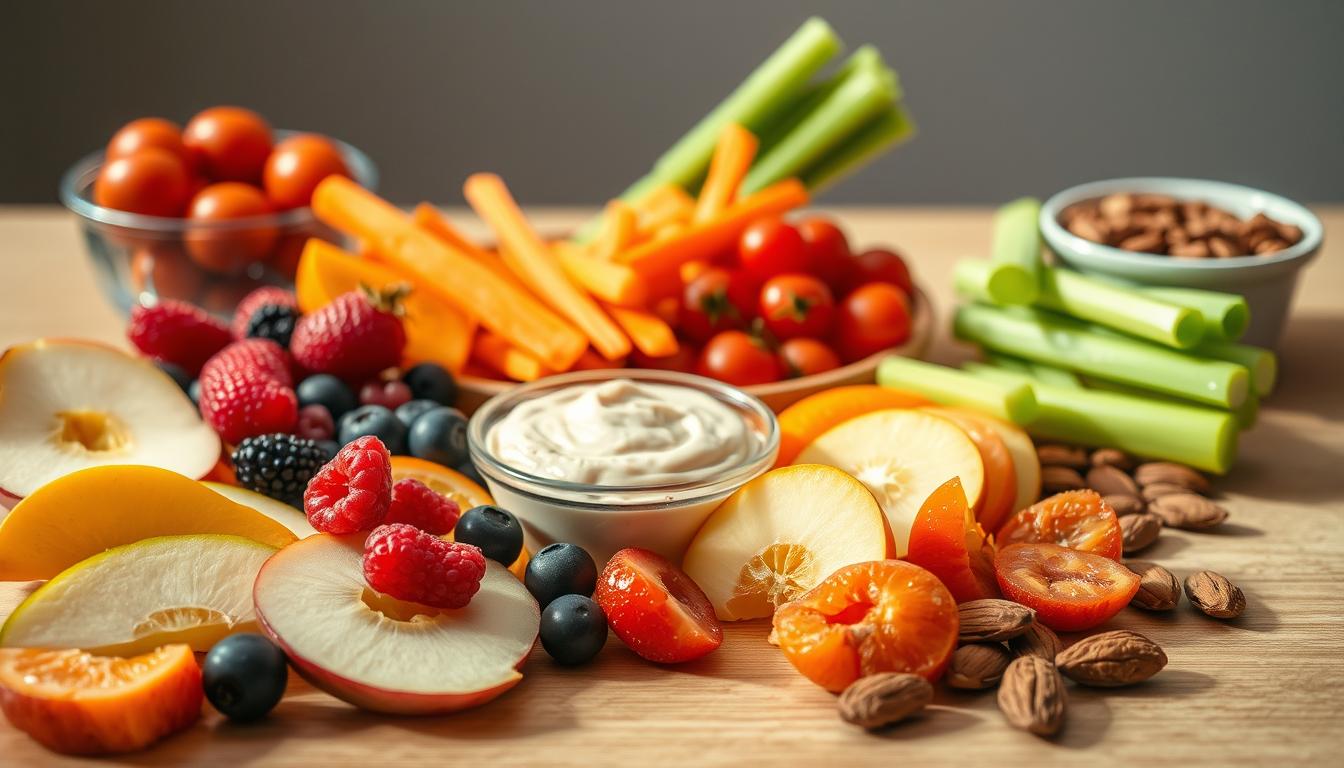
Having the right snacks available can make a big difference in your daily routine. Research shows that reducing your daily intake by 100 calories can lead to a 1-pound monthly loss. This makes choosing nutritious options essential for long-term success.
Smart Snacking Strategies
Nuts are a great choice for satisfying hunger. Almonds, walnuts, and pistachios have high satiety indexes, meaning they keep you full longer. Here’s a quick comparison:
| Nut Type | Satiety Index |
|---|---|
| Almonds | 97 |
| Walnuts | 89 |
| Pistachios | 85 |
For a quick energy boost, try making DIY energy balls. Combine oats, peanut butter, honey, and dark chocolate chips. Each ball contains about 150 calories and provides a balanced mix of carbs, protein, and healthy fats.
When you’re on the go, shelf-stable options are a lifesaver. Keep items like dried fruits, whole-grain crackers, and nut butter packets in your glove compartment. These things are convenient and won’t spoil easily.
UCLA’s hunger scale can help you decide when to snack. Rate your hunger from 1 (starving) to 10 (stuffed). Aim to eat when you’re at a 3 or 4 to avoid overeating.
Here’s a glycemic load chart for common fruits:
| Fruit | Glycemic Load |
|---|---|
| Apples | 6 |
| Bananas | 10 |
| Berries | 1-2 |
By keeping these tips in mind, you can make smarter snack choices and support your overall health.
Journal Your Food Intake
Tracking what you eat can transform your approach to health. Research shows that MyFitnessPal users lose three times more weight than those who don’t track their food. A food journal helps you stay accountable and make better choices throughout your day.

Tracking Your Progress with a Food Journal
One effective method is the color-coded emotion coding system. Assign colors to emotions like stress, boredom, or happiness. This helps you identify triggers for unhealthy eating habits. For example, if you notice red (stress) often leads to snacking, you can address the root cause.
Digital and analog tracking both have their benefits. Digital tools like MyFitnessPal offer convenience and automatic calories calculations. Analog journals, on the other hand, provide a tactile experience that some find more mindful. Choose the method that works best for you.
For those who prefer digital tools, OCR-scanning apps like Yazio can simplify the process. These apps allow you to scan barcodes or take photos of your meal to log it quickly. They’re perfect for busy lifestyles.
When dining out, take a screenshot of the restaurant menu. This helps you plan your diet in advance and avoid impulsive choices. Reviewing these screenshots later can also help you spot patterns in your eating habits.
Finally, establish a weekly review ritual. Set aside time to analyze your journal for trends. Are you eating more on certain days? Are certain emotions driving your choices? This reflection helps you make informed adjustments to your routine.
“A food journal isn’t just a record—it’s a roadmap to better health.”
Here’s a quick comparison of digital and analog tracking:
| Method | Benefits |
|---|---|
| Digital | Convenient, automatic calculations |
| Analog | Mindful, tactile experience |
By incorporating these strategies, you can take control of your eating habits and achieve your health goals. A food journal is a simple yet powerful tool for lasting change.
Stay Active Throughout the Day
Staying active doesn’t require hours at the gym—small changes can make a big difference. Research shows that walking 10,000 steps daily burns about 400 calories. This simple habit can help you stay fit and energized throughout your day.
One effective way to add more movement is through “exercise snacking.” This involves short bursts of activity, like a 5-minute walk or stretching session, spread throughout the day. It’s a practical approach for busy schedules.
Simple Ways to Add More Movement
Under-desk pedal exercisers are a great tool for staying active while working. Popular models include the DeskCycle and Cubii. These devices let you pedal while seated, keeping your body engaged.
Fitness trackers can also help you stay on track. The Fitbit Charge 5 and Apple Watch Series 8 are top choices. Both offer accurate step counts and activity reminders, but the Apple Watch excels in heart rate monitoring.
Standing desk conversions are another smart option. Products like the Varidesk Pro Plus let you switch between sitting and standing. This reduces sedentary time and improves posture.
For a quick workout, try laundry basket squats. Hold a basket filled with clothes and perform squats. It’s a simple way to strengthen your legs while tackling chores.
- Use under-desk pedal exercisers for seated activity.
- Track steps with Fitbit or Apple Watch.
- Convert to a standing desk for better posture.
- Incorporate laundry basket squats into your routine.
By making these small changes, you can stay active and healthy without disrupting your daily routine.
Conclusion: Your Path to Natural Weight Loss
Embarking on a healthier path is about more than just numbers on a scale. It’s a journey that involves building sustainable habits and prioritizing your overall health. By focusing on the 14 pillars outlined in this guide, you can create a balanced lifestyle that supports long-term success.
To make these habits stick, consider a 12-month integration calendar. Start with one habit each month, gradually layering them for lasting change. For example, begin with daily hydration, then add mindful eating, and so on. This step-by-step approach ensures steady progress without overwhelm.
If you need guidance, explore certification programs like ACE or NASM for professional coaching. These programs offer structured support to help you stay on track. Additionally, tools like the NIH Body Weight Planner can help you set realistic goals and monitor your progress.
Finally, embrace the American Heart Association’s 150-minute activity challenge. Whether it’s walking, cycling, or dancing, staying active is key to maintaining your health. Remember, consistency is more important than intensity.
Your journey to better health is unique. By integrating these strategies, you can achieve lasting results and enjoy a more vibrant lifestyle.