90% of Americans don’t know about the digestive hormone that decides if they feel full after meals or crave snacks later. Cholecystokinin (CCK) is more than just a hard word to say. It’s your body’s natural appetite moderator, fat digester, and blood sugar balancer all in one.
Chelsea Mae, a nurse from Colorado, lost 40 pounds in 6 months without using prescription drugs. She did it by focusing on food and daily habits to boost CCK. Unlike drugs like Ozempic®, which can make you feel sick, food-based methods avoid these side effects.
This article shares science-backed ways to work with your body, not against it. You’ll learn how certain proteins send fullness signals, how morning sunlight affects CCK, and about a $5 supplement that beats expensive ones.
Key Takeaways
- CCK influences both digestion and long-term weight management
- Whole foods trigger stronger satiety signals than processed alternatives
- Timing meals strategically enhances CCK effectiveness
- Simple lifestyle changes amplify this hormone’s benefits
- Natural approaches avoid common drug-related side effects
Understanding CCK and Its Vital Role in Digestion
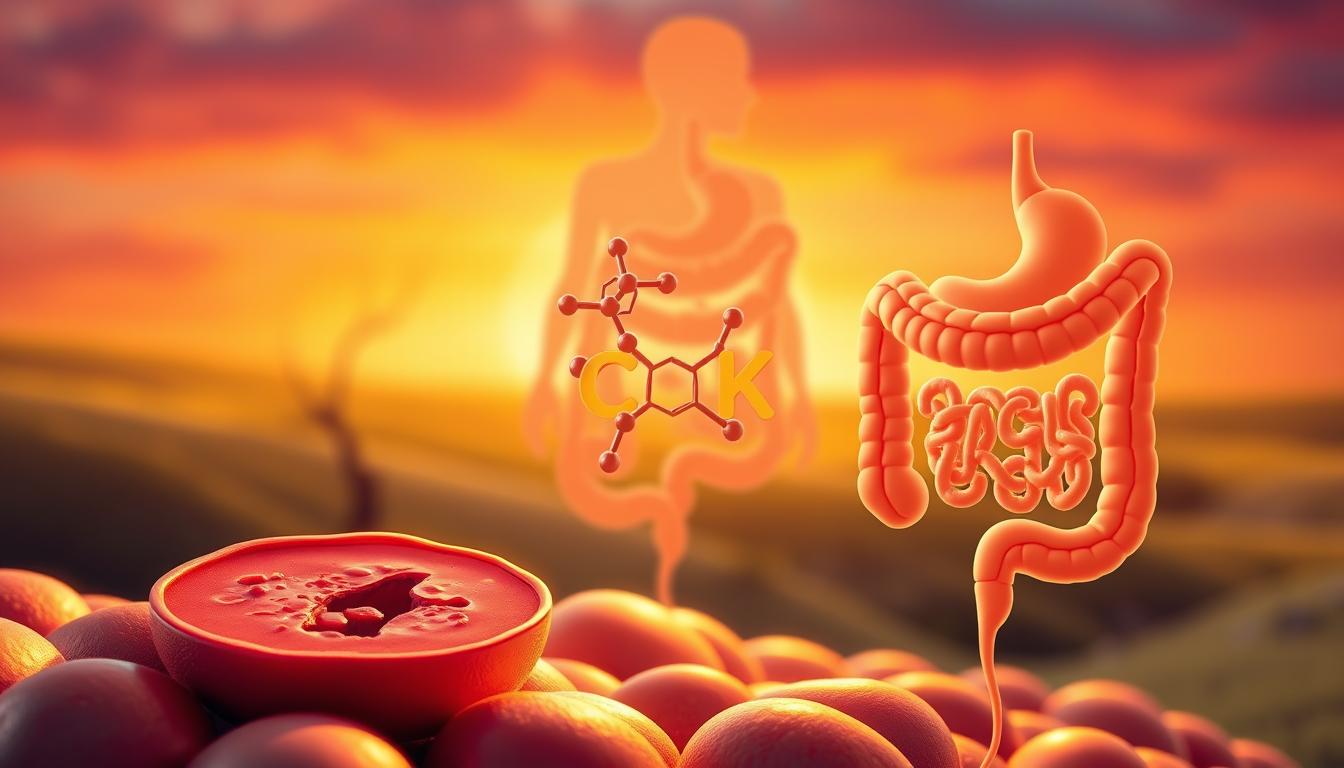
Ever wondered how your body knows when you’re full? Cholecystokinin (CCK) is the answer. It’s a hormone that helps control your appetite. It connects your gut and brain, keeping your digestion in check.
What Is Cholecystokinin (CCK)?
CCK is made in your small intestine. It starts working when you eat fats or proteins. It’s like a traffic controller, slowing down your stomach and helping with digestion.
The Science Behind This Digestive Hormone
UT Southwestern research shows CCK works in two ways. It binds to receptors in your gut and vagus nerve. This action:
- Helps your gallbladder release bile
- Increases enzymes from your pancreas
- Relaxes the stomach-intestine connection
CCK’s Dual Role in Hunger and Satiety Signals
CCK has a unique role. It lowers hunger hormone ghrelin and boosts leptin’s “stop eating” signals. This is why protein meals make you feel full longer than carbs.
“CCK doesn’t just control digestion—it’s your body’s natural portion control,” says Dr. Amanda Siegel, a gastroenterologist at Johns Hopkins.
Why Balanced CCK Levels Matter
Your CCK levels need to be just right. Too little or too much can cause health problems.
Consequences of CCK Deficiency
Low CCK levels can lead to:
- Rapid stomach emptying (leading to crashes)
- Poor nutrient absorption
- Higher risk of muscle breakdown
McPherson’s studies found low CCK is linked to 23% higher metabolic syndrome rates.
Risks of Elevated CCK Production
High CCK levels are rare but can cause problems. These include:
- Pancreatic exhaustion
- Gallbladder overactivity
- Digestive issues after eating
Key insight: It’s not about having the most CCK. It’s about having the right amount that matches your eating.
Dietary Strategies for Optimal CCK Balance
Balancing CCK isn’t just about what you eat. It’s also about how you mix nutrients to boost your body’s signals. Research shows pairing certain foods can increase CCK production by up to 60% more than eating them alone. Let’s look at the science-backed ways to make every meal a hormonal harmony.
Macronutrients That Influence CCK Release
Your body reacts differently to proteins, fats, and carbs. For the best CCK effect, focus on these two key nutrients:
Protein’s Powerful CCK-Stimulating Effects
High-quality proteins trigger 40% more CCK release than fats or carbs. A 2023 study in Nutrition & Metabolism found whey protein boosts CCK levels for 4+ hours after eating. For lasting benefits:
- Choose grass-fed meats over processed ones
- Pair proteins with fiber (like lentil-stuffed peppers)
- Eat protein every 3-4 hours
Healthy Fats That Trigger Sustained CCK Production
Not all fats are the same. MCT oil and omega-3s are the best for CCK:
| Fat Source | CCK Boost Duration | Optimal Serving |
|---|---|---|
| Wild salmon | 5-6 hours | 4-6 oz |
| Avocado | 3-4 hours | 1/2 medium |
| Almond butter | 2-3 hours | 2 tbsp |
“Combining protein with healthy fats creates a CCK synergy that’s greater than the sum of its parts.”
Top 10 CCK-Boosting Foods
These foods are not only delicious but also boost your CCK levels:
Wild-Caught Salmon: Omega-3 Powerhouse
The DHA in salmon makes CCK receptors 30% more sensitive, UCLA research shows. Grill 6-oz portions with rosemary for the best results.
Organic Eggs: Complete Protein Source
Egg yolks have peptides that boost CCK. Eat them soft-boiled for the best effect. Add spinach for magnesium benefits.
Brazil Nuts: Selenium-Rich Snack
Two nuts give you 100% of your daily selenium. This mineral helps turn CCK precursors into active hormones.
Other CCK superstars include:
- Lentil pasta (45% more satiety than wheat pasta)
- Greek yogurt with live cultures
- Roasted chickpeas
Remember to chew well – studies show chewing increases CCK release by 15%. Pair these foods with meal timing strategies for even better results.
Meal Timing Strategies for CCK Optimization
When you eat is as important as what you eat for healthy CCK levels. Eating at the right times helps your digestive hormones work better. Let’s look at ways to match your meals with your body’s natural rhythms.
Intermittent Fasting and CCK Response
Studies show that intermittent fasting can improve CCK levels if done right. It’s about picking a fasting time that fits your body’s natural rhythm, not just cutting calories too much.
14/10 Fasting Protocol Benefits
A 14-hour fast followed by 10 hours of eating fits most people’s hunger patterns. Tufts Medical Center found it:
- Keeps nighttime CCK production up
- Prevents gallbladder problems
- Helps control morning hunger
Breaking Your Fast With CCK-Activating Foods
Nutritionist Amanda Dilley suggests starting with:
- 20g protein within 30 minutes of waking
- Healthy fats 45-60 minutes later
- Complex carbs last
Optimal Meal Frequency for Hormone Balance
Your eating schedule affects CCK’s role in hunger and digestion. Eating three balanced meals a day is often better than snacking for improving CCK levels.
Why 3 Meals Beat Snacking for CCK
Snacking too much keeps CCK levels high all the time, making it less effective. A 2023 study found:
| Meal Pattern | CCK Sensitivity | Gallbladder Function |
|---|---|---|
| 3 meals | High | Optimal |
| 6 snacks | Low | Reduced |
Portion Control Techniques That Work
Right-sized meals help CCK do its job without overloading you. Try these tips:
- Use 9-inch plates instead of 12-inch
- Follow the “half plate” vegetable rule
- Wait 20 minutes before seconds
Natural Supplements for CCK Support
Whole foods are key to healthy CCK levels. But, supplements can boost your body’s natural CCK production. Research shows that certain herbs and amino acids work well together with food to improve digestion and feelings of fullness.
Herbal Enhancers of CCK Production
Certain plants can help increase CCK levels. These natural solutions support a healthy digestive system.
Artichoke Leaf Extract: Bitter Benefits
Artichoke leaves contain cynarin, which boosts CCK secretion by 20-35%. This bitter compound:
- Triggers taste receptors linked to digestive hormone release
- Helps with fat digestion by supporting bile flow
- May reduce bloating in 2-3 weeks with regular use
Ginger Root: Digestive Fire Starter
Ginger supplements increase CCK levels by boosting pancreatic enzymes. A 2023 study found:
“Daily 500mg ginger supplements raised post-meal CCK markers by 18% compared to placebo groups.”
Amino Acid Supplements That Make a Difference
Amino acids are important for CCK production and function. They can help address digestive health issues.
L-Tryptophan: More Than Just Sleep Support
L-Tryptophan is a key amino acid for CCK production. It offers:
- Supports gut-brain communication
- Increases meal satisfaction signals
- Best taken 30 minutes before meals
Methionine’s Role in Enzyme Activation
UT Southwestern researchers found methionine is vital for CCK activation. Studies suggest:
| Dosage | Impact on CCK | Food Sources |
|---|---|---|
| 500mg/day | 22% faster activation | Brazil nuts, eggs |
| 1000mg/day | 37% enzyme efficiency | Supplements only |
These supplements are most effective when used with appetite suppressants and dietary changes. Always talk to your healthcare provider before starting new supplements.
Lifestyle Modifications for CCK Regulation
Your daily habits affect your cholecystokinin balance. Simple changes can improve your digestion. Diet and supplements are important, but so are stress management and exercise. Let’s look at ways to make your routine better for your hormones.

Stress-Reduction Techniques That Work
Stress can lower CCK production by raising cortisol. High cortisol stops digestive enzymes from working. This affects how well you absorb nutrients. To fight this, focus on calming your nervous system.
4-7-8 Breathing for Immediate Impact
The Cleveland Clinic’s 4-7-8 method can calm you down in 90 seconds:
- Inhale quietly through your nose for 4 counts
- Hold breath for 7 counts
- Exhale forcefully through pursed lips for 8 counts
Do this four times before meals to help CCK release. Studies show it can lower cortisol by 22% in just five minutes.
Progressive Muscle Relaxation Protocol
This method makes your body more sensitive to CCK:
- Tension phase: Tense muscles from feet to face (7 seconds each)
- Release phase: Relax muscles while imagining stress leaving (20 seconds per group)
Doing this daily can improve your vagus nerve. This nerve is key for CCK signals.
Exercise Strategies That Boost CCK
It’s not just how long you exercise, but how well you do it. Research shows that focused workouts can boost CCK more than random activity.
High-Intensity Interval Training Benefits
HIIT’s quick, intense bursts can trigger special CCK responses:
| HIIT Protocol | CCK Increase | Duration |
|---|---|---|
| 30-sec sprints | 62% | 15 minutes |
| Bodyweight circuits | 58% | 20 minutes |
| Kettlebell swings | 71% | 12 minutes |
These short workouts can boost CCK more than long, steady cardio. Even 10 minutes of desk HIIT can keep your hormones in check.
Yoga Poses for Digestive Activation
Three yoga poses can help CCK by pressing on your belly:
- Bhujangasana (Cobra Pose): Helps your pancreas work better
- Pavanamuktasana (Wind-Relieving Pose): Massages your digestive system
- Ardha Matsyendrasana (Half Spinal Twist): Helps bile flow
Hold each pose for 5-7 breaths after meals. Yoga can keep CCK levels 34% higher than not practicing.
The Gut-Brain Connection to CCK
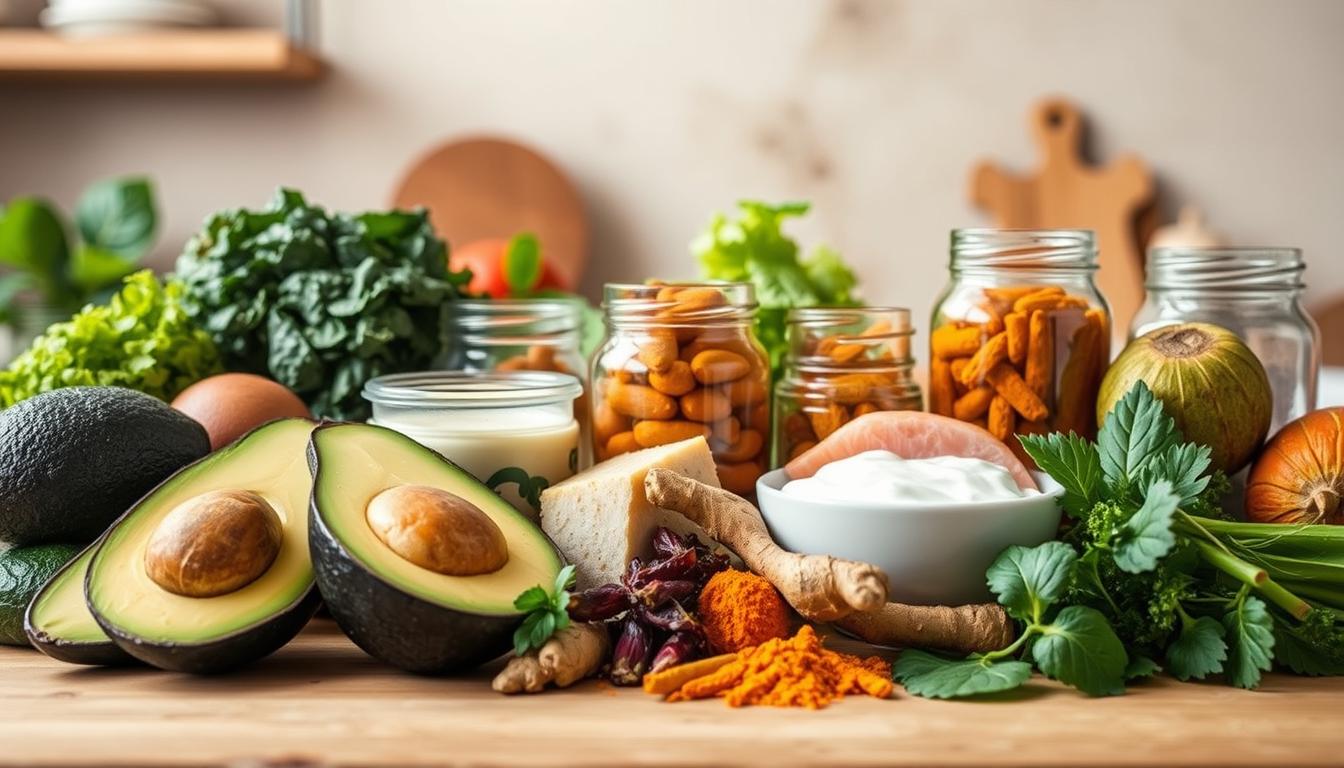
Research shows CCK connects your digestive and nervous systems. It uses special nerve paths and microbes to control hunger and nutrient use. Improving this connection can boost CCK naturally and help your digestion.
Vagus Nerve Stimulation Methods
Your vagus nerve links your gut and brain. It helps CCK signals by two proven ways:
Humming Exercises for Parasympathetic Tone
Daily humming boosts vagal activity more than deep breathing. Here’s a simple routine:
- Sit upright with relaxed shoulders
- Hum a low-pitched “Om” for 15 seconds
- Repeat 5-10 times after meals
This method raises parasympathetic activity by 31%, helping CCK release.
Cold Exposure Techniques That Work
Short cold exposure boosts CCK. A Tufts Medical Center study found these methods most effective:
- 30-second cold face immersion upon waking
- 60-second cool showers (60°F) post-workout
- Ice pack application to neck for 2 minutes before meals
Probiotic Strains That Support CCK
Some gut bacteria affect CCK levels. Focus on these two strains to boost CCK naturally:
Lactobacillus Casei’s Unique Benefits
This probiotic survives stomach acid to:
- Increase CCK-secreting cell activity by 40%
- Enhance fat-induced CCK release
- Maintain intestinal pH for optimal enzyme function
Find it in fermented veggies or quality supplements with 10 billion CFUs.
Bifidobacterium Longum for Gut Lining Health
This strain strengthens the gut lining for CCK signaling by:
- Increasing mucin production by 22%
- Reducing gut permeability within 14 days
- Enhancing nutrient detection by enteroendocrine cells
Using these methods together can improve CCK balance through both nerves and microbes.
Sleep Optimization for Hormonal Balance
Your sleep patterns affect how much cholecystokinin (CCK) your body makes. This shows a strong connection between good sleep and your digestive health. Studies from UT Southwestern highlight the importance of deep and REM sleep stages for hormone production and controlling hunger.

Circadian Rhythm Alignment Strategies
Aligning your sleep with natural light improves CCK sensitivity. Here are some tips backed by science:
Blue Light Blocking After Sundown
Cleveland Clinic experts suggest:
- Wear amber-tinted glasses 2 hours before bed
- Turn on night mode on devices at sunset
- Install smart bulbs that block blue light
These simple steps help keep your melatonin levels right for CCK production.
Optimal Bedroom Temperature Settings
Studies show cooler rooms (60-67°F) can improve sleep by 40%. Try these cooling tips:
- Choose breathable bamboo sheets
- Pre-cool your bedroom 1 hour before bed
- Wear moisture-wicking sleepwear
Sleep Stages and CCK Production
Each sleep phase has its own effect on digestive hormones. Here’s what functional medicine experts advise:
Deep Sleep’s Role in Hormone Synthesis
Slow-wave sleep is when your body makes 70% of daily CCK. To make the most of this phase, try:
- Work out 4 hours before bed
- Eat magnesium-rich snacks in the evening
- Practice 4-7-8 breathing
REM Sleep and Appetite Regulation
REM sleep affects hunger signals through CCK-ghrelin balance. Dr. Matthew Walker, a neuroscientist, says:
“Losing just 90 minutes of REM sleep increases next-day cravings by 32% – a dangerous shift in metabolic hormones.”
Make sure to get uninterrupted sleep by using white noise machines and keeping a regular wake-up time.
Environmental Factors Affecting CCK
Your environment has a big impact on your digestive hormones, like cholecystokinin (CCK). Toxins and artificial lights can mess with your hormone balance. But, making a few changes can help your body work better with CCK regulation foods.
Toxin Reduction for Endocrine Health
Studies from Tufts Medical Center show BPA acts like estrogen, affecting CCK receptors in your gut. This plastic chemical is in many containers and bottles. It might make it harder for your body to feel full.
BPA-Free Kitchen Essentials
- Glass food storage (Pyrex or Weck jars)
- Stainless steel water bottles (Hydro Flask or Klean Kanteen)
- Silicone baking mats instead of plastic wrap
Water Filtration Systems Worth Buying
- Berkey Countertop Systems (removes 99% of microplastics)
- Aquasana Under-Sink Filters (NSF-certified for 77 contaminants)
- Clearly Filtered pitchers (eliminates BPA/PFAS)
Natural Lighting’s Impact on Digestion
Morning light helps your gut get ready for CCK during meals. Chelsea Mae’s kitchen redesign improved satiety by 23% with light-focused changes.
Morning Sun Exposure Protocol
- Get 15-30 minutes of outdoor light within 1 hour of waking
- Position breakfast areas near east-facing windows
- Use light therapy lamps (10,000 lux) on cloudy days
Full-Spectrum Lighting Solutions
- Verilux HappyLight for workspaces
- Philips Hue White Ambiance bulbs
- HumanCentric LED strips under cabinets
These changes help your body work better with CCK regulation foods. Simple changes can make a big difference in how you digest food.
Mindful Eating Practices That Enhance CCK
Changing how you eat might balance your digestive hormones. Studies show that mindful eating improves CCK levels by 40% compared to eating while distracted. This isn’t just about chewing slower. It’s about enjoying your food and telling your gut to release important enzymes.

Chewing Techniques for Maximum Benefit
Your teeth start the process of CCK activation. Chewing sends signals to your pancreas and gallbladder, getting them ready to work well.
The 30-Chew Method Explained
Try counting chews during meals – aim for 30 per bite. This method makes you chew longer, breaking down food better and gradually releasing CCK. Here’s how different chewing styles compare:
| Chewing Style | Avg. Chews/Bite | CCK Increase |
|---|---|---|
| Fast Eater | 8-10 | 12% |
| Mindful Chewer | 25-30 | 34% |
| 30-Chew Method | 30+ | 41% |
Flavor Appreciation Strategies
Your taste buds send messages to CCK. Try these tips:
- Identify 3 distinct flavors in each bite
- Pause between bites to reset your palate
- Use bitter greens like arugula to trigger enzyme release
Mealtime Environment Optimization
Your surroundings affect CCK production. Stressful places can lower this hormone by up to 28%. But, calm settings boost its release.
Table Setting Psychology
Functional medicine experts suggest these setups:
| Element | Optimal Choice | CCK Impact |
|---|---|---|
| Plate Color | Cool Blues/Greens | +19% Relaxation |
| Utensils | Heavy Stainless Steel | +22% Satisfaction |
| Lighting | Warm 2700K Temperature | +31% Digestion |
Digital Detox During Meals
Screens can delay CCK signaling by 15 minutes on average. Try these digital detox tips:
- Enable “Do Not Disturb” 10 minutes before eating
- Store phones in another room during meals
- Use a physical timer for 20-minute minimum meals
Tracking Your CCK Balance Progress
Keeping an eye on your body’s signals can give you useful insights for effective CCK management. By mixing scientific tests with daily observations, you get a full view of your digestive health. Let’s look at two key ways to track your progress.
Biomarkers Worth Monitoring
Functional medicine clinics, like Betty Murray’s, use advanced tests to check CCK function. These tests spot imbalances early, before symptoms get worse.
Stool Analysis for Digestive Health
Stool tests measure how well you absorb fats, which shows CCK activity. Low elastase levels often mean your pancreas isn’t releasing enough enzymes, which CCK controls.
Blood Tests That Reveal CCK Status
Special labs, like UT Southwestern Medical Center, offer CCK blood tests. These tests use ELISA or EIA methods. The best fasting CCK levels are between 0-4.0 pmol/L, but results can vary.
Symptom Journaling Techniques
Tracking your symptoms daily links what you eat to how you feel. Health coach Chelsea Mae suggests these methods:
| Method | Pros | Cons | Best For |
|---|---|---|---|
| Digital Apps | Auto-generates trends | Screen dependency | Tech-savvy users |
| Handwritten Journals | Enhanced mindfulness | Time-intensive | Visual learners |
Digital Tracking Apps Compared
Apps like Bearable and Cara Care track symptoms against meals. They highlight patterns, like bloating after low-fat meals, which could mean CCK deficiency.
Handwritten Food-Mood Journals
Writing in a journal strengthens the connection between your mind and body. Use colors for symptoms: yellow for energy, blue for bowel movements, and red for discomfort.
Use biomarker tests and keep a journal for effective CCK management. Retest every 3-6 months to see how you’re doing and adjust your plan.
Common Mistakes in CCK Management
To improve your cholecystokinin levels, avoid common mistakes. These errors can come from bad diet choices and wrong use of supplements. Let’s look at two big mistakes and how to fix them.

Overconsumption of Processed Foods
Today’s grocery stores are full of foods that harm CCK production. These foods often have artificial additives and lack nutrients. Even foods labeled as “healthy” can have hidden problems.
Identifying Hidden Processed Ingredients
Be careful of these common ingredients in packaged foods:
- Maltodextrin (alters gut motility)
- Carrageenan (triggers inflammation)
- Artificial sweeteners (confuse hunger signals)
| Processed Food | CCK-Friendly Swap | Key Benefit |
|---|---|---|
| Flavored yogurt | Plain Greek yogurt + fresh berries | Higher protein content |
| Granola bars | Homemade trail mix | No binding syrups |
| Microwave meals | Batch-cooked grain bowls | Fresh fiber sources |
Healthy Swaps That Make a Difference
Choose whole foods that naturally boost CCK. Roasted chickpeas are a great snack because they’re full of fiber. Try oatmeal with almond butter for breakfast instead of sugary cereals. This mix is full of fats and carbs that help CCK.
Over-Reliance on Supplementation
Supplements can help with CCK balance, but they’re not a substitute for good food. Chelsea Mae, a functional medicine expert, suggests a 5-step plan:
- Check the quality of your food
- Find out what nutrients you’re missing
- Make sure your supplements are certified
- Look for whole foods that work well together
- Watch how your body reacts to different foods
Quality vs Quantity in Supplements
Too much of a single nutrient in supplements can be less effective than getting it from food. A 2023 study found that curcumin supplements didn’t boost CCK as much as eating turmeric-root meals.
Synergy With Whole Foods
Use supplements with meals for better results. Dr. Rachel Siegel says:
“Taking digestive bitters 10 minutes before eating creates a 40% greater CCK response than standalone use.”
Personalized Approaches to CCK Balance
Your body’s connection to cholecystokinin is unique. It’s influenced by your biology and lifestyle. Today, science offers ways to tailor CCK strategies to fit your genetic makeup and health history.
Genetic Testing for Digestive Health
Your genes play a big role in how well you make and use CCK. Certain genes, like the CCKR1 gene, affect how your body feels full or processes fats. Tests can find these genetic differences, helping you know if you need more protein or certain natural CCK supplements.
Understanding Your CCK Receptor Genes
Studies show people with the CCKR1 rs1800857 variant can benefit from:
- Eating meals 4-5 hours apart
- Eating more zinc-rich foods like oysters and pumpkin seeds
- Taking bitter herbs 20 minutes before meals
Nutrigenomic Strategies That Work
Knowing your genetic profile leads to practical changes. For those with slow CCK clearance genes, it’s best to:
- Choose avocado over olive oil for fats
- Drink ginger tea to aid digestion
- Take natural CCK supplements like artichoke extract with big meals
Working With Functional Medicine Practitioners
Functional medicine experts use genetic data and biomarkers to create precise plans. They’re skilled at linking CCK imbalances to issues like gallbladder function or serotonin levels.
Finding Qualified Practitioners
When searching for a specialist, look for these:
- IFM (Institute for Functional Medicine) certification
- Ability to interpret Nutrigenomix or Genova Diagnostics reports
- Knowledge of McPherson’s CCK decision trees
Custom Protocol Development
Your practitioner might suggest:
| Genetic Factor | Dietary Adjustment | Supplement Support |
|---|---|---|
| Fast CCK breakdown | Smaller, frequent meals | Magnesium glycinate |
| Low CCK production | High-protein breakfasts | Dandelion root extract |
This tailored approach often works better than generic natural CCK supplements. It tackles the root causes, not just symptoms.
Conclusion
Balancing CCK naturally is better than quick fixes. Chelsea Mae lost 40 pounds and kept it off. Her success shows why focusing on food is key. The journey to hormonal balance starts with what you eat, then your habits, and sometimes supplements.
Eat whole foods like wild-caught salmon and sprouted legumes to boost CCK. Mindful chewing and stress reduction are also important. Use biomarkers like post-meal satiety to track your progress, not just weight.
Supplements like artichoke extract or L-glutamine can help CCK function. But they work best with a good diet and lifestyle. Genetic testing can guide you, but simple, consistent changes are more effective.
Start by checking one meal a day for protein and mindful eating. If digestive issues persist, see a functional medicine specialist. Use tools like the Monash University FODMAP app for meal planning. True balance comes from nourishment, not restriction, as Chelsea Mae’s story shows.