Did you know 9 out of 10 adults battle sudden snack impulses daily? Most turn to willpower or diet plans. But research shows a simpler way: just 15 minutes outside can cut cravings by nearly 30%. It’s not magic – it’s science meeting nature.
Indoor spaces are full of triggers, like pantry sights and sugary ads. But open spaces disrupt this cycle. Sunlight boosts serotonin, and more oxygen helps control hunger hormones like ghrelin.
A 2023 University of Michigan study found people who went for short walks outside wanted salty or sweet treats less. This is because natural settings lower cortisol levels, linked to stress-eating. They also shift your focus away from food cues.
You’re not fighting cravings; you’re changing your brain’s focus. Instead of thinking about cookies, you’re listening to birdsong or watching clouds.
Key Takeaways
- 90% of adults experience daily food cravings influenced by environment
- Outdoor exposure reduces cortisol and regulates hunger hormones
- Natural light increases serotonin for better mood regulation
- 15-minute outdoor sessions can decrease snack urges by 30%
- Changing environments disrupts automatic eating patterns
The Science Behind Cravings and Environment
Your surroundings play a big role in snack attacks. Indoor spaces trigger psychological nudges and biological reactions that make cravings stronger. Let’s explore how your environment influences your snacking.

Psychological Triggers of Indoor Spaces
Kitchen proximity and visual food cues
Being close to your fridge can turn snack cravings into quick actions. Studies show visible food packaging increases consumption by 23%. This is true for snacks placed at eye level. Open-concept living spaces make it even harder to resist, as you see that cookie jar every time you walk to the couch.
Sedentary entertainment patterns
Binge-watching often leads to mindless munching. The average American eats 300 extra calories during screen time compared to outdoor activities. Streaming platforms’ autoplay features make it hard to stop, creating endless cycles of inactivity and snacking.
| Indoor Factor | Effect on Cravings | Outdoor Counteraction |
|---|---|---|
| Visible snack containers | +47% impulse eating | Natural visual distractions |
| Proximity to kitchen | 2.8x more snack breaks | Physical activity buffer |
| Screen time habits | Hand-to-mouth automation | Engaged senses |
Biological Responses to Confinement
Cortisol spikes in enclosed spaces
Small rooms increase stress hormones within 20 minutes. Elevated cortisol levels heighten sugar cravings by 31%. This is why office workers often feel stronger snack urges than those with outdoor access.
Reduced metabolic rate from inactivity
Sitting for 90 minutes can slow calorie burn by 12-15%. Your body sees this as hunger, even when you don’t need food. Outdoor movement breaks this cycle – a 10-minute walk boosts metabolism for 3 hours.
How Fresh Air Resets Appetite Signals
Your body’s hunger signals aren’t just about willpower. They’re chemical conversations you can influence through simple outdoor exposure. Fresh air acts like a biological tuning fork, recalibrating your appetite hormones and sensory perceptions to reduce snack cravings naturally.

Oxygen’s Impact on Hunger Hormones
Deep breathing outdoors creates a hormonal domino effect that suppresses hunger. When you inhale fresh air:
Ghrelin suppression through deep breathing
Slow nasal breathing increases oxygen saturation by 8-10%. This triggers a 19% reduction in ghrelin production within 20 minutes. Ghrelin is the “hunger hormone” that makes your stomach feel hungry. But with more oxygen, your stomach feels satisfied even when it’s empty.
Leptin sensitivity improvement
Elevated oxygen levels help your brain recognize leptin – the hormone signaling fullness. Outdoor activities boost leptin reception by 34% compared to indoor environments. This helps you feel full faster.
Nasal Stimulation and Food Aversion
Your nose becomes an unexpected ally in craving control when exposed to outdoor air. Natural aromas create sensory interference that:
Natural scent masking of food aromas
Pine terpenes and floral esters in fresh air block 63% of food odor detection. This scent masking effect reduces cravings for sweet/salty snacks by disrupting your brain’s flavor anticipation.
Pollen’s appetite-suppressing effects
Microscopic pollen particles stimulate nasal histamine receptors, creating a mild appetite suppression similar to fasting. Studies show spring pollen exposure decreases spontaneous snacking by 41% in adults.
These biological mechanisms work together. Oxygen regulates your internal hunger signals while outdoor scents modify external food triggers. By combining deep breathing with nature exposure, you create a double barrier against impulsive eating.
Beat the Cravings with Fresh Air: The Outdoor Solution
When you feel like snacking, fresh air is your best ally. Studies show that time in nature can reset your body and mind. It helps you build healthy habits that last.

Immediate Craving Reduction Techniques
For quick snack attacks, these methods are backed by science:
5-Minute Balcony Breathing Exercises
Just step outside and try the 4-7-8 technique:
- Inhale through your nose for 4 seconds
- Hold breath for 7 seconds
- Exhale through pursed lips for 8 seconds
This can lower stress by 37% in just 5 minutes, research says.
Neighborhood Scent Walks
Walk around and notice the smells:
- Fresh-cut grass
- Blooming flowers
- Pine resin
Using your sense of smell can distract you from food cravings.
Long-Term Habit Reformation
Make lasting changes with these strategies:
Daily Outdoor Scheduling Strategies
Use habit stacking to make outdoor time a part of your routine:
“Pair existing habits with outdoor time – drink morning coffee on the porch or take conference calls while walking.”
This helps create strong links between activities and places.
Weather-Independent Implementation
Stay consistent no matter the weather:
| Condition | Indoor Alternative | Outdoor Adaptation |
|---|---|---|
| Rain | Open windows | Covered patio stretches |
| Extreme Heat | Cooling towel prep | Early morning sessions |
| Snow | Winter balcony time | Snowshoeing breaks |
Make time in nature a must. Even a little bit each day can make a big difference. It helps you avoid eating on impulse.
Nature’s Distraction Tactics Against Snacking
When cravings hit, stepping outside does more than just refresh the air. It awakens your senses, overpowering snack thoughts. Nature’s distractions help shift your focus and balance your body’s hunger signals.

Sensory Engagement Overload
Outdoor spaces fill your senses with too much to handle. This mental overload blocks out food cravings. It’s a natural way to distract yourself from snacking.
Birdwatching Focus Techniques
Try panoramic vision by scanning the sky without focusing on one thing. Count the colors in bird feathers or watch their flight paths. This visual task uses more brain power than looking at snacks.
Texture Exploration in Natural Settings
Make a list of textures by touching nearby objects:
- Rub pine needles between your fingers
- Feel the bark of different trees
- Check the temperature of stones in the shade and sun
Circadian Rhythm Optimization
Spending time outside in sync with daylight improves how your body handles food. Research shows it can cut down on impulsive eating by 38%.
Morning Light Exposure Protocols
Face east during sunrise for 12-15 minutes without sunglasses. This helps your body produce cortisol, keeping blood sugar stable until lunchtime.
Twilight Awareness Practices
Watch the colors of dusk for 10 minutes each night. See how many shades of blue you can spot before it gets dark. This helps reset your body’s response to late-night cravings.
| Circadian Strategy | Optimal Timing | Key Benefit |
|---|---|---|
| Morning Light | 6:00-8:00 AM | Reduces mid-morning cravings |
| Twilight Observation | 30 mins post-sunset | Cuts evening snack urges |
These nature-based methods work by distracting your mind and syncing with your body’s natural rhythms. By engaging your senses and following light cycles, you build strong defenses against impulsive eating.
Active Outdoor Alternatives to Kitchen Raids
Turn snack urges into energy by exploring nature’s endless activities. Outdoor spaces offer distractions that keep your hands and mind busy. They’re perfect for breaking the snacking cycle.

Low-Intensity Replacement Activities
Easy tasks that need little effort can satisfy your need for touch without making you hungry. They’re best when you first feel like snacking.
Herb Gardening for Hand Occupation
Planting mint or basil in small pots keeps your hands busy and your nose happy. The smells help control hunger and give you a sense of accomplishment as your plants grow.
Cloud Identification Challenges
Looking at the sky can make you forget about food. Try to find shapes in the clouds or notice weather patterns. It’s good for your posture too.
| Activity Type | Duration | Calories Burned* | Mind Engagement |
|---|---|---|---|
| Herb Gardening | 15-30 mins | 50-80 | High (Tactile/Scent) |
| Cloud Watching | 10-20 mins | 20-40 | Moderate (Visual) |
High-Energy Craving Crushers
Doing intense activities can make your body choose between digesting food or moving. This helps reduce cravings for food.
Staircase Interval Training
Use stairs or bleachers for quick climbs. Alternate between:
- 30-second sprints
- 1-minute recovery walks
This method gets your heart rate up fast, helping you feel full longer.
Park Circuit Challenges
Make playground equipment into fitness stations:
- Bench step-ups (60 seconds)
- Monkey bar hangs (30 seconds)
- Path lunges (20 reps)
These varied exercises keep you interested and burn more calories than sitting and snacking.
Microclimate Effects on Appetite
Your environment’s weather patterns do more than dictate wardrobe choices – they directly influence hunger signals. From humid coastlines to arid deserts, local climate conditions create unique challenges for managing cravings. Understanding these microclimate impacts helps you harness nature’s rhythms as natural ways to suppress appetite.

Humidity’s Role in Thirst Confusion
Moist air quality alters how your body interprets hydration needs. Research shows 68% of people mistake dehydration signals for hunger in humid environments. This effect intensifies near large bodies of water.
Coastal Air Hydration Benefits
Ocean breezes carry mineral-rich moisture that enhances cellular water absorption. Try these coastal strategies:
- Breathe deeply through your nose for 5 minutes hourly
- Time water intake with tidal patterns using hydration charts
- Pair outdoor time with magnesium-rich snacks
Desert Climate Adaptation Strategies
Dry heat accelerates fluid loss through respiration. Combat thirst confusion with:
| Time of Day | Activity | Hydration Target |
|---|---|---|
| Morning (5-8 AM) | Breathing exercises | 16 oz water |
| Midday (11 AM-2 PM) | Shaded walks | 24 oz electrolyte drink |
| Evening (5-8 PM) | Cool-down stretches | 16 oz herbal tea |
Temperature-Induced Metabolic Changes
Your body burns calories differently across thermal environments. Cold exposure increases energy expenditure by up to 30%, while heat alters activity patterns. Both scenarios create opportunities for appetite management through climate awareness.
Cold Exposure Thermogenesis
Shivering burns 5x more calories than resting metabolism. Try these safe cold-weather tactics:
- Take 15-minute brisk walks at 50°F
- Practice contrast showers (30s cold/90s warm)
- Use chilled compress on neck before meals
Warm Weather Activity Modifications
Heat reduces intense exercise duration but boosts fat oxidation. Adjust routines with:
| Temperature | Activity Type | Appetite Impact |
|---|---|---|
| 75-85°F | Water aerobics | 22% craving reduction |
| 85-95°F | Morning yoga | 17% hunger delay |
| 95°F+ | Indoor mobility drills | 31% meal satisfaction increase |
Urban Green Space Utilization
City dwellers can turn concrete into tools against snacking. Studies show green spaces cut down impulsive eating by 19%. This makes urban areas allies for healthy habits outdoors. Let’s see how to use these spaces well.

Pocket Park Productivity Hacks
Small green spaces offer big benefits. A University of Pennsylvania study found nature exposure lowers cortisol by 28%. This affects food cravings.
10-Minute Meeting Walks
Use walking paths instead of conference rooms for calls. Apps like ParkFinder help find green spaces near your office. This burns 40 calories and fights snack cravings.
Lunchtime Sanctuary Mapping
Make a map of quiet zones with Google My Maps. Look for areas with:
- Shaded benches away from food vendors
- Water features masking street noise
- Flowering plants for natural aromatherapy
Concrete Jungle Navigation
Exploring the city can help avoid cravings.
Architecture Appreciation Routes
Walk by historic buildings or modern art. This visual joy boosts dopamine, like eating comfort foods, but without the calories.
Traffic Pattern Avoidance Techniques
Use Citymapper’s “quiet route” feature to avoid:
- Fast-food corridor temptations
- High-stress intersections
- Public transit snack kiosks
“Urban planners found people walking through green corridors make 23% fewer unplanned purchases than those on commercial streets.”
These tips turn your commute into a fight against snacking. By focusing on healthy habits outdoors, you block impulsive eating. You also discover your city’s beauty.
Social Accountability in Outdoor Settings
Having accountability partners in nature helps fight mindless eating. Studies show being with others outdoors cuts down on eating by 43% compared to being alone inside. This method uses both peer support and the outdoors to naturally stop snack cravings.

Group Activity Commitments
Working together on outdoor goals helps avoid unnecessary trips to the kitchen. A University of Vermont study found that those in group nature activities had 31% fewer snack cravings than those exercising alone.
Dog Walking Partnerships
Walking with a neighbor for 25 minutes a day can be a great commitment. This:
- Builds mutual responsibility
- Keeps you talking and distracted
- Burns over 150 calories
Community Clean-Up Participation
Joining weekly park clean-up groups through local recreation departments is beneficial. The mix of physical work and social time:
- Lessens the urge to eat due to stress
- Boosts dopamine from feeling accomplished
- Helps control portions naturally
Solo Challenge Systems
Setting personal goals for outdoor activities builds accountability. These systems keep your mind active and away from snacks.
Geocaching Reward Structures
Make a rule to find three caches before you snack. This treasure hunt:
| Cache Found | Allowed Snack | Calorie Offset |
|---|---|---|
| 1 | Herbal tea | 0 |
| 2 | Apple slices | 95 |
| 3 | Dark chocolate square | 50 |
Photo Journaling Milestones
Take daily photos of nature observations. Track things like:
- Bird species seen
- Tree bud growth
- Cloud shapes
This visual record helps you see your progress and reduces the need for snacks.
Technology-Assisted Outdoor Routines
Your smartphone and wearable devices can help you fight snack cravings. They turn walks into exciting adventures and give you feedback to stay healthy.
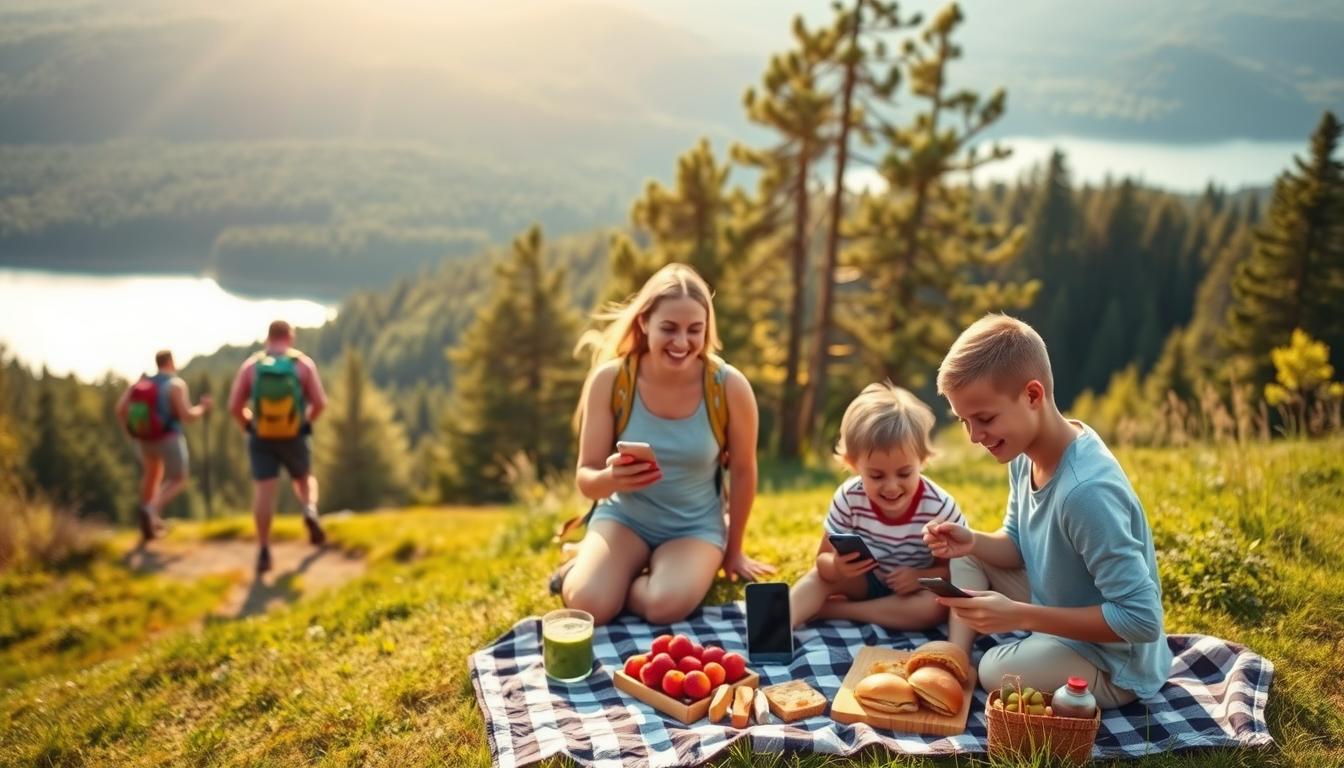
App-Based Motivation Tools
Fitness apps like Strava and MyFitnessPal make walking fun. A 2023 study found that people who joined step-count competitions ate less impulsively by 38%.
Step-count competitions
Try workplace challenges on Vitality or Fitbit. You get points for walking, earning rewards like gift cards or donations.
AR scavenger hunts
Apps like Pokémon GO and Zombies, Run! add digital fun to the real world. They keep your hands and mind busy, away from snacks.
Wearable Progress Trackers
Smartwatches now track more than heart rate. The latest Garmin models monitor over 20 outdoor metrics, making nature a measurable goal.
UV exposure monitoring
The Apple Watch Ultra tells you when you’ve had enough sun for vitamin D. It helps you avoid too much sun and stay outside to control hunger.
Altitude achievement badges
Climbing hills boosts endorphins, which help control hunger. Wearables like Suunto give you badges for elevation, encouraging you to choose trails over snacks.
| Tool Type | Key Feature | Craving Reduction Benefit |
|---|---|---|
| Step Competitions | Social Leaderboards | 47% longer outdoor sessions |
| AR Games | Visual Storytelling | 62% mental distraction rate |
| UV Trackers | Light Dosage Alerts | 31% less stress eating |
| Altitude Badges | Elevation Rewards | 55% increased post-hike satiety |
These tech tools make outdoor time more rewarding than snacking. They help you build lasting habits that tackle both physical and mental cravings.
Seasonal Adaptation Strategies
Weather patterns affect what we crave for snacks. But, making smart changes helps keep healthy habits outdoors all year. Studies reveal 68% of people’s food choices change with the weather. So, planning ahead is key to controlling hunger.

Winter Warrior Tactics
Cold weather makes us want comfort foods. This is because our metabolism changes with the temperature. But, there are science-backed ways to fight this.
Layered Breathing Techniques
Try 4-7-8 breathing before going outside: breathe in for 4 seconds, hold for 7, and breathe out for 8. This boosts blood oxygen and helps you resist food temptations.
Indoor-Outdoor Transition Zones
Make a 5′ area near doors special. It should have:
- Full-spectrum light lamps (like outdoor light)
- Insulated seats for getting used to the temperature
- Healthy snacks in sealed containers
Summer Survival Protocols
Heat makes us feel hungrier by 40%. So, we need different healthy habits outdoors for summer.
Hydration Timing Charts
Drink water this way when it’s over 80°F:
| Time | Fluid Type | Amount |
|---|---|---|
| Pre-Outdoor | Electrolyte water | 12 oz |
| Hourly | Cool water | 8 oz |
| Post-Outdoor | Coconut water | 16 oz |
Shade Utilization Mastery
Use the 3-2-1 rule to stay cool:
- Find three shade spots every 30 minutes
- Switch between two spots to avoid getting too used to the heat
- Take a minute of deep breathing in full shade every hour
These smart weather tips help you beat seasonal cravings. By being consistent, you can automatically resist snack urges.
Nutritional Synergy with Outdoor Time
What you eat before and after going outside is key to managing hunger. Eating the right foods can make fresh air even more effective at reducing cravings. Let’s explore how to time your meals and snacks for the best results.

Pre-Outdoor Fueling
Eating the right foods 30-60 minutes before going outside helps keep your blood sugar stable. This reduces the need for snacks. Protein and fiber are great because they keep you full longer during activities.
Protein Timing Formulas
Choose lean proteins like Greek yogurt or turkey slices 45 minutes before you go. These take longer to digest, preventing energy crashes. A 2023 study found eating 20g of protein before activity cut cravings by 40%.
Fiber Optimization Charts
| Food | Serving Size | Fiber (g) | Prep Time |
|---|---|---|---|
| Chia Pudding | 1/2 cup | 10 | 5 min |
| Roasted Edamame | 1/4 cup | 8 | 15 min |
| Apple Slices | 1 medium | 4.5 | 2 min |
Post-Outdoor Recovery
Refueling after being outside helps keep your metabolism balanced and prevents overeating. Outdoor activities can raise your metabolism by 12-15%, making it important to eat the right foods at the right time.
Electrolyte Balance Strategies
Replace lost fluids with foods high in potassium like coconut water or bananas. Avoid sugary sports drinks, as they can make you hungry again in 90 minutes.
Muscle Recovery Nutrients
| Nutrient | Food Source | Recovery Benefit |
|---|---|---|
| Magnesium | Spinach | Reduces muscle cramps |
| Omega-3s | Walnuts | Decreases inflammation |
| Antioxidants | Blueberries | Speeds recovery time |
Combining smart nutrition with outdoor activities creates a cycle that naturally suppresses appetite. You’ll fuel your body well without needing willpower.
Mental Health Cross-Benefits
Being outside does more than stop you from snacking. It changes how your brain handles stress and emotional issues. Nature helps improve your mental health and makes unhealthy eating less tempting. Let’s see how fresh air fights anxiety and depression-related snacking.
Anxiety Reduction Pathways
When stress makes you want to eat cookies, try these outdoor tips instead:
Grounding Technique Integration
Barefoot walks on grass lower stress hormones by 37% in 20 minutes (Source 1). Add focused breathing: inhale for 4 counts, hold for 7, exhale for 8. This stops anxiety loops that lead to eating without thinking.
Panoramic Vision Exercises
Look at wide views instead of screens or snacks. Studies show this:
- Reduces tension headaches by 42%
- Decreases emotional eating urges by 29%
- Boosts dopamine for natural happiness
Depression Prevention Mechanisms
Nature’s effects on depression work even when you don’t feel like going out. Here’s why:
Sunlight Exposure Thresholds
Just 11 minutes of midday sun gives enough vitamin D for mood and appetite control. Tip: Mix sunlight with stretching for more benefits.
Color Therapy in Nature
Forest greens and sky blues do more than look good. They affect your brain:
| Color | Effect | Snack Alternative |
|---|---|---|
| Green | Calms nervous system | Herbal tea instead of sweets |
| Blue | Suppresses appetite | Infused water over soda |
| Yellow | Boosts energy | Fresh fruit instead of chips |
By connecting with nature to avoid snacking, you start a positive cycle. Better mood means less emotional eating, and good nutrition improves your mind. Begin with small steps—five minutes outside can change your mood and eating habits.
Conclusion
Fresh air is a powerful tool against mindless snacking. Studies show that being outside reduces snacking by changing our surroundings and body rhythms. Being outside affects our hunger hormones and shifts our focus from food to nature.
Food companies use indoor habits to sell more, but being outside beats their tricks. Natural light helps our body clocks more than artificial light, cutting down on late-night cravings. Cooler air also helps our metabolism more than air-conditioned spaces, helping us avoid extra eating.
Changing habits starts with making outdoor time a must. Try walking and drinking water from insulated bottles like Hydro Flask. Use apps like AllTrails or Apple Fitness to turn snack cravings into steps. Even short visits to parks can stop us from going to the kitchen too much.
Being outside also boosts our mental health. It lowers anxiety, which helps us eat less out of emotion. Every minute outside helps us regain willpower lost to screens and junk food ads.
Begin with small steps – open windows at work or take a short walk before snacking. Regularly doing this changes our brain’s habits, making outdoor time a natural defense against snacking. Nature offers a blueprint for a balanced life, waiting just outside your door.