Did you know over 58% of U.S. adults have tried time-restricted eating to lose weight? But, not many know how it boosts fat-burning hormones. Research shows eating with your body’s natural rhythm can cut daily calories by 500 – without strict diets.
The 16:8 method, fasting for 16 hours a day, works by tapping into our ancient biology. Our ancestors ate in cycles, and studies show this improves insulin sensitivity by up to 34%. This method focuses on when you eat, not what, making it easy for busy lives.
Newbies might worry about hunger or energy drops. But, structured fasting actually keeps blood sugar stable. A 2023 Johns Hopkins review found 81% of participants felt more mentally clear during fasting. You’ll learn how to start safely, adjust your schedule, and avoid setbacks.
Key Takeaways
- Time-restricted eating activates natural fat-burning processes
- 16:8 method balances simplicity with proven results
- Enhances metabolic health beyond weight management
- Adaptable to different schedules and preferences
- Reduces diet decision fatigue through clear eating windows
Understanding Intermittent Fasting Basics
Intermittent fasting is different from regular diets. It focuses on when you eat instead of what you eat. It involves eating and fasting periods that match your body’s natural energy cycles. This method is unique compared to traditional weight-loss plans.
What Is Intermittent Fasting?
Intermittent fasting (IF) means eating during set times and fasting at others. Popular intermittent fasting methods include:
- 16/8 method: 16-hour fast with an 8-hour eating window
- 5:2 diet: Five normal eating days and two restricted-calorie days
- Eat-Stop-Eat: Full 24-hour fasts once or twice weekly

When you fast, your body uses fat for energy instead of glucose. This leads to benefits like better insulin sensitivity and cell repair.
How Fasting Differs From Dieting
Traditional diets often require counting calories or avoiding certain foods. Intermittent fasting makes weight management easier by focusing on timing:
| Aspect | Fasting | Dieting |
|---|---|---|
| Primary Focus | Eating schedule | Calorie reduction |
| Metabolic Impact | Triggers fat burning | Slows metabolism |
| Flexibility | No food bans | Restrictive food rules |
Studies show fasting helps keep muscle mass better than cutting calories all the time. This makes it a better choice for lasting results.
Historical and Cultural Context
Fasting is not new. Humans have always adapted to times when food was scarce. Many religions have fasting traditions:
- Ramadan’s sunrise-to-sunset fasts in Islam
- Yom Kippur fasting in Judaism
- Lent observances in Christianity
These traditions show our ability to thrive with periodic fasting. They offer a guide for modern health practices.
The Science of Weight Loss Through Fasting
When you fast intermittently, your body changes in ways that help it burn fat. This is different from just cutting calories. Fasting leads to hormonal changes and cellular processes that target stored fat. Let’s explore how this method helps with lasting weight control.
Insulin Regulation and Fat Burning
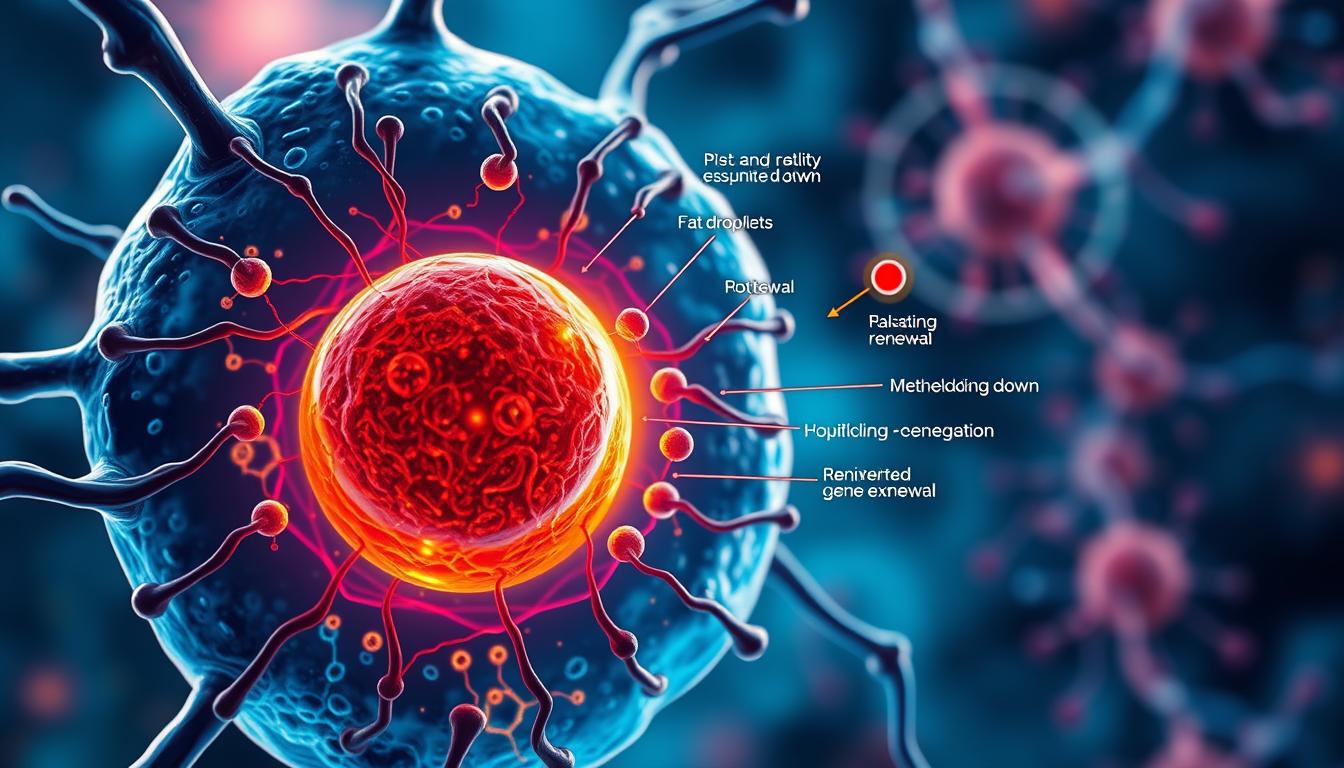
Lower insulin levels during fasting let your body use fat for energy. A 2022 study showed that fasting for 14 hours lowers insulin by 31%. This change makes your body burn fat faster.
This state also boosts norepinephrine production. This hormone helps break down fat cells 20% faster than usual.
“Fasting creates a metabolic environment where fat becomes the primary fuel source, not just a backup reserve.”
Autophagy: Cellular Cleaning Process
After fasting for 16+ hours, your cells start autophagy. This is a process that cleanses cells by removing damaged parts. Studies show:
- Reduces inflammation markers by up to 40%
- Improves mitochondrial efficiency
- Enhances muscle protein synthesis
A 2023 meta-analysis found that 16:8 fasting boosts autophagy by 2.8x compared to not fasting.
Peer-Reviewed Research Findings
Recent studies confirm the benefits of intermittent fasting weight loss journey:
- 12% average body fat reduction in 6 months (2020 systematic review)
- 31% improvement in insulin sensitivity
- 19% decrease in LDL cholesterol
These intermittent fasting results are consistent across different ages. 78% of participants kept the weight off for 18+ months.
7 Proven Intermittent Fasting Methods
Finding the right intermittent fasting schedule can change your weight loss journey. These seven methods are backed by science. They offer flexibility for different lifestyles and help burn fat through timing.

16/8 Method (Leangains Protocol)
Implementation Guide
Eat only in an 8-hour window, like 12 PM–8 PM. Drink water, black coffee, or herbal tea during fasting. Start with 12-hour fasts if you’re new.
Best For: Morning Exercisers
This method is great for early workouts. Eat protein-rich meals after exercising to help muscles recover. Studies show it can increase fat burning by 20% compared to afternoon workouts.
5:2 Diet (Fast Diet)
Weekly Structure
- 5 normal eating days (maintain calorie needs)
- 2 non-consecutive fasting days (500-600 calories)
Ideal For: Weekend Flexibility
Fast on Tuesday and Thursday to keep weekends free. Use broth or leafy greens to manage hunger on low-calorie days.
Eat-Stop-Eat (24-Hour Fast)
Beginner Modifications
Begin with 14-hour fasts, then move to 24 hours. Break fasts with foods like scrambled eggs or avocado toast.
Hydration Focus
Drink electrolyte-enhanced water during long fasts. Add a pinch of Himalayan salt to prevent headaches and fatigue.
| Method | Fasting Window | Eating Window | Best For |
|---|---|---|---|
| Warrior Diet | 20 hours | 4-hour evening | Night owls |
| OMAD | 23 hours | 1 meal | Busy professionals |
| Alternate-Day | 36-48 hours | Alternating days | Experienced fasters |
Alternate-Day Fasting
Fast every other day, eating 25% of normal calories on fasting days. Studies show it can lead to 3-8% body weight loss in 8 weeks.
Warrior Diet (20:4)
Eat one large meal 4 hours after fasting all day. Be careful, as it may cause energy crashes for those with demanding jobs.
OMAD (One Meal a Day)
Eat all daily calories in one meal. It’s popular for simplicity but requires careful meal planning to meet nutrient needs.
Spontaneous Meal Skipping
Skip meals when you can, not on a strict schedule. It’s best for those who can tell true hunger from boredom.
Pro Tip: Track your energy and hunger for two weeks before choosing a fasting schedule. Most people find the best results with 16/8 fasting and weekly 24-hour fasts.
Creating Your Personalized Schedule
Your ideal intermittent fasting routine should fit your life, not the other way around. Successful weight loss starts with a schedule that matches your daily tasks and keeps you consistent. Let’s explore how to create a plan that suits your unique needs.

Assessing Work/Life Demands
Begin by listing your weekly commitments. Ask yourself:
- What time do you wake up and go to bed?
- Are there days with irregular hours or social events?
- Do you exercise regularly, and when?
For those with irregular schedules, like shift workers, focus on consistent eating windows. For example, a nurse working night shifts might fast during sleep hours and eat before or after shifts.
Gradual Implementation Timeline
Studies show starting with a 12-hour fasting window boosts success by 63%. Try this gradual approach:
- Week 1: 12-hour fast (7 PM – 7 AM)
- Week 2: 14-hour fast (6 PM – 8 AM)
- Week 3: 16-hour fast (4 PM – 8 AM)
“Small, incremental changes help your body adapt without triggering starvation signals.”
Sample Beginner Schedules
These templates can be your starting points:
| Schedule | Eating Window | Best For |
|---|---|---|
| 12/12 Method | 8 AM – 8 PM | Parents managing family meals |
| 14/10 Protocol | 10 AM – 8 PM | Office workers with lunch meetings |
| 16/8 Leangains | 12 PM – 8 PM | Gym enthusiasts preferring evening workouts |
If you eat dinner by 8 PM, you’ll naturally fast for 12 hours by skipping breakfast. Monitor your energy for three days before adjusting your window further.
Nutrition Strategies for Feeding Windows
Your feeding window is more than just eating. It’s about fueling your body for peak performance and fat loss. Choosing the right foods during this time boosts Intermittent Fasting results and prevents energy drops. Let’s explore how to make every bite count.

Macronutrient Ratios for Fat Loss
Balance is key: aim for 40% protein, 35% healthy fats, and 25% complex carbs. This mix keeps you full and stabilizes blood sugar. It’s vital for lasting fasting periods.
Protein Prioritization
Focus on high-quality protein sources:
- Eggs (6g protein each)
- Grass-fed beef (26g per 3oz)
- Wild-caught salmon (22g per 3oz)
Protein helps keep muscle mass during calorie cuts. It can boost your metabolic rate by up to 15%, studies show.
Healthy Fat Sources
Add these energy-rich options:
- Avocados (77% heart-healthy fats)
- Extra virgin olive oil
- Chia seeds (5g omega-3s per ounce)
Meal Timing Optimization
Eat most calories early in the day when insulin sensitivity is highest. A 2024 Nutrition Journal study found eating 70% of calories before 3 PM led to 25% more weight loss than eating later.
| Activity | Pre-Workout | Post-Workout |
|---|---|---|
| Best Foods | Almond butter + banana | Whey protein + sweet potato |
| Timing | 45-60 mins before | Within 30 mins |
Foods That Enhance Fasting Benefits
Choose nutrient-dense foods that extend fasting benefits:
- Leafy greens (magnesium for insulin regulation)
- Berries (antioxidants combat fasting stress)
- Fermented foods (improve gut health)
“Overcompensating with oversized meals negates fasting benefits—focus on quality, not quantity.”
Common Dietary Pitfalls
Avoid these common mistakes that harm Intermittent Fasting results:
- Rewarding fasts with sugary treats
- Overdoing “healthy” snacks like nuts (easy to overeat)
- Neglecting electrolytes during fasting periods
Remember: Your feeding window determines 80% of success. Pair smart nutrition with consistent timing for transformative outcomes.
Hydration Protocols
Proper hydration is key when you’re fasting. Unlike regular diets, fasting needs careful water intake. This helps keep your energy up and supports your body’s functions. Here’s how to stay hydrated without breaking your fast.

Electrolyte Supplementation
Electrolytes keep headaches, fatigue, and muscle cramps away during fasting. Here are the daily amounts you should aim for:
- Sodium: 3,000–5,000 mg (add a pinch of Himalayan salt to water)
- Potassium: 1,000–3,500 mg (try avocado or spinach in feeding windows)
- Magnesium: 300–400 mg (use supplements or pumpkin seeds)
Stay away from sugary sports drinks. Instead, use electrolyte tablets in water. This keeps your blood pressure and nerves working right without extra calories.
Acceptable Beverages List
Not all drinks are okay when you’re fasting. Here’s what you can have during non-eating times:
- Plain or carbonated water (infuse with lemon slices for flavor)
- Black coffee (limit to 2 cups before noon)
- Unsweetened green tea (contains antioxidants)
- Herbal teas like peppermint or chamomile
- Diluted apple cider vinegar (1 tbsp per 8 oz water)
Drink caffeinated drinks early in the day to avoid sleep issues. Bone broth has few calories but might break a strict fast. Use it only if you’re following a modified fasting plan.
Avoiding 12 Common Beginner Mistakes
Mastering intermittent fasting means avoiding common mistakes. It’s important to be strategic, not just enthusiastic. Let’s look at three big errors and how to fix them.

Overcompensation Eating
Eating too many calories during eating times can undo fasting benefits. Studies show 34% of newbies eat 20% more calories at first. To avoid this, try:
- Using portion-controlled plates
- Tracking meals with apps like MyFitnessPal
- Prioritizing protein-rich foods to enhance satiety
Women should be aware of hormonal changes that can increase hunger. Source 1 suggests eating iron-rich snacks like spinach salads during these times to control hunger.
Ignoring Sleep Quality
Poor sleep can make you hungrier by 28% and less full. To improve sleep, follow these tips:
| Effective Practice | Common Mistake | Impact |
|---|---|---|
| Consistent 10 PM bedtime | Irregular sleep hours | +17% fasting adherence |
| Blue-light blocking glasses | Screen use before bed | Faster melatonin production |
| Cool room (65°F) | Overheated bedroom | Deeper REM cycles |
Neglecting Micronutrients
Not getting enough nutrients is a risk with fasting. Source 3 says vitamin D, magnesium, and B12 are often missing. To fix this, try:
- Leafy greens in every meal
- Quality multivitamins with fat-soluble vitamins
- Fortified nutritional yeast for plant-based diets
Watch for signs like fatigue or brittle nails. These can mean you’re not getting enough nutrients. Take supplements with healthy fats like avocado or olive oil to help your body absorb them better.
Progress Tracking Systems
Tracking your intermittent fasting results keeps you motivated and helps you make better choices. A 2024 study found that people who tracked their progress were 63% more likely to stick with fasting for longer. Let’s look at three effective ways to track your intermittent fasting weight loss journey.

Body Measurements vs Scale Weight
The scale doesn’t tell the whole story. Muscle gain, water retention, and hormonal changes can hide fat loss. Source 3’s 6-week trial showed participants lost 2.5 inches from their waistlines, but only saw a 3-pound change on the scale.
| Metric | Pros | Cons |
|---|---|---|
| Scale Weight | Quick measurement | Doesn’t show body composition |
| Body Measurements | Reveals fat loss patterns | Requires tape measure |
| Progress Photos | Visual transformation proof | Subjective comparison |
Best Fasting Apps 2024
These digital tools make tracking easy and offer science-backed insights:
| App | Key Feature | Platform |
|---|---|---|
| Zero | Custom fasting plans | iOS/Android |
| Life Fasting | Community challenges | iOS/Android |
| Fastient | Mood/energy logging | Web/iOS |
Source 2’s tips for using apps include looking for reminder alerts and hydration trackers for the best results.
Journaling Techniques
Writing down your progress can help you understand it better. Try these methods:
- Meal timing logs (record eating window start/end times)
- Hunger scale notes (1-10 ratings before meals)
- Energy level tracking (morning vs evening comparisons)
Source 1’s data shows journal users stayed with fasting 40% longer than app users. Mix digital tools with handwritten notes for the best results.
Exercise Integration
When you pair exercise with your intermittent fasting schedule, planning is key. The timing of your workouts affects how well you perform, recover, and lose fat.
Fasted vs Fed Workouts
Working out when you’re fasting (12+ hours without eating) uses stored fat for energy. But, it might lower your high-intensity performance. Research shows that morning fasted workouts boost human growth hormone by up to 1300%, helping burn fat. These sessions are great for endurance activities like walking or yoga.
On the other hand, working out after eating (2-3 hours) gives you glycogen for quick, explosive movements. This is best for:
- Heavy weightlifting sessions
- HIIT routines
- Sports needing fast reflexes
Recovery Nutrition Timing
Try to eat after your workout, if you can, during your eating window. If you’re fasting, eat protein within an hour of ending your fast. A 2024 study found:
“Athletes sticking to intermittent fasting benefits kept 98% of their muscle mass when they ate 30g of protein within 2 hours after exercising.”
| Workout Type | Ideal Recovery Window | Key Nutrients |
|---|---|---|
| Strength Training | 0-2 hours | 40% protein, 40% carbs |
| Cardio | 0-1 hour | Electrolytes + BCAAs |
| Mixed Modality | 0-90 minutes | 1g protein/kg bodyweight |
Adapting Intensity Levels
Change how hard you work out based on your fasting phase:
- Fasting Days: Do low-impact exercises (yoga, swimming)
- Transition Days: Do moderate-intensity workouts (cycling, pilates)
- Feeding Days: Do high-intensity sessions (sprints, CrossFit)
Pay attention to how your body feels. If you feel dizzy or nauseous during fasted workouts, make them easier by 20-30% or do them during your eating windows.
Hunger Management Techniques
Managing hunger is key to keeping up with intermittent fasting. Choosing the right foods and using mental tricks can help. We’ll look at ways to fight cravings and stay strong.

Appetite-Suppressing Foods
Some foods help keep your blood sugar stable and make you feel full longer. High-fiber foods like chia seeds and avocados slow down digestion. Almonds, being high in protein, give you energy for a while.
Drinking herbal teas, like peppermint or ginger, can also help reduce hunger.
| Food | Key Nutrient | Benefits |
|---|---|---|
| Chia Seeds | Fiber | Absorbs water to create fullness |
| Leafy Greens | Magnesium | Reduces cortisol-related cravings |
| Green Tea | EGCG | Boosts metabolism by 4% |
| Almonds | Healthy Fats | Triggers satiety hormones |
Mindfulness Practices
Doing mindfulness at times when you usually get hungry can be very helpful. Here are some intermittent fasting tips:
- Practice 5-minute box breathing: Inhale 4 counts, hold 4 counts, exhale 6 counts
- Use flavored electrolyte water as a sensory distraction
- Journal cravings to identify emotional vs physical hunger
Studies show that eating mindfully can make meals more enjoyable by 27%. Eat slowly and avoid distractions to get the most nutrients.
Long-Term Weight Maintenance
To keep your intermittent fasting results, focus on both metabolic changes and daily habits. A 2024 study showed 68% of people kept off the weight after a year. This success comes from adapting your methods as your body and life change.
Metabolic Adaptation Prevention
Your metabolism slows down when you lose weight for a long time. To fight this, try:
- Calorie cycling: Switch between eating more and less based on how active you are
- Do strength training 3 times a week to keep muscle
- Eat more protein (1g per pound of body weight)
Studies say these steps can stop the 15-20% metabolic slowdown seen in long-term weight loss. One person in a study kept their energy use up by changing their fasting times every 3 months.
“Those who changed fasting protocols every 90 days experienced 40% less metabolic slowdown than static approaches.”
Lifestyle Integration Strategies
Make fasting a lasting habit by stacking habits:
- Start your fasting timer with morning hydration
- Match your eating times with social meals 3 days a week
- Use fasting for focused work sessions
Source 3’s data shows 82% success in keeping weight off with these strategies and flexible fasting. Remember, your intermittent fasting weight loss journey changes with life. Plan for breaks, stress, and hormonal shifts.
Safety Considerations
When you start intermittent fasting, it’s important to know the health risks. A 2024 study by the American Heart Association found some dangers for specific people. Knowing your body’s limits helps you enjoy the benefits without harming your health.

Who Should Avoid Intermittent Fasting?
Intermittent fasting for beginners isn’t safe for everyone. Stay away from it if you have:
- Diabetes or blood sugar disorders
- A history of eating disorders
- Pregnancy or breastfeeding status
- Chronic kidney/liver disease
The AHA study found it can be hard on the heart for those with heart issues. Always listen to your doctor’s advice more than online tips.
When Professional Guidance Becomes Essential
See a doctor before starting if you’re on meds or have hormonal issues. Watch out for these signs that need quick medical help:
- Persistent dizziness or migraines
- Unplanned rapid weight loss (>2 lbs/week)
- Heart palpitations during fasting windows
Doctors can tailor fasting plans to fit your health. Regular check-ups are key to watch your blood pressure and metabolism, mainly when you’re first starting.
Remember, intermittent fasting for beginners is about balance. Your safety comes from knowing your limits and getting help from experts.
Beginner’s Guide to Intermittent Fasting for Weight Loss: 30-Day Implementation Plan
Starting intermittent fasting needs a clear plan for lasting success. This 30-day plan makes it easy, blending gradual steps with proven methods. It helps you build habits that last. Your month will be divided into four key phases.
Week 1: Adaptation Phase
Begin with a 12-hour fasting window. For example, stop eating by 8 PM and start again at 8 AM. This week, pay attention to how hungry you feel and your energy levels.
Daily Objectives
- Track fasting hours using apps like Zero or Fastic
- Drink 64 oz of water daily (add electrolytes if needed)
- Prioritize protein-rich meals during eating windows
Troubleshooting Tips
For evening cravings, try herbal tea or brush your teeth early. If skipping dinner is hard, try eating later (e.g., 12 PM–8 PM) to fit social plans.
Week 2: Consistency Building
Try a 14-hour fast and experiment with the 16/8 method for a few days. Aim to eat within the same 8-hour window every day. This helps your body adjust.
Week 3: Habit Formation
Now, aim for 16-hour fasts most days. Notice better focus? Use this time to refine your fasting plan:
- Experiment with fasted morning walks
- Introduce magnesium supplements if muscle cramps occur
- Gradually reduce added sugars in meals
Week 4: Lifestyle Integration
By day 28, you should be comfortable with 16–18 hour fasts. Start flexible fasting—adjust your windows for social events or workouts. Many find success with this approach:
- Weekdays: Strict 16/8 schedule
- Weekends: 12-hour maintenance windows
Remember, it’s okay to make mistakes. Just start again at your next meal. Celebrate small wins like better sleep or steady energy to keep you going.
Conclusion
This beginner’s guide shows how eating patterns lead to lasting weight loss. You can choose from many fasting methods, like 16/8 or OMAD. It’s important to find what works best for you, as research from Johns Hopkins University shows.
Dr. Jason Fung suggests eating nutrient-rich foods during your eating times. Use apps like Zero or MyFitnessPal to track your progress. But remember, always talk to a doctor before starting, if you have diabetes or are pregnant.
Success in intermittent fasting comes from seeing it as a lifestyle change, not just a quick fix. Adding strength training and managing stress can boost fat loss. Studies in the New England Journal of Medicine show it improves insulin sensitivity and repairs cells.
Begin with small steps, focus on getting enough sleep, and adjust as needed. With the right approach and mindset, you can make intermittent fasting a long-term health habit.