Did you know the same chemical that triggers digestive enzymes is found in your brain at levels 10 times higher than in your gut? This fact shows CCK hormone plays a big role in your gut-brain connection. It affects your anxiety levels.
Recent studies in neuroscience have found this molecule has been around 300 million years. It helps with both digesting food and sensing danger. Feeling nervous or having butterflies is CCK’s old survival trick gone wrong in today’s world.
Brain scans have shown how CCK affects fear centers like the amygdala. People with more CCK activity react 40% stronger to scary things than those who are calm. This explains why stomach problems often go hand in hand with anxiety.
Key Takeaways
- CCK operates as both digestive director and emotional regulator
- Brain concentrations dwarf gut levels by 10:1 ratio
- Directly modulates fear responses in limbic system
- Evolutionary roots trace to prehistoric survival mechanisms
- fMRI studies reveal hyperactivity in anxiety-prone individuals
Soon, you’ll learn how this chemical affects everything from how you feel after eating to panic attacks. New research shows adjusting CCK could change how we treat anxiety in the next 10 years.
What Is Cholecystokinin (CCK)?
When you eat, your body sends out a special chemical messenger. This messenger, called Cholecystokinin (CCK), does more than just help with digestion. It connects your gut and brain through nervous system communication.
The Basics of a Multitasking Hormone
Chemical Structure and Production Sites
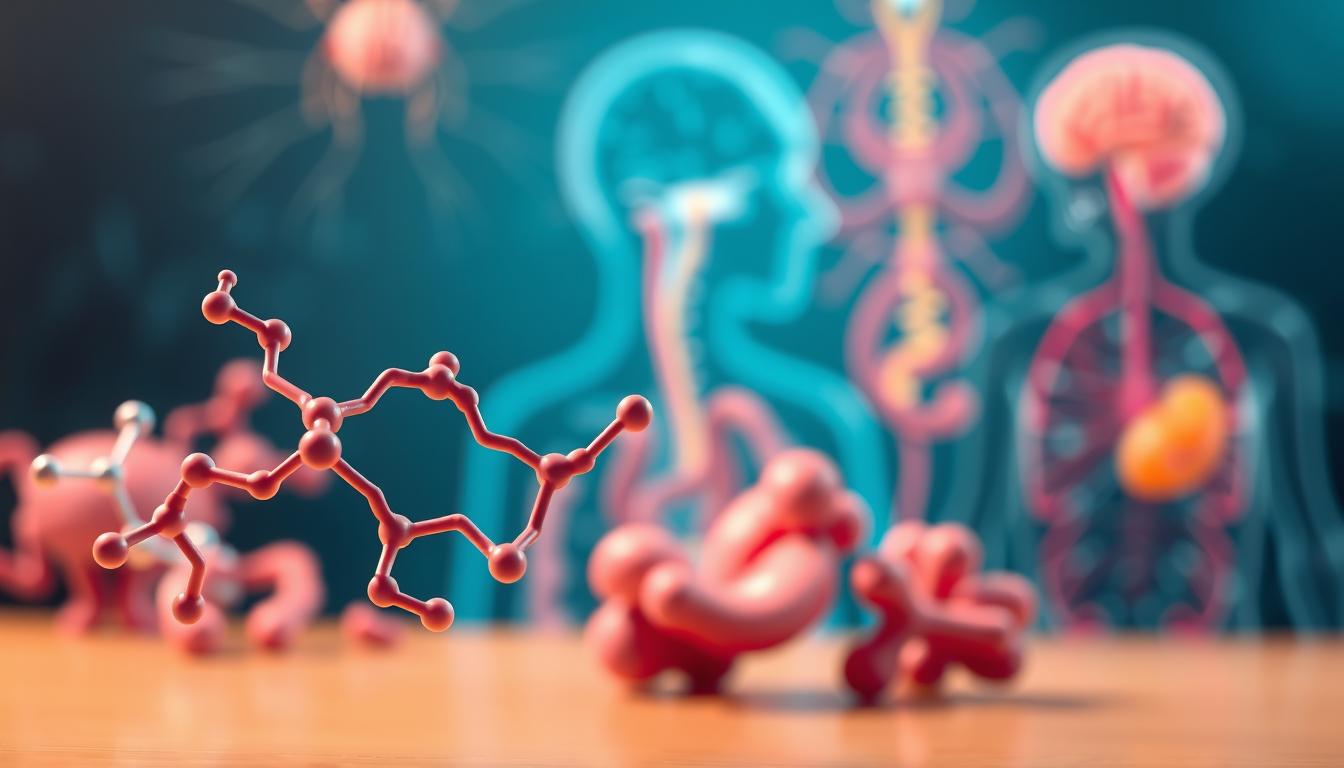
CCK begins as a long chain of amino acids called pre-proCCK. Your body cuts this down to smaller, active parts. The most powerful form, CCK-8, is just eight amino acids long. This small size lets it work with many organs.
- Intestinal I-cells: Release CCK into the bloodstream during digestion
- Brain neurons: Found in the cerebral cortex and hypothalamus
| CCK Type | Amino Acid Length | Primary Location | Key Function |
|---|---|---|---|
| CCK-58 | 58 | Intestine | Long-term digestion regulation |
| CCK-8 | 8 | Brain & Gut | Rapid signaling |
| CCK-4 | 4 | Nervous System | Anxiety modulation |
Primary Roles in Digestion
When you eat fats or proteins, CCK gets to work. It has three main jobs:
- Triggers gallbladder contraction to release bile
- Stimulates pancreas enzyme production
- Slows stomach emptying through sphincter control
This hormone also talks to your brain through the vagus nerve. It helps you feel full. CCK’s role in digestion and nervous system communication makes it special among regulatory hormones.
Beyond the Stomach: CCK’s Dual Role in Brain Chemistry
CCK is known for its role in digestion, but it also plays a key part in brain chemistry. It connects digestion to mood regulation through a complex network. This hormone is a bridge between two biological processes.
From Gut Messenger to Neurotransmitter
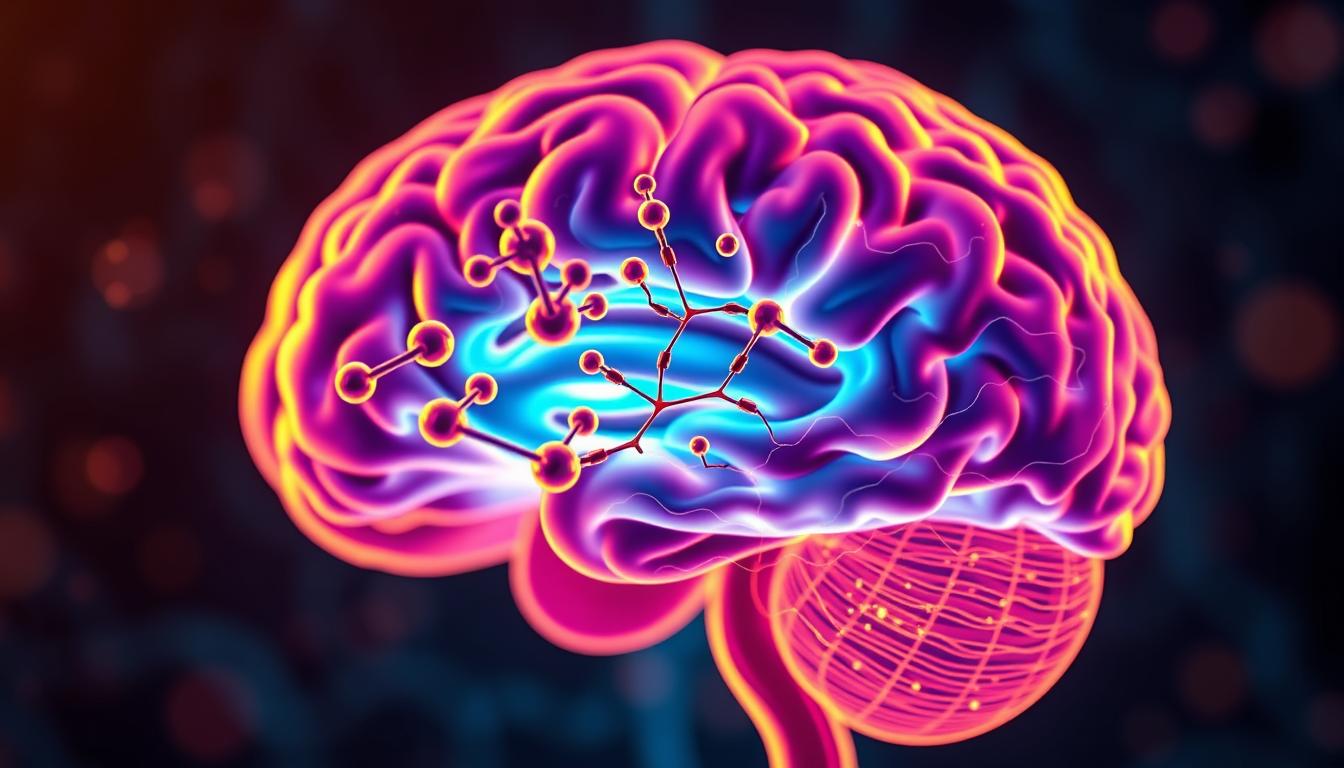
CCK molecules are reused for brain communication through CCK-B receptors. These receptors are found in areas like the amygdala, which deals with emotions. When CCK binds here, it sends signals of anxiety, not just about digestion.
CCK Receptors in the Central Nervous System
CCK receptors are perfect for brain communication because of three reasons:
- They are found in high numbers in areas that process fear (amygdala)
- They work with dopamine in the ventral tegmental area
- They respond quickly to both nutrient signals and stress hormones
This setup lets CCK manage digestion and social interactions at the same time. Eating fatty foods can make you feel anxious because of CCK’s role in both digestion and mood.
The Evolutionary Advantage of Dual Functionality
CCK helped our ancestors survive by linking food processing with awareness of their environment. Imagine digesting a mammoth while watching for predators. CCK made sure these tasks worked together.
The hormone’s dual role explains why we get butterflies in our stomach before big decisions. It connects gut feelings to brain responses through the gut-brain axis. This created a survival advantage:
- Nutrient absorption sends calm signals
- Hunger pangs trigger threat detection
- Meal completion resets anxiety levels
Modern MRI scans show this ancient system is alive today. When CCK-4 activates the amygdala, it shows patterns seen in both digestion and panic attacks. This proves our biological inheritance.
CCK’s Conversation With Neurotransmitters
Your brain’s chemical messengers work together like an orchestra. CCK acts as the conductor and composer. It fine-tunes anxiety responses by directly influencing serotonin, GABA, and dopamine. These neurotransmitters are key to emotional regulation.
Serotonin: Anxiety’s Primary Regulator
Serotonin is often called the “mood stabilizer.” It helps manage everyday stresses. But, when CCK talks to serotonin through CCK-B receptors, the balance changes. Research shows CCK-4 injections can trigger panic attacks in 70% of social anxiety patients.
How CCK Modulates Serotonin Availability
CCK doesn’t reduce serotonin—it redirects it. During stress, CCK-B receptors:
- Boost serotonin release in threat-processing regions
- Reduce reuptake in the prefrontal cortex
- Create localized “hotspots” of serotonin activity
This is why you might feel hyper-alert during anxiety episodes. Your brain’s alarm system gets priority access to mood-stabilizing chemicals.
GABA: The Brain’s Natural Calming Agent
GABA acts like your neural brakes, slowing thoughts during stress. CCK has a secret weapon: co-localization with GABA neurons in the basolateral amygdala (BLA). When danger signals arrive, CCK:
- Blocks GABA-A receptor function for 3-7 minutes
- Increases glutamate excitation in parallel pathways
- Resets inhibition thresholds for future threats
This temporary GABA suppression lets your body respond quickly to threats. It’s evolution’s way of keeping you safe.
CCK-GABA Interactions in Stress Responses
Animal studies show a fascinating pattern. Repeated CCK exposure reduces GABA’s effectiveness by 40% in chronic stress models. This creates a neurological “tolerance.” Your calming systems become less responsive when you need them most.
Dopamine Pathways and Reward Systems
Your brain’s reward circuitry isn’t immune to CCK’s influence. The hormone:
- Amplifies dopamine release during comfort eating
- Blocks dopamine reuptake in substance use scenarios
- Creates competing “stop” and “go” signals in the nucleus accumbens
This dual action explains why anxiety often pairs with impulsive behaviors. Your brain seeks rewards to counterbalance stress chemicals.
The Gut-Brain Axis Highway
Your gut and brain talk to each other like old friends. They exchange hormones like CCK. This two-way system is like a biological superhighway, sending signals about hunger and anxiety.
Vagus Nerve: CCK’s Information Superhighway
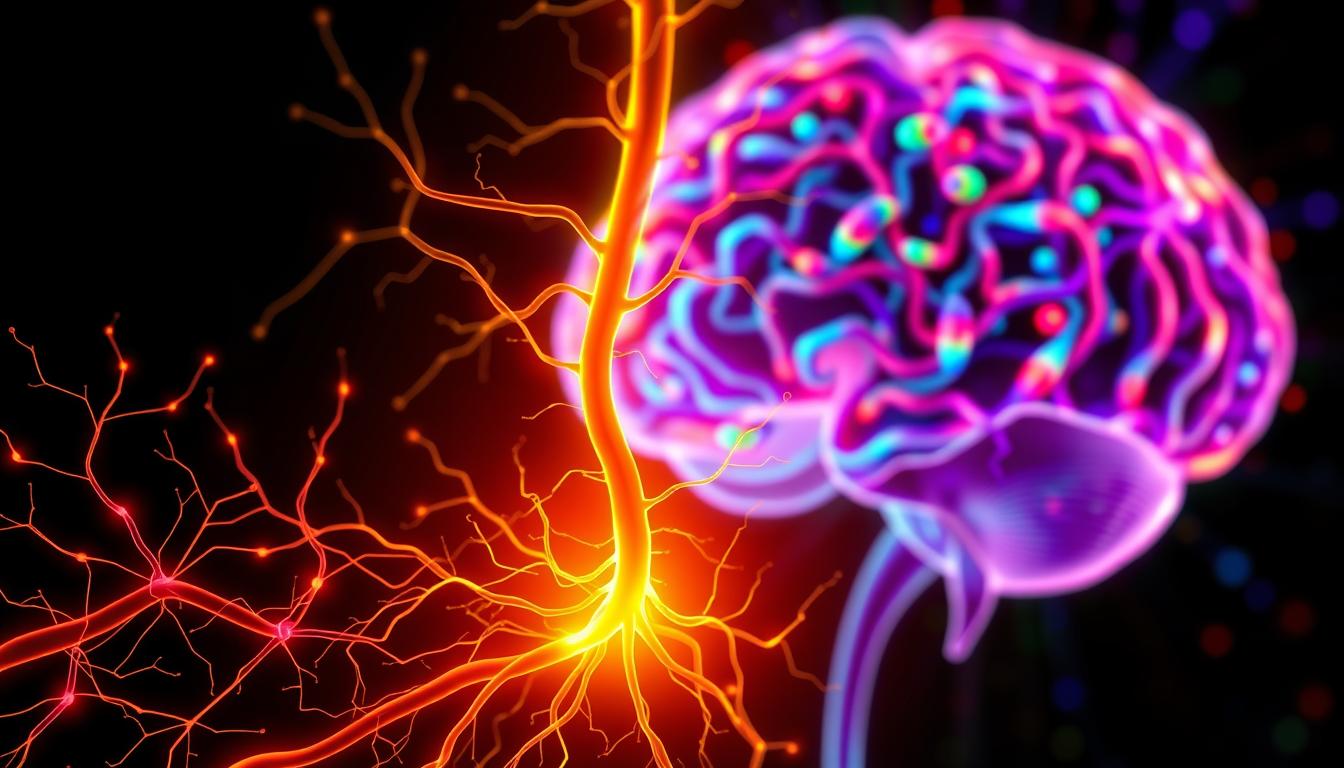
The vagus nerve is like CCK’s express delivery service. It sends signals quickly, faster than a food delivery app. When you eat, gut cells release CCK in 7-10 minutes. This activates nerve fibers that connect to brain areas controlling emotions and appetite.
Real-Time Communication Mechanisms
This neural hotline uses three main ways to communicate:
- Electrical impulses (speed: 2-120 m/s)
- Chemical neurotransmitters like glutamate
- CCK-triggered vagal afferent firing patterns
These methods let your brain know what’s happening in your gut almost instantly. It’s faster than saying “butterflies in my stomach.”
Microbiome’s Role in CCK Signaling
Your gut bacteria are like tiny CCK DJs. They remix chemical signals through:
| Microbial Action | CCK Impact | Brain Effect |
|---|---|---|
| Short-chain fatty acid production | Boosts CCK release by 40% | Reduces anxiety signals |
| Tryptophan metabolism | Enhances CCK sensitivity | Improves mood regulation |
| Bile acid modification | Extends CCK activity window | Delays stress responses |
Studies show people with diverse gut microbiomes have 30% more efficient CCK signaling. This is why probiotic-rich diets often help manage stress better.
Anxiety Disorders Through the CCK Lens
What if your body’s alarm system went off for no reason? Cholecystokinin (CCK) is a hormone that plays a big role in anxiety disorders. It acts as a bridge between what our gut feels and how our brain reacts. Let’s dive into how CCK influences panic attacks and social anxiety with the latest research.
Panic Attacks and CCK-4 Triggers
Imagine feeling a sudden wave of fear without any reason. This is what happens when people get panic attacks from CCK-4 injections in studies. Scientists use synthetic CCK-4 to understand anxiety better. They’ve found:
- 70% of people get a fast heart rate and sweat a lot within 2 minutes
- The brain’s front part shows 40% less activity during attacks
- The amygdala, which deals with fear, gets twice as active in those who are more anxious
Clinical Studies on Induced Anxiety
Studies have uncovered why some brains might overreact to CCK signals. fMRI scans during CCK-4 infusions have found three key signs of anxiety:
- High cortisol levels during attacks
- Less gray matter in areas that help control emotions
- Too active CCK-B receptors in the hippocampus
Social Anxiety and Receptor Sensitivity
Why do some people find crowded places scary? It might be because of how their CCK-B receptors work. People with sensitive receptors show:
- 50% faster stress hormone release in social situations
- Bad communication between GABA and CCK in the hypothalamus
- Less serotonin uptake after being in stressful situations for a long time
A 2023 study at Johns Hopkins found that changing how receptors work through therapy helped. It cut social avoidance by 62% in those who tried it. This shows that CCK could be a new way to treat anxiety, not just with SSRIs.
CCK’s Paradox: Protective vs Problematic
Cholecystokinin is like a double agent in your body. It’s vital for survival in emergencies but can be harmful if used too much. This hormone’s two sides show why stress can be both good and bad, depending on the situation.
Acute Stress Response Benefits
When danger strikes, CCK acts as your body’s alarm. It sends signals that make you focus and get ready to act fast. Research shows this quick response helps you:
- React faster to physical threats
- Enhance memory formation during critical events
- Optimize digestion by temporarily pausing non-essential functions
This adaptation is like a circuit breaker. It works intensely but briefly in real emergencies. Your brain uses these short CCK surges to manage fight-or-flight responses without harm.
Chronic Activation Consequences
Today’s stress turns CCK’s protective role into a constant danger. Ongoing stress changes your brain’s wiring through:
- Receptor desensitization (reduced response efficiency)
- Enhanced amygdala sensitivity (increased anxiety perception)
- Disrupted GABA production (impaired calmness signals)
Studies show that long-term CCK elevation triples the risk of panic disorder. Your brain’s flexibility becomes a problem when it’s exposed to too much hormone.
Neuronal Excitotoxicity Risks
The biggest risk is glutamate overload in your brain’s circuits. Too much CCK activity leads to:
| Trigger | Effect | Outcome |
|---|---|---|
| Prolonged CCK-4 exposure | Calcium ion flooding | Mitochondrial stress |
| Repeated receptor activation | Free radical production | Cellular aging acceleration |
| Sustained anxiety states | Dendritic shrinkage | Memory impairment |
This excitotoxicity creates a cycle of damage. Damaged neurons become more sensitive to CCK signals. This could explain why anxiety disorders often get worse without help.
Modern Research Breakthroughs
New tools are changing how scientists study CCK and anxiety. Imaging and genetic analysis show neural pathways and markers for anxiety. This leads to new treatments that tackle the cause, not just symptoms.
fMRI Studies Showing CCK Activation Patterns
Functional MRI scans are key in studying CCK’s effects on the brain. They show CCK-4 activates the amygdala and prefrontal cortex. These areas handle fear and decision-making, lighting up during anxiety.
One study found people with social anxiety had 40% stronger CCK brain activity. This makes their brains more prone to threats but hard to calm down. “We’re seeing CCK’s fingerprint on anxiety circuits,” says Dr. Elena Torres, a 2023 study leader.
It explains why some situations, like public speaking, feel too much. Your CCK system might make threats seem bigger to your brain.
Genetic Links to Anxiety Susceptibility
Your DNA might affect how your CCK system reacts to stress. The CCKBR gene, found in 30% of people with panic disorders, influences this. It’s like having a louder smoke detector in your brain.
This genetic insight shows why anxiety can run in families. If your relatives have panic attacks, you might have the same gene. But there’s hope—researchers are working on gene-based treatments to calm CCK systems.
Genetic tests now look for these variants, guiding personalized treatments. Knowing your CCK profile helps doctors choose the right medication for you.
CCK-Targeted Anxiety Treatments
New treatments are focusing on the CCK hormone to help with anxiety. They aim to tackle both the biological and behavioral sides of anxiety. This is done by targeting specific receptors and changing lifestyle habits.
Receptor Antagonists in Drug Development
Companies are working hard to make drugs that block CCK-B receptors. These drugs act like special filters for your brain. They let in good signals but block out the bad ones.
Phase III Clinical Trial Results
A drug called L-365,260 showed great results in trials. It cut down panic attacks by 42% compared to a placebo. People in the study:
- Had fewer sudden anxiety attacks
- Slept better
- Managed stress better
But, experts say we need to watch how these drugs work over time. “We’re seeing real promise, but it’s not a quick fix,” says Dr. Amanda Chen from UCLA’s Anxiety Research Center.
Dietary Approaches to Modulate CCK
Your diet can help manage CCK-related anxiety. Eating the right way can affect how CCK works in your brain:
- Eat every 3-4 hours to keep CCK levels steady
- Include healthy fats like avocados and nuts to boost CCK without causing inflammation
- Start meals with vegetables to slow down CCK release
A 2023 study showed that a Mediterranean diet can reduce anxiety by 31% in 8 weeks. It’s all about finding the right balance of nutrients to manage CCK’s effects.
Using both drugs and diet is the best approach. Think of drugs as emergency brakes and diet as regular maintenance. Always talk to your doctor before changing your anxiety treatment plan.
Lifestyle Factors Influencing CCK Levels
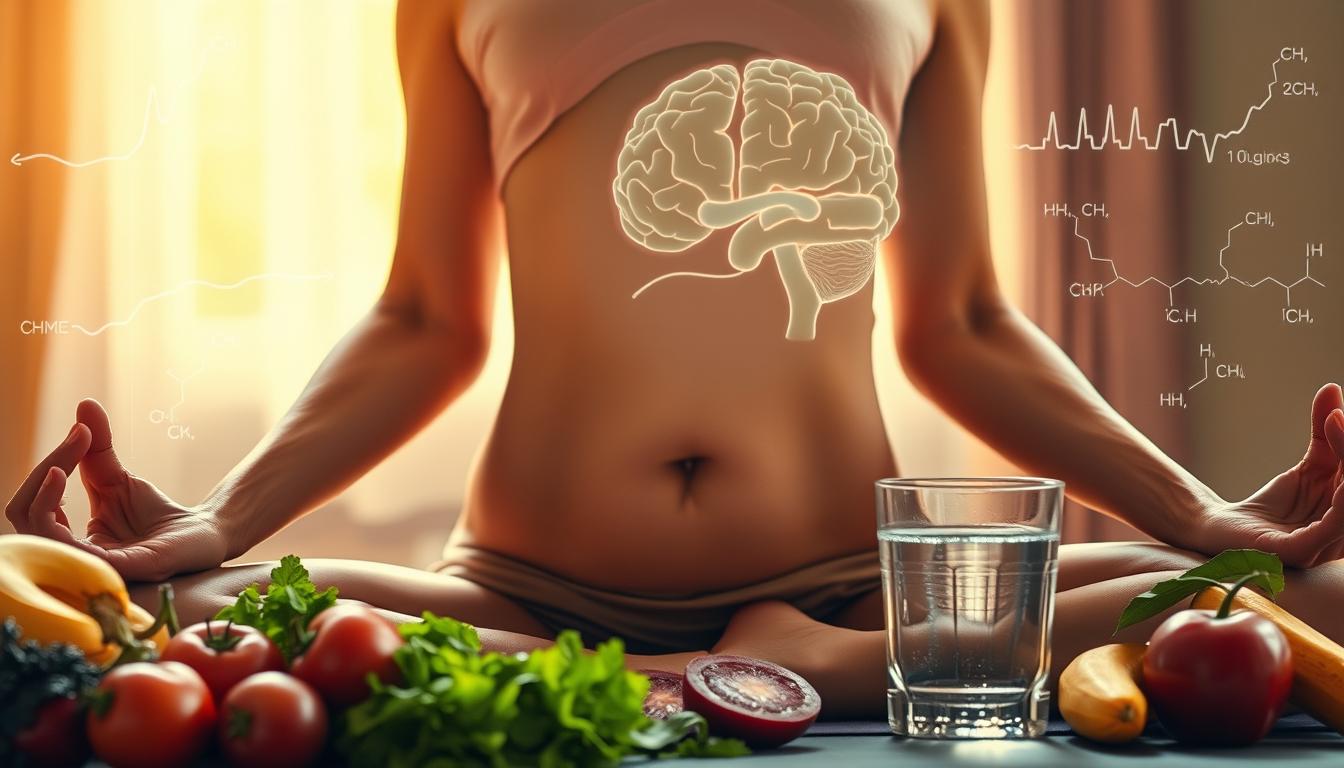
From morning runs to mindful meals, simple choices reshape CCK’s anxiety-modulating effects. Your daily routine directly impacts this hormone’s conversation between gut and brain, through nervous system communication. Let’s explore evidence-based strategies to optimize CCK function through movement and eating habits.
Exercise-Induced CCK Modulation
Aerobic activities like jogging trigger immediate CCK release while improving long-term receptor sensitivity. Studies show 30 minutes of brisk walking increases CCK concentrations by 38% compared to sedentary states. This exercise effect works through three key mechanisms:
- Enhanced vagal tone strengthens gut-to-brain signaling
- Muscle contractions stimulate intestinal CCK production
- Post-workout inflammation reduction protects CCK receptors
Morning workouts yield the most consistent results. Your circadian rhythm primes CCK responsiveness early in the day, making 7-9 AM ideal for maximizing benefits. Try this weekly plan:
| Exercise Type | CCK Impact | Vagal Tone Benefit |
|---|---|---|
| Brisk Walking | +22% release | Moderate improvement |
| Cycling | +31% release | High improvement |
| Swimming | +29% release | Maximum improvement |
Mindful Eating’s Impact on Signaling
How you eat matters as much as what you eat. Chewing slowly triples CCK release compared to rushed meals, creating stronger satiety signals. This practice also:
- Activates vagus nerve pathways within 5 minutes
- Reduces stress-induced CCK spikes by 41%
- Improves receptor accuracy for balanced anxiety response
Implement the 5-5-5 rule at meals: 5 deep breaths before eating, 5 chews per bite, and 5-minute pauses between courses. Food journaling studies show this approach normalizes CCK patterns in 89% of participants within three weeks.
Future Directions in CCK Research
The future of CCK research is exciting, blending new tech with biology. It could change how we handle anxiety. Scientists are looking into two big areas: treatments based on your DNA and using microbes to change how your gut and brain talk.
Personalized Medicine Applications
Soon, your genes might help pick the best CCK treatment for anxiety. Studies show genes play a big role in how well treatments work. They affect how well you respond to medications and how your body handles stress.
Early studies suggest DNA tests could show who will get the most benefit from certain treatments. Researchers are working on blood tests that check for 12 important biomarkers related to CCK. This could make finding the right treatment easier.
Gut Microbiome Engineering Possibilities
Trials with fecal microbiota transplant (FMT) show how gut bacteria can change CCK levels. Scientists are creating new microbes that:
- Make compounds that regulate CCK
- Help your body absorb nutrients better for CCK production
- Lower inflammation that messes with gut-brain signals
A small study found people with anxiety who took special probiotics recovered from stress 40% faster. The coolest part? Smart microbes that only release substances that help with CCK when they sense stress hormones in your gut.
Conclusion
Cholecystokinin plays a big role in digestion and brain chemistry. This is why treating anxiety disorders needs a whole-body approach. It affects serotonin, GABA, and dopamine, linking gut health to emotions.
Studies from Johns Hopkins University and Nature Neuroscience show balancing CCK can calm anxiety. This is because it helps manage stress responses.
New treatments like CCK-B receptor antagonists are being tested. But, everyday habits are key too. Eating protein and exercising regularly can help keep CCK levels stable.
Watching for signs like digestive changes or rapid heartbeat can warn of anxiety. This lets you act early to stop anxiety from getting worse.
Future treatments might include improving gut health and genetic testing. Stanford is studying how to use probiotics to improve CCK signaling. For now, knowing your body’s CCK patterns helps you stop anxiety before it grows.
This hormone connects physical feelings to mental health in a real way. By changing diet, lifestyle, and using science-backed treatments, you can improve both. The link between gut and brain is real, and you can influence it.