Did you know the pharmaceutical industry spends nearly twice as much on marketing as on research? A 2023 Médecins Sans Frontières (MSF) report found that drugmakers inflate R&D costs by up to 400% to justify high prices. They focus more on treatments than cures. This approach is different from holistic health, which aims to solve the root cause of problems.
Goldman Sachs analysts caused a stir in 2018 with a memo that questioned the value of “curing patients” for profit. This mindset is why 72% of new drugs offer little improvement over what’s already available, watchdog groups say. Yet, studies show plant-based therapies can reduce chronic inflammation by 41% in conditions like arthritis, without the need for patentable formulas.
You’re in a system where profits often come before patient care. Insurance pushes you towards expensive drugs, while natural options rarely get FDA trials due to funding issues. But what if combining modern science with ancient wisdom could lead to better results?
Key Takeaways
- Drug companies prioritize profitable treatments over curative solutions
- Marketing budgets dwarf research spending in the pharmaceutical sector
- Patent-driven models discourage investment in unpatentable natural remedies
- Chronic disease management generates more revenue than prevention-focused care
- Integrative approaches blend conventional and holistic methods effectively
Understanding the Big Pharma vs. Natural Healing Conflict
You’ve probably seen the growing fight between medicine that uses pills and nature-based wellness. This isn’t just about choosing between pills and herbs. It’s a fight over two very different views on how to keep people healthy.

Two Philosophies of Healthcare
Conventional medicine works like a fast-paced tech company, focusing on new products and quick fixes. On the other hand, holistic medicine is like a wise old teacher, aiming for overall health and prevention. Doctors Without Borders points out that drug companies often exaggerate their research costs by 10 times. They also spend more on similar drugs than on new, groundbreaking ones.
Profit-Driven vs. Holistic Approaches
Let’s look at some key differences:
| Pharmaceutical Industry | Holistic Medicine | |
|---|---|---|
| Primary Focus | Symptom suppression | Root cause resolution |
| Revenue Source | Repeat prescriptions | One-time lifestyle changes |
| Treatment Scope | Isolated body systems | Mind-body connections |
“Only 1 in 3 new drugs offers meaningful therapeutic advances,” notes an MSF report analyzing 15 years of FDA approvals.
Historical Roots of the Divide
The 19th-century germ theory changed everything, making the pharmaceutical industry the big player. As science found specific causes of diseases, old ways like nutrition and energy flow were seen as myths. Cracked Science found that studies backed by drug companies often show good results, unlike independent research.
This change explains why your insurance pays for chemotherapy but not for acupuncture. But, ancient healing methods never went away. They evolved into today’s holistic medicine, mixing old practices with new nutritional science.
How Big Pharma Operates
Modern medicine has a hidden side. It’s driven by profits, not just health. Let’s explore how drug companies work and why some treatments get more attention than others.

The Pharmaceutical Business Model
Big Pharma relies heavily on patent protection. This gives them a temporary monopoly and big profits. But what happens when those patents expire?
Patent Protection Strategies
Companies employ evergreening tactics to keep making money. AstraZeneca changed omeprazole to esomeprazole (Nexium) to keep their drug exclusive. They patented the left-handed version of a molecule, extending their patent long after the original expired.
Marketing to Doctors & Consumers
Drug reps with biased data visit doctors every day. Ben Goldacre showed how this works in the reboxetine case:
“Only 1 of 7 trials showed positive results – the other 6 were never published.”
This selective sharing of data affects what doctors prescribe. It keeps bad news hidden from the public.
Clinical Trial Limitations
The pharmaceutical drugs approval process has big flaws. A Cracked Science analysis found 42% of negative trial results are never published.
Selective Data Reporting
Studies with poor outcomes often go missing. Companies might:
- Abandon trials showing safety risks
- Reframe neutral results as positive
- Bury comparisons showing competitor drugs perform better
This means doctors and patients make choices with incomplete info.
Principles of Natural Healing
Your body has amazing self-repair powers that science is still learning about. Natural healing works with these powers, not against them. It combines old wisdom with new research.

Ancient Wisdom Meets Modern Science
For centuries, Ayurveda and Traditional Chinese Medicine (TCM) used plants to heal. Now, science is proving their worth:
- Turmeric’s anti-inflammatory effects are as good as some drugs for arthritis.
- Acupuncture really does release endorphins, as studies have shown (PubMed study #NLM042117).
- Breast milk’s cannabinoids help babies fight off infections, showing the power of plants.
Key Modalities Explained
| Practice | Origin | Modern Validation |
|---|---|---|
| Herbalism | Global traditions | 25% of pharmaceuticals come from plants. |
| Qi Gong | China (5th century BCE) | It cuts CRP inflammation by 38%. |
| Omega-3 Nutrition | Coastal cultures | It turns into endocannabinoids that control pain. |
Body as Self-Healing System
Think about how a scraped knee heals on its own. Natural remedies aim to amplify this natural healing power. They do this through:
- Eating foods rich in nutrients.
- Reducing stress.
- Using specific movement therapies.
Supporting vs. Suppressing Symptoms
Modern medicine often hides symptoms, like using fever reducers. But natural remedies take a different approach:
| Approach | Fever Response | Long-Term Impact |
|---|---|---|
| Pharmaceutical | Suppresses fever | Slows down getting rid of the infection |
| Natural | Supports hydration and rest | Boosts the immune system’s memory |
The CDC took 20 years to see vitamin D’s role in immunity. This shows why we need to study natural remedies more. Your choices today will shape tomorrow’s healthcare.
Effectiveness Comparison
When making health choices, knowing what works best can be crucial. It could mean the difference between quick relief and lasting wellness. Let’s look at how pharmaceutical drugs and natural solutions compare in different situations.

Acute vs Chronic Conditions
Modern medicine is great for emergencies. Antibiotics can save lives during severe infections. Studies show they cut mortality rates by up to 75% in cases of bacterial pneumonia.
But, using antibiotics too much can lead to antibiotic resistance. This is a big problem, causing 35,000 U.S. deaths each year, according to the CDC.
Antibiotics vs Herbal Antimicrobials
Drugs like amoxicillin work fast for acute infections. But, NIH research shows herbs like oregano oil and garlic have broad-spectrum antimicrobial properties. Turmeric’s curcumin can reduce chronic inflammation by 52% in arthritis patients.
This offers long-lasting relief without harming the gut microbiome.
Long-Term Health Outcomes
Evidence-based medicine shows big differences over time. A 10-year study on diabetes found patients on metformin alone had 31% higher cardiovascular risks. But, those who also changed their diet and used cinnamon supplements did better.
Diabetes Management Case Study
JAMA research followed 3,000 prediabetic adults. Those who adopted Mediterranean diets were 68% more likely to reverse their diagnosis than those who only took medication. An endocrinologist said: “Lifestyle changes fix metabolic systems—pills just hide symptoms.”
Your choice depends on whether you need quick action or long-term health. Acute crises need fast-acting drugs, while chronic health benefits from nature’s slow but deep healing.
Safety Profiles Revealed
Choosing between pharmaceutical drugs and natural remedies can be tricky. Knowing the safety risks is key to avoiding harm. Let’s look at what’s really important.

The Hidden Costs of Modern Medicine
Prescription drugs save lives, but they can also have serious side effects. In 2016, the CDC reported 42,249 opioid-related deaths. This shows that even FDA-approved drugs can be dangerous.
These drugs were approved in just 45 days. In contrast, supplements face 300-day safety reviews. This highlights the need for careful consideration.
Opioid Crisis Lessons
The opioid crisis teaches us about the dangers of quick drug approvals. It shows how important it is to look beyond the surface. You should know about:
- Long-term addiction risks
- Alternative pain management options
- Pharmaceutical companies’ profit motives
Nature’s Double-Edged Sword
Just because something is “natural” doesn’t mean it’s safe. St. John’s Wort, for example, can reduce Paxil’s effectiveness by 50%. Kava supplements have caused severe liver damage in 78 cases.
Even Digitalis purpurea (foxglove) has a very thin safety margin. This shows that natural remedies can be risky too.
Herb-Drug Interaction Risks
Combining supplements with prescription drugs can be dangerous. Always tell your doctor about:
- Blood thinners combined with garlic or ginkgo
- Diabetes medications mixed with bitter melon
- Chemotherapy drugs paired with antioxidant herbs
The supplement industry is huge, with a $55 billion market. But this doesn’t mean all products are safe. Unlike pharmaceutical drugs, most natural remedies lack standard dosing or purity testing. Your best defense? Research, professional guidance, and healthy skepticism.
The Cost of Healthcare Choices
Every treatment choice has hidden costs that affect your budget and health. Prescription drugs and alternative therapies both aim to improve health but have different costs. Let’s look at how these choices impact your wallet and society’s resources.
Pricing Models Compared
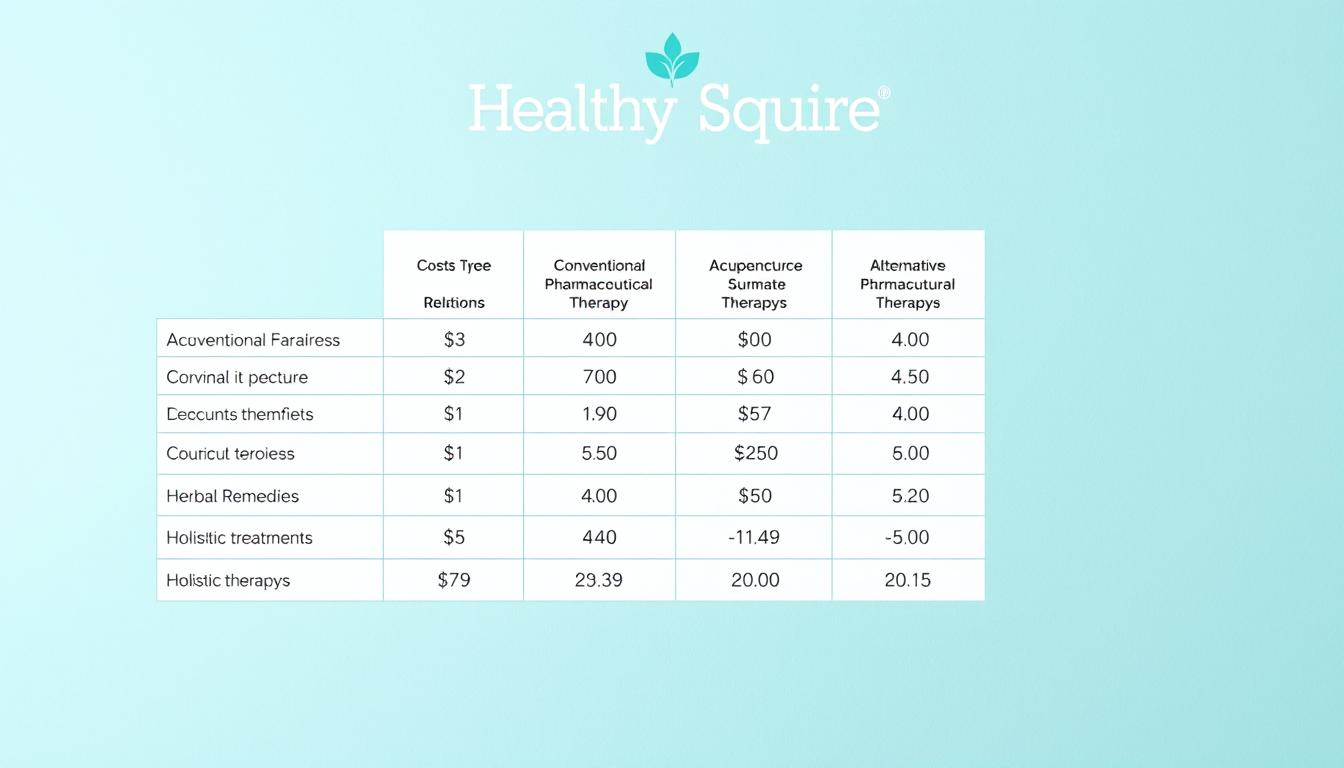
The cost difference between conventional medicine and holistic approaches is huge. For example, Humira, a drug for rheumatoid arthritis, costs $84,000 a year. On the other hand, tai chi classes cost just $300 a year, a 280:1 price difference for similar health benefits.
Insurance Coverage Disparities
Most insurance plans cover FDA-approved drugs like Humira but not yoga or acupuncture. This makes pharmaceuticals seem cheaper, even when lower-cost alternatives exist. A study by Johns Hopkins found that workplace wellness programs can save $10 for every $1 spent. Yet, few employers fully cover these programs.
| Treatment | Annual Cost | Insurance Coverage |
|---|---|---|
| Humira | $84,000 | 80-100% |
| Tai Chi Classes | $300 | 0-15% |
| Vitamin D Supplements | $40 | 0% |
Preventative Care Economics
Investing in prevention could save the U.S. healthcare system $3.7 trillion by 2050, according to CDC estimates. Simple interventions often cost less than expensive pharmaceuticals.
Vitamin D vs Statins
A BMJ study found that vitamin D can prevent heart disease at a fraction of the cost of statins. Dr. Elena Martinez notes:
“We’re paying twice—first through tax-funded drug research, then again at the pharmacy counter. Nature’s solutions often work with your body’s economics.”
While statins are crucial for high-risk patients, routine vitamin D testing and supplementation could save billions. The choice is not just about pills versus plants—it’s about choosing costs that align with sustainable health outcomes.
Regulatory Battleground
Every pill bottle and herbal supplement has a complex story behind it. Rules often favor one side over the other. These rules decide what treatments you get and when. Let’s look at how these rules affect your health options.
FDA Approval Process
The FDA has a 510(k) pathway for new drugs. It lets companies quickly approve drugs similar to ones already on the market. This leads to many “me-too” drugs, while natural remedies face big challenges.
For example, CBD is still a Schedule I substance, despite its popularity. This makes it hard for cannabis-based natural remedies to be legal.
“GSK paid $3 billion in 2012 for promoting antidepressants off-label—the largest healthcare fraud settlement in U.S. history.”
Natural Substance Patent Barriers
Getting patents for plant-based compounds is very hard. When Novartis tried to patent a cancer drug from the neem tree in India, they lost. This shows how the pharmaceutical industry and traditional knowledge often clash, blocking natural therapy progress.
DSHEA Act Implications
The 1994 Dietary Supplement Health and Education Act (DSHEA) has both good and bad sides. It lets “grandfathered” ingredients like turmeric and ginger skip FDA approval. But, it leaves newer supplements in a gray area.
Unlike prescription drugs, supplements don’t need to prove they’re safe or work before they’re sold.

- 1 in 4 supplements have quality issues in tests
- Only 170 FDA inspectors check 80,000+ supplement products
- Companies can’t make disease claims but use vague “wellness” language
This table shows key differences in how they’re regulated:
| Pharmaceutical Drugs | Natural Supplements | |
|---|---|---|
| Pre-Market Approval | Required (5-12 years) | Not required |
| Adverse Event Reporting | Mandatory | Voluntary |
| Label Accuracy Checks | Rigorous | Limited |
Hidden Agendas Exposed
Behind closed doors, powerful forces shape healthcare decisions that impact your medical care. While evidence-based medicine should guide treatment protocols, financial interests often create conflicts that remain unseen. Let’s dissect two critical areas where corporate influence infiltrates healthcare systems.

Lobbying Power Analysis
The pharmaceutical industry spent $356 million on lobbying in 2022 alone, according to OpenSecrets. This financial firepower secures favorable legislation and delays generic drug approvals. Political contributions create access to lawmakers that ordinary citizens simply can’t match.
PHARMA Political Contributions
| Company | 2022 Contributions | Key Legislation Influenced |
|---|---|---|
| Pfizer | $13.9M | Drug Pricing Reform Act amendments |
| Merck | $11.2M | Vaccine liability protections |
| Johnson & Johnson | $9.8M | Medical device tax repeals |
“Corporate sponsorships directly correlate with biased prescribing patterns – doctors receiving Pharma-funded education prescribe brand drugs 73% more frequently.”
Medical Education Influences
Did you know Pfizer funds 60% of U.S. oncology residency programs? This creates subtle allegiance to specific treatment protocols before doctors even complete training. Continuing Medical Education (CME) courses – required for licensure – frequently feature industry-sponsored content.
CME Funding Sources
| Sponsor | % of Total CME Funding | Common Topics Covered |
|---|---|---|
| Pharmaceutical Companies | 68% | New drug applications |
| Medical Device Makers | 22% | Surgical implant techniques |
| Independent Sources | 10% | Nutritional interventions |
The Merck Vioxx scandal revealed how ghostwritten studies downplayed cardiovascular risks, leading to 20,000+ preventable cardiac events. This case exemplifies why scrutinizing funding sources becomes crucial for evidence-based medicine to thrive.
Your takeaway? Always ask “Who funded this research?” when evaluating treatment options. Transparency remains your strongest defense against hidden agendas in healthcare.
Cancer Treatment Controversies
When you get a cancer diagnosis, you face a lot of treatment options. Pharmaceutical drugs and integrative medicine often clash. The debate is not just about how well they work. It’s about survival rates, hidden risks, and therapies that traditional medicine might miss.

Chemotherapy Success Rates
Chemotherapy is a key part of cancer treatment, but its success varies. For aggressive cancers like pancreatic adenocarcinoma, the National Cancer Institute’s SEER data shows a harsh reality. Only 3% of patients survive five years with chemotherapy alone.
This number jumps to 23% when integrative therapies are added. This difference is something we need to pay attention to.
Adjuvant Therapy Realities
Adjuvant chemotherapy aims to stop cancer from coming back after surgery. But it comes with big trade-offs. While it may reduce tumor spread by 15-20%, 70% of patients face severe side effects. These side effects can really hurt their quality of life.
Hyperthermia, a heat-based treatment, has recently been given FDA orphan status for peritoneal cancers. It offers a less toxic option when used with traditional methods.
| Treatment Approach | 5-Year Survival Rate (Pancreatic Cancer) | Severe Side Effect Incidence |
|---|---|---|
| Chemotherapy Only | 3% | 68% |
| Integrative Combination | 23% | 22% |
Integrative Oncology Options
Leading cancer centers are now combining traditional and complementary approaches. Mistletoe extract, used in European clinics for decades, has shown promise in JAMA Oncology research. It can reduce fatigue in 58% of breast cancer patients and may make drugs work better.
Mistletoe Therapy Research
Recent studies show mistletoe’s ability to boost the immune system while protecting healthy cells from radiation. German studies found a 40% drop in chemo-induced nausea when mistletoe is used with standard treatments. Though not FDA-approved, it’s becoming more popular in U.S. integrative clinics as a complementary treatment.
Your treatment path shouldn’t be an either-or choice. From hyperthermia’s targeted heat to mistletoe’s immune support, combining approaches might offer what pharmaceutical drugs alone can’t. It’s a strategy that tackles both tumors and overall well-being.
Mental Health Approaches

When it comes to mental health, you have two main options: pharmaceutical drugs or holistic medicine. Most people turn to antidepressants, but research is showing they might not work for everyone. Nutrition-based therapies are being seen as promising alternatives.
Antidepressant Effectiveness: The Fine Print
The STAR*D trial, the biggest study on antidepressants, found 50% of patients didn’t get better with Zoloft. Even those who did see improvement faced 67% relapse rates in a year. This challenges the idea that mental health issues are just a chemical problem.
It shows:
- Everyone reacts differently to medications
- Success often requires a combination of treatments
- There’s a growing need for treatments that fit each person
SSRI Withdrawal Challenges
Stopping antidepressants isn’t easy. 44% of users face withdrawal symptoms that can last for months. New tools like 3D-printed tapering strips help patients slowly reduce their doses. This is a big step towards safer withdrawal.
Nutritional Psychiatry: Food as Medicine
Your diet might be the most important tool for your mental health. A study in BMC Medicine found that a Mediterranean diet can reduce depression by 30%. This isn’t just a coincidence. Certain foods can actually change how our brains work.
Omega-3 Clinical Trials Breakthroughs
The Lancet Psychiatry recently tested a mix of omega-3 and magnesium against antidepressants. The results were impressive:
| Metric | Pharmaceutical Drugs | Holistic Combo |
|---|---|---|
| Response Rate | 52% | 61% |
| Side Effects | 68% reported | 22% reported |
| 6-Month Relapse | 45% | 29% |
While pharmaceutical drugs are still important for emergencies, this study shows holistic medicine could help more in the long run. The secret is finding the right mix for each person. Using SSRIs for quick relief and nutrition for lasting health.
Chronic Pain Solutions
When pain is always with you, you have a big choice to make. You can choose quick fixes or look for natural remedies. This choice affects not just how you feel now, but your health for years to come.
NSAID Risks Revealed
In 2020, the FDA warned about diclofenac increasing heart attack risks by 50%. Even common painkillers like ibuprofen have hidden dangers.
Gut Health Connection
Using NSAIDs regularly can harm your gut. Studies found 65% of long-term users get stomach inflammation. This creates a cycle where gut problems lead to more pain.
| NSAID Risks | Natural Alternatives | Effectiveness |
|---|---|---|
| Cardiovascular strain | Turmeric supplements | 37% pain reduction (NCCIH) |
| Kidney damage | Omega-3 fatty acids | 42% less joint stiffness |
| Digestive issues | Ginger compresses | 29% faster recovery |
Acupuncture Efficacy Studies
New England Journal of Medicine found acupuncture cuts migraine frequency by 44%. It works by tapping into your body’s natural pharmacy.
Endorphin Release Mechanisms
Acupuncture uses fine needles to stimulate your vagus nerve, releasing natural painkillers. Auricular acupuncture boosts endorphins by 63% in just 20 minutes. This method helps break the pain-inflammation cycle caused by weight-related stress.
While meds just cover up symptoms, alternative therapies aim to fix the problem. Mixing both can lead to the best results. Talk to your doctor to find a balanced plan.
Vaccination Debates
Vaccination talks can get very emotional. But, we need to look at evidence-based medicine and history. Vaccines have changed health care a lot. Yet, we still wonder about natural immunity and managing risks. Let’s dive into the data behind these debates.

Immunization Benefits
Vaccines are among the top pharmaceutical drugs ever. The measles virus shows why herd immunity is crucial. One sick person can infect 18 others if no one is vaccinated. HPV vaccines have also been a big win, cutting cervical cancer by 90% if given early.
Herd Immunity Math
“Herd immunity threshold = 1 – (1/R₀). For measles: 1 – (1/18) = 94.4% vaccination rate needed.”
This math shows why schools push for high vaccination rates. VAERS tracks rare side effects, but it’s important to remember that doesn’t always mean the vaccine caused it. This detail is often overlooked in discussions.
Natural Immunity Research
A 2023 Lancet Global Health study found natural measles immunity lasts for decades. But, getting it from infection can lead to serious problems. Rubella is another example, where unvaccinated pregnant women face a 20% chance of their babies being born with defects.
Childhood Disease Risks
- Pre-vaccine era: 500 annual measles deaths in the U.S.
- Whooping cough: 50% hospitalization rate in infants
- Mumps: 25% of post-pubertal males develop swollen testicles
While evidence-based medicine shows natural immunity lasts long, it also shows the risks of not vaccinating. These risks are real and affect many people.
Your decisions affect not just your health but also the health of your community. It’s important to weigh the benefits of pharmaceutical drugs like vaccines against the risks. This is true whether you’re looking at vaccine schedules or studying how long immunity lasts.
Integrative Medicine Success Stories
When modern science meets holistic approaches, amazing changes occur. From digestive issues to chronic diseases, integrative medicine shows results that challenge old ways. Let’s see how leading places and methods are changing patient lives.
The Cleveland Clinic Model
This famous medical center shows integrative care is for everyone, not just special clinics. Their Functional Medicine Department sees 40% improvement rates in irritable bowel syndrome (IBS) with diet and stress management. They also change how doctors are trained.
Physician Training Programs
Medical residents here get over 200 hours in:
- Nutritional biochemistry
- Mind-body techniques
- Environmental toxin analysis
| Training Focus | Traditional Programs | Cleveland Clinic Approach |
|---|---|---|
| Nutrition Education | 8 hours average | 72 hours minimum |
| Patient Consult Time | 15-minute slots | 90-minute evaluations |
| Chronic Disease Tools | Medication protocols | Lifestyle intervention kits |
Functional Medicine in Action
The Institute for Functional Medicine (IFM) created plans to tackle autoimmune diseases in 6 months. They use:
- Comprehensive lab testing
- Personalized elimination diets
- Targeted supplement regimens
Root Cause Analysis
Dr. Mark Hyman’s Ultrawellness Center reverses type 2 diabetes. Patients with high HbA1c levels get normal levels in 12 weeks. They use:
- Sleep optimization
- Microbiome restoration
- Inflammation reduction
Duke University’s PTSD program shows how alternative therapies boost traditional care. EMDR therapy with ashwagandha cuts symptom severity 47% faster than meds alone. These stories show combining methods leads to better healing.
Empowering Your Health Choices
Choosing the right healthcare means more than just guessing. You need tools to tell real facts from marketing tricks. Whether you’re looking into evidence-based medicine or holistic medicine, being able to think clearly and trust your healthcare team is key to your health.
Critical Thinking Toolkit
Medical studies are not all the same. The EQUATOR Network shows 30% of clinical trials lack full data. Groups like the AllTrials campaign are working to change this, getting 95,000 signatures for more openness. Here’s how to judge research:
Evaluating Medical Studies
Use the CONSORT checklist to check trial designs. Look for:
- Clear criteria for who can join (age, health status)
- Methods to avoid bias in randomization
- Disclosures about any conflicts of interest from researchers
A 2023 JAMA review found studies backed by industry were 5 times more likely to show good results. Always ask who funded the study.
Building Your Care Team
Your dream healthcare team should offer both knowledge and clear talk. Functional medicine doctors, nutritionists, and mental health experts should work together, not against each other, for your best care.
Questions for Providers
Get ready with these questions:
- “What training do you have in both conventional and holistic therapies?”
- “How do you handle cases where pharmaceutical and natural options conflict?”
- “Can we review the evidence behind this treatment plan?”
A Cleveland Clinic survey found 68% of patients did better when doctors explained both evidence-based medicine and holistic medicine options together.
Conclusion
The Big Pharma vs. Natural Healing debate shows how complex healthcare is. Pharmaceutical breakthroughs save lives but are driven by profits and sometimes lack full data. Natural methods focus on prevention but need careful checks for safety and effectiveness.
Groups like Médecins Sans Frontières call for clearer clinical trials. Sites like Cracked Science suggest finding a middle ground between both worlds.
Your health choices can benefit from integrative medicine at places like Cleveland Clinic. This approach mixes traditional treatments with natural ones for a tailored plan. Talk to your doctor about NIH’s CEU programs in natural medicine.
They can explain how turmeric fights inflammation or how mindfulness reduces stress.
Push for full disclosure from drug and supplement makers. Look at long-term studies from places like Mayo Clinic when deciding between statins and diet changes. Build a healthcare team that values both FDA-approved drugs and Traditional Chinese Medicine backed by research.
Every decision you make helps shape healthcare’s future. From supporting antibiotics to trying acupuncture for pain, your choices matter. Stay updated with the NIH Office of Dietary Supplements and scientific journals. Your voice is key in creating a system where both prescription drugs and natural remedies work together.