Did you know your body burns 70% of its daily calories while you’re just resting? This hidden engine, your metabolism, decides if you lose weight easily or struggle with it. Unlike quick fixes, making your metabolism work better leads to lasting results.
Your metabolic rate can change. Studies show small tweaks to nutrition, movement, and daily habits can up calorie burn by 15%. The secret? Using methods that work with your body, not against it.
This guide is all about lasting ways to boost your metabolism. You’ll learn how eating protein at the right time affects energy use. Also, how staying hydrated helps break down fat cells and how good sleep balances hormones. Plus, we’ll cover targeted exercises that keep your metabolism high for hours after working out.
Key Takeaways
- Prioritize protein-rich meals to maintain calorie-burning muscle mass
- Drink cold water to temporarily boost metabolic activity by 30%
- Combine strength training with high-intensity intervals for maximum afterburn
- Improve sleep quality to regulate appetite-controlling hormones
- Manage stress to prevent cortisol-driven fat storage
Understanding Metabolism Basics
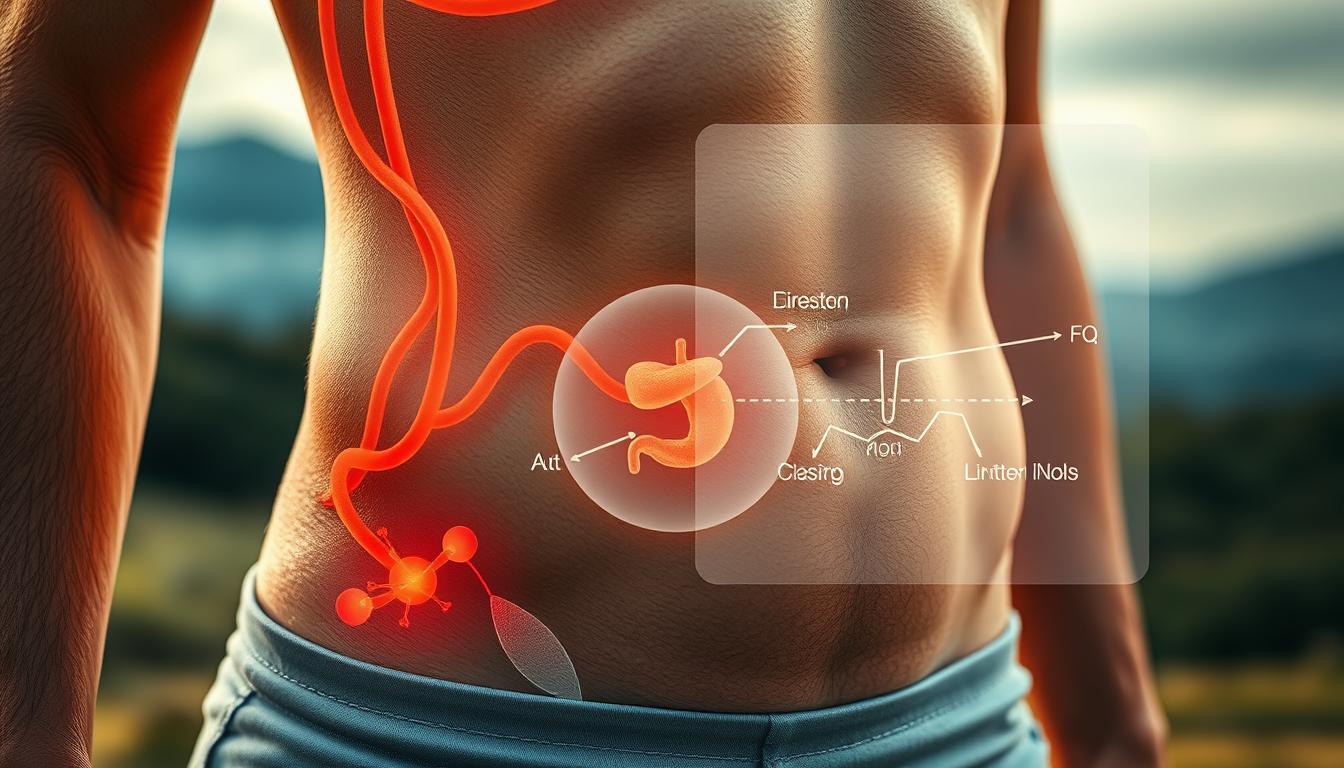
Your body works non-stop, burning calories even when you’re not moving. To increase metabolism naturally, you need to understand how your body turns food into energy. Think of metabolism as your personal energy budget – every movement and biological process draws from this account.
What Is Metabolic Rate?
Your metabolic rate shows how many calories you burn each day. It’s like your body’s idling speed – some people naturally burn more fuel while sitting still. This baseline energy use accounts for 60-75% of your total daily expenditure.
Resting vs Active Energy Expenditure
Your body uses energy in two main ways:
- Resting (BMR): Calories burned for basic functions like breathing and circulation
- Active: Energy used during movement and digestion
| Activity Level | Resting Calories | Active Calories | Total Daily Burn |
|---|---|---|---|
| Sedentary | 1,400 | 300 | 1,700 |
| Lightly Active | 1,400 | 600 | 2,000 |
| Very Active | 1,400 | 900 | 2,300 |
“Every pound of muscle burns 6-10 calories daily at rest. This makes strength training crucial for lasting metabolic changes.”
Non-exercise activity thermogenesis (NEAT) – like fidgeting or standing – can add up to 800 calories daily. This explains why some people naturally stay lean without intense workouts.
How to Enhance Natural Fat Burning Through Diet
Your plate has more power than you think. The right foods can make your body burn fat without cutting calories too much. Let’s explore how protein and smart food choices boost your metabolism.
Protein’s Thermic Effect
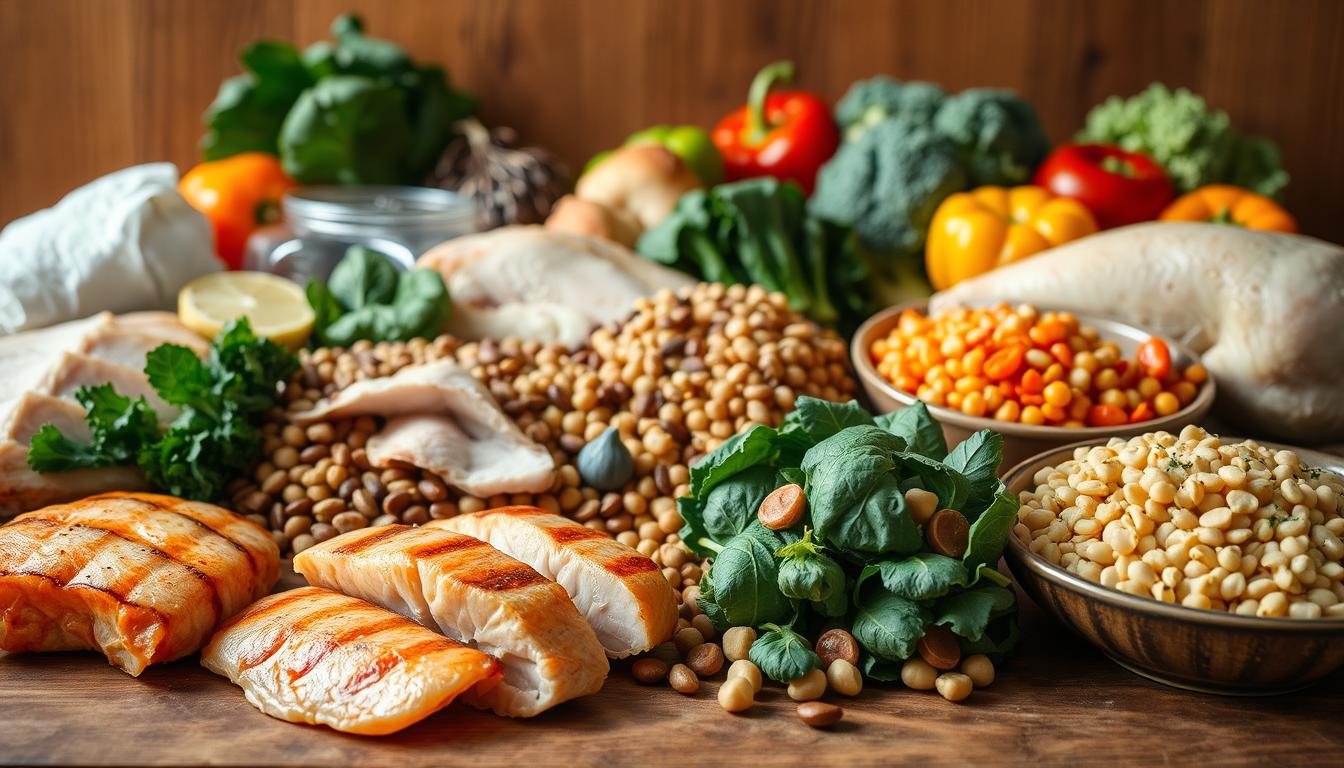
Protein needs 20-30% more energy to digest than carbs or fats. This “thermic effect” means your body burns calories just by digesting food. For instance, 100 calories of chicken breast burns 20-30 calories during digestion. This is more than the 5-10 calories burned by sugary snacks.
Best Sources for Metabolic Boost
Not all proteins are created equal for fat loss. Here are the top choices:
| Protein Source | Bioavailability | Digestion Speed | Best For |
|---|---|---|---|
| Whey Protein | 90-100% | Fast | Post-workout recovery |
| Salmon | 85-95% | Medium | Omega-3 fat burning |
| Lentils | 70-80% | Slow | Sustained energy |
Make these simple swaps to boost your metabolism:
- Replace breakfast cereal with scrambled eggs and spinach
- Swap deli meat for grilled tempeh in sandwiches
- Use Greek yogurt instead of sour cream in recipes
For the best results, pair proteins with fiber-rich veggies. This combo keeps blood sugar stable and doubles the thermic effect of your meals. Try a lentil stir-fry with broccoli or grilled fish over kale salad for a metabolism-boosting treat.
Power of Hydration for Fat Oxidation
Water is more than just a basic need—it’s a metabolic ally. Keeping your cells hydrated helps them break down fat efficiently. Even a little dehydration can slow this process down. Studies show drinking enough water can boost fat burning process by up to 30% during rest.
Cold Water Thermogenesis
Drinking cold water gives your metabolism an extra boost. Your body works to warm the water to body temperature, burning calories in the process. A study in The Journal of Clinical Endocrinology & Metabolism found drinking 500ml of cold water increased metabolic rate by 30% for 30-40 minutes.
Science Behind Temperature-Induced Calorie Burn

Your body uses energy to keep its temperature stable, a process called thermogenesis. Drinking 16oz of ice-cold water (39°F) burns about 15-20 calories as your body heats it up. This can lead to burning over 100 calories a day without any exercise.
| Water Temperature | Calories Burned per 500ml | Duration of Effect |
|---|---|---|
| Ice Cold (39°F) | 20-25 calories | 30-40 minutes |
| Room Temp (68°F) | 5-8 calories | 10-15 minutes |
| Warm (98°F) | 0-2 calories | No significant effect |
Hydration Strategy: Aim for 0.5-0.7oz of water per pound of body weight daily. A 150lb person needs 75-105oz:
- 16oz upon waking
- 8oz before each meal
- 4-6oz every hour between meals
Safety Note: Don’t drink more than 1 liter an hour to avoid hyponatremia. Eat foods rich in electrolytes like spinach or avocado with your water.
Strategic Meal Timing Approaches
When you eat can be as important as what you eat for weight management. Research shows that eating at the right times boosts fat burning and keeps muscle mass. This is key for sustainable weight loss.

Intermittent Fasting Protocols
Time-restricted eating patterns offer metabolic benefits. They extend your fasting window. Two methods are widely discussed in nutrition science:
16:8 vs 5:2 Methods Compared
The 16:8 method means fasting for 16 hours and eating for 8 hours daily. It’s great for those with regular schedules:
- Sample schedule: Noon-8 PM feeding period
- Focus on protein-rich meals to maintain muscle
- Natural appetite regulation through circadian alignment
The 5:2 method involves eating normally for five days and severely restricting calories (500-600) on two days. It offers:
- Potential for greater weekly calorie deficit
- Autophagy activation during low-calorie days
- Flexibility for social commitments
| Factor | 16:8 Method | 5:2 Method |
|---|---|---|
| Daily Commitment | High | Moderate |
| Calorie Tracking | Minimal | Essential on fast days |
| Muscle Retention | Excellent | Requires protein focus |
| Hormonal Impact | Improves insulin sensitivity | Boosts growth hormone |
“Women often respond better to shorter fasting windows (14-15 hours) compared to men, according to recent gender-specific studies.”
To avoid muscle loss during fasting:
- Consume 30g protein within first meal
- Maintain resistance training schedule
- Consider BCAA supplementation if fasting >16 hours
Both methods need personal adjustments. Watch your energy and recovery to find the best fit for you.
High-Intensity Interval Training (HIIT)
HIIT involves short, intense workouts followed by rest. This method sparks your metabolism, helping you burn fat long after you stop exercising. It’s not just effective; it changes how your body uses energy, making it key for accelerating fat burning in a lasting way.

EPOC – The Afterburn Effect
Excess Post-Exercise Oxygen Consumption (EPOC) is why HIIT burns calories for hours after you finish. Your body works extra hard to get oxygen back and fix muscles. This boosts calorie burn by 6–15% over steady cardio. The effect can last up to 24 hours, based on how hard you work out.
Optimal Workout Structures
Your fitness level guides the best HIIT plan. Start with 20–30-second sprints and 1–2-minute breaks if you’re new. More experienced athletes can try 1-minute sprints with 30-second breaks. Always focus on proper form to avoid injuries.
| Fitness Level | Interval Duration | Rest Period | Total Time |
|---|---|---|---|
| Beginner | 30 seconds | 90 seconds | 20 minutes |
| Intermediate | 45 seconds | 60 seconds | 25 minutes |
| Advanced | 60 seconds | 30 seconds | 30 minutes |
For safety, change high-impact moves like burpees to lower-impact ones if you need to. Using cycling or rowing machines can also ease joint stress while keeping the workout intense. Mix HIIT with strength training 2–3 times a week for the best results.
Strength Training for Metabolic Activation
Your body turns into a metabolic powerhouse with strategic resistance exercises. These exercises work multiple muscle groups at once. This leads to an oxygen debt, keeping your metabolism high even after you stop working out.

Compound Lifts Impact
Three key exercises offer unmatched metabolic benefits. Deadlifts, squats, and bench press engage 75% of your muscle mass each. Studies show they burn 30% more calories than machine-based workouts.
Deadlifts Squats Bench Press
Proper form is key for best results and safety. For deadlifts, keep your spine neutral and push through your heels. Squats need you to keep your chest up and knees over toes. Bench press requires shoulder blades to stay back to protect your joints.
| Exercise | Primary Muscles | Activation % | Band Alternative |
|---|---|---|---|
| Deadlift | Hamstrings, Glutes, Back | 89% | Stiff-Leg Band Pull |
| Squat | Quads, Core, Shoulders | 78% | Resistance Band Squat Press |
| Bench Press | Chest, Triceps, Front Delts | 82% | Floor Press with Bands |
The American College of Sports Medicine suggests 2-3 weekly strength sessions. Each should have 3-4 sets of 8-12 reps. If you can’t use gym equipment, resistance bands work well too. Make sure to eat enough protein to boost these exercises’ effects.
NEAT: Non-Exercise Activity Thermogenesis
Your daily routine has hidden ways to help you burn fat without going to the gym. Non-exercise activity thermogenesis (NEAT) is the energy used for daily activities like walking or cleaning. It can make up to 15% of the calories you burn each day.
A 2018 study found that office workers who moved more burned over 350 extra calories each day. This was compared to those who were less active.
Daily Movement Optimization
Making small changes in your daily routine can have big effects on your metabolism. Instead of focusing on long workouts, aim for small, consistent movements throughout the day.
Standing Desks & Walking Meetings

Standing burns 50% more calories than sitting. This means you could lose around 5.5 pounds every year if you stand for 40 hours a week. Here are some simple ways to upgrade your office:
- Alternate positions: Stand for 15 minutes every hour with timer alerts
- Step-tracking tech: Use Apple Watch or Fitbit to remind you to move every hour
- Mobile meetings: Take walking meetings to burn 150+ calories per hour
Use Parkinson’s Law to plan your activity. This law says that work expands to fill the time available. Set 10-minute breaks every 90 minutes with calendar alerts. This keeps your metabolism going and prevents mental burnout.
Sleep Quality and Fat Burning
Your body turns into a fat-burning machine when you sleep well. Poor sleep messes with hormone levels and cuts fat burning by up to 55%. This makes good sleep key for those wanting to increase metabolism naturally.
Cortisol Regulation During Rest
High cortisol at night stops fat loss by making glucose and storing fat. A 2019 study found people with high cortisol levels burned 20% less fat than those with balanced levels. “The body sees high cortisol as stress, so it saves energy instead of using it,” says Source 1’s study on sleep loss.

Deep sleep, including Stage 3 and REM, helps your body recover. During these times:
- Growth hormone levels are at their highest (fixing muscle)
- Insulin sensitivity goes up by 43% (Source 2)
- Fat burning is three times faster than in light sleep
Here are some tips to improve your sleep:
- Keep your bedroom at 65°F for better sleep
- Use blackout curtains to block out most light
- Install white noise machines for a quiet 40 dB
Try magnesium glycinate supplements 30 minutes before bed. They can make your sleep 25% deeper. Add apigenin from chamomile to help you fall asleep faster and keep your metabolism going.
Stress Management Techniques
Chronic stress not only drains your energy but also hinders fat burning. It raises cortisol levels, leading to fat storage, especially around the belly. This slows down your metabolism. By using stress-reduction strategies, you can help your body burn fat instead of storing it.

Mindfulness Meditation Practices
Research from Johns Hopkins University found that mindfulness meditation lowers cortisol by 14-25% in stressed people. Programs like Mindfulness-Based Stress Reduction (MBSR) show real results:
- 20% better insulin sensitivity after 8 weeks
- 15% less emotional eating
- More willpower for sticking to diets
“Daily meditation helps keep people 23% more active than those without it.”
Breathing Exercises for Cortisol Reduction
The 4-7-8 breathing method quickly controls cortisol:
- Inhale deeply through your nose for 4 seconds
- Hold breath while contracting core muscles for 7 seconds
- Exhale forcefully through pursed lips for 8 seconds
Wearable tech gives you feedback to improve these practices:
| Device | HRV Accuracy | Stress Alerts |
|---|---|---|
| Fitbit Sense 2 | 92% | Real-time ECG |
| Apple Watch Ultra | 89% | Blood oxygen tracking |
| Whoop 4.0 | 95% | Recovery analytics |
Combining these methods with your diet and exercise plan has a synergistic effect. Lower stress hormones make diet and exercise more effective for boosting metabolism.
Thermogenic Foods and Spices
Your kitchen has secret ingredients to help burn calories. Some foods and spices can make your body burn fat more efficiently. Let’s look at how chili peppers and spices can help your metabolism.

Capsaicin-Rich Ingredients
Capsaicin, found in chili peppers, can increase your daily calorie burn by up to 50 calories. The Scoville scale shows how spicy peppers are. Cayenne and habaneros have different benefits. Start with milder peppers if you’re not used to spicy food.
Chili Peppers Cayenne Recipes
Choose recipes based on how spicy you like them:
| Heat Level | Recipe Idea | Synergistic Additions |
|---|---|---|
| Mild | Cayenne-infused honey glaze | Apple cider vinegar + garlic |
| Medium | Turmeric-chili roasted chickpeas | Black pepper + olive oil |
| Hot | Spicy mango habanero salsa | Lime juice + cilantro |
Adding black pepper to capsaicin can boost nutrient absorption by 200%. Mixing it with turmeric adds extra anti-inflammatory benefits. A little cayenne in your morning eggs or post-workout soup can keep your metabolism going without being too spicy.
Supplements That Support Fat Loss
Adding specific nutrients to your fitness routine can help burn fat more efficiently. While no supplement can replace hard work, certain formulas can boost your results. Let’s look at ingredients backed by science and how to use them safely.
Evidence-Based Ingredients
Choosing the right fat burning supplements is crucial. Look for products with third-party certifications like NSF International or Informed Choice. These ensure the ingredients are accurate and pure. Here are three top ingredients with proven benefits:
Caffeine
Caffeine can increase your metabolic rate by 3–11% and improve workout performance. For the best results:
- Take 100–200mg 30 minutes before exercise
- Avoid doses above 400mg daily to prevent jitters
- Pair with L-theanine for smoother energy
L-Carnitine
L-Carnitine helps transport fatty acids into mitochondria for energy. Studies show:
- Effective dose: 1–3g daily
- Take with carbohydrates for better absorption
- Combine with aerobic exercise for optimal fat loss
CLA (Conjugated Linoleic Acid)
CLA, found in grass-fed meats, may reduce body fat by blocking fat cell growth. Key insights:
- 3.2–6.4g daily split across meals
- Effects appear after 6+ weeks of use
- Choose supplements with 80% active isomers
| Supplement | Optimal Timing | Synergy Pairings |
|---|---|---|
| Caffeine | Pre-workout | Green tea extract |
| L-Carnitine | With meals | Omega-3s (supports heart health) |
| CLA | Morning/evening | Chromium picolinate |
If you’re managing hunger, consider adding caffeine to appetite suppressants like glucomannan during calorie deficits. Always talk to your healthcare provider before mixing supplements, especially if you’re on medications.
Avoiding Metabolic Adaptation
Your body slows down its metabolism when it doesn’t get enough calories. This is a natural way it tries to survive. By changing how much you eat, you can keep your metabolism active. This helps you lose fat in a healthy way.
Calorie Cycling Strategies
Getting your metabolism tested can help you figure out how many calories you need. You can use DEXA scans or RMR measurements for this. A good plan might look like this:
- Weeks 1-3: Eat 15% fewer calories and make sure you get enough protein.
- Week 4: Eat maintenance calories and have carb refeed days.
- Keep adjusting your macros based on how you’re doing.
Refeed Days vs Diet Breaks
Long diets can lower your leptin and thyroid hormones. Here’s how to fight it:
| Refeed Days | Diet Breaks | |
|---|---|---|
| Purpose | Short-term hormone reset | Metabolic recovery |
| Duration | 1-2 days weekly | 7-14 days quarterly |
| Calorie Adjustment | +30-50% carbs | Maintenance calories |
| Hormonal Impact | Boosts leptin temporarily | Restores thyroid function |
Use refeed days when you feel tired during workouts. Take diet breaks if you hit a plateau. Mixing both can help you stay on track with your fat loss goals.
Conclusion
Effective fat loss comes from balancing five key areas: nutrition, training, recovery, hydration, and consistency. Eating whole foods high in protein and thermogenic ingredients like chili peppers boosts fat burning. Adding resistance training and HIIT workouts increases calorie burn.
Small daily choices lead to big success. Using standing desks and staying hydrated with tools like Hydro Flask can help. Sleep trackers like Whoop help manage stress hormones, leading to better habits over time.
For a personalized approach, try platforms like Ro.co. They offer doctor-designed weight management plans. These plans combine prescription therapies with lifestyle coaching to meet your needs.
Real change comes from consistent effort, not quick fixes. Use apps like MyFitnessPal to track progress and adjust your diet with Carbon Diet Coach. Stress management through Headspace’s meditations is also key. When you hit a plateau, don’t give up. Keep refining your approach based on evidence.
Your metabolism responds to consistent signals. Begin with small changes, like adding 10-minute walks or drinking green tea instead of sugary drinks. Every small step builds momentum towards lasting results.