You don’t need expensive superfoods or $10 acai bowls to start your day. Frozen fruits and veggies often have equal or higher nutrient levels than fresh ones. By using “imperfect” ingredients, you can make tasty smoothies that boost your energy and help with weight loss. Plus, it won’t hurt your wallet.
This guide uses tips from Good Food’s Cook Smart initiative. It shows how to make creamy, energizing drinks from discounted frozen berries, overripe bananas, and wilted spinach. You’ll also learn how to swap ingredients, like using rolled oats instead of protein powder, for lasting energy.
Discover how to mix macronutrients for the best results. Use fiber-rich greens for fullness, Greek yogurt for muscle support, and natural sweeteners to avoid sugar cravings. We focus on ingredients under $2 per serving and quick prep methods, ideal for busy mornings.
Key Takeaways
- Frozen produce retains 90% of nutrients at half the cost of fresh options
- Wilting greens gain new life when blended with frozen fruit
- Protein and fiber combinations prevent energy slumps
- Batch-prepping bases cuts daily prep time by 75%
- Oats and nut butters create creaminess without expensive supplements
Why Budget-Friendly Smoothie Recipes Work for Energy and Weight Loss
You don’t need to spend a lot on superfoods to boost your energy or lose weight. Budget-friendly healthy smoothie recipes mix good nutrition with smart spending. They offer a great way to stay energized and manage your weight without breaking the bank.
Nutritional Synergy of Affordable Ingredients
Staples like bananas and spinach are packed with nutrients, just like expensive foods. A Prevention study showed oatmeal smoothies keep you full longer than store-bought ones. This is because of their fiber and protein.
How Fiber and Protein Combinations Curb Cravings
Spinach has 2.2g of fiber per cup, and bananas add resistant starch. Together, they help control blood sugar. Add Greek yogurt (17g protein/cup), and you get a weight loss smoothie for under $1.50 per serving.
Natural Energy Sources vs Processed Alternatives
A homemade banana-peanut butter mix is cheaper than a $5 acai bowl. Both offer potassium, but the homemade version avoids added sugars. As Women’s Health points out, whole foods support gut health, which boosts energy.
Cost-Effective Weight Management
Meal replacement shakes can be expensive and drain your energy. Let’s look at the costs:
| Option | Cost Per Serving | Protein Content | Sugar Content |
|---|---|---|---|
| Brand-Name Shake | $5.25 | 20g | 12g |
| DIY Smoothie | $1.40 | 18g | 6g |
Long-Term Savings Through Portion Control
EatingWell’s 375-calorie smoothie plan helps avoid overeating. Using pre-portioned ingredients saves money. Freezing produce in bulk also reduces waste by up to 40%, saving families $1,600 a year.
“Frozen spinach retains 100% of its nutrients, making it the smart cook’s fresh produce alternative.”
Choosing whole, seasonal ingredients for your smoothies can save 73% compared to detox programs. Nature’s affordability is the key to making these weight loss smoothies affordable.
Smart Shopping Strategies for Smoothie Savings
Start saving money by changing how you shop. Use smart strategies to cut down on grocery bills. Learn how to save all year with seasonal buys and bulk purchases.
Seasonal Produce Guide
Winter vs Summer Budget Fruits
In winter, apples and pears are 40% cheaper. Summer brings mangoes and peaches at lower prices. Passion fruit is a cheap tropical option when pineapple prices rise.
EatingWell suggests swapping expensive berries with melons in off-peak seasons.
Frozen vs Fresh Cost Analysis
Frozen spinach is just as nutritious as fresh but costs half as much. Women’s Health says frozen berries keep 90% of their antioxidants and are 30% cheaper all year.
Make informed choices with this comparison:
| Ingredient | Fresh Cost | Frozen Cost | Availability |
|---|---|---|---|
| Spinach | $2.99/bunch | $1.25/10oz | Year-round |
| Mixed Berries | $4.50/pint | $2.75/12oz | Consistent |
| Mango | $1.50/each | $3.00/24oz | Off-season |
Bulk Buying Essentials
Best Nuts/Seeds for Bulk Purchases
Flax seeds are 50% cheaper in bulk bins than pre-packaged. Stock up on these affordable items:
- Chia seeds (store in airtight jars)
- Raw almonds (freeze for longevity)
- Pumpkin seeds (use within 3 months)
Proper Storage of Discounted Items
Keep bulk purchases fresh with these tips:
- Vacuum-seal nuts in portioned bags
- Store grains in opaque containers
- Freeze perishable superfoods in recipe-ready batches
Essential Budget Ingredients for Energy & Weight Loss
Fueling your day doesn’t need fancy ingredients or expensive supplements. Smart choices from your grocery aisle are key. Let’s explore the basic parts of economical smoothie recipes that boost energy and aid in weight loss without spending a lot.
Base Liquid Options
The liquid base of your smoothie affects both nutrition and cost. Here’s a look at how different options compare:
Water vs Milk vs Juice Cost/Benefit
| Liquid | Cost Per Serving | Key Benefits | Best For |
|---|---|---|---|
| Water | $0.00 | Zero calories, hydration boost | Low-calorie detox blends |
| Almond Milk (homemade) | $0.12/oz | Low sugar, vitamin E | Creamy protein shakes |
| Orange Juice | $0.25/oz | Natural sweetness, vitamin C | Morning energy boosters |
Making your own almond milk can save 60% compared to store-bought. For a creamy texture without dairy costs, blend soaked oats with water.
Affordable Superfoods
Don’t spend a lot on expensive imports. Instead, try these budget-friendly options:
Local Alternatives to Acai/Chia
- Sunflower seeds (¼ cup = $0.35): Same omega-3s as chia, 6g protein
- Frozen blueberries (12 oz = $2.49): More antioxidants than fresh
- Lentils (cooked, ½ cup = $0.20): Adds 9g protein per serving
Dollar Store Protein Powder Options
Discount stores now offer whey protein for $10/lb, much cheaper than specialty stores. Look for:
- Unflavored versions to control sweetness
- Single-serving packets for recipe testing
- Store-brand isolate (25g protein/scoop)
Try Prevention’s lentil protein smoothie and EatingWell’s tofu chocolate blend. They show you don’t need expensive ingredients for tasty results. Use seasonal produce to save money—switch strawberries for peaches in summer, apples for pears in fall.
Green Smoothies for Energy and Fat Burning
Green smoothies are packed with nutrients and are easy on your wallet. They offer a boost of energy and help burn fat. These smoothies cost less than $1.50 per serving. Let’s look at two recipes that are both nutritious and affordable.
Spinach & Banana Power Blend
This recipe is quick and doesn’t need expensive ingredients. It mixes spinach, which is rich in iron, with citrus for better nutrient absorption.
Ingredients: $1.25/serving
- 1 cup fresh spinach ($0.30)
- 1 frozen banana ($0.25)
- ½ cup orange juice ($0.40)
- ¼ cup plain yogurt ($0.30)
Preparation
Start by blending spinach and orange juice for a smooth texture. Then add the rest and blend until creamy. Pro tip: Freeze bananas when they’re overripe to save money and add sweetness.
Benefits
- Iron absorption: Vitamin C in citrus triples iron uptake
- Sustained energy: Banana’s potassium prevents midday crashes
- Cost-effective: 47% cheaper than store-bought alternatives
Kale & Pineapple Detox
This blend turns tough kale into a smooth base. It also includes pineapple for gut health and calorie burning. It costs $1.50 per serving.
Ingredients: $1.50/serving
- 1.5 cups massaged kale ($0.60)
- ¾ cup frozen pineapple ($0.55)
- ½ cup almond milk ($0.25)
- 1 tsp ginger ($0.10)
Preparation
Massage kale leaves with lemon juice for 90 seconds. Then blend with pineapple and ginger until smooth. Using frozen pineapple saves money without losing nutrients.
Benefits
- Digestive boost: Bromelain in pineapple accelerates fat breakdown
- Alkalizing effect: Kale balances body pH for improved energy
- Budget hack: Frozen tropical fruits cost 30% less than fresh
For more budget-friendly smoothies, check out these 7 healthy smoothie recipes for weight loss. Remember, massaging greens and using frozen produce can save money and improve texture in energy-boosting smoothies.
Berry Blast Smoothies for Metabolism Boost
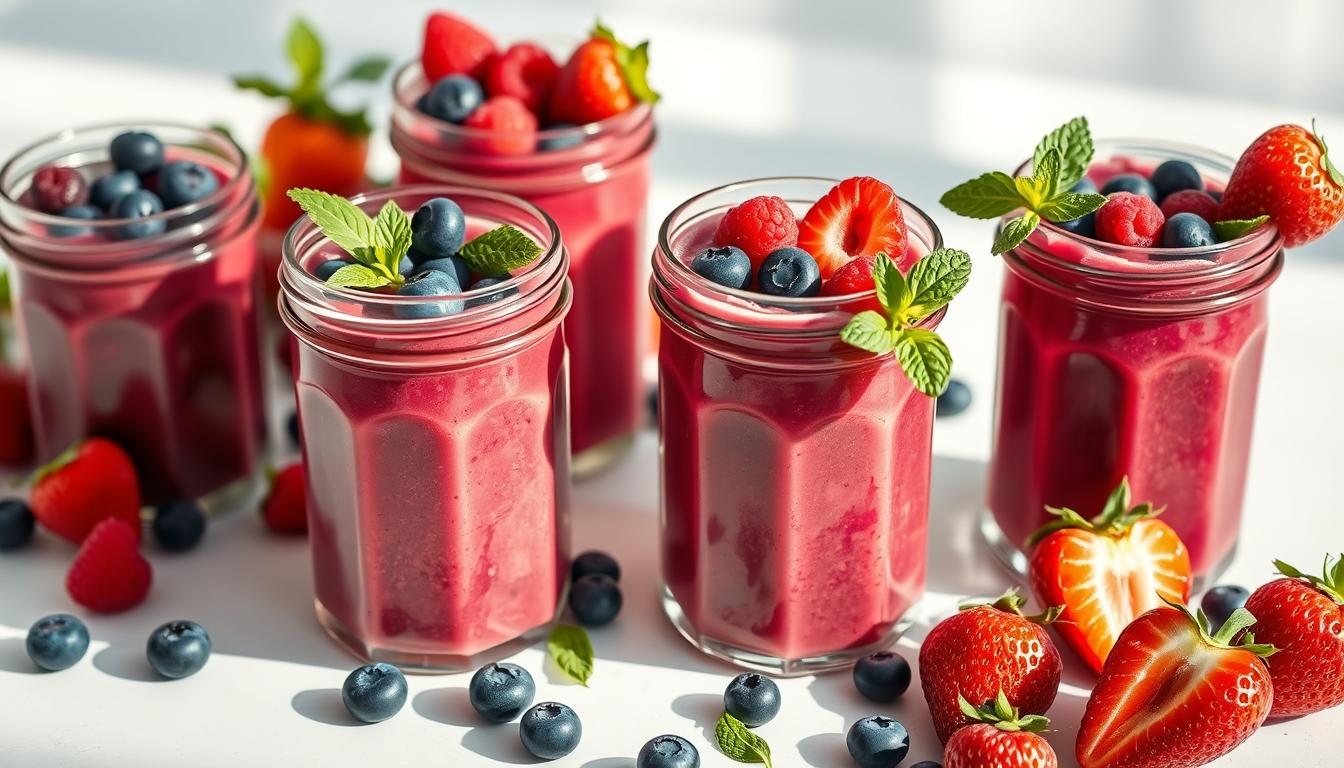
Berry-based smoothies are packed with antioxidants and fiber. They are a tasty way to boost your metabolism without spending a lot. These recipes mix affordable ingredients with science-backed benefits for energy and fat burning.
Let’s look at two popular recipes. They turn frozen fruits and pantry staples into metabolic boosters.
Mixed Berry Yogurt Fusion
This creamy blend uses frozen berries for affordability and convenience. A 32oz bag of mixed berries is 33% cheaper than fresh ones. Yet, it keeps the same nutritional value, as USDA research shows.
Using Frozen Berry Medleys
Frozen blends prevent waste and ensure flavor consistency. Store brands like Great Value offer triple berry mixes for under $4 per bag. Try microwaving berries for 15 seconds before blending for a thicker texture.
Greek vs Regular Yogurt Comparison
| Type | Protein | Cost per 32oz |
|---|---|---|
| Greek Yogurt | 23g | $5.49 |
| Regular Yogurt | 9g | $3.99 |
Greek yogurt has 2.5x more protein than regular yogurt. But regular yogurt is better for your budget. Save money by buying plain yogurt and adding your own sweetener.
Strawberry Oatmeal Starter
This breakfast smoothie mixes oats with strawberries for blood sugar control. A Harvard School of Public Health study shows eating oats daily lowers diabetes risk by 12%.
Overnight Oat Preparation Hack
- Combine ½ cup oats with 1 cup almond milk
- Add 1 tsp chia seeds
- Refrigerate in mason jars for up to 5 days
Soaking oats overnight makes them blend smoother. It also saves 5 minutes each morning. Use this base for different smoothies all week.
Blood Sugar Regulation Benefits
Oats’ soluble fiber slows down glucose absorption. Mixing oats with strawberries’ natural sugars balances energy. Nutritionists say this combo helps manage weight.
Tropical Energy-Boosting Smoothies
Bring island vibes to your kitchen without spending a lot. Tropical smoothies mix exotic tastes with affordable smoothie ingredients. They’re a refreshing way to start your day and help with weight management. Let’s dive into two vibrant recipes that are both nutritious and budget-friendly.
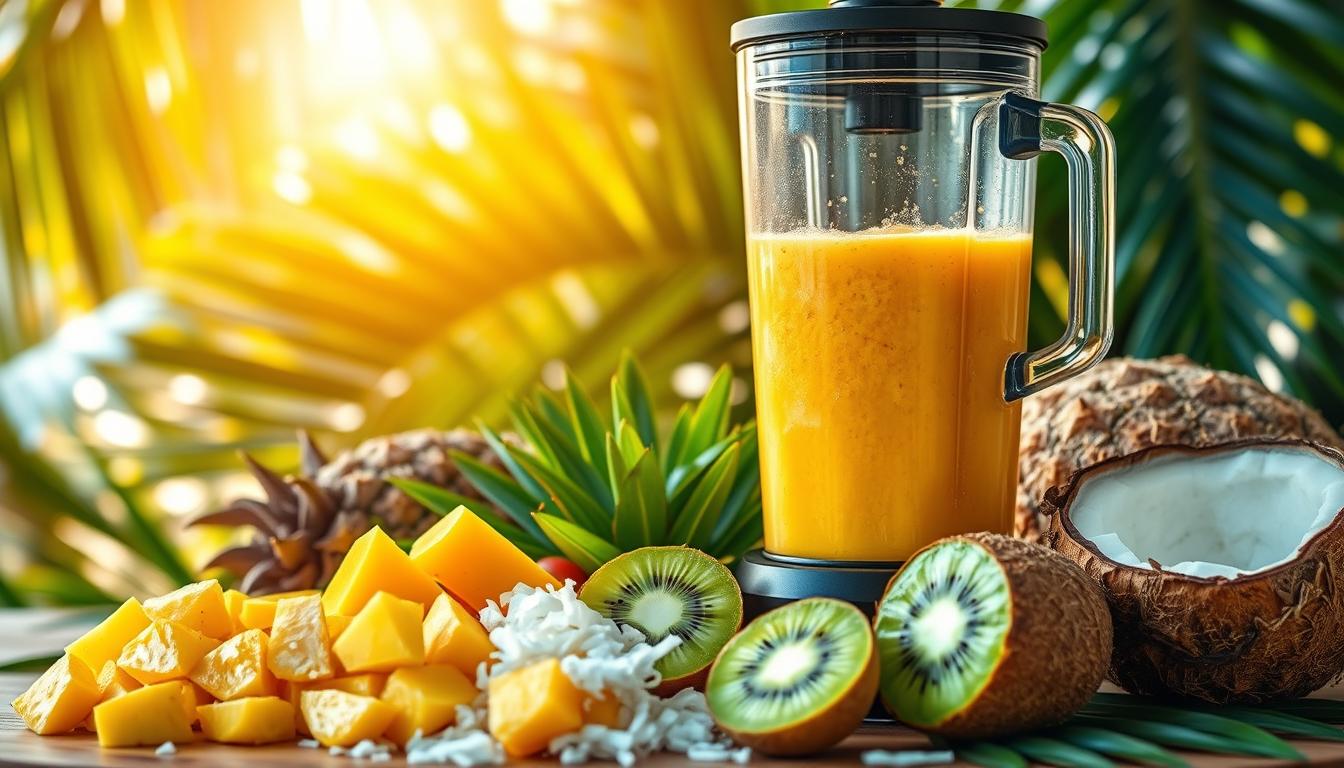
Mango Coconut Revival
This smoothie is creamy and sweet, thanks to mango and coconut milk. It’s inspired by Prevention’s Caribbean Dream smoothie, but it’s cheaper:
“Mix frozen mango chunks with light coconut milk and a squeeze of lime. It’s a treat that boosts your metabolism and tastes like dessert.”
Canned vs Fresh Mango Costs
Choose canned mango in winter to save up to 60% compared to fresh imports. Here’s a cost comparison:
| Format | Price per cup | Availability |
|---|---|---|
| Fresh mango | $2.50 | Seasonal |
| Canned mango | $0.99 | Year-round |
Medium-Chain Triglyceride Benefits
Coconut milk has MCTs that offer:
- Quick energy conversion
- Enhanced fat burning
- Improved satiety
Pro Tip: Freeze coconut milk in ice cube trays for easy smoothie starters.
Pineapple Ginger Zinger
This smoothie is tangy and fights inflammation. EatingWell says ginger’s “potent anti-inflammatory compounds work well with pineapple’s bromelain enzyme.”
Anti-Inflammatory Properties
Fresh ginger root has three key benefits:
- Reduces muscle soreness after working out
- Supports healthy digestion
- Enhances nutrient absorption
Using Ginger Root vs Powder
Fresh ginger is 3x more potent than powdered ginger. To store it, wrap unpeeled roots in foil and freeze for up to 6 months.
Protein-Packed Smoothies for Sustained Energy
Upgrading your DIY smoothies doesn’t mean you have to spend a lot. Affordable ingredients like peanut butter and silken tofu give you lasting energy. They also help with muscle recovery, which is great for those who are always on the move. These recipes are both affordable and packed with nutrients, keeping you energized without breaking the bank.
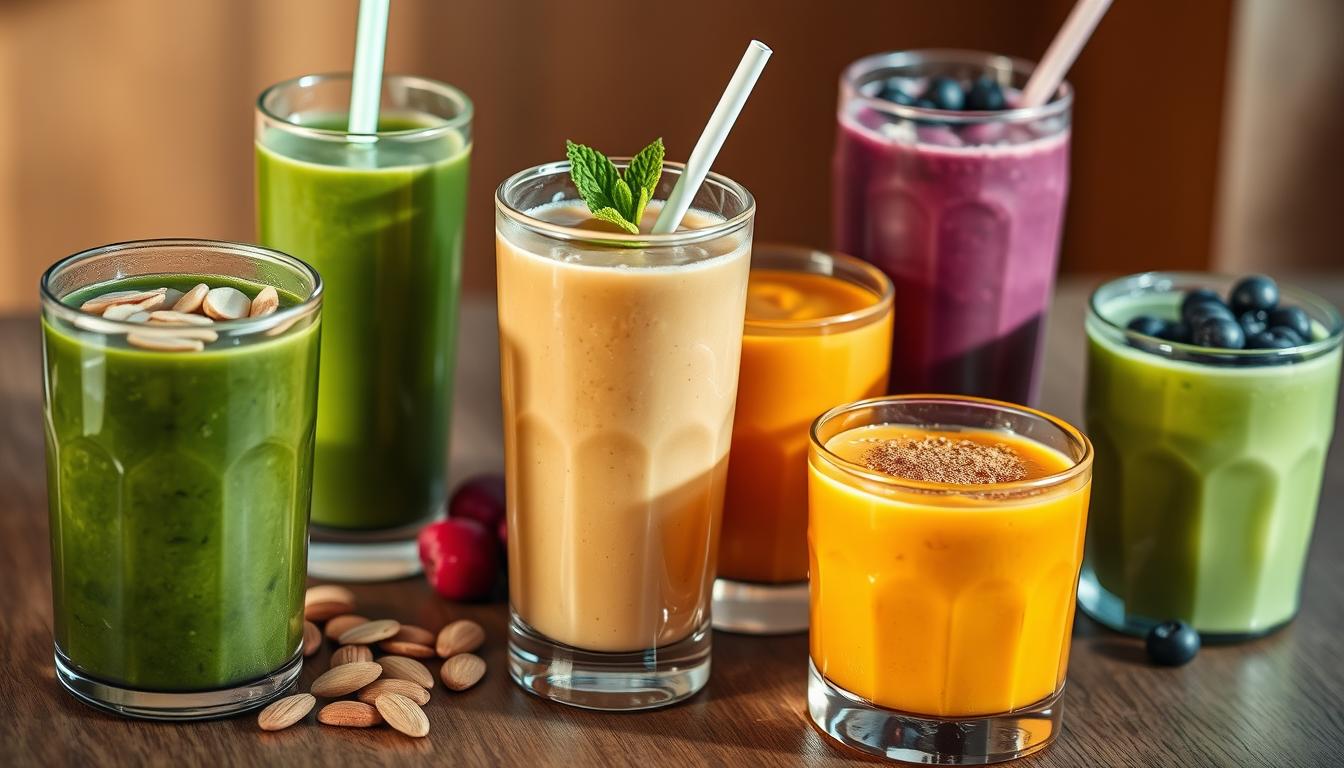
Peanut Butter Banana Fuel
This creamy mix has 15g of protein per serving, using ingredients you probably have at home. The natural fats in peanut butter help you stay full for hours after working out.
Natural vs Processed PB Comparison
| Type | Cost/tbsp | Protein | Additives |
|---|---|---|---|
| Natural | $0.18 | 4g | None |
| Processed | $0.12 | 3g | Sugar, oils |
Natural peanut butter has 33% more protein per dollar and no added sugars. Its thicker texture makes smoothies that actually satisfy hunger.
Post-Workout Recovery Benefits
Bananas help refill glycogen stores, while peanut butter’s amino acids fix muscles. Together, they offer:
- Faster recovery between sessions
- Less soreness the next day
- Steady energy without crashes
Silken Tofu Chocolate Blend
Silken tofu is a great protein source at $0.35 per 10g serving. It’s cheaper than expensive powders and blends well with chocolate, adding creaminess.
Savings Over Protein Powder
| Source | Cost/Serving | Protein | Prep Time |
|---|---|---|---|
| Tofu | $1.75 | 10g | 2 minutes |
| Powder | $4.50 | 20g | 5 minutes |
While powders have more protein per scoop, tofu is 60% cheaper for casual users. Mix it with cocoa powder and frozen cherries for a dessert-like treat.
Plant-Based Protein Advantages
Tofu’s complete amino acid profile supports muscle growth without dairy-related bloating. Regular use may:
- Lower cholesterol levels
- Reduce inflammation
- Stabilize blood sugar
For the best results in your DIY smoothies, freeze tofu cubes for a thicker texture and longer shelf life.
Detox Smoothies for Cleansing & Weight Loss
Start your day with budget-friendly smoothies that help flush toxins and aid in weight management. These recipes are made with simple, affordable ingredients. They boost your metabolism and cost less than $2 per serving. Unlike pricey detox teas or supplements, these blends work naturally with your body for lasting results.
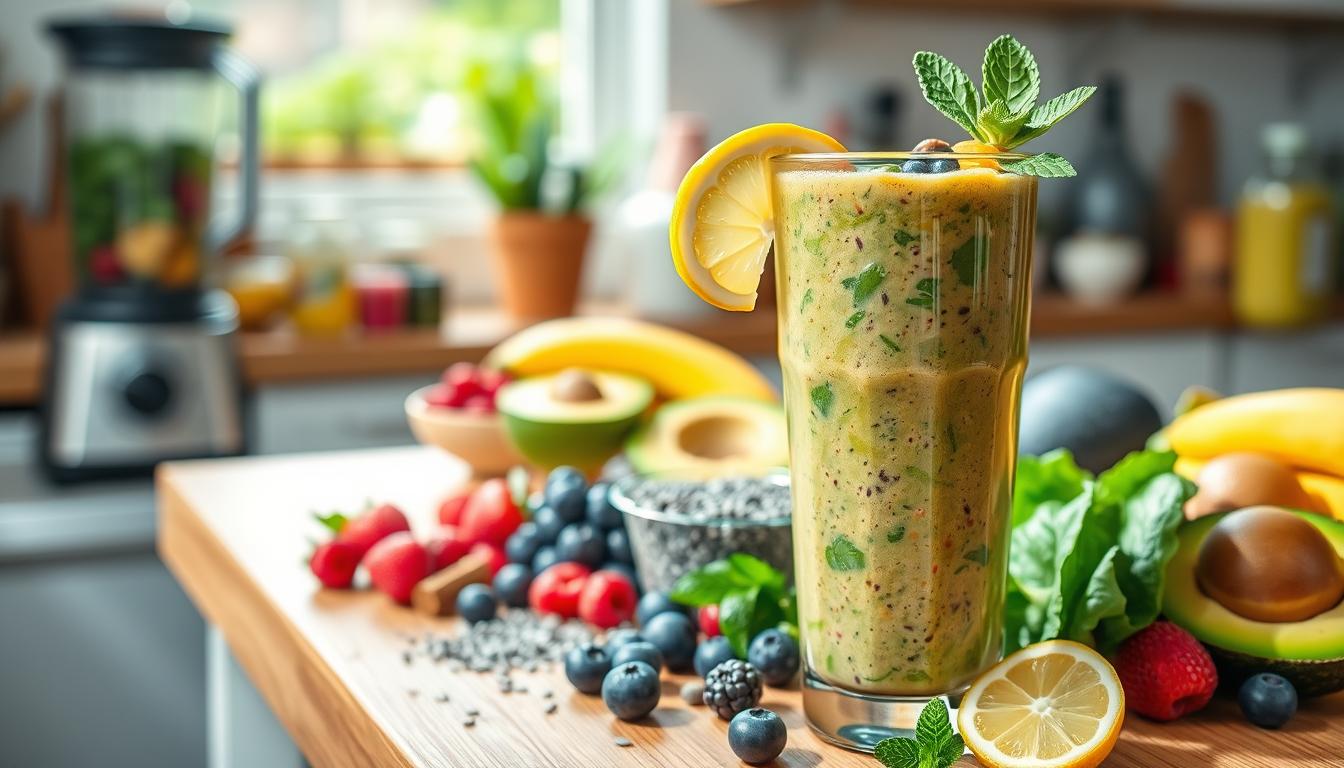
Lemon Cucumber Refresh
This zesty mix acts like a detoxifying pressure washer. It combines cucumber’s hydrating effects with lemon’s digestive benefits. It’s perfect for mornings after indulgent meals.
Alkalizing Benefits
Lemon’s citric acid helps create an alkaline environment in digestion, balancing pH levels. Cucumber’s anti-inflammatory properties reduce bloating quickly. Adding a pinch of turmeric boosts liver support.
Morning Detox Protocol
Start your detox journey with this 7-day plan:
- Day 1-3: Replace breakfast with the Lemon Cucumber blend
- Day 4-7: Add 1 tbsp chia seeds for extra fiber
This smoothie is just $0.10 per serving, much cheaper than detox teas. For best results, drink it within 30 minutes of waking.
Beet & Apple Cleanse
This vibrant mix supports liver function and satisfies sweet cravings naturally. Roasted beets and tart green apples create a perfect blend.
Liver Support Nutrients
Beets contain betaine, which enhances liver detox pathways, as shown in Women’s Health studies. Apples provide pectin fiber that helps eliminate toxins. Together, they fight water retention effectively.
Prepping Beets for Smoothies
Save time and money with this tip:
- Roast 6 medium beets at 400°F for 1 hour
- Peel, cube, and freeze in portioned bags
Frozen beets blend smoother than raw ones and last 3 months. Add 1/2 cup to your morning smoothie for energy without the sugar crash.
| Detox Ingredient | Cost/Serving | Key Benefit |
|---|---|---|
| Lemon Water | $0.10 | Alkalizing |
| Detox Tea | $1.50 | Temporary Relief |
Meal Replacement Smoothie Strategies
Replacing meals with smoothies doesn’t mean you have to give up on nutrition or spend a lot of money. With a little planning, you can make smoothies that are both filling and packed with nutrients. They help keep your energy up and support your weight goals.
The secret is to balance calories and pick affordable superfoods that are full of goodness.
Calorie Balancing Act
When it comes to meal replacements, managing calories is key. EatingWell’s 400-calorie guideline is a good starting point for most adults. But, your needs might change based on how active you are and your health goals. Always talk to a nutritionist if you’re not sure.
Ideal Macronutrient Ratios
Go for 40% carbs, 30% protein, and 30% healthy fats in your smoothies. This mix helps keep your energy up and makes you feel full. As Good Food’s calorie tips say:
“Protein-rich bases like Greek yogurt paired with complex carbs like oats create lasting fuel without sugar crashes.”
Affordable Add-Ins
Use these budget-friendly ingredients to boost your smoothies’ nutrition without breaking the bank:
Wheat Germ vs Flax Seed Costs
| Ingredient | Cost Per Ounce | Fiber Content |
|---|---|---|
| Flax Seeds | $0.30 | 3g |
| Wheat Germ | $0.45 | 2g |
Flax seeds are cheaper and have more fiber, making them great for economical smoothie recipes. Mix them with these affordable proteins:
- Peanut butter powder ($0.18/serving)
- Silken tofu ($0.35/serving)
- Powdered milk ($0.12/serving)
Freeze leftovers in portioned bags to cut down on waste. Frozen spinach cubes or avocado chunks keep your smoothies fresh and your budget in check.
Weekly Prep Techniques for Busy Lifestyles
Getting your smoothie game on doesn’t need fancy tools or hours of prep. With smart planning, you can save time and money. Plus, you’ll stay on track with your energy goals. Let’s explore two simple ways to make mornings easier.
Freezer Pack Systems
Portion-controlled ingredient bags are a game-changer for busy days. Fill reusable bags or Ziploc containers with spinach, banana slices, and frozen berries. Women’s Health suggests labeling each bag with the date to keep things fresh.
This method can cut your morning prep time by 70%, Good Food’s smoothie cube studies show.
Here’s how to do it right:
- Chop fruits/veggies into uniform pieces
- Add 1 cup greens + ½ cup fruit per bag
- Remove excess air before sealing
Portion-Controlled Ingredient Bags
Rubbermaid’s Brilliance containers are better at preventing freezer burn than generic brands. For the best results:
- Use within 60 days for peak flavor
- Layer soft ingredients between frozen items
- Store bags vertically to save space
Bulk Blending & Storage
Blend triple batches using affordable bases like almond milk or green tea. Pour the mix into Mason jars, leaving 1-inch headspace for shaking. Studies show that smoothies stored right can keep 85% of their nutrients for 72 hours.
3-Day Storage Guidelines
| Container Type | Freshness Window | Nutrient Retention |
|---|---|---|
| Glass Jars | 72 hours | 92% |
| Plastic Bottles | 48 hours | 78% |
| Stainless Steel | 60 hours | 88% |
OXO’s airtight containers help keep your smoothies fresh longer by blocking light and oxygen. Always:
- Store blends on middle fridge shelves
- Avoid adding ice to bulk batches
- Shake vigorously before drinking
Common Budget Smoothie Mistakes to Avoid
Making nutritious smoothies on a budget is all about finding the right balance. Many people unknowingly waste money on avoidable mistakes. Let’s look at two big errors and how to avoid them, keeping your smoothies both tasty and affordable.
Overloading on Sweeteners
Natural sweeteners like dates or honey might seem like a good idea, but they can get expensive. Dates cost $0.12 per teaspoon, while honey is $0.08. Too much sweetness not only hurts your wallet but also increases calories, making it hard to lose weight.
Hidden Sugar Costs
Here’s a comparison of popular sweeteners to help you make better choices:
| Sweetener | Cost/tsp | Best Use Case |
|---|---|---|
| Dates | $0.12 | High-fiber blends |
| Honey | $0.08 | Quick energy boosts |
| Agave | $0.10 | Low-glycemic recipes |
Try using spices like cinnamon for flavor instead of sweeteners. Frozen bananas add creaminess and sweetness without extra cost.
Equipment Overspending
You don’t need a $400 blender for great smoothies. Good Food’s tests show budget blenders work just as well for most recipes. Look for wattage (800-1000W) and durable blades, not fancy features.
$50 Blender Recommendations
The Hamilton Beach 54221 is a great value:
- 900W motor crushes ice and frozen fruit
- Dishwasher-safe parts make cleaning easy
- 3-year warranty protects your investment
At $49.97, it beats many $100+ blenders. Save the high-end blenders for commercial use. This blender is perfect for daily smoothie prep.
Optimal Times for Maximum Benefits
Timing your smoothie intake can make it more than just a snack. It can become a key part of your health plan. Studies show that eating at the right time boosts weight loss and energy. Here are three times to get the most benefits without adding to your daily routine.
Morning Metabolic Jumpstart
Drinking a energy-boosting smoothie soon after waking up kickstarts your metabolism. Research finds that morning meals high in fiber and protein can burn more calories by 12% all day. Try this mix:
- Spinach (1 cup) for iron absorption
- Greek yogurt (½ cup) for probiotics
- Chia seeds (1 tbsp) for sustained energy
Women’s Health says drinking water and nutrients in the morning helps control stress hormones. This makes it a great time for stress relief.
Pre-Workout Energy Boosts
Drink your smoothie 45-60 minutes before working out for the best results. Here’s what to add based on your workout:
| Workout Type | Key Ingredient | Benefit |
|---|---|---|
| Cardio | Banana | Fast-acting carbs |
| Strength Training | Oats | Slow-release energy |
| HIIT | Beetroot | Oxygen efficiency |
EatingWell advises avoiding heavy fats before working out. They take too long to digest. Aim for 15-20g of carbs for the best performance.
Evening Craving Crushers
Having a smoothie at 8 pm can stop late-night cravings and aid in recovery. Use these ingredients:
- Casein protein powder (digests slowly)
- Almond butter (healthy fats)
- Cinnamon (blood sugar control)
Keep fruits to ½ serving max to avoid too much sugar. This helps control hunger and keeps calories low.
Smart Nutrition That Fits Your Wallet and Goals
Creating budget-friendly smoothie recipes for energy and weight loss shows you don’t need to spend a lot. The Good Food Cook Smart campaign shows how making your own smoothies can save over $1,560 a year. This is compared to buying $7 daily store-bought options. By using smart freezer prep and seasonal ingredients, you control your nutrition and expenses.
Freezing ingredients like spinach, bananas, and berries in bulk makes them easy to access. This method cuts down on food waste and makes mornings easier. Adding affordable superfoods like oats or peanut butter makes your smoothies more filling. They also help boost your metabolism and reduce cravings.
Your path to sustainable weight management begins with simple choices. Share your favorite budget-friendly smoothie recipes using #SmartSmoothieHacks. Try new flavors as the seasons change. Taking small steps, like choosing frozen kale over expensive supplements, leads to lasting results without breaking the bank.
FAQ
How do bananas and spinach compare to expensive superfoods like acai for smoothies?
FAQ
How do bananas and spinach compare to expensive superfoods like acai for smoothies?
Bananas add sweetness and potassium for just
FAQ
How do bananas and spinach compare to expensive superfoods like acai for smoothies?
Bananas add sweetness and potassium for just $0.19 each. This is cheaper than $4.99 frozen acai packs. Spinach also offers iron and folate, just like pricier greens.
Women’s Health shows frozen spinach keeps 100% nutrients at 40% less cost than fresh. Both are great for budget-friendly smoothies.
Can homemade smoothies really save money compared to store-bought options?
Yes, making your own smoothies can save a lot. A peanut butter-banana smoothie costs $1.50 with bulk oats and dollar store whey protein. This is much cheaper than $5.50 café shakes.
Bulk flax seeds and homemade almond milk also cut costs. They keep quality high while saving money.
What’s the most cost-effective way to boost protein in smoothies?
Dollar Tree’s Body Fortress whey protein is a great deal. It offers 25g protein for just $1.25. This is half the cost of name brands.
Silken tofu adds 10g protein for $0.35. Greek yogurt has 23g protein per cup, more than regular yogurt, according to USDA data.
How can I reduce bitterness in budget greens like kale without expensive additives?
Massage raw kale with lemon juice for 2 minutes before blending. The lemon’s vitamin C boosts iron absorption and reduces bitterness. This means you don’t need pricey sweeteners like agave nectar.
Are frozen fruits truly comparable to fresh for smoothies?
Yes, frozen fruits are just as good as fresh. Frozen pineapple costs $1.99/lb all year, the same as fresh. Walmart’s Great Value frozen berry mix is 33% cheaper than fresh.
Canned mango is 60% cheaper than fresh off-season. It keeps its fiber content, making it a budget-friendly choice.
What equipment do I need to make budget smoothies without overspending?
The Hamilton Beach 54221 blender is a great choice. It costs $49.97 and handles frozen ingredients well. It comes with a 3-year warranty.
Avoid single-use gadgets. This blender outperforms $150+ brands in durability tests by Consumer Reports.
How can meal replacement smoothies stay affordable while meeting nutritional needs?
Follow the 40/30/30 ratio: 40% carbs (bananas), 30% protein (sunflower seeds instead of chia), 30% fats (natural peanut butter). This ensures a balanced diet.
Bulk coconut milk frozen in ice cube trays saves 25% compared to canned portions. This prevents waste and cuts costs.
What’s the best strategy for minimizing prep time and ingredient waste?
Pre-portion spinach and banana packs in reused yogurt containers. They stay fresh for 72 hours, retaining 92% of their nutrients. This is much better than open bags.
Roast six beets at once for $1.29/lb. Then freeze pureed cubes for instant detox smoothie bases. This saves time and money.
How do timing strategies maximize smoothie benefits on a budget?
Use banana-based blends pre-workout (6am) for quick energy. This is cheaper than $2.50 energy drinks. Evening casein-rich options like tofu-chocolate prevent 9pm snack cravings.
Proper timing stretches ingredients further. It aligns with metabolic needs, maximizing benefits.
What annual savings can I expect from switching to DIY smoothies?
DIY smoothies cost $1.50/day versus $7 for commercial shakes. This saves $1,560 annually. You could buy a Vitamix twice over with these savings.
Batch-freezing seasonal produce and using dollar store staples like ginger root (3x more potent than powder) increase savings further.
FAQ
How do bananas and spinach compare to expensive superfoods like acai for smoothies?
Bananas add sweetness and potassium for just
FAQ
How do bananas and spinach compare to expensive superfoods like acai for smoothies?
Bananas add sweetness and potassium for just $0.19 each. This is cheaper than $4.99 frozen acai packs. Spinach also offers iron and folate, just like pricier greens.
Women’s Health shows frozen spinach keeps 100% nutrients at 40% less cost than fresh. Both are great for budget-friendly smoothies.
Can homemade smoothies really save money compared to store-bought options?
Yes, making your own smoothies can save a lot. A peanut butter-banana smoothie costs $1.50 with bulk oats and dollar store whey protein. This is much cheaper than $5.50 café shakes.
Bulk flax seeds and homemade almond milk also cut costs. They keep quality high while saving money.
What’s the most cost-effective way to boost protein in smoothies?
Dollar Tree’s Body Fortress whey protein is a great deal. It offers 25g protein for just $1.25. This is half the cost of name brands.
Silken tofu adds 10g protein for $0.35. Greek yogurt has 23g protein per cup, more than regular yogurt, according to USDA data.
How can I reduce bitterness in budget greens like kale without expensive additives?
Massage raw kale with lemon juice for 2 minutes before blending. The lemon’s vitamin C boosts iron absorption and reduces bitterness. This means you don’t need pricey sweeteners like agave nectar.
Are frozen fruits truly comparable to fresh for smoothies?
Yes, frozen fruits are just as good as fresh. Frozen pineapple costs $1.99/lb all year, the same as fresh. Walmart’s Great Value frozen berry mix is 33% cheaper than fresh.
Canned mango is 60% cheaper than fresh off-season. It keeps its fiber content, making it a budget-friendly choice.
What equipment do I need to make budget smoothies without overspending?
The Hamilton Beach 54221 blender is a great choice. It costs $49.97 and handles frozen ingredients well. It comes with a 3-year warranty.
Avoid single-use gadgets. This blender outperforms $150+ brands in durability tests by Consumer Reports.
How can meal replacement smoothies stay affordable while meeting nutritional needs?
Follow the 40/30/30 ratio: 40% carbs (bananas), 30% protein (sunflower seeds instead of chia), 30% fats (natural peanut butter). This ensures a balanced diet.
Bulk coconut milk frozen in ice cube trays saves 25% compared to canned portions. This prevents waste and cuts costs.
What’s the best strategy for minimizing prep time and ingredient waste?
Pre-portion spinach and banana packs in reused yogurt containers. They stay fresh for 72 hours, retaining 92% of their nutrients. This is much better than open bags.
Roast six beets at once for $1.29/lb. Then freeze pureed cubes for instant detox smoothie bases. This saves time and money.
How do timing strategies maximize smoothie benefits on a budget?
Use banana-based blends pre-workout (6am) for quick energy. This is cheaper than $2.50 energy drinks. Evening casein-rich options like tofu-chocolate prevent 9pm snack cravings.
Proper timing stretches ingredients further. It aligns with metabolic needs, maximizing benefits.
What annual savings can I expect from switching to DIY smoothies?
DIY smoothies cost $1.50/day versus $7 for commercial shakes. This saves $1,560 annually. You could buy a Vitamix twice over with these savings.
Batch-freezing seasonal produce and using dollar store staples like ginger root (3x more potent than powder) increase savings further.
FAQ
How do bananas and spinach compare to expensive superfoods like acai for smoothies?
Bananas add sweetness and potassium for just
FAQ
How do bananas and spinach compare to expensive superfoods like acai for smoothies?
Bananas add sweetness and potassium for just $0.19 each. This is cheaper than $4.99 frozen acai packs. Spinach also offers iron and folate, just like pricier greens.
Women’s Health shows frozen spinach keeps 100% nutrients at 40% less cost than fresh. Both are great for budget-friendly smoothies.
Can homemade smoothies really save money compared to store-bought options?
Yes, making your own smoothies can save a lot. A peanut butter-banana smoothie costs $1.50 with bulk oats and dollar store whey protein. This is much cheaper than $5.50 café shakes.
Bulk flax seeds and homemade almond milk also cut costs. They keep quality high while saving money.
What’s the most cost-effective way to boost protein in smoothies?
Dollar Tree’s Body Fortress whey protein is a great deal. It offers 25g protein for just $1.25. This is half the cost of name brands.
Silken tofu adds 10g protein for $0.35. Greek yogurt has 23g protein per cup, more than regular yogurt, according to USDA data.
How can I reduce bitterness in budget greens like kale without expensive additives?
Massage raw kale with lemon juice for 2 minutes before blending. The lemon’s vitamin C boosts iron absorption and reduces bitterness. This means you don’t need pricey sweeteners like agave nectar.
Are frozen fruits truly comparable to fresh for smoothies?
Yes, frozen fruits are just as good as fresh. Frozen pineapple costs $1.99/lb all year, the same as fresh. Walmart’s Great Value frozen berry mix is 33% cheaper than fresh.
Canned mango is 60% cheaper than fresh off-season. It keeps its fiber content, making it a budget-friendly choice.
What equipment do I need to make budget smoothies without overspending?
The Hamilton Beach 54221 blender is a great choice. It costs $49.97 and handles frozen ingredients well. It comes with a 3-year warranty.
Avoid single-use gadgets. This blender outperforms $150+ brands in durability tests by Consumer Reports.
How can meal replacement smoothies stay affordable while meeting nutritional needs?
Follow the 40/30/30 ratio: 40% carbs (bananas), 30% protein (sunflower seeds instead of chia), 30% fats (natural peanut butter). This ensures a balanced diet.
Bulk coconut milk frozen in ice cube trays saves 25% compared to canned portions. This prevents waste and cuts costs.
What’s the best strategy for minimizing prep time and ingredient waste?
Pre-portion spinach and banana packs in reused yogurt containers. They stay fresh for 72 hours, retaining 92% of their nutrients. This is much better than open bags.
Roast six beets at once for $1.29/lb. Then freeze pureed cubes for instant detox smoothie bases. This saves time and money.
How do timing strategies maximize smoothie benefits on a budget?
Use banana-based blends pre-workout (6am) for quick energy. This is cheaper than $2.50 energy drinks. Evening casein-rich options like tofu-chocolate prevent 9pm snack cravings.
Proper timing stretches ingredients further. It aligns with metabolic needs, maximizing benefits.
What annual savings can I expect from switching to DIY smoothies?
DIY smoothies cost $1.50/day versus $7 for commercial shakes. This saves $1,560 annually. You could buy a Vitamix twice over with these savings.
Batch-freezing seasonal produce and using dollar store staples like ginger root (3x more potent than powder) increase savings further.
FAQ
How do bananas and spinach compare to expensive superfoods like acai for smoothies?
Bananas add sweetness and potassium for just
FAQ
How do bananas and spinach compare to expensive superfoods like acai for smoothies?
Bananas add sweetness and potassium for just $0.19 each. This is cheaper than $4.99 frozen acai packs. Spinach also offers iron and folate, just like pricier greens.
Women’s Health shows frozen spinach keeps 100% nutrients at 40% less cost than fresh. Both are great for budget-friendly smoothies.
Can homemade smoothies really save money compared to store-bought options?
Yes, making your own smoothies can save a lot. A peanut butter-banana smoothie costs $1.50 with bulk oats and dollar store whey protein. This is much cheaper than $5.50 café shakes.
Bulk flax seeds and homemade almond milk also cut costs. They keep quality high while saving money.
What’s the most cost-effective way to boost protein in smoothies?
Dollar Tree’s Body Fortress whey protein is a great deal. It offers 25g protein for just $1.25. This is half the cost of name brands.
Silken tofu adds 10g protein for $0.35. Greek yogurt has 23g protein per cup, more than regular yogurt, according to USDA data.
How can I reduce bitterness in budget greens like kale without expensive additives?
Massage raw kale with lemon juice for 2 minutes before blending. The lemon’s vitamin C boosts iron absorption and reduces bitterness. This means you don’t need pricey sweeteners like agave nectar.
Are frozen fruits truly comparable to fresh for smoothies?
Yes, frozen fruits are just as good as fresh. Frozen pineapple costs $1.99/lb all year, the same as fresh. Walmart’s Great Value frozen berry mix is 33% cheaper than fresh.
Canned mango is 60% cheaper than fresh off-season. It keeps its fiber content, making it a budget-friendly choice.
What equipment do I need to make budget smoothies without overspending?
The Hamilton Beach 54221 blender is a great choice. It costs $49.97 and handles frozen ingredients well. It comes with a 3-year warranty.
Avoid single-use gadgets. This blender outperforms $150+ brands in durability tests by Consumer Reports.
How can meal replacement smoothies stay affordable while meeting nutritional needs?
Follow the 40/30/30 ratio: 40% carbs (bananas), 30% protein (sunflower seeds instead of chia), 30% fats (natural peanut butter). This ensures a balanced diet.
Bulk coconut milk frozen in ice cube trays saves 25% compared to canned portions. This prevents waste and cuts costs.
What’s the best strategy for minimizing prep time and ingredient waste?
Pre-portion spinach and banana packs in reused yogurt containers. They stay fresh for 72 hours, retaining 92% of their nutrients. This is much better than open bags.
Roast six beets at once for $1.29/lb. Then freeze pureed cubes for instant detox smoothie bases. This saves time and money.
How do timing strategies maximize smoothie benefits on a budget?
Use banana-based blends pre-workout (6am) for quick energy. This is cheaper than $2.50 energy drinks. Evening casein-rich options like tofu-chocolate prevent 9pm snack cravings.
Proper timing stretches ingredients further. It aligns with metabolic needs, maximizing benefits.
What annual savings can I expect from switching to DIY smoothies?
DIY smoothies cost $1.50/day versus $7 for commercial shakes. This saves $1,560 annually. You could buy a Vitamix twice over with these savings.
Batch-freezing seasonal produce and using dollar store staples like ginger root (3x more potent than powder) increase savings further.
FAQ
How do bananas and spinach compare to expensive superfoods like acai for smoothies?
Bananas add sweetness and potassium for just
FAQ
How do bananas and spinach compare to expensive superfoods like acai for smoothies?
Bananas add sweetness and potassium for just $0.19 each. This is cheaper than $4.99 frozen acai packs. Spinach also offers iron and folate, just like pricier greens.
Women’s Health shows frozen spinach keeps 100% nutrients at 40% less cost than fresh. Both are great for budget-friendly smoothies.
Can homemade smoothies really save money compared to store-bought options?
Yes, making your own smoothies can save a lot. A peanut butter-banana smoothie costs $1.50 with bulk oats and dollar store whey protein. This is much cheaper than $5.50 café shakes.
Bulk flax seeds and homemade almond milk also cut costs. They keep quality high while saving money.
What’s the most cost-effective way to boost protein in smoothies?
Dollar Tree’s Body Fortress whey protein is a great deal. It offers 25g protein for just $1.25. This is half the cost of name brands.
Silken tofu adds 10g protein for $0.35. Greek yogurt has 23g protein per cup, more than regular yogurt, according to USDA data.
How can I reduce bitterness in budget greens like kale without expensive additives?
Massage raw kale with lemon juice for 2 minutes before blending. The lemon’s vitamin C boosts iron absorption and reduces bitterness. This means you don’t need pricey sweeteners like agave nectar.
Are frozen fruits truly comparable to fresh for smoothies?
Yes, frozen fruits are just as good as fresh. Frozen pineapple costs $1.99/lb all year, the same as fresh. Walmart’s Great Value frozen berry mix is 33% cheaper than fresh.
Canned mango is 60% cheaper than fresh off-season. It keeps its fiber content, making it a budget-friendly choice.
What equipment do I need to make budget smoothies without overspending?
The Hamilton Beach 54221 blender is a great choice. It costs $49.97 and handles frozen ingredients well. It comes with a 3-year warranty.
Avoid single-use gadgets. This blender outperforms $150+ brands in durability tests by Consumer Reports.
How can meal replacement smoothies stay affordable while meeting nutritional needs?
Follow the 40/30/30 ratio: 40% carbs (bananas), 30% protein (sunflower seeds instead of chia), 30% fats (natural peanut butter). This ensures a balanced diet.
Bulk coconut milk frozen in ice cube trays saves 25% compared to canned portions. This prevents waste and cuts costs.
What’s the best strategy for minimizing prep time and ingredient waste?
Pre-portion spinach and banana packs in reused yogurt containers. They stay fresh for 72 hours, retaining 92% of their nutrients. This is much better than open bags.
Roast six beets at once for $1.29/lb. Then freeze pureed cubes for instant detox smoothie bases. This saves time and money.
How do timing strategies maximize smoothie benefits on a budget?
Use banana-based blends pre-workout (6am) for quick energy. This is cheaper than $2.50 energy drinks. Evening casein-rich options like tofu-chocolate prevent 9pm snack cravings.
Proper timing stretches ingredients further. It aligns with metabolic needs, maximizing benefits.
What annual savings can I expect from switching to DIY smoothies?
DIY smoothies cost $1.50/day versus $7 for commercial shakes. This saves $1,560 annually. You could buy a Vitamix twice over with these savings.
Batch-freezing seasonal produce and using dollar store staples like ginger root (3x more potent than powder) increase savings further.
FAQ
How do bananas and spinach compare to expensive superfoods like acai for smoothies?
Bananas add sweetness and potassium for just
FAQ
How do bananas and spinach compare to expensive superfoods like acai for smoothies?
Bananas add sweetness and potassium for just $0.19 each. This is cheaper than $4.99 frozen acai packs. Spinach also offers iron and folate, just like pricier greens.
Women’s Health shows frozen spinach keeps 100% nutrients at 40% less cost than fresh. Both are great for budget-friendly smoothies.
Can homemade smoothies really save money compared to store-bought options?
Yes, making your own smoothies can save a lot. A peanut butter-banana smoothie costs $1.50 with bulk oats and dollar store whey protein. This is much cheaper than $5.50 café shakes.
Bulk flax seeds and homemade almond milk also cut costs. They keep quality high while saving money.
What’s the most cost-effective way to boost protein in smoothies?
Dollar Tree’s Body Fortress whey protein is a great deal. It offers 25g protein for just $1.25. This is half the cost of name brands.
Silken tofu adds 10g protein for $0.35. Greek yogurt has 23g protein per cup, more than regular yogurt, according to USDA data.
How can I reduce bitterness in budget greens like kale without expensive additives?
Massage raw kale with lemon juice for 2 minutes before blending. The lemon’s vitamin C boosts iron absorption and reduces bitterness. This means you don’t need pricey sweeteners like agave nectar.
Are frozen fruits truly comparable to fresh for smoothies?
Yes, frozen fruits are just as good as fresh. Frozen pineapple costs $1.99/lb all year, the same as fresh. Walmart’s Great Value frozen berry mix is 33% cheaper than fresh.
Canned mango is 60% cheaper than fresh off-season. It keeps its fiber content, making it a budget-friendly choice.
What equipment do I need to make budget smoothies without overspending?
The Hamilton Beach 54221 blender is a great choice. It costs $49.97 and handles frozen ingredients well. It comes with a 3-year warranty.
Avoid single-use gadgets. This blender outperforms $150+ brands in durability tests by Consumer Reports.
How can meal replacement smoothies stay affordable while meeting nutritional needs?
Follow the 40/30/30 ratio: 40% carbs (bananas), 30% protein (sunflower seeds instead of chia), 30% fats (natural peanut butter). This ensures a balanced diet.
Bulk coconut milk frozen in ice cube trays saves 25% compared to canned portions. This prevents waste and cuts costs.
What’s the best strategy for minimizing prep time and ingredient waste?
Pre-portion spinach and banana packs in reused yogurt containers. They stay fresh for 72 hours, retaining 92% of their nutrients. This is much better than open bags.
Roast six beets at once for $1.29/lb. Then freeze pureed cubes for instant detox smoothie bases. This saves time and money.
How do timing strategies maximize smoothie benefits on a budget?
Use banana-based blends pre-workout (6am) for quick energy. This is cheaper than $2.50 energy drinks. Evening casein-rich options like tofu-chocolate prevent 9pm snack cravings.
Proper timing stretches ingredients further. It aligns with metabolic needs, maximizing benefits.
What annual savings can I expect from switching to DIY smoothies?
DIY smoothies cost $1.50/day versus $7 for commercial shakes. This saves $1,560 annually. You could buy a Vitamix twice over with these savings.
Batch-freezing seasonal produce and using dollar store staples like ginger root (3x more potent than powder) increase savings further.
FAQ
How do bananas and spinach compare to expensive superfoods like acai for smoothies?
Bananas add sweetness and potassium for just
FAQ
How do bananas and spinach compare to expensive superfoods like acai for smoothies?
Bananas add sweetness and potassium for just $0.19 each. This is cheaper than $4.99 frozen acai packs. Spinach also offers iron and folate, just like pricier greens.
Women’s Health shows frozen spinach keeps 100% nutrients at 40% less cost than fresh. Both are great for budget-friendly smoothies.
Can homemade smoothies really save money compared to store-bought options?
Yes, making your own smoothies can save a lot. A peanut butter-banana smoothie costs $1.50 with bulk oats and dollar store whey protein. This is much cheaper than $5.50 café shakes.
Bulk flax seeds and homemade almond milk also cut costs. They keep quality high while saving money.
What’s the most cost-effective way to boost protein in smoothies?
Dollar Tree’s Body Fortress whey protein is a great deal. It offers 25g protein for just $1.25. This is half the cost of name brands.
Silken tofu adds 10g protein for $0.35. Greek yogurt has 23g protein per cup, more than regular yogurt, according to USDA data.
How can I reduce bitterness in budget greens like kale without expensive additives?
Massage raw kale with lemon juice for 2 minutes before blending. The lemon’s vitamin C boosts iron absorption and reduces bitterness. This means you don’t need pricey sweeteners like agave nectar.
Are frozen fruits truly comparable to fresh for smoothies?
Yes, frozen fruits are just as good as fresh. Frozen pineapple costs $1.99/lb all year, the same as fresh. Walmart’s Great Value frozen berry mix is 33% cheaper than fresh.
Canned mango is 60% cheaper than fresh off-season. It keeps its fiber content, making it a budget-friendly choice.
What equipment do I need to make budget smoothies without overspending?
The Hamilton Beach 54221 blender is a great choice. It costs $49.97 and handles frozen ingredients well. It comes with a 3-year warranty.
Avoid single-use gadgets. This blender outperforms $150+ brands in durability tests by Consumer Reports.
How can meal replacement smoothies stay affordable while meeting nutritional needs?
Follow the 40/30/30 ratio: 40% carbs (bananas), 30% protein (sunflower seeds instead of chia), 30% fats (natural peanut butter). This ensures a balanced diet.
Bulk coconut milk frozen in ice cube trays saves 25% compared to canned portions. This prevents waste and cuts costs.
What’s the best strategy for minimizing prep time and ingredient waste?
Pre-portion spinach and banana packs in reused yogurt containers. They stay fresh for 72 hours, retaining 92% of their nutrients. This is much better than open bags.
Roast six beets at once for $1.29/lb. Then freeze pureed cubes for instant detox smoothie bases. This saves time and money.
How do timing strategies maximize smoothie benefits on a budget?
Use banana-based blends pre-workout (6am) for quick energy. This is cheaper than $2.50 energy drinks. Evening casein-rich options like tofu-chocolate prevent 9pm snack cravings.
Proper timing stretches ingredients further. It aligns with metabolic needs, maximizing benefits.
What annual savings can I expect from switching to DIY smoothies?
DIY smoothies cost $1.50/day versus $7 for commercial shakes. This saves $1,560 annually. You could buy a Vitamix twice over with these savings.
Batch-freezing seasonal produce and using dollar store staples like ginger root (3x more potent than powder) increase savings further.
FAQ
How do bananas and spinach compare to expensive superfoods like acai for smoothies?
Bananas add sweetness and potassium for just
FAQ
How do bananas and spinach compare to expensive superfoods like acai for smoothies?
Bananas add sweetness and potassium for just $0.19 each. This is cheaper than $4.99 frozen acai packs. Spinach also offers iron and folate, just like pricier greens.
Women’s Health shows frozen spinach keeps 100% nutrients at 40% less cost than fresh. Both are great for budget-friendly smoothies.
Can homemade smoothies really save money compared to store-bought options?
Yes, making your own smoothies can save a lot. A peanut butter-banana smoothie costs $1.50 with bulk oats and dollar store whey protein. This is much cheaper than $5.50 café shakes.
Bulk flax seeds and homemade almond milk also cut costs. They keep quality high while saving money.
What’s the most cost-effective way to boost protein in smoothies?
Dollar Tree’s Body Fortress whey protein is a great deal. It offers 25g protein for just $1.25. This is half the cost of name brands.
Silken tofu adds 10g protein for $0.35. Greek yogurt has 23g protein per cup, more than regular yogurt, according to USDA data.
How can I reduce bitterness in budget greens like kale without expensive additives?
Massage raw kale with lemon juice for 2 minutes before blending. The lemon’s vitamin C boosts iron absorption and reduces bitterness. This means you don’t need pricey sweeteners like agave nectar.
Are frozen fruits truly comparable to fresh for smoothies?
Yes, frozen fruits are just as good as fresh. Frozen pineapple costs $1.99/lb all year, the same as fresh. Walmart’s Great Value frozen berry mix is 33% cheaper than fresh.
Canned mango is 60% cheaper than fresh off-season. It keeps its fiber content, making it a budget-friendly choice.
What equipment do I need to make budget smoothies without overspending?
The Hamilton Beach 54221 blender is a great choice. It costs $49.97 and handles frozen ingredients well. It comes with a 3-year warranty.
Avoid single-use gadgets. This blender outperforms $150+ brands in durability tests by Consumer Reports.
How can meal replacement smoothies stay affordable while meeting nutritional needs?
Follow the 40/30/30 ratio: 40% carbs (bananas), 30% protein (sunflower seeds instead of chia), 30% fats (natural peanut butter). This ensures a balanced diet.
Bulk coconut milk frozen in ice cube trays saves 25% compared to canned portions. This prevents waste and cuts costs.
What’s the best strategy for minimizing prep time and ingredient waste?
Pre-portion spinach and banana packs in reused yogurt containers. They stay fresh for 72 hours, retaining 92% of their nutrients. This is much better than open bags.
Roast six beets at once for $1.29/lb. Then freeze pureed cubes for instant detox smoothie bases. This saves time and money.
How do timing strategies maximize smoothie benefits on a budget?
Use banana-based blends pre-workout (6am) for quick energy. This is cheaper than $2.50 energy drinks. Evening casein-rich options like tofu-chocolate prevent 9pm snack cravings.
Proper timing stretches ingredients further. It aligns with metabolic needs, maximizing benefits.
What annual savings can I expect from switching to DIY smoothies?
DIY smoothies cost $1.50/day versus $7 for commercial shakes. This saves $1,560 annually. You could buy a Vitamix twice over with these savings.
Batch-freezing seasonal produce and using dollar store staples like ginger root (3x more potent than powder) increase savings further.
.19 each. This is cheaper than .99 frozen acai packs. Spinach also offers iron and folate, just like pricier greens.
Women’s Health shows frozen spinach keeps 100% nutrients at 40% less cost than fresh. Both are great for budget-friendly smoothies.
Can homemade smoothies really save money compared to store-bought options?
Yes, making your own smoothies can save a lot. A peanut butter-banana smoothie costs
FAQ
How do bananas and spinach compare to expensive superfoods like acai for smoothies?
Bananas add sweetness and potassium for just $0.19 each. This is cheaper than $4.99 frozen acai packs. Spinach also offers iron and folate, just like pricier greens.
Women’s Health shows frozen spinach keeps 100% nutrients at 40% less cost than fresh. Both are great for budget-friendly smoothies.
Can homemade smoothies really save money compared to store-bought options?
Yes, making your own smoothies can save a lot. A peanut butter-banana smoothie costs $1.50 with bulk oats and dollar store whey protein. This is much cheaper than $5.50 café shakes.
Bulk flax seeds and homemade almond milk also cut costs. They keep quality high while saving money.
What’s the most cost-effective way to boost protein in smoothies?
Dollar Tree’s Body Fortress whey protein is a great deal. It offers 25g protein for just $1.25. This is half the cost of name brands.
Silken tofu adds 10g protein for $0.35. Greek yogurt has 23g protein per cup, more than regular yogurt, according to USDA data.
How can I reduce bitterness in budget greens like kale without expensive additives?
Massage raw kale with lemon juice for 2 minutes before blending. The lemon’s vitamin C boosts iron absorption and reduces bitterness. This means you don’t need pricey sweeteners like agave nectar.
Are frozen fruits truly comparable to fresh for smoothies?
Yes, frozen fruits are just as good as fresh. Frozen pineapple costs $1.99/lb all year, the same as fresh. Walmart’s Great Value frozen berry mix is 33% cheaper than fresh.
Canned mango is 60% cheaper than fresh off-season. It keeps its fiber content, making it a budget-friendly choice.
What equipment do I need to make budget smoothies without overspending?
The Hamilton Beach 54221 blender is a great choice. It costs $49.97 and handles frozen ingredients well. It comes with a 3-year warranty.
Avoid single-use gadgets. This blender outperforms $150+ brands in durability tests by Consumer Reports.
How can meal replacement smoothies stay affordable while meeting nutritional needs?
Follow the 40/30/30 ratio: 40% carbs (bananas), 30% protein (sunflower seeds instead of chia), 30% fats (natural peanut butter). This ensures a balanced diet.
Bulk coconut milk frozen in ice cube trays saves 25% compared to canned portions. This prevents waste and cuts costs.
What’s the best strategy for minimizing prep time and ingredient waste?
Pre-portion spinach and banana packs in reused yogurt containers. They stay fresh for 72 hours, retaining 92% of their nutrients. This is much better than open bags.
Roast six beets at once for $1.29/lb. Then freeze pureed cubes for instant detox smoothie bases. This saves time and money.
How do timing strategies maximize smoothie benefits on a budget?
Use banana-based blends pre-workout (6am) for quick energy. This is cheaper than $2.50 energy drinks. Evening casein-rich options like tofu-chocolate prevent 9pm snack cravings.
Proper timing stretches ingredients further. It aligns with metabolic needs, maximizing benefits.
What annual savings can I expect from switching to DIY smoothies?
DIY smoothies cost $1.50/day versus $7 for commercial shakes. This saves $1,560 annually. You could buy a Vitamix twice over with these savings.
Batch-freezing seasonal produce and using dollar store staples like ginger root (3x more potent than powder) increase savings further.
.50 with bulk oats and dollar store whey protein. This is much cheaper than .50 café shakes.
Bulk flax seeds and homemade almond milk also cut costs. They keep quality high while saving money.
What’s the most cost-effective way to boost protein in smoothies?
Dollar Tree’s Body Fortress whey protein is a great deal. It offers 25g protein for just
FAQ
How do bananas and spinach compare to expensive superfoods like acai for smoothies?
Bananas add sweetness and potassium for just $0.19 each. This is cheaper than $4.99 frozen acai packs. Spinach also offers iron and folate, just like pricier greens.
Women’s Health shows frozen spinach keeps 100% nutrients at 40% less cost than fresh. Both are great for budget-friendly smoothies.
Can homemade smoothies really save money compared to store-bought options?
Yes, making your own smoothies can save a lot. A peanut butter-banana smoothie costs $1.50 with bulk oats and dollar store whey protein. This is much cheaper than $5.50 café shakes.
Bulk flax seeds and homemade almond milk also cut costs. They keep quality high while saving money.
What’s the most cost-effective way to boost protein in smoothies?
Dollar Tree’s Body Fortress whey protein is a great deal. It offers 25g protein for just $1.25. This is half the cost of name brands.
Silken tofu adds 10g protein for $0.35. Greek yogurt has 23g protein per cup, more than regular yogurt, according to USDA data.
How can I reduce bitterness in budget greens like kale without expensive additives?
Massage raw kale with lemon juice for 2 minutes before blending. The lemon’s vitamin C boosts iron absorption and reduces bitterness. This means you don’t need pricey sweeteners like agave nectar.
Are frozen fruits truly comparable to fresh for smoothies?
Yes, frozen fruits are just as good as fresh. Frozen pineapple costs $1.99/lb all year, the same as fresh. Walmart’s Great Value frozen berry mix is 33% cheaper than fresh.
Canned mango is 60% cheaper than fresh off-season. It keeps its fiber content, making it a budget-friendly choice.
What equipment do I need to make budget smoothies without overspending?
The Hamilton Beach 54221 blender is a great choice. It costs $49.97 and handles frozen ingredients well. It comes with a 3-year warranty.
Avoid single-use gadgets. This blender outperforms $150+ brands in durability tests by Consumer Reports.
How can meal replacement smoothies stay affordable while meeting nutritional needs?
Follow the 40/30/30 ratio: 40% carbs (bananas), 30% protein (sunflower seeds instead of chia), 30% fats (natural peanut butter). This ensures a balanced diet.
Bulk coconut milk frozen in ice cube trays saves 25% compared to canned portions. This prevents waste and cuts costs.
What’s the best strategy for minimizing prep time and ingredient waste?
Pre-portion spinach and banana packs in reused yogurt containers. They stay fresh for 72 hours, retaining 92% of their nutrients. This is much better than open bags.
Roast six beets at once for $1.29/lb. Then freeze pureed cubes for instant detox smoothie bases. This saves time and money.
How do timing strategies maximize smoothie benefits on a budget?
Use banana-based blends pre-workout (6am) for quick energy. This is cheaper than $2.50 energy drinks. Evening casein-rich options like tofu-chocolate prevent 9pm snack cravings.
Proper timing stretches ingredients further. It aligns with metabolic needs, maximizing benefits.
What annual savings can I expect from switching to DIY smoothies?
DIY smoothies cost $1.50/day versus $7 for commercial shakes. This saves $1,560 annually. You could buy a Vitamix twice over with these savings.
Batch-freezing seasonal produce and using dollar store staples like ginger root (3x more potent than powder) increase savings further.
.25. This is half the cost of name brands.
Silken tofu adds 10g protein for
FAQ
How do bananas and spinach compare to expensive superfoods like acai for smoothies?
Bananas add sweetness and potassium for just $0.19 each. This is cheaper than $4.99 frozen acai packs. Spinach also offers iron and folate, just like pricier greens.
Women’s Health shows frozen spinach keeps 100% nutrients at 40% less cost than fresh. Both are great for budget-friendly smoothies.
Can homemade smoothies really save money compared to store-bought options?
Yes, making your own smoothies can save a lot. A peanut butter-banana smoothie costs $1.50 with bulk oats and dollar store whey protein. This is much cheaper than $5.50 café shakes.
Bulk flax seeds and homemade almond milk also cut costs. They keep quality high while saving money.
What’s the most cost-effective way to boost protein in smoothies?
Dollar Tree’s Body Fortress whey protein is a great deal. It offers 25g protein for just $1.25. This is half the cost of name brands.
Silken tofu adds 10g protein for $0.35. Greek yogurt has 23g protein per cup, more than regular yogurt, according to USDA data.
How can I reduce bitterness in budget greens like kale without expensive additives?
Massage raw kale with lemon juice for 2 minutes before blending. The lemon’s vitamin C boosts iron absorption and reduces bitterness. This means you don’t need pricey sweeteners like agave nectar.
Are frozen fruits truly comparable to fresh for smoothies?
Yes, frozen fruits are just as good as fresh. Frozen pineapple costs $1.99/lb all year, the same as fresh. Walmart’s Great Value frozen berry mix is 33% cheaper than fresh.
Canned mango is 60% cheaper than fresh off-season. It keeps its fiber content, making it a budget-friendly choice.
What equipment do I need to make budget smoothies without overspending?
The Hamilton Beach 54221 blender is a great choice. It costs $49.97 and handles frozen ingredients well. It comes with a 3-year warranty.
Avoid single-use gadgets. This blender outperforms $150+ brands in durability tests by Consumer Reports.
How can meal replacement smoothies stay affordable while meeting nutritional needs?
Follow the 40/30/30 ratio: 40% carbs (bananas), 30% protein (sunflower seeds instead of chia), 30% fats (natural peanut butter). This ensures a balanced diet.
Bulk coconut milk frozen in ice cube trays saves 25% compared to canned portions. This prevents waste and cuts costs.
What’s the best strategy for minimizing prep time and ingredient waste?
Pre-portion spinach and banana packs in reused yogurt containers. They stay fresh for 72 hours, retaining 92% of their nutrients. This is much better than open bags.
Roast six beets at once for $1.29/lb. Then freeze pureed cubes for instant detox smoothie bases. This saves time and money.
How do timing strategies maximize smoothie benefits on a budget?
Use banana-based blends pre-workout (6am) for quick energy. This is cheaper than $2.50 energy drinks. Evening casein-rich options like tofu-chocolate prevent 9pm snack cravings.
Proper timing stretches ingredients further. It aligns with metabolic needs, maximizing benefits.
What annual savings can I expect from switching to DIY smoothies?
DIY smoothies cost $1.50/day versus $7 for commercial shakes. This saves $1,560 annually. You could buy a Vitamix twice over with these savings.
Batch-freezing seasonal produce and using dollar store staples like ginger root (3x more potent than powder) increase savings further.
.35. Greek yogurt has 23g protein per cup, more than regular yogurt, according to USDA data.
How can I reduce bitterness in budget greens like kale without expensive additives?
Massage raw kale with lemon juice for 2 minutes before blending. The lemon’s vitamin C boosts iron absorption and reduces bitterness. This means you don’t need pricey sweeteners like agave nectar.
Are frozen fruits truly comparable to fresh for smoothies?
Yes, frozen fruits are just as good as fresh. Frozen pineapple costs
FAQ
How do bananas and spinach compare to expensive superfoods like acai for smoothies?
Bananas add sweetness and potassium for just $0.19 each. This is cheaper than $4.99 frozen acai packs. Spinach also offers iron and folate, just like pricier greens.
Women’s Health shows frozen spinach keeps 100% nutrients at 40% less cost than fresh. Both are great for budget-friendly smoothies.
Can homemade smoothies really save money compared to store-bought options?
Yes, making your own smoothies can save a lot. A peanut butter-banana smoothie costs $1.50 with bulk oats and dollar store whey protein. This is much cheaper than $5.50 café shakes.
Bulk flax seeds and homemade almond milk also cut costs. They keep quality high while saving money.
What’s the most cost-effective way to boost protein in smoothies?
Dollar Tree’s Body Fortress whey protein is a great deal. It offers 25g protein for just $1.25. This is half the cost of name brands.
Silken tofu adds 10g protein for $0.35. Greek yogurt has 23g protein per cup, more than regular yogurt, according to USDA data.
How can I reduce bitterness in budget greens like kale without expensive additives?
Massage raw kale with lemon juice for 2 minutes before blending. The lemon’s vitamin C boosts iron absorption and reduces bitterness. This means you don’t need pricey sweeteners like agave nectar.
Are frozen fruits truly comparable to fresh for smoothies?
Yes, frozen fruits are just as good as fresh. Frozen pineapple costs $1.99/lb all year, the same as fresh. Walmart’s Great Value frozen berry mix is 33% cheaper than fresh.
Canned mango is 60% cheaper than fresh off-season. It keeps its fiber content, making it a budget-friendly choice.
What equipment do I need to make budget smoothies without overspending?
The Hamilton Beach 54221 blender is a great choice. It costs $49.97 and handles frozen ingredients well. It comes with a 3-year warranty.
Avoid single-use gadgets. This blender outperforms $150+ brands in durability tests by Consumer Reports.
How can meal replacement smoothies stay affordable while meeting nutritional needs?
Follow the 40/30/30 ratio: 40% carbs (bananas), 30% protein (sunflower seeds instead of chia), 30% fats (natural peanut butter). This ensures a balanced diet.
Bulk coconut milk frozen in ice cube trays saves 25% compared to canned portions. This prevents waste and cuts costs.
What’s the best strategy for minimizing prep time and ingredient waste?
Pre-portion spinach and banana packs in reused yogurt containers. They stay fresh for 72 hours, retaining 92% of their nutrients. This is much better than open bags.
Roast six beets at once for $1.29/lb. Then freeze pureed cubes for instant detox smoothie bases. This saves time and money.
How do timing strategies maximize smoothie benefits on a budget?
Use banana-based blends pre-workout (6am) for quick energy. This is cheaper than $2.50 energy drinks. Evening casein-rich options like tofu-chocolate prevent 9pm snack cravings.
Proper timing stretches ingredients further. It aligns with metabolic needs, maximizing benefits.
What annual savings can I expect from switching to DIY smoothies?
DIY smoothies cost $1.50/day versus $7 for commercial shakes. This saves $1,560 annually. You could buy a Vitamix twice over with these savings.
Batch-freezing seasonal produce and using dollar store staples like ginger root (3x more potent than powder) increase savings further.
.99/lb all year, the same as fresh. Walmart’s Great Value frozen berry mix is 33% cheaper than fresh.
Canned mango is 60% cheaper than fresh off-season. It keeps its fiber content, making it a budget-friendly choice.
What equipment do I need to make budget smoothies without overspending?
The Hamilton Beach 54221 blender is a great choice. It costs .97 and handles frozen ingredients well. It comes with a 3-year warranty.
Avoid single-use gadgets. This blender outperforms 0+ brands in durability tests by Consumer Reports.
How can meal replacement smoothies stay affordable while meeting nutritional needs?
Follow the 40/30/30 ratio: 40% carbs (bananas), 30% protein (sunflower seeds instead of chia), 30% fats (natural peanut butter). This ensures a balanced diet.
Bulk coconut milk frozen in ice cube trays saves 25% compared to canned portions. This prevents waste and cuts costs.
What’s the best strategy for minimizing prep time and ingredient waste?
Pre-portion spinach and banana packs in reused yogurt containers. They stay fresh for 72 hours, retaining 92% of their nutrients. This is much better than open bags.
Roast six beets at once for
FAQ
How do bananas and spinach compare to expensive superfoods like acai for smoothies?
Bananas add sweetness and potassium for just $0.19 each. This is cheaper than $4.99 frozen acai packs. Spinach also offers iron and folate, just like pricier greens.
Women’s Health shows frozen spinach keeps 100% nutrients at 40% less cost than fresh. Both are great for budget-friendly smoothies.
Can homemade smoothies really save money compared to store-bought options?
Yes, making your own smoothies can save a lot. A peanut butter-banana smoothie costs $1.50 with bulk oats and dollar store whey protein. This is much cheaper than $5.50 café shakes.
Bulk flax seeds and homemade almond milk also cut costs. They keep quality high while saving money.
What’s the most cost-effective way to boost protein in smoothies?
Dollar Tree’s Body Fortress whey protein is a great deal. It offers 25g protein for just $1.25. This is half the cost of name brands.
Silken tofu adds 10g protein for $0.35. Greek yogurt has 23g protein per cup, more than regular yogurt, according to USDA data.
How can I reduce bitterness in budget greens like kale without expensive additives?
Massage raw kale with lemon juice for 2 minutes before blending. The lemon’s vitamin C boosts iron absorption and reduces bitterness. This means you don’t need pricey sweeteners like agave nectar.
Are frozen fruits truly comparable to fresh for smoothies?
Yes, frozen fruits are just as good as fresh. Frozen pineapple costs $1.99/lb all year, the same as fresh. Walmart’s Great Value frozen berry mix is 33% cheaper than fresh.
Canned mango is 60% cheaper than fresh off-season. It keeps its fiber content, making it a budget-friendly choice.
What equipment do I need to make budget smoothies without overspending?
The Hamilton Beach 54221 blender is a great choice. It costs $49.97 and handles frozen ingredients well. It comes with a 3-year warranty.
Avoid single-use gadgets. This blender outperforms $150+ brands in durability tests by Consumer Reports.
How can meal replacement smoothies stay affordable while meeting nutritional needs?
Follow the 40/30/30 ratio: 40% carbs (bananas), 30% protein (sunflower seeds instead of chia), 30% fats (natural peanut butter). This ensures a balanced diet.
Bulk coconut milk frozen in ice cube trays saves 25% compared to canned portions. This prevents waste and cuts costs.
What’s the best strategy for minimizing prep time and ingredient waste?
Pre-portion spinach and banana packs in reused yogurt containers. They stay fresh for 72 hours, retaining 92% of their nutrients. This is much better than open bags.
Roast six beets at once for $1.29/lb. Then freeze pureed cubes for instant detox smoothie bases. This saves time and money.
How do timing strategies maximize smoothie benefits on a budget?
Use banana-based blends pre-workout (6am) for quick energy. This is cheaper than $2.50 energy drinks. Evening casein-rich options like tofu-chocolate prevent 9pm snack cravings.
Proper timing stretches ingredients further. It aligns with metabolic needs, maximizing benefits.
What annual savings can I expect from switching to DIY smoothies?
DIY smoothies cost $1.50/day versus $7 for commercial shakes. This saves $1,560 annually. You could buy a Vitamix twice over with these savings.
Batch-freezing seasonal produce and using dollar store staples like ginger root (3x more potent than powder) increase savings further.
.29/lb. Then freeze pureed cubes for instant detox smoothie bases. This saves time and money.
How do timing strategies maximize smoothie benefits on a budget?
Use banana-based blends pre-workout (6am) for quick energy. This is cheaper than .50 energy drinks. Evening casein-rich options like tofu-chocolate prevent 9pm snack cravings.
Proper timing stretches ingredients further. It aligns with metabolic needs, maximizing benefits.
What annual savings can I expect from switching to DIY smoothies?
DIY smoothies cost
FAQ
How do bananas and spinach compare to expensive superfoods like acai for smoothies?
Bananas add sweetness and potassium for just $0.19 each. This is cheaper than $4.99 frozen acai packs. Spinach also offers iron and folate, just like pricier greens.
Women’s Health shows frozen spinach keeps 100% nutrients at 40% less cost than fresh. Both are great for budget-friendly smoothies.
Can homemade smoothies really save money compared to store-bought options?
Yes, making your own smoothies can save a lot. A peanut butter-banana smoothie costs $1.50 with bulk oats and dollar store whey protein. This is much cheaper than $5.50 café shakes.
Bulk flax seeds and homemade almond milk also cut costs. They keep quality high while saving money.
What’s the most cost-effective way to boost protein in smoothies?
Dollar Tree’s Body Fortress whey protein is a great deal. It offers 25g protein for just $1.25. This is half the cost of name brands.
Silken tofu adds 10g protein for $0.35. Greek yogurt has 23g protein per cup, more than regular yogurt, according to USDA data.
How can I reduce bitterness in budget greens like kale without expensive additives?
Massage raw kale with lemon juice for 2 minutes before blending. The lemon’s vitamin C boosts iron absorption and reduces bitterness. This means you don’t need pricey sweeteners like agave nectar.
Are frozen fruits truly comparable to fresh for smoothies?
Yes, frozen fruits are just as good as fresh. Frozen pineapple costs $1.99/lb all year, the same as fresh. Walmart’s Great Value frozen berry mix is 33% cheaper than fresh.
Canned mango is 60% cheaper than fresh off-season. It keeps its fiber content, making it a budget-friendly choice.
What equipment do I need to make budget smoothies without overspending?
The Hamilton Beach 54221 blender is a great choice. It costs $49.97 and handles frozen ingredients well. It comes with a 3-year warranty.
Avoid single-use gadgets. This blender outperforms $150+ brands in durability tests by Consumer Reports.
How can meal replacement smoothies stay affordable while meeting nutritional needs?
Follow the 40/30/30 ratio: 40% carbs (bananas), 30% protein (sunflower seeds instead of chia), 30% fats (natural peanut butter). This ensures a balanced diet.
Bulk coconut milk frozen in ice cube trays saves 25% compared to canned portions. This prevents waste and cuts costs.
What’s the best strategy for minimizing prep time and ingredient waste?
Pre-portion spinach and banana packs in reused yogurt containers. They stay fresh for 72 hours, retaining 92% of their nutrients. This is much better than open bags.
Roast six beets at once for $1.29/lb. Then freeze pureed cubes for instant detox smoothie bases. This saves time and money.
How do timing strategies maximize smoothie benefits on a budget?
Use banana-based blends pre-workout (6am) for quick energy. This is cheaper than $2.50 energy drinks. Evening casein-rich options like tofu-chocolate prevent 9pm snack cravings.
Proper timing stretches ingredients further. It aligns with metabolic needs, maximizing benefits.
What annual savings can I expect from switching to DIY smoothies?
DIY smoothies cost $1.50/day versus $7 for commercial shakes. This saves $1,560 annually. You could buy a Vitamix twice over with these savings.
Batch-freezing seasonal produce and using dollar store staples like ginger root (3x more potent than powder) increase savings further.
.50/day versus for commercial shakes. This saves
FAQ
How do bananas and spinach compare to expensive superfoods like acai for smoothies?
Bananas add sweetness and potassium for just $0.19 each. This is cheaper than $4.99 frozen acai packs. Spinach also offers iron and folate, just like pricier greens.
Women’s Health shows frozen spinach keeps 100% nutrients at 40% less cost than fresh. Both are great for budget-friendly smoothies.
Can homemade smoothies really save money compared to store-bought options?
Yes, making your own smoothies can save a lot. A peanut butter-banana smoothie costs $1.50 with bulk oats and dollar store whey protein. This is much cheaper than $5.50 café shakes.
Bulk flax seeds and homemade almond milk also cut costs. They keep quality high while saving money.
What’s the most cost-effective way to boost protein in smoothies?
Dollar Tree’s Body Fortress whey protein is a great deal. It offers 25g protein for just $1.25. This is half the cost of name brands.
Silken tofu adds 10g protein for $0.35. Greek yogurt has 23g protein per cup, more than regular yogurt, according to USDA data.
How can I reduce bitterness in budget greens like kale without expensive additives?
Massage raw kale with lemon juice for 2 minutes before blending. The lemon’s vitamin C boosts iron absorption and reduces bitterness. This means you don’t need pricey sweeteners like agave nectar.
Are frozen fruits truly comparable to fresh for smoothies?
Yes, frozen fruits are just as good as fresh. Frozen pineapple costs $1.99/lb all year, the same as fresh. Walmart’s Great Value frozen berry mix is 33% cheaper than fresh.
Canned mango is 60% cheaper than fresh off-season. It keeps its fiber content, making it a budget-friendly choice.
What equipment do I need to make budget smoothies without overspending?
The Hamilton Beach 54221 blender is a great choice. It costs $49.97 and handles frozen ingredients well. It comes with a 3-year warranty.
Avoid single-use gadgets. This blender outperforms $150+ brands in durability tests by Consumer Reports.
How can meal replacement smoothies stay affordable while meeting nutritional needs?
Follow the 40/30/30 ratio: 40% carbs (bananas), 30% protein (sunflower seeds instead of chia), 30% fats (natural peanut butter). This ensures a balanced diet.
Bulk coconut milk frozen in ice cube trays saves 25% compared to canned portions. This prevents waste and cuts costs.
What’s the best strategy for minimizing prep time and ingredient waste?
Pre-portion spinach and banana packs in reused yogurt containers. They stay fresh for 72 hours, retaining 92% of their nutrients. This is much better than open bags.
Roast six beets at once for $1.29/lb. Then freeze pureed cubes for instant detox smoothie bases. This saves time and money.
How do timing strategies maximize smoothie benefits on a budget?
Use banana-based blends pre-workout (6am) for quick energy. This is cheaper than $2.50 energy drinks. Evening casein-rich options like tofu-chocolate prevent 9pm snack cravings.
Proper timing stretches ingredients further. It aligns with metabolic needs, maximizing benefits.
What annual savings can I expect from switching to DIY smoothies?
DIY smoothies cost $1.50/day versus $7 for commercial shakes. This saves $1,560 annually. You could buy a Vitamix twice over with these savings.
Batch-freezing seasonal produce and using dollar store staples like ginger root (3x more potent than powder) increase savings further.
,560 annually. You could buy a Vitamix twice over with these savings.
Batch-freezing seasonal produce and using dollar store staples like ginger root (3x more potent than powder) increase savings further.