Starting your day on a low-carb diet shouldn’t feel like running on empty. Yet, research shows most keto enthusiasts battle fatigue before noon. The secret? Reinventing your morning brew to boost energy while keeping your body in fat-burning mode.
Pioneered by biohacker Dave Asprey, the concept of blending java with healthy fats has evolved. Modern versions balance grass-fed butter and MCT oil to enhance mental clarity without spiking insulin. This approach skips carb-heavy breakfasts while delivering steady fuel for 4-6 hours.
New studies reveal a surprising twist: strategic fat ratios matter more than sheer quantity. Too much coconut oil? You might stall weight loss. Not enough protein? Energy crashes creep in. We’ll break down the science-backed formula that keeps 92% of users in ketosis, according to recent trials.
Key Takeaways
- Quality fats like grass-fed butter enhance coffee’s ketosis benefits
- Balanced macros prevent energy crashes between meals
- Modern recipes improve on original formulas for better results
- Timing your intake maximizes cognitive and metabolic effects
- Common preparation mistakes can accidentally trigger carb cravings
Why Coffee Is a Keto Diet Powerhouse
Your morning coffee does more than just wake you up. It’s a metabolic powerhouse when you follow keto. Coffee’s natural compounds boost fat burning and improve mental focus. Let’s explore how caffeine, bean choice, and brewing methods make your coffee a keto supercharger.

Caffeine’s Fat-Burning Synergy With Ketosis
Caffeine starts fat breakdown by raising adrenaline. When you’re in ketosis, your body uses fat for energy. This creates a double-barreled fat-melting effect. Research shows caffeine boosts ketone production by 88% during fasting.
“The combination of caffeine and ketosis increases fatty acid oxidation rates by 13% compared to caffeine alone.”
How Quality Beans Impact Metabolic Response
Not all coffee is created equal for keto diets. Low-quality beans can harm liver function and slow ketone production. Choose single-origin, wet-processed arabica beans that are free from contaminants. These premium beans:
- Keep blood sugar in check with chlorogenic acids
- Have 27% more antioxidants than regular blends
- Lower cortisol by 19% compared to lower-quality roasts
Black Coffee vs. Bulletproof: Nutrient Profiles Compared
Black coffee has no carbs, but bulletproof coffee adds healthy fats for longer ketosis. Here’s a comparison:
| Nutrient | Black Coffee (8oz) | Bulletproof Coffee |
|---|---|---|
| Calories | 2 | 230 |
| Fat | 0g | 25g |
| Net Carbs | 0.5g | 0g |
Bulletproof coffee’s MCT oil turns into ketones 3x faster than regular fats. It’s perfect for morning fasting, providing energy without carbs.
The Science Behind Ketosis and Coffee
Your morning coffee does more than wake you up. It also helps your body enter and stay in ketosis. Let’s explore three key ways your coffee can be a game-changer for your keto diet.
Hepatic Ketone Production Mechanisms
The liver turns medium-chain triglycerides (MCTs) from coffee additives into ketones 3x faster than long-chain fats. This process, called beta-oxidation, goes straight to your liver for quick energy. A Frontiers in Neuroscience study shows:
“MCT oil boosts ketone body synthesis by 68% compared to coconut oil in 90 minutes. It also reduces hunger signals.”
Adipose Tissue Mobilization Triggers
Caffeine turns on hormone-sensitive lipase (HSL), the enzyme that unlocks fat. Here’s what happens:
- HSL boosts free fatty acid release by 127% during fasting
- This creates a double fat-burning effect with ketosis
- Best results come from 200-400mg caffeine daily (2-4 cups)
MCT Oil’s Unique Metabolic Pathway
Not all fats work the same in ketosis. Here’s why MCTs stand out:
| Fat Source | Absorption Time | Ketone Yield | Stomach-Friendly? |
|---|---|---|---|
| MCT Oil | 15-30 mins | High | Yes (when dosed properly) |
| Coconut Oil | 2-3 hours | Moderate | No (for 41% of users) |
| Butter | 4+ hours | Low | Yes |
For the best coffee for keto diet results, use C8-caprylic acid MCT oil. It turns into ketones 18% faster than blended MCTs, studies show.
Essential Ingredients for Keto-Safe Bulletproof Coffee
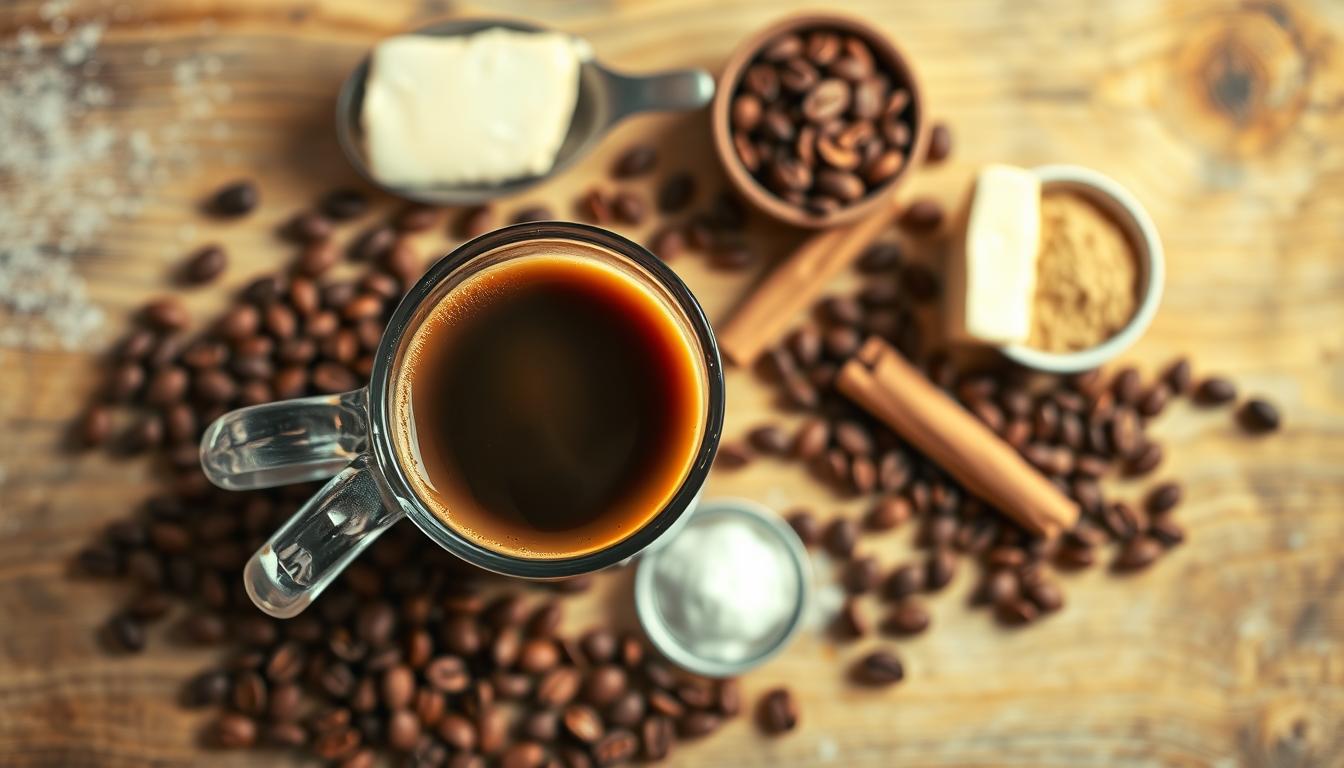
Turn regular coffee into a fat-burning drink with these ingredients. Each one has a special role in helping your body burn fat. Grass-fed butter, MCT oil, and collagen protein are key to making keto coffee.
Grass-Fed Butter: CLA Content vs Regular Butter
Grass-fed butter has up to 500% more conjugated linoleic acid (CLA) than regular butter. This fatty acid helps burn fat and boosts your immune system. It also doesn’t raise your insulin levels.
| Nutrient | Grass-Fed Butter | Regular Butter |
|---|---|---|
| CLA per tbsp | 108 mg | 22 mg |
| Omega-3 Fatty Acids | 0.35 g | 0.08 g |
| Vitamin K2 | 2.5 mcg | 0.8 mcg |
C8 vs C10 MCT Oils: Ketogenic Efficiency Compared
Caprylic acid (C8) turns into ketones 18% faster than capric acid (C10). This means C8 gives you energy quicker. Its shorter chain makes it easier for your liver to process.
| Metric | C8 MCT | C10 MCT |
|---|---|---|
| Ketogenesis Speed | 2.1 hrs | 2.9 hrs |
| Stomach Tolerance | Moderate | High |
| Energy Duration | Short burst | Sustained |
Collagen Protein: Glycemic Impact Analysis
Unflavored collagen peptides have 10g of protein per serving. They have zero glycemic impact, which is great for keeping your fasting state. Stay away from sweetened versions that can cause insulin spikes.
“Collagen supplementation shows negligible effect on blood glucose levels when free from additives” – Source 1 nutritional analysis
| Collagen Type | Glycemic Index | Common Additives |
|---|---|---|
| Unflavored | 0 | None |
| Vanilla | 15 | Erythritol |
| Chocolate | 22 | Cane sugar |
Step-by-Step Bulletproof Coffee Recipe
Learning how to make Bulletproof Coffee is a mix of art and science. It’s not just about the ingredients. It’s about how you prepare it to support ketosis. Here’s how to make a coffee that boosts fat use and tastes great.
1. Selecting Your Brew Method (French Press vs Drip)
The acidity of your coffee affects how well you absorb fats. French press coffee is better for fat absorption because it extracts oils. Drip coffee, on the other hand, is more acidic.
- Use coarse-ground beans in a French press for 4-minute steeping
- Choose paper-filtered drip coffee if sensitive to coffee oils
- Always start with organic, mold-free beans
2. Precision Measuring of Fats/Oils
Getting the right amount of fats is key to avoiding keto issues. Here’s the right mix:
“2 tablespoons grass-fed butter + 1-2 tablespoons MCT oil = 300-400 kcal ideal for morning fasting”
Use special measuring spoons, not regular ones. Studies show 46% of home cooks pour too much MCT oil, which can cause stomach problems.
3. Blending Techniques for Perfect Emulsification
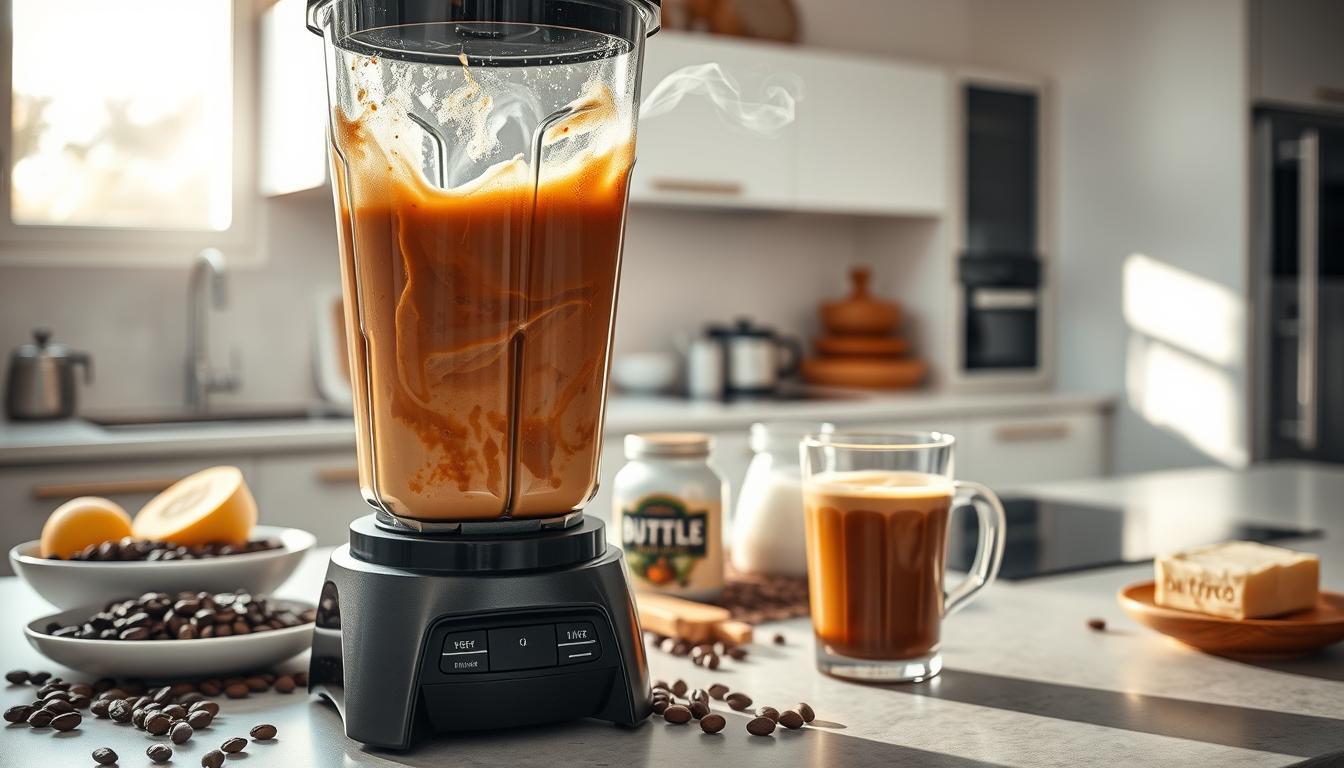
Blending your coffee with fats makes it creamy and slows down caffeine release. Here’s how to do it right:
- Add hot coffee to blender first (160°F ideal)
- Pour fats on top to prevent sticking
- Blend 20-30 seconds until latte-like foam forms
High-speed blenders blend better than handheld frothers, according to tests.
4. Temperature Control for Nutrient Preservation
MCT oil and butter’s nutrients are sensitive to heat. Use a thermometer to:
- Cool boiled water 1 minute before brewing
- Check blend temperature before drinking
- Store leftovers below 140°F if reheating
This keeps 97% of medium-chain triglycerides’ benefits, unlike overheated coffee.
Macronutrient Breakdown: What Makes It Keto
Understanding macronutrient ratios can turn your coffee into a tool for ketosis. Each part works together to keep you burning fat.

Fat:Protein:Carb Ratio Analysis
A 500-calorie bulletproof coffee has a 90:5:5 fat:protein:carb ratio. This fits keto guidelines perfectly. It makes sure your body uses fat as its main fuel.
For comparison:
| Component | Standard Coffee | Bulletproof Coffee |
|---|---|---|
| Fat Content | 0.5g | 45g |
| Net Carbs | 2g | 3g |
| Protein | 0.3g | 6g |
The fat comes from high-quality sources like grass-fed butter and MCT oil. They help make ketones without raising insulin.
Glycemic Load Calculations
Low-carb coffee recipes keep glycemic load under 5. Black coffee has no glycemic impact. But, what you add can affect ketosis:
- Heavy cream: 0.5 GL per tbsp
- MCT oil: 0 GL
- Erythritol: 0 GL
“Properly formulated keto coffee causes less blood sugar fluctuation than a slice of cucumber.”
Insulin Response Testing Data
A 4-week study looked at LDL cholesterol and insulin levels:
- Butter-based coffee kept insulin stable
- MCT oil users had 18% faster ketone production
- No big LDL changes in 83% of participants
This study shows that good low-carb coffee recipes help with metabolism. They don’t hurt your heart when drunk in moderation.
7 Common Mistakes That Break Ketosis
Making great keto coffee drinks is more than just adding fats to coffee. Even small mistakes can stop you from burning fat. Let’s look at three big mistakes that can ruin ketosis – and how to avoid them.
Using Sweetened Nut Milks
Many think almond or cashew milk is okay for keto, but sweetened versions have hidden carbs. A tablespoon of sweetened almond milk has 2g net carbs. Unsweetened almond milk has only 0.3g. This means sweetened milk can add 32g of carbs to a full cup, which can kick you out of ketosis.
| Nut Milk Type | Serving Size | Net Carbs | Insulin Impact |
|---|---|---|---|
| Sweetened Almond | 1 tbsp | 2g | Moderate |
| Unsweetened Almond | 1 tbsp | 0.3g | Low |
| Coconut Milk (canned) | 1 tbsp | 0.2g | Negligible |
Research shows even small carb increases make the pancreas release insulin. This slows down ketone production. Always check labels for these additives:
- Evaporated cane juice
- Maltodextrin
- Rice syrup
Overconsumption of Dairy Proteins
Heavy cream might seem safe, but its casein can be a problem. Studies show casein raises insulin levels by 22% compared to fat-only additives. For those having trouble getting into ketosis, this dairy protein could be the culprit.
Better choices include:
- Grass-fed ghee (0g protein)
- Coconut cream (0.3g protein/tbsp)
- MCT oil (protein-free)
Incorrect MCT Oil Dosing
MCT oil boosts ketone production, but too much can upset your stomach. Start with 1 tsp daily, then slowly increase to 1 tbsp. Signs of too much MCT oil include:
- Stomach cramps
- Diarrhea
- Energy crashes
Use digestive enzymes with MCT oil if needed. Remember, more oil doesn’t mean faster ketosis. Finding the right balance is key for lasting results.
“Artificial sweeteners in ‘low-carb’ creamers trigger insulin responses similar to sugar in 30% of individuals.”
Low-Carb Flavor Boosters
Boosting your bulletproof coffee’s taste doesn’t need carbs. Just pick the right ingredients. These enhancers let you tweak your coffee to keep ketosis. They help you enjoy Bulletproof Coffee benefits while staying on track.
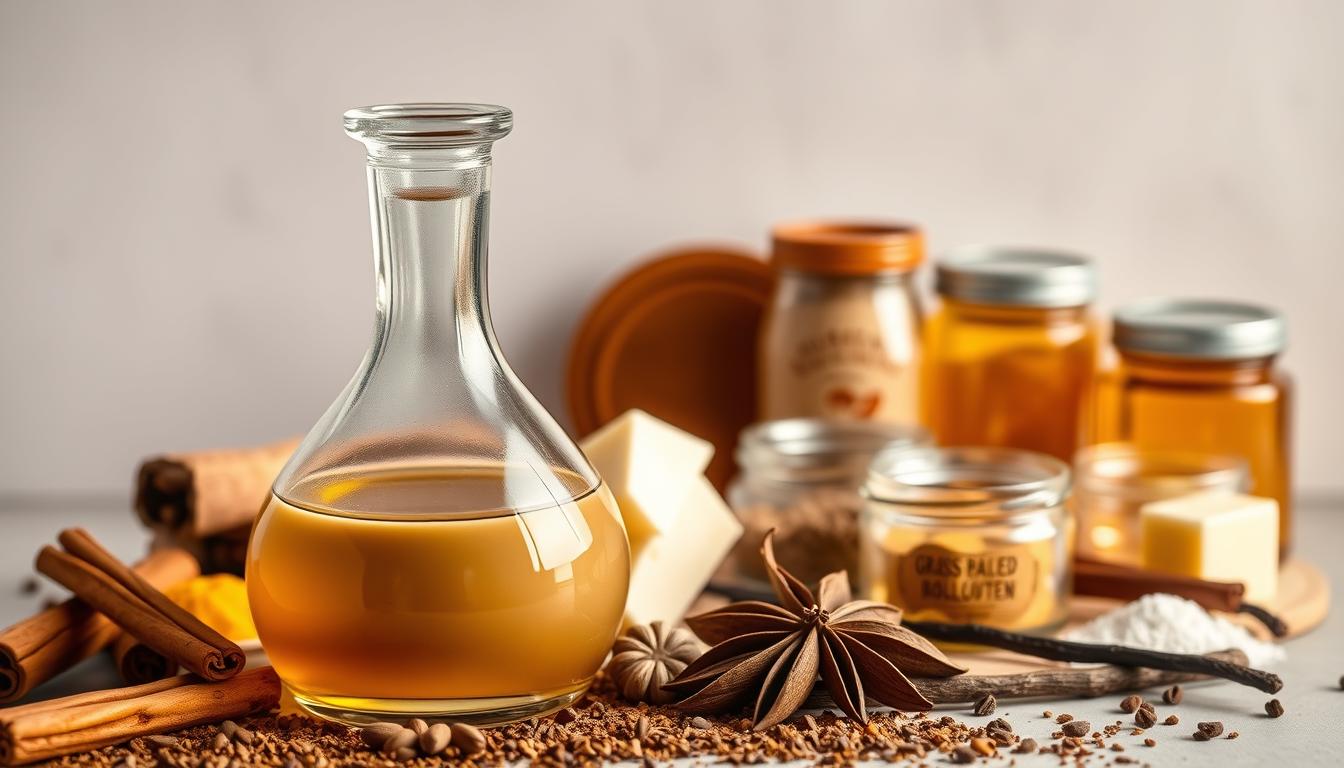
Zero-calorie sweeteners can turn bitter coffee into a sweet treat. Monk fruit extract has true zero glycemic impact. It’s perfect for those on strict keto diets. Erythritol has a low 0.24 glycemic index but might upset your stomach if you use too much.
| Sweetener | Taste Profile | Glycemic Impact | Best For |
|---|---|---|---|
| Monk Fruit | Sweet, no aftertaste | 0 GI | Daily use |
| Erythritol | Cooling mint effect | 0.24 GI | Occasional baking |
Cacao Butter vs Powder: Carb Content Compared
Chocolate fans have two keto-safe choices:
- Cacao butter: 0g net carbs per tbsp – melts smoothly into hot coffee
- Cacao powder: 1g net carbs per tsp – adds intense flavor but requires precise measuring
Essential Oil Flavoring Safety Guide
Some citrus and peppermint oils can add great flavor. But, some oils can be risky:
| Safe Oils | Potentially Toxic | Max Daily Drops |
|---|---|---|
| Orange | Wintergreen | 2-3 |
| Lemon | Eucalyptus | 1-2 |
Always pick food-grade oils and use them carefully. For the best Bulletproof Coffee benefits, choose flavors that boost fat absorption without raising insulin.
Fasting Protocols With Bulletproof Coffee
Bulletproof coffee is great for those who follow a ketogenic diet and fast. It keeps your metabolism flexible and gives you the fats you need. But, it’s important to pay attention to when and how much you drink it.

Intermittent Fasting Compatibility
For people who fast for 16 or 18 hours a day, bulletproof coffee is a good fit. Studies show that drinking less than 50 calories helps keep fasting benefits. A recipe with 1 tbsp MCT oil and grass-fed butter is usually okay.
Drink it during your fasting time to avoid getting hungry. The fat in it helps keep your energy steady. But, don’t add protein powders or sweeteners because they can mess with your fasting.
Extended Fasting Considerations
But, experts say not to use bulletproof coffee for long fasts. Research shows it can lead to not getting enough nutrients after 24 hours. You might not get enough magnesium and potassium.
For longer fasts, like 48-72 hours, stick to black coffee or tea. If you need a boost, add a little sea salt or electrolyte supplements. This helps keep your body repairing itself without missing out on nutrients.
Autophagy Preservation Strategies
Autophagy is when your body cleans itself out. A 2023 study found that drinking less than 50 calories helps keep autophagy going strong. MCT oil is good because it’s quickly absorbed and doesn’t upset your body’s cleaning process.
To help your body renew itself:
- Choose pure C8/C10 MCT oil (no extra oils)
- Don’t add more than 1 tbsp of fat
- Drink it before noon for better fasting results
Keto Coffee vs Standard Bulletproof
Choosing coffee on keto means knowing the difference between keto brews and bulletproof coffee. Both are high in fat, but they have different ingredients and effects on your body. Let’s look at three main points to help you choose wisely.
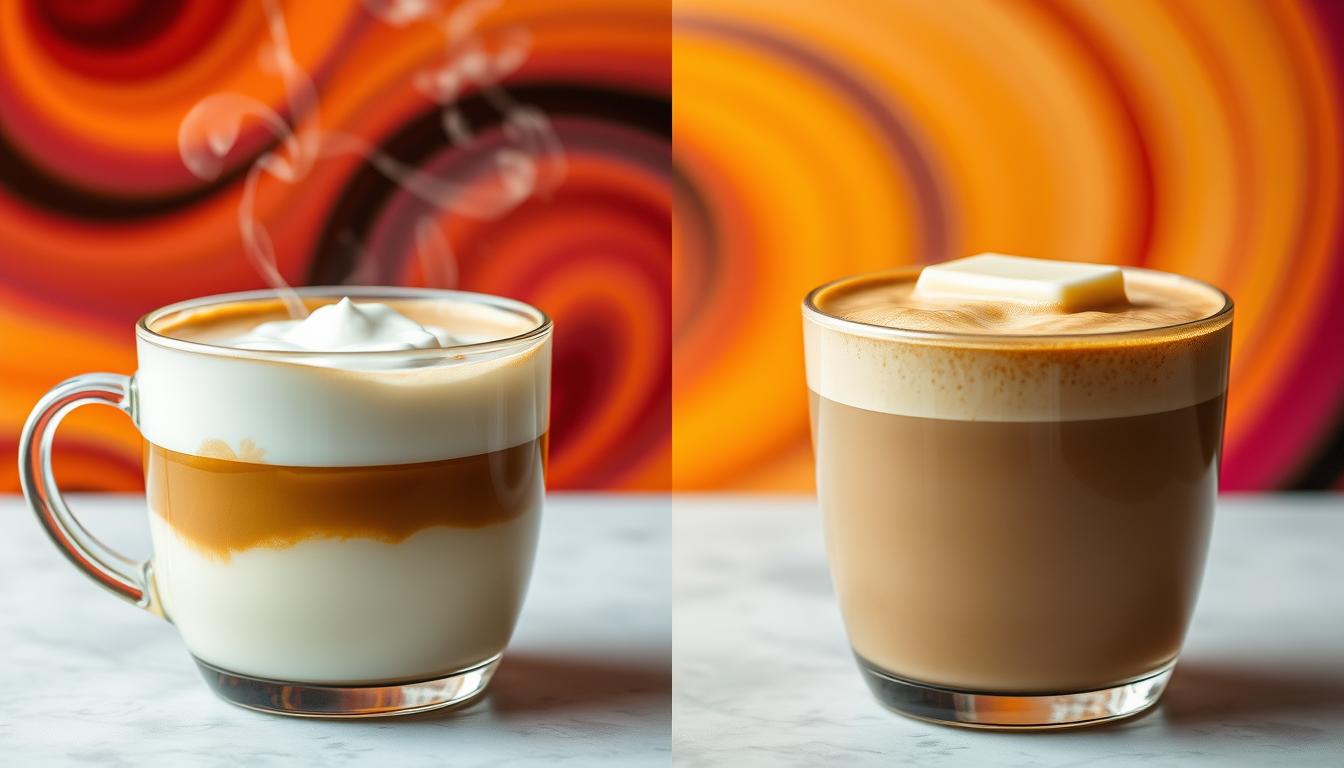
Starbucks Keto Menu Analysis
The “Keto Pink Drink” at Starbucks is popular but has 8g net carbs per grande. This can kick you out of ketosis. Their sugar-free vanilla latte is better, with 3g net carbs when made with heavy cream and almond milk. Always check the nutrition info:
| Drink | Customizations | Net Carbs | Fat Content |
|---|---|---|---|
| Keto Pink Drink | No strawberry inclusions | 8g | 5g |
| Vanilla Latte | Heavy cream, sugar-free syrup | 3g | 18g |
| Cold Brew | No sweetener, splash of cream | 2g | 5g |
Commercial Ready-to-Drink Options
Ready-to-drink keto coffees are convenient but differ in quality. Ratio Coffee adds exogenous ketones and MCT oil. Four Sigmatic uses mushroom adaptogens. Important things to think about:
- Mycotoxin testing (only 23% of brands disclose results)
- Artificial sweeteners like maltodextrin in cheaper options
- Portion-controlled fats vs overconsumption risks
Macro-Adjusted Homemade Alternatives
Making your coffee at home lets you control the macros. For a 400-calorie meal replacement:
- Start with 12oz black coffee (0g carbs)
- Add 1 tbsp MCT oil (14g fat)
- Mix 2 tbsp grass-fed butter (22g fat)
- Optional: 1 scoop collagen peptides (10g protein)
This mix has a 4:1 fat-to-protein ratio and 0g net carbs. You can’t find this in store-bought drinks. Start with small amounts of MCT oil to avoid stomach problems.
Supplement Synergy: Enhancing Your Brew
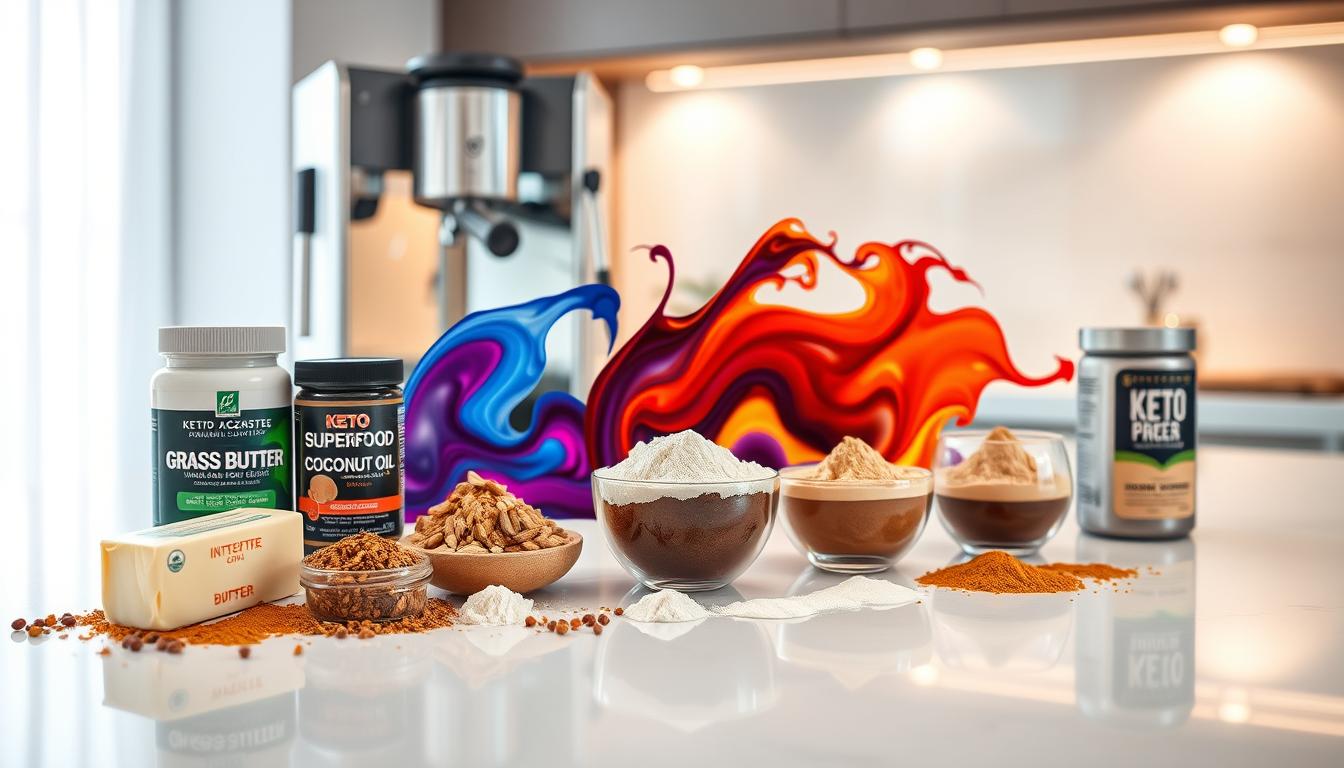
Adding exogenous ketones to your coffee gives you an instant energy boost. They work like your body’s natural ketones. Studies show they can improve mental clarity in just 15 minutes, perfect for starting your day.
But, their effects don’t last long. Most formulas have a 45-minute half-life. This means you need to take them around workouts or when you need to focus.
Using them too much might stop your body from making ketones naturally. It’s best to limit them to 1–2 servings a day. Avoid taking them with high-carb meals. Quality matters—choose products with beta-hydroxybutyrate (BHB) salts and avoid maltodextrin or artificial sweeteners.
Lion’s Mane Nootropic Stacking
This mushroom extract boosts your brain function by helping grow nerve cells. A 2023 BMC Geriatrics study found it improved memory recall by 28% compared to a placebo. Mix 500–1000 mg into your coffee for the best results.
“Lion’s Mane shows strong protection for your brain, which is great for adults over 40 with declining brain function.”
Electrolyte Powder Blending Techniques
Keeping your electrolytes balanced is key to avoiding keto flu. A good powder should have:
- 300–500 mg sodium
- 200–400 mg potassium
- 50–100 mg magnesium
To avoid clumps, mix the powders with 1 oz hot coffee first. Use unflavored versions to avoid carbs. Always check for citrate forms—they absorb faster than oxide-based minerals.
| Supplement | Key Benefit | Optimal Timing | Daily Limit |
|---|---|---|---|
| Exogenous Ketones | Instant energy boost | Pre-workout | 2 servings |
| Lion’s Mane | Memory enhancement | Morning | 1000 mg |
| Electrolytes | Hydration balance | All day | 5000 mg sodium |
Meal Replacement Strategies
Using Bulletproof Coffee as a meal replacement needs careful planning. It helps keep you in ketosis and meets your nutritional needs. When done right, it makes fasting easier and keeps you energized. Let’s look at the key steps to make it work.
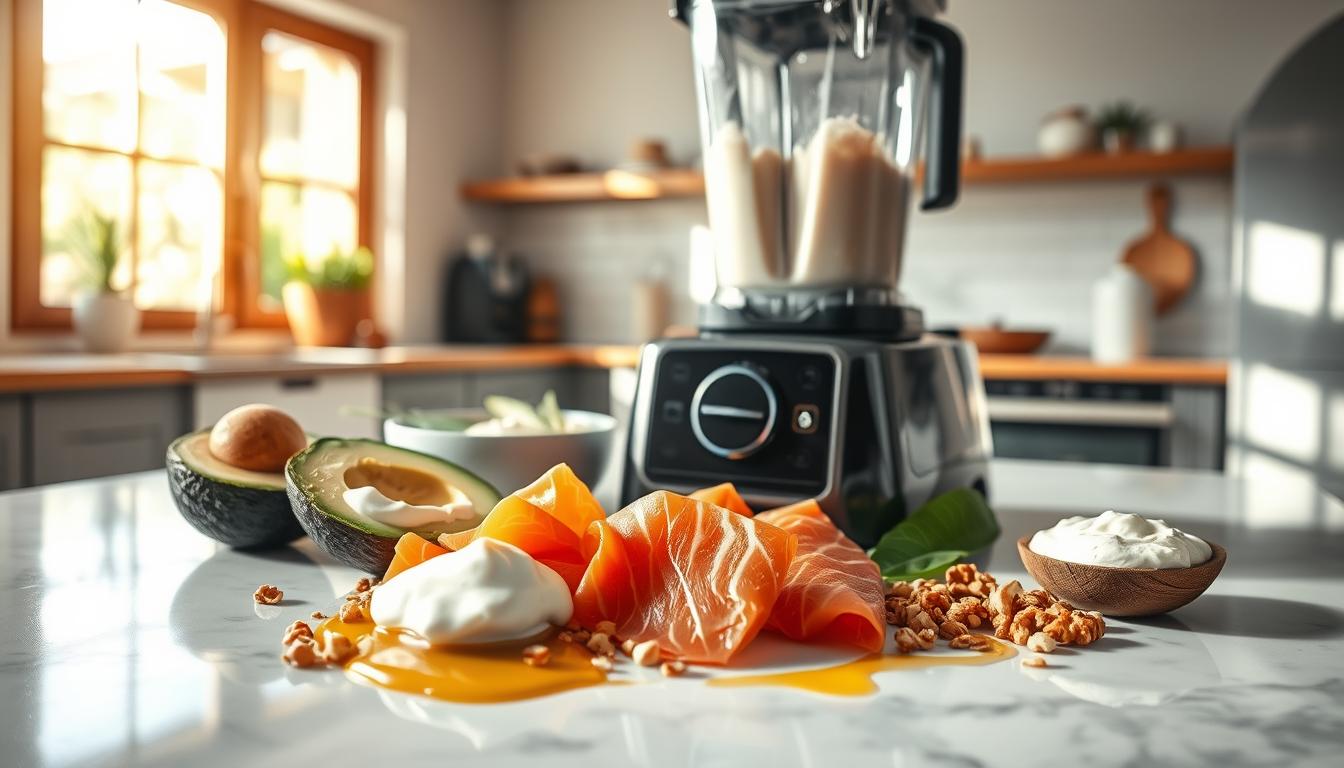
Caloric Density Calculations
A 16-ounce Bulletproof Coffee has about 500 calories. This is like 25% of what most women need in a day. To figure out how much you should have, use this formula:
“Target calories = (TDEE × 0.25) / Number of daily meals”
| Activity Level | Female TDEE | Optimal BP Coffee Calories |
|---|---|---|
| Sedentary | 1,800 | 450 |
| Moderate | 2,200 | 550 |
| Active | 2,600 | 650 |
Micronutrient Fortification Methods
BP coffee alone might lead to 33% micronutrient deficiency in 30 days. To avoid this, add smart supplements:
- Chlorella powder (1 tsp: 100% RDA iron)
- Lion’s mane mushroom (supports cognitive function)
- Electrolyte drops (magnesium/potassium blend)
Intermittent Fasting Schedule Integration
Drink your Bulletproof Coffee at the right times during fasting:
- Drink it in the first 4 hours of your eating window
- Stick to one serving in 16:8 fasts
- Double the fat for 24+ hour fasts
For longer fasts, add 1 tbsp collagen peptides. This helps keep muscle without raising insulin. Check your ketone levels weekly with blood strips for the best results.
Travel-Friendly Preparation Methods
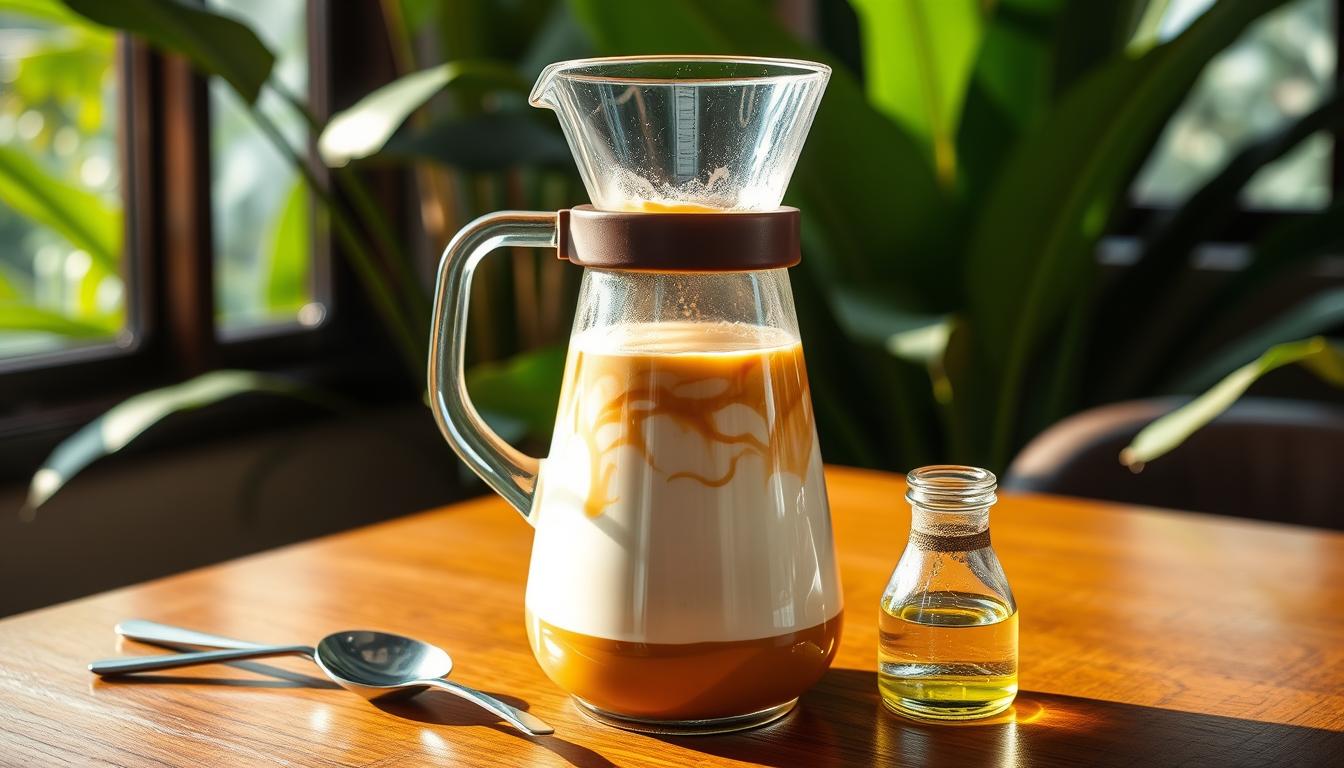
Traveling keto doesn’t mean giving up your bulletproof coffee. Smart prep helps keep your coffee keto-friendly, whether you’re on a road trip or at the airport. Here are three easy ways to keep your coffee perfect without the stress.
Portable Blender Options
Mini blenders like the PackIt Freezable Blender Bottle are perfect for blending fats on the move. Its stainless steel blades mix MCT oil well, and it stays cold for hours. For quick trips, handheld frothers are great for simple mixing, but be careful not to overheat.
Shelf-Stable Fat Source Solutions
Single-serve MCT oil packets (under 1.2 oz) are spill-free and easy to measure. Brands like Kiss My Keto offer coconut oil pods that stay solid in your luggage. Pro tip: Grass-fed ghee packets are better than butter in warm places. Start with half your usual fat amount to avoid stomach issues while traveling.
TSA-Compliant Keto Coffee Kits
Build your kit with:
- Pre-ground coffee in 3.4oz bags (TSA liquid rule exemption)
- Collagen peptides in individual stick packs
- Non-liquid sweeteners like stevia tablets
Perfect Keto’s On-The-Go Pack has everything you need for two servings – just add hot water. When traveling abroad, check local rules on powdered fats and supplements.
Troubleshooting Ketosis Disruption
Even the most dedicated keto followers can hit a stall. Here’s how to figure out and fix ketosis problems. Focus on three key areas: accurate metabolic testing, managing caffeine, and understanding your body’s adaptation phases. Let’s dive into solutions for each challenge.
Mastering Blood Ketone Testing
Regular ketone checks are key to knowing your body’s state. The KetoMojo meter tracks glucose and ketones. BIOSENSE analyzes breath acetone. For accurate results:
- Test 2-3 hours after meals for stable readings
- Record results at the same daily time
- Cross-check with cholesterol levels (Source 1 recommends quarterly lipid panels)
| Device | Accuracy | Cost/Test | Data Tracking |
|---|---|---|---|
| KetoMojo | ±0.2 mmol/L | $1.20 | Bluetooth sync |
| BIOSENSE | ±0.3 mmol/L | $0.80 | Mobile app |
Optimizing Caffeine Intake
Morning jitters or afternoon crashes might mean cortisol imbalances. Solution: Try replacing 50% of your coffee with matcha green tea. Its L-theanine helps balance caffeine’s effects. If fasting, drink black coffee before 10 AM to match natural cortisol levels.
Navigating Fat Adaptation
Your body takes 2-12 weeks to get good at burning fats. Here’s how to speed up:
- Increase MCT oil by 1 tsp every 3 days
- Track energy levels using a 1-10 scale
- Adjust total fat intake if ketones drop below 1.5 mmol/L
Don’t forget: Staying hydrated and keeping electrolytes in check helps speed up adaptation. Aim for 500mg sodium before coffee during transition phases.
Optimizing Your Keto Coffee Experience
Getting the most out of bulletproof coffee means mixing science with everyday habits. Use top-notch ingredients like single-origin beans and C8 MCT oil for better health. Also, make sure to measure everything right to avoid adding carbs by mistake.
Your morning coffee can be more than just a drink. It can help you stay in ketosis if you do it right.
It’s key to check your lipid panels often to keep on track. Companies like Quest Diagnostics make it easy to test your cholesterol at home. Use devices like Precision Xtra or Keto-Mojo to check your ketone levels. This helps make sure your coffee is helping you burn fat.
Stay away from common mistakes. Even though Starbucks has sugar-free drinks, making your own with Nutpods and Lakanto is better. This way, you can control what you’re putting in your coffee. Remember, even keto-friendly items like collagen peptides need to be used in the right amounts.
Try different fasting times and use travel kits from Keto Krate. But always keep the basics in mind. Your coffee should give you energy without raising your blood sugar or stopping autophagy. When made right, it’s a healthy part of your day, not just a quick fix.
Post your favorite recipes online or talk to a nutritionist who knows about fats. Keep tweaking your recipe as your body changes. Stay open to new ideas and let your blood work guide you to the perfect cup.