Did you know 80% of people who lose weight through extreme diets regain it all within a year? This is a shocking fact. It shows why quick fixes don’t work, but slow, steady methods do. Your body needs time, consistency, and science-backed ways to lose fat safely.
Unlike strict diets or hard workouts, natural fat loss is about small, gradual changes. Research shows that cutting calories too fast can actually slow down your metabolism. This means starving yourself might not help you lose weight in the long run.
Your journey to losing fat depends on many things, like how well you sleep, how stressed you are, and how active you are. By focusing on whole foods, regular exercise, and patience, you can avoid the frustration of dieting back and forth. You’ll also build a healthier relationship with your body.
Key Takeaways
- Realistic timelines beat rapid results for lasting weight management
- Extreme calorie restriction often backfires by slowing metabolism
- Sleep and stress impact fat loss as much as diet and exercise
- Consistent lifestyle changes outperform short-term crash diets
- Non-scale victories (energy levels, mood) matter more than daily numbers
Understanding Natural Fat Burning Basics
Your body is like a complex energy factory. It constantly balances how much fuel it takes in and uses. To lose fat naturally, you must understand how your body uses energy and what controls it.
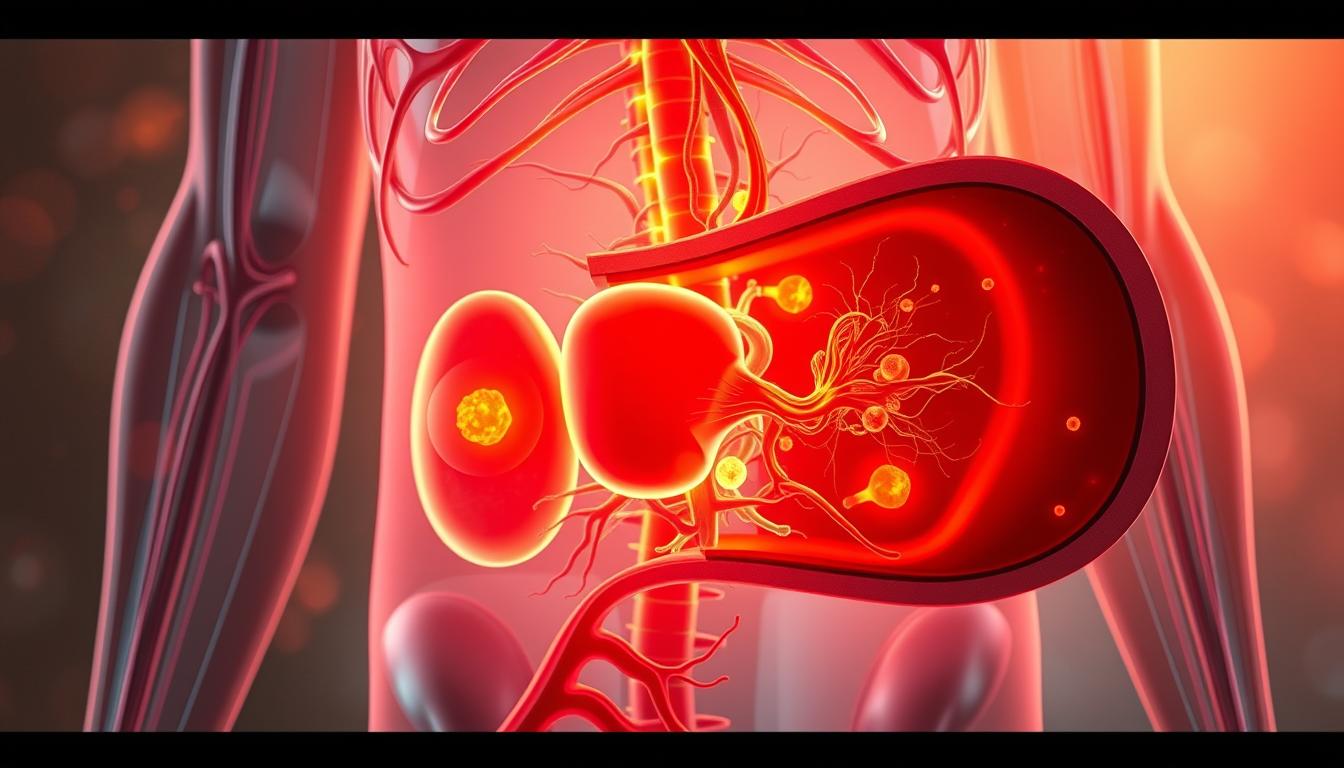
What Constitutes Natural Fat Loss
Body’s Energy Utilization Process
Your body uses carbs first, stored in muscles and liver. After 30-60 minutes of activity, it starts using fat for energy. This natural fat burning process gets faster when you eat fewer calories and exercise.
Fat vs Weight Loss Differences
Changes in weight often show water weight changes, not fat loss. Real fat loss happens when your body turns triglycerides into energy. Here are some important differences:
| Factor | Water Weight | Fat Loss |
|---|---|---|
| Duration | 1-3 days | Weeks/months |
| Sustainability | Temporary | Long-term |
| Measurement | Scale only | Body composition tests |
Key Biological Factors Affecting Burn Rate
Basal Metabolic Rate Variations
Your BMR is 60-75% of your daily calorie burn. Three things affect it:
- Muscle mass (higher in males)
- Age (declines 1-2% per decade after 30)
- Body size (larger frames burn more)
Genetic Predisposition Impacts
Genes play a role in fat storage and metabolism. But, they don’t stop you from making lifestyle changes. You can enhance metabolism naturally with resistance training and eating more protein, no matter your genes.
How Long Does It Take to Burn Fat Naturally?
Understanding how long it takes to burn fat naturally is a mix of science and realistic goals. Quick fixes might promise fast results, but real fat loss follows a natural pace. This pace is based on how our bodies work.
The Science of Fat Oxidation
Your body turns fat into energy through lipolysis. Hormones tell fat cells to release fatty acids into your blood. This process powers everything from walking in the morning to intense workouts.
Lipolysis Process Explained
Fat breakdown starts when you eat less or exercise more. Enzymes break down triglycerides into glycerol and free fatty acids. Muscles then use these for energy. This process doesn’t start right away – your body uses glycogen first during activity.
Hormonal Influences on Fat Cells
Insulin and cortisol control how easily you lose fat. Lower insulin levels, like during fasting, help release fat. But, too much cortisol, from stress, makes you store fat around your belly.

Realistic Timeframe Expectations
Experts say losing 1-2 pounds a week is safe. This comes from eating fewer calories and being more active.
Healthy Weight Loss Benchmarks
Here’s what you might see in the first month:
- 2-8 pounds of weight loss (some is water, some is fat)
- 1-3% less body fat
- Clothes might fit better
After week 4, you’ll see more fat loss as water weight levels out.
Individual Variance Factors
Your own pace depends on:
- How much body fat you start with (more means faster loss)
- How much muscle you have (more muscle means a faster metabolism)
- How well you sleep and manage stress
Genetics can affect how fast you lose weight, with up to 20% difference in similar conditions.
Metabolism’s Role in Fat Burning
Your metabolism is like a power plant, turning food into energy. It affects how well you burn fat. Many focus on counting calories, but true fat burning comes from what you eat and how you move.

Boosting Metabolic Efficiency
To burn fat naturally, boost your body’s energy use during daily activities. Studies show mixing diet changes with movement boosts calorie burn by 20%.
Thermic Effect of Food
Your body burns calories just by eating. Protein takes the most energy to digest. It can raise your metabolic rate by 15-30% compared to carbs and fats.
| Macronutrient | Thermic Effect | Best Sources |
|---|---|---|
| Protein | 20-30% | Eggs, Greek yogurt, lean meats |
| Carbohydrates | 5-10% | Oats, quinoa, sweet potatoes |
| Fats | 0-3% | Avocados, nuts, olive oil |
Recent studies show eating 30% of calories as protein is best for activating beige fat. These cells burn energy instead of storing it.
NEAT (Non-Exercise Activity Thermogenesis)
Daily activities outside of workouts can burn 15-50% of your total energy. Simple changes can make a big difference:
- Take phone calls while walking
- Use a standing desk for 30-minute intervals
- Perform bodyweight squats during TV commercials
These small actions increase NEAT by working big muscles all day. With protein-rich meals, they help keep your metabolism high for natural fat burning.
Phase 1: Initial Fat Loss (Weeks 1-4)
Your first month of natural fat loss is key to lasting results. Seeing quick weight changes might make you excited, but it’s important to know what’s really happening. This helps avoid getting frustrated later.

Water Weight vs Actual Fat Loss
In week one, you might see big weight changes. But remember, this isn’t always fat loss. When you eat fewer calories, your body uses up glycogen first. Glycogen holds water, so losing glycogen means losing water too.
Glycogen depletion effects
- Losing 500g glycogen = 2kg (4.4lbs) water weight loss
- Creates false “overnight” progress
- Rebounds quickly if carbs increase
Measuring true progress
Instead of just looking at the scale, use these three reliable methods:
- Clothing fit changes (waistbands loosen first)
- Weekly body measurements
- Energy levels during workouts
Essential First Month Strategies
To naturally burn fat faster, mix smart eating with the right exercise:
Nutritional adjustments
- Cut processed carbs by 40% (reduces glycogen stores)
- Increase protein to 1g per pound of body weight
- Track hydration: Aim for 0.6-1oz water per pound daily
Activity level modifications
Focus on being consistent rather than trying too hard:
“Three 30-minute walks weekly burn more fat than one exhausting gym session.”
- Add 2-3 resistance training sessions weekly
- Stand 10 minutes hourly if desk-bound
- Gradually increase daily step count
Phase 2: Accelerated Fat Burning (Weeks 5-8)
Weeks 5-8 are a key time in your effective fat loss timeline. Your body needs new ways to keep losing fat. This phase uses the right foods and workouts to help you reach your goals.
Metabolic Adaptation Techniques
Your metabolism gets better in this stage. You need to make smart changes to keep burning fat. Two effective methods are:
Calorie Cycling Methods
Change your calorie intake daily to avoid a slowdown. Here’s how:
- 3 days at maintenance calories
- 2 days with 15% deficit
- 2 days with 5% surplus
Macronutrient Rotation
Change your carb and fat intake every 3-4 days. Try this:
- High-carb days: 45% carbs, 30% protein, 25% fat
- Low-carb days: 25% carbs, 35% protein, 40% fat
Effective Exercise Protocols
Choosing the right exercises is key in this phase. Mix these two methods for the best results:
HIIT Implementation
High-Intensity Interval Training burns calories long after you finish. Here’s a routine:
- 30-second sprints alternated with 90-second walks
- Repeat 8-10 cycles
- Do 3x weekly
Resistance Training Benefits
Weightlifting helps keep your muscle mass while losing fat. Focus on:
- Compound movements (squats, deadlifts, presses)
- Progressive overload principles
- Full-body workouts 4x weekly
These strategies help you keep losing fat. Stay on track, and you’ll see better results and build lasting habits.
Cardio Strategies for Optimal Fat Loss
Choosing the right cardio approach is key to losing fat. Two methods stand out: Low-Intensity Steady State (LISS) and High-Intensity Interval Training (HIIT). Each method burns fat in its own way. Mixing them can lead to the best results.

Low-Intensity Steady State (LISS)
LISS means keeping your heart rate at 60-70% of its max for a long time. This method uses fat as the main fuel, helping you burn calories steadily.
Optimal Duration and Frequency
Do 45-60 minute LISS sessions, 3-4 times a week. Longer, lower-intensity workouts help avoid muscle loss and boost fat burning. Beginners can start with 20-minute walks and increase the time as they get better.
Fat Oxidation Zones
Your body burns the most fat at 55-65% intensity. To find your target heart rate, subtract your age from 220, then multiply by 0.55 and 0.65. Stay in this range for LISS to maximize fat burning.
High-Intensity Interval Training (HIIT)
HIIT involves short, intense bursts (85-95% effort) followed by rest. A 2019 study found HIIT burns 25-30% more calories after the workout than steady-state cardio.
EPOC (Afterburn Effect)
The Excess Post-Exercise Oxygen Consumption effect raises your metabolism for up to 38 hours. This “afterburn” can burn an extra 150-400 calories, depending on how hard you work out.
Workout Structuring Tips
Here’s a proven HIIT template for natural weight loss:
| Phase | Duration | Intensity |
|---|---|---|
| Warm-Up | 5 min | Light jog |
| Sprint | 30 sec | Maximum effort |
| Recovery | 90 sec | Slow walk |
| Repeat | 6-8 cycles | – |
Do 2-3 HIIT sessions a week and add LISS workouts for balanced fat loss. Remember, being consistent is more important than how hard you work. Track your progress by how long you can go, not just by weight.
Strength Training’s Hidden Benefits
Muscle preservation through resistance work helps your body burn fat more efficiently over time. It acts as a metabolic shield when you cut calories. This way, it keeps your lean tissue safe while boosting your calorie burn. This combo makes it easier to keep losing weight even when you eat less.

Muscle Preservation During Deficit
Being in a calorie deficit can make your body use muscle for energy. Strength training tells your body to use fat instead. A fitness researcher explains:
“Resistance exercise creates an anabolic environment that shifts energy utilization toward fat oxidation, sparing muscle tissue even under reduced calorie intake.”
Protein Synthesis Importance
Working out with weights boosts muscle protein synthesis. This is how your muscles repair and grow. To support this, eat 0.7-1 gram of protein for every pound of your body weight each day. Focus on:
- Leucine-rich foods like eggs and Greek yogurt
- Protein timing (20-40g within 2 hours post-workout)
- Slow-digesting casein before bed
Training Volume Recommendations
To keep muscle, do 10-20 sets per major muscle group each week. Here’s a table with the best frequencies:
| Muscle Group | Sets/Week | Rep Range |
|---|---|---|
| Chest & Back | 12-16 | 6-12 |
| Legs | 10-14 | 8-15 |
| Arms & Shoulders | 8-12 | 10-20 |
Do compound lifts and isolation exercises together. Two full-body workouts a week are better than too many splits. Remember, being consistent is more important than being intense when enhancing metabolism naturally through strength training.
Nutritional Leverage Points
Your plate has more power than you think for natural fat burning. Choosing the right foods and timing can boost your metabolism. This way, you can lose fat without extreme diets.

Protein Optimization Strategies
Protein does triple duty – it keeps muscle, boosts metabolism, and controls hunger. Eating 0.7-1 gram of protein per pound of body weight daily helps with fat loss and keeps energy up.
Thermogenic Food Sources
Certain proteins need more energy to digest. Focus on these metabolism-boosting foods:
- Grass-fed beef (25% more thermic effect than conventional)
- Wild-caught salmon
- Pasture-raised eggs
- Lentils and chickpeas
Timing and Distribution
Eat protein evenly across 4-5 meals. Add 8-12 oz of water with each meal for better digestion and fullness. Example schedule:
- 7 AM: 30g whey protein
- 12 PM: 40g chicken breast
- 3 PM: 20g Greek yogurt
- 6 PM: 35g sirloin steak
Smart Carbohydrate Management
Carbs aren’t bad – it’s about the type and timing. Choose quality carbs and eat them wisely.
Fiber-Rich Carb Selection
Pick carbs that fight hunger and support workouts:
- Black beans (15g fiber/cup)
- Quinoa (5g fiber/cup)
- Sweet potatoes (4g fiber/medium)
- Oatmeal (4g fiber/½ cup dry)
Glycemic Load Considerations
Use this guide to balance your plate:
- Low glycemic (post-workout): White rice, ripe bananas
- Moderate glycemic (lunch): Whole-grain bread, basmati rice
- High fiber (dinner): Roasted vegetables, barley
Pairing carbs with protein and healthy fats slows digestion. This prevents blood sugar spikes that lead to fat storage. Pro tip: Eat higher-carb meals in the morning and after exercise when insulin sensitivity is highest.
Hydration’s Impact on Fat Metabolism
Your water intake is key to starting the natural fat burning process. Many focus on diet and exercise, but hydration is crucial. Even a little dehydration can slow down how your body burns fat.

Water’s Role in Lipolysis
Lipolysis, or fat breakdown, needs water at three stages. First, water helps break down triglycerides into fatty acids. Then, it carries these acids through your blood. Finally, it helps turn fat into energy in your cells.
Cellular Hydration Requirements
Studies show fat cells shrink faster when you drink enough water. Your cells need:
- 17-20 oz of water within 30 minutes of waking
- 7-10 oz every 90 minutes during activity
- Electrolyte balance (especially sodium/potassium)
Dehydration Risks
Not drinking enough water can harm fat loss. It can raise cortisol levels and make you feel hungry when you’re not. A 2023 Journal of Nutrition study found dehydrated people ate 14% more calories.
Use this simple test:
“If your urine resembles pale lemonade, you’re hydrated. Dark yellow means your fat metabolism is compromised.”
Keep track of your water intake. Drinking 0.5-0.7 oz per pound of body weight daily can boost fat burning during exercise by 19%.
Sleep Quality and Fat Loss
Getting enough sleep is key for losing fat. It’s not just about feeling tired or energized. Poor sleep can slow down your weight loss by messing with hunger and metabolism hormones. Let’s see how good sleep helps you speed up fat burning naturally and keeps stress hormones low.

Cortisol Management Through Rest
Cortisol is a stress hormone that can make you store fat, especially around your belly. Research shows that not enough sleep can raise cortisol levels by up to 15% in just a week. This makes it harder to lose fat. Good sleep helps balance cortisol, supporting your weight loss goals.
Sleep Cycle Optimization
Matching your sleep to your body’s natural rhythm boosts deep sleep. This is when your body burns fat best. Here are some tips:
- Stick to the same sleep schedule every day, including weekends.
- Get 15 minutes of sunlight in the morning to set your rhythm.
- Stay away from screens for at least 90 minutes before bed to avoid disrupting melatonin.
Recovery-Enhancing Techniques
Improve your sleep quality with these proven methods:
- Keep your bedroom cool, around 65°F, for better sleep.
- Stop drinking caffeine at least 8 hours before bedtime.
- Try 4-7-8 breathing: Breathe in for 4 seconds, hold for 7, and breathe out for 8.
These changes help balance your hormones for speed up fat burning naturally while you sleep. Keep track of your sleep for two weeks. You’ll likely see better recovery and steady weight loss.
Stress Reduction Techniques
Reducing stress is key to natural ways to lose weight. High cortisol levels make your body hold onto fat. Daily stress management helps achieve balance and sustainable results.

Mind-Body Connection Practices
Your mind affects your body, including fat burning. Studies show mind-body routines can lower cortisol by 23% in eight weeks. These practices work best with good nutrition and exercise.
Meditation Protocols
Three methods are proven to help with fat loss:
- Mindfulness meditation: Reduces emotional eating triggers
- Body scan practices: Improve hunger signal awareness
- Guided visualization: Strengthens motivation for healthy choices
| Technique | Time Commitment | Key Benefit |
|---|---|---|
| Morning Mindfulness | 10 minutes | Reduces stress-induced cravings |
| Evening Body Scan | 15 minutes | Improves sleep quality |
| Visualization Sessions | 5 minutes | Boosts workout consistency |
Breathing Exercises
Specific breathing patterns activate the parasympathetic nervous system quickly:
- 4-7-8 Method: Inhale 4 seconds, hold 7 seconds, exhale 8 seconds
- Box Breathing: Equal 4-second phases for inhale, hold, exhale, hold
- Alternate Nostril: Balances energy before meals
Using these techniques during snack cravings or workout plateaus helps keep your natural weight loss journey on track.
Natural Supplements That Help
Diet and exercise are key for losing fat. But, some supplements can help you lose weight faster. They enhance metabolism naturally and support fat burning. Let’s look at some effective and safe options.

Evidence-Based Boosters
Green Tea Extract
Green tea extract is full of EGCG antioxidants. It turns beige fat cells into calorie burners. This is thanks to recent research on KLF-15 protein. It’s great for losing belly fat.
Studies show it can increase calorie burn by 3-4% daily. This is when you take it with caffeine.
Omega-3 Fatty Acids
Omega-3s are in fish oil and algae. They reduce inflammation and improve insulin sensitivity. This helps your body use fat for energy.
Take 1,000-2,000 mg of EPA/DHA daily. This enhances metabolism naturally without stomach problems.
Safety and Efficacy Considerations
Third-Party Testing
Look for NSF or USP certified supplements. These checks ensure you get what’s listed. This is important because 2021 research found 28% of supplements had hidden ingredients.
Proper Dosing
Don’t take too much. Too much EGCG can harm your liver. Taking too much omega-3 can thin your blood too much. Take them with meals for better absorption and fewer side effects.
Supplements work best with good sleep, managing stress, and eating well. Watch how you feel and how your body recovers. This will help you see if they’re working.
Tracking Progress Effectively
Measuring fat loss isn’t just about watching the scale. True progress is in the details most miss. You need tools that show what’s happening beneath the surface.

Beyond Scale Measurements
Your weight changes daily due to water, digestion, and hormones. Instead of focusing on pounds, try these two methods:
Body composition analysis
Body fat percentage shows if you’re losing fat while keeping muscle. Use these tools:
- DEXA scans (most accurate)
- Bioelectrical impedance scales
- Skinfold calipers
Check changes every 4-6 weeks. A 1-2% drop in body fat monthly means you’re making progress, even if the scale barely changes.
Circumference tracking
Measure these areas weekly with a flexible tape:
- Waist (at belly button)
- Hips (widest point)
- Thighs (mid-leg)
Losing half an inch from your waist in 3 weeks? That’s real fat loss – no scale needed.
Adjusting Your Approach
Data means nothing without action. Use your tracking results to improve your strategy:
When to modify calorie intake
Change your nutrition plan if:
- Measurements plateau for 2+ weeks
- Energy levels crash during workouts
- Sleep quality declines
“SMART goals turn plateaus into progress markers. If you’re not adjusting, you’re guessing.”
Exercise program progression
Boost workout effectiveness every 3-4 weeks by:
- Adding 5% more weight to strength exercises
- Increasing cardio duration by 2 minutes
- Swapping one routine exercise weekly
These tweaks prevent metabolic adaptation – your body’s way of resisting change.
Tracking fat loss duration becomes powerful when you combine measurements with timely adjustments. Celebrate non-scale victories like tighter clothes or easier workouts. Remember: lasting change happens in millimeters, not milestones.
Overcoming Plateaus
When you hit a plateau, your body might need new strategies to lose fat again. Plateaus happen when your body adapts to diet and exercise. But, making small changes can help you get back on track in your effective fat loss timeline.
Metabolic Reset Strategies
Your metabolism slows down when you eat fewer calories for a long time. Studies show a 7-14 day break can help your body get back to normal. This can improve how you burn fat.
“Short-term calorie maintenance phases improve leptin sensitivity by 28-34%, enhancing fat oxidation capacity.”
Diet Breaks Implementation
Refeeding can stop your metabolism from slowing down without ruining your progress. Here are some ways to do it:
| Method | Duration | Calorie Level | Best For |
|---|---|---|---|
| Cyclical Refuel | 2 days/week | Maintenance +15% | High-intensity trainees |
| Full Reset | 7-10 days | Maintenance | Long-term dieters (>12 weeks) |
| Protein Focus | 3 days | Maintenance +30g protein | Muscle preservation |
Source 2 warns against long fasting, saying it can lead to more muscle loss. This is 17% more than diet breaks.
Activity Variation Methods
Change these three things every 4-6 weeks:
- Exercise modality: Swap cycling for rowing
- Intensity zones: Add tempo sessions between HIIT days
- Movement patterns: Incorporate lateral lunges instead of forward-only variations
Studies show athletes who change their workouts every 28 days burn fat 22% better than those who don’t.
Use waist measurements instead of weight during reset phases. This helps you stay motivated while your body adjusts.
Long-Term Maintenance
Keeping fat off for good isn’t about quick fixes. It’s about building systems that work with your biology. Research shows lasting success comes from combining behavioral science with metabolic awareness. This approach helps you optimize natural fat burning while adapting to life’s inevitable changes.
Sustainable Habit Formation
Your daily routines determine 80% of long-term results. The key lies in designing habits that feel effortless over time. Neuroscience reveals it takes 2-6 months for new patterns to become automatic, depending on how well they align with your lifestyle.
Behavioral Psychology Techniques
Use these evidence-backed strategies to lock in progress:
- Habit stacking: Pair new behaviors with existing routines (e.g., post-meal walks after breakfast)
- Reward substitution: Link healthy choices to immediate benefits like relaxation time or favorite podcasts
- Environmental design: Keep workout gear visible and processed snacks out of sight
Metabolic studies prove consistency beats intensity. Try these seamless adjustments:
- Schedule movement breaks during work hours using the 50/10 rule (50 minutes seated, 10 active)
- Batch-cook proteins and vegetables twice weekly to maintain smart carbohydrate management
- Use “habit trackers” for sleep and hydration instead of restrictive calorie counting
Source 3’s 12-year analysis found people who maintained 30%+ non-exercise activity (like walking meetings) kept 3x more weight off than gym-only approaches. Your environment constantly shapes choices—optimize natural fat burning by making healthy decisions the path of least resistance.
Conclusion
Figuring out how long it takes to burn fat naturally means understanding your body’s unique response. It usually takes months, not days, to see changes. These changes often show up after 8-12 weeks of good eating and exercise.
Your success in losing fat comes from smart calorie control, strength training, and reducing stress. Tools like MyFitnessPal and Fitbit help track your progress. The Mayo Clinic says losing 1-2 pounds a week is best for keeping the weight off.
When you hit a plateau, it’s time to change your plan, not give up. Try harder workouts, use devices like WHOOP to check sleep, or play with when you eat. Remember, losing fat naturally depends on your age, genes, and body type.
Focus on building habits that last, not just quick diets. Cook with whole foods, move regularly, and use apps like Headspace to manage stress. These habits help you lose fat for good, making it a part of your life.