For decades, nutrition experts warned against consuming dairy products high in fat content. Yet, recent studies reveal surprising health benefits linked to moderate intake. Could something as simple as butter play a role in managing your wellness?
Once blamed for increasing the risk of heart disease, saturated fat is now being reevaluated. Researchers found that natural sources may support metabolism and energy balance. This shift challenges old dietary guidelines and sparks new debates.
This article explores the latest evidence on how full-fat dairy fits into modern nutrition. You’ll discover its potential effects on cholesterol, digestion, and even appetite control. Let’s separate myths from facts.
Key Takeaways
- Recent studies question long-held beliefs about saturated fats.
- Natural dairy products may offer unexpected metabolic advantages.
- Moderation is key when incorporating high-fat foods into your diet.
- Individual health factors influence how your body processes fats.
- Always consult research-backed sources for dietary decisions.
1. What Is Butter and How Is It Made?
The creamy richness of butter has been a kitchen staple for centuries. Made by churning milk or cream, it separates fat solids from liquid buttermilk. This simple process yields a spreadable delight with unmatched flavor.

Traditional Production Methods
Historically, butter was made by agitating cream in wooden churns. Today, modern machines replicate this process at scale. The goal remains the same: to concentrate the fat content while creating a smooth texture.
“Hand-churned butter carries a depth of flavor that industrial methods often miss.”
Varieties of Butter
Not all butter is created equal. Here’s how common types differ:
| Type | Key Features | Best Uses |
|---|---|---|
| Salted | 3% salt content; longer shelf life | Spreading, finishing dishes |
| Unsalted | Pure butterfat; no additives | Baking, precise recipes |
| Grass-Fed | Higher in CLA and vitamin K2 | Cooking, health-focused diets |
| Clarified | Removed milk solids; high smoke point | Searing, frying |
Grass-fed varieties stand out with a golden hue from beta-carotene in pasture diets. Their richer profile supports metabolism and nutrient absorption.
For high-heat cooking, clarified butter (ghee) is ideal. It withstands temperatures up to 482°F, unlike regular butter’s 302°F limit.
2. Nutritional Profile of Butter
Every spoonful packs a mix of energy, vitamins, and unique fatty acids. This dairy product delivers concentrated nutrients that support various bodily functions. Let’s examine what makes its composition distinctive.
Energy and Macronutrients
A 14-gram serving contains 102 calories, primarily from fats. Its macronutrient ratio differs significantly from plant-based alternatives. Here’s how it compares per tablespoon:
| Nutrient | Amount | % Daily Value |
|---|---|---|
| Total Fat | 11.5g | 18% |
| Saturated Fat | 7g | 35% |
| Vitamin A | 97mcg | 11% |
| Vitamin E | 0.3mg | 2% |
Essential Micronutrients
Fat-soluble vitamins like A and E enhance immune response and skin health. Grass-fed varieties provide more vitamin K2—a nutrient that directs calcium to bones. This difference stems from cows’ pasture-based diets.
Fatty Acid Breakdown
About 63% of its fat content is saturated, with shorter chains that digest easily. The remainder includes heart-friendly monounsaturated fats (26%) and minimal polyunsaturated fats (4%). These ratios influence how your body metabolizes them.
When used in cooking, it helps absorb other fat-soluble vitamins from vegetables. Pairing it with colorful produce maximizes nutritional benefits while balancing saturated fat intake.
3. The Role of Saturated Fats in Health
Nutritional science has evolved, challenging old beliefs about fats. Once blamed for heart health risks, saturated fat is now understood more complexly. Research reveals its effects vary by source and context.
Debunking Myths About Saturated Fats
A 2016 PLOS ONE study found no direct link to heart disease. This contradicts the 1950s “diet-heart hypothesis,” which oversimplified fat’s role. Modern meta-analyses show that natural sources behave differently than processed fats.
For example, LDL particles come in two types:
- Pattern A: Large, buoyant particles (less harmful).
- Pattern B: Small, dense particles (linked to plaque).
Saturated fat from dairy may increase Pattern A, per the 2018 Journal of Nutrition. This nuance matters more than total LDL numbers.
Impact on Cholesterol Levels
Your liver processes fats into lipoproteins, which transport cholesterol. While some studies show butter raises LDL, others highlight HDL improvements. Grass-fed varieties may balance this effect due to CLA content.
“HDL functionality improves with moderate saturated fat intake, supporting metabolic resilience.”
The AHA recommends limiting saturated fats to 10% of daily calories (∼22g). Pairing them with fiber-rich foods optimizes cholesterol levels. Balance is key—neither demonizing nor overconsuming.
4. Butter for Weight Loss: Pros and Cons
Could adding a small amount of dairy fat actually help manage your body composition? Emerging studies suggest that certain components, like conjugated linoleic acid (CLA), may influence metabolism. However, moderation remains critical due to its high caloric density.

How CLA May Support Fat Metabolism
CLA, naturally found in grass-fed varieties, triggers adipocyte apoptosis—a process where fat cells break down. A 24-month study noted a 3.4g daily intake reduced body fat by 3.8%. This fatty acid also appears to enhance insulin sensitivity, aiding weight loss efforts.
“CLA’s dual role in fat oxidation and muscle preservation makes it unique among fatty acids.”
Balancing Calories and Portions
One tablespoon packs 100 calories, so portion control is essential. For calorie-conscious diets, measure servings (e.g., 5g teaspoons) instead of eyeballing. Pairing it with fiber-rich foods like vegetables can offset fat intake impacts.
A 2015 AJCN study found that compared to olive oil, dairy fat raised LDL in some participants. Yet, Harvard researchers stress that context matters—individual health factors determine optimal amounts.
5. Health Benefits of Butter Beyond Weight Loss
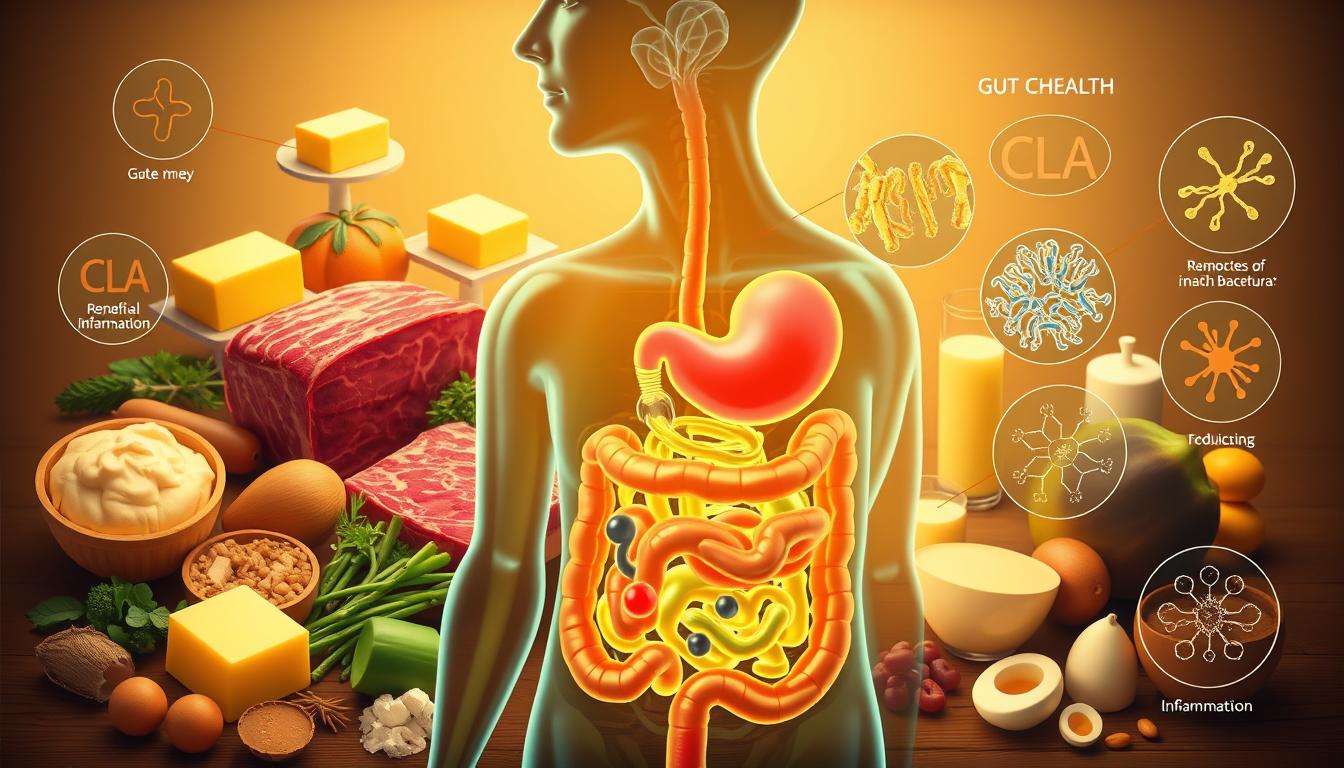
Modern research uncovers surprising benefits hidden in dairy fats. These advantages stem from bioactive compounds like CLA and butyrate, which influence metabolism, digestion, and immunity. Let’s explore how these components work.
Conjugated Linoleic Acid (CLA) and Its Effects
CLA, a fatty acid in grass-fed dairy, activates PPAR-γ receptors. This regulates fat cell production and may reduce cancer cell growth. A 2019 Nutrients Journal study noted its apoptosis-inducing effects in lab trials.
Grass-fed varieties contain nearly double the CLA of conventional options:
| Dairy Source | CLA Concentration (mg/g) |
|---|---|
| Grass-Fed | 4.3 |
| Conventional | 2.2 |
| Cheese | 1.8 |
Butyrate and Gut Health
This short-chain fatty acid nourishes colon cells, reducing IBS symptoms. A 2017 Gastroenterology study found it strengthens the gut barrier, preventing inflammation. Your microbiome converts fiber into butyrate, but dietary sources provide direct support.
Anti-Inflammatory Properties
Components in dairy fats inhibit the NF-κB pathway, a key inflammation trigger. Historically, it was applied to wounds for its antimicrobial effects. Today, research suggests moderate intake may lower systemic inflammation markers.
“Butyrate’s dual role as energy for colon cells and an inflammation modulator makes it unique.”
6. Potential Drawbacks of Consuming Butter
While dairy fats offer certain benefits, excessive consumption may pose health concerns. Understanding these risks helps you make informed dietary choices. Moderation and awareness of individual health factors are crucial.
High Caloric Content and Weight Gain Risk
Each tablespoon packs 102 calories, primarily from fats. Over time, unmeasured portions in cooking can significantly increase daily caloric content. A 2025 JAMA study linked high intake to a 14% higher mortality risk.
Consider these common uses and their cumulative impact:
- Buttered toast (2 slices): ~200 calories
- Pan-fried vegetables (1 tbsp): +100 calories
- Baked goods (per serving): 150-300 calories
Saturated Fat and Heart Disease Controversy
One tablespoon provides 7.2g saturated fat—36% of the daily limit. A 2015 AJCN study found 50g/day raised LDL by 11% in adults. However, effects vary by genetics:
Those with ApoE4 genes process saturated fats less efficiently. This may increase oxidized LDL formation in arterial walls. The WHO recommends limiting dairy fats to 10% of daily calories.
“Population studies show mixed results—some groups tolerate higher intakes better than others.”
Balance is key. Pairing it with fiber-rich foods helps mitigate potential heart disease risks. Always consider your unique health profile when adjusting intake.
7. Butter vs. Other Fats: A Comparison
Not all dietary fats behave the same way when heated or digested. Your choice impacts everything from nutrient retention to flavor profiles. Let’s examine how traditional dairy fat stacks up against common alternatives.
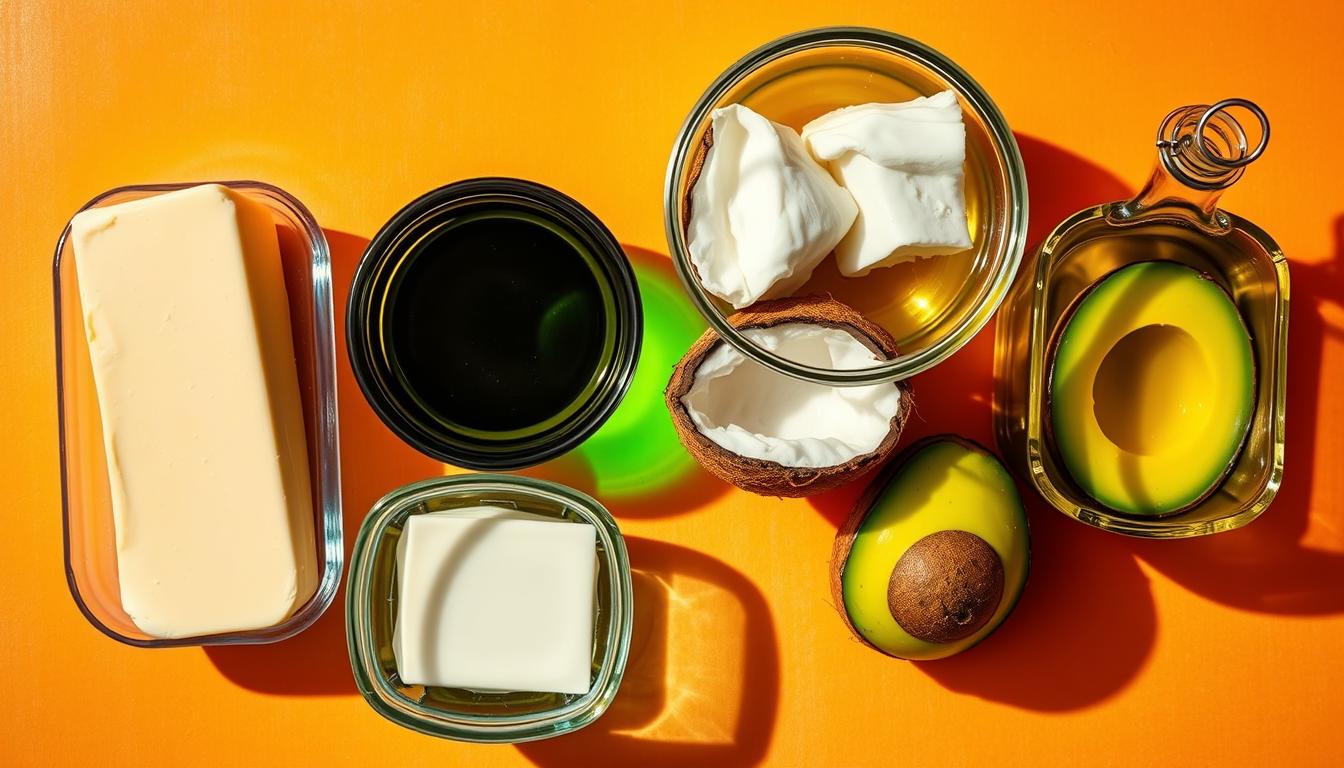
Butter Versus Olive Oil
Extra virgin olive oil withstands 410°F heat—108° higher than regular butter. This makes it safer for sautéing, though both develop harmful compounds when overheated. A 2020 Food Chemistry study found butter oxidizes 37% faster at high temperatures.
| Characteristic | Butter | Olive Oil |
|---|---|---|
| Smoke Point | 302°F | 410°F |
| Monounsaturated Fats | 26% | 73% |
| Vitamin E Content | 0.3mg/tbsp | 1.9mg/tbsp |
Butter Versus Margarine
Many margarines contain 15-25% trans fats from partial hydrogenation. These artificial unsaturated fats raise LDL while lowering HDL—the opposite of butter’s effect. The FDA banned added trans fats in 2021, but trace amounts remain in some products.
“Margarine’s molecular structure changes during hydrogenation, creating fats unrecognizable to human metabolism.”
Butter Versus Ghee
Clarified butter (ghee) removes milk solids, boosting its smoke point to 482°F. The process concentrates butyrate—a gut-health compound—by 25% compared to regular butter. Traditional Ayurvedic medicine values it for high-heat cooking and digestive benefits.
- Storage: Ghee lasts 12 months unrefrigerated vs. butter’s 2-week shelf life
- Lactose: Contains 0.01g per serving vs. butter’s 0.1g
- Texture: More liquid at room temperature
For baking, traditional butter provides better structure. But when searing meats, ghee’s stability prevents harmful lipid oxidation. Choose based on your cooking method and health priorities.
8. How to Incorporate Butter into a Healthy Diet
Strategic use of dairy fats can enhance both taste and nutrient absorption in everyday meals. The key lies in mindful portions and pairing them with complementary ingredients. Below, we outline research-backed methods to enjoy its richness without compromising wellness goals.

Recommended Daily Intake
The American Heart Association suggests ≤1.5 tablespoons daily for a 2,000-calorie diet. This aligns with the 10% limit for saturated fats. Distribute this across meals:
- Breakfast: 1 tsp on whole-grain toast (5g)
- Lunch/Dinner: 2 tsp sautéing vegetables (10g)
European-style varieties (82–86% fat) offer richer flavor, reducing the need for larger portions. Always measure to avoid unintentional excess.
Cooking with Butter: Best Practices
For high-heat cooking, clarified butter (ghee) is ideal—its smoke point reaches 482°F. Regular butter burns at 302°F, releasing harmful free radicals. Try these techniques:
- Basting: Spoon melted fat over proteins for moisture.
- Emulsifying: Whisk into sauces for creamy texture.
“Clarified butter’s stability makes it superior for searing, while traditional butter excels in baking.”
Pairing Butter with Nutrient-Dense Foods
Combine it with colorful vegetables to boost carotenoid absorption by 30%. The fat-soluble vitamins A, D, and E in dairy enhance uptake from:
| Vegetable | Key Nutrient | Synergy Benefit |
|---|---|---|
| Carrots | Beta-carotene | Converts to active vitamin A |
| Spinach | Lutein | Supports eye health |
| Sweet potatoes | Vitamin E | Enhances antioxidant effects |
For variety, mix softened butter with herbs like rosemary or turmeric for nutrient-dense foods toppings. This adds antioxidants without extra salt or processed ingredients.
9. What Does the Research Say?
Nutritional debates about dairy fats continue to evolve as new evidence emerges. Large-scale studies now provide clearer insights into how these foods impact long-term wellness. Let’s examine the latest findings and what they mean for your dietary choices.
Key Findings from Recent Studies
A 2016 PLOS ONE meta-analysis of 636,000+ participants found no significant link between moderate intake and cardiovascular risk. However, the 2021 Cleveland Clinic advises heart patients to prioritize olive oil. These contrasting views highlight the complexity of dietary function.
Current research focuses on three areas:
- Genetic factors: FADS gene variants affect how individuals metabolize fats
- Study designs: Cohort versus intervention trials yield different conclusions
- Dose response: Effects vary significantly by consumption amount
“The Academy of Nutrition and Dietetics recommends considering dairy fats within overall dietary patterns rather than isolating them.”
Expert Consensus and Guidelines
Harvard’s 2023 recommendation allows for occasional use, while Mediterranean guidelines suggest limited quantities. The NIH is currently conducting clinical trials to clarify optimal intake levels for different populations.
Consider these expert-backed approaches:
- Assess your personal health outcomes and family history
- Choose grass-fed varieties when possible for higher nutrient density
- Balance intake with other healthy fats like nuts and avocados
National dietary guidelines reflect regional eating patterns. The USDA’s MyPlate differs from Mediterranean recommendations, showing how cultural context influences expert opinions.
10. Conclusion: Is Butter a Good Choice for Weight Loss?
Your dietary approach determines whether dairy fats fit your lifestyle. CLA and butyrate offer metabolic benefits, but their weight loss potential depends on portion control. A teaspoon of grass-fed variety adds richness without excess calories.
Context matters. Those on keto may tolerate more saturated fat, while low-fat diets should use it sparingly. Always pair it with fiber-rich foods for a balanced diet.
Choose quality over quantity. Premium grass-fed options provide more nutrients per serving. For long-term health, prioritize moderation and listen to your body’s needs.