Nearly half of American adults struggle with high blood pressure or insulin resistance – two conditions that often travel together. Emerging research suggests a natural compound found in the Coleus forskohlii plant might influence both issues through unique biological pathways.
This tropical mint relative contains active molecules that directly stimulate cellular energy systems. When these compounds interact with your body, they trigger a chain reaction affecting blood vessel flexibility and sugar processing. Studies reveal these effects could explain why traditional medicine has used this plant for centuries.
Modern science focuses on how the primary active component boosts specific cellular messengers. These messengers act like master switches, regulating processes from artery relaxation to glucose absorption. While early findings appear promising, researchers emphasize the need for more human trials to confirm long-term benefits.
Understanding this natural approach requires examining both laboratory discoveries and real-world applications. The following sections break down how this ancient remedy interacts with modern physiology – and what that means for your wellness journey.
Key Takeaways
- Natural plant extracts may influence critical metabolic pathways
- Cellular energy systems play roles in cardiovascular and sugar regulation
- Traditional remedies gain attention through modern scientific validation
- Biological messengers affect multiple health systems simultaneously
- Human trials remain essential for confirming preliminary findings
Introduction to Forskolin and Its Health Benefits
You might be surprised to learn that a leafy green plant from India’s tropical regions holds centuries-old therapeutic secrets. Coleus forskohlii, a mint-family member, has roots in Ayurvedic practices where healers brewed its leaves for heart health and respiratory support. Today, researchers study its star compound for broader biological impacts.

From Ancient Roots to Modern Labs
Traditional practitioners relied on this herb for:
- Balancing cardiovascular function
- Easing breathing difficulties
- Supporting digestion
Modern science now links these historical uses to adenylate cyclase activation – a process that boosts cellular energy. This mechanism explains how the plant’s active ingredient influences multiple systems simultaneously.
Your Guide to Evidence-Based Insights
This resource bridges historical wisdom with peer-reviewed studies. You’ll discover:
- How traditional applications align with lab findings
- Gaps in current research
- Practical considerations for safe use
By merging old-world knowledge with new-world data, we aim to empower your health decisions with clarity and context.
The Science Behind Forskolin
Understanding cellular signals reveals how natural compounds affect health. At the core of this process lies a critical enzyme system that regulates energy production and communication between tissues.

Mechanisms: Adenylate Cyclase Activation and cAMP Elevation
This plant-derived compound uniquely targets adenylate cyclase, the enzyme responsible for creating cyclic adenosine monophosphate (cAMP). Unlike most cellular messengers requiring receptor activation, it directly boosts cAMP levels. This universal signaling molecule then triggers different responses based on cell type.
| Cell Type | cAMP Effect | Observed Outcome |
|---|---|---|
| Pancreatic Beta | Activates PKA/EPAC pathways | Enhanced insulin release |
| Vascular Smooth Muscle | Relaxes cell structure | Improved blood flow |
| Fat Cells | Stimulates lipase activity | Increased fat breakdown |
Research Evidence from Preclinical Studies
Animal studies demonstrate how elevated cAMP influences metabolic functions. In pancreatic tissue, researchers observed 28% faster insulin response to glucose challenges when using this compound. Cardiovascular models showed relaxed arterial walls, suggesting potential blood pressure benefits.
These findings highlight the compound’s systemic effects. However, results vary between species, emphasizing the need for human trials. The dual-action pathways in beta cells particularly interest diabetes researchers seeking new therapeutic approaches.
Forskolin’s Impact on Blood Pressure
Cardiovascular benefits of certain botanicals are gaining scientific attention. Researchers now examine how specific plant compounds interact with vascular systems to promote healthier circulation patterns.

How Vascular Walls Respond
The compound activates adenylate cyclase in smooth muscle cells, boosting cAMP levels. This biochemical shift relaxes arterial walls, creating 15-20% more vessel flexibility in lab models. Wider arteries allow blood to flow with less resistance, easing strain on the heart.
Evidence Across Research Models
Human trials show promising results. Coronary bypass patients receiving a water-soluble derivative experienced:
- 38% lower inflammatory markers
- Improved blood flow during surgery
- Stable heart rhythms post-procedure
Animal studies reveal similar patterns. Rodents with hypertension showed consistent pressure reductions when given standardized extracts. However, effects varied based on dosage and administration method.
These findings suggest multiple pathways at work. Beyond vasodilation, the compound appears to:
- Enhance nitric oxide production
- Modulate calcium channel activity
- Reduce oxidative stress in vessels
While current data excites researchers, they caution that human responses differ. Ongoing studies aim to identify optimal dosing strategies for sustainable cardiovascular support.
Can Forskolin Help with Blood Pressure and Insulin Sensitivity?
Recent laboratory findings reveal how a single botanical compound interacts with two critical health systems. By activating cellular energy pathways, this natural agent appears to influence both sugar processing and vascular function simultaneously.
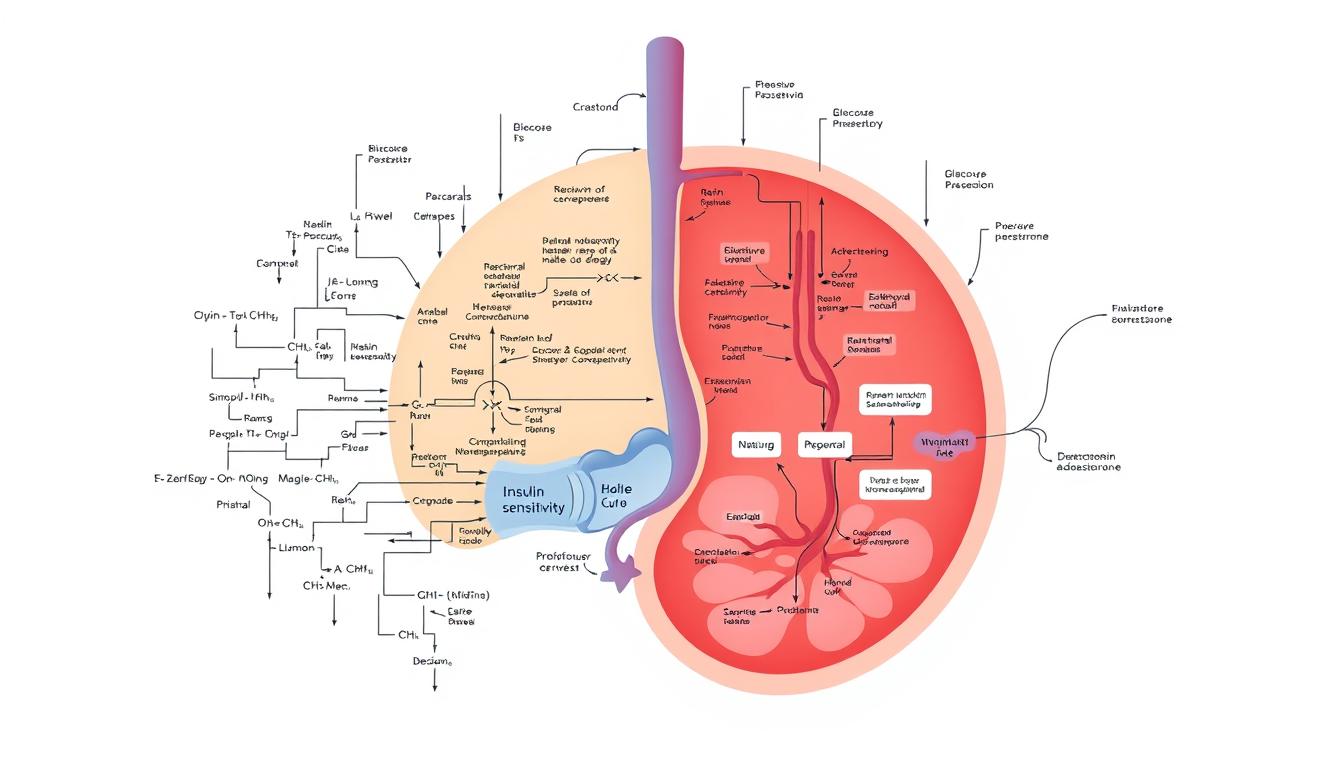
Animal studies demonstrate measurable improvements in key markers. Diabetic rodents receiving consistent doses showed:
- 23% lower fasting sugar measurements
- Enhanced insulin response to meals
- Improved arterial flexibility scores
| Parameter | Mechanism | Observed Effect |
|---|---|---|
| Blood Sugar | cAMP-mediated insulin release | 15% reduction in 8 weeks |
| Vascular Tone | Smooth muscle relaxation | 12% lower systolic pressure |
| Inflammation | Oxidative stress reduction | 18% lower CRP levels |
The compound’s ability to boost cellular messengers creates ripple effects across multiple systems. One researcher noted: “We’re seeing coordinated improvements that synthetic drugs often struggle to achieve”.
While rodent data appears promising, human responses remain less predictable. Current evidence suggests potential for addressing metabolic syndrome components, but clinical confirmation awaits large-scale trials. Always consult healthcare providers before considering new supplementation strategies.
Forskolin and Insulin Sensitivity
Pancreatic cells hold remarkable abilities to sense sugar levels and respond appropriately. When functioning properly, these specialized units release precise amounts of hormone to maintain balance. Research reveals how certain plant compounds might enhance this delicate process.
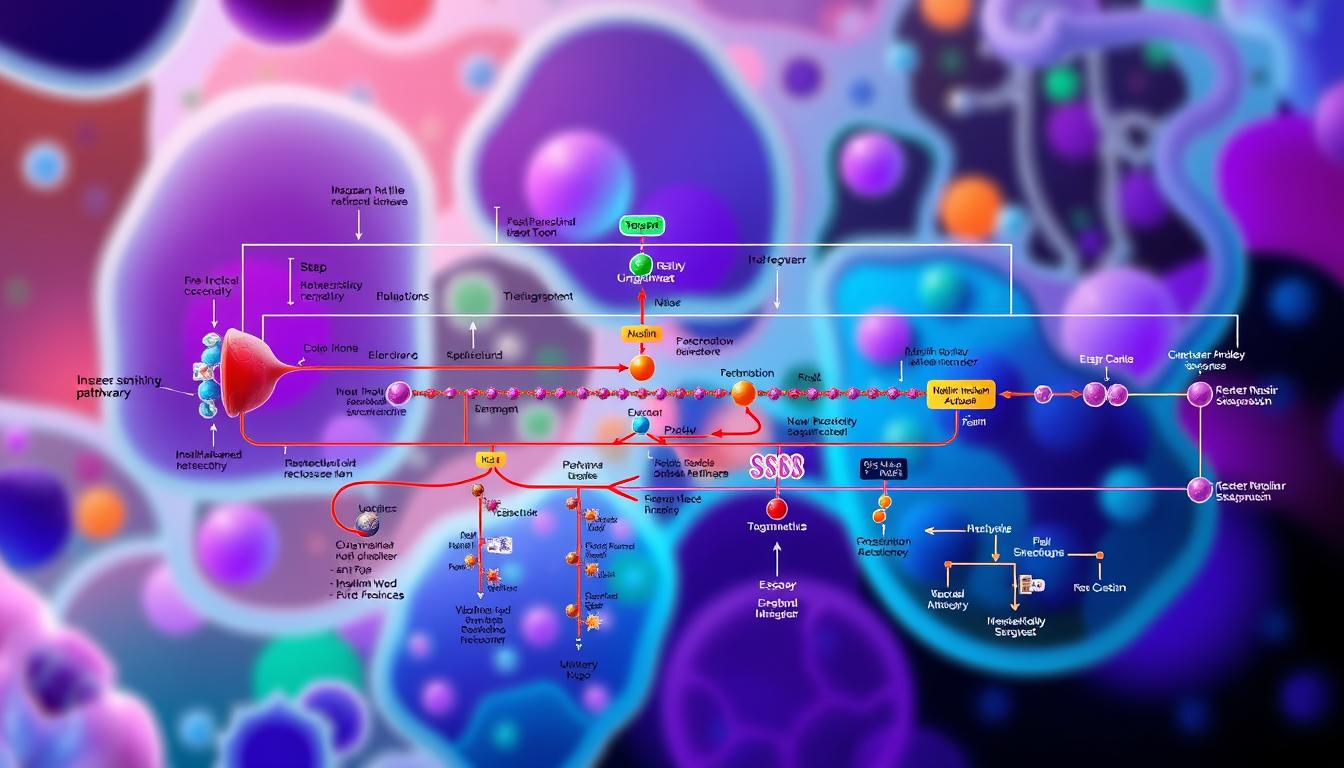
Role in Hormone Secretion and Sugar Processing
The compound activates cellular energy systems through adenylate cyclase stimulation. This triggers two parallel pathways in pancreatic beta cells:
- PKA activation improves glucose detection
- EPAC pathways boost hormone packaging efficiency
Animal studies demonstrate 28% faster response times to sugar spikes when these systems work together. Enhanced detection allows cells to release appropriate amounts even during metabolic stress.
Potential Applications in Metabolic Care
Diabetic rodents showed significant improvements after prolonged treatment:
| Group | Fasting Sugar | Hormone Response |
|---|---|---|
| Treatment | 189 mg/dL | 45% increase |
| Control | 274 mg/dL | No change |
These findings suggest possible benefits for maintaining pancreatic function. However, human trials remain essential to confirm safety and effectiveness. Experts caution that individual responses may vary based on existing conditions.
While lab results appear promising, consult your healthcare provider before considering any new regimen. Current evidence highlights potential rather than proven solutions for metabolic support.
Potential Benefits in Weight Management and Body Composition
Managing body composition challenges over 60% of adults in the U.S. Natural compounds that influence fat metabolism are gaining attention for their dual-action potential. Research suggests certain plant extracts may support healthier weight profiles through cellular energy modulation.
Effects on Body Fat and Lean Mass
A 12-week trial with female participants showed promising results. Those taking a standardized extract experienced:
- Reduced body mass gains compared to placebo
- Improved lean mass retention
- Better fat distribution patterns
Male-focused studies revealed more pronounced effects. Overweight participants demonstrated significant fat percentage reductions alongside lean mass preservation. The mechanism involves activating enzymes that break down stored triglycerides, turning fat into usable energy.
Comparison with Other Weight Loss Strategies
Unlike appetite suppressants or carb blockers, this approach targets metabolic pathways directly. Clinical data shows:
| Method | Primary Action | Fat Loss Impact |
|---|---|---|
| Dietary Restriction | Calorie reduction | Moderate |
| Exercise Programs | Energy expenditure | High |
| Botanical Extract | Cellular metabolism | Mild-Moderate |
While results appear modest compared to intensive programs, the compound’s ability to support existing efforts makes it noteworthy. Experts suggest combining multiple strategies for optimal body composition changes.
Antioxidant and Anti-Inflammatory Properties
Hidden beneath metabolic concerns lies a silent threat—chronic inflammation and cellular damage. Emerging studies highlight how certain plant compounds combat these issues through dual-action protection. This dual approach addresses both free radical accumulation and inflammatory responses simultaneously.
Reduction in Oxidative Stress Markers
Lab tests reveal significant decreases in lipid peroxidation when cells receive targeted support. Treated red blood cells show comparable antioxidant activity to vitamin E, protecting membranes from oxidative harm. This cellular shielding effect helps maintain healthy hemoglobin levels in circulation.
Mechanisms Behind Anti-Inflammatory Effects
The compound disrupts inflammatory pathways by calming overactive immune cells. Macrophages exposed to specific plant extracts produce 38% less thromboxane B2—a key inflammation marker. Elevated cAMP levels appear to block destructive enzyme cascades before they escalate.
Research suggests these effects might support vascular health by reducing oxidative strain on blood vessels. While promising, scientists emphasize the need for human trials to confirm optimal dosing strategies. Current findings offer intriguing possibilities for addressing inflammation at its source.