Over 90 million Americans struggle with snoring or nighttime congestion. If you’re among them, you may have considered adhesive strips designed to open nasal passages. These drug-free solutions promise improved airflow for deeper rest.
Research suggests these strips can expand the nasal cavity by up to 30%, reducing resistance during inhalation. Their flexible design adheres comfortably to the nose’s bridge, making them popular among athletes and sleepers alike.
While not a cure for sleep apnea, they address mild obstructions caused by allergies or structural issues. This article examines their effectiveness, limitations, and proper usage for optimal results.
Key Takeaways
- Non-invasive option for snoring and congestion relief
- Increases nasal airflow by expanding passages
- Drug-free and easy to apply before bed
- Best for mild breathing obstructions
- Complements other sleep hygiene practices
How Nasal Strips Work to Improve Breathing
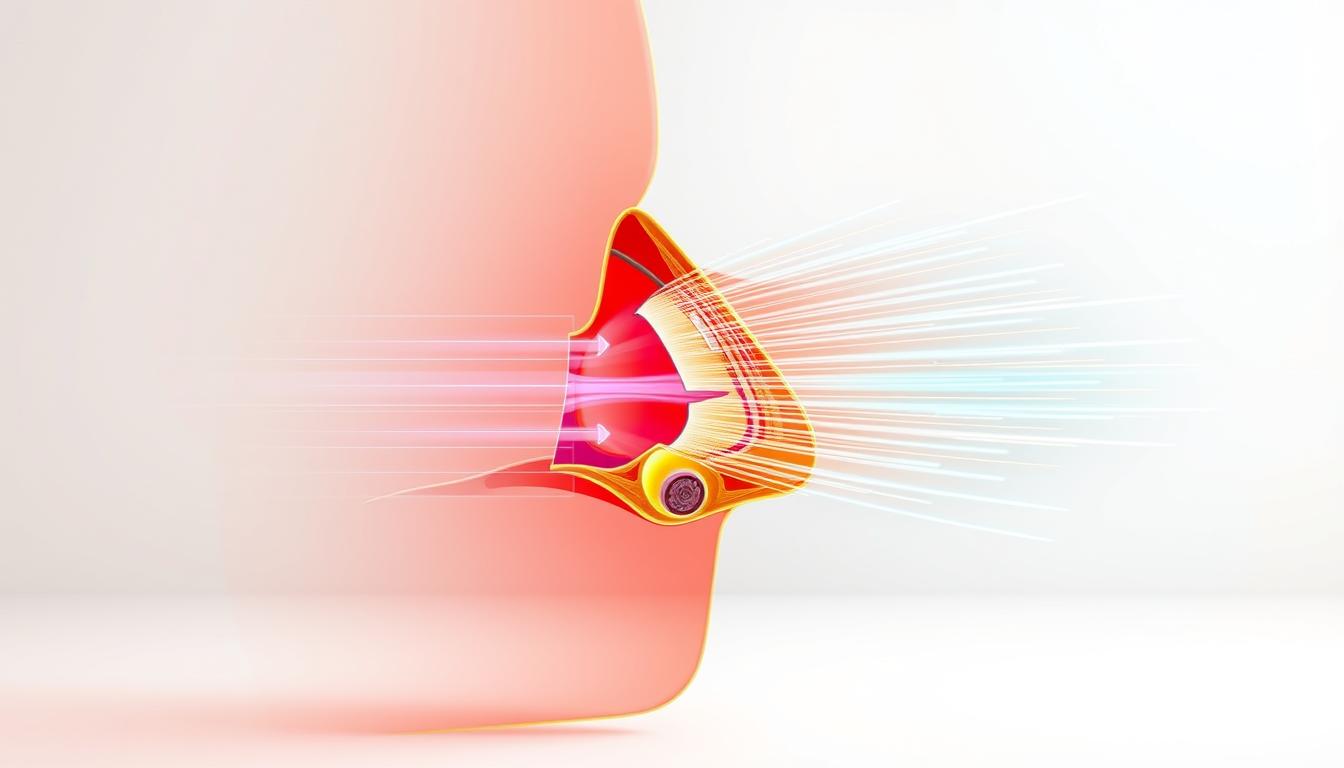
Millions rely on simple adhesive solutions for nighttime breathing relief. These thin, flexible bands stick to the outside nose, gently lifting the nostrils to open nasal passages. By widening the nasal valve—the narrowest point for airflow—they reduce resistance by up to 60%.
The Science Behind External Nasal Dilators
Unlike internal dilators, these strips work externally. Their adhesive-backed plastic layers act like springs, pulling upward to expand the nasal passages. Texas Sinus & Snoring notes this “spring-like action” directly targets the nasal valve, where most breathing obstructions occur.
Targeting the Nasal Valve for Better Airflow
The nasal valve controls over 50% of airflow resistance. When congested or narrow, it forces harder breathing. Studies show these strips improve respiratory disturbance indexes during sleep, making them ideal for mild cases.
- Mechanical action: Physically lifts nostrils without drugs.
- Key benefit: Reduces snoring caused by collapsed nasal valves.
- Limitation: Less effective for severe obstructions like sleep apnea.
Can Nasal Strips Actually Help You Breathe Better at Night?
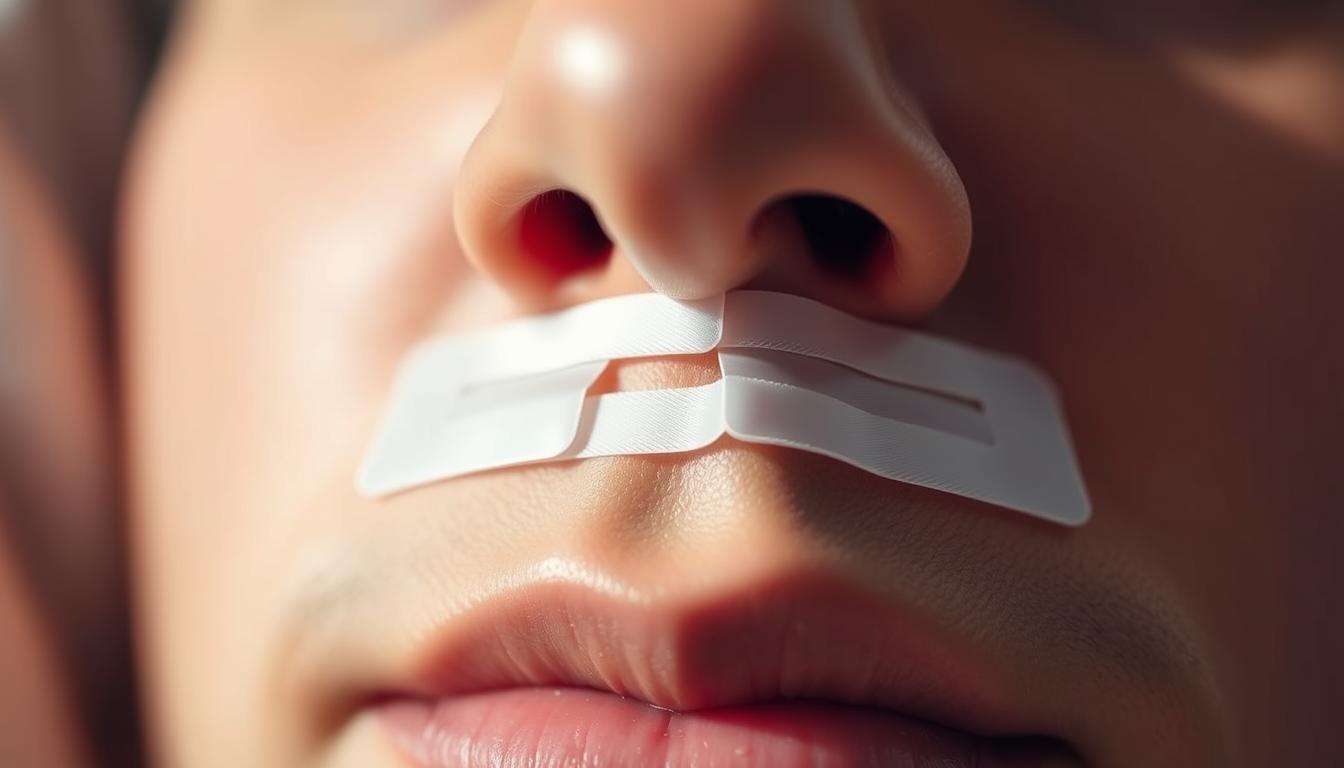
Breathing easier during sleep starts with addressing nasal congestion at its source. External strips offer a mechanical solution, lifting nostrils to reduce resistance. For mild cases, studies show they lower snoring intensity by up to 40%.
Reducing Snoring and Nighttime Congestion
When nasal passages collapse, airflow becomes turbulent—causing snoring. By physically widening the nasal valve, strips minimize vibrations. Dr. Ben Cilento notes:
“For allergy-related congestion, these strips complement antihistamines by providing immediate relief.”
- Targeted action: Addresses blockages in the nasal valve.
- Limitation: Less effective for throat-based snoring.
Enhancing Oxygen Intake During Sleep
Athletes and light sleepers benefit from improved oxygen intake. Wider passages allow deeper breaths, supporting restorative sleep cycles. Research indicates a 15% boost in airflow during moderate activity.
Non-Invasive and Drug-Free Benefits
Unlike decongestants, strips avoid side effects like drowsiness. Their adhesive design suits sensitive users. However, obstructive sleep apnea requires CPAP therapy—strips alone won’t resolve throat obstructions.
Limitations of Nasal Strips
While these adhesive solutions offer quick relief, they aren’t a cure-all for every breathing issue. Understanding their boundaries ensures realistic expectations and better health choices.
Temporary Relief vs. Chronic Conditions
These strips excel at easing mild congestion or seasonal allergies. However, chronic issues like deviated septums need medical intervention. For persistent symptoms, consult an ENT specialist.
Potential Skin Irritation and Sensitivity
The adhesive may cause redness or itching, especially with sensitive skin. To minimize effects, clean the nose before application and remove gently. Dr. Kayem recommends:
“Test a small area first. If irritation occurs, switch to hypoallergenic brands.”
Not a Solution for Obstructive Sleep Apnea
Severe obstructive sleep disorders require CPAP machines or surgery. Strips only open nasal passages—they can’t prevent throat collapse. For advanced treatment, explore options like SnorEx® procedures.
- Short-term fix: Ideal for occasional snoring or congestion.
- Preventive care: Combine with humidifiers for allergy sufferers.
- Medical advice: Seek help if symptoms persist beyond two weeks.
Effectiveness for Specific Conditions
Not all breathing issues are equal—strips excel in specific scenarios. Their adhesive design targets nasal obstructions, offering relief where other solutions fall short. Below, we explore their strengths and limitations across common conditions.
Targeted Relief for Allergies and Congestion
Seasonal allergies often swell nasal passages, making breathing laborious. Strips mechanically lift nostrils, reducing congestion by 30–40%. Breathe Right® reports high satisfaction among users during pollen season.
For mild cases, they complement antihistamines without drowsiness. Texas Sinus & Snoring advises:
“Strips are ideal for temporary relief but won’t replace long-term treatment for chronic allergies.”
Why They Fall Short for Sleep Apnea
Obstructive sleep apnea involves throat collapse, which strips can’t address. Their action is limited to nasal valves, explaining their 20% efficacy in apnea cases. Severe disorders require CPAP machines or surgery.
Combining Strips with CPAP Therapy
For dual issues—nasal congestion and apnea—strips enhance CPAP comfort. Mayo Clinic notes adjusted mask fit prevents air leaks when used together. This hybrid approach improves compliance for apnea patients.
| Condition | Strips’ Effectiveness | Recommended Complements |
|---|---|---|
| Allergies/Congestion | High (reduces snoring by 40%) | Antihistamines, humidifiers |
| Obstructive Sleep Apnea | Low (throat collapse unaffected) | CPAP, professional diagnosis |
| Hybrid Use (CPAP + Strips) | Moderate (improves mask seal) | ENT consultation |
- Allergy-season benefits: Reduce congestion without medication side effects.
- Anatomical limits: Ineffective for throat-based snoring or severe apnea.
- Expert guidance: Always consult a specialist for persistent symptoms.
How to Use Nasal Strips Correctly
Proper application ensures maximum benefits from adhesive breathing aids. When used right, they enhance airflow and minimize discomfort. Follow these guidelines to optimize fit, placement, and skin safety.
Choosing the Right Size and Fit
Size matters—too small won’t lift nostrils effectively; too large causes peeling. Most brands offer right size options for adults and kids. For children, select pediatrician-approved versions.
Step-by-Step Application Guide
Clean your nose with water (no oils). Align the strip’s bridge with your nasal bone. Press firmly from center to edges. Avoid repositioning to reduce adhesive wear.
- Test daytime use before relying on nighttime wear.
- Hypoallergenic brands like VIO2 suit sensitive skin.
Tips for Minimizing Skin Irritation
Redness or itching? Gently remove strips sideways. Dermatologists advise:
“Apply moisturizer post-removal. If irritation persists, switch to latex-free adhesives.”
Limit continuous use unless approved by a doctor.
Conclusion
Finding the right solution for better sleep starts with understanding your needs. Adhesive nasal strips excel at easing mild congestion or snoring, offering drug-free relief. Yet, they’re not a fix for severe issues like CPAP-treated apnea.
Pair them with lifestyle tweaks—side sleeping or weight management—to maximize benefits. For persistent symptoms, consult an ENT specialist. Texas Sinus & Snoring provides free consultations to tailor care for your health.