Nearly 20 million Americans live with thyroid dysfunction, yet only half know it. This silent epidemic drives many to seek answers through home-based health tools. Dr. Natalie Kunsman, a board-certified family physician, explains: “Convenience drives demand—people want answers without lab wait times or doctor visits.”
Medical guidelines clash on screening frequency. The American Thyroid Association advises testing every five years after age 35. Meanwhile, functional medicine experts push for annual checks if you experience fatigue, unexplained weight shifts, or hair changes. This gap leaves health-conscious individuals navigating conflicting advice.
Modern diagnostic kits promise lab-grade results through finger-prick samples mailed to certified facilities. While they eliminate clinic appointments, questions linger about accuracy compared to traditional blood draws. Your symptoms might guide testing urgency more than standardized schedules.
Key Takeaways
- 20 million Americans have undiagnosed thyroid issues
- Medical groups disagree on screening frequency guidelines
- Home tests prioritize convenience over in-person visits
- Symptomatic individuals may need more frequent checks
- Test accuracy depends on proper sample collection
Understanding At-Home Thyroid Testing Kits
Blood samples collected through finger pricks form the foundation of modern home thyroid assessments. These kits simplify diagnostics by eliminating clinic visits—register online, follow illustrated instructions, and mail your sample using included materials. Results typically arrive digitally within five business days.
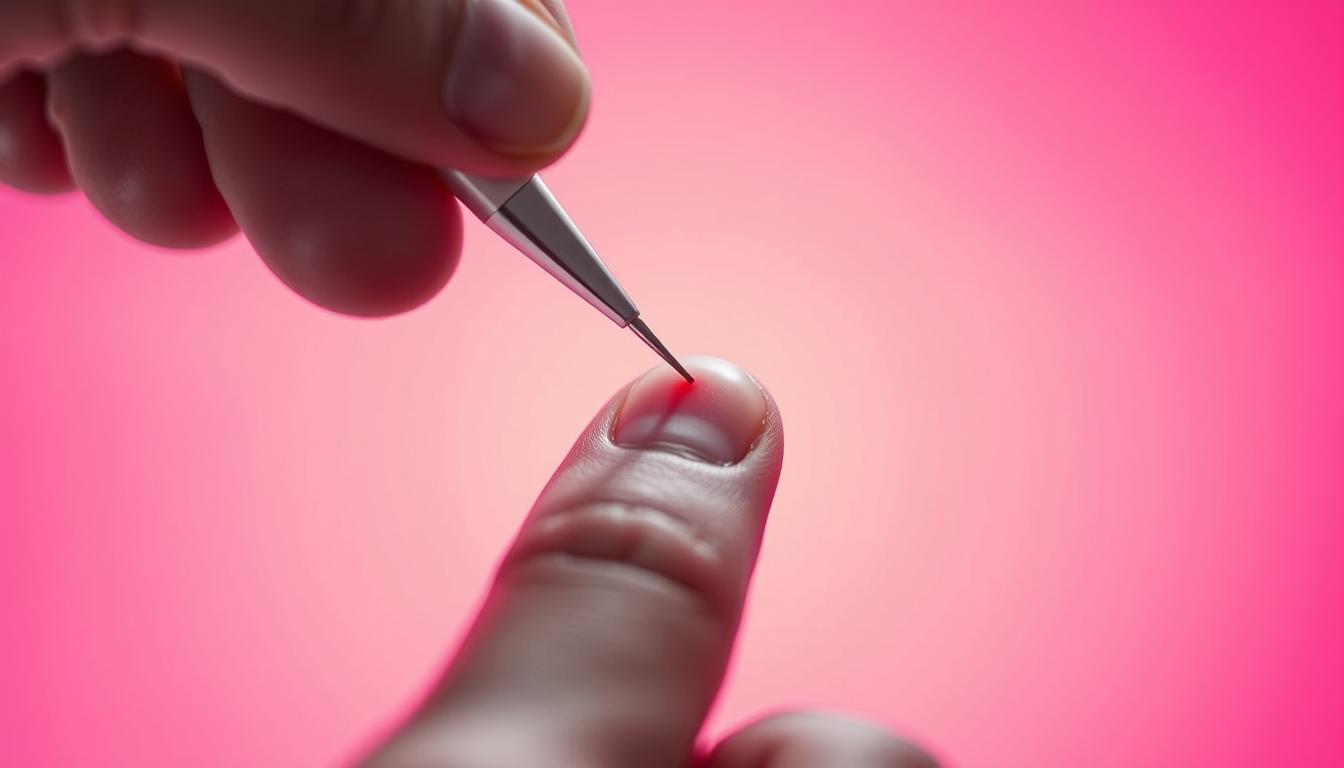
How They Work: The Fingerstick Process and Blood Samples
The process begins with a sterile lancet to draw capillary blood from your fingertip. Unlike venous draws requiring trained technicians, this method lets you collect samples independently. Proper technique ensures adequate volume: three to four drops usually suffice for analysis.
| Feature | Capillary Blood | Venous Blood |
|---|---|---|
| Collection Method | Fingerstick | Arm Vein Draw |
| Sample Volume | 0.1-0.2 mL | 3-5 mL |
| Common Uses | Basic hormone levels | Comprehensive panels |
Comparing At-Home Methods to In-Lab Testing
Traditional lab tests analyze broader biomarkers like thyroglobulin and TPO antibodies—critical for detecting autoimmune conditions. Home kits focus on essential metrics: TSH, free T3, and free T4. While convenient, they may miss complex issues requiring advanced antibody screening.
Benefits of At-Home Thyroid Testing
Modern healthcare solutions prioritize flexibility for those managing busy schedules or limited mobility. Self-administered diagnostics remove traditional barriers, offering immediate access to critical health insights without third-party coordination.
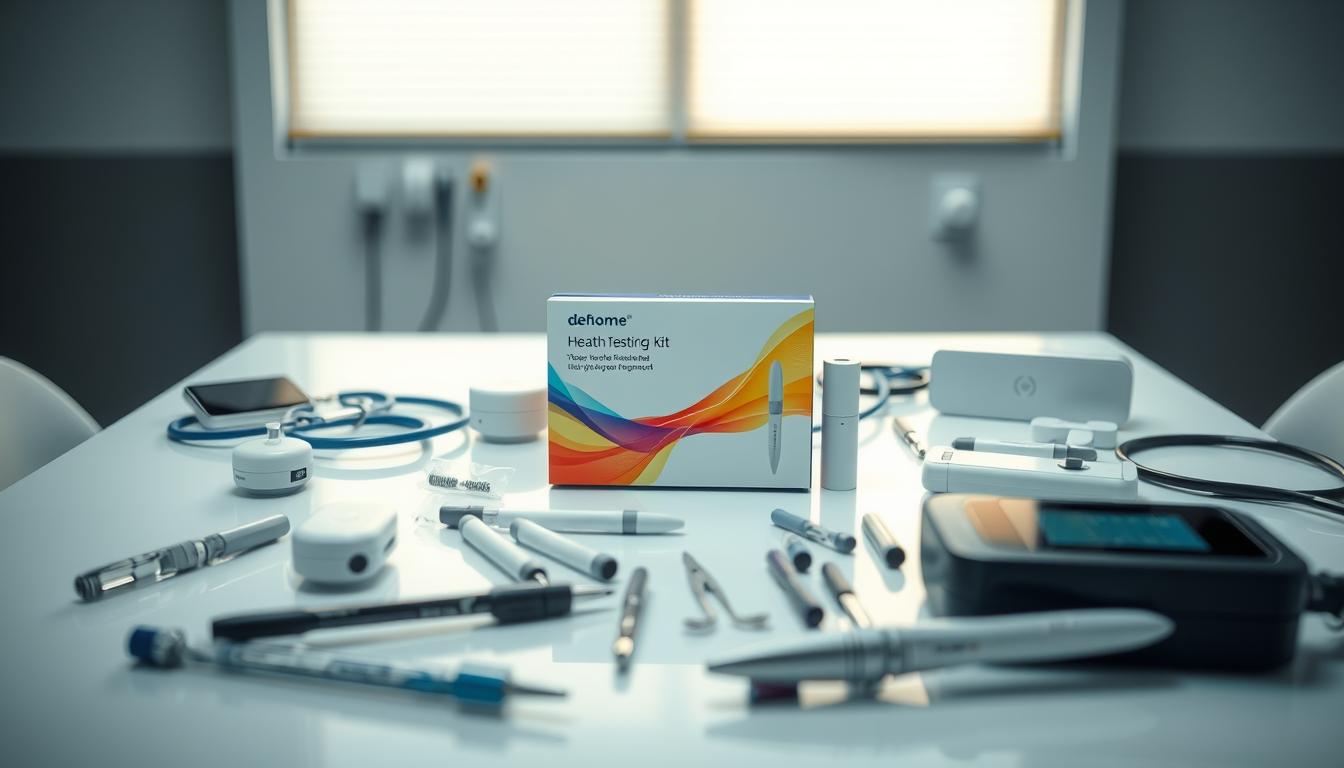
Convenience, Accessibility, and Empowerment
Dr. Katie Stephens highlights: “These tools transform how people engage with their wellness—no scheduling conflicts or commute delays.” Results arrive within days through secure portals, letting you review data privately before sharing with providers.
Three key advantages stand out:
| Feature | Home Testing | Clinic Testing |
|---|---|---|
| Time Required | 15 minutes | 2+ hours |
| Location | Your kitchen table | Medical facility |
| Control | Test when symptoms arise | Wait for appointments |
| Access | Rural/urban equality | Geographic limitations |
Frequent monitoring helps catch subtle hormone shifts early. Many conditions develop gradually—yearly checkups might miss crucial changes. Self-directed testing supports proactive health management.
Public health experts note broader implications: Widespread access could reduce undiagnosed cases by 37% according to recent models. Early detection often leads to simpler treatments and better outcomes.
Risks and Limitations of At-Home Tests
Self-collected diagnostics offer convenience but introduce unique challenges. Shipping delays or improper handling may compromise blood samples before labs analyze them. Dr. Natalie Kunsman notes: “Capillary specimens face higher degradation risk compared to venous draws—especially during summer heatwaves or winter freezes.”

Sample Integrity and Potential for Degradation
Fingerstick collections yield smaller volumes than traditional methods. This limitation becomes critical if labs need to rerun tests or expand analysis. Dr. Katie Stephens explains: “Capillary blood contains different cellular ratios—results might not perfectly match venous draws.”
| Factor | Home Test | Lab Test |
|---|---|---|
| Collection Method | Fingerstick | Venipuncture |
| Average Volume | 0.15 mL | 5 mL |
| Transit Risks | Temperature shifts | None |
| Retest Capacity | Limited | Multiple |
Most companies use stabilizer tubes and express shipping to reduce risk. Samples typically reach labs within 2-3 days—critical for preserving hormone levels. Contamination risk rises if collection instructions aren’t followed precisely.
While 92% of mailed tests yield usable results, borderline readings may require confirmation through clinical methods. Always consult providers if test outcomes conflict with symptoms.
Accuracy and Reliability Concerns
Lab certifications separate dependable diagnostics from questionable results. Reputable companies use facilities meeting strict federal standards to process samples. Dr. Natalie Kunsman clarifies: “If done and transported correctly, a fingerstick can be as accurate as a venous draw.”
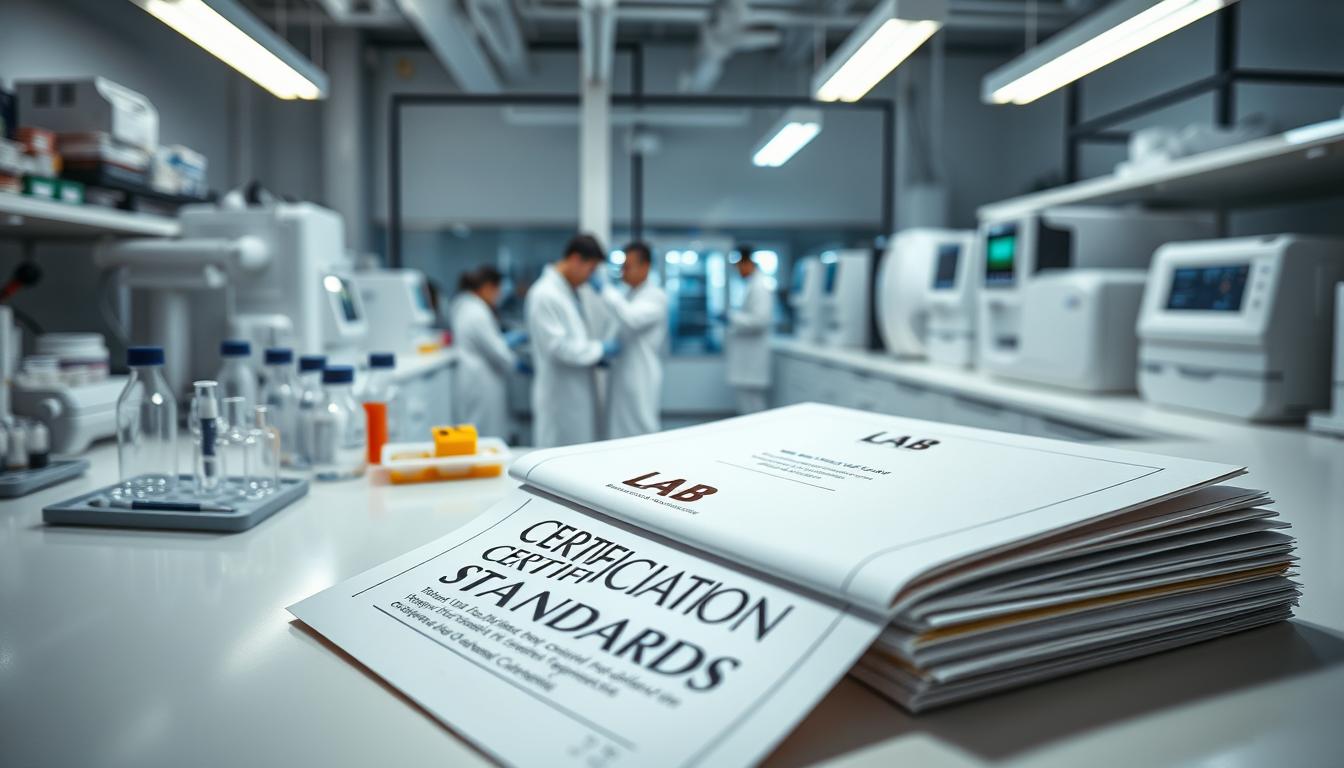
Certification Standards: CLIA and CAP Labs
CLIA and CAP certifications ensure labs follow precise testing protocols. These require:
| Certification | Focus | Inspections | Key Benefit |
|---|---|---|---|
| CLIA | Federal compliance | Every 2 years | Standardized methods |
| CAP | Advanced testing | Annual | Peer-reviewed excellence |
Choose companies using these labs for consistent results. Proper shipping stabilizers maintain hormone levels during transit.
Interpreting Limited Biomarker Panels
Home tests focus on three key markers: TSH, free T3, and free T4. A BMJ study confirms fingerstick blood tests match lab accuracy for specific metrics when collected properly. Missing antibodies like TPO may require follow-up testing.
Factors affecting reliability:
- Fasting before collection
- Morning sample timing
- Storage temperature control
Borderline results often need clinical confirmation. Pair your data with symptom tracking for complete insights.
Reviewing Major Testing Companies and Kits
Three industry leaders dominate the direct-to-consumer hormone analysis market. Each offers distinct approaches to thyroid evaluation through mail-order test kits. Payment flexibility varies significantly—some accept insurance, while others focus on streamlined out-of-pocket purchases.
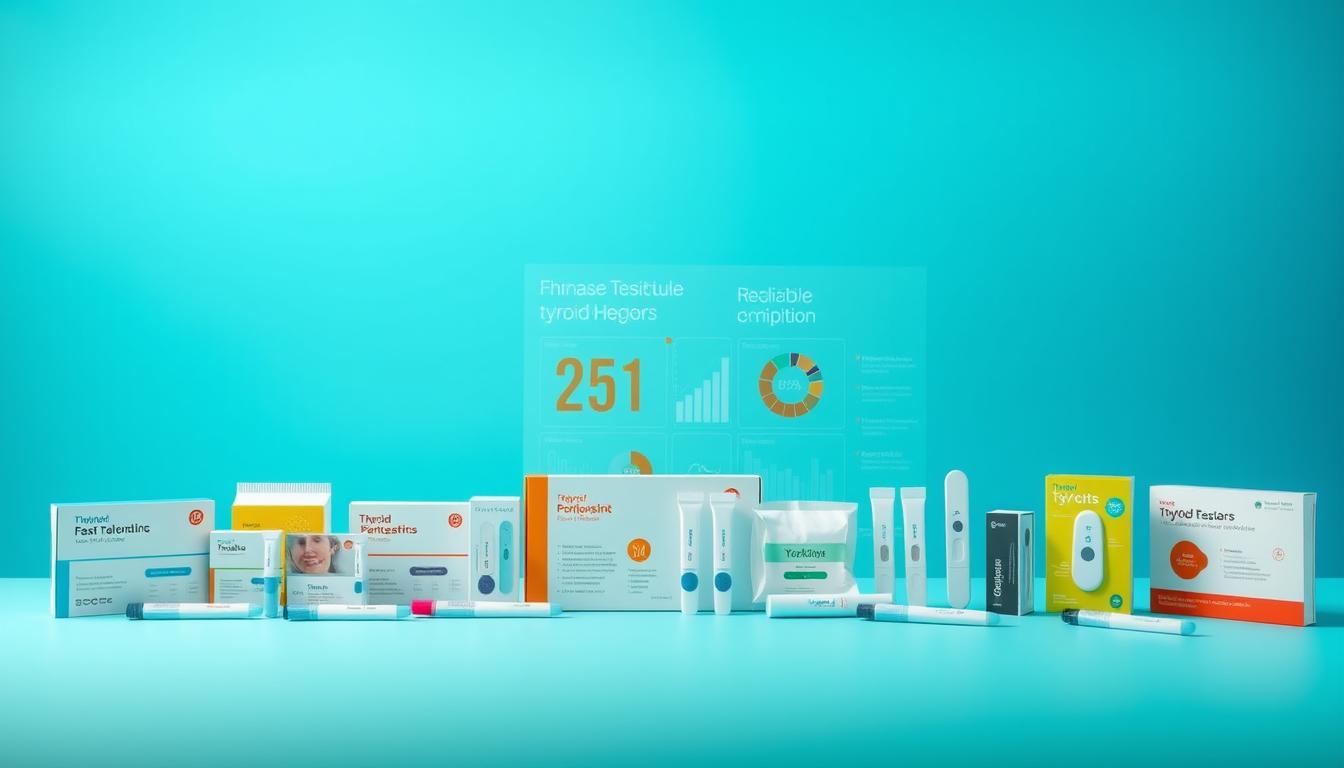
Comparative Insights on Leading Providers
| Feature | Everlywell | ZRT | Healthyr |
|---|---|---|---|
| Key Biomarkers | TSH, T3, T4, TPOAb | TSH, Free T3, Free T4 | TSH + Full Metabolic Panel |
| Price Range | $99-$149 | $120-$199 | $89 |
| Insurance | HSA/FSA only | Accepts some plans | Self-pay |
| Support | MD review available | Nurse consultation | Digital guides |
Everlywell stands out with autoimmune screening through TPO antibody measurements. Their kits include physician-reviewed results within five business days. ZRT offers saliva-based options alongside blood tests—ideal for needle-averse users.
Healthyr takes a budget-friendly approach but skips antibody testing. All companies provide prepaid return shipping. Time-sensitive users should note processing differences: ZRT averages 7-day results versus Everlywell’s 5-day turnaround.
Payment options impact accessibility. While ZRT partners with certain insurers, most at-home tests operate outside traditional coverage. HSA/FSA eligibility helps offset costs for those with health savings accounts.
Post-test resources vary widely. Some providers include telehealth consultations, while others deliver PDF reports without guidance. Always verify clinical support levels before purchasing test kits.
Can You Trust At-Home Thyroid Testing Kits?
Reliable thyroid monitoring starts with understanding test capabilities. These tools excel at tracking basic hormone imbalances but have defined boundaries. Dr. Natalie Kunsman states: “When used appropriately, home-based methods provide valuable snapshots—they’re not replacements for full clinical evaluations.”
Evaluating Test Validity and Trust Factors
Home thyroid screenings work best for two scenarios: initial detection of hormone imbalances and routine tracking of known conditions. Most kits accurately measure TSH, free T3, and free T4 levels when collected properly. These markers help identify hypothyroidism or hyperthyroidism—common issues affecting 1 in 8 Americans.
Limitations emerge when symptoms suggest complex causes. Autoimmune disorders like Hashimoto’s thyroiditis require antibody tests most home kits exclude. Thyroid cancer detection needs imaging studies and specialized blood work beyond basic hormone panels.
Trustworthy results depend on three factors:
- Lab certifications: CLIA-approved facilities ensure standardized processing
- Quality controls: Temperature-stable shipping materials preserve samples
- Symptom alignment: Results should correlate with energy levels, weight changes, or hair health
Abnormal findings warrant clinical follow-up. Dr. Kunsman advises: “Share your results with your doctor—they’ll order confirmatory tests if numbers look concerning.” While home options simplify monitoring, they complement—rather than replace—professional care.
Interpreting Test Results and Next Steps
Understanding your thyroid health involves decoding key hormone markers. These values reveal how your body regulates energy, metabolism, and vital functions. Proper interpretation guides effective next steps for maintaining wellness.
Breaking Down TSH, Free T3, and Free T4
TSH levels act as your body’s thyroid thermostat. Low thyroid hormone production triggers higher TSH readings, while excessive hormone levels suppress this marker. Free T3 represents active hormone influencing cellular activity, whereas Free T4 serves as a reserve converted into T3 as needed.
Balanced results typically indicate proper thyroid function. Discrepancies between markers—like elevated TSH with normal T4—often signal early-stage issues. Dr. Natalie Kunsman notes: “Patterns matter more than single numbers. Track trends over time for clearer insights.”
Action Steps After Receiving Results
Borderline or abnormal findings require medical consultation. Persistent symptoms like fatigue or weight fluctuations—even with normal levels—warrant deeper investigation. Share your data with a healthcare provider to discuss potential causes beyond basic hormone imbalances.
Update your doctor about recent lifestyle changes or medications that might affect thyroid function. Follow-up testing through clinical labs may be necessary to confirm results or explore autoimmune factors. Proactive communication ensures personalized care aligned with your body’s needs.