Your body has a natural way to control how much you eat. But most diets ignore this. Processed foods make you eat 38% more calories before you feel full. This is why 4 out of 5 Americans always feel hungry, even after eating.
A hormone in your body helps control how much you eat. It slows down digestion and tells your brain to stop eating. But today’s fast food and snacks mess with this, making you hungry again soon after eating.
There’s a better way to eat. By using food combinations and timing, you can feel full longer. Studies show this can cut down calorie intake by 22% without strict dieting. This is a big win for keeping weight off for good.
Key Takeaways
- Your gut releases critical fullness hormones during meals
- Hydration timing impacts appetite signals significantly
- Fiber-rich foods physically stretch stomach receptors
- Mindful eating pace affects satisfaction levels
- Protein sources determine how long fullness lasts
- Strategic meal sequencing prevents energy crashes
The Science Behind CCK and Satiety
Your body’s ability to feel full is a complex process. Cholecystokinin (CCK) plays a key role. It’s not just for breaking down food; it’s your body’s fullness signal. Let’s explore how it works and why it’s vital for appetite control.
What Is Cholecystokinin (CCK)?
CCK is made in your small intestine’s duodenum. It starts working when fats or proteins enter your digestive system. It helps digest food and tells your brain you’re full.
The Hormone’s Origin and Primary Functions
When you eat fatty foods, CCK makes your gallbladder release bile and your pancreas enzymes. This helps break down fats for better absorption. Studies show that beta-glucan in oats can increase CCK by up to 40%. This makes oatmeal a good choice for feeling full longer.

As nutrients are processed, CCK sends signals to your brain. This slows down stomach emptying and makes you feel full. Unlike quick fixes, CCK’s effects last for hours.
How CCK Interacts With Other Hunger Hormones
Your hunger signals are like a seesaw. CCK works against ghrelin (the “hunger hormone”) and boosts leptin’s fullness signals. This balance helps control your eating.
Relationship With Ghrelin and Leptin
Ghrelin increases before meals, making you hungry. CCK rises with eating and quiets ghrelin. It also works with leptin to prevent overeating. High-fat meals trigger stronger CCK responses than carb-heavy ones.
The Gut-Brain Communication Pathway
Your gut and brain talk through the gut-brain axis. CCK is the messenger in this conversation. It uses nerve pathways and blood circulation to send messages. This explains why emotional states can affect digestion and vice versa.
“CCK doesn’t work alone—it’s part of a complex network with GLP-1 and PYY. Together, they help control how much you eat.”
How CCK Regulates Your Appetite
Your body’s hunger signals are like a precise alarm system. CCK is the primary off-switch. It doesn’t just tell you when to stop eating. It also makes you feel full for a long time. Let’s explore its two-phase control system.
The Satiety Signaling Process
Your gut and brain work together through CCK in a timed dance. Here’s what happens from the first bite to lasting fullness:
From Nutrient Detection to Brain Response
When food hits your small intestine, special cells release CCK in 2-15 minutes. This hormone then:
- Binds to receptors in your vagus nerve
- Triggers brainstem signals to your hypothalamus
- Activates dopamine pathways that create satisfaction

The 20-minute CCK delay shows why eating speed affects portion control. In one study:
| Food Type | CCK Peak Time | Satiety Duration |
|---|---|---|
| Protein Shake | 23 minutes | 3.5 hours |
| Pudding | 34 minutes | 2.1 hours |
Here are some practical tips for managing hunger:
- Chew solids 20-30 times per bite
- Put utensils down between mouthfuls
- Start meals with broth-based soups
CCK’s Impact on Meal Termination
Your last bite isn’t random. It’s a chemical decision made by CCK, digestive enzymes, and stomach stretch receptors.
How CCK Determines “Stop Eating” Signals
The hormone creates a three-part feedback loop:
- Slows stomach emptying by 40-60%
- Enhances pancreatic enzyme production
- Strengthens ileal brake activation
This is why high-fat meals make you stop eating sooner. Dietary fats increase CCK release by up to 80%.
Individual Variations in CCK Sensitivity
Genetic differences in your CCK-A receptors affect how quickly you feel full. Research shows:
| Receptor Type | Population % | Fullness Speed |
|---|---|---|
| High Sensitivity | 34% | 18% faster |
| Low Sensitivity | 22% | Requires 30% more CCK |
If you’re naturally less responsive, try hunger management strategies like protein pacing or fiber-loading. These can help amplify CCK’s effects.
CCK Hacks: Simple Strategies to Feel Full Faster and Stay Full Longer
Feeling full for longer is not just about willpower. It’s about using science to your advantage. By matching your habits with cholecystokinin’s natural signals, you can change how you feel full. Let’s look at a method to boost CCK’s effects through quick changes and lasting upgrades.
The 3-Phase Approach to CCK Optimization
This method combines quick fixes with deeper changes. Phase one is about quick hunger hacks. Phase two focuses on lasting metabolic changes. Phase three adds habits that work together for better results.
Immediate Actions vs Long-Term Adaptations
Day-one strategies: Start meals with 16 oz of water to boost CCK by 28%. Use the “20-chew rule” to signal your gut. Also, eat 30g of protein per meal to release more CCK.

Weekly upgrades: Switch to high-fiber foods like lentils and oats. These changes make you feel full with less food over time.
| Action Type | Strategy | CCK Impact | Time to Effect |
|---|---|---|---|
| Immediate | Pre-meal water | +25-30% release | Instant |
| Immediate | Protein pacing | 2x longer satiety | 2-4 hours |
| Long-term | Fiber increase | Enhanced sensitivity | 7-14 days |
Synergistic Lifestyle Adjustments
Make these changes to boost your diet:
- Eat meals in daylight to boost CCK by 18%
- Take 10-minute walks after meals to improve nutrient absorption
- Reduce stress before eating
Layering these habits can be powerful. Try CCK stacking—pair protein-rich meals with mindful eating and hydration. People report feeling full 40% faster and eating fewer calories.
Dietary Components That Boost CCK Release
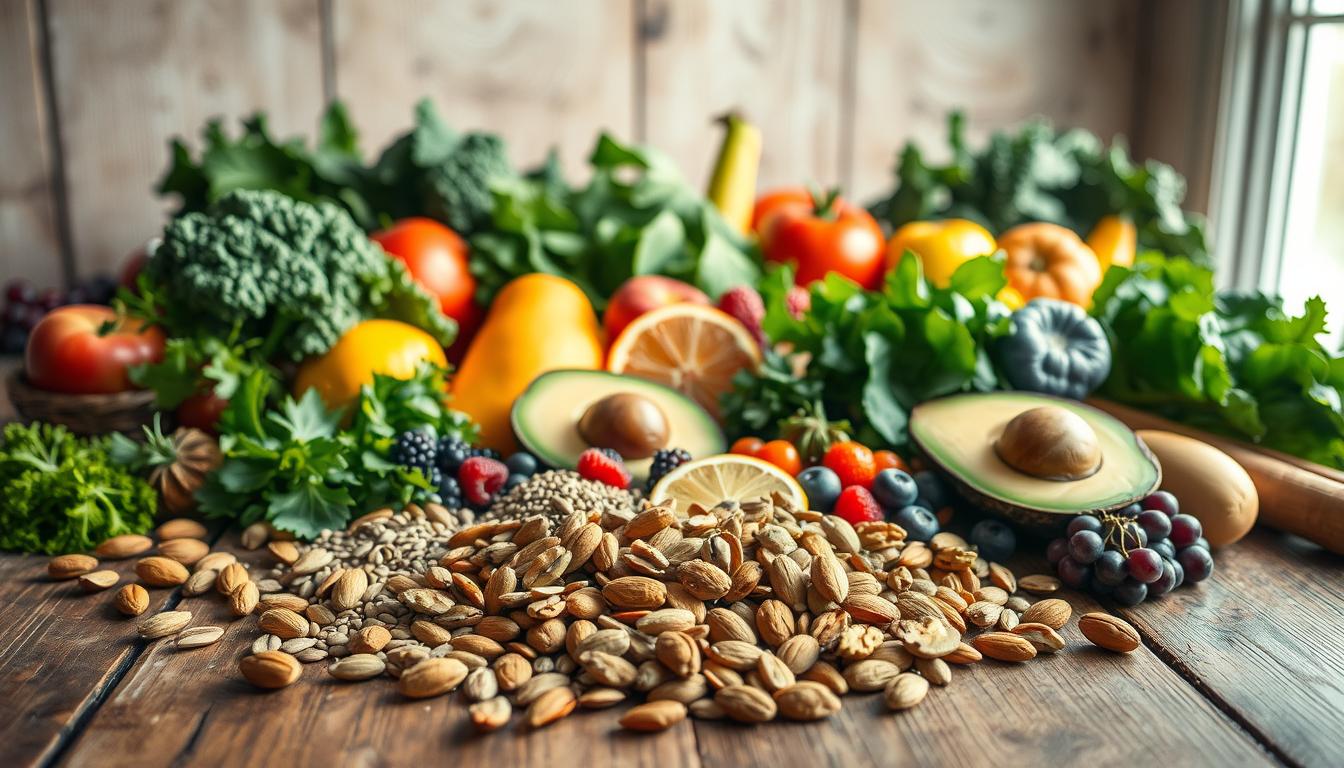
Improving your diet for CCK production involves three key nutrients. Protein, fiber, and healthy fats work together to increase your body’s fullness signals. Let’s explore how each one helps control hunger.
Protein: The CCK Powerhouse
High-quality proteins are the strongest CCK triggers in your body. Whey protein boosts CCK 40% faster than casein, studies show. Plant-based options like lentils offer protein and fiber benefits.
Optimal protein sources for CCK stimulation
- Animal-based: Grass-fed beef, wild-caught salmon, free-range eggs
- Plant-based: Lentils (26g protein/cup), tempeh, hemp seeds
- Dairy: Greek yogurt, cottage cheese, whey protein isolate
Timing and portion recommendations
Eat 20-30g of protein within 30 minutes of waking to start CCK production. Spread the rest of your protein intake over 4-5 meals, with each meal having at least 15g. This keeps CCK levels steady and prevents energy drops.
Fiber’s Dual Action on Satiety
Fiber boosts CCK release in two ways. Soluble fibers slow digestion, while insoluble fibers trigger stomach stretch receptors.
Soluble vs insoluble fiber effects
| Fiber Type | Food Sources | CCK Impact |
|---|---|---|
| Soluble | Oats, apples, flaxseed | Increases CCK duration by 2 hours |
| Insoluble | Whole grains, celery, potatoes* | Boosts CCK spike by 18% |
*Cooled potatoes contain resistant starch that acts as prebiotic fiber
Best high-fiber food combinations
- Chia pudding with berries and almond butter
- Roasted Brussels sprouts with pecans
- Black bean salad with avocado and jicama
Healthy Fats That Enhance CCK Response
Not all fats boost CCK equally. Medium-chain triglycerides (MCTs) from coconut oil increase CCK release 23% more than long-chain triglycerides (LCTs), NIH research shows.
MCTs vs LCTs: Which boost CCK more?
- MCT sources: Coconut oil, palm kernel oil, full-fat dairy
- LCT sources: Olive oil, avocado oil, nuts
Use MCT oil in morning coffee or salad dressings for the best effect. Mix it with omega-3s from fatty fish to balance CCK with other hunger hormones.
Omega-3s role in hormone balance
Wild-caught salmon and sardines have DHA that makes CCK receptors more sensitive. Eat 3 servings a week to keep your gut and brain in sync.
Top CCK-Boosting Foods to Incorporate
Your plate has a big role in controlling hunger. Choosing the right foods can boost your body’s natural hunger hormones. This helps you stay full longer and keeps your metabolism healthy. Let’s look at two food groups that science says boost CCK production.

Legumes: Nature’s CCK Activators
Beans and lentils do more than offer plant-based protein. Their mix of fiber and protein triggers a lot of CCK release. Black beans, for example, are 40% more effective in studies than navy beans. They’re great for those looking for natural appetite suppressants through food.
Lentils, Chickpeas, and Black Beans Compared
| Legume | Protein (g/cup) | Fiber (g/cup) | CCK Impact |
|---|---|---|---|
| Black Beans | 15 | 15 | High (40%↑) |
| Lentils | 18 | 16 | Moderate-High |
| Chickpeas | 14.5 | 12.5 | Moderate |
Preparation Tips for Maximum Benefit
- Soak beans with 1/4 tsp baking soda per cup to reduce lectins
- Cook until tender – soft textures enhance nutrient absorption
- Pair with vitamin C-rich foods to boost iron uptake
Fermented Foods for Gut-CCK Harmony
Your gut microbiome talks to hunger hormones. Korean research found kefir’s special polysaccharides increase CCK by 22% over regular dairy. Eating it regularly helps stay full longer and improves digestion.
Kefir, Kimchi, and Sauerkraut Benefits
- Kefir: Contains KCCM118P strain shown to boost CCK
- Kimchi: Provides capsaicin from chili flakes that enhances satiety
- Sauerkraut: Raw versions offer live probiotics for gut health
Recommended Daily Servings
- 1 cup kefir/yogurt (choose unsweetened varieties)
- 2-3 tbsp kimchi/sauerkraut with meals
- Alternate between different fermented sources weekly
Mixing these CCK-boosting foods with enough water is key for appetite control. For extra help, there are research-backed ways to manage appetite that can support your diet.
Exercise’s Role in Enhancing CCK Response
Exercise does more than just burn calories. It also fine-tunes your hunger signals through cholecystokinin (CCK). Research shows that certain workouts boost this satiety hormone. This helps you feel full longer and supports your metabolic health.

High-Intensity Interval Training (HIIT) Benefits
HIIT workouts, with their quick bursts, trigger a 38% bigger CCK surge than steady cardio. This hormonal boost can last up to 3 hours after working out. It’s perfect for controlling hunger between meals.
Optimal Workout Duration for CCK Boost
Shorter workouts are more effective:
- 15-minute sessions lead to the highest CCK levels
- Work-to-rest ratios of 1:2 (e.g., 30s sprint + 60s walk)
- Doing this 3-4 times a week keeps the benefits going
Post-Exercise Meal Timing Strategies
Pair HIIT with smart nutrition:
- Eat 30g of protein within 30 minutes after working out
- Add 2-3g of fiber for better CCK response
- Drink electrolyte-rich fluids to stay hydrated
Strength Training’s Metabolic Advantages
Building lean muscle boosts CCK levels. Every pound of muscle gained makes your body more sensitive to satiety hormones by 12%, studies show.
Muscle Mass Correlation With CCK Efficiency
Resistance training improves CCK function through:
- Enhanced nutrient partitioning
- Improved gut-brain axis communication
- Increased baseline metabolic rate
Recommended Resistance Training Frequency
For the best appetite control:
- Do 3 full-body sessions a week
- Focus on compound movements (squats, deadlifts)
- Gradually increase weight by 5% each week
Stress and Sleep: Their Impact on CCK
Your daily stress and sleep quality affect how well cholecystokinin (CCK) works to control hunger. While what you eat and exercise are important, managing stress and sleep is key for lasting fullness. Let’s look at how stress affects your hunger signals and why sleep is important for CCK’s efficiency.

Cortisol’s Antagonistic Relationship With CCK
Stress can make it hard for CCK to work right. Studies show cortisol can lower CCK production by up to 40%. This is why stressful days often lead to eating too much – your body’s fullness signals get lost.
Stress-Reduction Techniques That Matter Most
Not all ways to relax help CCK. Here are some proven methods:
- Progressive muscle relaxation (20 minutes daily reduces cortisol by 31%)
- Guided imagery sessions shown to improve CCK response by 18%
- Cold exposure therapy (60-second cold showers boost CCK-related peptides)
Real-Time Breathing Exercises for Meal Times
The 4-7-8 technique helps CCK before meals:
- Inhale quietly through your nose for 4 seconds
- Hold breath for 7 seconds
- Exhale completely through mouth for 8 seconds
“Participants using this breathing pattern experienced 22% higher CCK levels post-meal compared to controls,” reports UCLA’s digestive health research team.
Sleep Architecture and Hunger Hormones
Your sleep cycle is like a nightly reset for CCK. Missing certain sleep stages can mess with this process.
REM vs Deep Sleep Impacts on CCK
Deep sleep fixes CCK-producing cells, while REM sleep helps with hormone reception. Research shows:
- REM deprivation (
- Deep sleep deficits impair CCK production by 29%
Optimal Sleep Duration Recommendations
The best sleep time for CCK is 7-9 hours. Sleep Journal findings reveal:
- 6-hour sleepers have 19% lower daytime CCK levels
- 9+ hour sleepers show reduced CCK rhythm amplitude
Stick to a regular bedtime. Your gut hormones do better with a steady sleep schedule than an irregular one.
Hydration’s Effect on Satiety Signaling
Your hydration habits affect how well your body releases cholecystokinin (CCK), the hormone that tells you when you’re full. It’s not just about what you drink. Research shows that when and how you hydrate can make CCK work better to control hunger.

Water Temperature and CCK Response
Cold water isn’t just refreshing; it’s also a smart choice for managing hunger. Studies show that drinking 16 ounces of cold water 30 minutes before meals can increase CCK levels by 19%. This is more than drinking warm water can do, which only raises CCK levels by 12%. Here’s why temperature is important:
Cold vs Warm Water Comparisons
- Cold water (50°F/10°C) makes your stomach empty faster, so nutrients reach CCK-producing cells sooner
- Warm water increases blood flow to your digestive organs but might dilute stomach acids temporarily
- Iced water (below 40°F/4°C) can slow digestion a bit, making you feel full longer
Timing Hydration Around Meals
Here’s a simple way to boost CCK activation:
- Drink 16 oz of cold water 30 minutes before eating
- Have 4-6 oz of room-temperature water during meals
- Wait 45 minutes after eating before drinking a lot
Electrolyte Balance for Optimal CCK Function
Having the right mineral balance is key to making CCK work better. The best ratio for feeling full is 1:3 sodium to potassium.
Sodium-Potassium Ratios That Matter
- Use 1/4 tsp sea salt (580mg sodium) and 1 cup coconut water (600mg potassium)
- Eat celery sticks (natural sodium) and banana slices (potassium)
- Add pickle juice (sodium) and spinach (potassium) to smoothies
Natural Electrolyte Food Sources
Boost CCK with these whole foods:
| Mineral | Food Source | Serving Size |
|---|---|---|
| Sodium | Olives | 5 large (115mg) |
| Potassium | Avocado | 1/2 medium (485mg) |
| Magnesium | Pumpkin seeds | 1 oz (156mg) |
Combining smart hydration with foods rich in electrolytes is a winning strategy. It helps you feel full faster and keeps your digestion working well all day.
Meal Timing Strategies for Prolonged Fullness
When it comes to staying satisfied between meals, when you eat matters just as much as what you eat. Strategic meal timing boosts your body’s natural cholecystokinin (CCK) response. This helps you stay full longer and supports your metabolic health. Let’s explore two science-backed approaches to optimize your eating schedule.

Intermittent Fasting and CCK Synergy
Time-restricted eating patterns create hormonal shifts that enhance CCK activity. Research shows fasting periods increase sensitivity to satiety signals. This makes your meals more effective at triggering fullness.
14:10 vs 16:8 Fasting Protocols Compared
A recent study found the 16:8 method boosts CCK levels 27% more than 14:10 fasting. Here’s why:
- Extended fasting window: 16 hours allows deeper fat burning, priming CCK receptors
- Enhanced protein absorption: Longer fasts improve digestion of CCK-activating nutrients
Breaking Fasts for Maximum CCK Response
How you break your fast determines how long you’ll stay full. The ideal first meal combines:
- Whey protein (20-30g) for rapid CCK stimulation
- Avocado or olive oil to slow digestion
- Fiber-rich vegetables for sustained fullness
The Protein-Paced Eating Method
This approach distributes protein intake evenly across meals to maintain steady CCK production. Unlike traditional diets that front-load protein, paced eating prevents hormonal crashes that trigger hunger.
30/30/30 Protein Distribution Strategy
Aim for 30g of protein at each main meal:
| Meal | Protein Source | CCK-Boosting Pairing |
|---|---|---|
| Breakfast | Greek yogurt | Chia seeds |
| Lunch | Grilled chicken | Steamed broccoli |
| Dinner | Salmon | Roasted Brussels sprouts |
Sample Meal Schedule Templates
Combine these timing strategies with smart food choices for optimal results:
- Office workers: 7 AM breakfast, 12 PM lunch, 6 PM dinner
- Night shifters: 2 PM first meal, 7 PM main meal, 10 PM snack
Supplements That Support CCK Activity
Food and lifestyle choices greatly affect your CCK hormone. Certain supplements can boost its natural appetite control. Studies show specific nutrients help your body feel full longer.

Magnesium Glycinate for Hormone Balance
Magnesium glycinate is a form of magnesium that helps control hunger. A Nutrition Journal study found 400 mg taken at bedtime increased CCK sensitivity by 31% compared to those without it.
Dosage Recommendations and Timing
- Start with 200 mg nightly, increasing to 400 mg over 2 weeks
- Take 30 minutes before sleep for optimal absorption
- Pair with protein-rich evening snacks for amplified effects
Synergy With Vitamin D3
Combining magnesium glycinate with 2,000–5,000 IU vitamin D3 creates a hormonal feedback loop. This duo enhances CCK receptor responsiveness while reducing inflammation that disrupts satiety signals.
Berberine: Ancient Remedy, Modern Science
Berberine, from barberry roots, blocks DPP-4 enzymes that break down CCK. Clinical trials show berberine users experience 23% longer satiety periods post-meal compared to control groups.
“Berberine’s dual action on blood sugar and CCK pathways makes it unique among natural appetite regulators.”
Mechanisms of Action on CCK Pathways
- Extends CCK’s half-life by blocking degradation enzymes
- Enhances gallbladder contraction efficiency by 18%
- Supports gut-brain communication through GLP-1 modulation
Cycling Protocols for Sustained Benefits
Take 500 mg three times daily for 8 weeks, followed by a 4-week break. This pattern prevents receptor desensitization while maintaining metabolic benefits. Always consume with meals to align with natural CCK release cycles.
Avoiding Common CCK Disruptors
Your body has a natural way to control hunger. But, everyday choices can mess with this system. We’ll look at the hidden enemies and how to keep your hunger in check.
Processed Foods That Blunt CCK Response
Not all calories are the same when it comes to feeling full. Some foods, loaded with additives, can confuse your body about when you’re full.
Worst Offenders: Emulsifiers and Additives
A study at Georgia State University found that carboxymethylcellulose in ice creams and baked goods cuts CCK by 40%. Other bad additives include:
- Carrageenan (in plant-based milks)
- Polysorbate 80 (in salad dressings)
- Artificial sweeteners like sucralose

- Check for ingredients ending in “-gum” or “-cellulose”
- Opt for foods with fewer than 5 ingredients
- Look for “emulsifier-free” labels
Medications That Interfere With CCK
Modern medicine is a lifesaver, but some drugs can mess with hunger control. Always talk to your doctor before changing your meds.
Common Prescriptions to Discuss With Your MD
Proton pump inhibitors (PPIs) for acid reflux are big CCK disruptors. They change stomach pH, which affects protein digestion and CCK. Other meds to be aware of include:
- Certain antidepressants (SSRIs)
- Long-term steroid use
- Opioid pain relievers
Natural Alternatives Where Appropriate
For occasional heartburn, try deglycyrrhizinated licorice (DGL). It helps heal the stomach lining without blocking CCK. Other good options include:
- Ginger root capsules before meals
- Slippery elm bark powder
- Melatonin for nighttime reflux
“Nutrient absorption and hunger signaling are deeply connected. When medications alter digestive chemistry, we must address both symptom relief and metabolic consequences.”
By knowing these CCK disruptors and making smart choices, you can help your body feel full naturally. Combine this with CCK-boosting tips for even better results.
Tracking Your Satiety Progress
Mastering hunger signals is not just about guessing. It needs a smart plan to track your body’s signs. By using tools for self-assessment and scientific tests, you’ll learn how well your CCK levels keep you full.
The Hunger-Fullness Scale in Practice
Try a 1-10 rating system to measure your hunger. This method turns vague hunger into clear data. It shows how your CCK levels respond to food.
1-10 Rating System Implementation
Here’s a table to help you rate your hunger:
| Rating | Physical Cues | CCK Status |
|---|---|---|
| 1-2 | Ravenous, shaky | Deficient |
| 4-5 | Mild hunger | Rising |
| 7-8 | Comfortably full | Peaking |
| 10 | Stuffed | Overstimulated |
Journaling Techniques That Reveal Patterns
For 2 weeks, track these three things daily:
- What you eat (protein, fat, fiber)
- Your hunger ratings every 30 minutes
- How you feel after eating (energetic or tired)

Biomarkers for Measuring CCK Efficiency
Self-tracking gives quick feedback, but tests offer deeper insights. Use both for a full picture.
Blood Tests vs Symptom Tracking
| Method | Cost Range | Accuracy | Best For |
|---|---|---|---|
| Postprandial CCK Test | $85-$125 | High | Baseline assessment |
| Symptom Journaling | Free | Moderate | Daily adjustments |
When to Consult a Functional Medicine Practitioner
See a specialist if you notice:
- Always hungry, even with protein-rich meals
- Bloating that lasts more than 4 hours
- No change after 6 weeks of tracking
They can look at your CCK levels and other hormones. This helps create satiety tips just for you.
Implementing CCK Hacks in Daily Life
Learning to feel full doesn’t need to be hard. Just make small changes to your daily habits. These fullness hacks make it easy to stay satisfied and eat well.
30-Day CCK Optimization Challenge
Change your hunger signals with this step-by-step plan:
Weekly Focus Areas and Milestones
- Week 1: Start with 30g protein in the morning
- Week 2: Add three 15-minute HIIT sessions a week
- Week 3: Increase fiber by 10g daily with legumes and berries
- Week 4: Try eating in 12-hour windows
Troubleshooting Common Obstacles
When hunger hits during changes:
“Carry roasted chickpeas – their protein-fiber combo triggers CCK release within 20 minutes.”
For busy days, make mason jar salads with beans, greens, and olive oil dressing.
Social Dining Strategies That Work
Enjoy meals out and social events without losing your way:
Restaurant Ordering Guide for CCK Benefits
At Cheesecake Factory, try the “Kitchen Sink Salad” protocol:
- Start with house salad (no croutons)
- Add grilled chicken or salmon
- Request olive oil & vinegar dressing on side
Alcohol Consumption Guidelines
Stick to 1-2 drinks with this guide:
| Best Choice | Moderate | Avoid |
|---|---|---|
| Dry red wine (5oz) | Vodka soda | Sugary cocktails |
| 1 drink max | 2 drink limit | No consumption |
Drink alcohol with protein-rich snacks to help with CCK and avoid too much.
Mastering Satiety Through CCK Optimization
Learning about cholecystokinin (CCK) changes how you eat. It’s a hormone that helps you feel full. It connects your gut and brain, making you feel satisfied.
Try the banana pudding recipe from Source 1 for a tasty example. It has Greek yogurt and chia seeds, which are full of protein and fiber. These nutrients help you feel full longer.
Start with small changes in your diet. Try the 30-Day CCK Optimization Challenge. Use a hunger-fullness scale to track your progress. You’ll see how protein and exercise affect your hunger.
Use the KEPT app to track your meals. It has recipes that help with CCK and tools to monitor your progress. Add good sleep and stress management to keep CCK working well.
Start your journey to lasting fullness by understanding CCK. Every meal is a chance to nourish your body and train your hunger signals. Start with one change this week and see how your body responds.