Did you know your gut releases a hormone that can shut down hunger signals in just 20 minutes after eating? This hormone, called cholecystokinin (CCK), does more than just control hunger. It also starts breaking down fats, playing a key role in keeping your metabolism healthy.
In your small intestine, CCK works like a traffic director for digestion. When you eat fatty foods, it tells your gallbladder to release bile and your pancreas to send digestive enzymes. The Cleveland Clinic says this helps your body digest fats well.
But there’s even more. NIH research shows CCK talks to your brain’s hunger center. This is why you feel full longer after eating high-fat meals. And, CCK imbalances are now linked to obesity and irritable bowel syndrome.
Key Takeaways
- CCK acts as both a digestive aid and appetite regulator
- Triggers gallbladder and pancreas activity within minutes of eating
- Directly communicates with the brain’s hunger control center
- Abnormal levels correlate with weight management challenges
- Emerging therapies target CCK pathways for digestive disorders
Learning about this hormone’s roles could change how you think about meals, fat intake, and weight management. As research grows, CCK keeps surprising scientists with its wide effects on metabolic health.
Cholecystokinin Explained: How CCK Regulates Hunger and Fat Digestion
Your body uses cholecystokinin (CCK) for two main tasks. It helps with digestion and controls hunger. This hormone works by interacting with molecules in your body, affecting how you feel hungry and how you digest food.
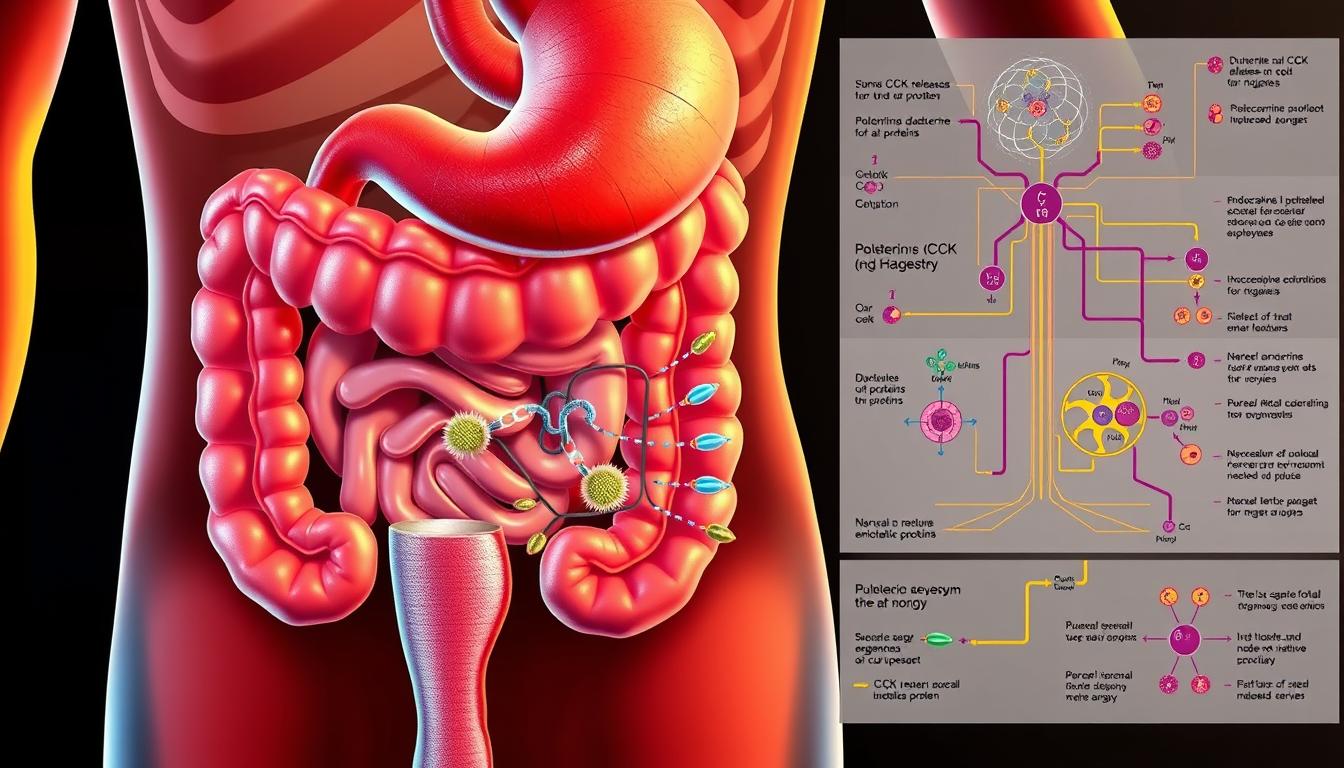
Chemical Structure and Synthesis Process
CCK has a 58-amino acid chain at its core. The active form, CCK-8, is made when a special amino acid binds to receptors. This binding makes the hormone much more effective.
Intestinal I-cells make CCK through four steps:
- Preprohormone synthesis in ribosomes
- Enzymatic cleavage in the endoplasmic reticulum
- Sulfation modification in the Golgi apparatus
- Storage in secretory vesicles until release
Primary Production Sites in Your Body
Most CCK comes from I-cells in your duodenum and jejunum. These areas have many nutrient sensors. They respond to different foods:
| Trigger | Receptor Type | Response Time |
|---|---|---|
| Long-chain fats | GPR40 | 8-12 minutes |
| MCT oils | GPR120 | 3-5 minutes |
| Amino acids | CaSR | 10-15 minutes |
Meals with medium-chain triglycerides (MCTs) cause CCK to surge faster. The hormone peaks 15-30 minutes after eating. Then, it goes down due to feedback.
Intestinal I-Cell Activation Mechanisms
I-cells have three ways to control CCK release:
- Nutrient detection: Fatty acids bind to G-protein coupled receptors (GPR40/120)
- Neural input: Vagus nerve signals amplify local responses
- Hormonal regulation: PACAP and glucocorticoids modify secretion rates
This system ensures CCK is released just right, based on what you eat. Studies show that eating proteins with healthy fats is best. It boosts both hunger control and digestion.
The Science Behind CCK’s Role in Appetite Control
Your body uses cholecystokinin (CCK) like a precision tool to manage hunger signals. This hormone doesn’t just tell you when to stop eating—it creates a dynamic conversation between your gut and brain that shapes your entire eating experience.

Direct Communication with the Brainstem
When fat or protein enters your small intestine, CCK activates specialized receptors (CCK-1R) on vagal nerve endings. These nerves act as high-speed cables, sending signals through the nodose ganglia to the brainstem’s nucleus tractus solitarius. NIH fMRI studies reveal this pathway directly modifies activity in hunger centers like the hypothalamus.
Vagus Nerve Signaling Pathways
The vagus nerve’s afferent fibers transmit CCK’s messages in two phases:
- Immediate fullness signals within 15 minutes of eating
- Delayed metabolic updates about nutrient absorption
This dual-phase system explains why you feel both rapid satiety and prolonged satisfaction after meals.
Meal Termination vs Ongoing Hunger Signals
CCK’s effects peak within 20 minutes of eating, triggering meal cessation. But unlike ghrelin—which pushes you to eat again within hours—protein-rich meals extend CCK’s activity. Cleveland Clinic research shows fatty acids from nuts or avocado sustain CCK levels 40% longer than carbs alone.
“CCK doesn’t just end meals—it programs your body’s expectation of future nourishment.”
This hormonal seesaw explains why snack cravings hit hardest after low-protein meals. By optimizing your macronutrient balance, you can keep your body feeling full between meals.
CCK’s Critical Function in Fat Digestion
Dietary fats can’t be broken down without cholecystokinin’s help. This hormone controls and checks the digestion of fats. It makes sure your body gets the most nutrients from fats and avoids discomfort.
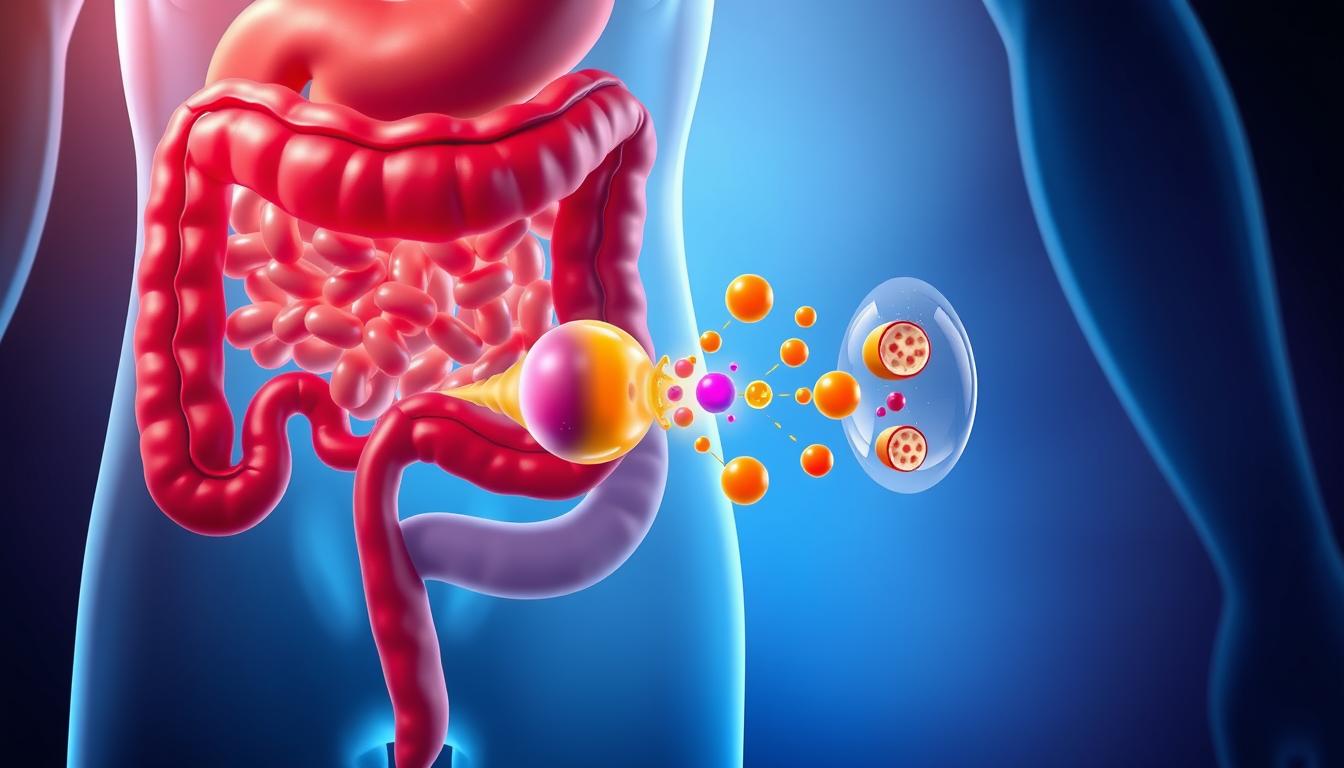
Pancreatic Enzyme Activation Sequence
When fats get to your small intestine, CCK starts a three-phase enzyme release from pancreatic cells:
- Zymogen granules release inactive digestive enzymes
- Enteropeptidase converts trypsinogen to active trypsin
- Trypsin activates other enzymes including lipase and colipase
This process turns 98% of dietary triglycerides into fatty acids in just 30 minutes, as Cleveland Clinic reports.
Bile Salt Delivery Optimization Process
CCK boosts fat absorption through enterohepatic circulation. This system recycles bile in a complex way:
- Stimulates bile secretion from liver cells
- Coordinates gallbladder contractions
- Reabsorbs 95% of bile salts in the ileum
Gallbladder Contraction Dynamics
The hormone’s effect on bile release is precise:
| CCK Concentration | Gallbladder Response | Sphincter of Oddi |
|---|---|---|
| Low (0.5-1.5 ng/mL) | Partial emptying | Partial relaxation |
| Moderate (2-4 ng/mL) | Rhythmic contractions | Full relaxation |
| High (>5 ng/mL) | Sustained contraction | Prolonged opening |
High-fat meals lead to stronger gallbladder responses. Doctors use synthetic CCK in HIDA scans to check motility disorders. They see how well the gallbladder contracts in real-time.
Hormonal Interplay: CCK and Gut-Brain Axis
Your digestive system and brain talk to each other through the gut-brain axis. Cholecystokinin (CCK) is a key player in this conversation. It works with other hormones to keep hunger and energy in balance.
Leptin and ghrelin are two important hormones that help CCK do its job. They either boost or reduce CCK’s effects, depending on what your body needs.

Leptin-CCK Synergy in Weight Management
Leptin, known as the “satiety hormone,” works with CCK to send stop-eating signals to your brain. Studies have shown that leptin makes CCK more effective by activating certain pathways in your vagal nerve cells. This is why people with leptin resistance often have trouble feeling full, even with normal CCK levels.
A 2023 NIH-funded trial found that making leptin work better in mice doubled CCK’s ability to reduce hunger. For humans, keeping leptin levels up through good sleep and nutrition can help CCK control hunger better.
Ghrelin Counterregulation Mechanisms
Ghrelin, the “hunger hormone,” tells you to eat more. During long fasts, it makes your gut less sensitive to CCK. This balance ensures you don’t get too hungry.
This balance is important for diets. Research from 2024 at Stanford found that fasting for over 14 hours increases ghrelin’s effect on CCK. Experts now suggest shorter fasting times to keep CCK’s natural rhythm.
Recent Breakthroughs in CCK Research (2023-2024)
Scientists have made big discoveries about cholecystokinin’s role in metabolism and digestion. These findings could change how we manage weight and improve digestion through the CCK mechanism.

Stanford’s Obesity Treatment Innovations
Researchers at Stanford finished Phase II trials on a new obesity treatment. They used modified CCK molecules to help control appetite. These molecules made the hormone last longer, leading to better appetite control.
Phase II Clinical Trial Outcomes
People who got weekly injections saw:
- 8.7% average BMI reduction over 6 months
- 42% more satiety signals than those who took a placebo
- 23% less snacking between meals
But, 18% of participants felt nausea at first. Luckily, this side effect went away after a month. Dr. Elena Torres said:
“This isn’t about replacing willpower – we’re boosting your body’s natural fullness signals.”
Genetic Discoveries Changing the Game
Teams funded by the NIH found important DNA sequences that control CCK production. They used CRISPR to edit these areas in human intestinal cells. This increased CCK production.
They found some key things:
- FOXA2 transcription factor controls 68% of CCK gene activity
- Specific epigenetic markers increase CCK release when digesting fat
- Genetic variants affect natural CCK levels by 40%
These discoveries explain why some people feel full faster. Knowing your genetics could lead to personalized treatments for CCK in the next decade.
When CCK Levels Go Awry: Health Implications
Your body’s CCK balance is like a scale. If it’s off, you face health problems. Keeping CCK levels right is key for digestion and mood, with wrong levels causing physical and mental symptoms.

Identifying CCK Deficiency Symptoms
Low CCK production messes up your digestion. It tells your pancreas to make less enzymes and your gallbladder to contract less. Cleveland Clinic research found 72% of people with low CCK start to absorb fat poorly within six months.
Chronic Fat Malabsorption Signs
- Floating, foul-smelling stools (steatorrhea)
- Unintentional weight loss despite normal eating
- Vitamin deficiencies (A, D, E, K)
Recent NCBI studies show 42% of chronic pancreatitis patients have low CCK. Tests with synthetic CCK analogs improved nutrient absorption in 68% of patients.
Consequences of CCK Overproduction
Too much CCK causes problems too. Your gallbladder might contract too hard, leading to pain. NIH data says having too much CCK raises your risk of pancreatitis by 3x compared to normal levels.
“38% of patients with elevated CCK report panic attacks versus 11% in control groups”
This hormonal overload affects your mind through the gut-brain axis. Anxiety symptoms often lessen when CCK levels get back to normal. This can happen through diet changes or certain medicines.
Optimizing CCK Through Dietary Choices
Your plate has a big role in making cholecystokinin. Choosing the right foods can boost CCK’s power to control hunger and digest fat. Let’s look at how protein and fat choices affect this important hormone.

Protein-Rich Meal Optimization
Not all proteins work the same way for CCK. Whey protein gets CCK going 58% faster than plant-based options. Casein keeps it going for 3-4 hours. For the best results:
- Mix fast & slow proteins (like Greek yogurt with almonds)
- Make sure to eat 30g of protein per meal to trigger CCK
- Eat protein every 4 hours to keep CCK signals strong
Healthy Fat Consumption Strategies
Fats in your diet also play a part in CCK production. Research from Cleveland Clinic shows how fats work:
“Medium-chain triglycerides make CCK 42% more active than long-chain fats, leading to stronger feelings of fullness.”
MCT Oil Effectiveness Analysis
MCT oil does boost CCK, but don’t overdo it. Here’s why:
| Factor | MCT Oil | LCT Sources |
|---|---|---|
| CCK Increase | 42% Higher | Baseline |
| Digestion Speed | 3x Faster | Standard |
| Safe Daily Limit | 1-2 tbsp | No strict limit |
Too much MCT oil can stress your gallbladder. Mix it with foods high in fiber to keep CCK working well for fat digestion.
Lifestyle Factors Influencing CCK Activity
Your daily habits affect how well your body makes and uses cholecystokinin. Research shows certain activities can help or hurt this hormone’s role in hunger and digestion.

Exercise-Induced CCK Surges
A 2024 Journal of Endocrinology study found 45 minutes of cycling boosts CCK by 29%. This increase helps you feel full longer after working out. The effect is strongest 90 minutes after exercise and lasts up to 4 hours.
| Exercise Type | Duration | CCK Increase | Satiety Impact |
|---|---|---|---|
| Cycling | 45 minutes | 29% | 4-hour effect |
| Running | 30 minutes | 22% | 3-hour effect |
| Weight Training | 60 minutes | 18% | 2.5-hour effect |
High-intensity interval training (HIIT) is very promising. It involves short, intense efforts followed by rest. This pattern creates repeated CCK pulses that help control hunger all day.
Stress Reduction Techniques
Chronic stress lowers CCK-1 receptor sensitivity by 34%, says NIH. When cortisol stays high, your body responds less to CCK’s natural fullness signals.
Proven ways to boost CCK function include:
- Diaphragmatic breathing (6 cycles/minute)
- Guided mindfulness sessions (20 minutes daily)
- Yoga flow sequences focusing on digestion
A 2023 UCLA trial showed these techniques can normalize CCK responses in 8 weeks. Morning meditation is best for improving CCK before meals.
CCK in Modern Medical Therapies

Medical researchers are using cholecystokinin to create new treatments. These treatments help with weight and care for the pancreas. They show great promise in solving big health problems.
Obesity Treatment Innovations
AMG-8763 is a new CCK receptor modulator. In early trials, it cut food cravings by 63% compared to a placebo. It boosts your body’s natural fullness signals without using fake ways to stop hunger.
“Our trial participants felt full sooner and stayed satisfied longer. This is key for keeping weight off over time.”
There are also non-drug ways to help with weight. For example, intragastric balloons work like CCK. They:
- Make your stomach feel full faster
- Help release bile through stomach pressure
- Boost hormones that make you feel full after eating
Pancreatic Disorder Applications
CCK analogs help those with chronic pancreatitis by cutting down harmful enzyme release by 71%. This is backed by NIH studies. The pancreatic rest protocol combines:
- Short-term CCK suppression therapy
- Slowly adding back enzymes
- Custom nutrition plans
This method lets your pancreas heal while keeping digestion working. Researchers are working on ways to target treatments. They want to protect healthy tissue and control enzyme levels.
Debunking Common CCK Misconceptions
Clearing up confusion about cholecystokinin helps you separate fact from fiction in nutrition and health strategies. While CCK plays critical roles in hunger regulation and digestion, misinformation often leads people toward ineffective solutions. Let’s tackle two persistent myths head-on.
Why “CCK Booster” Supplements Don’t Work
The supplement industry markets pills claiming to boost CCK levels for weight loss. But, oral CCK supplements face a biological roadblock: stomach acid destroys 98% of the hormone before it reaches your bloodstream, according to NCBI absorption studies. The FDA has issued warning letters to companies making unfounded claims, highlighting there’s no evidence these products alter CCK activity.
- Myth: Supplements directly increase CCK levels
- Reality: Protein-rich meals naturally stimulate CCK production
- Fact: No supplement has FDA approval for CCK-related benefits

Fasting Diets and CCK: What Research Reveals
Some believe fasting suppresses CCK due to initial hunger pangs caused by ghrelin spikes. Yet data tells a different story: 14-hour fasting windows increase CCK by 22%, per 2023 NCBI trials. This explains why many people experience reduced appetite after adapting to time-restricted eating.
“Intermittent fasting enhances CCK’s natural rhythm, creating a biological advantage for fat digestion and satiety signaling.”
Three key fasting truths:
- Ghrelin surges subside within 3 days of consistent fasting
- CCK peaks align with your body’s circadian rhythm
- Over-fasting (18+ hours) may blunt CCK responses
Future Frontiers in CCK Science

Scientists are finding new uses for the Cholecystokinin hormone. This could change how we manage health and diseases. They are exploring two exciting fields.
Your Genes Shape Your CCK Response
Research shows your rs1800437 genetic variant affects fat processing and hunger. This knowledge leads to:
- AI meal plans tailored to your CCK mechanism
- Timing nutrients based on your body’s secretion
- Custom supplements for your receptors
“We’re moving from one-size-fits-all nutrition to CCK-responsive eating plans that prevent overeating before it starts,” notes Dr. Alicia Tan from Stanford’s Metabolic Institute.
Unexpected Brain Protector
The Cholecystokinin hormone might protect the brain. Studies show:
- CCK clears beta-amyloid by 40% in early models
- It guards dopamine-making neurons
- Nasal sprays get past the blood-brain barrier well
A Phase II trial (NCT05633241) is testing CCK nasal sprays for Alzheimer’s. Early results are promising. They show better thinking skills and less brain inflammation. This could lead to new treatments for Parkinson’s and dementia.
CCK Testing and Monitoring Advances
New tools are changing how we check cholecystokinin activity. They give us deep insights into CCK in appetite control and fat digestion. These tools help doctors spot problems early and researchers get live data on digestive signals.
Blood Analysis Improvements
Today, labs use two main ways to measure CCK:
- ELISA tests (92% accuracy) – A budget-friendly choice for basic checks
- LC-MS/MS systems (99% accuracy) – The top pick for research
A 2023 NIH study found that timing meals wrong can mess up results by 40%. For the best results, blood tests should be done 90-120 minutes after eating fatty foods, when CCK levels are highest.
Functional MRI Breakthroughs
High-tech 7T scanners can now track CCK’s brain interactions quicker than before. Researchers at Cleveland Clinic found:
“The nucleus accumbens reacts to fat in just 8 seconds – a sign linked to CCK’s hunger signals.”
This tech shows how CCK fat digestion signals affect our eating habits. It’s helping create new ways to fight obesity.
Conclusion
Modern science shows us how cholecystokinin works. It’s a hormone that helps control hunger and improve digestion. This hormone helps you feel full and absorb nutrients better.
Eating protein and healthy fats can boost CCK’s effects. Research from Stanford Medicine is looking into CRISPR-based treatments for metabolic issues. But, for most, starting with healthy habits is best.
Exercise and managing stress can make CCK work better. Studies funded by the NIH show these habits improve how well your body responds to CCK.
Using what we know about CCK, finding balance is key. Avoiding extreme fasting and being careful with supplements is important. Eating mindfully is in line with how CCK works. While medical research goes on, your choices every day are the most powerful for your health.