For decades, butter was labeled as unhealthy, but modern science tells a different story. Studies now show that saturated fats from natural sources like butter may not be the villains they were once thought to be. In fact, grass-fed varieties contain essential nutrients like vitamins A, D, and K2.
This creamy ingredient does more than enhance flavor. It helps your body absorb fat-soluble vitamins from other foods. When used wisely, it can be part of a balanced diet.
This guide will help you choose the best types, store them properly, and use them in ways that boost both taste and nutrition. Let’s explore how to make the most of this versatile dairy product.
Key Takeaways
- Modern research challenges old myths about saturated fats.
- Grass-fed butter provides key vitamins like A, D, and K2.
- It enhances nutrient absorption from other foods.
- Proper storage preserves freshness and quality.
- Strategic use balances flavor and health benefits.
Why Butter Deserves a Place in Your Kitchen
Once shunned for its fat content, butter is now recognized as a nutrient-dense kitchen staple. Research reveals it’s far more than a flavor enhancer—it’s a source of essential nutrients that support overall health.
The Nutritional Powerhouse: Vitamins and Fatty Acids
Grass-fed butter delivers fat-soluble vitamins (A, D, E, and K2) crucial for immunity and bone strength. Just one tablespoon provides 11% of your daily vitamin A needs.
Its fatty acids also shine. Butyric acid supports gut health by reducing inflammation, while conjugated linoleic acid (CLA) may lower cancer risk. Unlike processed margarine, butter contains over 400 natural fats.
Debunking the Saturated Fat Myth
A 2010 meta-analysis of 21 studies in Time Magazine found no link between saturated fat and heart disease. Later, a 2014 study in Annals of Internal Medicine with 500,000+ subjects echoed these findings.
As chef Jean-Pierre noted, “The 1980s butter-free menus were based on flawed science.” Today, we know natural fats in butter outperform artificial alternatives in both flavor and health benefits.
Choosing the Right Butter for Health
Not all butter is created equal—some types offer far more nutritional perks than others. The cattle’s diet, processing methods, and salt content all play a role. Here’s how to pick the best type for your needs.
Grass-Fed vs. Grain-Fed: What’s the Difference?
Cows raised on pasture produce richer milk, yielding butter with 500% more CLA (a beneficial fatty acid) than grain-fed varieties. Grass-fed also boasts 26% more beta-carotene, a precursor to vitamin A.
| Nutrient | Grass-Fed Butter | Grain-Fed Butter |
|---|---|---|
| CLA (Conjugated Linoleic Acid) | High (up to 500% more) | Low |
| Omega-3 Fatty Acids | 26% higher | Standard |
| Vitamin K2 | Present | Trace amounts |
Salted vs. Unsalted: Which Is Better for Cooking?
Salted butter (1.6-1.7% sodium) enhances savory dishes but can throw off baking measurements. Unsalted is versatile, letting you control salt content. Pro tip: Salted lasts 3-4 months longer in the fridge.
For long-term storage, wrap butter in wax paper and freeze for 6-9 months. This preserves its fatty acid profile and vitamin richness.
Health Benefits of Cooking with Butter
Beyond flavor, research reveals surprising perks of incorporating this dairy staple into meals. Its unique fats and vitamins work synergistically to enhance wellness—from your gut to your heart.
Enhanced Nutrient Absorption from Foods
Butter’s fats activate bile production, helping your body extract fat-soluble nutrients like vitamins A, D, and E. A Runner’s World report notes pairing it with veggies boosts absorption by 30-50%.
For example, roasting carrots in butter increases beta-carotene bioavailability. Chef Thomas Keller advises deglazing pans with it to capture flavorful—and nutritious—fond.
Butter’s Role in Heart Health and Inflammation
A 2022 NIH study found grass-fed varieties have a neutral effect on LDL cholesterol, challenging old assumptions about heart health risks. Its butyrate content also reduces inflammation—clinical trials show 40% fewer IBD symptoms.
“France’s high butter consumption yet low heart disease rates—the ‘French paradox’—suggests quality fats matter more than quantity.”
Key fatty acids like CLA and vitamin K2 further protect arteries. As nutritionist Dr. Rhonda Patrick notes, “K2 directs calcium to bones, not blood vessels.”
- Pro tip: Use unsalted butter to control sodium while maximizing nutrients.
- Science-backed: Butyrate supports gut lining integrity, reducing leaky gut risk.
Best Cooking Methods to Preserve Butter’s Nutrients
The way you cook with butter impacts both its taste and nutritional value. Gentle heat and proper techniques protect its delicate fats and nutrients, while high temperatures can degrade them. Whether sautéing vegetables or crafting pastries, these methods ensure you get the most from every tablespoon.
Low-Heat Cooking: Sautéing and Roasting
Butter’s low smoke point (302°F/150°C) means it burns easily. For perfect sautéing, keep the heat medium-low. Stir frequently to distribute the fat evenly and prevent browning too quickly.

Roasting with butter? Brush it on veggies or proteins during the last 10 minutes. This preserves its flavor and avoids charring. For butter-basting steak:
- Melt 2 tbsp butter with herbs in a pan.
- Tilt the pan and spoon the liquid over the meat repeatedly.
- Remove from heat before butter darkens.
Baking with Butter: Tips for Flaky Results
Cold butter is key for flaky crusts. When baked, its water content evaporates, creating steam pockets. For pie dough:
- Freeze butter cubes, then grate them into flour.
- Work quickly to keep the fat from warming.
In cakes, room-temperature butter creams better with sugar, yielding a lighter texture. For laminated doughs like croissants, fold chilled butter layers to build structure.
| Technique | Butter State | Ideal Temp |
|---|---|---|
| Sautéing | Melted | Medium-low (250–300°F) |
| Baking | Cold (pastry) | Varies by recipe |
| Clarifying | Melted/skimmed | Low simmer |
Pro tip: Clarify butter to raise its smoke point. Simmer unsalted butter, skim off milk solids, and strain the golden liquid. Now it’s ready for high-heat cooking without burning.
Butter vs. Alternatives: When to Use What
The debate between butter and its alternatives isn’t just about taste—it’s about science, smoke points, and health impacts. Each option brings unique strengths to your kitchen, from olive oil’s Mediterranean flair to butter’s rich flavor. Understanding their differences helps you cook smarter.
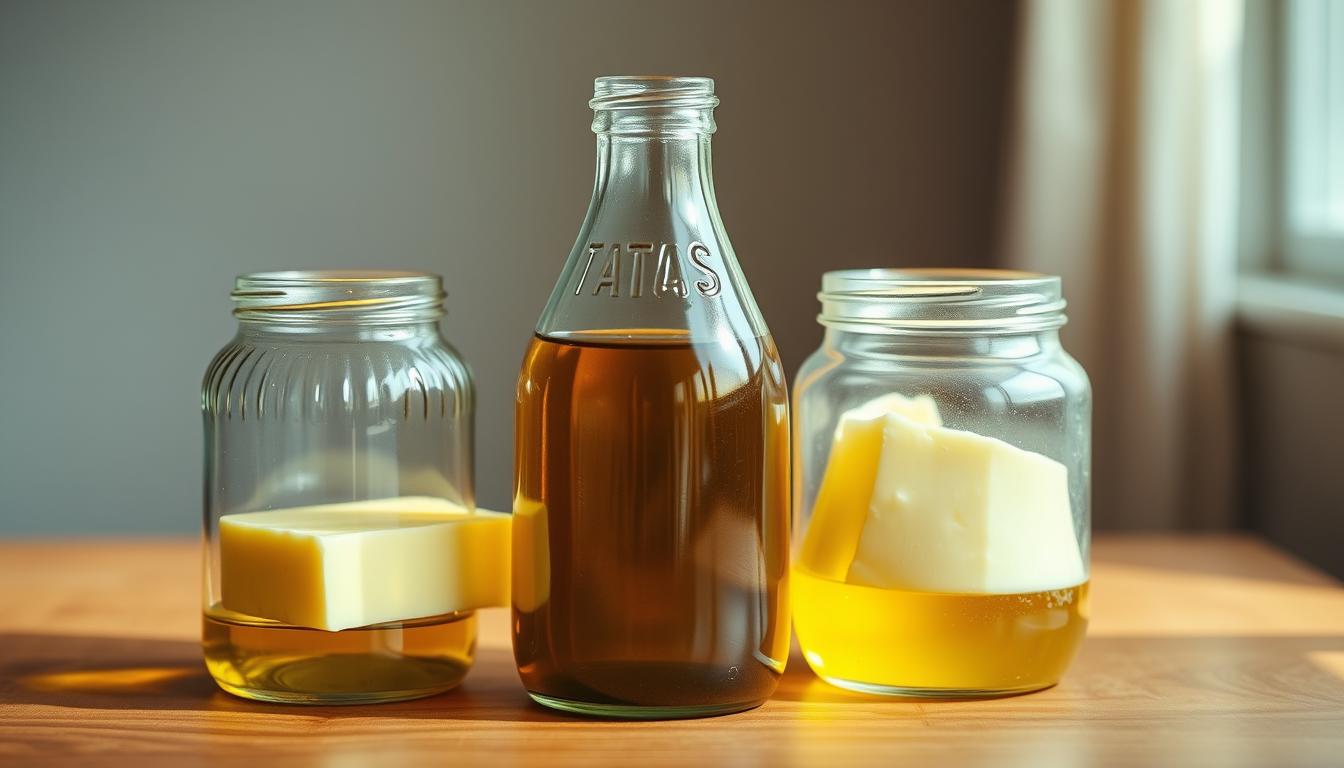
Butter vs. Olive Oil: Smoke Points and Flavor
Extra virgin olive oil tolerates higher heat (374°F) than butter (302°F), making it better for searing. However, butter’s milk solids create unmatched depth in sauces. Consider these pairings:
- Butter: Béarnaise, shortbread, or caramelized onions
- Olive oil: Salad dressings, roasted vegetables, or grilled fish
Nutritionally, butter has fewer calories (100/tbsp vs. 119) but more high saturated fat. Olive oil delivers heart-healthy monounsaturated fats.
Why Margarine Loses the Health Debate
Despite its plant-based marketing, margarine’s hydrogenation process creates harmful trans fats—linked to inflammation and heart disease risk. The FDA banned artificial trans fats in 2018, but some products still contain trace amounts.
Chef Jean-Pierre states bluntly: “Margarine is chemistry, not food. Real butter’s price reflects its purity.” Grass-fed butter’s natural fats and vitamins outshine margarine’s processed ingredients.
| Fat Source | Smoke Point | Best Uses |
|---|---|---|
| Butter | 302°F (150°C) | Sauces, baking, low-heat sautéing |
| Olive Oil | 374°F (190°C) | High-heat frying, dressings |
| Margarine | 320–340°F (varies) | Not recommended for health |
Butter in Special Diets: Keto and Low-Carb
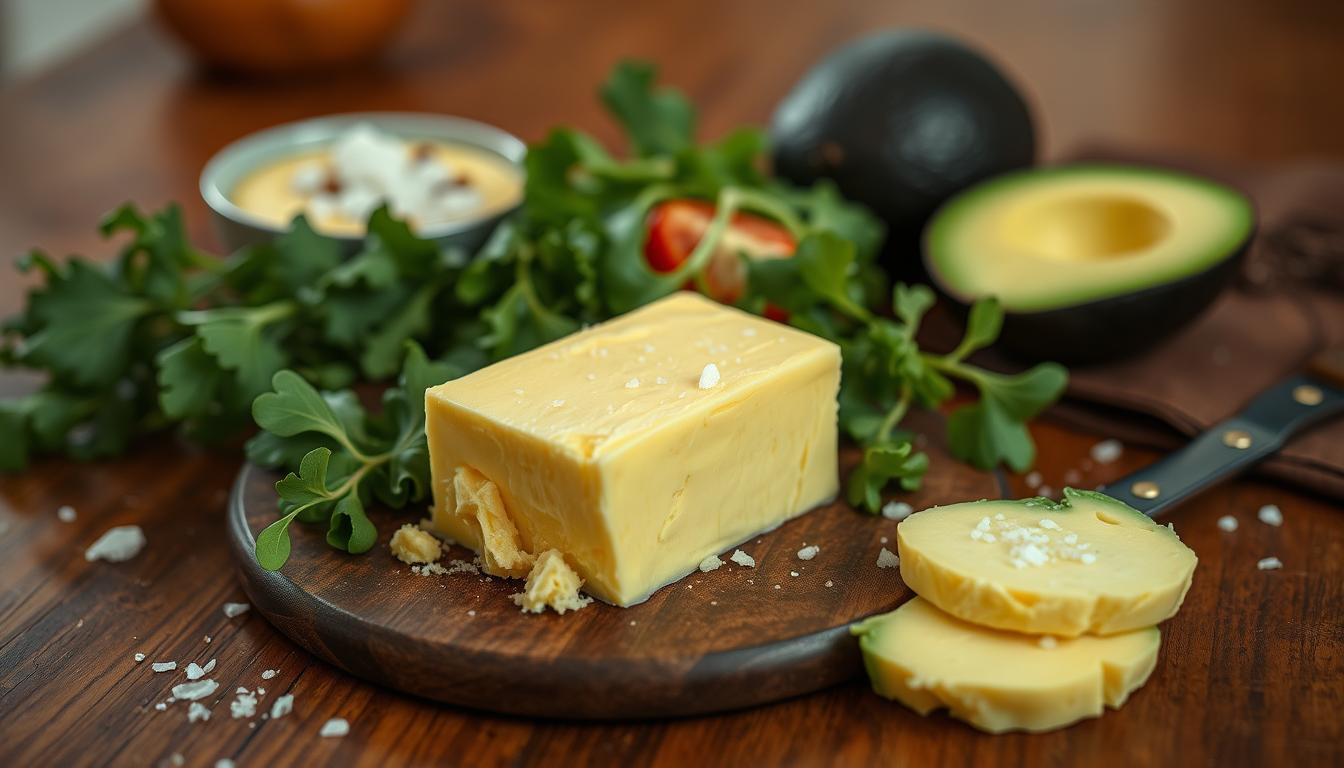
Low-carb lifestyles often rely on butter’s pure fat content to meet dietary goals. Its near-zero carb profile (0.01g per tablespoon) aligns perfectly with ketogenic macros, where 70–80% of calories come from fats. For keto followers, 2–3 tbsp daily fuels energy without spiking blood sugar.
How Butter Fits into a Ketogenic Lifestyle
Butter shines in keto meal plans. Blend it into coffee for sustained energy or mix with cocoa for fat bombs. A Harvard study notes its satiety factor reduces overall calorie intake, helping maintain ketosis.
- Sample day: Bulletproof coffee (1 tbsp butter + MCT oil) for breakfast.
- Athlete tip: Cyclists use butter as century-ride fuel for steady energy levels.
Portion Control for Balanced Fat Intake
Even nutrient-dense foods need moderation. Pre-portioned packets or butter bells help manage amounts. Warning signs like digestive discomfort signal overconsumption.
“Grass-fed butter’s CLA content supports metabolic health—but balance is key.”
For most, 1–2 tbsp per meal strikes a balance. Track intake alongside other food sources to stay within daily macros.
Common Butter Mistakes to Avoid
Small errors in butter usage can dramatically impact its quality and nutritional value. Whether you’re sautéing or baking, these missteps might sabotage flavor and nutrients. Here’s how to sidestep the most frequent blunders.
Overheating: The Risk of Burning Nutrients
Butter’s milk solids burn easily, turning golden hues into blackened bitterness. USDA research shows burnt butter loses 60% of its vitamin A content. Watch for these stages:
- Golden: Ideal for nutty sauces like beurre noisette.
- Amber: Edges toward bitter; remove from heat.
- Blackened: Discard—it’s packed with harmful acids.
Pro tip: Use a light-colored pan to monitor changes easily. For high-heat foods, clarify butter first to remove burn-prone solids.
Misusing Compound Butters
Flavored butters elevate dishes but spoil faster. Garlic-herb blends last just 2 weeks refrigerated, while frozen versions keep 6 months. Avoid these errors:
- Storage: Leaving butter uncovered absorbs fridge odors. Use airtight containers.
- Clarification: Skipping milk-solid removal speeds spoilage. Always skim and strain.
“Freeze compound butter in silicone molds for portioned use—restaurants swear by this method.”
Sweet variations (like blueberry-cinnamon) pair well with pancakes but require quicker use due to fruit content. Label batches with dates to track freshness.
Conclusion: Enjoying Butter Wisely
Quality fats like butter can elevate both taste and nutrition when used mindfully. Stick to 1–2 tbsp per day to balance intake with other nutrient-rich foods.
Pair it with Mediterranean or Paleo diet patterns for optimal health benefits. Brands like Kerrygold and Vital Farms offer grass-fed options rich in vitamins and CLA.
“Give me butter, always butter!” —Chef Jean-Pierre’s mantra rings true. Try a 7-day experiment: note energy levels after meals cooked with butter. You might rediscover its rightful place in your kitchen.