Did you know that over 50% of wellness enthusiasts have tried using stones for balance or relaxation? From Hollywood stars like Bella Hadid to athletes like David Beckham, many swear by their benefits. But is there real proof behind the trend, or is it just a placebo effect?
A 2001 study revealed something surprising—participants felt the same effects whether they held genuine stones or fake ones. This raises big questions. Are these practices backed by evidence, or do they rely on belief alone?
This article dives into both sides. We’ll explore research, personal stories, and why so many people turn to these methods. Whether you’re curious or skeptical, there’s plenty to uncover.
Key Takeaways
- Wellness trends have made stones popular for relaxation and balance.
- Celebrities and influencers often drive mainstream interest.
- Studies show mixed results, with some pointing to placebo effects.
- Personal experiences play a big role in perceived benefits.
- This article examines both scientific and anecdotal perspectives.
What Is Crystal Healing?
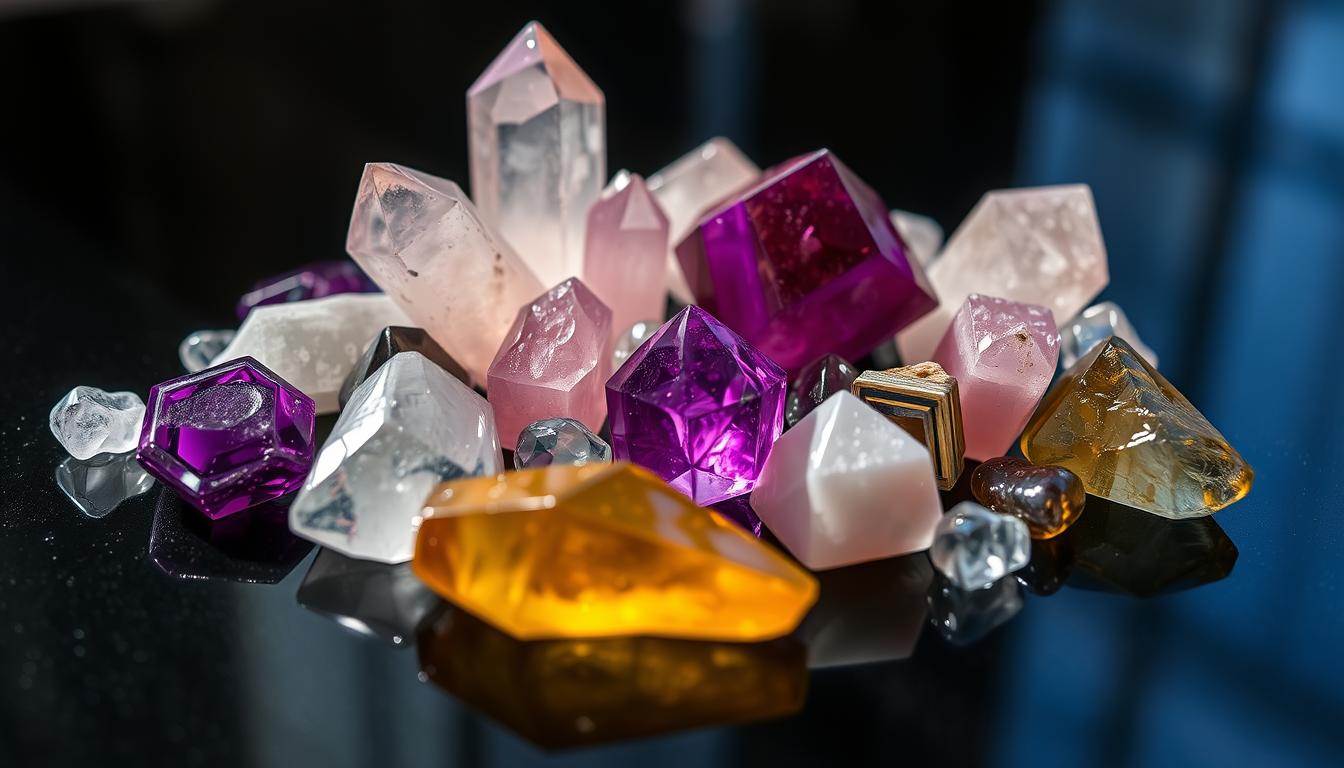
Stones with alleged energy properties have fascinated civilizations for centuries. Today, they’re touted as tools to unblock energy pathways and harmonize the body and mind. But how does this practice work, and where did it begin?
The Basics of Energy Claims
Advocates believe these minerals interact with the vibrational fields of the human body. The idea is that each stone emits unique frequencies, which may align with your biofield. For example:
- Amethyst: Said to calm the mind.
- Rose Quartz: Linked to emotional balance.
However, no peer-reviewed studies confirm these interactions. Critics argue the effects stem from the placebo effect—belief driving perceived benefits.
Historical and Cultural Roots
Long before modern trends, cultures integrated minerals into rituals and medicine:
| Civilization | Use | Example |
|---|---|---|
| Ancient Egypt | Protection in burial rites | Lapis Lazuli in jewelry |
| Traditional Chinese Medicine | Acupuncture tools | Jade rollers |
| Greek Medicine | Healing elixirs | Hippocrates’ use of malachite |
While historical uses focused on physical applications, modern claims emphasize intangible energy shifts. This contrast raises questions about evolving interpretations.
The Science Behind Crystal Healing: Fact or Fiction?
Can minerals really influence your well-being, or is it all in your mind? While advocates claim these tools harness natural energy, research paints a more nuanced picture. Let’s examine the facts.
Piezoelectric Effect and Minimal Energy Impact
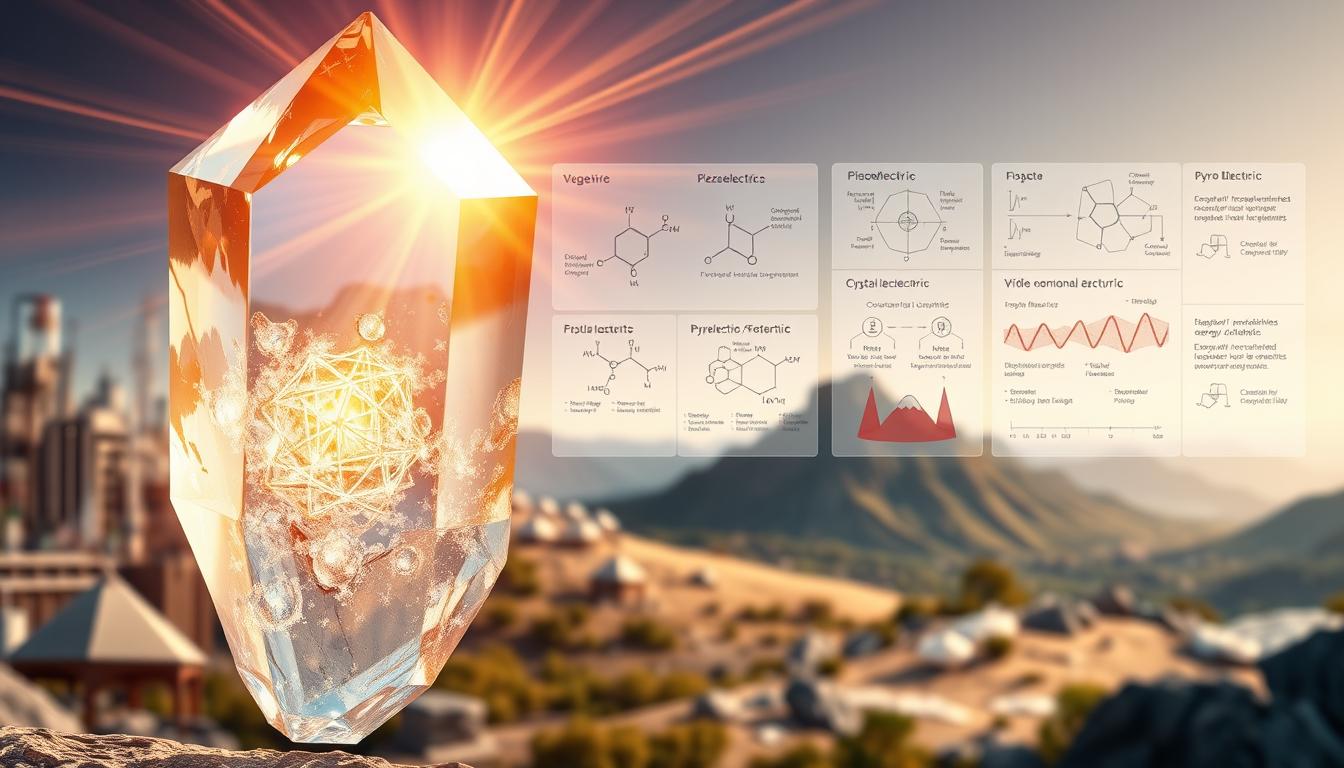
In 1880, the Curie brothers discovered that certain stones generate tiny electric charges under pressure. This piezoelectric effect powers devices like quartz watches. However, the energy produced is far too weak to affect human biology.
For context, medical therapies like TENS machines use controlled electrical pulses. Stones, by comparison, lack the precision and power to replicate these effects.
The Placebo Effect Dominates
Psychologist Richard Wiseman notes:
“Perceived benefits often stem from belief, not the object itself.”
A 2001 study by C.C. French supports this—93% of participants reported shifts even with fake stones.
This underscores how mindset shapes experiences. If you expect to feel calmer, your brain may respond accordingly.
Lack of Peer-Reviewed Evidence
Despite widespread use, zero rigorous studies validate physical healing claims. Unlike acupuncture or electrotherapy, these practices rely on anecdotes, not evidence.
That doesn’t mean they’re worthless. But it’s crucial to separate personal comfort from proven science.
Why Do People Believe in Crystal Healing?
From TikTok trends to therapist offices, these practices are everywhere. But what drives the belief in their power? For many, it’s a mix of emotional need, social proof, and personal rituals.
Emotional and Psychological Comfort
People often turn to these tools during times of stress or uncertainty. Therapist Krista Mitchell notes:
“Clients pair them with therapy for a sense of control. It’s less about the object and more about the ritual—like a safety blanket.”
This mirrors athlete pre-game routines. The act of holding a stone can signal the brain to feel better, even without physical effects.
Anecdotal Success Stories
Social media amplifies personal testimonials. TikTok’s #crystaltok hashtag boasts 2B+ views, with Gen Z sharing stories of reduced anxiety. Healer Reeya Avani recounts:
- Mayfair clients reporting calm after sessions.
- Pandemic-driven demand for “grounding” tools, per shop owner Branca Geffin.
While these lack scientific rigor, they reinforce belief through shared experiences.
Celebrity Influence
Celebrities fuel mainstream adoption. Spencer Pratt spent $20k on his collection, while Adele uses them for stage fright. Here’s a snapshot:
| Celebrity | Use Case | Impact |
|---|---|---|
| Bella Hadid | Carries rose quartz for love | Trended on Instagram |
| David Beckham | Wears black onyx for protection | Boosted men’s interest |
| Olly Alexander | Alleged purchases for creativity | Linked to artist communities |
Their endorsements make the practice feel accessible—and glamorous.
Ultimately, belief stems from a blend of hope, community, and the placebo effect. Whether it’s “real” or not, many people swear it helps them cope.
Practical Uses and Limitations of Crystals
Balancing modern wellness trends with practical applications requires understanding both benefits and boundaries. While these tools may complement routines, they’re not cure-alls. Here’s how to use them wisely—and ethically.
Supporting Mental Health (Not Replacing Treatment)
Many turn to these objects for emotional support, but they should never replace therapy or medication. A 2021 study showed mindfulness meditation reduces anxiety—suggesting rituals, not stones alone, drive results.
Psychologist Dr. Ellen Lee advises:
“Pair them with evidence-based practices. They’re tools for focus, not fixes.”
Combining Crystals with Meditation
Enhance mindfulness by setting intentions with your stones. Try this simple ritual:
- Cleanse them in sunlight to refresh their energy.
- Hold one during meditation, focusing on a goal like calm or clarity.
- Use the 2021 study’s breathing techniques to deepen the practice.
This blends tradition with proven methods for better health outcomes.
Ethical and Environmental Concerns of Mining
Demand fuels destructive practices. Madagascar’s rainforests, for example, face devastation from unregulated mining. Key issues include:
- Habitat loss: Endangered species displaced by excavations.
- Exploitative labor: Miners often work in unsafe conditions.
Choose retailers like Mysteries that prioritize transparency and ethical sourcing. Your mindfulness shouldn’t cost the earth.
Conclusion: Should You Try Crystal Healing?
Exploring wellness trends often leads to questions about alternative tools. While minerals may offer mental benefits, they lack proven curative properties. Pair them with therapy or meditation for stress relief—never as replacements.
Studies show rituals help people feel better, but ethical sourcing matters. Research brands to avoid environmental harm. If healing crystals resonate with you, their value lies in personal belief, not science.
Approach using crystals as supplements, not solutions. When balanced with evidence-based care, they can enhance mindfulness—just keep expectations realistic.