Did you know that over 60% of adults in the U.S. struggle with controlling their appetite at some point? This often leads to unhealthy eating habits and challenges in achieving weight loss goals. While many turn to pills or supplements, these options can come with risks, especially when they’re unregulated by the FDA.
Instead, focusing on natural appetite suppressants can be a safer and more sustainable approach. These methods are not only backed by medical research but also offer additional health benefits, such as improved metabolism and reduced stress levels.
In this article, we’ll explore evidence-based strategies to help you suppress appetite naturally. These approaches are designed to fit seamlessly into your lifestyle while supporting your overall well-being.
Key Takeaways
- Natural methods are safer than unregulated supplements.
- FDA warnings highlight risks of certain appetite control pills.
- Evidence-based strategies are backed by medical research.
- Natural approaches can improve metabolism and reduce stress.
- These methods are sustainable and easy to incorporate.
Introduction: Why Natural Appetite Suppression Matters
Controlling your appetite is more than just a weight loss strategy—it’s a health necessity. With 42.4% of U.S. adults classified as obese, according to the CDC, managing hunger is critical for long-term well-being. Many turn to pharmaceutical solutions, but these often come with risks.
Studies show that 83% of prescription weight loss pills cause adverse side effects, including liver damage and addiction. Additionally, the FDA reports that 45% of over-the-counter suppressants contain unlisted ingredients, raising safety concerns. These risks make natural methods a safer alternative.

Emotional eating is another factor that complicates appetite control. Chronic stress can increase hunger by 37%, as seen in clinical trials. This often leads to unhealthy eating patterns and weight gain. Understanding the balance between hunger hormones like ghrelin and leptin is key to addressing this issue.
A 2022 JAMA study highlights the importance of sustainable weight management strategies. By focusing on natural methods, you can regulate your appetite effectively while supporting overall health. This approach not only helps with weight control but also reduces stress and improves metabolic function.
1. Eat More Protein and Healthy Fats
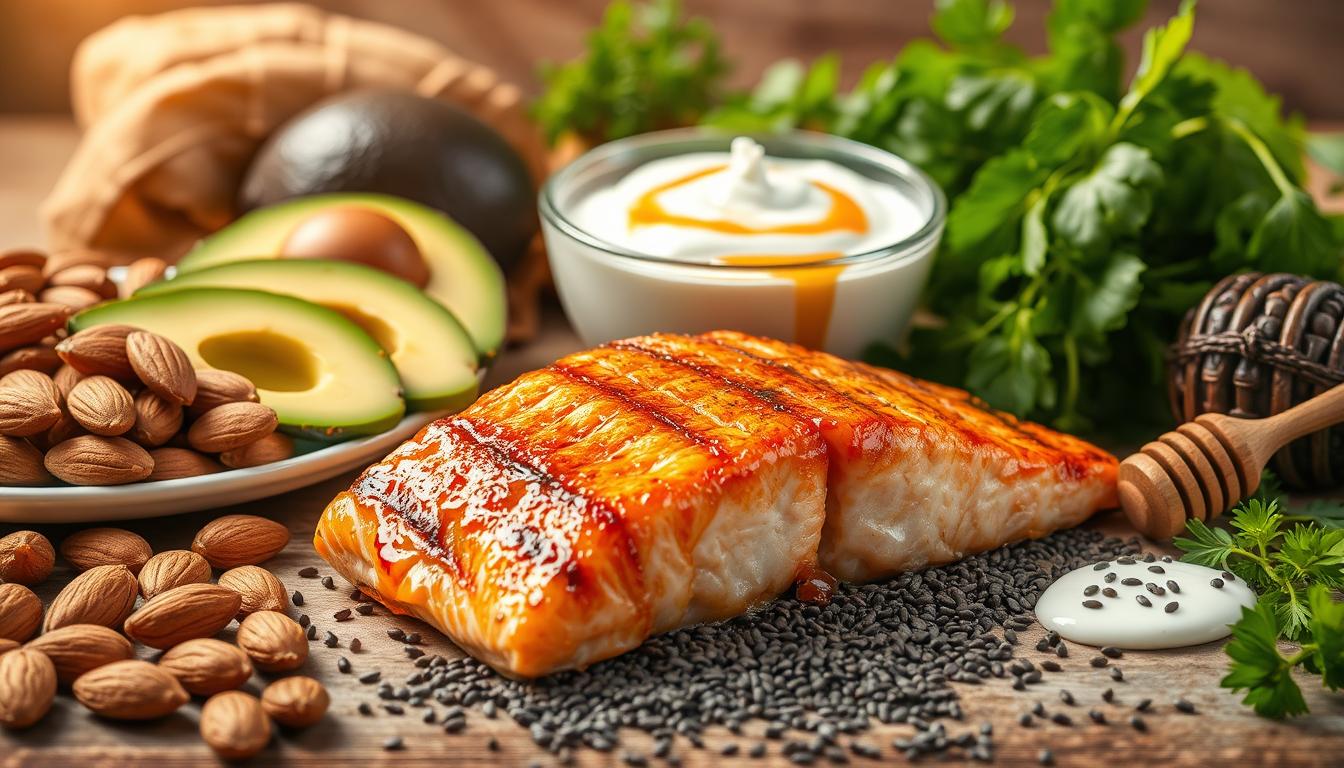
Protein and healthy fats are essential for managing hunger effectively. These nutrients play a crucial role in keeping you full and satisfied, reducing the urge to snack between meals. Unlike processed foods, which can spike blood sugar levels, protein and fats provide steady energy throughout the day.
Why Protein and Fats Keep You Full
Protein takes longer to digest than carbohydrates, which helps you feel full for extended periods. Healthy fats, such as omega-3s, also slow digestion and stabilize blood sugar levels. Together, they regulate hunger hormones like ghrelin and leptin, preventing overeating.
Top Protein and Fat Sources
Here are some excellent sources of protein and fats to incorporate into your diet:
- Salmon: Provides 22g of protein per 3oz and is rich in omega-3s.
- Chia seeds: Offer 4g of protein and 9g of fat per ounce, plus fiber.
- Greek yogurt: Contains 20g of protein per cup and includes probiotics for gut health.
- Tempeh: A plant-based option with 19g of protein per 3oz.
- MCT oils: Known for their appetite-suppressing properties and quick energy boost.
When choosing protein sources, consider bioavailability. Animal proteins like chicken and turkey are highly bioavailable, while plant-based options like legumes and hemp seeds are excellent for vegetarians. Avoid processed meats, as they are linked to inflammation and other health risks.
| Protein Source | Type | Protein Content | Additional Benefits |
|---|---|---|---|
| Salmon | Animal | 22g/3oz | Rich in omega-3s |
| Chia Seeds | Plant | 4g/oz | High in fiber and fat |
| Greek Yogurt | Animal | 20g/cup | Contains probiotics |
| Tempeh | Plant | 19g/3oz | Fermented, gut-friendly |
2. Drink Water Before Every Meal
Hydration plays a vital role in managing hunger effectively. Drinking water before meals can help you feel fuller, reducing the likelihood of overeating. This simple habit is backed by science and easy to incorporate into your daily routine.

The Science Behind Water and Appetite
Water helps stretch the stomach, sending signals to the brain that you’re full. Studies show that drinking two glasses of water before a meal can reduce calorie intake by up to 22%. Adding citrus slices to your water can increase consumption by 27%, making it more enjoyable.
Herbal teas and coconut water are excellent alternatives. They provide hydration and additional benefits like appetite suppression and electrolytes without added sugars.
“Water is the most underrated appetite suppressant. It’s free, accessible, and has zero calories.”
Tips for Staying Hydrated
Here are some practical tips to ensure you stay hydrated throughout the day:
- Calculate your personalized water needs: Multiply your body weight by 0.67 to determine the ounces you should drink daily.
- Use hydration tracking apps like WaterMinder or HydroCoach to monitor your intake.
- Drink two glasses of water upon waking and one before each meal for optimal timing.
- Avoid diuretics like alcohol and excess caffeine, which can dehydrate you.
- Try flavored water recipes using mint, cucumber, or berries for variety.
| Hydration Tip | Benefit |
|---|---|
| Drink water upon waking | Kickstarts metabolism |
| Use a tracking app | Ensures consistent intake |
| Add citrus slices | Boosts consumption |
| Opt for herbal teas | Hydration + appetite control |
3. Incorporate High-Fiber Foods
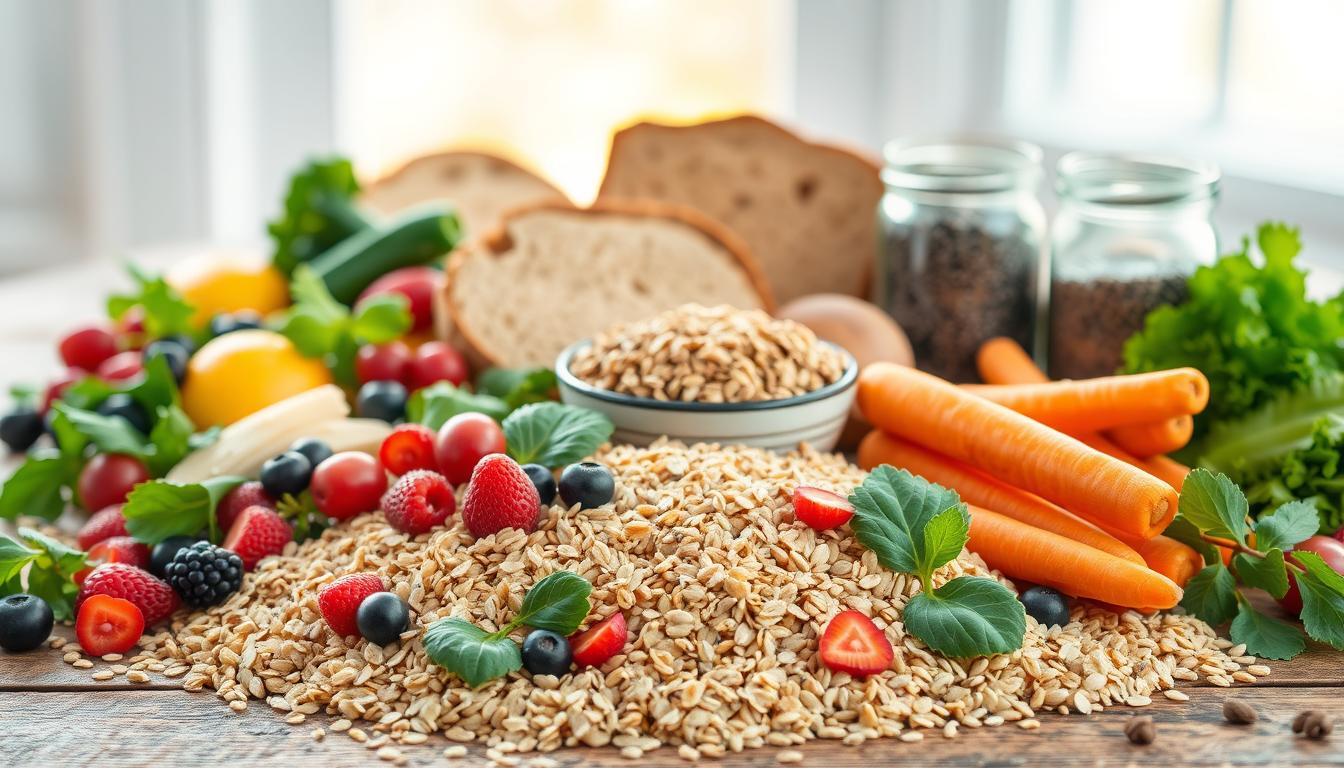
Adding high-fiber foods to your diet can be a game-changer for managing hunger. These foods not only keep you full longer but also support digestive health. Unlike processed snacks, high-fiber options stabilize blood sugar levels and reduce cravings.
How Fiber Suppresses Appetite
Fiber works by slowing digestion, which helps you feel satisfied for hours. Soluble fiber, like glucomannan, absorbs water and expands in your stomach, creating a sense of fullness. Insoluble fiber adds bulk to your meals, promoting regular digestion and reducing hunger pangs.
Studies show that increasing fiber intake can reduce calorie consumption by up to 10%. This makes it an effective tool for weight management and appetite control.
Best High-Fiber Foods to Try
Here are some top high-fiber foods to include in your diet:
- Lentils: Packed with 15.6g of fiber per cup, lentils are versatile and nutrient-dense.
- Raspberries: With 8g of fiber per cup, they’re a sweet and healthy snack.
- Avocados: Rich in both fiber and healthy fats, they’re perfect for salads or toast.
- Oats: A breakfast staple that provides 4g of fiber per serving.
- Chia seeds: These tiny seeds offer 10g of fiber per ounce and can be added to smoothies or yogurt.
For an extra boost, consider supplements like glucomannan, which absorbs 50 times its weight in water. Always consult a healthcare professional before adding new supplements to your routine.
| Food | Fiber Content | Benefits |
|---|---|---|
| Lentils | 15.6g/cup | High in protein and iron |
| Raspberries | 8g/cup | Rich in antioxidants |
| Avocados | 10g/cup | Contains healthy fats |
| Oats | 4g/serving | Supports heart health |
| Chia Seeds | 10g/oz | High in omega-3s |
When preparing high-fiber meals, avoid overcooking to preserve their nutritional value. For example, steaming vegetables retains more fiber than boiling. Explore recipes like chia pudding or flaxseed crackers for a delicious way to increase your intake.
For more tips on managing hunger naturally, check out this guide on appetite suppressants.
4. Exercise Before Eating
Physical activity is a powerful tool for managing hunger and supporting your health goals. Whether you’re aiming for weight loss or simply want to feel more in control of your eating habits, incorporating exercise into your routine can make a significant difference.

How Exercise Affects Hunger
Exercise influences your body in ways that can help suppress appetite. Resistance training, for example, increases the production of the hormone PYY, which signals fullness. A 2021 Harvard study found that yoga reduces stress-related eating by 38%, while just 10 minutes of stair climbing can decrease snack cravings by 55%.
Moderate-intensity workouts, like cycling or swimming, stabilize blood sugar levels, reducing the urge to overeat. However, overtraining can have the opposite effect, causing hunger spikes. Aim for a sweet spot of 70-80% of your maximum heart rate for optimal results.
Best Exercises for Appetite Control
Not all workouts are created equal when it comes to managing hunger. Here are some of the most effective exercises to try:
- Swimming: A full-body workout that burns calories and reduces cravings.
- Boxing: High-intensity and stress-relieving, making it ideal for emotional eaters.
- Cycling: Steady cardio that helps regulate appetite hormones.
For those short on time, HIIT (High-Intensity Interval Training) is an excellent option. A 20-minute session can boost metabolism and keep hunger at bay for hours. Pair your workout with a balanced post-exercise meal to maximize benefits.
| Exercise | Intensity | Appetite-Suppressing Benefits |
|---|---|---|
| Swimming | Moderate | Full-body workout, reduces cravings |
| Boxing | High | Relieves stress, controls emotional eating |
| Cycling | Moderate | Regulates appetite hormones |
Remember, consistency is key. Find activities you enjoy and make them a regular part of your routine. By doing so, you’ll not only improve your fitness but also gain better control over your hunger.
5. Try Natural Appetite Suppressants
Exploring natural options to manage hunger can be both safe and effective. Certain herbs and teas have been shown to help curb cravings without the risks associated with unregulated supplements. However, it’s important to approach these options with caution and awareness of potential effects.
Herbs and Teas That Curb Hunger
Some herbs and teas are known for their appetite-suppressing properties. Green tea, for example, contains catechins that boost metabolism and reduce hunger. Similarly, peppermint tea can help calm cravings by soothing the digestive system.
Other effective options include:
- Garcinia cambogia: While banned in some countries, it’s popular for its potential to reduce appetite. Always check local regulations before use.
- 5-HTP: This supplement requires medical supervision due to its impact on serotonin levels.
- Fenugreek: Known for its ability to stabilize blood sugar and reduce hunger pangs.
How to Use These Suppressants Safely
Safety is paramount when using natural appetite suppressants. Always look for third-party testing certifications like USP or NSF to ensure quality. Be aware of potential adverse reactions, such as nausea or headaches, and consult a doctor if symptoms persist.
Here’s a checklist to guide you:
- Verify third-party testing certifications.
- Monitor for symptoms like dizziness or digestive issues.
- Compare costs of supplements versus whole food alternatives.
- Follow cycling protocols (e.g., 4 weeks on, 2 weeks off) to avoid dependency.
- Consult a healthcare professional, especially if you have chronic conditions like obesity.
| Suppressant | Benefits | Precautions |
|---|---|---|
| Green Tea | Boosts metabolism, reduces hunger | Limit caffeine intake |
| Garcinia Cambogia | May reduce appetite | Check local regulations |
| 5-HTP | Regulates serotonin | Requires medical supervision |
| Fenugreek | Stabilizes blood sugar | Monitor for allergies |
Remember, while natural options can be effective, research is needed to fully understand their long-term effects. Always prioritize your health and consult a professional before making significant changes to your routine.
Conclusion: Your Path to Natural Appetite Control
Taking control of your hunger doesn’t have to be complicated or risky. By focusing on nutrition, hydration, activity, botanicals, and safety, you can suppress appetite effectively while supporting your overall health. These strategies are sustainable and easy to integrate into your daily routine.
Start with a 30-day plan: prioritize protein-rich meals, drink water before eating, incorporate regular exercise, and explore natural options like green tea or fenugreek. Monitor your progress and adjust as needed. If you notice signs of disordered eating, such as extreme calorie restriction or guilt around food, seek professional support from organizations like the Academy of Nutrition and Dietetics or the Obesity Medicine Association.
Remember, achieving weight loss and maintaining a healthy diet is about balance. Small, consistent changes lead to lasting results. Embrace these methods to enjoy the health benefits of a well-regulated appetite and a healthier lifestyle.