Did you know that over 14 million Americans have an autoimmune thyroid condition, yet nearly 50% remain undiagnosed? This silent epidemic often progresses for years before symptoms appear, making early dietary intervention critical. The butterfly-shaped gland at your neck’s base controls everything from energy levels to metabolism—and what you eat directly influences its function.
Emerging research reveals that specific nutritional approaches can slow thyroid tissue damage caused by misguided immune attacks. For example, the Autoimmune Protocol (AIP) diet eliminates common inflammatory triggers like grains and dairy. Studies show this approach may reduce thyroid antibodies by up to 40% in some individuals.
Your plate holds more power than you might realize. Certain foods act like molecular mimics, tricking your immune system into attacking healthy cells. Others provide nutrients like selenium and zinc that protect thyroid tissue. By aligning your meals with science-backed strategies, you create a shield against progressive damage.
Key Takeaways
- Nutrition directly impacts immune activity and hormone production in thyroid disorders
- Elimination diets may reduce inflammation markers by up to 40%
- Gluten-free protocols show particular promise for symptom management
- Key nutrients like vitamin D and omega-3s support thyroid resilience
- Processed foods often contain additives that worsen autoimmune responses
Introduction to Diets and Hashimoto’s
Navigating thyroid health requires understanding both biological processes and nutritional science. Autoimmune conditions like Hashimoto’s thyroiditis disrupt hormone balance, but strategic eating patterns can help restore equilibrium.
What Is Hashimoto’s Thyroiditis?
This condition develops when your immune system attacks thyroid cells, mistaking them for threats. Over time, this damages the gland’s ability to produce hormones regulating metabolism and energy. Women face 5-8 times higher risk compared to men, with symptoms often appearing gradually.

Food’s Role in Hormone Balance
What you eat directly affects thyroid function in three ways:
- Supplying raw materials for hormone production (like iodine)
- Reducing inflammation that accelerates tissue damage
- Enhancing medication effectiveness through better absorption
| Supportive Foods | Key Nutrients | Impact |
|---|---|---|
| Brazil nuts | Selenium | Protects thyroid tissue |
| Fatty fish | Omega-3s | Reduces inflammation |
| Leafy greens | Magnesium | Supports enzyme function |
| Processed snacks | Artificial additives | Triggers immune reactions |
Nearly 30% of individuals using thyroid medications still experience fatigue and brain fog, according to recent clinical surveys. This highlights why diet remains essential for comprehensive care.
Understanding Hashimoto’s and Thyroid Function
Your thyroid gland works like a silent conductor, orchestrating energy production across every cell. This walnut-sized organ at your neck’s base releases hormones influencing heart rate, temperature regulation, and cognitive sharpness. When autoimmune attacks disrupt its rhythm, entire bodily systems fall out of sync.
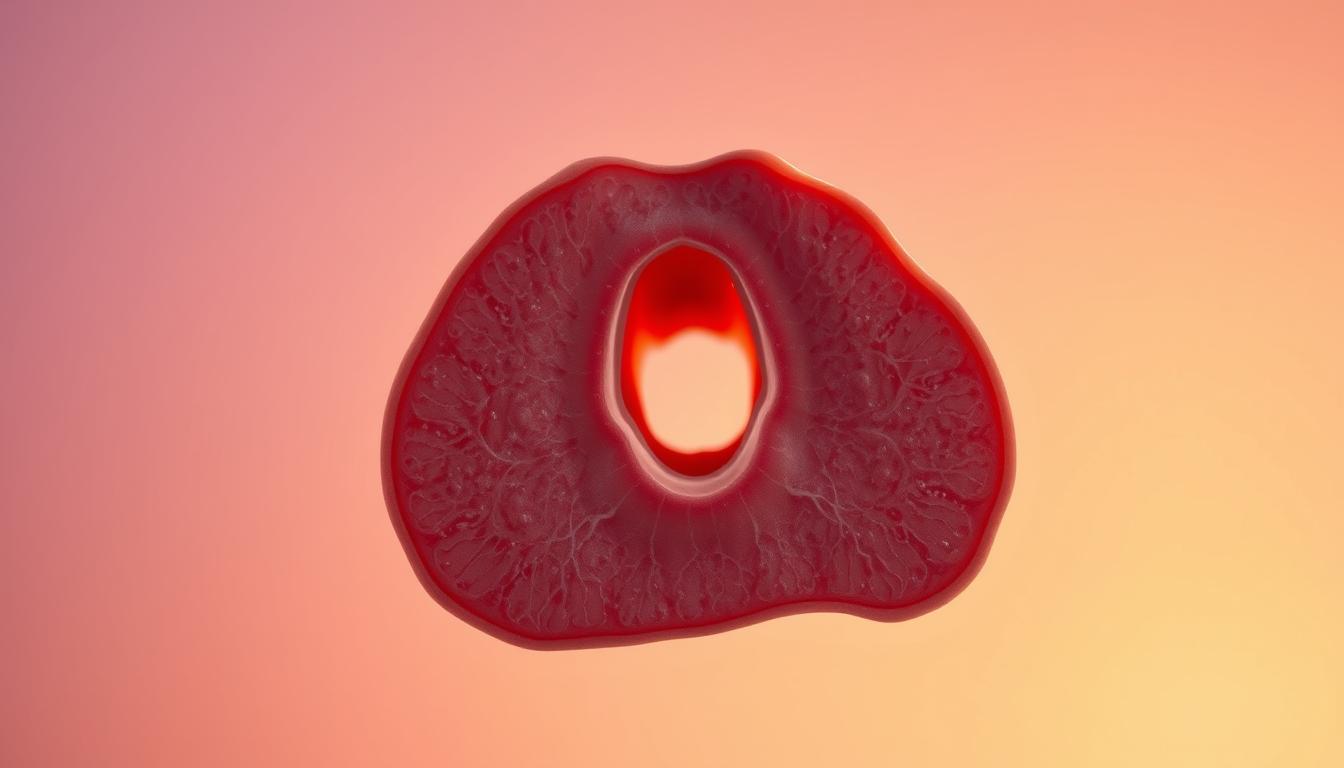
Master Regulator of Metabolism
The gland produces two critical hormones: T3 and T4. These chemicals determine how efficiently your body converts food into energy. Research shows 60% of people with thyroid dysfunction experience metabolic slowdown before lab tests confirm hormone deficiencies.
Common warning signs include:
- Unexplained weight fluctuations
- Persistent fatigue despite adequate sleep
- Difficulty concentrating or remembering details
Autoimmune destruction progresses silently, often taking years to reduce hormone output below clinical thresholds. Many patients report feeling “stuck in fog” long before medications are prescribed. Nearly 1 in 5 adults with normal lab results still experience disabling symptoms, according to endocrine society surveys.
Thyroid health impacts multiple systems:
- Cardiovascular: Heart rate and cholesterol regulation
- Reproductive: Menstrual cycle regularity
- Neurological: Mood stability and focus
This interconnectedness explains why targeted nutritional support often brings broader health improvements beyond basic hormone replacement. Addressing root causes like inflammation helps preserve remaining functional tissue.
The Role of Diet in Managing Hashimoto’s
What you eat plays a pivotal role in controlling autoimmune responses linked to thyroid dysfunction. Strategic food choices act as a powerful regulator, addressing inflammation and supporting hormone balance. Studies suggest tailored eating plans may lower thyroid antibody levels by up to 30% in some cases.

Chronic inflammation fuels thyroid tissue damage. Removing common triggers like processed snacks and refined sugars helps calm immune overactivity. This approach not only protects your gland but also reduces risks for related conditions like heart disease.
Nutrient-rich meals influence multiple health markers simultaneously. Balanced blood sugar and cholesterol levels improve hormone metabolism, while maintaining a healthy weight eases strain on your system. Many find these changes complement medical treatment, enhancing medication absorption.
Anti-inflammatory patterns show particular promise. Research indicates they may slow disease progression by creating an internal environment hostile to autoimmune attacks. For those exploring nutritional solutions, understanding best foods for arthritis relief offers valuable cross-over strategies.
Your body responds directly to what’s on your plate. Prioritizing whole foods over packaged alternatives provides the building blocks for cellular repair and immune balance. This proactive approach empowers you to take charge of thyroid health beyond medication alone.
Anti-Inflammatory Diet Strategies for Thyroid Health
Mounting evidence reveals your fork could be the most powerful tool against thyroid inflammation. Nutritional research highlights specific eating patterns that calm immune responses while nourishing vulnerable gland tissue.

Key Anti-Inflammatory Foods
Colorful plant-based foods deliver antioxidants that combat cellular damage. A study tracking 218 women found those eating more fruits and vegetables showed 34% lower oxidative stress markers. Prioritize these three categories:
| Food Group | Active Compounds | Benefits |
|---|---|---|
| Berries | Anthocyanins | Neutralize free radicals |
| Fatty fish | Omega-3s | Reduce inflammation markers |
| Leafy greens | Chlorophyll | Support detox pathways |
| Turmeric | Curcumin | Blocks inflammatory enzymes |
Reducing Oxidative Stress Through Diet
Oxidative stress acts like rust within your cells, accelerating thyroid damage. Combat this by choosing foods rich in vitamins C and E – nature’s protective shield. Citrus fruits and almonds make excellent daily choices.
The Mediterranean diet pattern proves particularly effective. Its emphasis on olive oil, nuts, and seafood provides synergistic nutrients that enhance thyroid health. Research shows this approach may lower inflammatory cytokines by 28% in autoimmune conditions.
Simple swaps create lasting change. Replace processed snacks with walnuts for selenium. Choose herbal teas over sugary drinks. These adjustments help build resilience against oxidative stress while supporting overall wellness.
Gluten-Free and Grain-Free Diet Benefits
Emerging research highlights a critical connection between gluten sensitivity and thyroid dysfunction. A striking pattern emerges: individuals managing thyroiditis show celiac disease rates 3-4 times higher than average populations. This overlap makes gluten screening essential for comprehensive care.

Clinical trials reveal measurable benefits of eliminating gluten-containing foods. In a pivotal study, 34 women with thyroiditis followed a gluten-free plan for six months. Their thyroid antibody levels dropped significantly, while vitamin D status and hormone production improved compared to control groups.
Why Celiac Screening Matters
Medical guidelines now recommend celiac testing for everyone diagnosed with thyroiditis. Undetected gluten intolerance can silently fuel inflammation, worsening autoimmune reactions. Even without confirmed celiac disease, many report fewer symptoms like fatigue after removing gluten.
The science behind this involves molecular mimicry—gluten proteins resembling thyroid tissue. When your immune system attacks these proteins, it may mistakenly target your gland. Eliminating gluten reduces this cross-reaction risk.
Practical steps for implementation:
- Consult your doctor about celiac blood tests
- Experiment with gluten-free alternatives like quinoa or buckwheat
- Monitor energy levels and digestion during elimination phases
Grain-free approaches take this further by removing all cereals, though evidence remains strongest for gluten elimination. Always work with a nutritionist to maintain balanced nutrient intake during dietary changes.
The Autoimmune Protocol (AIP) Diet for Hashimoto’s
Food choices become powerful medicine when addressing autoimmune thyroid challenges. The autoimmune protocol (AIP) offers a structured approach to identify dietary triggers while promoting healing.

What Is the AIP Diet?
This elimination plan removes common irritants like grains, dairy, and nightshade vegetables. For 30-90 days, you focus on nutrient-dense foods like grass-fed meats, fermented vegetables, and bone broth. The goal? Calm immune overactivity and repair gut health.
| Elimination Phase | Reintroduction Phase | Key Benefits |
|---|---|---|
| Remove 12 food groups | Test one food every 3 days | Identifies personal triggers |
| Focus on healing foods | Monitor symptoms closely | Reduces systemic inflammation |
| 30-90 day duration | Customizes long-term eating | Improves medication response |
Evidence and Clinical Observations
A 10-week trial with 16 women showed remarkable results. Participants following the AIP diet reported 34% better sleep quality and 28% less joint pain. Lab tests confirmed reduced inflammation markers like CRP.
Healthcare providers note improved energy levels in 72% of patients who complete the protocol. While challenging, this approach helps many regain control over thyroiditis symptoms when combined with medical care.
The Impact of a Lactose-Free Diet on Thyroid Function
Dairy products might be doing more harm than good for your thyroid health. Research shows lactose intolerance affects up to 36% of individuals with autoimmune thyroid conditions—three times higher than average populations. This connection goes beyond digestion, influencing medication effectiveness and immune responses.
Removing dairy often improves absorption of thyroid medications like levothyroxine. One study found participants experienced 22% better hormone uptake after eliminating milk-based products. Digestive relief—reduced bloating and abdominal pain—commonly follows within weeks.
| Dairy Alternatives | Key Nutrients | Benefits |
|---|---|---|
| Almond milk | Vitamin E | Supports immune function |
| Collard greens | Calcium | Strengthens bones |
| Sardines | Vitamin D | Enhances hormone balance |
Casein proteins in dairy may trigger gut permeability in sensitive individuals, worsening autoimmune activity. However, tolerance varies widely. Some people maintain thyroid health while consuming fermented options like yogurt or kefir.
Always consult your healthcare provider before making dietary changes. If removing dairy, prioritize calcium-rich foods and consider vitamin D supplements to support overall wellness alongside thyroid function.
A Whole-Foods Approach for Optimal Thyroid Health
Revitalizing your thyroid starts with rethinking every bite. Prioritizing minimally processed ingredients creates a foundation for cellular repair and balanced immune responses. This strategy helps filter out inflammatory triggers while maximizing nutrient absorption.
Choosing Nutrient-Dense Options
Colorful vegetables and clean proteins deliver essential building blocks for hormone production. Wild-caught salmon provides omega-3s that cool inflammation, while Brazil nuts offer selenium for antioxidant defense. These choices work synergistically to protect delicate gland tissue.
Seasonal fruits like blueberries supply natural compounds that combat oxidative stress. Pair them with fermented foods like sauerkraut to support gut health—a critical factor in managing autoimmune activity. Simple swaps, like using sweet potatoes instead of white bread, stabilize energy levels throughout the day.
Your meals become daily medicine when focused on quality ingredients. This approach reduces exposure to additives that disrupt hormonal balance while enhancing your body’s natural resilience. Small, consistent changes yield lasting improvements in how you feel and function.