Did you know that chronic inflammation is linked to weight gain and can make it harder to shed extra pounds? Research shows that high levels of inflammatory markers, like C-reactive protein, are often found in individuals struggling with obesity. This connection highlights the importance of addressing inflammation to support your health and weight management goals.
An anti-inflammatory diet focuses on foods that help reduce inflammation while promoting sustainable weight loss. Proven frameworks like the Mediterranean and DASH diets combine these principles effectively. By incorporating omega-3s, whole grains, and eliminating processed foods, you can see measurable results within 3 to 6 months.
Clinical evidence supports the effectiveness of this approach. For example, studies from the Cleveland Clinic show that dietary changes can significantly lower inflammation markers. If you’re skeptical, this science-backed method might be the solution you’ve been looking for.
Key Takeaways
- Chronic inflammation is linked to weight gain and hinders fat loss.
- An anti-inflammatory diet reduces inflammation and supports weight management.
- Mediterranean and DASH diets are proven frameworks for success.
- Key components include omega-3s, whole grains, and avoiding processed foods.
- Measurable results can be achieved within 3 to 6 months.
1. What Is an Anti-Inflammatory Diet and How Does It Work?
Chronic inflammation is a silent threat linked to numerous health issues. While acute inflammation, like a cut healing, is temporary and beneficial, chronic inflammation can persist for years. This prolonged state can damage tissues and contribute to conditions like heart disease, diabetes, and obesity.
Visceral fat, the fat surrounding your organs, plays a significant role in chronic inflammation. It secretes inflammatory cytokines like IL-6 and TNF-α, which can disrupt your body’s balance. Over time, this leads to insulin resistance, reducing glucose uptake by up to 40%.
A 2023 NIH study found that individuals following an anti-inflammatory approach lost 11% more weight than those on traditional calorie-restricted plans. This is because such diets address the root causes of weight gain, rather than just focusing on calorie intake.
Your gut microbiome also plays a crucial role. About 70% of inflammatory signaling originates in the gut. By nurturing a healthy gut, you can reduce inflammation and support overall well-being.
Doctors often test for specific biomarkers like CRP, ESR, and fibrinogen to measure inflammation levels. Unlike traditional diets that focus on calorie counting, an anti-inflammatory approach targets these underlying issues, offering a more sustainable solution.
Understanding Inflammation and Its Impact on Health
Inflammation is your body’s way of protecting itself from harm. However, when it becomes chronic, it can lead to serious health conditions. Processed foods, for example, can increase inflammatory cytokines by 35% within just four hours of consumption.
How an Anti-Inflammatory Diet Can Help with Fat Loss
By focusing on whole, nutrient-dense foods, you can reduce inflammation and support weight management. Studies show that this approach lowers CRP levels by an average of 0.5 mg/L, making it a powerful tool for improving health and achieving your goals.
2. The Role of Omega-3 Fatty Acids in Reducing Inflammation
Omega-3 fatty acids are essential nutrients that play a critical role in reducing inflammation. These healthy fats help balance your body’s inflammatory response, making them a key component of any health-focused plan. Research shows that omega-3s can lower prostaglandins, which are compounds linked to inflammation, by up to 50% when consumed in adequate amounts.
There are three main types of omega-3s: EPA, DHA, and ALA. EPA and DHA, found in fatty fish, are the most effective at reducing inflammation. ALA, found in plant sources like walnuts, is less potent but still beneficial. For example, walnuts provide 2.5 grams of ALA per ounce, meeting 158% of the daily recommended intake for plant-based omega-3s.
Best Sources of Omega-3s for Your Diet
When it comes to omega-3s, not all sources are created equal. Fatty fish like wild-caught sockeye salmon offer 2.2 grams of EPA and DHA per 3-ounce serving, while farmed Atlantic salmon provides only 0.8 grams. If you prefer plant-based options, flaxseeds and chia seeds are good choices, though their conversion rate to EPA and DHA is only about 5%.
For those who don’t consume fish, algal oil supplements are an excellent vegan alternative. These supplements provide 500 mg of DHA per capsule, making them a convenient way to meet your omega-3 needs. Cooking methods also matter—sous-vide preparation preserves 98% of omega-3 content, compared to frying, which can destroy these delicate fats.
How Omega-3s Support Fat Loss and Overall Health
Omega-3s do more than just reduce inflammation. They also support fat loss by increasing levels of adiponectin, a hormone that boosts fat burning. Studies show that omega-3s can raise adiponectin by 20-60%, making them a valuable tool for weight management.
In a 6-month trial, participants who consumed high amounts of omega-3s lost 3.2 kg more fat than those who didn’t. Additionally, omega-3s inhibit the COX-2 enzyme, which is involved in inflammation. This dual action makes them a powerful ally for improving your health and achieving your goals.
3. Why Whole Grains Are Essential for an Anti-Inflammatory Diet
Whole grains are a powerhouse of nutrients that can transform your health. They are packed with fiber, vitamins, and minerals that help your body function at its best. Studies show that consuming three or more servings daily can lower C-reactive protein (CRP) levels by 24%, a key marker of inflammation.
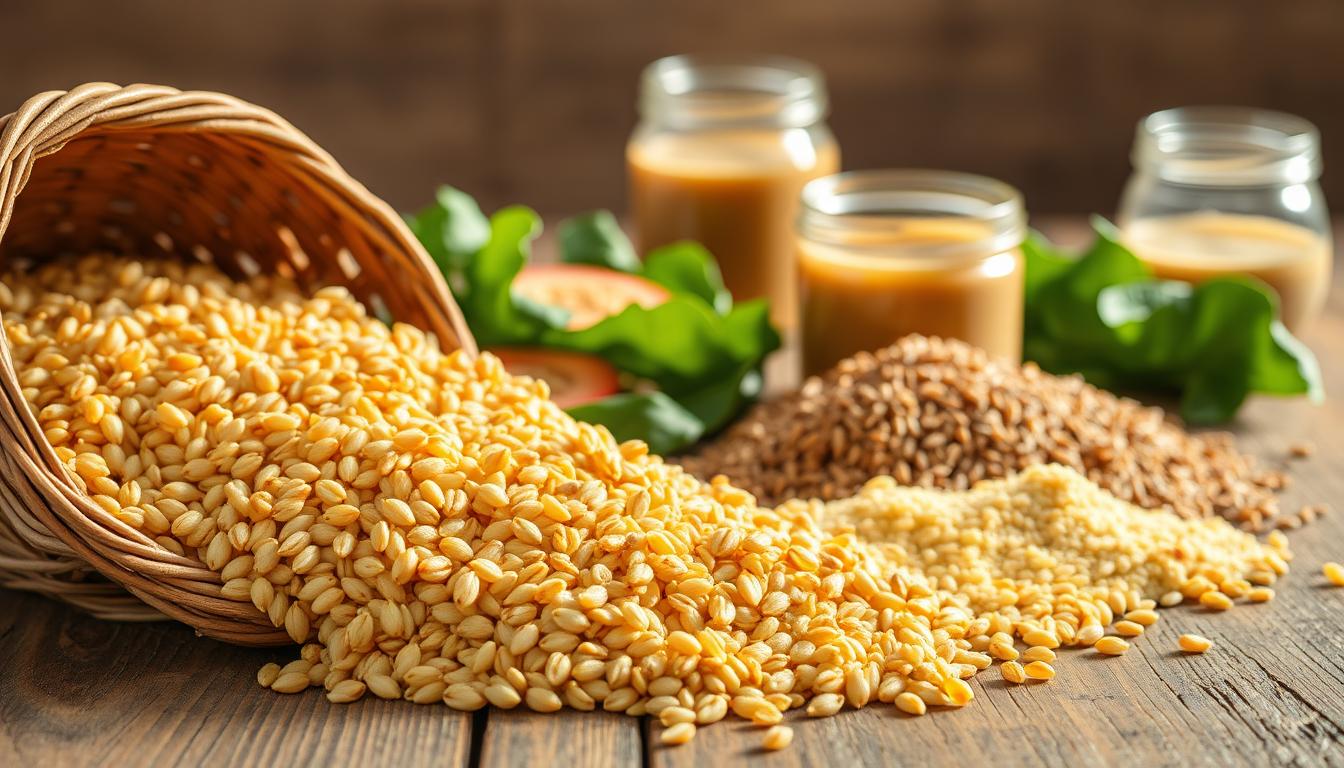
Whole grains like oats, barley, and brown rice contain compounds such as beta-glucan and resistant starch. These components play a crucial role in reducing inflammation and supporting gut health. For example, beta-glucan in oats decreases IL-6 levels by 35% in obese individuals, while resistant starch in cooled rice boosts butyrate production sevenfold.
Top Whole Grains to Include in Your Meals
Not all grains are created equal. Here are some of the best options to add to your meals:
- Oats: Rich in beta-glucan, which helps lower inflammation and improve heart health.
- Barley: Contains soluble fiber that supports digestion and reduces CRP levels.
- Brown Rice: A great source of resistant starch, especially when cooled after cooking.
- Bulgur: With a glycemic index of 48, it’s a better choice than white rice (73).
- Rye Bread: 154% more filling than white bread, making it ideal for weight management.
For those with gluten sensitivities, certified gluten-free oats, sorghum, and teff are excellent alternatives.
How Whole Grains Help Reduce Inflammation and Promote Weight Loss
Whole grains are not just about reducing inflammation—they also support weight loss. Their high fiber content keeps you full longer, reducing the urge to snack on unhealthy foods. For instance, rye bread has a satiety index 154% higher than white bread.
Additionally, compounds like butyrate, produced by resistant starch, repair the gut lining and reduce inflammation. This dual action makes whole grains a cornerstone of any health-focused plan. Cooking methods also matter—pressure-cooked barley retains more nutrients compared to traditional boiling.
By incorporating whole grains into your meals, you can enjoy their numerous benefits while supporting your overall well-being.
4. The Mediterranean Diet: A Proven Anti-Inflammatory Approach
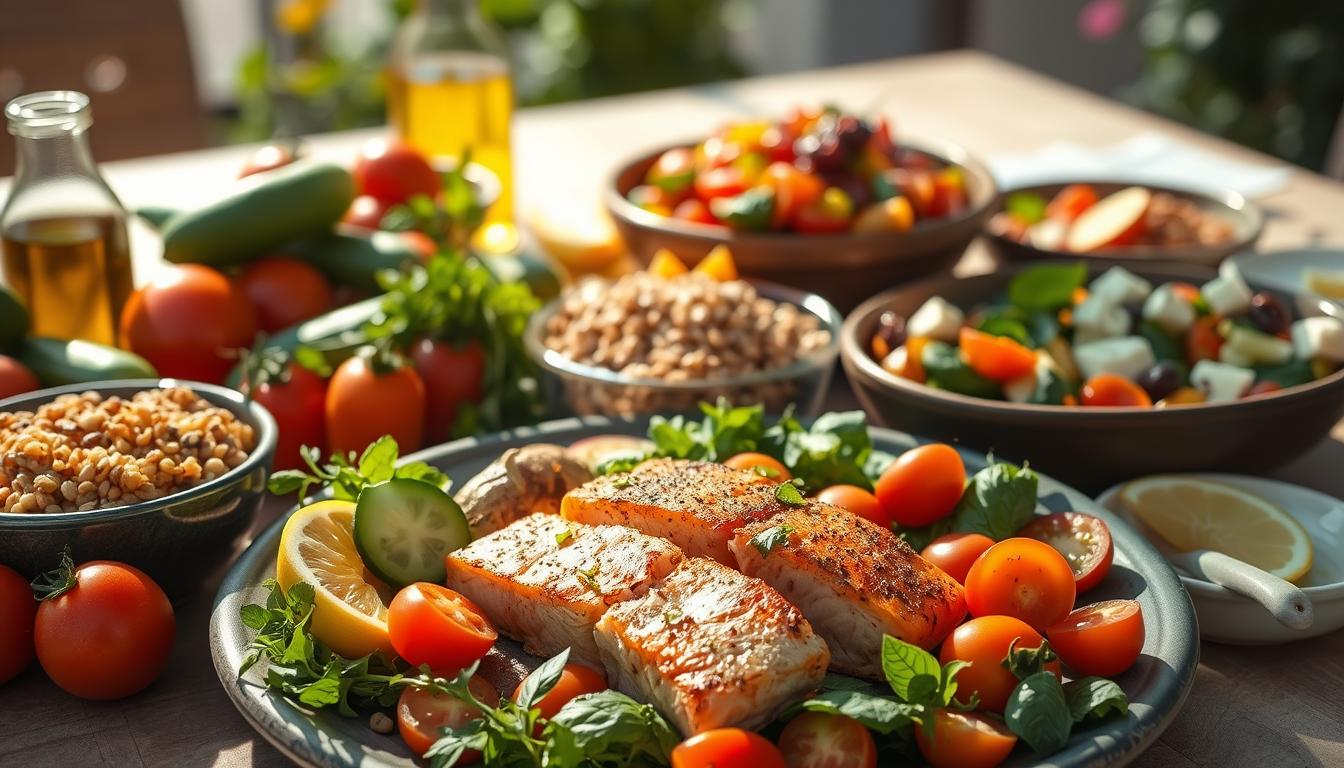
The Mediterranean approach has been celebrated for its ability to improve health and reduce inflammation. This eating pattern emphasizes whole, nutrient-dense foods like fruits vegetables, whole grains, and olive oil. Studies, such as the PREDIMED trial, show it can lower cardiovascular risk by 30% when combined with extra virgin olive oil (EVOO).
Key Components of the Mediterranean Diet
This eating plan focuses on fresh, minimally processed ingredients. Here’s a breakdown of its core elements:
- Olive oil: Rich in polyphenols, EVOO provides 550 mg daily, supporting heart health.
- Fish: Aim for 8-10 servings weekly, with cost-effective options like canned sardines.
- Whole grains: Barley, oats, and brown rice are staples that reduce inflammation.
- Social dining: Meals are often enjoyed slowly, promoting mindful eating.
How This Approach Supports Fat Loss and Reduces Chronic Inflammation
The Mediterranean style is not just about food—it’s a lifestyle. Research shows it leads to 4.4 kg greater weight loss compared to low-fat diets over 12 months. Its anti-inflammatory effects are linked to compounds like oleocanthal in EVOO, which has 10% the potency of ibuprofen.
For example, a 68-year-old with rheumatoid arthritis reduced their CRP levels from 8.2 to 3.1 mg/L by adopting this plan. Here are some practical tips to get started:
| Item | Recommendation |
|---|---|
| Olive Oil | Use 2 liters monthly; brands like California Olive Ranch are excellent. |
| Fish | Opt for canned sardines ($1.50) over fresh salmon ($8) for budget-friendly meals. |
| Restaurant Tips | Ask for double veggies instead of fries to stay on track. |
By embracing the Mediterranean way, you can enjoy delicious meals while supporting your overall well-being.
5. The DASH Diet: Another Effective Anti-Inflammatory Option
The DASH approach offers a science-backed way to improve health and manage weight. Originally designed to combat hypertension, it has gained recognition for its ability to reduce inflammation and support overall wellness. By focusing on balanced nutrition, this plan provides a clear path to achieving your goals.
What Makes the DASH Diet Unique?
Unlike other plans, the DASH method emphasizes specific nutrient targets. It limits sodium to 1,500mg daily, which reduces vascular inflammation markers by 18%. It also includes 4-5 servings of low-fat dairy for calcium, supporting bone health.
Compared to the Mediterranean style, the DASH plan allows 27% more dairy but restricts fat intake by 33%. This balance makes it a practical choice for those seeking structure. For example, a typical meal might include 6oz of chicken, 1 cup of quinoa, and 2 cups of roasted veggies.
How It Helps Lower Inflammation and Achieve Weight Loss Goals
The DASH approach is rich in potassium, targeting 4,700mg daily through foods like potatoes and bananas. This mineral counteracts the effects of sodium, further reducing inflammation. Additionally, its focus on whole foods helps you avoid hidden sodium sources like bread (200mg per slice) and canned beans (400mg per serving).
Research shows impressive results. A 2022 trial found participants lost 5.7kg and reduced CRP levels by 21% in just 12 weeks. For those on the go, DASH-friendly fast food options like Chick-fil-A grilled nuggets make it easy to stay on track.
To start, consider a 14-day salt reduction timeline, substituting herbs for added flavor. This simple adjustment can make a significant difference in your health journey.
6. Anti-Inflammatory Diet Tips for Fat Loss
The foods you choose daily can either fuel or fight inflammation in your body. By focusing on the right ingredients, you can support your health and achieve your goals more effectively. Here’s how to make smarter choices in your meals.
Focus on Whole, Unprocessed Foods
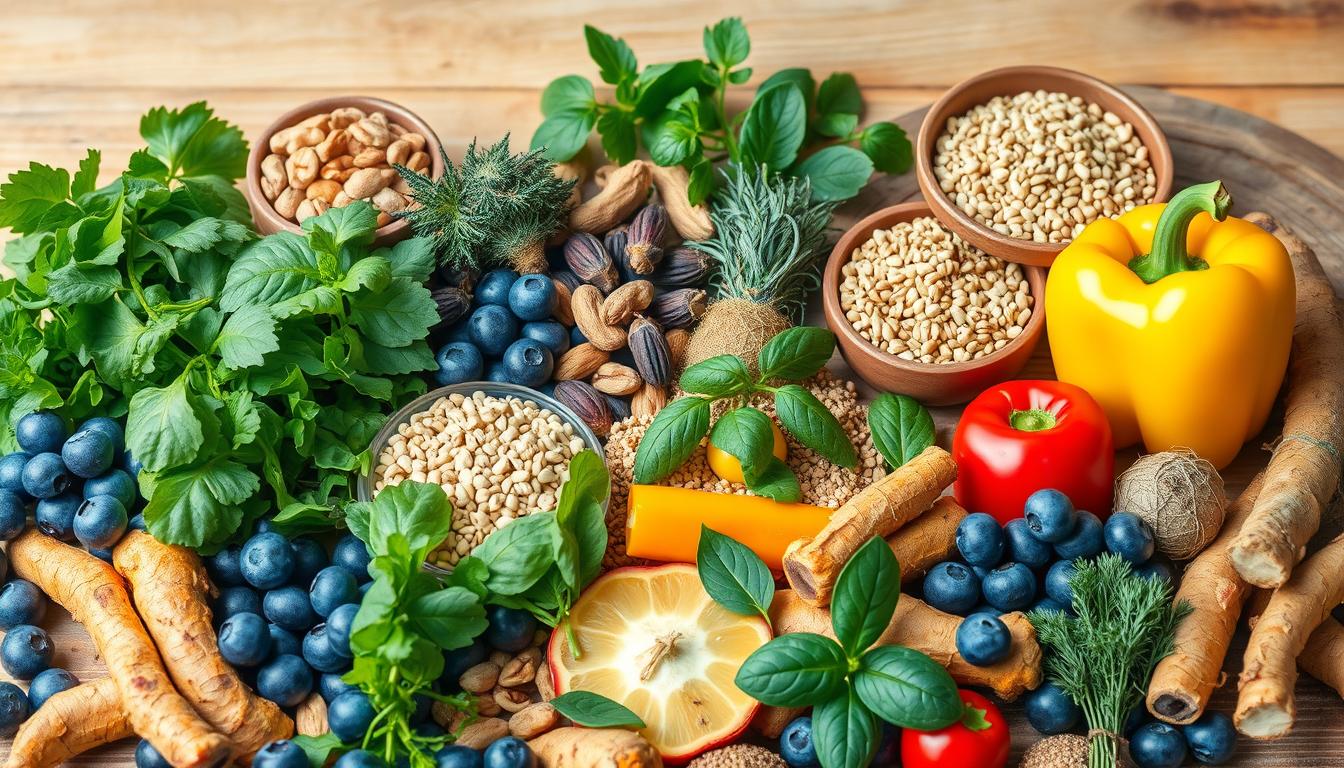
Choosing whole foods is one of the simplest ways to reduce inflammation. These include fresh fruits vegetables, lean proteins, and whole grains. For example, swapping white bread for whole-grain options can lower C-reactive protein levels by 24%.
Be cautious of sneaky processed foods like veggie chips or flavored yogurts. Always read labels to avoid additives like carrageenan, MSG, and BHA/BHT. A good rule of thumb is to stick to foods with ingredients you can pronounce.
Limit Inflammatory Foods Like Sugar and Processed Meats
Sugar and processed meats are major culprits of inflammation. Just one soda daily can increase IL-6 levels by 26%. Similarly, processed meats contain 400% more advanced glycation end products (AGEs) than fresh meat.
Here’s a quick sugar equivalency guide:
- 1 muffin = 9 teaspoons of sugar
- 1 can of soda = 10 teaspoons of sugar
Opt for natural sweeteners like honey or fresh fruit to satisfy your sweet tooth.
Incorporate Anti-Inflammatory Spices and Herbs
Adding spices like turmeric, ginger, and cumin to your meals can significantly reduce inflammation. For instance, combining turmeric with black pepper increases curcumin absorption by 2,000%.
Here’s a flavor matrix to get started:
- Ginger: Perfect for Asian-inspired dishes
- Cumin: Adds depth to Mexican cuisine
- Oregano: Great for Mediterranean flavors
Brands like Simply Organic and McCormick offer high-quality options for your pantry.
By making these small changes, you can create meals that are both delicious and supportive of your health goals. Batch cooking on Sundays and choosing budget-friendly options like frozen berries can also make this approach sustainable.
7. How to Start Your Anti-Inflammatory Diet Journey
Starting a new eating plan can feel overwhelming, but breaking it into steps makes it manageable. By focusing on small, consistent changes, you can transition smoothly to a healthier lifestyle. Here’s a step-by-step guide to help you get started.
Step-by-Step Guide to Transitioning to an Anti-Inflammatory Diet
Begin with a 30-day plan to ease into your new routine. Here’s how:
- Week 1: Eliminate sugary drinks like soda and replace them with water or herbal tea.
- Week 2: Add one serving of leafy greens, such as spinach or kale, to your daily meals.
- Week 3: Swap refined grains for whole grains like quinoa or brown rice.
- Week 4: Incorporate fatty fish like salmon or mackerel twice a week for omega-3s.
Remember the 80/20 rule: allow yourself three “cheat” meals weekly to maintain balance and compliance.

Tips for Meal Planning and Grocery Shopping
Effective meal planning saves time and money. Here’s how to make it work:
- Pantry Purge: Discard 15 inflammatory items like sugary snacks, refined oils, and processed meats.
- Freezer Staples: Stock up on 10 anti-inflammatory essentials like wild blueberries, edamame, and frozen spinach.
- Store Aisle Priority: Shop the perimeter first for fresh produce, lean proteins, and dairy. Avoid the center aisles filled with processed foods.
Farmers market produce has 40% higher polyphenols, making it a great choice for your meals. Meal preppers save $112 monthly compared to takeout, according to the USDA.
| Category | Recommendation |
|---|---|
| Produce | Allocate 50% of your $75 weekly budget to fresh fruits and vegetables. |
| Proteins | Spend 30% on lean proteins like chicken, fish, and plant-based options. |
| Travel Tips | Pack 3-oz spice kits and collapsible containers for on-the-go meals. |
Digital tools like the Yuka app can help you scan foods for hidden additives. With these strategies, you’ll be well-prepared to start your journey toward better health.
8. Common Mistakes to Avoid on an Anti-Inflammatory Diet
Many people unknowingly sabotage their health by making simple mistakes in their eating habits. Even with the best intentions, certain pitfalls can hinder your progress toward better health. By identifying and avoiding these errors, you can stay on track and achieve your goals more effectively.
Overlooking Hidden Sources of Inflammation
Not all foods labeled as “healthy” are beneficial. For example, coconut oil, often touted as a superfood, can increase LDL cholesterol by 12%. Similarly, gluten-free products may lack fiber, with 40% offering less than whole-grain alternatives. These “health halo” foods, like gluten-free cookies or vegan jerky, can still contribute to inflammatory responses.
Another hidden culprit is oxalates in spinach. While spinach is nutrient-dense, consuming it raw can lead to higher oxalate levels, which may affect kidney health. Cooking spinach reduces oxalates by up to 30%, making it a safer choice. Always consider preparation methods to maximize benefits.
Environmental factors also play a role. Using BPA-free containers can reduce exposure to harmful chemicals that may disrupt your body’s balance. Small changes, like swapping plastic for glass, can make a big difference in your overall well-being.
Not Balancing Macronutrients Properly
Proper macronutrient balance is crucial for reducing inflammation and supporting your health. Aim for a ratio of 40% carbs, 30% protein, and 30% fats. This balance helps stabilize blood sugar levels and provides sustained energy throughout the day.
Post-workout nutrition is another area where mistakes are common. Instead of sugary snacks, opt for tart cherry juice, which aids recovery by reducing muscle soreness. This simple swap can enhance your results and keep you on track.
Be cautious with supplements. While omega-3s are beneficial, consuming more than 3 grams of fish oil daily can thin your blood, increasing the risk of bleeding. Always consult a healthcare provider before starting any new supplement regimen.
Lastly, prioritize sleep. Chronic sleep deprivation, defined as less than six hours per night, raises TNF-α levels by 25%, contributing to inflammation. Aim for 7-9 hours of quality sleep to support your body’s natural healing processes.
9. Conclusion: Achieve Your Fat Loss Goals with Anti-Inflammatory Diet Tips
Taking control of your health starts with understanding the power of your choices. By focusing on gut health, hormonal balance, and cellular repair, you can address the root causes of chronic inflammation and work toward lasting wellness.
To maintain progress, consider a 12-month plan with quarterly biomarker testing. This approach helps track improvements and ensures you stay on course. Clinical studies show an average loss of 1.5 pounds per week, proving that small, consistent changes yield significant results.
Remember, your plate is your best medicine. For next steps, download a 7-day meal plan PDF and explore resources like the FIND dietitian portal for expert guidance. Chronic inflammation isn’t inevitable—you have the tools to achieve your goals and live a healthier life.