Did you know that 1.9 billion adults worldwide are overweight or obese? This staggering statistic highlights a global health challenge that goes beyond simple calorie counting. While many focus solely on diet to lose weight, research shows that sustainable results require a more holistic approach.
Northwestern Medicine found that 80% of participants felt fuller and more satisfied on high-nutrient diets. This suggests that the quality of food matters just as much as the quantity. Additionally, processed food consumption has surged by 142% since 1960, paralleling the rise in obesity rates.
Choosing whole, nutrient-dense foods can boost your metabolism and support long-term health. It’s not just about cutting calories—it’s about nourishing your body and creating habits that last. Ready to learn more? Let’s dive into the science behind effective and sustainable weight loss.
Key Takeaways
- 1.9 billion adults globally are overweight or obese.
- High-nutrient diets help 80% of people feel fuller.
- Processed food consumption has increased by 142% since 1960.
- Whole foods boost metabolism and support long-term health.
- Sustainable weight management requires a holistic approach.
Introduction to Natural Weight Loss
Achieving lasting results involves more than just cutting calories. Sustainable weight loss requires a combination of nutrition, physical activity, and lifestyle changes. This approach ensures you not only shed pounds but also maintain your progress over time.

What is Natural Weight Loss?
Natural weight loss focuses on creating healthy habits that support your body’s needs. It’s about choosing whole foods, staying active, and managing stress. Unlike crash diets, this method prioritizes long-term health over quick fixes.
For example, crash diets often lead to micronutrient deficiencies, which can increase hunger and cravings. A study from Northwestern Medicine found that high-nutrient diets help 80% of participants feel fuller and more satisfied.
Why Diet Alone Isn’t Enough
Relying solely on diet can sabotage your efforts. Processed foods, for instance, contain 315% more empty calories than whole foods. They also lack essential nutrients, making it harder for your body to function optimally.
Consider this: 100g of bacon has three times the calories and half the protein of pork. This imbalance can lead to overeating and weight gain. Additionally, the 367% increase in processed snack consumption correlates with doubled obesity rates.
Your body also adapts to calorie restriction through metabolic adaptation. This means that cutting calories too drastically can slow your metabolism, making it harder to lose weight over time.
“Sustainable weight management requires a holistic approach that goes beyond diet.”
| Food Type | Calories per 100g | Protein Content |
|---|---|---|
| Bacon | 541 | 12g |
| Pork | 180 | 27g |
By focusing on whole, nutrient-dense foods and incorporating regular physical activity, you can create a sustainable plan that supports your goals. Remember, it’s not just about what you eat—it’s about how you live.
The Role of Metabolism in Weight Loss
Your metabolism plays a crucial role in how your body manages energy. It determines how many calories you burn at rest and during activity. When you lose weight, your metabolism can slow down by 60-80 calories per day. This is known as metabolic compensation, a survival mechanism that can lead to weight rebound.
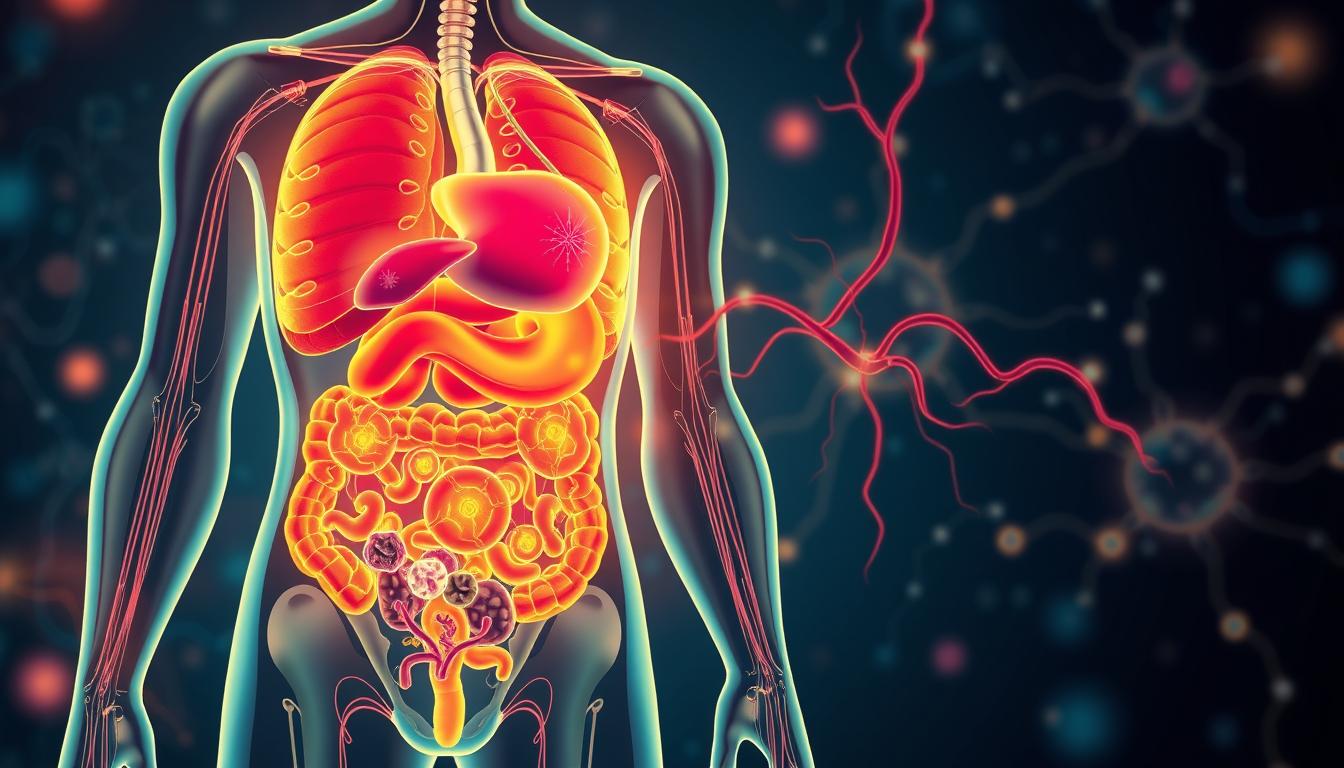
Leptin, a hormone that regulates hunger, decreases during weight loss. Studies show this reduction can increase hunger signals by 23%, making it harder to stick to your goals. Understanding these processes can help you create a plan that works with your body, not against it.
How Metabolism Affects Your Weight
Your metabolism is influenced by factors like age, genetics, and activity level. When you cut calories drastically, your body adapts by burning fewer calories to conserve energy. This is why crash diets often fail in the long run.
Set point theory suggests your body has a natural weight range it tries to maintain. This can make sustained weight loss challenging but not impossible. By focusing on gradual changes, you can reset your set point over time.
Ways to Boost Your Metabolism Naturally
There are several strategies to enhance your metabolism without extreme measures:
- Protein-rich meals: Protein requires more energy to digest, increasing calorie burn.
- HIIT workouts: High-intensity interval training creates an EPOC effect, burning 25% more calories post-exercise.
- Cold exposure: Brief exposure to cold can activate brown fat, which burns calories to generate heat.
- Green tea: Its EGCG compound boosts fat oxidation by 3-4%, aiding in weight management.
“Understanding your metabolism is the first step toward sustainable weight management.”
By incorporating these methods into your routine, you can support your body’s natural processes and achieve lasting results. Remember, small, consistent changes are key to long-term success.
Exercise: A Key Component of Natural Weight Loss
Physical activity is a cornerstone of any effective weight management plan. It not only helps you burn calories but also strengthens your body and improves overall health. Incorporating the right types of movement can make a significant difference in your journey to lose weight sustainably.

Types of Exercises for Effective Weight Loss
Not all workouts are created equal. High-intensity interval training (HIIT) burns fat faster than steady-state cardio, thanks to its afterburn effect. Resistance training, on the other hand, preserves 97% of lean muscle mass during weight loss, ensuring your metabolism stays active.
Here’s a quick comparison:
- HIIT: Burns 25% more calories post-workout.
- Steady-State Cardio: Ideal for beginners and endurance building.
- Resistance Training: Increases muscle mass, boosting BMR by 50kcal/day per pound.
How Regular Physical Activity Helps
Beyond burning calories, exercise offers numerous benefits. Non-exercise activity thermogenesis (NEAT), like walking or fidgeting, can add up to significant calorie expenditure. Northwestern Medicine recommends starting with cardio and gradually incorporating weights for optimal results.
Exercise also triggers endorphin release, which reduces stress and emotional eating. As one expert puts it,
“Movement is medicine for both the body and mind.”
By making physical activity a regular part of your routine, you can achieve lasting results and improve your overall well-being.
Importance of Sleep in Weight Management
Sleep plays a critical role in managing your overall health and well-being. It’s not just about feeling rested—quality sleep directly impacts your body’s ability to regulate weight. Without enough rest, your hormones and metabolism can become imbalanced, making it harder to achieve your goals.

How Sleep Affects Your Weight
Sleep deprivation increases ghrelin, the hunger hormone, by 28%. This can lead to overeating and cravings for unhealthy foods. At the same time, leptin, which signals fullness, decreases. This imbalance makes it harder to control your appetite.
Your circadian rhythm also plays a key role. Disrupted sleep patterns can reduce insulin sensitivity, increasing the risk of fat storage. Studies show that people who sleep only 5 hours a night gain 2.5 times more belly fat than those who get 8 hours.
REM sleep, the deepest stage, is essential for leptin production. Without enough REM sleep, your body struggles to regulate hunger and energy use. Prioritizing 7-9 hours of sleep optimizes growth hormone release, which supports fat metabolism.
Tips for Better Sleep
Improving your sleep habits can make a big difference. Start by blocking blue light from screens at least 2 hours before bed. This helps your body produce melatonin, the sleep hormone.
Consider magnesium-rich snacks like almonds in the evening. Magnesium promotes relaxation and can improve sleep quality. Creating a consistent bedtime routine also signals to your body that it’s time to wind down.
“Quality sleep is as important as diet and exercise for maintaining a healthy weight.”
By focusing on these strategies, you can support your body’s natural processes and improve your chances of long-term success. Remember, small changes in your sleep habits can lead to big results over time.
Stress and Its Impact on Weight
Stress can silently sabotage your efforts to maintain a healthy lifestyle. When left unchecked, it triggers hormonal changes that affect your body’s ability to manage weight. Understanding this connection is key to achieving long-term success.

How Stress Leads to Weight Gain
Chronic stress increases cortisol levels, a hormone linked to visceral fat storage. High cortisol can make your body store fat, especially around the abdomen. This raises your risk of weight gain and related health issues.
Stress also triggers dopamine-seeking behaviors, often leading to cravings for sugary or high-calorie foods. These foods provide temporary comfort but contribute to long-term weight gain. Over time, this cycle can become hard to break.
Stress Management Techniques
Managing stress effectively can help you regain control. Adaptogens like ashwagandha and rhodiola support the HPA axis, reducing cortisol levels. These natural remedies can help your body handle stress better.
Simple techniques like box breathing (4-7-8 method) can calm your mind in minutes. This practice reduces stress and helps you make better food choices. Incorporating mindfulness breaks at 10am and 3pm can also keep stress levels in check.
“Managing stress is as important as diet and exercise for maintaining a healthy weight.”
Regular physical activity, like 20-minute nature walks, can reduce stress-eating urges by 40%. These small changes can make a big difference in your overall well-being.
Hydration and Weight Loss
Proper hydration is a game-changer for achieving your health goals. Water plays a vital role in supporting your body’s functions, including metabolism and waste removal. Staying hydrated can even help you manage your weight more effectively.

The Role of Water in Weight Management
Water is essential for lipolysis, the process of breaking down fat. It also helps flush out toxins, keeping your body functioning optimally. Drinking 500ml of water can boost your metabolic rate by 30% for up to an hour.
Interestingly, thirst is often mistaken for hunger. In 68% of cases, people reach for snacks when their body actually needs water. Staying hydrated can help you avoid unnecessary calorie intake.
How Much Water Should You Drink?
A simple formula can guide your daily intake: divide your weight in pounds by 2 to get the minimum ounces of water you need. For example, if you weigh 150 lbs, aim for at least 75 ounces daily.
High-water foods like cucumbers (96% water) and tomatoes (94% water) can also contribute to your hydration goals. Avoid artificially sweetened drinks, as they can disrupt insulin response and hinder progress.
“Timing your hydration can make a big difference. Start your day with 16 ounces of water and drink before meals to support digestion and control appetite.”
By prioritizing hydration, you can support your body’s natural processes and make your weight loss journey more effective. Small changes, like carrying a water bottle, can lead to significant results over time.
Why Natural Weight Loss is About More Than Diet
A holistic strategy is essential for maintaining weight loss over time. Research shows that 78% of people who adopt a multifactorial approach keep the weight off for five years or more. This method goes beyond just focusing on what you eat, integrating other key elements for long-term success.

Integrating Multiple Factors for Success
Effective weight management relies on a four-pillar system: nutrition, movement, recovery, and mindset. Each component plays a vital role in achieving and maintaining results. For example, combining sleep hygiene with high-intensity interval training (HIIT) has led to significant weight loss, as seen in a case study where a participant lost 45 pounds.
Dr. Pittman’s 80/20 rule emphasizes balance. Focus on healthy habits 80% of the time, allowing flexibility for the remaining 20%. This approach ensures sustainability without feeling restrictive.
Real-Life Examples of Holistic Weight Loss
Bariatric surgery success rates triple when combined with lifestyle changes. Patients who adopt healthier habits post-surgery are more likely to maintain their results. This highlights the importance of a comprehensive approach over diet-only strategies.
Here’s a comparison of outcomes:
| Approach | Success Rate | Long-Term Maintenance |
|---|---|---|
| Diet-Only | 35% | Low |
| Holistic | 78% | High |
To implement this strategy, follow a 12-month roadmap:
- Months 1-3: Focus on nutrition and hydration.
- Months 4-6: Incorporate regular physical activity.
- Months 7-9: Prioritize sleep and stress management.
- Months 10-12: Strengthen mindset and consistency.
“A balanced lifestyle is the foundation of effective weight control.”
By addressing all aspects of your health, you can achieve lasting results and improve your overall well-being. Remember, it’s not just about the diet—it’s about creating a lifestyle that supports your goals.
The Role of Hormones in Weight Management
Hormones play a pivotal role in how your body manages energy and fat storage. They act as chemical messengers, influencing everything from appetite to metabolism. When these hormones are out of balance, it can lead to challenges in managing your weight effectively.
Key Hormones That Affect Weight
Insulin, a hormone produced by the pancreas, regulates blood sugar levels. When insulin sensitivity is low, your body stores more fat, increasing the risk of diabetes. Studies show that consuming 1g of cinnamon daily can improve insulin sensitivity by 23%.
Leptin, known as the satiety hormone, signals fullness to your brain. However, leptin resistance can disrupt this process, leading to overeating. Omega-3 fatty acids, found in fish and flaxseeds, can reduce leptin resistance by 17%.
Estrogen dominance, often linked to hormonal imbalances, can cause fat accumulation in the hips and thighs. Balancing estrogen levels is crucial for maintaining a healthy weight.
How to Balance Hormones Naturally
Adaptogenic foods like maca root support thyroid function, while fenugreek seeds improve insulin sensitivity. Incorporating these into your diet can help regulate your hormones naturally.
Circadian fasting, such as eating within an 8-hour window, can regulate ghrelin, the hunger hormone. This approach helps control appetite and supports fat metabolism.
For personalized insights, consider DUTCH hormone testing. This advanced test provides a detailed analysis of your hormonal health, guiding tailored strategies for weight management.
“Balancing your hormones is the foundation of effective weight control.”
| Strategy | Benefit |
|---|---|
| 1g Cinnamon Daily | Improves insulin sensitivity by 23% |
| Omega-3 Fatty Acids | Reduces leptin resistance by 17% |
| Circadian Fasting | Regulates ghrelin and appetite |
By addressing hormonal imbalances, you can create a sustainable plan that supports your weight management goals. Small, consistent changes can lead to significant results over time.
Mindful Eating and Weight Loss
Transforming your relationship with food can lead to lasting health benefits. Mindful eating is about being fully present during meals, savoring each bite, and listening to your body’s hunger cues. This practice not only helps you enjoy your food more but also supports better digestion and healthier choices.

What is Mindful Eating?
Mindful eating involves paying attention to the sensory experience of your meals. It’s about noticing the taste, texture, and aroma of your food. This approach helps you recognize when you’re full, reducing the likelihood of overeating.
One effective technique is the RAIN method: Recognize, Accept, Investigate, and Note. This process encourages you to observe your cravings without judgment, helping you make more intentional choices.
Benefits of Mindful Eating
Research shows that mindful eaters consume 300 fewer calories per day. Slowing down during meals allows your brain to register fullness, optimizing satiety signals. Taking at least 20 minutes to eat can make a significant difference in how satisfied you feel.
Here are some practical strategies to incorporate mindful eating into your routine:
- Utensil-Down Technique: Put your fork down between bites to slow your pace.
- Sensory Exercises: Try a chocolate meditation to fully experience the flavors.
- 30-30-30 Plate Strategy: Spend 30 seconds smelling your food, chew each bite 30 times, and take a 30-minute post-meal walk.
Fast eaters have a 115% higher risk of obesity compared to those who eat slowly. By practicing mindful eating, you can reduce this risk and improve your overall health.
“Mindful eating is not just about what you eat, but how you eat.”
| Eating Speed | Obesity Risk |
|---|---|
| Fast Eaters | 115% Higher |
| Slow Eaters | Lower Risk |
By focusing on the amount and time you spend eating, you can create a healthier relationship with food. Small changes in your habits can lead to significant improvements in your well-being.
Importance of Portion Control
Managing your food intake effectively starts with understanding portion sizes. Over the years, serving sizes have grown significantly, leading to overeating and weight gain. By controlling the amount you eat, you can maintain a healthier lifestyle and achieve your goals more easily.

How Portion Sizes Affect Weight
Portion distortion is a real issue. For example, muffins today are 333% larger than they were in the 1980s. This increase in size means you’re consuming more calories without realizing it. A daily surplus of just 100 calories can lead to a 10-pound annual weight gain.
Using smaller plates can help. Reducing plate size from 12 inches to 10 inches cuts intake by 22%. This simple change tricks your brain into feeling satisfied with less food.
Tips for Practicing Portion Control
Here are some practical strategies to manage your portions:
- Hand Measurements: Use your palm for protein, a fist for carbs, and a thumb for fats.
- Pre-Plated Meals: Serve your meals on plates instead of family-style to avoid overeating.
- Volumetric Foods: Choose foods like chia seeds, which expand 15 times in water, to feel fuller with less.
“Small changes in portion sizes can lead to big results over time.”
| Strategy | Benefit |
|---|---|
| Smaller Plates | Reduces intake by 22% |
| Hand Measurements | Simplifies portion sizing |
| Volumetric Foods | Increases fullness with fewer calories |
By focusing on portion control, you can make smarter choices and support your health goals. Remember, it’s not just about what you eat, but how much you eat.
Choosing the Right Foods for Weight Loss
The foods you choose can make or break your weight loss journey. Real foods provide 40% more micronutrients than processed options, supporting your body’s needs. Understanding which foods to include and avoid is essential for achieving sustainable results.

Nutrient-Dense Foods to Include
Focus on whole, nutrient-rich foods that fuel your body. Kale, for example, has an ANDI score of 1000, while chips score only 12. This means kale offers far more nutrients per calorie. Protein-rich options like chicken and fish have a high thermic effect, burning 30% of their calories during digestion.
Here are some nutrient-dense swaps to consider:
- Zoodles instead of pasta
- Cauliflower rice instead of white rice
- Greek yogurt instead of sugary desserts
Foods to Avoid for Effective Weight Loss
Certain foods can hinder your progress. Trans fats, found in fried and processed items, increase belly fat three times more than monounsaturated fats. Granola, often marketed as healthy, can contain four times the sugar of oatmeal. Be cautious of these hidden traps.
Here’s a comparison of common culprits:
| Food | Issue |
|---|---|
| Granola | High in sugar |
| Fried Foods | Contains trans fats |
| Sugary Drinks | Empty calories |
When grocery shopping, stick to the perimeter of the store. This is where fresh produce, lean proteins, and dairy are typically located. Avoid the center aisles, which are filled with processed and packaged foods.
“The quality of your food choices determines the success of your weight loss journey.”
By focusing on nutrient-dense foods and avoiding processed options, you can create a diet that supports your goals. Small changes in your eating habits can lead to significant improvements in your health and well-being.
Building a Sustainable Weight Loss Plan
Creating a plan that lasts requires more than just short-term fixes. A sustainable approach ensures you not only lose weight but also maintain your progress over time. By focusing on realistic goals and gradual changes, you can build habits that support your long-term success.
Setting Realistic Goals
Start with the SMART framework: Specific, Measurable, Achievable, Relevant, and Time-bound. For example, aim to lose weight by 5% over 90 days. This small but significant reduction can lower your diabetes risk by 58%.
Break your goals into smaller milestones. Celebrate each achievement to stay motivated. Northwestern’s 12-week lifestyle medicine program highlights the importance of gradual progress for lasting results.
Creating a Long-Term Strategy
Habit stacking is a powerful tool. Pair new habits with existing ones, like drinking water after brushing your teeth. This method has an 85% success rate, compared to 35% for cold turkey approaches.
Try habit chaining, such as consuming protein within 30 minutes post-workout. This timing supports muscle recovery and boosts metabolism. Consistency is key to making these changes stick.
For relapse prevention, adopt the 3-strike system. If you miss a goal three times, reassess and adjust your plan. This flexible approach keeps you on track without feeling overwhelmed.
Track progress beyond the scale. Measure waistline, energy levels, and overall well-being. These metrics provide a fuller picture of your lifestyle improvements.
“A sustainable plan is not about perfection but about progress and consistency.”
By focusing on these strategies, you can create a weight loss plan that fits your lifestyle and supports your long-term health goals. Remember, small, consistent steps lead to lasting success.
Conclusion
Taking control of your health starts with understanding the bigger picture. A holistic approach to weight loss integrates 12 key pillars, including nutrition, exercise, sleep, and stress management. Northwestern Medicine emphasizes that 80% adherence to these habits leads to sustainable results.
Avoid the “reset” mentality, which often leads to frustration. Instead, focus on incremental changes. Small, consistent steps are more effective than drastic overhauls. This approach helps you build habits that last.
For personalized guidance, consider consulting a lifestyle medicine professional. They can help you create a tailored plan that fits your needs. Studies show that 63% of people who fully integrate these strategies maintain their progress long-term.
Your journey to better health is about more than just diet. It’s about creating a balanced lifestyle that supports your goals. Start today and take the first step toward lasting success.