Did you know over 40% of adults deal with noisy nights? Snoring affects millions, disrupting rest and relationships. Many believe changing positions helps, but is that really the solution?
While side sleeping is often recommended, it doesn’t work for everyone. Some people still snore no matter how they lie. The truth? Causes vary, from nasal congestion to lifestyle habits.
This article separates fact from fiction. You’ll learn what truly works—and what doesn’t—for quieter nights. No fluff, just science-backed answers to help you breathe easier.
Key Takeaways
- Snoring impacts nearly half of adults, often harming sleep quality.
- Side sleeping may reduce noise but isn’t a universal fix.
- Underlying causes like allergies or weight play major roles.
- Myths about quick fixes persist despite medical evidence.
- Effective solutions require personalized approaches.
1. Introduction: The Truth About Snoring
Many assume snoring means deep sleep, but science says otherwise. That rattling sound happens when airflow causes relaxed throat tissues to vibrate. It’s a sign your airway is partially blocked—not that you’re resting well.
About 45% of adults snore occasionally, while 25% do it regularly. For some, it’s a minor nuisance. For others, it’s linked to obstructive sleep apnea (OSA), a condition affecting 15 million people in the UK alone.
Key facts:
- Snoring worsens with age as throat muscles weaken.
- Alcohol or allergies can intensify the problem.
- OSA involves pauses in breathing, not just noise.
Lifestyle changes help many, but medical issues like deviated septums need expert care. This article cuts through myths with research-backed answers.
2. Myth: Snoring Is a Sign of Good Sleep
That rumbling sound at night? It’s often a sign of poor sleep quality. While some think snoring means deep rest, studies show it’s quite the opposite. Snorers lose 23% of REM sleep—the stage critical for memory and mood.
Why Snoring Disrupts Sleep Quality
The vibrations from snoring create micro-awakenings, fracturing sleep into shallow, unrefreshing chunks. Johns Hopkins researchers found:
“Chronic snorers report 40% more daytime fatigue than quiet sleepers, even with equal hours in bed.”
This leads to:
- Slower reaction times (comparable to mild intoxication).
- Poor concentration and irritability.
- Higher risk of metabolic disorders.
The Link Between Snoring and Sleep Apnea
Not all snorers have obstructive sleep apnea (OSA), but 38% of loud snorers do—often undiagnosed. Unlike simple snoring, OSA involves dangerous oxygen drops.
| Snoring | Sleep Apnea |
|---|---|
| Noisy vibrations | Breathing pauses (10+ seconds) |
| Mild sleep disruption | Excessive daytime sleepiness |
| Often positional | Requires CPAP or surgery |
Red flags include gasping awake, morning headaches, or a partner noticing breathing gaps. If these sound familiar, a sleep study could be life-changing.
3. Does Sleeping on Your Side Cure Snoring?
Gravity plays a bigger role in snoring than most realize. Lying flat lets your tongue fall backward, narrowing the airway. Side positions help, but they’re not a universal fix.

How Gravity Affects Your Airway
Back sleeping triples snoring risk by letting tissues sag. A Mayo Clinic study found:
“Lateral sleep reduces airway collapse by 42% compared to supine positions.”
Key changes:
- Tongue position: Shifts forward, avoiding blockage.
- Soft palate: Stays aligned, reducing vibrations.
| Back Sleeping | Side Sleeping |
|---|---|
| 300% higher snoring risk | 61% noise reduction with wedges |
| Tongue blocks airway | Open throat passage |
| Worse for sleep apnea | Better for mild cases |
When Side Sleeping Isn’t Enough
If you’re sleeping laterally but still snore, other factors may apply:
- Nasal valve collapse: Requires strips or surgery.
- Obesity: Extra neck fat pressures the throat.
The tennis ball technique helps habitual back sleepers. Sew a ball into pajama backs to force side positions. For stubborn cases, oral appliances or CPAP therapy might be needed.
4. Myth: Sleeping Pills Stop Snoring
Sleep aids promise restful nights, but they might be making your snoring worse. While these medications help you drift off, they relax throat muscles too much, narrowing your airway. Research shows this can turn mild snoring into a nightly roar.

How Medications Worsen Muscle Relaxation
Sedatives like Ambien boost GABA, a brain chemical that calms your body. But this also weakens pharyngeal dilators—muscles that keep your airway open. A 2023 study found:
“Ambien increases snoring intensity by 42% compared to placebo, even in non-snorers.”
Key risks include:
- Collapsed airways: Over-relaxed tissues vibrate more loudly.
- Disrupted hours sleep: Drugs suppress REM cycles, reducing restorative rest.
- Rebound insomnia: Stopping pills abruptly worsens sleep problems.
Side Effects That Harm Sleep
Nearly 70% of sleep aid users report next-day grogginess, mimicking sleep deprivation. Combining these with alcohol—another muscle relaxant—doubles the danger. For safer alternatives:
- Low-dose melatonin (0.5–3 mg) may improve sleep onset without airway risks.
- CPAP users show 89% better compliance than sedative takers (NuCara Health data).
- ENTs recommend positional therapy first for mild cases.
Before reaching for pills, consider their effects beyond drowsiness. Quiet nights often start with non-drug solutions.
5. Myth: All Snorers Have Sleep Apnea
Not every loud sleeper has a serious condition. While sleep apnea affects millions, only 33% of snorers meet its diagnostic criteria. The key difference? Apnea involves stopped breathing, not just noise.

Key Differences Between Snoring and Apnea
Simple snoring creates vibrations but no oxygen drops. Obstructive sleep apnea (OSA) is more dangerous:
- Hypopneas: Shallow breaths reducing oxygen by 30%+
- Apneas: 10+ second pauses, often with gasping
- Daytime impacts: Excessive daytime sleepiness scores over 10 (Epworth Scale)
“Untreated OSA triples stroke risk and worsens hypertension.”
When to Seek Medical Help
Use the STOP-BANG checklist. Seek evaluation if you have 3+ of these:
| Criteria | Risk Factor |
|---|---|
| Snoring | Loud enough to hear through doors |
| Tiredness | Daytime fatigue despite full sleep |
| Observed pauses | Partner notices breathing gaps |
Testing options vary. Home studies screen for mild cases, while lab tests diagnose complex OSA. NuCara Health’s PAP therapy program helps 78% of users adjust to treatment within 14 days—far faster than the 6-week average.
6. Lifestyle Factors That Worsen Snoring
Your nightly habits could be turning up the volume on snoring. While sleep position matters, what you consume before bed plays an equally critical role. Two substances—alcohol and nicotine—directly impact airway function.

Alcohol’s Relaxing Effect on Throat Muscles
That evening drink relaxes more than your mind. Ethanol suppresses the genioglossus muscle that keeps your airway open. Research shows:
“Two drinks increase snoring odds by 89% compared to alcohol-free nights.”
Key mechanisms:
- Delayed reflexes: Slower muscle responses to airway blockages
- Deeper relaxation: Exaggerated tissue vibration during sleep
For quieter nights, stop alcohol at least 4 hours before bed. This gives your body time to metabolize it.
How Smoking Irritates Nasal Passages
Cigarettes don’t just damage lungs—they inflame the nasal cavity and throat. Smokers snore 45% more frequently than non-smokers due to:
- Mucous buildup: Nicotine increases phlegm production
- Swollen tissues: Chemicals cause chronic inflammation
Improvements start fast after quitting:
| Timeframe | Benefit |
|---|---|
| 72 hours | Better oxygen flow |
| 3 months | Reduced airway swelling |
HEPA filters help remove residual smoke particles if you live with a smoker. Combine this with hydration to thin mucus.
7. Simple Remedies to Reduce Snoring
Quiet nights start with smart solutions, not guesswork. While severe cases need medical care, many find relief with basic adjustments. Two approaches stand out: elevation and specialized devices.
Elevating Your Head During Sleep
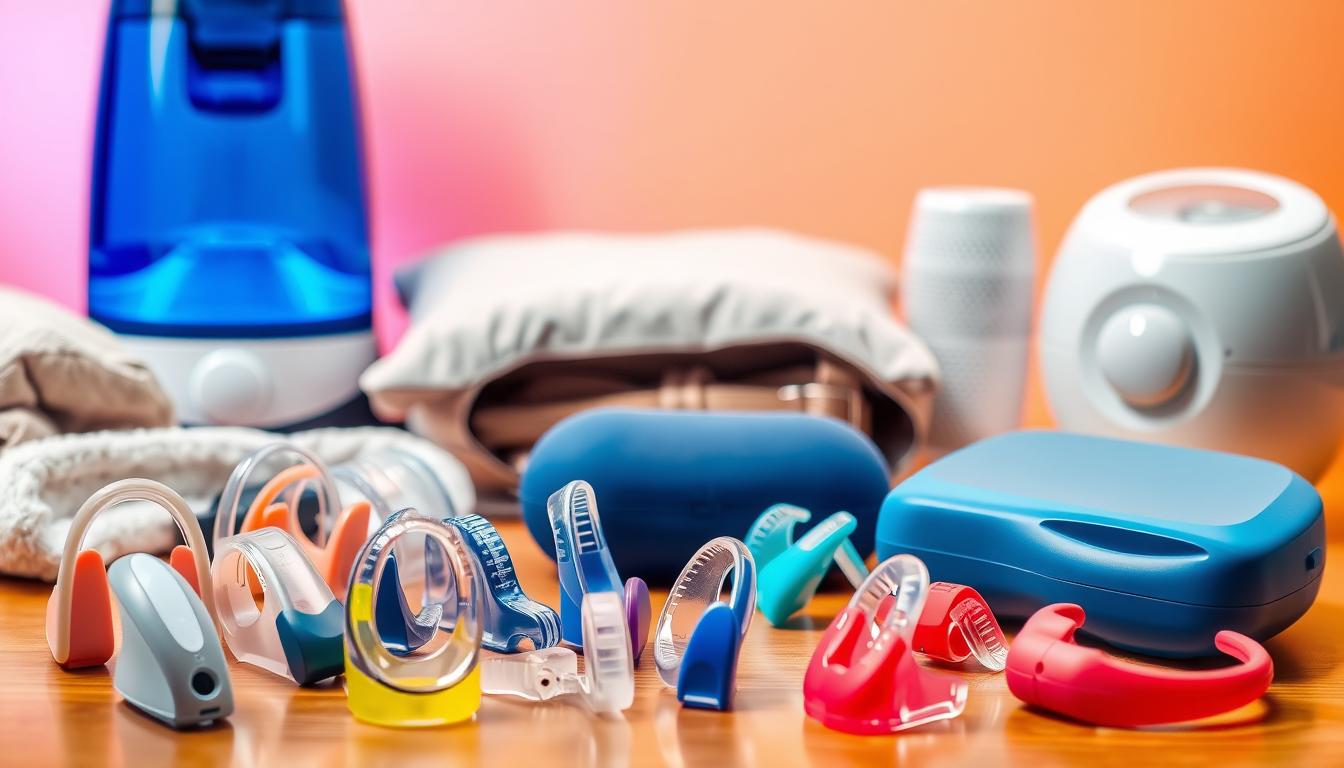
A 30° incline keeps airways open by preventing tongue collapse. Studies show this reduces snoring in 54% of users. Choose between:
- Wedge pillows: Firm foam maintains angle all night
- Adjustable bases: Raise the headboard 6-10 inches
Avoid stacking regular pillows—they shift position and strain your neck. For best results, align your ears over your shoulders.
Nasal Strips and Mouth Guards
These devices tackle different blockage points. Mandibular advancement mouth guards (MADs) prevent 82% of tongue-base collapse by slightly protruding the jaw.
| Option | Best For | Effectiveness |
|---|---|---|
| Nasal strips | Nasal congestion | 39% noise reduction |
| Boil-and-bite guards | Budget option | Lasts 6-12 months |
| Custom dental devices | Severe cases | FDA-cleared for OSA |
Apply nasal strips correctly: center them over the bridge of your nose, smoothing outward. Avoid chin straps unless fitted by a specialist—they can misalign the jaw.
FDA-cleared OTC options like SnoreRx offer an effective way to start. Combined with hydration and allergy control, these tools can significantly improve sleep quality.
8. The Role of Weight in Snoring
Extra pounds don’t just affect your waistline—they narrow your airway. Fat deposits around the neck and throat create pressure, vibrating more easily during sleep. Research shows a 10% weight loss cuts snoring frequency by half.

Men with necks over 17 inches and women over 16 inches face higher risks. This isn’t just about size—it’s how fat changes your body mechanics.
How Excess Weight Pressures Airways
Parapharyngeal fat pads thicken the throat’s side walls. These deposits:
- Reduce space for air to flow freely
- Increase tissue vibration at lower airflow speeds
- Worsen positional apnea when lying flat
“Visceral fat releases inflammatory compounds that swell airway tissues, creating a vicious cycle.”
High-intensity interval training (HIIT) works best for visceral fat reduction. Just 20 minutes daily improves oxygen use by 12% within eight weeks.
Healthy Habits for Better Sleep
Combine movement with anti-inflammatory foods:
| Strategy | Benefit |
|---|---|
| Omega-3 rich meals | Reduces throat tissue swelling |
| Evening turmeric tea | Lowers nasal congestion |
| 7 AM workouts | Aligns with cortisol cycle |
Mark, a 42-year-old teacher, silenced his snoring after losing 18 pounds. His secret? Early morning walks plus cutting processed sugars eliminated his positional snoring in 11 weeks.
Remember—small lifestyle shifts often yield the loudest results. Your healthy changes today mean quieter nights tomorrow.
9. When to See a Doctor
Persistent snoring may signal deeper health concerns needing professional attention. While many cases respond to lifestyle changes, certain red flags indicate it’s time for medical evaluation. Experts recommend consultation when symptoms disrupt daily function or suggest oxygen deprivation.
Red Flags Like Gasping or Daytime Fatigue
These symptoms warrant immediate evaluation:
- Witnessed apneas: Partners report breathing pauses longer than 10 seconds
- Choking episodes that wake you with a start
- Morning headaches from brain oxygen deprivation
According to sleep specialists:
“More than 5 apnea events per hour requires treatment to prevent cardiovascular damage.”
Medical Treatments Beyond Home Remedies
When conservative measures fail, these interventions help:
| Treatment | Best For | Success Rate |
|---|---|---|
| DISE-guided surgery | Anatomical abnormalities | 68% improvement |
| Hypoglossal nerve stimulator | CPAP failures | 79% adherence (NuCara data) |
The Inspire implant, a pacemaker for your airway muscles, shows particular promise. It activates with each breath to maintain airflow. Patients report:
- 72% reduction in apnea events
- Better sleep quality within 3 weeks
Those struggling with CPAP adaptation can explore weight-related symptoms management alongside NuCara’s free consultation program. Their specialists help 83% of users find comfortable solutions.
10. Conclusion: Smart Strategies for Quieter Nights
Small changes can make a big difference in nighttime noise. Start with positional adjustments, like elevating your head or using specialized pillows. Combine this with health habits—cutting alcohol or quitting smoking—to break the snoring cycle.
For persistent issues, a sleep study ensures proper diagnosis. Improved rest boosts energy, focus, and relationship quality. NuCara’s experts offer free consultations to tailor solutions for you.
The best way forward? Use these tips consistently. Your quiet night starts tonight—take the first step.