Did you know 94% of conventional produce passes strict pesticide residue tests? The USDA says both organic and non-organic foods meet the same safety standards. So, you don’t need to spend more to get healthy food.
The Mayo Clinic says: “There’s no nutritional advantage to organic foods.” What’s important is choosing fresh foods over processed ones. Studies show you can eat well without breaking the bank by buying in season and planning meals.
Learn to read food labels, use frozen veggies (they’re 40% cheaper than fresh), and focus on affordable proteins. Forget the fancy labels. Science shows you can get more nutrition for less money.
Key Takeaways
- USDA safety standards apply equally to organic and conventional foods
- Nutritional value isn’t determined by organic certification
- Frozen produce often matches fresh in vitamins and minerals
- Meal planning reduces waste and unnecessary spending
- Store brands frequently match name-brand nutritional profiles
Debunking the Organic Myth
Organic labels don’t mean better nutrition, but they do mean higher prices. Let’s clear up the confusion so you can choose wisely for your health and wallet.
The Real Price of Organic Labels
USDA organic certification costs farmers 15-30% more than regular farming, says Colby College research. This extra cost makes your grocery bill go up, with an average 68% price premium for organic items.
1.1 USDA Organic Certification Markups Revealed
Farmers pay $750 a year for certification, plus extra for inspections and soil upgrades. A 2023 study found these costs add $0.18-$0.32 per pound to produce prices before they hit stores.
1.2 Conventional Broccoli vs Organic Price Comparison
MOFGA’s price tracking shows big differences:
| Product | Conventional | Organic |
|---|---|---|
| Broccoli (per lb) | $1.89 | $3.15 |
| Romaine Lettuce | $2.10 | $3.80 |
| Carrots (5lb bag) | $4.25 | $7.90 |
Nutritional Truths Exposed
“Vitamin content varies more by freshness than farming methods,” states a 7-year Journal of Agricultural Studies analysis of 40 crops.
2.1 Journal of Agricultural Studies Findings
The study compared 1200 produce samples and found:
- No significant vitamin C differences in 78% of tested fruits
- Iron levels 4% higher in conventional spinach
- Fiber content identical across farming methods
2.2 Vitamin Retention in Frozen vs Fresh Produce
Frozen vegetables often outperform fresh organic options:
- Spinach retains 90% folate when frozen vs 65% in fresh organic
- Carrots preserve 140% more vitamin A after freezing
- Peas maintain texture better in freezer storage
When to Buy Organic
The Environmental Working Group’s 2023 lists help prioritize purchases without breaking your budget.
3.1 2023 Environmental Working Group’s Dirty Dozen
These 12 items absorb pesticides most readily:
- Strawberries
- Spinach
- Kale/Collards
- Peaches
- Pears
3.2 Clean Fifteen Conventional Alternatives
These conventionally grown foods showed low pesticide residues:
- Avocados
- Sweet corn
- Pineapple
- Onions
- Papaya
Strategic Grocery Shopping
Smart shopping doesn’t mean giving up nutrition for less money. It’s about finding the best deals and using every dollar wisely. You can buy healthy foods without breaking the bank.
Store Selection Tactics
Aldi vs Trader Joe’s Price Breakdown
Aldi is cheaper on basics like organic oats and frozen veggies, saving up to 25% compared to Trader Joe’s, says MOFGA. But Trader Joe’s has better deals on special items like sprouted grain bread. Here’s a comparison of some key items:
| Item | Aldi Price | Trader Joe’s Price |
|---|---|---|
| Organic Quinoa (16oz) | $3.49 | $4.99 |
| Frozen Broccoli (12oz) | $1.29 | $1.79 |
Ethnic Markets’ Hidden Bargains
Hispanic and Asian markets have fresh produce 30-50% cheaper than big stores. A study by NOFA-VT found ginger costs $1.49/lb there, but $3.99/lb at big stores. Look for:
- Bulk spices in Middle Eastern shops
- Affordable tropical fruits in Latin markets
Bulk Buying Wisdom
Costco’s Best Health Food Deals
Costco’s Kirkland Signature organic coconut oil ($9.99 for 54oz) and wild-caught salmon ($6.99/lb) are great deals. Their 10lb bags of organic brown rice are 40% cheaper than store brands.
Proper Grain Storage Methods
Keep bulk grains fresh for 6+ months with these steps:
- Transfer to airtight containers
- Add oxygen absorbers
- Store in cool, dark pantry
Digital Savings Tools
How to Combine Ibotta Rebates With Store Sales
Use Ibotta’s $1.50 cauliflower rice rebate with Kroger’s BOGO sale. You get two bags for $0.75 each. Always check app offers before making your list.
“Shoppers using digital coupons save 22% more weekly than those relying only on paper coupons.”
Target Circle vs Kroger Plus Savings
Target Circle is great for non-food discounts (20% off storage containers). Kroger Plus has better deals on produce like $0.99/lb organic bananas. Use both apps but choose based on your needs.
Meal Planning Mastery
Effective meal planning turns grocery lists into nutritional goldmines without the organic price tag. By aligning your kitchen strategy with seasonal rhythms and smart portioning, you’ll slash food waste while maximizing every dollar. Let’s break down two proven frameworks that make healthy eating on a budget effortless.
Budget-Friendly Blueprints
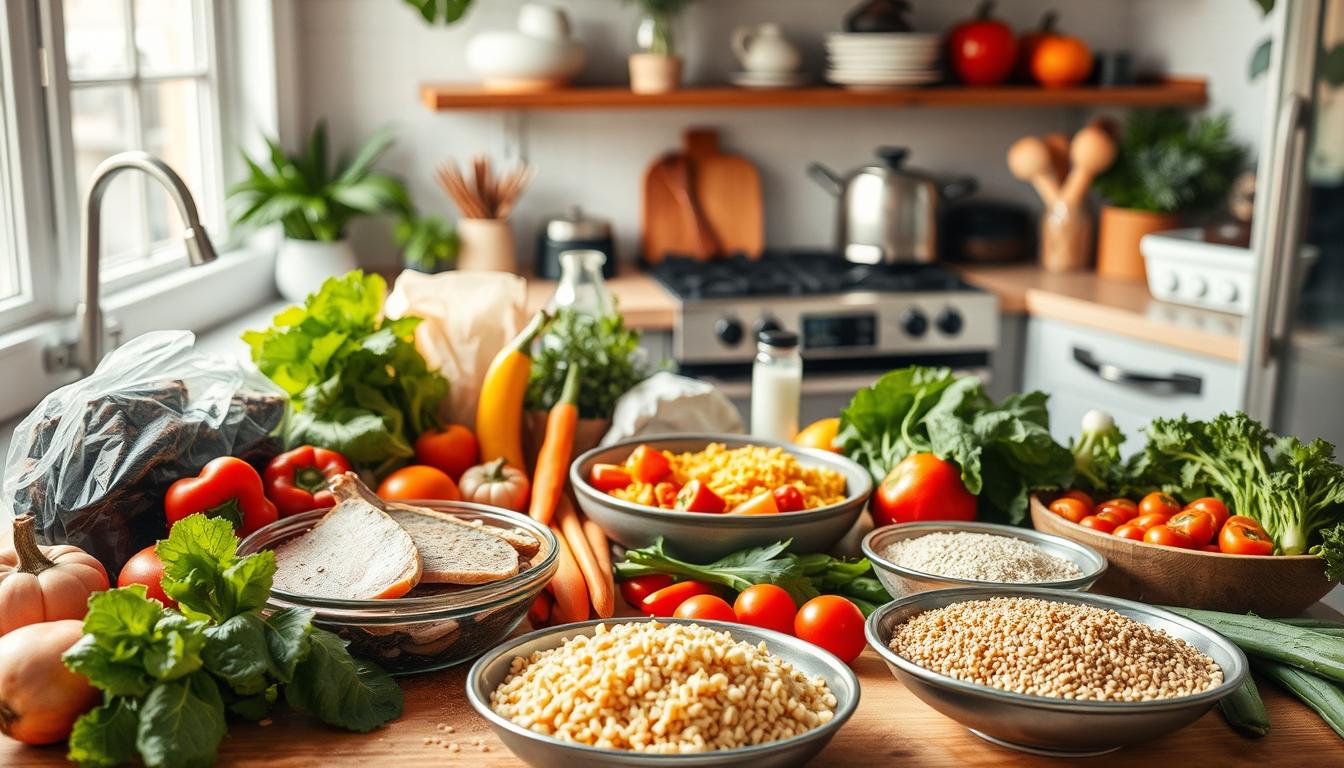
Start with a $75 weekly plan for a family of four. This budget covers three meals daily using conventional ingredients:
7.1 $75/Week Family Meal Plan
- Breakfast: Oatmeal with frozen berries ($0.85/serving)
- Lunch: Whole-grain wraps with roasted chickpeas ($1.20/serving)
- Dinner: Sheet-pan chicken thighs with seasonal veggies ($2.10/serving)
7.2 Macronutrient-Balanced Plate Formula
Use this visual guide for every meal:
- Fill 50% of your plate with non-starchy vegetables
- Allocate 25% to affordable proteins like eggs or lentils
- Reserve 25% for complex carbs (brown rice, quinoa)
Seasonal Eating Calendar
FDA data shows produce costs drop 30-60% during peak seasons. Plan meals around these price shifts:
8.1 Summer vs Winter Produce Cost Fluctuations
| Item | Summer Price | Winter Price |
|---|---|---|
| Bell Peppers | $1.29/lb | $2.99/lb |
| Tomatoes | $0.89/lb | $3.49/lb |
| Zucchini | $0.79/lb | $2.29/lb |
8.2 Preserving Peaches and Tomatoes
Extend summer harvests using USDA-approved methods:
- Canning: Store tomatoes in jars for 6 months
- Freezing: Slice peaches on parchment-lined trays before bagging
- Dehydrating: Create tomato powder for soups/stews
These techniques let you enjoy $0.99/lb summer peaches in January snowstorms. Pair preserved goods with frozen veggies for balanced low-cost healthy meals year-round.
Affordable Protein Sources
Protein doesn’t have to be expensive. You can choose from plant-based meals or animal products. Making smart choices can help you eat well without spending a lot. Let’s look at some budget-friendly options that are also nutritious.
Plant-Based Options
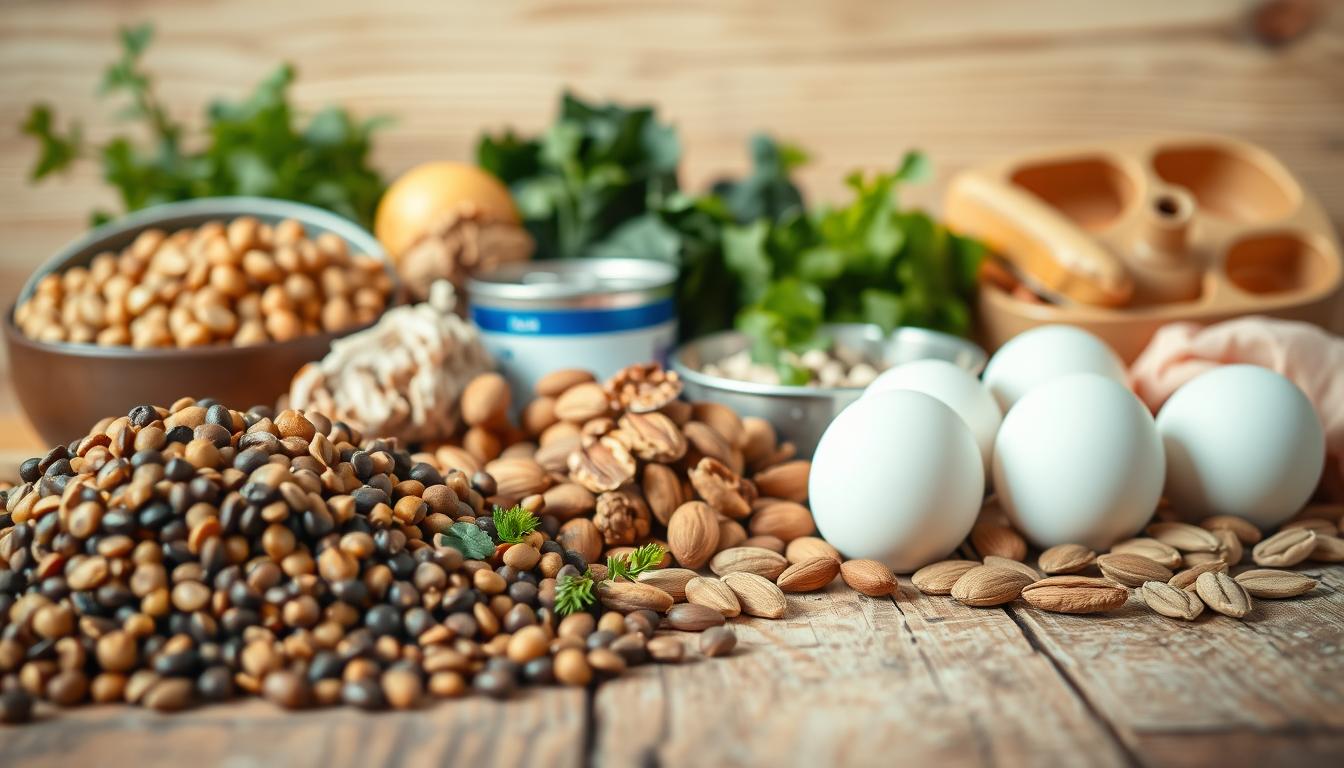
Beans, lentils, and legumes are very affordable. They have a lot of protein for their price, according to the USDA. These foods are great for eating well on a budget because they’re versatile and can be used in many dishes.
9.1 Lentil Chili Recipe ($0.85/Serving)
This meal is not only cheap but also packed with 18g of protein per bowl. Here’s what you need:
- 2 cups dry lentils ($1.50)
- 1 can diced tomatoes ($0.75)
- Spices from your pantry ($0.20)
Just simmer for 25 minutes. Then, freeze leftovers in portions for easy reheating.
9.2 Chickpea Salad Preparation Guide
Turn canned chickpeas into a protein-rich lunch:
- Rinse 1 can ($0.89)
- Mix with diced celery, onion, and lemon juice
- Add 1 tbsp olive oil ($0.15)
Total cost: $1.24 for three servings. Add whole-grain crackers for extra fiber.
Animal Protein Strategies
Meat and fish can be part of an affordable healthy eating plan if you buy them wisely. Look for cheaper cuts and shelf-stable options.
10.1 Whole Chicken Utilization Guide
A $5 rotisserie chicken can be used in many ways:
- Breast meat for sandwiches (Day 1)
- Thighs for tacos (Day 2)
- Carcass for broth (Day 3)
Always refrigerate leftovers within two hours, as the FDA recommends.
10.2 Canned Salmon Patty Recipe
Make six patties for $3.40 total:
- Drain 2 cans salmon ($2.50)
- Mix with breadcrumbs, egg, and herbs ($0.90)
- Pan-fry 4 minutes per side
Serve over greens for a meal with 22g protein. Freeze uncooked patties for later.
Smart Kitchen Hacks
Make your kitchen work better without spending a lot. You don’t need fancy tools to save time and money. With the right tools and smart ideas, you can cut down on prep time and waste. This way, you can stick to your healthy eating tips and save money.

Essential Equipment
Start with tools that do more than one thing. These tools are affordable and work great. Consumer Reports says these tools are worth every penny:
11.1 Best $15 Kitchen Tools for Meal Prep
- Vegetable chopper: Dice onions and peppers 3x faster than hand-cutting
- Silicone baking mats: Reusable alternative to parchment paper
- Collapsible steamer: Cook veggies and dumplings without special appliances
11.2 Blender vs Food Processor Uses
| Task | Blender | Food Processor |
|---|---|---|
| Nut butters | ✓ | ✓ |
| Chopping veggies | ✓ | |
| Pureeing soups | ✓ |
Blenders are great for liquids, like in weight-loss smoothies. Food processors are better for dry ingredients, perfect for chopping veggies in bulk.
Leftover Makeovers
Wasting food is a big problem in America. But, you can turn leftovers into tasty meals. Here are some ideas:
12.1 Rotisserie Chicken 3-Meal Plan
- Day 1: Chicken tacos with breast meat
- Day 2: Stir-fry using leg quarters
- Day 3: Bone broth simmered for 8 hours
12.2 Soup Stock From Vegetable Scraps
Save onion skins, carrot tops, and herb stems in a freezer bag. When it’s full:
- Cover scraps with water
- Simmer 45 minutes
- Strain and freeze in ice cube trays
This way, you get the most out of your groceries. Use these tips with meal planning to eat well and save money.
Eating Out Economically
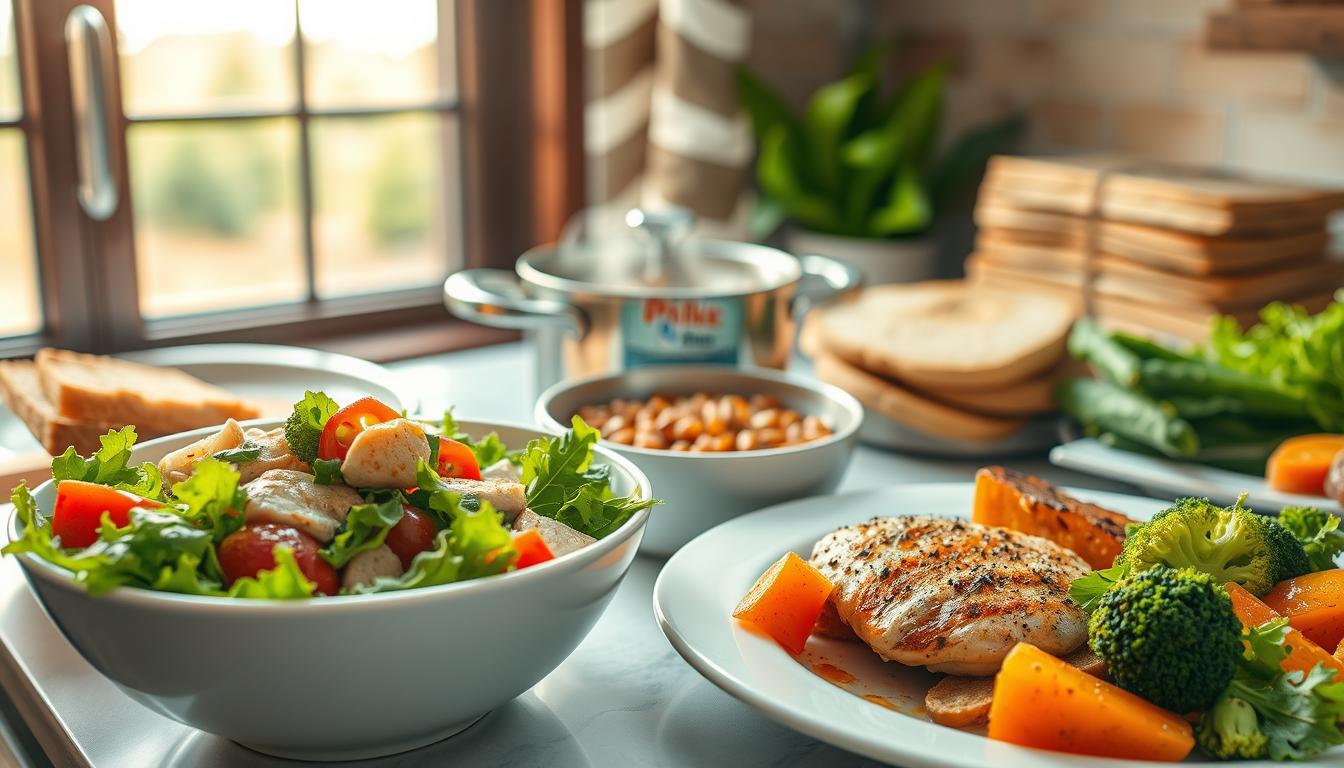
Dining out doesn’t have to break the bank or ruin your diet. Thanks to FDA menu labeling laws, you can now make smart choices. Here’s how to pick meals that are both affordable and healthy.
Restaurant Ordering Tips
13.1 Chipotle Bowl Customization Guide
Make a nutritious bowl at Chipotle for under $10. Start with greens instead of rice to save 210 calories. Add chicken for protein, then veggies and salsa. Skip the cheese and sour cream to cut calories without spending more.
13.2 Appetizer-as-Entrée Strategies
Appetizers can be great for a full meal at a lower price. Try these swaps:
- House salad + grilled chicken ($6-8)
- Vegetable spring rolls with peanut sauce ($5-7)
- Black bean soup with whole-grain crackers ($4-6)
Fast Food Survival
14.1 McDonald’s Healthier Options Under 500 Calories
| Item | Calories | Cost |
|---|---|---|
| Artisan Grilled Chicken Sandwich | 380 | $4.79 |
| 6-Piece Chicken McNuggets | 250 | $3.29 |
| Side Salad + Balsamic | 60 | $2.19 |
14.2 Subway Sandwich Customization Tips
Order a 6″ whole-grain sub and add extra veggies for free. Choose mustard or vinegar instead of mayo to save calories. The Veggie Delite is just 230 calories and costs $4.99. Add apple slices for a full low-cost healthy meal.
Drink water instead of soda to save $2-3. Many chains offer discounts through their apps. Look for affordable clean eating deals before you order.
Affordable Supplementation
Smart supplementation can fill nutritional gaps without breaking the bank. Whether you’re addressing deficiencies or boosting wellness, there are cost-effective options. Let’s look at how to prioritize essential nutrients and make DIY alternatives that save money.
Essential Nutrients
Not all supplements are the same in price or quality. First, figure out what your body needs. For example, 42% of U.S. adults lack vitamin D and magnesium, says NIH data.
Kirkland Signature vs Nature Made Vitamins
| Brand | Cost Per Serving | Key Certifications | Best For |
|---|---|---|---|
| Kirkland | $0.08 | USP Verified | Multivitamins |
| Nature Made | $0.12 | USP, NSF | Specialized Formulas |
Kirkland is more affordable for basic needs. Nature Made is great for third-party tested products. Always look for NSF International or USP certifications for quality.
Testing Water for Mineral Deficiencies
Your tap water might not have enough calcium or magnesium. Use affordable test kits from brands like WaterCheck ($30-$50) to find out. If it’s low, add trace mineral drops ($15/bottle) to your routine.
DIY Alternatives
Make your own products instead of buying expensive ones. This way, you save money and control what you put in your body.
Homemade Electrolyte Drink Recipe
- Mix 2 cups water + ½ tsp sea salt
- Add ¼ cup orange juice (natural potassium)
- Optional: 1 tbsp honey for sweetness
This homemade drink costs 8¢ per serving, saving 92% compared to commercial drinks. It’s great for after workouts or on hot days.
Growing Microgreens Indoors
USDA research shows microgreens have 40x more nutrients than mature plants. Start with:
- Use shallow containers with drainage holes
- Plant broccoli or radish seeds ¼” deep
- Harvest in 7-14 days with scissors
A $5 seed packet can give you 8-10 harvests. This way, you get fresh greens all year without the high supermarket prices.
Budget Tracking Systems
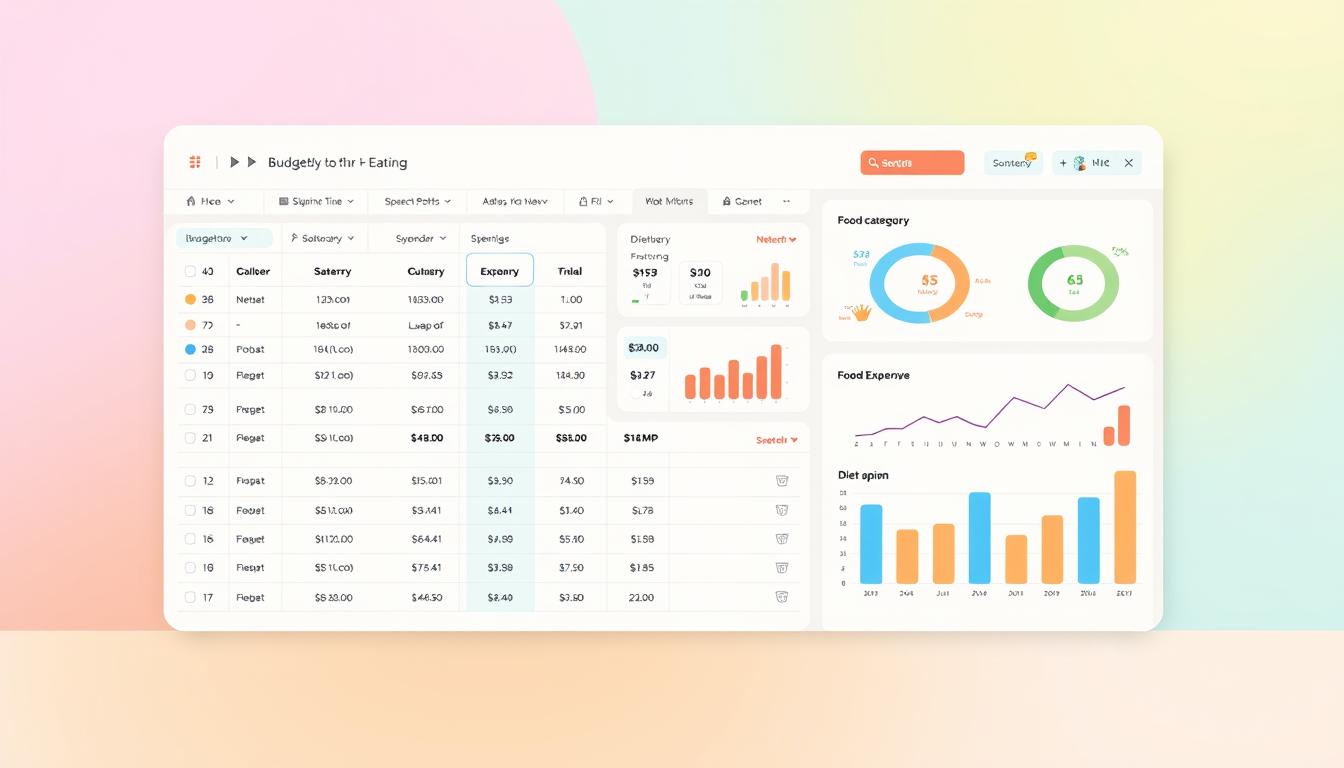
Managing your food expenses is more than just wanting to. It’s about using systems that make saving a habit. The Federal Reserve says 68% of Americans spend too much on groceries each month. But with the right tracking, you can change this.
Let’s look at two effective ways to keep your nutrition budget in check.
Digital Tools
Technology makes managing your money and eating well easier. Apps like Mint help by organizing your grocery spending and alerting you when you’re close to your limit. Intuit says users save 23% on food costs with these tools.
17.1 Mint App Food Budget Setup
- Create a “Groceries & Dining” budget category
- Connect store loyalty cards for real-time tracking
- Set monthly alerts at 75%/90% of your limit
17.2 Excel Spreadsheet Templates
Customizable templates make it easy to see where your money goes. The USDA has sheets for:
- Tracking prices
- Calculating weekly meal costs
- Comparing nutrition to cost
Cash Envelope Method
Using cash for spending helps you stick to your budget. USDA studies show it cuts down on impulse buys by 41%.
18.1 Weekly Grocery Allowance System
Take out cash for your meals. Use labeled envelopes for different categories:
| Category | % of Budget | Tracking Tip |
|---|---|---|
| Produce | 35% | Use green envelopes |
| Proteins | 30% | Track price per ounce |
| Pantry Staples | 25% | Note inventory levels |
| Extras | 10% | Keep in separate wallet |
18.2 Impulse Purchase Prevention
Keep most of your cash at home. Only take what you need for each store section. If you’re tempted by something extra:
- Snap a photo to evaluate later
- Calculate required trade-offs
- Wait 24 hours before purchasing
Whether you prefer digital or physical tools, they help you save on healthy food without sacrificing nutrition. Try both for three weeks to see which fits your life best.
Community Resources
Eating healthy on a budget is easier with community help. Government programs and local efforts make it possible to eat well without spending a lot.
Government Assistance Programs
Government programs help those who qualify. The USDA says over 41 million people use SNAP benefits each month. Yet, many who could get help don’t.
SNAP Benefit Utilization Guide
Find out if you qualify on your state’s SNAP website. You need to make less than 130% of the poverty level. If you get approved, you’ll get an EBT card for grocery shopping.
Use the USDA SNAP retailer locator to find stores with discounts on fresh produce.
WIC-Approved Shopping Lists
WIC programs help with food for women, infants, and children. They offer items like whole grains, dairy, and veggies. Check your state’s website for lists and find stores that mark WIC items.
Grassroots Nutrition Networks
Local groups help with food access. Food co-ops in 48 states offer big discounts on organic foods, averaging 35% off.
Finding Food Cooperatives
Look for local food co-ops in directories or on maps. Many co-ops have sales cycles. Plan your shopping to save the most.
Community Garden Participation
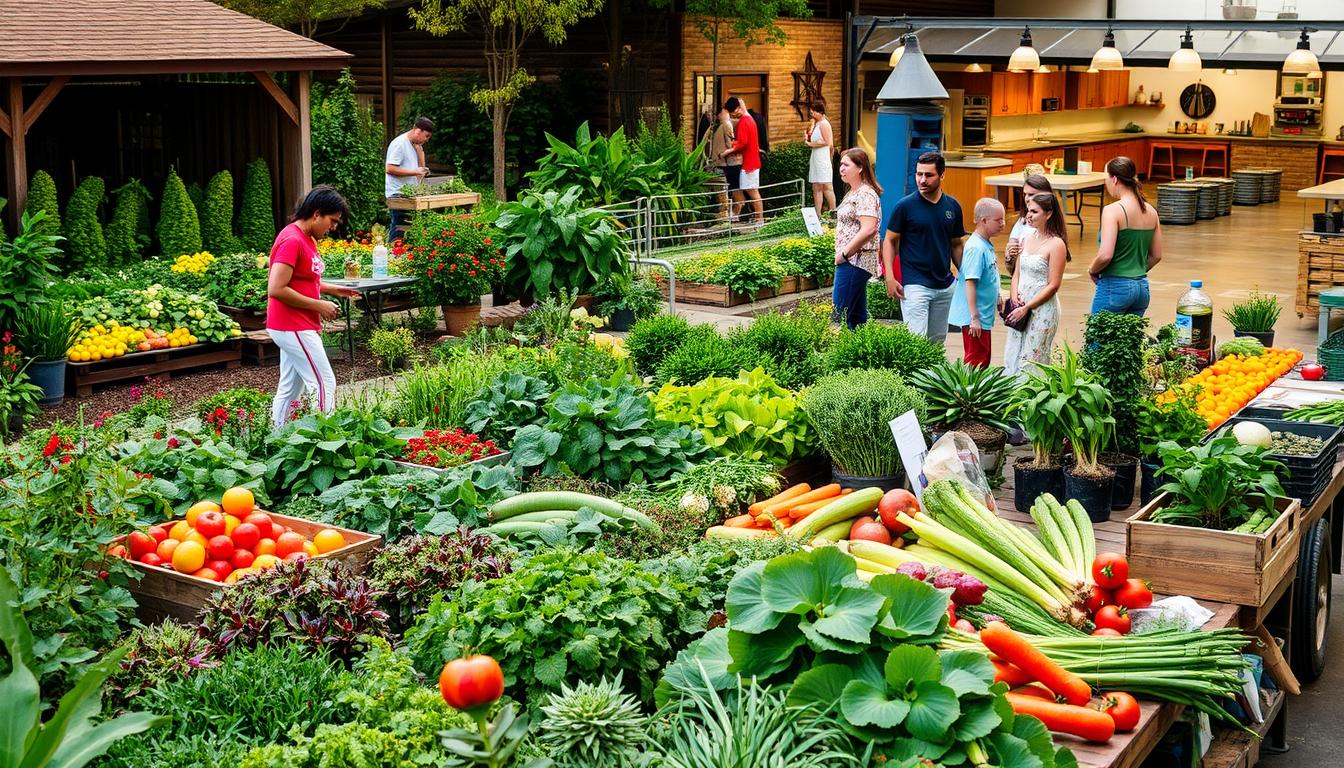
Community gardens help you grow food and learn about nutrition. With over 29,000 gardens, you can find one near you. Most charge little and provide tools. Contact your city or neighborhood to find a spot.
Psychological Strategies
Your brain is the key to eating healthy without spending too much. Science shows small changes in your mind can lead to big changes. This is true when you use practical systems too.
Building Lasting Habits
APA research says it takes 21-30 days to make habits automatic. Here are some science-backed tips:
30-Day Meal Planning Challenge
Try planning your meals for a month. Start with days where you use the same ingredients to cut down on waste. Use a simple calendar to track your progress:
| Week | Goal | Savings Tip |
|---|---|---|
| 1 | Plan 5 dinners | Reuse 2 proteins |
| 2 | Add breakfasts | Buy oats in bulk |
| 3 | Include lunches | Use dinner leftovers |
| 4 | Full weekly plan | Shop seasonal produce |
Grocery Shopping Mindfulness
Use the “10-second check” before buying anything:
- Ask: “Does this fit my meal plan?”
- Check unit prices on shelf tags
- Verify expiration dates
Creating Support Networks
USDA data shows working together can save money. Try these group activities:
Cooking Swap Groups
Start monthly exchanges where everyone:
- Makes double batches of meals that freeze well
- Swaps 2 portions with 3 others
- Shares tips on storing food
Budget Recipe Competitions
Have friends compete to make meals under $2 per serving. Use these criteria:
- Nutritional balance (50%)
- Cost efficiency (30%)
- Taste (20%)
These budget-friendly nutrition tips turn individual efforts into community wins. They make healthy choices automatic and fun.
Conclusion
Eating healthy doesn’t have to be expensive. Mayo Clinic says non-organic fruits and veggies are safe and good for you if you wash them well. Start by saving money with smart shopping and meal planning.
Use affordable foods like lentils and frozen chicken. Add in fresh produce from local markets to save even more. Tools like Walmart’s Savings Catcher or Target’s Circle app make finding deals easy.
Being efficient in the kitchen helps too. Use appliances like Instant Pot or Ninja Foodi to make many meals from one ingredient. Turn leftover veggies into stir-fries or leftover grains into salads.
USDA research shows planning meals saves food and improves health. Use cash envelopes or apps like YNAB to stay on budget. Local programs like SNAP or community fridges help when money is tight.
Begin with one change today. Maybe choose frozen berries over organic ones or make a big batch of chili. Small steps lead to big benefits for your health and wallet.
FAQ
Does organic certification justify the price difference for everyday groceries?
How can I maximize savings at national grocery chains?
FAQ
Does organic certification justify the price difference for everyday groceries?
Organic certification costs farmers a lot each year. But, Colby College found that organic apples are 63% more expensive than regular ones. Yet, they have the same vitamin C levels. Buy organic for the Dirty Dozen list items like strawberries and spinach. Choose conventional for avocados and sweet corn.
How can I maximize savings at national grocery chains?
Aldi is cheaper than Walmart on pantry staples by 17%. Kroger’s digital coupons can be combined with Ibotta for 35% off. Target Circle gives 20% off frozen veggies when buying 5+ bags. Costco’s .99 rotisserie chicken is a great deal, with 12 oz of protein at
FAQ
Does organic certification justify the price difference for everyday groceries?
Organic certification costs farmers a lot each year. But, Colby College found that organic apples are 63% more expensive than regular ones. Yet, they have the same vitamin C levels. Buy organic for the Dirty Dozen list items like strawberries and spinach. Choose conventional for avocados and sweet corn.
How can I maximize savings at national grocery chains?
Aldi is cheaper than Walmart on pantry staples by 17%. Kroger’s digital coupons can be combined with Ibotta for 35% off. Target Circle gives 20% off frozen veggies when buying 5+ bags. Costco’s $4.99 rotisserie chicken is a great deal, with 12 oz of protein at $0.41/oz.
What’s the most cost-effective way to prevent produce waste?
Freeze seasonal veggies like carrots for 14 months. Use silica gel packets to keep grains fresh for 6+ months. Make vinegar cleaners from citrus peels and pesto from wilted greens.
How do fast food “healthy” options compare financially to homemade meals?
Panera’s Mediterranean Bowl costs $12.79. A homemade version is $3.74. Use McDonald’s app deals for cheap protein. Pair with side salads to keep saturated fat low.
Are multivitamins worth the cost compared to whole foods?
Nature Made Multi Complete costs $0.37/day but lacks fiber in a sweet potato. Mix salt, NoSalt, and lemon juice for electrolytes at $0.03/serving. Use supplements only for proven deficiencies.
What digital tools reduce food spending most effectively?
Fetch Rewards saves 23% by scanning receipts. The USDA’s Spendster app helps cut spending. Providers app helps SNAP beneficiaries find discounts on fresh produce.
How can I access discounted local produce without farmers market markups?
Join Azure Standard co-ops for 30% off on bulk carrots. Volunteer at Food Forward hubs to earn credits. Low-income families get $47/month in veggie vouchers at Publix and Safeway.
What behavioral strategies help maintain budget-friendly eating habits?
Use phone reminders for meal prep and track savings in Qapital. Join Budget Bytes’ Facebook challenges to reduce waste. Freeze credit cards and use the envelope system to cut down on impulse buys.
FAQ
Does organic certification justify the price difference for everyday groceries?
Organic certification costs farmers a lot each year. But, Colby College found that organic apples are 63% more expensive than regular ones. Yet, they have the same vitamin C levels. Buy organic for the Dirty Dozen list items like strawberries and spinach. Choose conventional for avocados and sweet corn.
How can I maximize savings at national grocery chains?
Aldi is cheaper than Walmart on pantry staples by 17%. Kroger’s digital coupons can be combined with Ibotta for 35% off. Target Circle gives 20% off frozen veggies when buying 5+ bags. Costco’s .99 rotisserie chicken is a great deal, with 12 oz of protein at
FAQ
Does organic certification justify the price difference for everyday groceries?
Organic certification costs farmers a lot each year. But, Colby College found that organic apples are 63% more expensive than regular ones. Yet, they have the same vitamin C levels. Buy organic for the Dirty Dozen list items like strawberries and spinach. Choose conventional for avocados and sweet corn.
How can I maximize savings at national grocery chains?
Aldi is cheaper than Walmart on pantry staples by 17%. Kroger’s digital coupons can be combined with Ibotta for 35% off. Target Circle gives 20% off frozen veggies when buying 5+ bags. Costco’s $4.99 rotisserie chicken is a great deal, with 12 oz of protein at $0.41/oz.
What’s the most cost-effective way to prevent produce waste?
Freeze seasonal veggies like carrots for 14 months. Use silica gel packets to keep grains fresh for 6+ months. Make vinegar cleaners from citrus peels and pesto from wilted greens.
How do fast food “healthy” options compare financially to homemade meals?
Panera’s Mediterranean Bowl costs $12.79. A homemade version is $3.74. Use McDonald’s app deals for cheap protein. Pair with side salads to keep saturated fat low.
Are multivitamins worth the cost compared to whole foods?
Nature Made Multi Complete costs $0.37/day but lacks fiber in a sweet potato. Mix salt, NoSalt, and lemon juice for electrolytes at $0.03/serving. Use supplements only for proven deficiencies.
What digital tools reduce food spending most effectively?
Fetch Rewards saves 23% by scanning receipts. The USDA’s Spendster app helps cut spending. Providers app helps SNAP beneficiaries find discounts on fresh produce.
How can I access discounted local produce without farmers market markups?
Join Azure Standard co-ops for 30% off on bulk carrots. Volunteer at Food Forward hubs to earn credits. Low-income families get $47/month in veggie vouchers at Publix and Safeway.
What behavioral strategies help maintain budget-friendly eating habits?
Use phone reminders for meal prep and track savings in Qapital. Join Budget Bytes’ Facebook challenges to reduce waste. Freeze credit cards and use the envelope system to cut down on impulse buys.
FAQ
Does organic certification justify the price difference for everyday groceries?
Organic certification costs farmers a lot each year. But, Colby College found that organic apples are 63% more expensive than regular ones. Yet, they have the same vitamin C levels. Buy organic for the Dirty Dozen list items like strawberries and spinach. Choose conventional for avocados and sweet corn.
How can I maximize savings at national grocery chains?
Aldi is cheaper than Walmart on pantry staples by 17%. Kroger’s digital coupons can be combined with Ibotta for 35% off. Target Circle gives 20% off frozen veggies when buying 5+ bags. Costco’s .99 rotisserie chicken is a great deal, with 12 oz of protein at
FAQ
Does organic certification justify the price difference for everyday groceries?
Organic certification costs farmers a lot each year. But, Colby College found that organic apples are 63% more expensive than regular ones. Yet, they have the same vitamin C levels. Buy organic for the Dirty Dozen list items like strawberries and spinach. Choose conventional for avocados and sweet corn.
How can I maximize savings at national grocery chains?
Aldi is cheaper than Walmart on pantry staples by 17%. Kroger’s digital coupons can be combined with Ibotta for 35% off. Target Circle gives 20% off frozen veggies when buying 5+ bags. Costco’s $4.99 rotisserie chicken is a great deal, with 12 oz of protein at $0.41/oz.
What’s the most cost-effective way to prevent produce waste?
Freeze seasonal veggies like carrots for 14 months. Use silica gel packets to keep grains fresh for 6+ months. Make vinegar cleaners from citrus peels and pesto from wilted greens.
How do fast food “healthy” options compare financially to homemade meals?
Panera’s Mediterranean Bowl costs $12.79. A homemade version is $3.74. Use McDonald’s app deals for cheap protein. Pair with side salads to keep saturated fat low.
Are multivitamins worth the cost compared to whole foods?
Nature Made Multi Complete costs $0.37/day but lacks fiber in a sweet potato. Mix salt, NoSalt, and lemon juice for electrolytes at $0.03/serving. Use supplements only for proven deficiencies.
What digital tools reduce food spending most effectively?
Fetch Rewards saves 23% by scanning receipts. The USDA’s Spendster app helps cut spending. Providers app helps SNAP beneficiaries find discounts on fresh produce.
How can I access discounted local produce without farmers market markups?
Join Azure Standard co-ops for 30% off on bulk carrots. Volunteer at Food Forward hubs to earn credits. Low-income families get $47/month in veggie vouchers at Publix and Safeway.
What behavioral strategies help maintain budget-friendly eating habits?
Use phone reminders for meal prep and track savings in Qapital. Join Budget Bytes’ Facebook challenges to reduce waste. Freeze credit cards and use the envelope system to cut down on impulse buys.
.41/oz.
What’s the most cost-effective way to prevent produce waste?
Freeze seasonal veggies like carrots for 14 months. Use silica gel packets to keep grains fresh for 6+ months. Make vinegar cleaners from citrus peels and pesto from wilted greens.
How do fast food “healthy” options compare financially to homemade meals?
Panera’s Mediterranean Bowl costs .79. A homemade version is .74. Use McDonald’s app deals for cheap protein. Pair with side salads to keep saturated fat low.
Are multivitamins worth the cost compared to whole foods?
Nature Made Multi Complete costs
FAQ
Does organic certification justify the price difference for everyday groceries?
Organic certification costs farmers a lot each year. But, Colby College found that organic apples are 63% more expensive than regular ones. Yet, they have the same vitamin C levels. Buy organic for the Dirty Dozen list items like strawberries and spinach. Choose conventional for avocados and sweet corn.
How can I maximize savings at national grocery chains?
Aldi is cheaper than Walmart on pantry staples by 17%. Kroger’s digital coupons can be combined with Ibotta for 35% off. Target Circle gives 20% off frozen veggies when buying 5+ bags. Costco’s $4.99 rotisserie chicken is a great deal, with 12 oz of protein at $0.41/oz.
What’s the most cost-effective way to prevent produce waste?
Freeze seasonal veggies like carrots for 14 months. Use silica gel packets to keep grains fresh for 6+ months. Make vinegar cleaners from citrus peels and pesto from wilted greens.
How do fast food “healthy” options compare financially to homemade meals?
Panera’s Mediterranean Bowl costs $12.79. A homemade version is $3.74. Use McDonald’s app deals for cheap protein. Pair with side salads to keep saturated fat low.
Are multivitamins worth the cost compared to whole foods?
Nature Made Multi Complete costs $0.37/day but lacks fiber in a sweet potato. Mix salt, NoSalt, and lemon juice for electrolytes at $0.03/serving. Use supplements only for proven deficiencies.
What digital tools reduce food spending most effectively?
Fetch Rewards saves 23% by scanning receipts. The USDA’s Spendster app helps cut spending. Providers app helps SNAP beneficiaries find discounts on fresh produce.
How can I access discounted local produce without farmers market markups?
Join Azure Standard co-ops for 30% off on bulk carrots. Volunteer at Food Forward hubs to earn credits. Low-income families get $47/month in veggie vouchers at Publix and Safeway.
What behavioral strategies help maintain budget-friendly eating habits?
Use phone reminders for meal prep and track savings in Qapital. Join Budget Bytes’ Facebook challenges to reduce waste. Freeze credit cards and use the envelope system to cut down on impulse buys.
.37/day but lacks fiber in a sweet potato. Mix salt, NoSalt, and lemon juice for electrolytes at
FAQ
Does organic certification justify the price difference for everyday groceries?
Organic certification costs farmers a lot each year. But, Colby College found that organic apples are 63% more expensive than regular ones. Yet, they have the same vitamin C levels. Buy organic for the Dirty Dozen list items like strawberries and spinach. Choose conventional for avocados and sweet corn.
How can I maximize savings at national grocery chains?
Aldi is cheaper than Walmart on pantry staples by 17%. Kroger’s digital coupons can be combined with Ibotta for 35% off. Target Circle gives 20% off frozen veggies when buying 5+ bags. Costco’s $4.99 rotisserie chicken is a great deal, with 12 oz of protein at $0.41/oz.
What’s the most cost-effective way to prevent produce waste?
Freeze seasonal veggies like carrots for 14 months. Use silica gel packets to keep grains fresh for 6+ months. Make vinegar cleaners from citrus peels and pesto from wilted greens.
How do fast food “healthy” options compare financially to homemade meals?
Panera’s Mediterranean Bowl costs $12.79. A homemade version is $3.74. Use McDonald’s app deals for cheap protein. Pair with side salads to keep saturated fat low.
Are multivitamins worth the cost compared to whole foods?
Nature Made Multi Complete costs $0.37/day but lacks fiber in a sweet potato. Mix salt, NoSalt, and lemon juice for electrolytes at $0.03/serving. Use supplements only for proven deficiencies.
What digital tools reduce food spending most effectively?
Fetch Rewards saves 23% by scanning receipts. The USDA’s Spendster app helps cut spending. Providers app helps SNAP beneficiaries find discounts on fresh produce.
How can I access discounted local produce without farmers market markups?
Join Azure Standard co-ops for 30% off on bulk carrots. Volunteer at Food Forward hubs to earn credits. Low-income families get $47/month in veggie vouchers at Publix and Safeway.
What behavioral strategies help maintain budget-friendly eating habits?
Use phone reminders for meal prep and track savings in Qapital. Join Budget Bytes’ Facebook challenges to reduce waste. Freeze credit cards and use the envelope system to cut down on impulse buys.
.03/serving. Use supplements only for proven deficiencies.
What digital tools reduce food spending most effectively?
Fetch Rewards saves 23% by scanning receipts. The USDA’s Spendster app helps cut spending. Providers app helps SNAP beneficiaries find discounts on fresh produce.
How can I access discounted local produce without farmers market markups?
Join Azure Standard co-ops for 30% off on bulk carrots. Volunteer at Food Forward hubs to earn credits. Low-income families get /month in veggie vouchers at Publix and Safeway.
What behavioral strategies help maintain budget-friendly eating habits?
Use phone reminders for meal prep and track savings in Qapital. Join Budget Bytes’ Facebook challenges to reduce waste. Freeze credit cards and use the envelope system to cut down on impulse buys.